The Best Ionic Ceramic Hair Dryers
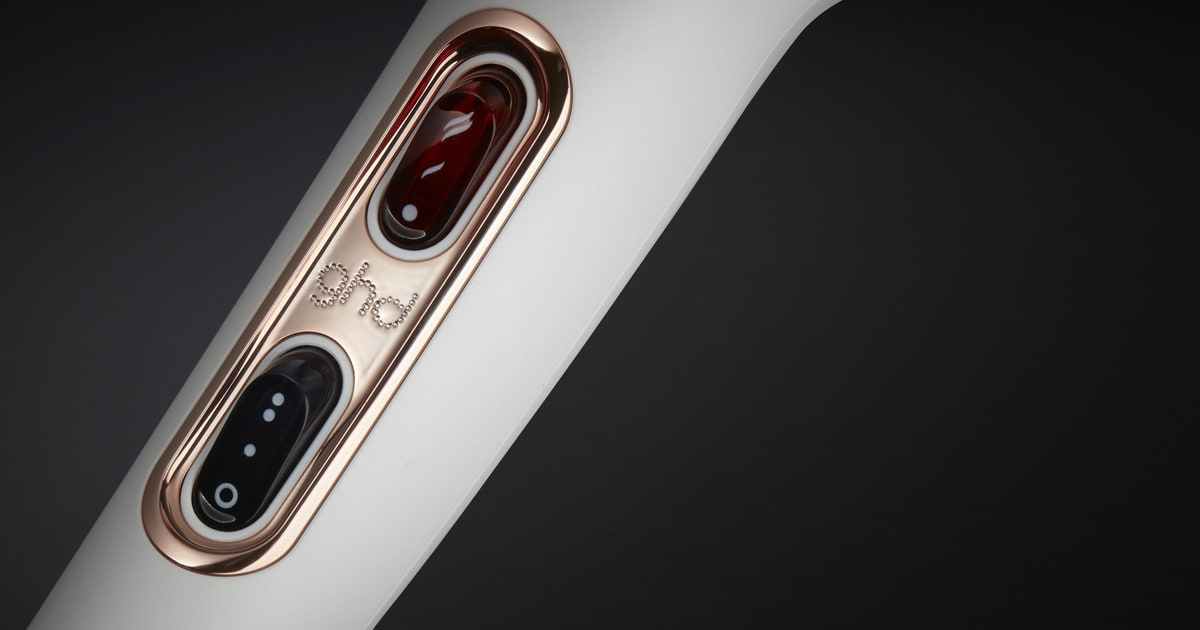
Most of us dry our hair on autopilot: head down, dryer on high, out the door. But the tool you grab every morning does more to your hair over a year than almost anything else in your bathroom. Ionic dryers push out negative ions that help water break up and evaporate faster, so you spend less total time under heat. Ceramic elements spread that heat across the whole element instead of scorching one spot. Together they're the difference between hair that looks smooth and hair that looks fried by March.
Here's the honest part. No dryer repairs damage, and every one of these tools still blasts hot air at wet strands. Ionic, ceramic, tourmaline and titanium all reduce the harm rather than erase it, and the claims about ion counts and molecular hydration are nearly impossible to verify from the outside. The gap between two good dryers is smaller than the packaging suggests. Noise is the other constant. Even the models sold as quiet are loud enough to end a conversation, and owners of expensive ones say so often.
What actually separates these dryers is unglamorous: motor type, weight, how the heat behaves when you hold it in one place, and whether the attachments stay on. An AC or brushless motor runs for roughly triple the hours of the DC motor inside most drugstore dryers. A pound of extra weight matters when your arm is up for 15 minutes. We think that the Shark HyperAIR is the best ionic ceramic hair dryer for most people, and that the ghd Helios is the one to buy if you style daily and want tighter airflow control.
Everything we recommend

Fast, even drying and every attachment you need, but it's heavy

Sharper airflow control and low noise, but no diffuser included
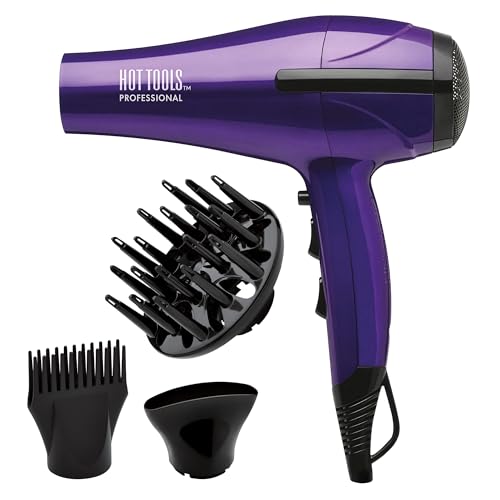
A salon-grade motor and simple dials, with no smart heat control

Real 2000-watt power for thick hair, in a bulkier, louder body
Prices as of Oct 27, 8:28 AM PT · Details
At a glance
| Product | Wattage | Ion Technology | Price | |
|---|---|---|---|---|
 | Dyson Supersonic Travel Hair DryerAlso consider | — | — | $299.99 |
| Shark HD120BRN Blow Dryer HyperAIR Fast-Drying withTop pick | — | Ionic | $189.99 |
 | T3 - Cura Diffuser for Cura andAlso in lineup | — | — | $30 |
| ghd Helios Professional Hair Dryer - AdvancedRunner-up | 1875W | Ionic | $329 |
| BaBylissPRO Hair DryerAlso great | 2000-Watt | Nano Titanium Ionic | $99.99 |
 | CHI 1875 Series Professional Ionic Hair DryerAlso consider | 1875W | Ceramic & Ionic | $65On sale |
| Hot Tools Pro Artist 1875W Turbo CeramicBudget pick | 1875-Watt | Ionic | $50.93 |
 | Panasonic EH-NA0J Hair Dryer Nanocare High PenetrationAlso consider | — | Nanoe & Mineral | $356 |
 | INFINITI PRO CONAIR 3-in-1 Styling Hair DryerAlso in lineup | 1875W | — | $53.05 |
 | Remington Damage Protection Hair Dryer with CeramicAlso in lineup | 1875W | Ceramic Ionic Tourmaline | $26.99 |
Prices as of Oct 27, 8:28 AM PT · Details
How we picked
Motor type and lifespan. We treated motor type as the most important spec on the sheet, because AC and brushless motors last roughly three times as long as DC motors. Anything meant for daily use had to have one.
Heat behavior. We favored dryers with active temperature management or a well-regarded ceramic or titanium element, since published reviews tie uneven heat to the scorched patches that damage color-treated hair.
Weight and handling. We compared listed weights and looked for owner complaints about arm fatigue. Under about a pound and a half is the point where long hair stops being a workout.
Attachments included. We gave credit for a diffuser and concentrator in the box, and checked owner feedback for attachments that pop off mid-style, which is a common and maddening failure.
Noise and everyday annoyances. We read owner feedback for recurring complaints about noise, cord length and filter clogging, since those are the things that make people stop using a dryer they paid for.
Top pick
Fast, even drying and every attachment you need, but it's heavy
Shark HD120BRN Blow Dryer HyperAIR Fast-Drying with
The Shark HyperAIR pairs high-velocity airflow with heat control that samples the outlet temperature constantly, so you're not cooking one section while you dry another. It comes with a concentrator, a deep diffuser and a styling brush, which covers straight, wavy and curly routines out of one box.
$189.99fromAmazonPrices as of Oct 27, 8:28 AM PT · Details
It dries fast without holding a single scorching temperature. Shark's HyperAIR IQ system measures outlet heat up to 1,000 times per second and adjusts on the fly, per the company's specs. That matters in practice because most heat damage happens when you park the nozzle over one section. Published reviews consistently place its drying time on medium-density hair within seconds of dryers that cost far more, which is why it's our pick for most people.
You get three attachments, and they're the three that matter. The 2-in-1 concentrator narrows the stream for a smooth blowout, the deep diffuser cups curls without blowing them apart, and the styling brush handles a quick round-brush finish. Buy most competing dryers and you'll get a concentrator and nothing else. If your hair type changes with the season, or you share the dryer with someone whose hair doesn't behave like yours, that box matters.
The controls stay simple even though the dryer is smart. Three heat settings and three airflow settings, plus a cool shot to lock the cuticle down at the end. You can override the automatic settings whenever you want. That's a real advantage over dryers that hide everything behind one mode, and it's why owners with fine hair and owners with coarse hair both get along with it.
The ion generator does visible work on frizz. Negative ions neutralize the static charge that makes dry hair fly away, and published beauty-lab write-ups repeatedly note less frizz on humidity-affected hair compared with air drying. You'll notice it most in July, or in a steamy bathroom. It isn't magic, and it won't straighten a curl pattern. But it takes the halo off.
Flaws but not dealbreakers
It's heavy, and you'll feel it. At about 1.65 pounds before attachments, this is not a dryer you hold overhead for 20 minutes without your shoulder complaining. If you have waist-length hair or you dry in sections with your arm up, expect to switch hands. Lighter professional dryers exist, and some of them cost less.
The automatic settings won't always agree with you. The optical sensors pick heat and airflow for you, which is convenient right up until it isn't the setting you wanted. You can override it manually, but that's an extra step every time. The attachments also take up real drawer space, and they're not as effortlessly magnetic as Dyson's.
Runner-up
Sharper airflow control and low noise, but no diffuser included
ghd Helios Professional Hair Dryer - Advanced
The ghd Helios is the dryer stylists reach for when they want a mirror-smooth finish on straight hair. Its 75 mph airflow and contoured nozzle let you aim heat precisely, and a bespoke acoustic system keeps it quieter than most professional dryers at this power.
$329fromAmazonPrices as of Oct 27, 8:28 AM PT · Details
Its airflow is the most controllable here. ghd's Aeroprecis system pushes air at 75 mph through a contoured nozzle, which concentrates the stream rather than scattering it. On fine hair that's the whole game, because over-directing wide airflow is how you end up with a section that dries in three directions at once. If you work in small sections with a round brush, you'll get a cleaner result faster.
It's quieter than a professional dryer has any right to be. The bespoke acoustic system is a genuine design feature, not a marketing line, and reviewers routinely call out the noise level as a reason to pick it over salon AC dryers. You can hear your podcast. Your partner can sleep through your 6 a.m. routine. That sounds trivial until you use a dryer that doesn't do it.
The brushless motor is built for daily volume. Brushless motors avoid the wearing carbon brushes that eventually kill cheaper units, and this one is spec'd for professional service. Pair that with a 9-foot cord and a balanced, lightweight body, and you have a tool designed around someone who styles every day rather than twice a week. Owners who style for a living keep coming back to it.
Ionic output plus variable heat gives you room to be gentle. You get variable temperature and power settings rather than two fixed steps, plus a cool shot. ghd claims a meaningful shine improvement from the ion generator. Whether you hit that exact number or not, the practical benefit is that you can dial the heat down on color-treated ends and still keep enough airflow to finish.
Flaws but not dealbreakers
There's no diffuser in the box. If you have curls or waves, that's a separate purchase, and it's an annoying gap on a dryer at this level. You get the contoured concentrator nozzle and that's it.
It isn't dual voltage. Take it to Europe and you'll need more than a plug adapter. For a dryer aimed at professionals who travel to shoots and weddings, that's a real limitation, and it's the single clearest reason to look elsewhere if you're on planes often.
Budget pick
A salon-grade motor and simple dials, with no smart heat control
Hot Tools Pro Artist 1875W Turbo Ceramic
The Hot Tools Pro Artist gives you a genuine 1875W AC motor and six heat and speed combinations in a body that weighs about a pound. There's no intelligent temperature management, but the motor should outlive the DC units sold alongside it.
$50.93fromAmazonPrices as of Oct 27, 8:28 AM PT · Details
The motor is the reason to buy it. AC motors in this class run for roughly 1,000 to 1,500 hours, while the DC motors in most similarly priced dryers give out somewhere between 300 and 500. That's a three-to-one longevity gap, and it's the spec that decides whether you're shopping again in 18 months. Hot Tools has built for the professional trade since 1990, and this is the model that reputation rests on.
It's light, which changes how long you can use it. At about a pound, you can hold it up through a full blowout without switching arms. Heavier professional dryers push more air, but they punish long sessions. If you have long hair and a 15-minute routine, weight is the spec that actually affects your morning.
Six heat and speed combinations cover more than you'd expect. Low and cool for fine hair or bangs, high heat and high speed to get through thick, soaking hair, plus a cold shot to set the style at the end. The removable lint filter is easy to pop off and rinse, which keeps airflow up over the years. Simple controls also mean nothing to troubleshoot.
Ionic output holds a smooth finish through the day. The ion generator cuts static and flyaways, and owners with wavy, frizz-prone hair report that a blowout holds better than with a basic drugstore dryer. It won't match the even heat of a ceramic-titanium professional unit. For the money, it's the more useful half of what those dryers do.
Flaws but not dealbreakers
There's no intelligent heat control at all. You get fixed temperature settings, and it's on you to keep the nozzle moving. Hold it in one place on already-dry ends and you'll do damage no ion generator can undo. If you're heavy-handed, spend more.
The accessories are basic. The included diffuser is serviceable rather than good, and the overall feature set is thin next to the premium picks. This is a well-built motor in a plain wrapper.
Also great
Real 2000-watt power for thick hair, in a bulkier, louder body
BaBylissPRO Hair Dryer
The BaBylissPRO Nano Titanium runs 2000 watts, above the 1875W ceiling most US dryers stop at, and its titanium-ceramic element gets hot quickly. If standard dryers leave your hair damp after 20 minutes, this is the fix.
$99.99fromAmazonPrices as of Oct 27, 8:28 AM PT · Details
The extra wattage does something you can feel on dense hair. Most US dryers top out at 1875W. This one runs 2000W, and on thick, coarse or waist-length hair that difference shows up as minutes saved every single wash. If you've ever given up and gone to bed with damp hair, this is the category of dryer that solves it.
Titanium heats up faster and holds temperature more steadily than ceramic alone. Nano titanium elements reach operating temperature considerably faster, so there's less standing around before you can start styling. Steady heat also means the stream doesn't cycle hot and cool while you're mid-section, which is what makes cheap dryers frustrating on thick hair.
It's a salon workhorse, not a consumer gadget. BaBylissPRO tools sit in supply closets across North America because they survive being used on five to eight heads a day. You get six heat and speed settings, an ergonomic handle, a concentrator, and a removable rear filter you can actually clean. Nothing here is clever. Everything here is durable.
Ionic output tames coarse texture rather than flattening it. The nano titanium ion generation cuts frizz on textures that fight back, which is why stylists use it for smoothing work. It won't give you the same automatic protection as the Shark or the ghd. But on hair thick enough to need this much power, the trade tends to be worth it.
Flaws but not dealbreakers
It's heavy and loud. Serious AC power comes in a serious body, and long home sessions will tire your arm. It's noticeably louder than the premium consumer dryers here, which is the price of the airflow.
The attachments are minimal, and the heat is manual. You get a concentrator, and that's about it. There's no automatic temperature management, so on fine or color-treated hair this dryer will happily let you overdo it.
Who this is for
Buy one of these if you dry your hair more than a couple of times a week and you're currently using whatever came from a drugstore endcap. That's where the upgrade is most obvious: less time under heat, less frizz by lunchtime, and a motor that doesn't die in a year. It's also worth it if your hair is colored, bleached or chemically straightened, because even heat is genuinely protective on hair that's already been through something. If you air-dry most days and only style occasionally, a budget pick is plenty.
This guide covers full-size ionic ceramic dryers you'd keep on a bathroom shelf. We're not covering hot-air styling brushes, multi-tool systems with curling attachments, or the standalone accessories that some searches turn up. We also don't pretend to settle whether one brand's ion output beats another's; those numbers aren't independently verifiable, and we won't repeat them as fact. If you need a dryer that works on foreign voltage, read the also-consider and competition notes carefully, because several strong options here are single-voltage.
How we picked
Motor: we treated AC and brushless motors as the baseline for anything you'd use daily, since DC motors typically give out after 300 to 500 hours against 1,000 or more. Heat behavior: we favored active temperature management or a proven ceramic or titanium element, because uneven heat is what wrecks color-treated hair. Weight: we compared listed weights and owner complaints about arm fatigue, with about a pound and a half as the comfort line. Attachments: a diffuser and concentrator in the box counted for a lot, and so did attachments that stay put. Everyday annoyances: we read owner feedback for repeat mentions of noise, short cords and clogged filters, which are the reasons good dryers end up in a closet.
Other ionic ceramic hair dryers worth considering
If you want a serious dryer that fits in a carry-on: The Dyson Supersonic Travel Hair Dryer — The Dyson Supersonic Travel is 32% smaller and 25% lighter than the Supersonic Nural, and its universal voltage adapts automatically, so it works in a hotel in Lisbon without a converter. Owners who travel constantly are the happiest buyers here; they report it dries quickly, packs flat and doesn't shut itself off abroad the way cheap travel dryers do. It also shares attachments with the full-size Supersonic, which is genuinely useful if you already own one. Two cautions. Some owners say it's louder than they expected, and a few report frizzy, static-y results that don't match the Dyson reputation, so it's not a guaranteed upgrade for every hair type. As a primary at-home dryer it's a lot of money for a small tool.
If you want moisture-first drying for fragile hair: The Panasonic EH-NA0J Hair Dryer Nanocare High Penetration — The Panasonic EH-NA0J Nanocare takes a different approach: instead of just managing heat, it adds fine nanoe moisture particles and minerals to the airstream while you dry. Panasonic spec's its warm air at roughly 197°F on the strong setting, with a much gentler scalp mode around 140°F, which is a genuinely low heat load for over-processed or post-bleach hair. Its maximum air volume is modest, so thick hair will take longer. The dealbreaker for most US buyers is voltage: this is a 100V Japanese-market model shipped from Japan, and running it on a North American outlet requires a step-down converter. Factor that in, and factor in that service and support won't be local.
If you want a light dryer aimed squarely at frizz: The CHI 1875 Series Professional Ionic Hair Dryer — The CHI 1875 Series has been the smoothing dryer in salons for a long time, and its ion generator puts out enough negative ions to visibly calm coarse, frizz-prone hair from the first use. It weighs about a pound, comes with both a diffuser and a concentrator, and includes an LED-lit clean-airflow system to cut buildup in the filter. What it gives up is range: three heat and two speed settings is fewer than most competitors now offer, the design hasn't changed much in years, and the cord runs shorter than the 9-foot professional standard. If your one complaint about your hair is frizz, that's a fair trade.
The competition
This is what our research turned up in this category, not a survey of everything for sale. Plenty of good dryers aren't here, and the two below are worth understanding rather than dismissing — each one makes sense for a specific buyer, just not for most people.
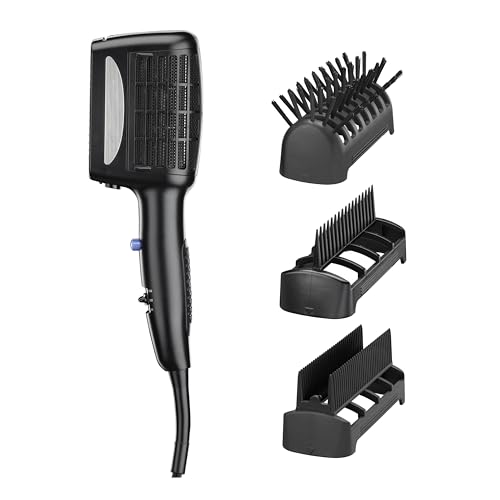
The INFINITI PRO CONAIR 3-in-1 Styling Hair Dryer — The INFINITI PRO Conair 3-in-1 is the attachment bundle of the bunch: a bristle styling brush, a dual-row straightening comb and a wide-tooth detangling comb, all on a 1875W tourmaline ceramic body with three heat settings, two speeds and a cool shot. Conair claims a sizable frizz reduction versus dryers with natural ion generation, and the lock button that keeps attachments seated is a small, smart touch. It lost to our budget pick on the spec that matters most: it uses a DC motor, which typically runs a third as long as the AC motor in the Hot Tools. Heat distribution is less even than the ceramic and titanium picks, too. Choose it anyway if you want a dry-and-style-in-one tool and you'll use it a couple of times a week rather than daily.
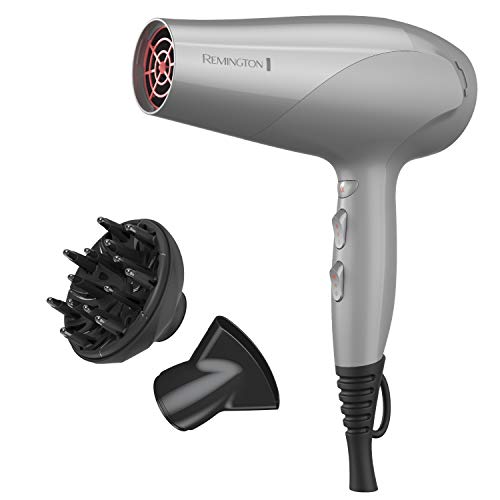
The Remington Damage Protection Hair Dryer with Ceramic — The Remington Damage Protection is a sensible step up from a no-name dryer, and it packs three real technologies — ionic, ceramic and tourmaline — into a 1875W body with three heat settings, two speeds, a cool shot and both a diffuser and a concentrator. Its distinguishing trick is a micro-conditioner coating on the element that releases conditioning agents as it heats, which softens the thermal hit a bit. It loses to everything above on durability: the DC motor won't handle daily high-volume use, there's no heat management beyond the fixed settings, and the conditioner coating fades over time. It's still the right pick if you dry your hair a few times a month and want the frizz control without the commitment.
Care and maintenance
The single best thing you can do for any dryer is clean the filter. Lint and product residue choke the intake, the motor works harder, heat climbs, and eventually the unit shuts itself off or burns out. Pop the rear filter off every few weeks and rinse or brush it. Beyond that: rough-dry to about 80% before you pick up a round brush, since the last 20% is where most damage happens. Keep the nozzle a few inches from your hair and keep it moving. Finish with the cool shot to close the cuticle. Don't wrap the cord tightly around the handle, because that's how the wire fails right at the strain point. And use a heat protectant, even with an ionic dryer.
Questions we get
What's the difference between ionic and ceramic hair dryers?
They solve two different problems. Ionic means the dryer emits negative ions that break up water droplets and neutralize static, so you dry faster with less frizz. Ceramic refers to the heating element, which spreads heat evenly instead of creating scorching hot spots. Nearly every good dryer now does both, so you're rarely choosing between them.
Are ionic dryers actually better for your hair, or is it marketing?
The underlying effect is real — negative ions do neutralize the positive charge that makes dry hair fly away. But the size of the benefit varies a lot between a budget dryer and a professional one, and manufacturers rarely publish ion output in any comparable way. Treat it as a helpful feature, not a reason to pay any price.
What should I look for if I have thick, coarse or very long hair?
Power and airflow. Standard 1875W dryers will get the job done, but they'll take noticeably longer on dense hair. The BaBylissPRO Nano Titanium runs 2000 watts, above the usual US ceiling, and its titanium element holds temperature steadily, which is why we recommend it for exactly this case.
Is tourmaline ceramic better than plain ceramic for frizzy hair?
Somewhat, yes. Tourmaline is a mineral that, applied over a ceramic element, generates more negative ions than ceramic on its own. Both the Conair and the Remington here use it, and it's the main reason inexpensive tourmaline dryers tend to beat plain ceramic ones on frizz. It doesn't compensate for a weak motor.
AC motor or DC motor — how much does it really matter?
More than almost any other spec. AC motors typically run 1,000 to 1,500 hours; DC motors give out somewhere between 300 and 500. If you dry your hair daily, that's the difference between a dryer that lasts several years and one you replace next year. Manufacturers usually bury motor type in the specs rather than the headline bullets, so look for it.
Do I need a dual-voltage dryer for travel?
Only if you're going somewhere with a different mains standard and you refuse to use the hotel dryer. A plug adapter alone won't work — the dryer itself has to accept the voltage. The Dyson Supersonic Travel handles this automatically. The ghd Helios doesn't, and the Panasonic is a 100V model that needs a converter even in North America.
Why you should trust us
For this guide:
- We read the manufacturer spec sheets and listing details for every dryer here, paying particular attention to motor type, wattage, weight and what's actually in the box.
- We compared published recommendations and beauty-lab write-ups across major review outlets to see which models come up repeatedly and which ones quietly disappear.
- We read owner feedback for recurring complaints rather than one-off gripes, which is where the noise, packaging and inconsistent-results issues in this guide come from.
- We read owner reviews on every listing, weighted toward the critical ones, because that is where the recurring failures show up.
- We have a systematic way of automatically fetching the latest prices, so the numbers on this page stay current.
- This is a research-focused guide, so the team may not own every product listed — though we often do own the top winners, which gives us extra context for the recommendations.
- We don't accept free products, and the retailer commission never changes which product we recommend.
Sources
Best Hair Dryers – Wirecutter (NY Times), Wirecutter / NY Times
Best Hair Dryers Tested by the Good Housekeeping Beauty Lab, Good Housekeeping
The 15 Best Hair Dryers, Tested and Reviewed, Allure
Best Hair Dryers for Every Hair Type, Self
Best Hair Dryers of 2026, Tested by Our Beauty Editors, Cosmopolitan
Hair Dryer Ratings and Buying Guide, Consumer Reports
The Best Hair Dryers of 2026, Tested and Reviewed, Byrdie
Best Hair Dryers for Every Hair Type and Texture, InStyle
Amazon product listings and owner reviews for all 10 products
Manufacturer specification pages for each product
Some passages in this guide may be paraphrased with AI help.
Product prices and availability are accurate as of the date/time indicated and are subject to change. Any price and availability information displayed on Amazon.com at the time of purchase will apply to the purchase of this product.
More like this.
Continue exploring beauty reviews and recommendations.

The Best Dry Shampoo for Oily Hair
Oily roots don't wait for wash day. If your scalp turns your hair flat and separated by lunchtime, you already know the routine: a topknot, a headband, or…

The Best Hair Dryers
A hair dryer is one of the few beauty tools you might reach for every single day, so small differences add up fast. Ten minutes saved on a weekday morning…

The Best Hair Dryers for Every Hair Type
A hair dryer is one of the few appliances you hold against your head, and you probably use it more days than not. That changes what matters. Weight,…

The Best Hair Dryers for Fine Hair
Fine hair dries fast, which sounds like good news until you're standing in front of the mirror with a flat, staticky crown. The tricky part isn't power.…

The Best Travel Hair Dryers
Hotel hair dryers are a gamble. Some are bolted to the wall and push lukewarm air through a hose. Others don't exist at all, which you discover at the…

The Best Professional Hair Dryers for Home Use
A hair dryer is one of the few tools you might hold in your hand for 20 minutes a day, several days a week, for years. That changes what matters. Weight…