The Best Smart Rowing Machines
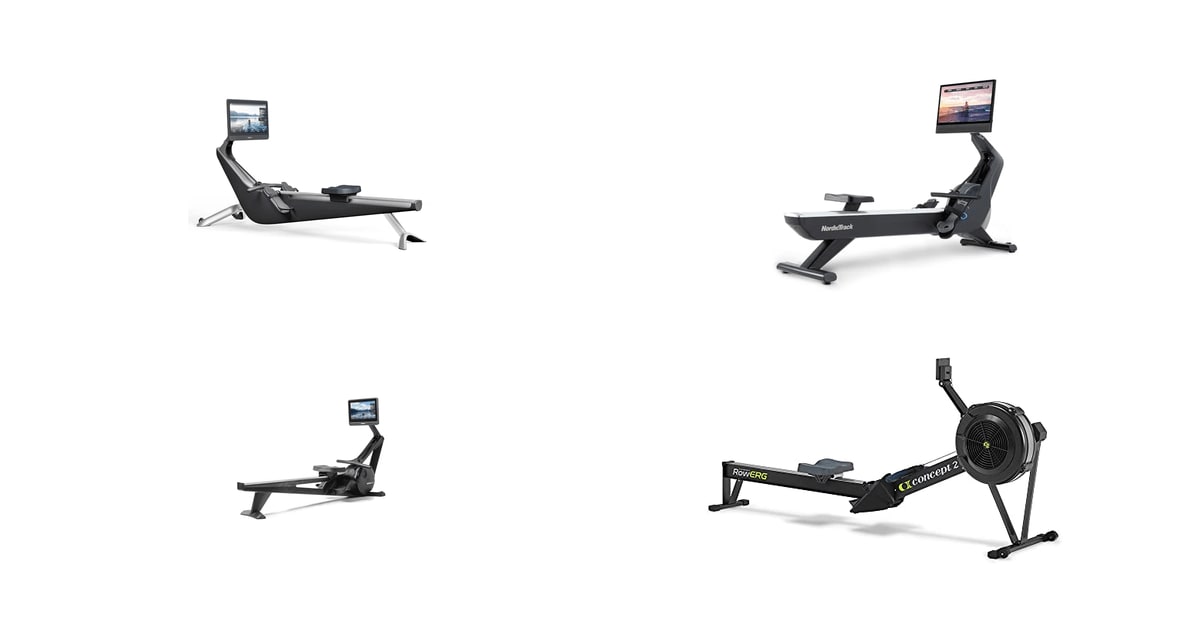
A rowing machine asks more of you than a bike or a treadmill. One stroke pulls in your legs, your core, your back and your arms — roughly 86% of your muscles, according to figures Hydrow cites from the American Council on Exercise, versus about 40% for cycling. It's also gentle. A British Journal of Sports Medicine analysis put rower injuries at roughly 0.5 per 1,000 training hours, against 2.5 for runners. That combination is why so many people with cranky knees end up on a rail.
Here's the catch nobody puts on the box. Most of these machines are a screen strapped to a flywheel, and the screen only works if you keep paying. Hydrow's membership runs monthly and forever; so does iFIT on the NordicTrack. Skip it and you're left with a very expensive machine showing you very little. Rowing is also technique-heavy, and a bad stroke practiced daily is just a back injury on layaway. No machine here fully solves that on its own.
You also need floor space — a real 8 to 9 feet of it, plus room behind you for the handle. Folding helps, but folding still means the thing lives somewhere. Decide where it goes before you buy, not after the delivery truck leaves. We think that the Hydrow Origin is the best smart rowing machine for most people, and that the Concept2 RowErg is the one to buy if you'd rather own your data and never pay a subscription.
Everything we recommend

The most convincing on-water feel, if you'll pay monthly
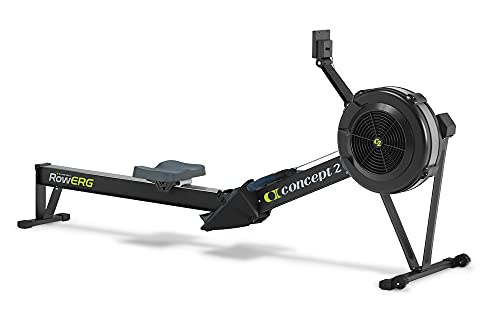
No subscription, no lock-in, and the data everyone trusts

Same classes, smaller screen, far less floor space

A pivoting screen that turns the rower into a whole gym
At a glance
| Product | Resistance Type | Display Size | Price | |
|---|---|---|---|---|
| Hydrow Origin Rowing Machine for HomeTop pick | Electromagnetic Drag | 22" Touchscreen | $2,195 |
| NordicTrack RW900 RowerUpgrade pick | Silent Magnetic | 24" Touchscreen | $1,999 |
| Hydrow Wave Rowing Machine for HomeBudget pick | Electromagnetic Drag | 16" Touchscreen | $1,995 |
| Concept2 RowErg Indoor Rowing Machine - PM5Also great | Adjustable Air | — | $990 |
 | ProForm Carbon TLSAlso in lineup | — | 5" LCD Display | $645On sale |
How we picked
Resistance and feel. We compared how each system behaves under load — air scales nonlinearly with stroke speed, electromagnetic stays consistent across 200-plus levels, magnetic is quiet but less lifelike. Machines had to offer either genuine on-water feel or a credible reason to trade it away.
Ongoing subscription cost. We read what each membership unlocks and what the machine still does without it, since a monthly fee compounds into a large share of ownership cost over two or three years. Anything that bricked its own screen without payment got flagged, not disqualified.
Footprint and storage. Manufacturer dimensions set the real floor requirements — most premium rowers need 8 to 9 feet of length plus handle clearance. Fold-flat or upright-stow capability mattered more than raw compactness, since a folded rower still has to live somewhere.
App compatibility. We checked Bluetooth and ANT+ support and whether each machine talks to Zwift, Garmin, Apple Health or ErgData. Closed ecosystems weren't ruled out, but open ones scored higher for anyone who already tracks training elsewhere.
Noise and comfort. We weighed published noise comparisons — magnetic systems run 50–65% quieter than air at matched stroke rates — alongside owner feedback themes on seat comfort, rail length and foot-position adjustability over long sessions.
Top pick
The most convincing on-water feel, if you'll pay monthly
Hydrow Origin Rowing Machine for Home
The Origin pairs electromagnetic drag with a 22-inch HD touchscreen and a library of thousands of live and on-demand rows filmed on real water. It's quiet enough for a shared wall, supports riders up to 375 pounds, and stows upright when you need the floor back.
$2,195fromAmazonElectromagnetic drag is the reason to buy this machine. Air rowers get louder the harder you pull, because you're literally spinning a fan. Hydrow's system doesn't. Resistance stays digitally consistent regardless of stroke rate, and per Garage Gym Reviews the platform offers 200-plus precise levels. Practically, that means a hard interval at 6 a.m. doesn't announce itself through the floor to whoever's asleep below you.
The content is what people actually stick with. Hydrow's library runs past 4,000 on-demand and live workouts filmed on open water — the Charles, the Thames, the Nile — with athlete instructors rowing alongside you rather than shouting from a studio. Owners repeatedly describe this as the thing that turned rowing into a habit instead of a resolution. If you've abandoned cardio equipment before, that's the variable that matters most.
It's built like it plans to stay. At 145 pounds with a 375-pound user capacity, the Origin doesn't flex or skate under a hard drive. The padded seat and adjustable footbeds handle most bodies, and Bluetooth pairs it with an Apple Watch, a chest strap, or wireless headphones. It stows upright, though at 86 inches long you still need to plan the room around it.
The 22-inch screen earns its size here. Front-facing speakers mean you can follow a coach without headphones, and the picture is good enough that the water footage reads as scenery rather than a screensaver. Compared with the 16-inch panel on the Wave, the Origin's display makes form cues and metrics readable from the catch position without squinting — a small thing that compounds over hundreds of sessions.
Flaws but not dealbreakers
The membership is not optional in any meaningful sense, and it's one of the pricier ones in connected fitness. Owners who bought expecting a normal rower with a screen have been genuinely angry about it — without the subscription you lose the classes and much of the on-screen instruction. Budget for it as an ongoing cost, not a trial you'll cancel.
Adjustability is thinner than on some rivals. Owner feedback points at limited foot-position options and a seat that gets uncomfortable on longer rows; a thin pad fixes it, but you shouldn't need one at this level. And the ratings picture is genuinely mixed — a meaningful slice of buyers are unhappy, mostly over subscription lock-in and support experiences.
It's heavy and long. You'll want a second person for assembly and placement, and 86 inches of rail is a real commitment in a small room even with upright storage.
The Origin comes with a one-year manufacturer warranty on parts and mechanical defects.
Also great
No subscription, no lock-in, and the data everyone trusts
Concept2 RowErg Indoor Rowing Machine - PM5
The RowErg is the machine competitive rowers and CrossFit gyms actually use, and it needs no membership to work fully. The PM5 monitor tracks every metric that matters and pairs over Bluetooth and ANT+ with more than 40 apps, including Zwift and Garmin.
$990fromAmazonNothing here is behind a paywall. Turn it on and the PM5 gives you split times, stroke rate, watts, distance and calories, powered by the spinning flywheel itself. Concept2 says the RowErg is used by over 95% of competitive rowers worldwide and is the official ergometer of the World Rowing Federation for indoor ranking events. Your 2K here is directly comparable to anyone else's 2K, anywhere.
It plays well with whatever you already use. Bluetooth and ANT+ connect to heart-rate straps and to 40-plus apps, so you can row into Zwift, log to Garmin, push to Apple Health, or just use ErgData. The integrated holder keeps your phone or tablet in view. If you like owning your training history rather than renting access to it, this is the only machine here that fully obliges.
Air resistance is the honest teacher. Pull harder and the flywheel spins faster, which means the machine tells you immediately when your stroke falls apart. Runners and cyclists with worn-out knees make up a large share of owners, and they tend to stay — this is a machine people keep for a decade, not a season. The 500-pound user capacity and 96-inch rail also suit tall and heavier rowers better than most.
It separates into two pieces for storage, and at 57 pounds it's the lightest machine here by a wide margin. Caster wheels handle the rest. Concept2 recommends about 9 by 4 feet of space in use, but you can genuinely break it down and stand it in a closet — something no other rower on this list can honestly claim.
Flaws but not dealbreakers
It's loud. A fan-driven flywheel makes a whooshing roar that carries through walls and floors, and hard intervals in an upstairs apartment will get noticed. Magnetic machines run 50–65% quieter at equivalent stroke rates per lab figures Healthline cites, and the gap is obvious.
There's no screen, no coach and no scenery — just a monochrome monitor with numbers. If motivation is your problem rather than data, you'll need to bring your own entertainment, and a tablet on the holder isn't the same as an instructor cueing your catch. Beginners also get no form feedback at all here.
Concept2 covers the RowErg frame with a five-year warranty.
Budget pick
Same classes, smaller screen, far less floor space
Hydrow Wave Rowing Machine for Home
The Wave runs the identical Hydrow library on a 16-inch screen in a body that's 19 inches wide and 102 pounds. You give up screen size and some solidity, not content, and it fits rooms where the bigger machines simply won't.
$1,995fromAmazonYou lose the screen, not the workouts. The Wave streams the same 6,000-plus live and on-demand sessions, the same instructors, the same HydroMetrics tracking and the same unlimited family profiles as the Origin. The panel is 16 inches instead of 22. For most people that's a fair trade, and it's the easiest way into Hydrow's ecosystem without hunting down a used machine.
The footprint is the real selling point. At 19 inches wide and 80 inches long, it slides into narrow rooms and along walls where a 25-inch-wide machine won't go. It folds upright too, though the storage kit is sold separately — check that before you assume it'll stand in the corner. Still supports up to 375 pounds despite weighing 43 pounds less than the Origin.
Electromagnetic drag carries over intact, so it stays quiet. If you're in an apartment with neighbors below, this and the Origin are the two machines here you can use at odd hours without an apology. Bluetooth handles your watch, strap and headphones.
Assembly is straightforward if you watch the video first, and owners generally describe the rowing motion as smooth and the sessions as genuinely engaging. Households with two adults sharing the machine tend to be the happiest buyers — the profile system means you're not fighting over one training history.
Flaws but not dealbreakers
The same subscription math applies, and it stings more here. Paying a premium monthly fee on top of a mid-priced machine means the membership can approach a large fraction of the purchase price over a couple of years. Several owners have said exactly that, and the overall rating picture is the weakest of the Hydrow pair.
Software gremlins show up in owner feedback more than they should — audio cutting out mid-session, Bluetooth heart-rate pairing dropping, streaming audio glitching. Not universal, but common enough that you should test everything hard inside the return window.
The 16-inch screen is noticeably small once you're at the catch and leaning back. Fine for following a coach; less good for reading fine metrics at a glance.
The Wave carries a one-year manufacturer warranty on parts and mechanical defects.
Upgrade pick
A pivoting screen that turns the rower into a whole gym
NordicTrack RW900 Rower
The RW900 pairs 26 levels of silent magnetic resistance with a 24-inch touchscreen that pivots to face the floor. That means iFIT yoga, strength and mobility sessions off the machine, plus streaming apps — it's the most versatile setup here.
$1,999fromAmazonThe pivoting screen is the feature that justifies the price. Swing the 24-inch panel around and you can do a strength or yoga session on the mat next to the rower, following the same trainer, in the same app. If you're trying to build a whole home gym in one corner rather than just adding cardio, no other machine on this list does that.
Silent magnetic resistance makes it the quiet option among big-screen rowers. Twenty-six digital levels adjust on command from the trainer, so resistance changes when the workout says it should rather than when you remember to reach down. Magnetic systems run substantially quieter than air, which matters if the rower lives in a shared space or a room with a sleeping baby on the other side.
Build quality reads as serious. It's 145 pounds assembled with oversized pivoting pedals and adjustable nylon straps, and owners describe it as a beast — sturdy under hard efforts, with no wobble. Assembly takes a couple of hours and genuinely needs two people, so plan the afternoon.
With an iFIT Pro membership you also get streaming services on the screen, which quietly solves the boredom problem for long steady rows. Household coverage is included in the membership rather than billed per person, which is a real saving if two or three people will use it.
Flaws but not dealbreakers
iFIT is required for essentially everything interesting, and owner frustration with the software is the single most consistent complaint — enough that one otherwise-positive owner docked the machine specifically over it. If the app annoys you, you've bought a heavy magnetic rower with a large idle screen.
It's very heavy and awkward to move, and the ratings pool is still small enough that long-term reliability is hard to read confidently. Treat the return window as your real evaluation period.
Magnetic resistance doesn't mirror on-water feel the way air or water does. Serious rowers training for a boat will find it smooth but a little inert.
Who this is for
Buy one of these if you want hard cardio that won't grind your knees down, and if you'll realistically use a screen to stay motivated. Rowing burns more than cycling at matched intensity — Harvard Health puts a 155-pound person at about 369 calories in 30 vigorous minutes versus 316 on a bike — and it hits far more muscle. It suits apartment dwellers who need quiet, ex-runners with worn joints, and anyone who's quit three pieces of cardio equipment because nothing held their attention.
Skip these if you mostly want to lift, if you can't commit 8 to 9 feet of floor, or if a recurring monthly charge will bother you every time it hits — in which case the Concept2 is your answer and the rest of this guide is background reading. This guide covers connected and smart rowers plus one subscription-free benchmark machine. It doesn't cover cheap hydraulic rowers, gym-only equipment, or accessories.
How we picked
We built the shortlist around six things. Resistance and feel: how the drag behaves under load, and whether it mirrors water or just makes numbers go up. Subscription cost: what the membership unlocks, and what's left of the machine if you stop paying. Footprint: real length and width from the spec sheets, plus whether it stows upright or breaks down. App compatibility: Bluetooth, ANT+, and whether it'll talk to Zwift, Garmin or Apple Health. Noise: magnetic and electromagnetic systems run far quieter than air, which decides the question for shared walls. Comfort and capacity: rail length, weight limits, seat and foot adjustability, drawn from owner feedback themes.
The competition
Here's what our research turned up beyond the picks — not a survey of everything sold, just the machines in this lineup that didn't make the cut and why. Some lost narrowly. One isn't a rower at all.
The ProForm Carbon TLS ($645) — The ProForm Carbon TLS is a folding treadmill, not a rowing machine — it runs 0 to 10 mph with a 0–12% incline and a 5-inch LCD, and it's iFIT-compatible like the NordicTrack. Owners like it for walking and light jogging at a reasonable price, and the folding frame with a hydraulic assist genuinely helps in tight rooms. But there's no rail, no seat and no stroke, so it can't compete with anything else here. Worth a look only if you've decided you'd rather walk than row.
Setup and space planning
Measure before you order. Most of these need 8 to 9 feet of clear length plus a couple of feet behind for the handle and your own recovery, and the Origin alone is 86 inches long. Plan for two people at assembly — the NordicTrack and both Hydrows run over 100 pounds, and owners consistently say a second set of hands turns a two-hour job into a manageable one. Put the machine on a thick mat if you're on a hard floor or above a neighbor; it protects the surface and cuts vibration transfer. After that, upkeep is light: wipe sweat off the rail and seat after each row, since salt corrodes rails and slides, and keep the chain or belt path clear of dust. Check footstrap hardware every few months. Use the return window as your real evaluation period — row hard, pair every device, and make sure the software behaves before it expires.
Questions we get
What's the best smart rowing machine for a beginner?
The Hydrow Origin, mostly because of the coaching. Beginners learn a bad stroke fast on a machine that gives no feedback, and instructor-led classes with on-screen cues keep your form honest. If a monthly fee is out of the question, the Concept2 RowErg is still fine to start on — just watch technique videos before your first real session.
Can you use the Concept2 RowErg without a subscription?
Yes, fully. The PM5 monitor gives you split times, stroke rate, watts, distance and calories with no account and no fee, drawing power from the spinning flywheel. It also pairs over Bluetooth and ANT+ with more than 40 apps, including Zwift, ErgData and Garmin. It's the only machine in this guide with nothing locked behind a paywall.
How much does a rowing subscription actually add?
Enough to change which machine you should buy. Hydrow and iFIT both charge monthly, indefinitely, and over two or three years that stacks up to a meaningful fraction of the machine's purchase price. Add it into your comparison before you decide — a cheaper rower with a pricey membership can end up costing more than a subscription-free one.
Which is best for a small apartment?
The Hydrow Wave, at 19 inches wide and 102 pounds, is the easiest of the connected machines to fit into a tight room, and it folds upright — though that kit is sold separately. If you need the machine to actually disappear between sessions, the Concept2 RowErg separates into two pieces and stands in a closet, which none of the screen-based rowers can match.
Are magnetic rowers quieter than air rowers?
Considerably. Lab comparisons cited by Healthline put magnetic systems 50–65% below air-resistance machines at the same stroke rate. Air rowers get louder the harder you pull, since you're spinning a fan — great feedback, bad for neighbors. If you share a wall or a floor, go magnetic or electromagnetic.
Is rowing better than cycling for full-body fitness?
For muscle recruitment, clearly — roughly 86% of your muscles per stroke versus about 40% on a bike, per figures Hydrow cites from the American Council on Exercise. Calorie burn favors rowing too: Harvard Health puts a 155-pound person at about 369 calories in 30 vigorous minutes of rowing against 316 cycling. Cycling is easier to learn well, though, and rowing punishes sloppy technique.
Which rower suits someone over six feet?
The Concept2 RowErg, with its 96-inch frame, 14-inch seat height and 500-pound capacity, handles tall and heavier rowers most comfortably. The Origin's 86-inch length works for most people but leaves less rail to spare. Check the manufacturer's inseam guidance before committing if you're well over 6'2".
Why you should trust us
For this guide:
- We read manufacturer specifications and listing details for every machine here, comparing rail length, weight capacity, resistance type and screen size directly against each other.
- We reviewed published reporting and reference data from Garage Gym Reviews, Healthline, Harvard Health Publishing, Concept2, Hydrow and the British Journal of Sports Medicine for claims about noise, calorie burn, muscle recruitment and injury rates.
- We read owner feedback across all eight listings and weighted recurring themes — subscription frustration, seat comfort, assembly weight and software reliability — rather than individual accounts.
- We read owner reviews on every listing, weighted toward the critical ones, because that is where the recurring failures show up.
- We have a systematic way of automatically fetching the latest prices, so the numbers on this page stay current.
- This is a research-focused guide, so the team may not own every product listed — though we often do own the top winners, which gives us extra context for the recommendations.
- We don't accept free products, and the retailer commission never changes which product we recommend.
Sources
Best Rowing Machines 2026 — Wirecutter, Wirecutter / NYT
Best Rowing Machines, Tested by Our Fitness Lab — Good Housekeeping, Good Housekeeping
Best Rowing Machines Tried and Tested — Tom's Guide, Tom's Guide
Hydrow Rower Review — Garage Gym Reviews, Garage Gym Reviews
Peloton Row Review — Garage Gym Reviews, Garage Gym Reviews
Calorie Burn: Rowing vs. Cycling — Harvard Health Publishing, Harvard Health Publishing
Connected Fitness Equipment Market Report 2024–2026, Grand View Research
Ergatta Rower Review — Men's Health, Men's Health
Aviron Rower Review — CNET, CNET
Concept2 RowErg Product Page — Concept2, Concept2 (Manufacturer)
Best Budget Rowing Machines — Healthline, Healthline
NordicTrack RW900 Full Review — Runner's World, Runner's World
Amazon product listings and owner reviews for all 5 products
Manufacturer specification pages for each product
Some passages in this guide may be paraphrased with AI help. Prices are refreshed automatically.
More like this.
Continue exploring lifestyle reviews and recommendations.

The Best Magnetic Resistance Rowing Machines
A rowing machine is one of the few pieces of home cardio gear that works your legs, back, core and arms in the same motion. Rowing engages up to 86% of…

The Best Rowing Machines for Home Gyms
A rowing machine is the rare piece of cardio gear that works nearly your whole body at once. Your legs push, your core braces, your back and arms finish…

The Best Compact Rowing Machines
Rowing is the rare cardio machine that doesn't punish you for using it. One stroke pulls in your legs, back, core and arms at once, and your knees never…

The Best Indoor Rowing Machines
Rowing is the rare cardio machine that works almost your whole body at once. One stroke pulls in your legs, core, back and arms, so twenty minutes does…

The Best Smart Sprinkler Controllers
An in-ground sprinkler system is the one appliance in your yard that runs whether you're paying attention or not. A dial timer waters on Tuesday because…

The Best Soda Makers and Sparkling Water Machines
If you drink sparkling water every day, you already know the routine: hauling cases home, stacking cans in the garage, hauling the empties back out. A…