The Best Compact Rowing Machines
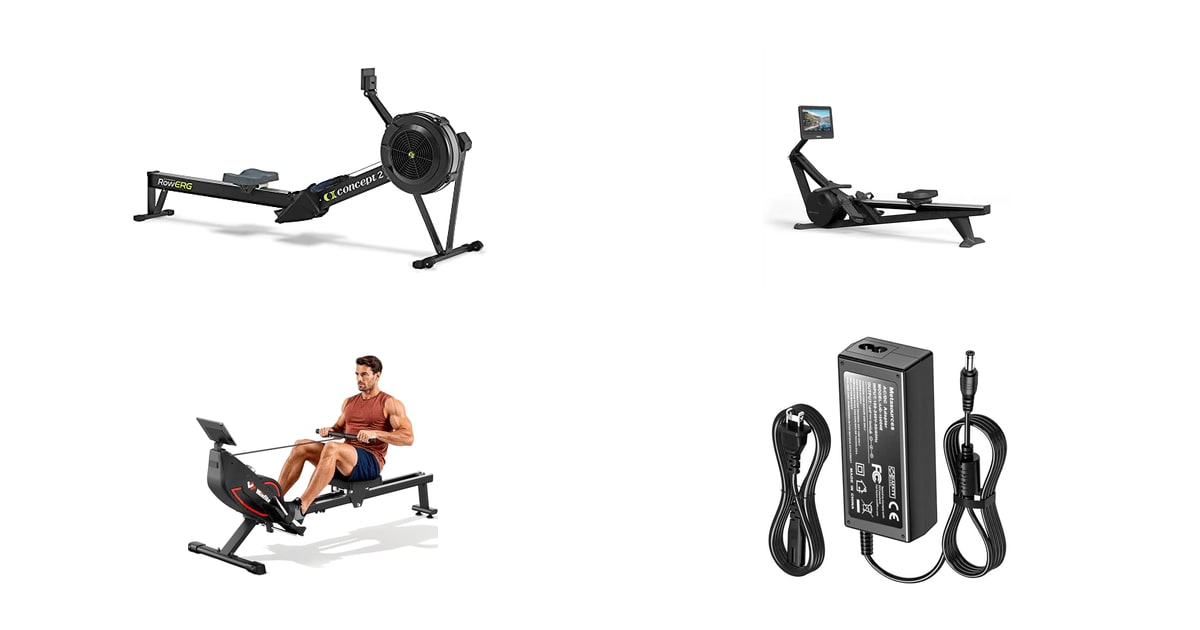
Rowing is the rare cardio machine that doesn't punish you for using it. One stroke pulls in your legs, back, core and arms at once, and your knees never take an impact. That's why so many people land on a rower after running or a bad joint year. But a rower is also a big object in a small room. The machine you'll actually use is the one that fits where you live, doesn't wake anyone up at 6 a.m., and doesn't make you feel like you're missing something without a monthly fee.
Here's the honest part: no rowing machine is genuinely small. Even the ones that fold or split still need a clear runway of roughly eight to nine feet while you're on them, and the ones that store upright want seven feet of ceiling. "Compact" in this category means compact in storage, not in use. The other catch is content. Machines with big touchscreens lock most of their value behind a subscription, and machines without them ask you to prop up a tablet. You'll be choosing which compromise bothers you less.
We looked at resistance type first, because noise is the thing people regret. Then storage shape, then whether the data is worth trusting, then what you're on the hook for after checkout. Our picks span a plain steel-and-aluminum workhorse, a quiet screen-first machine, a wooden water rower and a light folding budget option. We think that the Concept2 RowErg is the best compact rowing machine for most people, and that the Hydrow Wave is the one to buy if you need near-silence and instructor-led classes in an apartment.
Everything we recommend
The most accurate rower here, if you can live with the noise
Near-silent with classes built in, if you'll pay monthly

A wooden rower that stores small and looks like furniture

Silent, light and folds flat — but you'll outgrow it
At a glance
| Product | Resistance Type | Weight Capacity | Price | |
|---|---|---|---|---|
| Concept2 RowErg Indoor Rowing Machine - PM5Top pick | Air Resistance | 500 lb Capacity | $990 |
| Hydrow Wave Rowing Machine with Immersive 16''Also great | Electromagnetic Drag | 375 lb Capacity | $1,895On sale |
| Winfita Rowing Machines for Home UseBudget pick | Magnetic Resistance | 350 LBS Capacity | $169.99On sale |
 | Metasources 19VDC AC/DC Adapter Compatible with AvironAlso in lineup | — | — | $49.99 |
| WaterRower Club Rowing Machine with S4 BLEUpgrade pick | WaterFlywheel | — | $1,424 |
How we picked
Noise in real homes. We treated resistance type as the first filter, because it's what determines whether you can row early without an argument. Air is the loudest, magnetic and electromagnetic are near-silent, and water sits between them.
Stored footprint. We compared manufacturer stored dimensions and looked for machines that either split apart, fold flat or stand on end. Anything that still needed a dedicated room when idle didn't belong in a compact guide.
Data you can trust. We favored monitors that report pace and power rather than just a stroke count, and we checked whether readings come from measured drag or an estimate. A number you can't compare month to month isn't much use.
Fit for taller rowers. We checked rail and drive length against manufacturer height guidance and owner reports, since a stroke that ends early is the fastest way to hate a machine.
What you owe after checkout. We noted which machines require an ongoing membership for their main feature and which work fully out of the box, and we weighted subscription-free machines accordingly.
Top pick
The most accurate rower here, if you can live with the noise
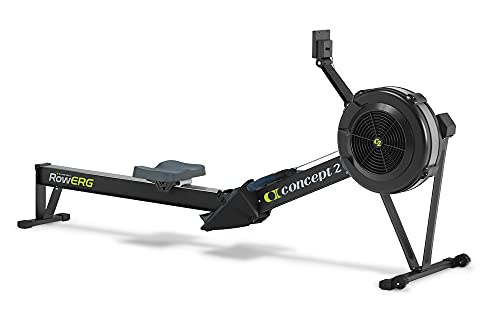
Concept2 RowErg Indoor Rowing Machine - PM5
The Concept2 RowErg is the machine gyms, rowing teams and researchers use, and it works exactly the same at home. It splits into two pieces for storage, needs no subscription, and its monitor gives you numbers you can compare against yourself for years.
$990fromAmazonNothing else here gives you data you can trust this much. The PM5 monitor reads what the flywheel is actually doing against your pull, so pace, watts and stroke rate reflect real work rather than an estimate. That sounds like an athlete concern, and it partly is. But it also means your split from this month is directly comparable to your split from last spring. Cheaper monitors drift, round off, or just count strokes. This one doesn't.
The RowErg comes apart at the middle of the rail into two sections you can carry one at a time, each well under 60 pounds. You can stand them in a closet, slide them under a bed, or tuck them behind a sofa. Assembled, it's about eight feet long and two feet wide, and Concept2 suggests giving yourself a nine-by-four-foot area to row in. Measure that before you order — it's the single most common surprise.
Owners who came to it from running, cycling or cardiac rehab describe the same arc: they expected a workout, they got one, and the machine hasn't changed since. That's the quiet case for it. Parts stay available, the design barely moves between generations, and used ones hold value in a way no touchscreen machine does. If you buy one and hate rowing, you'll get a lot of your money back.
It works with the Concept2 app, its own logbook, Strava and dozens of third-party platforms over Bluetooth and ANT+, and there's a holder for your phone or tablet built into the frame. So the class experience is available to you — you just supply the screen and pick the app. Nothing is gated. Every feature the machine has works out of the box, forever, with no account required.
The damper on the side runs 1 through 10 and changes how much air reaches the flywheel, which changes the feel of the stroke rather than making it simply harder. Low settings feel like a sleek boat, high settings feel like dragging a barge. Most people settle somewhere in the middle and stop thinking about it. The 500-pound user rating is the highest in this guide, and the 14-inch seat is easy to get on and off.
Flaws but not dealbreakers
It's loud. An air flywheel makes a whooshing sound that rises with your effort, and it carries through a shared wall. In a house, someone a room away probably won't care. In an apartment at 5:30 a.m., your neighbor might. This is the one reason to buy something else.
The seat pad is thin, and people doing long sessions often end up buying an aftermarket cushion. The look is industrial too — this is gym equipment, and it doesn't pretend to be furniture. If it's going in a living room you care about, that matters.
Concept2 lists a five-year frame warranty on the RowErg.
Also greatOn sale
Near-silent with classes built in, if you'll pay monthly
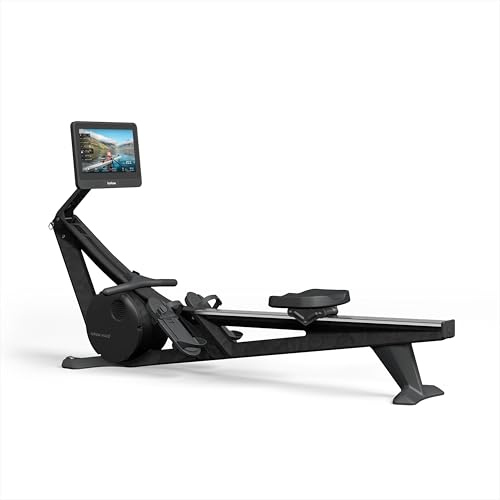
Hydrow Wave Rowing Machine with Immersive 16''
The Hydrow Wave is the quiet one. Its electromagnetic resistance makes almost no noise, and the 16-inch screen streams live and on-demand classes filmed on real water. You'll need a membership for most of that, which is the whole decision.
$1,895fromAmazonList priceIf noise is the reason you can't buy an air rower, this is your machine. Electromagnetic drag doesn't move air, so there's no flywheel whoosh — reviewers put it around the level of a quiet desk fan. You can row before your partner's alarm goes off. You can row in a third-floor walkup without composing an apology to the couple below you. That freedom is worth a lot in the wrong building.
The Wave is a smaller version of Hydrow's original machine, and the shrink was deliberate: it's meant to fit spare bedrooms and studios that couldn't take a full-size connected rower. It's about 80 inches long and 19 inches wide. It can be stored upright, but note that Hydrow sells the upright storage kit separately, so budget for that if standing it against a wall is your plan.
The classes are the actual product. Instructors are former competitive rowers rather than generic fitness personalities, sessions are shot on real rivers, and the library is deep enough that you're unlikely to repeat a workout. Owners who stick with it tend to say the same thing — they show up because someone is expecting them to. If guided structure is what gets you moving, that's not a small feature.
Here's the honest cost picture. The membership runs monthly, indefinitely, and over three years it can approach the price of the hardware itself. The machine still works without it, and you can still row. But you'd be buying a screen you barely use. Decide before you order whether you're a classes person, because that's what you're paying for.
Flaws but not dealbreakers
Owner feedback on this listing is more mixed than on the others here, and the complaints cluster: audio dropping out mid-session, Bluetooth heart-rate pairing that won't hold, and streaming glitches. Several people also flag the seat making a scraping noise, though Hydrow appears to replace those. The support experience gets mentioned both ways.
The resistance ceiling is real. This isn't a machine for flat-out sprint intervals at the top end, and stronger rowers will find the peak lower than they want. Drive length is also on the shorter side, so if you're over about 6-foot-2 you may not get a full stroke.
The screen is 16 inches, smaller than the displays on some competing connected rowers, and it's the fixed centerpiece of a machine you can't upgrade separately.
Upgrade pick
A wooden rower that stores small and looks like furniture
WaterRower Club Rowing Machine with S4 BLE
The WaterRower Club is hand-built from solid ash in Rhode Island, and it rows by pulling paddles through a sealed water tank. The stroke feels closer to real boat rowing than anything else here, and it stands on end in about the space of a bookshelf.
$1,424fromAmazonThe resistance comes from water, and that changes how a stroke feels. It builds as you accelerate and releases naturally on the recovery — no mechanical catch, no sudden wall. Rowers who've spent time in an actual boat tend to describe it as the closest thing to the real motion you can get indoors. The sound is a rhythmic slosh, which most people find pleasant rather than intrusive.
Nothing else here stores this well. It stands upright on its end post, taking roughly the floor space of a nightstand. It doesn't fold, hinge or come apart — you just tip it up. And because it's stained ash rather than painted steel, standing in a corner of a living room it reads as an object someone chose, not equipment someone tolerates. That's a genuine reason people buy it.
One owner notes a husband who's 6-foot-7 still had an inch of rail to spare, which is unusual in this category. Tall rowers routinely run out of slide on cheaper machines. The frame is solid hardwood rather than tube steel, so it feels planted rather than flexy, and there's no subscription attached to any of it.
The S4 monitor covers the basics — time, distance, stroke rate, intensity, calories — and pairs over Bluetooth to Apple Health and compatible apps. That's the whole story. If you want coached content, you'll mount a tablet above the tank and pay someone else for the classes.
Flaws but not dealbreakers
Water resistance regulates itself by how fast you pull, so you can't dial in a fixed level for structured intervals the way you can on a magnetic machine. You change the feel by adjusting how much water is in the tank, and then you leave it.
It weighs well over 100 pounds and takes two people to place. Once it's in a room, it stays in that room. There's also light upkeep: purification tablets every few months to keep the water clear.
It ships in two boxes — rails in one, tank and monitor in the other — and they don't always arrive together. Owners report cracked tanks and, in one case, rails that never showed up. The company seems responsive about replacements, but plan for the possibility of a delay before your first row.
WaterRower backs the Club's frame with a lifetime warranty.
Budget pickOn sale
Silent, light and folds flat — but you'll outgrow it
Winfita Rowing Machines for Home Use
The Winfita is a magnetic rower that costs a fraction of the others here, weighs under 40 pounds, and makes essentially no noise. It's the right first machine for building a habit, and the wrong one if you already row seriously.
$169.99fromAmazonList priceMagnetic resistance means silence, and silence means you'll actually use it. There's no flywheel and no air, so the only sound is the seat rolling on the rail. You can row at 5 a.m. in a building with paper-thin floors. One owner bought it specifically because they lived in an apartment and needed something small and quiet, and that's exactly the brief it fills.
It arrives nearly assembled and takes about twenty minutes to finish, and it stores vertically in under four square feet. At 36 pounds you can move it yourself without a second person or a plan. For a spare bedroom, a corner of an office or a closet, that's the practical difference between a machine you use and a machine you resent.
The dual-rail design is the one spec that separates it from the wobbly end of the budget category — two rails rather than one, which keeps the seat tracking straight under load. The 350-pound capacity is generous for the price. The resistance knob is self-powered, so there's nothing to plug in, and the display shows the essentials while you row.
Someone finishing cardiac rehab picked this after comparing options and stayed happy with it, which tells you the ceiling isn't the point. If you need controlled, low-impact cardio you can do every day without thinking about it, this machine does that job completely.
Flaws but not dealbreakers
The resistance tops out where a fitter rower stops being challenged. If you train consistently, expect to want more within a year or so. Treat this as a first machine, not a last one.
The monitor tracks time, count and calories — no pace, no watts, nothing you can compare against a real benchmark. There's no class integration either. And the rail is shorter than the full-size machines here, so rowers over about six feet may feel cramped at the catch.
Assembly instructions come in for criticism even from owners who like the machine. Budget an extra half hour of figuring it out.
Who this is for
This guide is for anyone trying to fit a real rowing machine into a home that wasn't designed for one — an apartment, a spare bedroom, a corner of a basement. If you have joint pain that ended your running, if you want full-body cardio that doesn't require learning a sport, or if you just want one machine instead of three, rowing is a good answer. The picks here range from a light folding budget model to a hand-built wooden machine, so there's a version of this for most rooms and most budgets.
It's not for everyone. If you want a machine that's genuinely small while you're using it, no rower qualifies — you need eight or nine feet of clear floor, every time. If you already row competitively and want a specific drag profile at a specific rate, you're past the scope of a compact-home guide. We're also only covering full-size rowers here, not hydraulic mini-rowers or under-desk pedal units, which row nothing like the real thing.
How we picked
We ranked these on five things. Noise: resistance type decides whether you can row at 6 a.m. in a building with neighbors, so it came first — magnetic and electromagnetic are near-silent, water is soft, air carries. Storage: we wanted machines that split, fold or stand on end, and we compared stored dimensions from spec sheets rather than marketing copy. Data: monitors that measure real drag and report pace and power beat monitors that count strokes. Fit: rail and drive length against manufacturer height ranges and owner reports, because a short stroke ruins the machine. Ongoing cost: we favored rowers whose main features work without a membership, and we flagged clearly when they don't.
The competition
This is what our research surfaced in the compact category, not a map of everything sold. Rowing machines turn over quickly at the budget end and slowly at the top, and plenty of capable machines from smaller brands never make it into the listings we compared. If a rower you're considering isn't here, it isn't a verdict — check its stored dimensions, its resistance type and whether its features survive without a subscription, and you'll have most of what you need.
Space, setup and upkeep
Before you order anything, tape the full rowing footprint onto your floor: roughly eight to nine feet long by two feet wide. Sit in that space and reach forward. If your hands hit a wall, the machine is too long for the room, and no amount of clever storage fixes that. Then measure your ceiling if you plan to stand a rower upright — most need about seven feet of clearance, and some want more. Upkeep is light across the board. Wipe the rail after sweaty sessions so the seat keeps gliding, check the footstrap hardware every few months, and if you buy a water rower, drop in a purification tablet a couple of times a year to keep the tank clear.
Questions we get
Which rowing machine is best for an apartment?
The Hydrow Wave, if you want classes — its electromagnetic resistance is about as loud as a quiet fan and it stands upright. The Winfita is the silent budget answer and folds flat enough to slide under a bed. The WaterRower Club is quiet too, with a soft water sound, and stores in the smallest floor footprint here. The Concept2 is the one to avoid if you share a wall and row early.
Do rowing machines actually fold up?
They store in three different ways. Some hinge upright against a wall and need seven feet of ceiling, some fold flat and slide under a bed, and the Concept2 separates into two pieces at the middle of the rail. The WaterRower doesn't fold at all — it just stands on its end post. Check the stored height, not just the footprint, because plenty of upright machines are still over six feet tall.
What's the difference between air, magnetic and water resistance?
Air rowers use a flywheel spinning against air, so resistance scales infinitely with how hard you pull and the data is the most accurate — but they're the loudest. Magnetic rowers set resistance with magnets, which is silent and consistent but feels less dynamic through the stroke. Water rowers move paddles through a tank, which feels closest to a real boat and makes a soft rhythmic sound. Pick by noise first, then by feel.
Is rowing good for weight loss?
It's one of the more efficient cardio options, because a single stroke recruits your legs, core, back and arms rather than one plane of motion. That raises the metabolic cost per minute compared with something like walking. But consistency and diet drive results far more than the machine does. The best rower for weight loss is the one you'll get on four times a week.
Do I need a subscription to use these?
Not on all of them. The Concept2, WaterRower and Winfita work fully out of the box — no account, no monthly fee — and the first two pair to third-party apps if you want structure. The Hydrow Wave will row without a membership, but the classes are the reason to own it, so skipping the fee means paying for a screen you don't use.
How tall can you be and still row comfortably?
Most full-size machines here handle rowers up to roughly 6-foot-4 without trouble, and the WaterRower has been reported to fit someone at 6-foot-7 with room left. The Hydrow Wave's drive length is shorter, so past about 6-foot-2 you may run out of slide. Budget folding machines like the Winfita have the shortest rails of all. Always check the manufacturer's recommended height range rather than the maximum.
Why you should trust us
For this guide:
- We compared manufacturer spec sheets for stored and in-use dimensions, resistance type, rail length, weight capacity and warranty terms across every machine in this guide.
- We read published reviews and owner feedback to find the failure modes that repeat — connectivity dropouts, shipping damage, assembly instructions and resistance ceilings — rather than the ones that show up once.
- We weighed ongoing membership requirements against what each machine does without one, since that gap changes the recommendation more than any single spec.
- We read owner reviews on every listing, weighted toward the critical ones, because that is where the recurring failures show up.
- We have a systematic way of automatically fetching the latest prices, so the numbers on this page stay current.
- This is a research-focused guide, so the team may not own every product listed — though we often do own the top winners, which gives us extra context for the recommendations.
- We don't accept free products, and the retailer commission never changes which product we recommend.
Sources
Best Rowing Machines 2026 — Wirecutter / NYT, Wirecutter / The New York Times
Best Rowing Machines Tested by Fitness Experts — Forbes Health, Forbes Health
Best Rowing Machines for Home — Garage Gym Reviews, Garage Gym Reviews
Concept2 RowErg (Model D) In-Depth Review — Rowing Machine King, Rowing Machine King
WaterRower vs Concept2: Which Is Better? — Topiom Expert Analysis, Topiom
Hydrow Wave Review — Men's Health, Men's Health
Calories Burned in 30 Minutes for People of Three Different Weights — Harvard Health Publishing, Harvard Health Publishing
Ergatta Rower Review 2026 — Verywell Fit, Verywell Fit
Amazon product listings and owner reviews for all 5 products
Manufacturer specification pages for each product
Some passages in this guide may be paraphrased with AI help. Prices are refreshed automatically.
More like this.
Continue exploring health reviews and recommendations.

The Best Magnetic Resistance Rowing Machines
A rowing machine only helps if you actually get on it, and the thing that most often stops people is noise. Air rowers roar. Water rowers slosh. A…

The Best Indoor Rowing Machines
Rowing is the rare cardio machine that works almost your whole body at once. One stroke pulls in your legs, core, back and arms, so twenty minutes does…

The Best Wind-Resistant Compact Umbrellas
A compact umbrella earns its keep on the walk from the train to the office, when the rain is coming sideways and you've got a bag on one shoulder. What…

The Best Compact Photo Printers
A compact photo printer turns the thousands of pictures buried on your phone into something you can stick on a fridge, tuck into a card, or hand to your…

The Best Tennis Ball Machines
A ball machine is the only practice partner that never cancels on you. It'll feed the same wide slice to your backhand 200 times while you figure out your…

The Best Home Cardio Machines
A cardio machine at home earns its floor space by being the one you'll actually use. No drive, no parking, no waiting on a stranger to finish. Ellipticals…