The Best Gifts for Vegans and Plant-Based Cooks
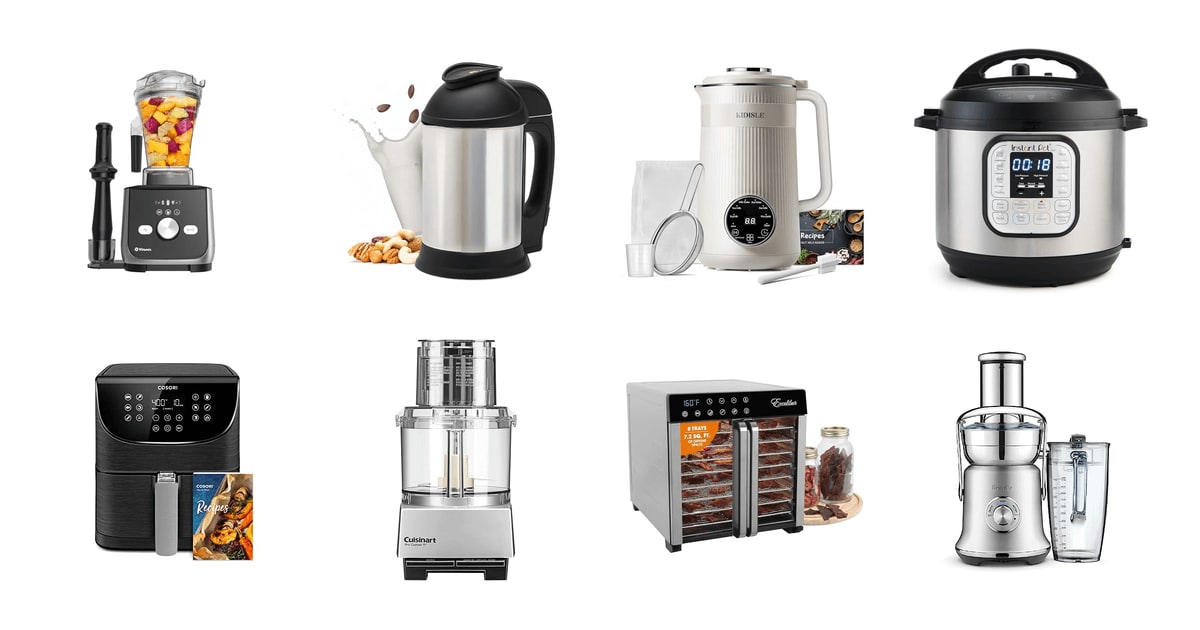
Plant-based cooking asks a lot of a kitchen. Almonds have to become milk, chickpeas have to become hummus, and tofu has to come out of something crisp instead of soggy. A lot of that work is grinding, straining, soaking, and waiting. So the appliances that actually get used in a vegan kitchen aren't the trendy ones — they're the ones that collapse a 20-minute chore into two. If you're shopping for someone who cooks this way, that's the gift you're looking for.
Here's the honest part: none of these machines is a magic wand, and every one of them adds a thing to wash. Nut milk makers leave pulp you have to deal with. Air fryers and dehydrators take up real counter space. Blenders that can pulverize a raw cashew are loud enough to wake a household. And if your recipient already owns a decent version of one of these, a second one is clutter, not a present. Nobody's kitchen has room for all eight.
So we sorted these by who they fit rather than by which is objectively best. Our favorite gift here is the Vitamix Ascent X5, which does more plant-based jobs than anything else on this list, and the Instant Pot Duo is the safe choice when you're less sure of their taste or their counter space.
Everything we recommend

Does more plant-based jobs than anything else here
For the cook who makes cashew cream from scratch
$699.95 from Amazon
Almost nobody who cooks plants regrets owning one
For the new vegan cooking dried beans for the first time
$89.99 from Amazon
Ends the nut bag and cheesecloth routine for good
For the friend who's still squeezing almond milk through a nut bag
$274.95 from Amazon
The easiest way to make tofu that isn't sad
For the tofu skeptic who's never had it crispy
$72.99 from Amazon
The workhorse behind hummus, pesto, and veggie burgers
For the one who wants to stop buying tubs of hummus
$219.95 from Amazon
For the apartment cook with two feet of counter
$56.99 from Amazon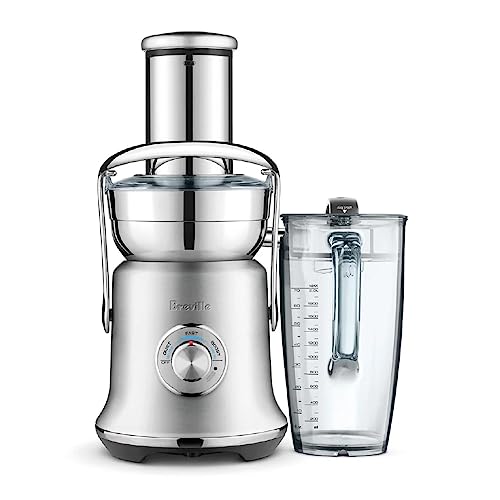
For the one on a celery-juice kick
$399.95 from Amazon
For the raw-food cook or the gardener with too much zucchini
$179.99 from AmazonHow we picked
Handles tough ingredients. Plant-based cooking runs on raw nuts, dried legumes, fibrous greens, and frozen fruit. We favored machines whose published specifications and owner feedback both point to motors that grind these without stalling or overheating.
Cleanup a person will do. Nut butter, bean starch, and pulp are punishing to scrub, and an appliance that's a chore to clean stops getting used. We gave weight to self-cleaning cycles and dishwasher-safe parts.
Earns its counter space. We compared published dimensions against the reality of apartment kitchens, and we favored machines that either do several jobs or do one job often enough to justify staying out.
Holds up over years. We read owner feedback for patterns across long ownership — which parts wear out, which machines get repurchased. Repeat buyers of the same model told us more than any single review.
Gives well. A gift has to unwrap well and work on day one. We favored machines that arrive complete, with the accessories and recipes needed for a first use, and no immediate second purchase.
Our favorite gift
Does more plant-based jobs than anything else here
Vitamix Ascent X5 Professional-Grade Blender
For the cook who makes cashew cream from scratch
The Ascent X5 turns raw cashews into sauce, oats into milk, and vegetables into hot soup without a stove. It has ten preset programs, a self-cleaning cycle, and a build that owners describe running daily for years.
$699.95fromAmazonIf you only give one appliance, give this one. A high-powered blender collapses several plant-based chores into a single machine. Cashew cream sauce, almond butter, green smoothies that don't come out gritty, hot soup heated by blade friction alone — the X5 handles all of it. That last trick matters more than it sounds. Your recipient can go from raw vegetables to a bowl of soup without touching the stove.
The ten preset programs read like a vegan recipe index: Nut Butters, Non-Dairy Milks, Dips and Spreads, Soups, Smoothie Bowl, Spice Grinding. That's not marketing coincidence. Those are the preparations that need a motor strong enough to break down something raw and dense, and the presets mean your recipient doesn't have to guess at speed and time. They add ingredients, press a button, and walk away.
Cleanup is the part people underestimate. Nut butter and date paste weld themselves to a blender jar, and scrubbing one by hand is genuinely unpleasant. Add warm water and a drop of soap, run the self-cleaning program, and it's done in about a minute. Small thing, but it's the difference between a machine that lives on the counter and one that lives in a cabinet.
It unwraps well, too, which matters for a gift. The brushed stainless base looks like something you'd keep out on display, and the box includes the 48-ounce container, a low-profile tamper with a holder, and a recipe book — so there's nothing else to buy before the first use. Owners routinely describe theirs as the last blender they'll need to buy.
Flaws but not dealbreakers
It's loud. Owners compare it to a jet engine, and that's not really an exaggeration — pulverizing frozen fruit and raw nuts takes force, and force makes noise. If your recipient has thin walls, a napping baby, or an early-morning smoothie habit and a sleeping partner, factor that in.
It's also the most expensive thing on this list by a wide margin, and the 48-ounce container is on the smaller side for a Vitamix. That's fine for one or two people and a bit tight for batch-cooking a family's worth of soup. Some owners have noted that the price sets expectations very high, and small annoyances land harder because of it.
Safest betOn sale
Almost nobody who cooks plants regrets owning one
Instant Pot Duo 6 Qt 7-in-1 Electric
For the new vegan cooking dried beans for the first time
The Instant Pot Duo cooks unsoaked dried chickpeas in about 35 to 40 minutes instead of a two-hour stovetop simmer. It also does rice, steamed vegetables, soup, and slow cooking, which makes it hard to give to the wrong person.
$89.99fromAmazonList priceBeans are the backbone of plant-based eating and the single biggest hassle in it. Dried chickpeas on the stove mean soaking overnight and then simmering for an hour and a half to two hours. On high pressure, that drops to roughly 35 to 40 minutes without soaking at all, according to America's Test Kitchen's pressure cooker testing. That's the difference between beans as a weekend project and beans as a Tuesday.
It's the lowest-risk gift on this list. Seven functions — pressure cook, slow cook, sauté, steam, rice, yogurt, keep warm — means it covers most of what a plant-based cook does in a week. Even if your recipient already owns a rice cooker or a slow cooker, this replaces both. And with 13 one-touch programs, someone who has never used a pressure cooker can get through their first pot of lentils without reading much.
The 6-quart size is the right one for a gift. It feeds about six, which handles a family dinner or a Sunday batch of chili to portion out across the week — the meal-prep rhythm a lot of plant-based cooks fall into. The stainless steel inner pot has a tri-ply bottom, so sautéing onions and garlic before you pressure-cook happens in the same pot. Fewer dishes.
This is also the model with an enormous ownership base behind it, and the feedback theme is remarkably consistent: people describe using theirs for years, across moves, without incident. For a gift, that track record is worth as much as any spec.
Flaws but not dealbreakers
It's bulky and not especially pretty. At roughly a foot in every direction, it either claims permanent counter space or becomes a heavy thing your recipient has to haul out of a low cabinet. In a small apartment kitchen, that's a real cost.
The learning curve is short but it exists. Pressure cooking has its own vocabulary — natural release versus quick release, minimum liquid, the sealing ring — and a nervous cook may need a nudge to try it. It's also become common enough that there's a decent chance your recipient already has one, so it's worth asking around.
Most personal
Ends the nut bag and cheesecloth routine for good
Almond Cow Nut Milk Maker Machine
For the friend who's still squeezing almond milk through a nut bag
The Almond Cow makes five to six cups of almond, oat, cashew, or soy milk in about a minute, and its stainless filter basket separates the pulp so there's no straining. It's a single-purpose machine that earns its counter space if they drink plant milk daily.
$274.95fromAmazonAnyone who has made almond milk the manual way knows the routine: soak, blend, pour through a nut bag, wring it out with both hands, then wash a blender jar and a soaked bag. It takes 10 to 15 minutes and it's messy. The Almond Cow does the same job in roughly 60 seconds and filters the pulp itself. Owners who spent years doing it by hand describe the switch as a small daily luxury.
Give this one when you know they already drink plant milk. It's a single-purpose appliance, which makes it a bad guess and a great match. If your recipient is buying cartons every week, this replaces that habit with something fresher and lets them control exactly what's in it — no gums, no stabilizers, no added oils. If they only use oat milk in coffee twice a month, give them something else.
The five-to-six-cup batch is a real week's worth for one or two people. It handles nuts, seeds, and grains, so they can move between almond, cashew, oat, and soy depending on what's in the pantry and what they're using it for. Owners also report saving the leftover pulp for oatmeal and baking rather than throwing it out.
It presents beautifully. The stainless body looks intentional on a counter, the packaging is nicer than most kitchen gear, and there's a clear novelty to it — this is a machine most people have never seen, which makes for a better unwrapping moment than a fifth mixing bowl.
Flaws but not dealbreakers
It's expensive for a machine that does one thing, and some owners feel the stainless construction doesn't quite justify the price. That's the honest tradeoff of any dedicated appliance: it's excellent at its job and useless at everything else.
There's a dial-in period. First batches often come out thinner than expected, and your recipient will need to adjust the nut-to-water ratio a couple of times to find their preference. Cleaning is easy but not zero — the filter basket needs rinsing after every batch, and pulp likes to cling.
Best budget gift
The easiest way to make tofu that isn't sad
COSORI Pro Gen 2 Air Fryer 5.8QT
For the tofu skeptic who's never had it crispy
The Cosori Pro Gen 2 crisps tofu, tempeh, falafel, and chickpeas in a fraction of the time a full oven takes. Its 5.8-quart square basket holds more than round designs, and the whole basket goes in the dishwasher.
$72.99fromAmazonTexture is the hardest problem in plant-based cooking, and tofu is exhibit A. A conventional oven takes 20 minutes to preheat and still tends to leave cubes chewy in the middle and pale on the outside. An air fryer circulates hot air fast enough to actually crisp the surface, and it does it in a fraction of the time. Roasted chickpeas, tempeh strips, frozen falafel, cauliflower — same story.
For the money, nothing else here changes weeknight dinners this much. The square basket is a genuinely useful design choice: the corners give more usable area than a round basket of the same rated capacity, so a full block of cubed tofu fits in one layer instead of two batches. Crowding is what makes air-fried food steam instead of crisp, so that extra room matters.
Thirteen one-touch functions cover most of what a beginner needs, and a built-in sensor keeps temperature swings tight, so results don't drift between batches. The basket is nonstick and dishwasher-safe, which is the detail that decides whether an appliance gets used on a Wednesday. A hundred printed recipes come in the box.
The ownership pattern here is telling. A lot of people are on their second or third Cosori, replacing a unit after years of daily use with the same model. That's the kind of repeat purchase that says more than a spec sheet does.
Flaws but not dealbreakers
The basket latch is the weak point. Owners who use theirs hard report it wearing out before anything else does, and some find the basket stiff to release when it's new. Neither is a dealbreaker, but it's the part most likely to give up first.
It's a big object for what it does — about 14 inches wide and a foot tall — and it needs clearance behind it for the exhaust. In a tight kitchen, it competes directly with the Instant Pot for the same square footage, so it's worth knowing what's already on their counter.
Best for beginners
The workhorse behind hummus, pesto, and veggie burgers
Cuisinart Food Processor
For the one who wants to stop buying tubs of hummus
The Cuisinart Pro Custom 11 chops, purees, slices, and shreds — the four things standing between a plant-based cook and homemade hummus, nut cheese, or burger patties. Its 11-cup bowl and discs all go in the dishwasher.
$219.95fromAmazonA food processor is the quietly essential tool in a vegan kitchen and the one people put off buying longest. Hummus needs something that can grind chickpeas and tahini into a smooth paste. Veggie burger patties need a machine that minces beans, oats, and vegetables to a texture that binds. Cashew cheese needs a bowl with a blade that scrapes. A blender does none of these well.
Where a blender needs liquid to keep ingredients moving, a processor works on thick, dry mixtures — that's the whole difference. It's why pesto, date-and-nut energy balls, and cauliflower rice belong here and not in the Vitamix. If your recipient already owns a good blender, this is the complementary gift rather than a redundant one.
Eleven cups is the right size for a first food processor. It's big enough for a full batch of hummus or enough patties for the week, and small enough that it doesn't dominate a counter the way a 14-cup machine does. The slicing and shredding discs turn a bag of carrots or a head of cabbage into slaw in under a minute, which is the kind of thing that makes people cook more vegetables.
Owners of older Cuisinarts consistently describe replacing 15- and 20-year-old machines with this one, and a fair number note that their existing accessories still fit. That longevity is the argument for giving one at all — it's a tool that outlasts most of a kitchen.
Flaws but not dealbreakers
It comes with a lot of parts. Bowl, lid, pusher, two discs, a blade, a stem — that's a drawer's worth of components to store and keep track of, and it's the most common complaint from owners. Cleanup is more pieces than a blender, even with everything dishwasher-safe.
The manual is genuinely unhelpful. More than one owner has been frustrated trying to figure out assembly from the printed instructions. A beginner may need a video to get going, which is worth mentioning when they open it.
Who this is for
This guide is for anyone shopping for a vegan, vegetarian, or plant-forward cook — a partner who's gone dairy-free, a sibling six months into their first plant-based year, a friend who talks about their sourdough starter and their sprouted lentils in the same breath. It also works for the flexitarian on your list, the one quietly eating less meat without making a thing of it. Roughly 4% of U.S. adults identify as vegan and 16% as vegetarian, per Gallup, and Mintel research puts plant-forward eating far higher — so the recipient pool is bigger than it feels.
It's less useful in a few situations. If you're buying for a colleague in an office gift exchange, most of these are too expensive and too personal — you don't know what's on their counter. If your recipient lives in a dorm or a studio with two feet of usable counter, lean toward the smallest options here. And we've stuck to countertop appliances: no cookbooks, no pantry boxes, no specialty ingredients. The premise is that the right machine removes a recurring chore, and that's a different kind of gift than a treat.
How we picked
We weighed a handful of things that actually matter in a plant-based kitchen. Tough ingredients: raw nuts, dried chickpeas, kale stems and frozen fruit demand a motor that won't stall, so we leaned on published specifications and long-term owner feedback. Cleanup: nut butter and bean starch are miserable to scrub, so self-cleaning cycles and dishwasher-safe parts counted for a lot. Counter space: we checked real dimensions against small-kitchen reality and asked whether each machine does enough jobs, or one job often enough, to stay out. Durability: we looked for patterns in what fails first and who buys the same model twice. Giftability: it has to arrive complete, look good unwrapped, and work the first time without a second purchase.
Other gifts for vegans and plant-based cooks worth considering
If you want a nut milk maker that heats as well as grinds: The KIDISLE 8 in 1 Nut Milk Maker ($56.99) — The KIDISLE is the compact, do-more alternative to the Almond Cow, and it costs a fraction as much. It grinds and heats, so it makes hot soy milk and rice porridge as well as cold almond and oat milk, and it runs a self-cleaning water cycle between batches. At 32 ounces it makes about half the volume, which suits one person better than a household. Two honest caveats: owners consistently describe it as very loud, and there's a scattering of reports about units failing early. It's the right gift for someone curious about fresh plant milk who isn't ready for a bigger commitment.
If you want a juicer for someone already deep into juicing: The Breville BJE830BSS Juice Fountain Cold XL ($399.95) — The Breville Juice Fountain Cold XL earns its place if your recipient juices regularly — celery, carrots, beets, greens. The 3.5-inch chute swallows whole apples and carrots without pre-cutting, which removes most of the prep, and Breville's Cold Spin design aims to limit heat during extraction, with the company claiming juice keeps up to 72 hours in the included 70-ounce jug. There's a quiet setting that cuts mechanical noise meaningfully. What it gives up is versatility: it juices and nothing else, it discards the fiber a blender would keep, and it's a lot of parts to rinse. Give it to a committed juicer, not a curious one.
More good gifts
These are the machines our research surfaced for plant-based kitchens, not a survey of everything on the market. Each one below suits a specific person well — they just fit a narrower recipient than the picks do.
The Excalibur Food Dehydrator 8-Tray for Jerky ($179.99) — The Excalibur 8-tray dehydrator opens a whole category of plant-based food that nothing else here touches: raw flax crackers, kale chips, fruit leather, dried mango, plant-based jerky. It has 7.2 cubic feet of drying space across eight chrome trays, an adjustable thermostat from 85°F to 165°F, and an 80-hour digital timer. That low end matters for raw-food practitioners, who aim to stay below 118°F to preserve heat-sensitive enzymes — and Excalibur's horizontal airflow design means no rotating trays halfway through. Glass doors let your recipient check progress without opening it. Owners note it runs surprisingly quietly. This is a gift for someone specific: a whole-food plant-based devotee, a raw-food cook, or a gardener drowning in produce. For anyone else it's a large box that runs for 12 hours at a stretch.
Care and maintenance
Most of these machines fail in predictable, preventable ways. Rinse anything that touched nut milk or nut butter right away — the oils go rancid and set hard, and pulp dries into the mesh of a filter basket within an hour. For blenders and nut milk makers, run the self-cleaning cycle immediately after use rather than at the end of the day. Air fryer baskets go in the dishwasher, but don't scour the nonstick with anything abrasive; that coating is what makes cleanup easy in the first place. On the Instant Pot, pull the silicone sealing ring after each use and wash it separately, since it holds onto garlic and curry smells and will pass them into the next pot of oatmeal. Food processor discs are sharp on both edges — store them in their own container, not loose in a drawer.
Questions we get
What's the single best appliance to give a plant-based cook?
A high-powered blender, if they don't already own one. It covers nut milks, cashew cream sauces, smoothies, nut butters, and even hot soup through blade friction, which means it replaces several single-purpose machines at once. That's why the Vitamix Ascent X5 is our favorite gift here. If they already have a good blender, a food processor is the better complement.
Is a Vitamix really worth it as a gift?
For someone who cooks plant-based most days, yes. Cheaper blenders struggle with raw cashews and frozen fruit, and the difference shows up as grit in a smoothie or a nut butter that never comes together. Owners routinely describe using theirs daily for years, and some have run older models for decades. If your recipient blends occasionally, it's more machine than they need.
Does the Almond Cow work with oats, or only nuts?
Oats work, and they're one of the most popular uses. The machine handles nuts, seeds, and grains — almond, cashew, oat, and soy are all standard. Each makes a slightly different texture, so your recipient will adjust the ratio to taste over the first few batches.
What's the difference between the Almond Cow and a smaller nut milk maker?
Batch size and function. The Almond Cow makes five to six cups at a time and filters the pulp out with a stainless basket, which suits a household that drinks plant milk daily. The compact KIDISLE makes about 32 ounces and adds heating, so it also does hot soy milk and rice porridge — but it's louder and better suited to one person.
Can an Instant Pot replace a slow cooker for vegan stews and beans?
Yes, and it does both. Slow cooking is one of its seven functions, so your recipient can use it exactly like a Crock-Pot when they want to. But the real advantage for plant-based cooking is pressure: unsoaked dried chickpeas take roughly 35 to 40 minutes instead of a two-hour simmer.
Do they need a juicer if they already have a good blender?
Usually not. A blender keeps the fiber and makes a thicker drink; a juicer strips the fiber out for a thin, fast-absorbing one. They're different products, not competing ones. Only give a juicer to someone who's already juicing and has said so — otherwise it becomes an expensive object that lives in a cabinet.
What's a good gift for someone just going vegan?
Something that removes a chore they're about to discover. Dried beans and lentils are the first hurdle, which makes the Instant Pot Duo the safest choice — it's forgiving, it does seven things, and almost nobody regrets owning one. An air fryer is a close second, since it solves the crispy-tofu problem that trips up most new plant-based cooks.
Why you should trust us
For this guide:
- We read manufacturer specifications for every machine here, along with published testing from Wirecutter, America's Test Kitchen, and Good Housekeeping in the blender, pressure cooker, air fryer, and food processor categories.
- We looked for repeated themes in owner feedback — which parts wear out first, which machines people replace with the same model, and where the noise and cleanup complaints cluster.
- We compared published dimensions and batch capacities against the small-kitchen and daily-use realities that decide whether an appliance stays on the counter.
- We read owner reviews on every listing, weighted toward the critical ones, because that is where the recurring failures show up.
- We have a systematic way of automatically fetching the latest prices, so the numbers on this page stay current.
- This is a research-focused guide, so the team may not own every product listed — though we often do own the top winners, which gives us extra context for the recommendations.
- We don't accept free products, and the retailer commission never changes which product we recommend.
Sources
The Best Blenders of 2026 — Wirecutter (NYT), Wirecutter/NYT
Best Air Fryers — Wirecutter (NYT), Wirecutter/NYT
Best Food Processors — Wirecutter (NYT), Wirecutter/NYT
Best Food Processors Tested — Good Housekeeping, Good Housekeeping
Best Instant Pots and Electric Pressure Cookers — Good Housekeeping, Good Housekeeping
Best Juicers for 2026 — Good Housekeeping, Good Housekeeping
Electric Pressure Cooker Reviews — America's Test Kitchen, America's Test Kitchen
Best Food Dehydrators — America's Test Kitchen, America's Test Kitchen
U.S. Plant-Based Food Market Report 2025 — Good Food Institute, Good Food Institute
Best Gifts for Vegans — The Spruce Eats, The Spruce Eats
VegNews Kitchen Gear & Appliance Recommendations, VegNews
Nut Milk Maker Review: Almond Cow vs. Nutr — Serious Eats, Serious Eats
Amazon product listings and owner reviews for all 8 products
Manufacturer specification pages for each product
Some passages in this guide may be paraphrased with AI help. Prices are refreshed automatically.
More like this.
Continue exploring appliances reviews and recommendations.

The Best Bread Machines
A bread machine turns baking into a chore you can ignore. You dump in flour, water, yeast, salt and a little oil, press a button, and walk away. Three…

The Best Immersion Blenders
An immersion blender is the tool you reach for when you don't want to wash a countertop blender. You drop it straight into the pot, hold the button, and a…

The Best Portable Induction Cooktops
An induction burner heats the pan, not the air around it. Put a magnetic pot on the glass, and the water starts moving almost immediately. That matters…

The Best Dough Proofing Boxes
Bread dough doesn't care about your schedule. It cares about temperature. A kitchen sitting at 66°F in January will stretch a bulk fermentation that…

The Best Kitchen Knife Sets
A sharp knife changes how cooking feels. You stop sawing at tomatoes, you stop crushing herbs into a bruised green paste, and dinner prep gets faster and…

The Best Countertop Blenders for Smoothies
A good blender disappears into your morning. You dump in frozen mango, a fistful of spinach, a banana and some almond milk, and 45 seconds later you're…