The Best Dough Proofing Boxes
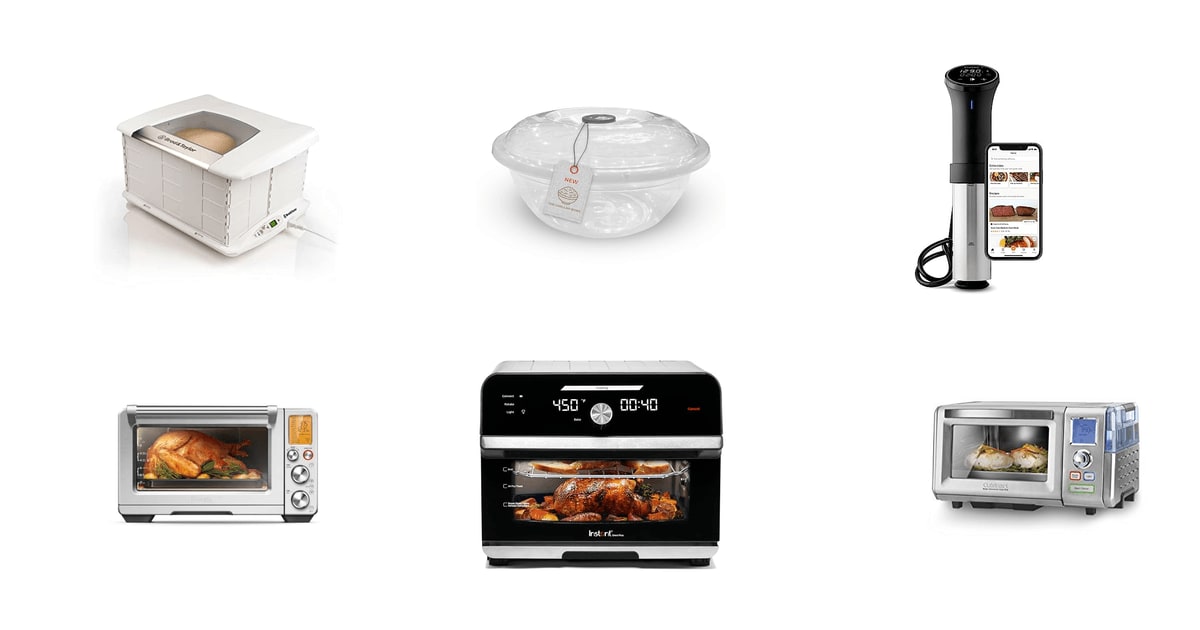
Bread dough doesn't care about your schedule. It cares about temperature. A kitchen sitting at 66°F in January will stretch a bulk fermentation that should take five hours into something closer to nine, and you'll either wait it out or bake an underproofed loaf. The Perfect Loaf puts the gap starkly: sourdough that finishes bulk in four to five hours at 78°F needs seven to nine at 68°F. A proofing box's whole job is to make that variable go away, so the same recipe behaves the same way in July and in December.
Here's the honest part. Nothing in this category is a must-buy. You can proof dough in an oven with the light on, in a cooler with a mug of hot water, or on top of the fridge, and plenty of good bakers do exactly that. What you're paying for is repeatability, not better bread on any single day. And no single appliance covers every stage well — the box that holds your final proof at a steady 78°F isn't necessarily the container you want for bulk fermentation, and cold retarding still happens in the fridge.
Most of these are countertop appliances that proof as one function among many, which means storage space and how often you bake matter as much as any spec. If you bake twice a month, a multi-use oven you already wanted makes more sense than a dedicated chamber. We think that the Brod & Taylor Folding Proofer & Slow Cooker is the best dough proofing box for most people, and that the Breville Smart Oven Air Fryer Pro is the one to buy if you'd rather have one appliance that proofs the loaf and then bakes it.
Everything we recommend

Steady warmth, real humidity, and it folds into a drawer
Proofs the loaf and then bakes it, if you have the counter

A capable multi-use oven with proofing thrown in
Real steam, if bakery-style humidity is what you're after
At a glance
| Product | Capacity | Temp Range | Price | |
|---|---|---|---|---|
| Brod & Taylor Folding Proofer & SlowTop pick | 4 Loaves (Shelf) | 70-120°F | $249 |
 | The Challah Bowl with Lid - DoughAlso consider | 10 Liters | — | $34.99 |
 | Anova Culinary Sous Vide Precision Cooker 3.0Also in lineup | — | — | $169.99On sale |
| Breville BOV900BSS Smart Oven Air Fryer ProRunner-up | 9 Slices Bread | — | $399.95 |
| Instant Pot Omni Plus 19 Qt 10-in-1Budget pick | 19 Qt | 170-450°F | $249.99 |
| Cuisinart CSO-300N1 Steam & Convection OvenUpgrade pick | — | — | $329.83 |
 | Cambro 6SFSCW135 Camsquare Food ContainerAlso consider | 6 Qt | -40 To 160°F | $24.99On sale |
How we picked
Temperature control. We compared published specifications for set-point accuracy and usable range, and gave weight to anything that reaches down to the 75 to 78°F window King Arthur Baking recommends for yeast bread. Appliances that only proof near 95°F got marked down for pastry and sourdough work.
Humidity handling. We looked for a water tray, a steam system, or a sealed lid, since cereal science research links dry proofing air to surface skin and reduced oven spring. Products with no humidity path at all had to make up for it elsewhere.
Capacity and footprint. We checked interior dimensions against a 9x5 loaf pan and a 10-inch banneton, and weighed that against how much counter or cabinet space the appliance permanently claims. Folding and collapsible designs earned real credit.
Durability signals. We read owner feedback for recurring failure patterns — control boards, heating elements, racks — and noted how manufacturers handled warranty claims. Repeat complaints across many owners mattered more than any single bad experience.
Value per bake. We considered how often a realistic buyer would use each appliance. A dedicated proofer pays off for someone baking weekly; a multi-function oven makes more sense for someone baking monthly.
Top pick
Steady warmth, real humidity, and it folds into a drawer
Brod & Taylor Folding Proofer & Slow
The Folding Proofer holds a set temperature from 70 to 120°F with an included water tray for humidity, then collapses to under 3 inches for storage. It's the only pick here built for proofing first and everything else second.
$249fromAmazonThis is the one appliance here designed around fermentation rather than cooking. Brod & Taylor rates it to hold within about 1°F of the set point, and the range starts at 70°F — low enough for croissant dough, which most countertop ovens can't touch because their proof modes sit near 95°F. King Arthur Baking recommends 75 to 78°F for most yeast breads and warns that going past 85°F weakens gluten and pushes off-flavors. You can actually dial that in here.
The water tray matters more than it sounds like it should. Cereal science research consistently finds that dough held at 75 to 80 percent relative humidity forms far less surface skin than dough sitting in dry air, and that skin is what limits oven spring and leaves you with a dull, tight crust. You fill the tray, you close the lid, you stop draping damp towels over bowls and hoping.
Storage is the quiet reason this works in a real kitchen. It folds down to roughly the width of a hardcover book and slides into a cabinet or a deep drawer. Every other proofing appliance in this guide claims permanent counter space, which is a genuine cost if your counter is already holding a coffee maker and a knife block. Owners in small apartments consistently point to the folding design as what made it livable.
It's also a decent slow cooker and a reliable yogurt and kombucha vessel, with a low-heat mode running to 195°F. That's not why you'd buy it. But it means the thing earns its cabinet space on weeks you don't bake. Owners report using it for melting chocolate and holding soft cheese cultures, which is the kind of low, steady heat a regular oven simply won't do.
Flaws but not dealbreakers
The temperature readout is approximate rather than laboratory-precise, and some owners who bake to tight schedules notice that the dial doesn't always match a probe thermometer exactly. In practice you calibrate once against your own thermometer and work from there. It's a small annoyance for someone chasing a specific number.
Capacity is modest. The base fits about two loaf pans or a single large bowl, and the shelf that lets you stack a second layer is sold separately in some configurations. If you routinely proof four loaves at once, you'll be running batches or looking at something bigger.
Brod & Taylor covers the Folding Proofer with a three-year warranty when you register the product.
Runner-up
Proofs the loaf and then bakes it, if you have the counter
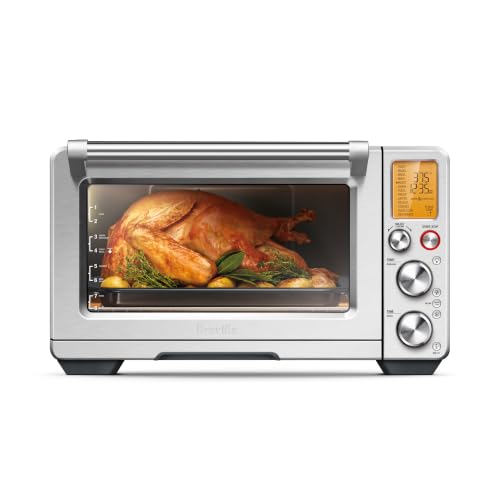
Breville BOV900BSS Smart Oven Air Fryer Pro
The Smart Oven Air Fryer Pro includes a dedicated proof function among 13 settings, and its five-element system holds a steady low temperature across a large interior. It replaces a toaster oven and a proofer at once.
$399.95fromAmazonMost bakers don't want a second appliance. They want the appliance they already own to do this. The Breville is the most convincing version of that argument. Its Element IQ system uses five independent quartz elements with PID temperature control, which Breville says lets it hold roughly 95°F in proof mode across the full 0.9 cubic foot interior — no cold corner, no guessing which shelf runs warmer.
The interior is genuinely large: 16 by 13.5 by 7 inches, enough for two loaf pans side by side or a sheet of rolls. Then you pull the dough out, hit bake, and the same box handles the loaf. If you're upgrading from a bread machine and want control over shaping without adding hardware, that continuity is the whole appeal.
Owner feedback on longevity is unusually strong for a countertop oven — plenty of people report years of near-daily use before anything goes wrong, and Breville's replacement parts and service come up positively. That matters here because a proofer that dies in eighteen months costs you more than the price difference between any two picks.
It's the most versatile appliance in this guide by a wide margin. Toast, bagel, broil, bake, roast, warm, pizza, proof, air fry, reheat, cookies, slow cook, dehydrate. If you were already shopping for a countertop oven, the proof mode is close to free.
Flaws but not dealbreakers
The proof setting runs around 95°F, which is above the 75 to 78°F window King Arthur recommends for most yeast bread and well above what laminated dough tolerates. Butter in croissant dough starts leaking near that temperature. For a standard sandwich loaf it's fine and fast; for sourdough and pastry, it's a blunter instrument than a dedicated proofer.
It's big and heavy — over 30 pounds and 21.5 inches wide — and it never folds away. There's also no steam or water tray, so you're adding humidity yourself with a pan of hot water if you want it.
A minority of owners report control-board and preheat glitches after a couple of years, where the cycle hangs after preheating. It doesn't seem widespread, but it's the failure mode that shows up more than once.
Budget pick
A capable multi-use oven with proofing thrown in
Instant Pot Omni Plus 19 Qt 10-in-1
The Omni Plus is a 19-quart countertop oven with ten functions and a temperature range starting at 170°F, and it costs considerably less than the Breville. It's the sensible choice if you bake occasionally and want the oven anyway.
$249.99fromAmazonIf you bake bread once or twice a month, spending real money on a chamber that sits idle is hard to justify. The Omni Plus makes more sense as a first appliance than a dedicated proofer does. It's roomy — 19 quarts, enough for six slices of bread or a 12-inch pizza — and it handles the baking end too, so one purchase covers the whole loaf.
The double-layer glass door and dual quartz elements hold heat well, and owners consistently note it cooks faster than the printed times suggest. That's a mild learning curve rather than a defect. For proofing it means the box comes up to temperature quickly and stays there without much fuss.
Instant's customer support comes up favorably in owner feedback, which is worth something on an appliance at this price. People who hit rack problems or early failures generally report getting them resolved.
Flaws but not dealbreakers
The listed temperature range starts at 170°F, so its low-heat behavior in proof mode is less transparent than the Breville's or the Brod & Taylor's. You'll want to verify the actual proof temperature with your own thermometer before trusting it with a long fermentation.
Owner reports on the wire rack are mixed — some people find it flexes or seats poorly, especially loaded. And a handful of owners flag temperature running hotter than set. Neither is universal, but this is the least precise appliance among the picks.
No steam, no water tray, and no humidity control of any kind. Put a shallow pan of hot water on the bottom rack and accept that it's a workaround.
Upgrade pick
Real steam, if bakery-style humidity is what you're after
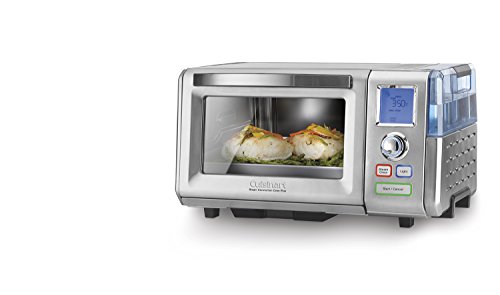
Cuisinart CSO-300N1 Steam & Convection Oven
The Cuisinart CSO-300N1 generates actual steam alongside convection heat and combines the two in a proof mode. For crusty hearth loaves it gets closer to a commercial bakery environment than any other countertop oven here.
$329.83fromAmazonEvery other appliance in this guide asks you to fake humidity with a water tray. This one makes steam from a reservoir. That's the single most meaningful upgrade available in a countertop oven for bread. The research on skin formation is consistent — dough held in humid air develops less surface crust before baking, which shows up directly as better oven spring — and a steam oven is the straightforward way to get there.
Steam carries through to baking, too. You get the burst of moisture at the start of the bake that gives hearth loaves their blistered, glossy crust, which is the thing home bakers usually chase with lava rocks and roasting pans. Owners who bake artisan-style bread regularly tend to be the ones most attached to this oven.
It's a full convection oven besides — bake, broil, steam, and combinations — and a fair number of owners report cooking most of their meals in it and leaving the range alone. At 15.5 by 18 inches it's smaller than the Breville, which helps if counter space is tight but caps how much you can proof at once.
Flaws but not dealbreakers
The proof mode can overdo it. Owners report soft, over-moistened rolls that lose their shape when proofed with steam, particularly whole grain doughs — the fix is proofing conventionally and using the steam only for the bake, which is a real limitation on the feature you're paying for.
Cuisinart has discontinued this model, so availability is inconsistent and long-term parts and service are a genuine risk. Several owners describe difficulty getting warranty support. If you want an appliance you can service in five years, this isn't it.
The interior is small for its footprint. Fitting two boules at once is a stretch.
Who this is for
Buy a proofing box if your kitchen swings more than a few degrees through the year and you're tired of guessing when the dough is ready. Sourdough bakers running multi-day schedules get the most out of one, because every hour of drift compounds across a levain build, a bulk ferment, and a final proof. So do people in cold houses — America's Test Kitchen found that bakers using dedicated chambers reported far more consistent proof times year-round than oven-light users, especially below 65°F. Pastry bakers working with laminated dough need the low end of the range that only a real proofer offers.
Skip it if you bake a few times a year, or if your kitchen already sits comfortably in the mid-70s. The oven-light trick works, and so does a cooler with a bowl of hot water. This guide covers warm proofing environments — appliances and containers that help dough rise on a predictable schedule. It doesn't cover cold retarding, which needs nothing but a lidded container and your refrigerator, and it doesn't cover baking vessels like Dutch ovens or combo cookers.
How we picked
We built the shortlist around five things. Temperature control: the set-point range and stated accuracy, with credit for anything that reaches the 75 to 78°F window King Arthur Baking recommends rather than only a fixed 95°F proof mode. Humidity: a water tray, real steam injection, or a sealed lid, since dry proofing air causes the skin that limits oven spring. Capacity and footprint: whether a 9x5 loaf pan or a 10-inch banneton actually fits, and how much permanent space the thing claims in a small kitchen. Durability: recurring failure patterns in owner feedback, and how each manufacturer handles claims. Value per bake: whether a realistic buyer bakes often enough for a dedicated chamber to beat a multi-function oven that does other jobs the rest of the week.
Other dough proofing boxes worth considering
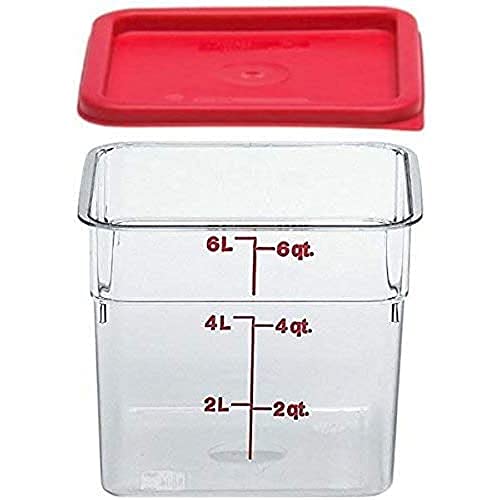
If you want the bulk fermentation container pros use: The Cambro 6SFSCW135 Camsquare Food Container ($24.99) — The Cambro 6-quart Camsquare isn't a proofing box — there's no heat — but it's the vessel most serious sourdough bakers pair with one. It's clear enough to watch the dough climb, marked so you can track rise, and rated to withstand temperatures from -40°F up, so it moves from a cold retard in the fridge to a warm proofer without complaint. Six quarts handles roughly 1000 grams of flour, or two loaves. Owners note the lid gets stubborn after dishwasher trips, so hand-wash it.
If you want a big lidded bowl for high-hydration batches: The The Challah Bowl with Lid - Dough ($34.99) — The Challah Bowl is a 10-liter plastic bowl with a domed lid, sized for about five pounds of flour. It gives you a lot of room to mix, knead, and let dough rise under cover, and the dome means the lid clears a rising batch instead of pressing on it. Owners say dough releases from it more cleanly than from glass. The tradeoff is material — it's lightweight plastic, closer to takeout-container thickness than the Cambro's rigid polycarbonate, and it won't survive the same abuse.
The competition
This is what our research surfaced in this category, not a survey of everything for sale. A few products that come up constantly in proofing conversations turned out, on closer reading, to be solving a different problem — and one appliance here is a strong product that simply doesn't proof dough.
The Anova Culinary Sous Vide Precision Cooker 3.0 ($169.99) — The Anova Precision Cooker 3.0 is a sous vide circulator, not the Anova Precision Oven that gets recommended for proofing. It's a well-regarded 1100-watt immersion heater with WiFi and app control, and it holds a water bath to a fraction of a degree — but a water bath isn't a proofing chamber, and there's no way to put a banneton in one. Some bakers do use a circulator to warm a covered water bath and float a sealed container of dough in it, which works if you're careful. That's a workaround, not a reason to buy this for bread. Buy it if you want perfect steaks; it's very good at that.
Getting consistent results
Calibrate before you trust any of these. Set the appliance to your target, put a probe thermometer on the shelf where the dough will sit, and note the difference — most units run a few degrees off, and once you know the offset you can stop second-guessing. For humidity, a shallow pan of hot water on the bottom rack does most of what a purpose-built tray does; refresh it if you're going past a few hours. Wipe the interior after every session, because flour dust and condensation together turn into a film that's much harder to remove later. Don't leave the water tray sitting full between bakes. And remember that time in a recipe is a suggestion — poke the dough, watch how slowly the dent fills, and let that decide.
Questions we get
What temperature should I set for sourdough versus regular yeast bread?
King Arthur Baking recommends 75 to 78°F for most yeast breads, and that window works well for sourdough too. Going above 85°F risks weakening gluten and producing off-flavors, so a proof mode locked near 95°F will move faster but give you less control. For laminated dough like croissants, stay lower — around 75°F — or the butter starts leaking out.
Can I just use my oven with the light on instead?
Yes, and plenty of good bakers do. The catch is that an oven light gives you whatever temperature it happens to give you, which varies with your kitchen and your oven. America's Test Kitchen found that bakers using dedicated chambers reported noticeably more consistent proof times through the year, especially in winter. If your loaves are already turning out fine, you don't need to change anything.
How do I stop dough from forming a dry skin?
Add moisture to the proofing environment. Cereal science research links dry ambient air to surface skin formation, which restricts oven spring and hurts crust texture. A water tray inside a closed proofer is the easiest fix; in a countertop oven, a shallow pan of hot water on a lower rack does the same job. Covering the bowl with a lid or a damp towel helps if you're proofing on the counter.
What's the difference between bulk fermentation and final proofing?
Bulk fermentation is the first rise, when the whole mass of dough develops flavor and structure before you shape it. Final proofing happens after shaping, when the loaf rises in its basket or pan. You can use the same warm environment for both, but the containers differ — bulk wants a straight-sided vessel like a Cambro so you can gauge the rise, while final proofing wants room for the shaped loaf.
Can I cold-proof in a proofing box, or do I need the fridge?
Use the fridge. Proofing boxes heat; they don't cool. Cold retarding is a separate technique that slows fermentation to develop flavor and makes scoring easier, and all it needs is a lidded container and refrigerator space. A polycarbonate container like the Cambro handles both roles, since it's rated well below freezing.
Is a dedicated proofer worth it if I bake once a week?
Probably, if consistency frustrates you. A weekly baker runs 50-odd fermentations a year, and removing kitchen temperature as a variable makes each one predictable. If your kitchen already sits in the mid-70s year-round, the gain is much smaller. Occasional bakers usually get more out of a multi-function oven that also toasts and roasts.
Why you should trust us
For this guide:
- We read manufacturer specifications for temperature range, accuracy and humidity systems across every appliance in this guide, and compared them against baking guidance from King Arthur Baking and The Perfect Loaf.
- We reviewed owner feedback for each product, looking for recurring themes around temperature drift, durability and how each proof mode actually behaves with different doughs.
- We drew on published research linking proofing humidity to surface skin formation and oven spring to weigh how much humidity control matters relative to temperature.
- We read owner reviews on every listing, weighted toward the critical ones, because that is where the recurring failures show up.
- We have a systematic way of automatically fetching the latest prices, so the numbers on this page stay current.
- This is a research-focused guide, so the team may not own every product listed — though we often do own the top winners, which gives us extra context for the recommendations.
- We don't accept free products, and the retailer commission never changes which product we recommend.
Sources
The Best Proofing Boxes for Homemade Bread — Serious Eats, Serious Eats
The Best Way to Proof Bread Dough — King Arthur Baking, King Arthur Baking
Best Proofing Box 2026 — Wirecutter (NYT), Wirecutter
Brod & Taylor Folding Proofer & Slow Cooker — Product Specifications, Brod & Taylor (Manufacturer)
Anova Precision Oven — Technical Overview, Anova Culinary (Manufacturer)
How to Proof Dough: Temperature and Fermentation Guide — The Perfect Loaf, The Perfect Loaf (Maurizio Leo)
Equipment Review: Bread Proofers — America's Test Kitchen, America's Test Kitchen
Breville BOV900BSS Smart Oven Air Fryer Pro — Product Page, Breville (Manufacturer)
Cambro 6SFSCW135 Camsquare Food Storage Container — Specifications, Cambro Manufacturing
Best Bread Proofing Tools — Good Housekeeping, Good Housekeeping
Amazon product listings and owner reviews for all 7 products
Manufacturer specification pages for each product
Some passages in this guide may be paraphrased with AI help. Prices are refreshed automatically.
More like this.
Continue exploring appliances reviews and recommendations.

The Best Squirrel-Proof Bird Feeders
Squirrels aren't casual about this. A gray squirrel can jump roughly ten feet sideways, walk down a metal pole head first, and empty a tube feeder in an…

The Best Rust-Proof License Plate Frames
A license plate frame is a small part that sits in the worst possible place. It's low on the car, right where road spray, salt brine and grit get thrown…

The Best Rust-Proof Shower Caddies
A shower caddy lives in the wettest spot in your house, and most of them aren't built for it. Chrome-plated wire looks great in the product photo and then…

The Best Outdoor Deck Boxes
A deck box does one boring job well: it keeps your cushions dry and off the ground. That matters more than it sounds. Wet cushions take two days to dry,…

The Best Self-Cleaning Litter Boxes
A litter box is the one piece of pet gear that quietly runs your schedule. Miss a day of scooping and the whole room lets you know. A self-cleaning box…

The Best Boxing Gloves and Punching Bags for Home Training
Hitting a bag at home is one of the few workouts that doubles as stress relief. You don't need a gym membership or a training partner. But the gear…