The Best Lip Balms
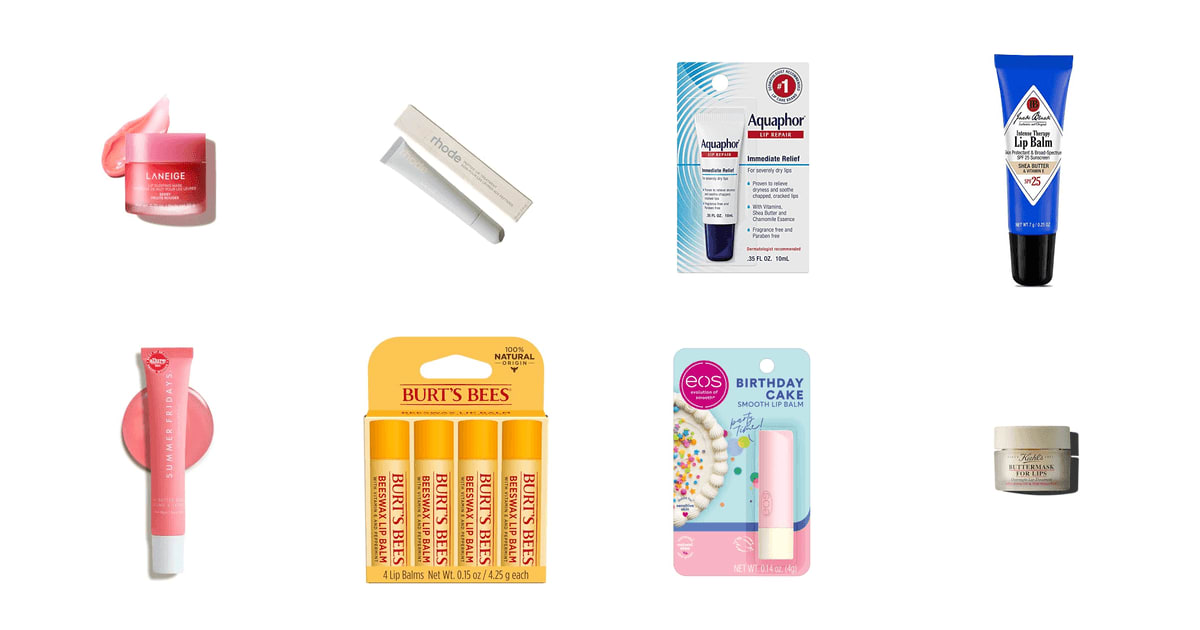
Lip skin is thin, has almost no oil glands, and takes abuse all day. You lick it, you wipe it, you drink coffee through it, and in a dry room it splits. A good balm doesn't do anything fancy. It lays down a layer that slows water loss and gives the skin underneath a chance to repair itself. The difference between a balm you love and one you tolerate is mostly texture, flavor, and whether you'll actually keep it within reach.
No balm fixes what's causing the dryness. If you breathe through your mouth at night, take a retinoid, or lick your lips out of habit, you'll keep chapping no matter what you buy. Balms also wear off faster than anyone expects — a meal, a glass of water, a long phone call, and it's mostly gone. And SPF numbers on lips assume a thick, even coat that nobody applies. Reapplying matters far more than the number printed on the tube.
So we focused on what the evidence supports: occlusive ingredients that seal, formulas without menthol or camphor, and honest broad-spectrum coverage where a balm claims sun protection. We read dermatology guidance, compared manufacturer ingredient disclosures, and looked for the recurring themes in owner feedback — who found a formula sticky, whose balm was gone by lunch. We think that the Aquaphor Lip Repair is the best lip balm for most people, and that the Jack Black Intense Therapy Lip Balm SPF 25 is the one to buy if you spend your days outdoors.
Everything we recommend
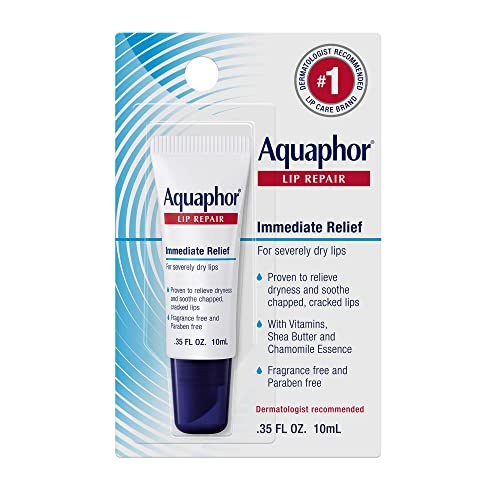
The thickest, plainest fix for lips that are already cracked
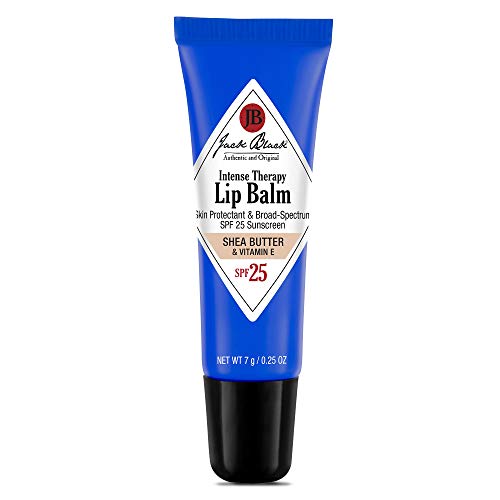
Real broad-spectrum sun protection in a balm you'll actually wear
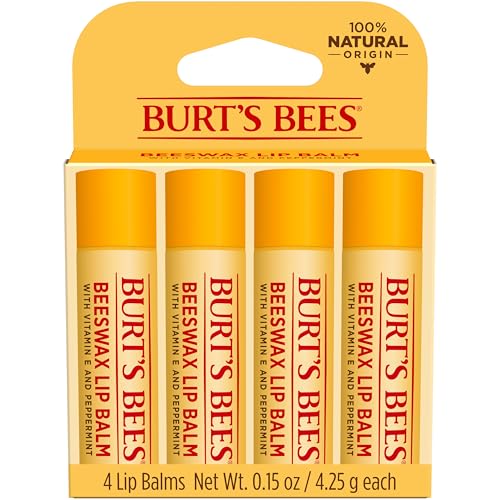
A waxy everyday stick that's easy to stash in every coat pocket

A heavy overnight treatment for lips that never stay soft

Sheer color and real butter, if you want lip care that shows
At a glance
| Product | Net Weight | Key Ingredient | Price | |
|---|---|---|---|---|
| LANEIGE Lip Sleeping Mask: Hydrating & NourishingUpgrade pick | 0.7 oz | Shea Butter | $24 |
 | Rhode Lip Treatment 10ml / 0.3 flAlso in lineup | 0.3 fl oz | — | $29.20On sale |
| Aquaphor Lip Repair Ointment - Long-lasting MoistureTop pick | 0.35 fl oz | — | $4.49On sale |
| Jack BlackRunner-up | 0.25 oz | Shea Butter | $10 |
| Summer Fridays Lip Butter Balm - MoisturizingAlso great | 0.5 fl oz | Shea Butter | $24 |
| Burt's Bees 100% Natural Moisturizing Lip BalmBudget pick | 4 x 0.15 oz | Beeswax | $10.48On sale |
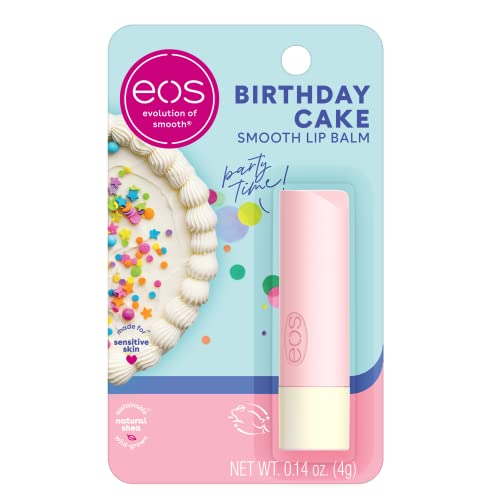 | eos Natural Shea Lip Balm- Birthday CakeAlso consider | 0.14 oz | Shea Butter | $3.69 |
 | Kiehl's - Buttermask For Lips - OvernightAlso consider | 1 oz | Coconut Oil | $24 |
How we picked
Ingredients that seal. We weighted occlusives — petrolatum, shea butter, beeswax — because dermatology guidance treats them as the most reliable way to hold water in lip skin. Humectant-only formulas can pull moisture up and let it evaporate.
Nothing irritating. The AAD warns against menthol and camphor, and a JAAD study links peppermint and fragrance to contact cheilitis. Balms containing them had to earn their spot, and we flag them where they appear.
Honest sun protection. For any balm claiming SPF, we checked the actual filters on the label for both UVA and UVB coverage rather than taking the number at face value.
Texture you'll reapply. Owner feedback is blunt about stickiness, drag, and balms that vanish by lunch. A formula only helps if you keep reaching for it.
Format and portability. We compared tubes, sticks, and pots on hygiene and on how easily each one travels. A balm in a drawer at home isn't doing anything.
Top pickOn sale
The thickest, plainest fix for lips that are already cracked
Aquaphor Lip Repair Ointment - Long-lasting Moisture
This is the ointment dermatologists point to first, and it's mostly petrolatum — the ingredient with the most evidence behind it for sealing a damaged lip barrier. There's no fragrance and no flavor, so nothing in the tube stings a raw crack or tempts you to lick.
$4.49fromAmazonList pricePetrolatum is the closest thing lip care has to a sure thing. Aquaphor Lip Repair is 41% white petrolatum, the highest concentration among the drugstore names, and petrolatum is exactly what the American Academy of Dermatology points people toward for a compromised lip barrier. It doesn't add moisture so much as refuse to let yours leave. On a lip that's already split, that's the entire job.
The rest of the formula is quietly smart. Glycerin pulls a little water into the surface, and bisabolol takes the edge off inflammation. There's no added fragrance or flavoring, which matters more than it sounds — a mint balm will sting an open crack, and flavor is what makes you lick your lips in the first place. Nothing here encourages that.
The squeeze tube is better than it looks. The slanted tip lets you lay down a thick line without dragging a hard stick across a sore spot, and your fingers never touch the product. It goes on clear, so you can wear it under lipstick or liner without muddying the color. Owners who carry one report it holding through a day of talking and drinking.
It isn't doing anything clever, and that's why it works. Owner feedback lands on the same few notes over and over: thick, dependable, a little goes a long way, and it's the thing that finally settled two weeks of cracked lips. If you keep one balm in the house for the worst days — wind, a fever, a dry bedroom — this is the one to have.
Flaws but not dealbreakers
It's shiny and it's slick. Some people can't stand the ointment feel, and it will leave a mark on a coffee cup. There's also no sun protection at all, which makes it a poor pick for a ski day or a long bike ride.
Petrolatum is a hard no for shoppers who want plant-based ingredients. That's a preference rather than a safety problem — cosmetic-grade petrolatum is well studied — but if it's your line, this isn't your balm.
Runner-up
Real broad-spectrum sun protection in a balm you'll actually wear
Jack Black
A shea butter balm built around avobenzone and octinoxate, so it covers UVA and UVB instead of just printing a number. It sinks in fast, leaves no white cast, and it's the one to keep in a jacket pocket if your days happen outside.
$10fromAmazonLips are a real skin cancer risk, not a footnote. The Skin Cancer Foundation flags them as a high-risk zone because the skin is thin and carries little melanin, and squamous cell carcinoma of the lip accounts for roughly 40% of oral cavity cancers. Plenty of balms print an SPF number. Far fewer back it with filters that stay stable in sunlight.
The filter pairing is what separates this from the rest of the aisle. Avobenzone at 3% handles UVA, octinoxate at 7.5% handles UVB, and the combination keeps the avobenzone from breaking down as quickly on its own. That's genuine broad-spectrum coverage from a lip balm, which is a short list. Vitamin E and green tea extract sit behind the filters as antioxidants.
It also just feels good, which is the real reason you'll keep using it. Shea butter and avocado oil give it slip without gloss, and it absorbs rather than sitting in a slick film on top. It goes on clear, so nobody can tell you're wearing sunscreen on your mouth. In cold wind it holds up better than most sticks.
Flaws but not dealbreakers
SPF on lips has a reapplication problem you can't formulate around. You eat, you drink, you talk, and the film is gone. Plan on reapplying every couple of hours outdoors, and treat the number as a ceiling you'll rarely reach in practice.
It isn't fragrance-free — there's a mild flavor — and it uses chemical filters, so if you prefer mineral sunscreens you'll want something else. The tube is also small for how often you should be reaching for it.
Budget pickOn sale
A waxy everyday stick that's easy to stash in every coat pocket
Burt's Bees 100% Natural Moisturizing Lip Balm
Beeswax, vitamin E, and a few plant oils in a stick that's sold nearly everywhere, and this listing comes as a four-pack. It's the balm to scatter around — car, coat, desk, nightstand — so you're never more than an arm's reach from one.
$10.48fromAmazonList priceThe best balm is the one that's within reach, and four tubes solve that. Keep one in the car, one in a coat, one at your desk, one by the bed. Chapping is a habit problem as much as a formula problem, and the fix is having something where you actually notice your lips are dry. You'll stop rationing a single tube.
The formula is straightforward. Beeswax does the sealing, vitamin E and plant oils soften, and there's no petrolatum, parabens, or SLS. It's COSMOS Natural certified and made from 100% natural origin ingredients, which is the whole reason it exists. Beeswax doesn't seal as completely as petrolatum does, but for ordinary daily dryness it's plenty.
The finish is matte rather than glossy. If you hate feeling like you're wearing something, that's a point in its favor, and it won't slide around on a pillowcase or under a scarf. It's also the easiest of our picks to apply without a mirror, which is most of how anyone applies lip balm.
Flaws but not dealbreakers
The peppermint oil is the catch. That cool tingle feels like proof it's working, but the AAD warns about menthol-type irritants, and a study in the Journal of the American Academy of Dermatology tied repeated use of peppermint- and menthol-containing balms to contact cheilitis in susceptible people. If your lips are already cracked or you react easily, skip this one.
It's flavored enough to invite licking, which undoes the point of wearing it. And there's no sun protection here at all.
Upgrade pick
A heavy overnight treatment for lips that never stay soft
LANEIGE Lip Sleeping Mask: Hydrating & Nourishing
A thick, sweet berry treatment you smear on before bed and forget about. A pea-sized dab is enough, so one small pot lasts an unreasonably long time, and the jar is compact enough to throw in a carry-on without thinking about it.
$24fromAmazonOvernight is when lip repair actually happens. You're not eating, drinking, or talking for eight hours, so a heavy layer stays put and the barrier gets an uninterrupted stretch to rebuild. That's why a sleeping mask can do more for chronically chapped lips than a daytime balm you reapply six times and lose half of to your coffee cup.
The texture is why people keep re-buying it. It's dense and slightly tacky going on, then melts into a cushion instead of a film. Shea butter, murumuru seed butter, and coconut oil handle the sealing, while a berry complex and vitamin C ride along as antioxidants. Owners consistently report waking up to lips that are smooth rather than flaky.
It's earned its reputation the boring way, by being restocked. It's the top-selling lip mask on Sephora, and the theme that runs through owner feedback is chronic chapping that finally settled down after nothing else stuck. That's a lot of consistency for a product with no active drug ingredient in it.
A little goes further than you'd guess. Owners note it comes with a small applicator, so you're not dipping fingers into the pot every night, and a jar keeps going for months. If you're choosing between this and a second daytime stick, the mask is the better addition — it does something your stick can't.
Flaws but not dealbreakers
It's a nighttime product, full stop. The layer is too heavy and too slick for a workday, and it's sweet enough that you'll want to lick it off, which is the opposite of what you want.
There's no SPF, and a pot is less hygienic than a tube if you skip the applicator. It's also the most expensive product here, and much of what it does you can get from a plain ointment. You're paying for the texture and the flavor.
Also great
Sheer color and real butter, if you want lip care that shows
Summer Fridays Lip Butter Balm - Moisturizing
A buttery balm with a wash of sheer pink, built on shea and murumuru seed butters and a blend of vegan waxes. It's for people who want their lip care to look like something, and it's comfortable enough that you'll reapply it all day.
$24fromAmazonThis is the rare tinted balm that isn't gloss with a skincare story attached. Shea and murumuru seed butters do the conditioning, and the vegan wax blend gives shine without the greasy slide of a lip oil. In a consumer use study the brand cites, all 39 participants agreed their lips looked healthier immediately after applying. Small study — but it matches what owners describe.
The color is a hint, not a statement. Pink Sugar mostly reads as your own lips looking better rested, which is why it works on a commute or a video call where full lipstick feels like too much. You can wear it over a matte lipstick to soften the finish, or wear it alone and skip the rest.
It's won Allure's Best of Beauty award twice and has been a consistent top-selling lip product at Sephora, which is unusual staying power for a direct-to-consumer brand. Awards aren't proof of anything on your face. But repeat wins across separate cycles suggest editors keep circling back to it rather than moving on.
Flaws but not dealbreakers
This is a top layer, not a repair. If your lips are cracked and sore, it won't seal the way an ointment does, and you'll want the Aquaphor underneath it before bed.
It's flavored and scented — buttercream and sweet sugar — so it's a poor fit if fragrance sets your lips off. And the shine is real shine. If you want matte, the Burt's Bees is the one to look at.
Who this is for
If your lips crack every winter, flake under lipstick, or sting after a windy walk, one of these will help — and you probably want two: a plain ointment for the bad days, plus something pleasant enough that you'll actually reapply it. If your lips are basically fine, buy the least fussy stick and stop reading. This guide covers over-the-counter balms, overnight masks, and tinted treatments. It doesn't cover prescription treatments or lip plumpers.
See a doctor instead of a drugstore if cracks at the corners of your mouth won't heal, if a spot on your lip bleeds or scabs over and over, or if your lips get worse the more balm you use. That last one usually isn't balm addiction. It's an ingredient reaction, and switching to a fragrance-free, flavor-free ointment sorts most cases out.
How we picked
Sealing power: we favored petrolatum, shea butter, and beeswax over humectant-only formulas, since occlusives are what dermatology guidance actually supports for a damaged lip barrier. Irritants: menthol, camphor, peppermint, and added fragrance came with a caveat every time, because they're linked to contact cheilitis in people who react. Sun protection: an SPF number only counted if the label showed filters covering both UVA and UVB. Texture: we leaned on recurring owner feedback about stickiness, drag, and staying power, because a balm you dislike lives in a drawer. Format: tubes and sticks beat open pots on hygiene, and small beat bulky for the pocket you'll actually carry.
Other lip balms worth considering
If you want a clean-beauty stick for sensitive lips: The eos Natural Shea Lip Balm- Birthday Cake ($3.69) — The eos Natural Shea balm leans on shea butter and oil, coconut oil, and jojoba, and it skips parabens, phthalates, and gluten. It's cruelty-free, hypoallergenic, and formulated for sensitive skin — and unlike the Burt's Bees, there's no peppermint tingle to worry about. The trade-off is that a shea-based stick doesn't seal as hard as petrolatum, so it's a maintenance balm rather than a rescue. The Birthday Cake flavor is also sweet enough that you may catch yourself licking it off, which is exactly what you don't want.
If you want an overnight mask without the sweetness: The Kiehl's - Buttermask For Lips - Overnight ($24) — Kiehl's Buttermask For Lips does the same nighttime job as the Laneige — a thick layer of coconut oil and wild mango butter that repairs the lip barrier while you sleep — but it's paraben-free and fragrance-free, so there's nothing to lick or to irritate reactive lips. You can also use it as a fifteen-minute prep step before lipstick, then blot. It gives up the cult following and the applicator, and it costs considerably more than a tube of plain ointment that seals nearly as well.
The competition
Here's what our research surfaced, not the whole aisle. Lip balm is a category with hundreds of options and a lot of near-identical formulas, so treat this as the products that kept coming up rather than a complete map of the market.
The Rhode Lip Treatment 10ml / 0.3 fl ($29.20) — The Rhode lip treatment is the balm everyone has been trying to buy. It sells out on launch, and search interest for it has grown by triple digits year over year, which tells you more about the brand than the formula. It's a peptide treatment in a squeeze tube with a thick, glassy finish, and the Salted Caramel scent is a big part of why people want it. The recurring note in owner feedback is stickiness — some love the cushiony feel, some find it tacky and more gloss than treatment. If you want it for how it looks and smells, you'll be happy with it. If you want cracked lips to heal, the Aquaphor does more.
How to use a lip balm well
Timing matters more than the product. Put balm on damp lips — right after a shower, or after a sip of water — so you're sealing moisture in rather than covering dry skin. Reapply after anything that touches your mouth: coffee, lunch, a cold run. At night, use more than feels reasonable, since nothing is going to rub it off. Don't scrub cracked lips or pick at them with your teeth; let the peeling skin come away on its own once it's soft. If your lips get worse the more you apply, switch to a fragrance-free, flavor-free ointment for a couple of weeks and see whether things settle. And keep a stick in every coat you own.
Questions we get
What's the best lip balm for severely dry, cracked lips?
A plain petrolatum ointment, which is why the Aquaphor Lip Repair is our top pick. Its 41% white petrolatum forms the kind of occlusive seal the AAD recommends for a compromised lip barrier, and it has no fragrance or flavor to sting an open crack. Apply a thick layer before bed and reapply through the day.
Should I wear SPF lip balm every day, even in winter?
Yes, if you're outside much. The Skin Cancer Foundation treats lips as a high-risk zone because the skin is thin and low in melanin, and squamous cell carcinoma of the lip makes up roughly 40% of oral cavity cancers. UV doesn't take the winter off, and snow reflects a lot of it back at your face. Reapply every couple of hours outdoors.
Can lip balm actually make your lips drier over time?
Not the balm itself, but the ingredients in it can. Research in the Journal of the American Academy of Dermatology links repeated use of balms containing menthol, peppermint oil, and synthetic fragrance to contact cheilitis, which looks and feels exactly like the dryness you're trying to fix. Flavored balms also encourage licking. Switch to a fragrance-free ointment for two weeks and see whether it clears.
Are natural beeswax balms better than petroleum-based ones?
Not for healing, no. Beeswax is a decent occlusive and works fine for everyday dryness, but petrolatum seals more completely and has more clinical evidence behind it for repairing damaged lip skin. Choose beeswax because you prefer plant- and hive-derived ingredients, not because you expect it to work harder. And check the label for peppermint if your lips react.
Is an overnight lip mask worth it, or is a regular balm enough?
It's worth it if your lips are chapped year-round rather than just occasionally. You don't eat, drink, or talk for eight hours, so a heavy layer stays where you put it and the barrier gets a long, uninterrupted stretch to repair. A thick coat of plain ointment does much of the same work. You're paying a mask for the texture and the way it feels going on.
Why you should trust us
For this guide:
- We read dermatology guidance from the American Academy of Dermatology and the Skin Cancer Foundation on which lip ingredients hold up and which ones cause trouble.
- We compared manufacturer ingredient disclosures side by side, including petrolatum concentrations and the specific UV filters behind each SPF claim.
- We looked for recurring themes in published reviews and owner feedback — stickiness, staying power, and which balms people quietly keep re-buying.
- We read owner reviews on every listing, weighted toward the critical ones, because that is where the recurring failures show up.
- We have a systematic way of automatically fetching the latest prices, so the numbers on this page stay current.
- This is a research-focused guide, so the team may not own every product listed — though we often do own the top winners, which gives us extra context for the recommendations.
- We don't accept free products, and the retailer commission never changes which product we recommend.
Sources
Best Lip Balms, Tested by the Good Housekeeping Beauty Lab, Good Housekeeping
The Best Lip Balms, According to Allure Editors and Lab Testing, Allure
The Best Lip Balms That Will Actually Heal Chapped Lips, Byrdie
Best Lip Balms for Dry Lips, Tested and Reviewed, Healthline
The Best Lip Balms, According to Self Editors, Self Magazine
Chapped Lips: How to Treat and Prevent Them — AAD Patient Resource, American Academy of Dermatology
The Forgotten Zone: Your Lips — Lip UV Protection Guide, Skin Cancer Foundation
Best Lip Balms With SPF, According to Dermatologists, Vogue
The Best Lip Balms for Dry Lips, Tested by InStyle Editors, InStyle
Lip Care Products Market Size & Growth Report, 2030, Grand View Research
Amazon product listings and owner reviews for all 8 products
Manufacturer specification pages for each product
Some passages in this guide may be paraphrased with AI help. Prices are refreshed automatically.
More like this.
Continue exploring beauty reviews and recommendations.

The Best Lip Oils and Lip Glosses
A lip oil or gloss is the thing you reach for when you want to look put together in about four seconds. It sits somewhere between skincare and makeup, so…

The Best Plumping and Hydrating Lip Glosses
A good plumping gloss has to do two jobs at once. It should make your lips look fuller, and it should keep them comfortable for the hours you're actually…

The Best Overnight Lip Masks
Lip skin is thin - just a few cell layers, with no oil glands of its own. So it dries out faster than the rest of your face and stays dry longer. A…

The Best Retinol Creams
Retinol is one of the few skincare ingredients with decades of real research behind it. It speeds up how fast your skin sheds and rebuilds itself, and…

The Best Mineral Sunscreens for Face
Sunscreen only works if you'll actually wear it. That's the whole game with a daily face SPF: it has to feel good enough that you reach for it on a gray…

The Best Silk Pillowcases
Your pillowcase touches your face for roughly a third of your life, and cotton is rougher than it feels. It pulls moisture out of your skin and hair, and…