The Best Retinol Creams
Retinol is one of the few skincare ingredients with decades of real research behind it. It speeds up how fast your skin sheds and rebuilds itself, and over a few months that shows up as smoother texture, fewer rough patches and softer fine lines. You don't get that for free, though. Most people meet retinol as a stretch of flaking around the nose, tightness after cleansing and a pink cheek or two. Whether you stick with it usually comes down to which formula you picked, not willpower.
Here's what none of these do: work fast. Studies that measure wrinkle improvement run at least 12 weeks, and the results-in-one-week claims printed on these boxes refer to surface texture and hydration, not lines. Percentages don't compare cleanly either, since a 4% HPR complex and a 1% pure retinol are different molecules doing different jobs. And a lot of these ship in open jars, which lets air at the retinol every time you unscrew the lid. You're buying a habit, not a cure.
So the real question isn't which formula is strongest. It's which one you'll still be using three months from now, which means matching the strength to your tolerance and the texture to your skin. Anything you abandon in week three is a waste no matter how good the ingredient list reads. We think that the Drunk Elephant A-Passioni Retinol Cream is the best retinol cream for most people, and that the Paula's Choice CLINICAL 1% Retinol Face Treatment is the one to buy if you want that same full strength in packaging that keeps it fresh.
Everything we recommend

Full-strength retinol in a formula that won't wreck your face

The same 1% strength, in packaging that keeps it potent

Proven drugstore retinol, and plenty of it to get through

Freshest possible dose, if you can live with the packaging
Gentler and slower, for skin that's quit retinol before
At a glance
| Product | Retinol % | Size (Oz) | Price | |
|---|---|---|---|---|
| RoC Retinol Correxion Line Smoothing Max HydrationBudget pick | — | 5.1 Oz Total | $53.89 |
 | Neutrogena Rapid Wrinkle Repair Retinol Face MoisturizerAlso consider | — | 1.7 Oz | $24.97On sale |
 | Olay Olay Regenerist Retinol 24 Night CreamcountAlso consider | — | 3.4 Oz | $36On sale |
 | CeraVe Skin Renewing Nightly Exfoliating TreatmentAlso in lineup | — | 1.7 Oz | $23.86On sale |
| La Roche-Posay Redermic R Anti Aging RetinolAlso great | — | 1 Oz | $43.49On sale |
| Paula's Choice CLINICAL 1% Retinol Face TreatmentRunner-up | — | 1 Oz | $48.75On sale |
 | Peter Thomas RothAlso in lineup | 1.5% | 1 Oz | $65 |
 | Murad Retinol Youth Renewal Serum - Rapid-ActionAlso in lineup | — | 1 Oz | $92 |
 | Obagi Medical Retinol + PHA Refining NightAlso in lineup | — | 1.7 Oz | $135 |
| Drunk Elephant A-Passioni Retinol Cream - 30Top pick | 1.0% | 1 Oz | $76 |
 | Sunday Riley A+ High-Dose Retinoid Serum 0.5ozAlso consider | 6.5% | 0.5 Oz | $50 |
| Elizabeth Arden Retinol + HPR Ceramide RapidUpgrade pick | — | 30 Count | $47.60On sale |
How we picked
Strength and retinoid type. We favored products that publish an actual concentration and say which retinoid they use, since a 1% pure retinol and a 4% HPR complex behave very differently on skin. Where a brand keeps the number proprietary, we treated it as a starter-strength formula.
Packaging integrity. Retinol degrades in air and light, so airless pumps and sealed capsules ranked above open jars in published formulation guidance. A jar wasn't disqualifying, but it had to be offset by a strong formula or a lot of product.
Barrier support. We looked for ceramides, niacinamide, hyaluronic acid, glycerin or lipid complexes alongside the active, because dryness and flaking are the reason most people stop. Formulas that skipped this entirely didn't make the picks.
Irritation reports. Owner feedback across these listings clusters hard around stinging, peeling and redness in the first month. We gave weight to formulas where those complaints were noticeably less frequent, and to fragrance-free options for reactive skin.
How long it lasts. A pea-sized nightly dose burns through a 1-ounce container faster than people expect. We compared container sizes and dosing formats so you know what you're signing up for beyond the first purchase.
Top pick
Full-strength retinol in a formula that won't wreck your face
Drunk Elephant A-Passioni Retinol Cream - 30
A-Passioni is a 1% retinol cream with no fragrance, no silicones and no essential oils muddying the picture. It's strong enough to actually do something and calm enough that most people can work up to using it several nights a week.
$76fromAmazonThis is a full 1% retinol, not a rounding error. Plenty of creams list retinol somewhere on the label and never say how much. Drunk Elephant puts the number on the front of the box. That matters because 1% sits at the top of what you can buy without a prescription, and it's the range where published research shows meaningful change in fine lines rather than just a bit of glow. If you've plateaued on a starter formula, this is the honest next step.
The rest of the formula is there to keep your barrier intact. A triple-peptide blend supports firmness through a separate pathway from the retinol itself. Vitamin F fatty acids and the brand's marula and rosehip complex handle the part retinol is bad at, which is keeping skin supple while it turns over faster. In practice that means less of the sandpaper phase. You'll still want a moisturizer on top, but you won't be slathering on ointment to survive the night.
Nothing in here is hiding behind fragrance. Drunk Elephant leaves out its six flagged categories: essential oils, drying alcohols, silicones, chemical sunscreens, fragrance and dyes. That's a real advantage if your skin reacts to things and you've never been able to tell what set it off. A fragrance-free formula means the faint vitamin A smell isn't masked, which is mildly unglamorous and completely worth it. Owners with reactive skin consistently point to the missing fragrance as the reason this one stuck.
It slots into a routine you already have. Apply a pea-sized amount to a clean, dry face, avoid the eye area, and start at once or twice a week before building up. The texture is rich but not occlusive, so it absorbs without leaving your pillowcase greasy. You can mix it into a moisturizer if straight application feels like too much. That flexibility is what gets people past the adjustment weeks instead of quitting in them.
Flaws but not dealbreakers
The jar is the weak point. Retinol degrades when it meets air and light, and a wide-mouth jar introduces both every single night. Use a clean spatula rather than your fingers, keep the lid tight, and plan to replace it a few months after opening. It's a strange choice for a formula this carefully built, and it's the main reason our runner-up exists.
It's among the most expensive things here per ounce, and it doesn't last long. A pea-sized nightly dose empties a 30 ml jar in roughly two to three months once you're at full frequency. If you're using it on your neck too, faster than that. That's a recurring cost, not a one-time purchase.
A full 1% is not a beginner strength. If you've never used retinol, starting here means a rougher adjustment than you need. The brand's own instructions tell you to limit initial use to once or twice a week for a reason. Go slowly, or start with something gentler and come back to this in a few months.
Runner-upOn sale
The same 1% strength, in packaging that keeps it potent
Paula's Choice CLINICAL 1% Retinol Face Treatment
Paula's Choice pairs 1% retinol with peptides, vitamins C and E and licorice extract in an airless pump. If you're bothered by the idea of your retinol slowly oxidizing in a jar, this is the fix, and it's fragrance-free.
$48.75fromAmazonList priceThe airless pump solves the problem most retinol creams ignore. Retinol is photosensitive and oxidizes when exposed to air, which is why a jar you open nightly is weaker at the end than at the start. A sealed pump never lets air into the reservoir. The last dose comes out as fresh as the first. For an active this finicky, that's not a marketing flourish, it's the difference between paying for 1% and getting it.
You're getting four things working at once, not just retinol. Retinol drives turnover. Vitamins C and E add antioxidant protection and brightening. Peptides support firmness through a separate mechanism. Licorice extract targets the dark marks left behind by old breakouts. If your concerns are a mix of lines, uneven tone and post-acne shadows rather than wrinkles alone, this covers more ground than a single-active formula does.
The texture works for skin that hates heavy creams. This is a thin serum that absorbs fast and layers cleanly under a night moisturizer. Paula's Choice lists it as suitable for normal, combination, dry and oily skin, and owners with oily or congestion-prone skin tend to get along with it better than with richer retinol creams. If a night cream makes you break out, start here.
Fragrance-free is the default, not an upsell. There's no perfume and no essential oil blend, which removes one common trigger during the weeks your barrier is already stressed. Combined with hyaluronic acid to offset the dryness retinol causes, it's about as forgiving as a full 1% gets. You'll still want to build up gradually.
Flaws but not dealbreakers
It's a 1-ounce bottle at a serious price, and 1% demands existing tolerance. This isn't a first retinol. If your skin has never been through retinization, the adjustment here will be uncomfortable and you'll probably blame the product rather than the ramp-up.
The vitamin C may be redundant. If you already use a dedicated C serum in the morning, you're paying for an ingredient you've covered. It's not harmful, just overlap. And people who react to ascorbic acid have one more variable to rule out if irritation shows up.
Budget pick
Proven drugstore retinol, and plenty of it to get through
RoC Retinol Correxion Line Smoothing Max Hydration
RoC has been making stabilized retinol longer than most of these brands have existed, and this bundle gives you a full-size jar plus a smaller one. The formula pairs retinol with glycerin and hyaluronic acid, so it hydrates while it works.
$53.89fromAmazonYou get a lot of product, which changes how you use it. The bundle is a 3.4-ounce jar plus a 1.7-ounce one, over five ounces total. That's enough to stop rationing. You can use it on your neck and the backs of your hands without doing mental math, and having a second container means the one on your counter doesn't sit half-empty for six months. For a category where people quit partly because refills sting, that matters.
The hydration side is doing more than filling space. Glycerin and hyaluronic acid target the exact side effect that makes people abandon retinol: tight, flaky, uncomfortable skin during the first month. RoC claims 48 hours of hydration from a single application. Whether or not you take that number literally, this is a genuine moisturizer with retinol in it, not a treatment you have to layer a moisturizer over.
RoC's clinical claims are specific enough to check. The brand says 100% of participants saw reduced fine lines and wrinkles after eight weeks, and reports visible wrinkle reduction starting at one week. Read the one-week figure as surface texture, not real wrinkle change. But an eight-week firmness result is in line with what dermatology research says retinol does on that timeline, which is more than most drugstore formulas bother to substantiate.
It's oil-free, non-comedogenic and paraben-free, and it suits almost anyone. There's nothing exotic here to react to. RoC positions it for daily use across skin types and genders, which makes it an easy shared purchase for a household rather than a personal splurge. If you want to try retinol without committing to a specialist routine, this is the low-stakes way in.
Flaws but not dealbreakers
RoC won't tell you the concentration. There's no percentage on the label, so you can't compare it against a labeled 0.5% or 1% formula or plan a step-up. Based on how gentle it is, assume it sits toward the lower end. That's fine for prevention and fine lines, less so if you're targeting established creases.
Both containers are jars. Same oxidation problem as our top pick, doubled. Keep the backup sealed until you actually need it, and don't leave either one open on a steamy bathroom counter.
This is a newer bundle listing. It hasn't built up the long owner track record the individual RoC jars have, so you're trusting the formula's reputation more than feedback on this specific pack.
Upgrade pickOn sale
Freshest possible dose, if you can live with the packaging
Elizabeth Arden Retinol + HPR Ceramide Rapid
Each capsule is a sealed single dose of a 4% Pure Retinol and HPR complex, so air never touches it until you twist one open. Ceramides, oat and bisabolol make it gentler on the skin than that number suggests.
$47.60fromAmazonList priceSingle-use capsules end the potency argument entirely. No jar, no pump, no slow oxidation. Each dose sits hermetically sealed until the moment you use it, which means the thirtieth capsule is chemically identical to the first. If you've ever wondered whether the second half of your retinol jar is still doing anything, this is the format that removes the doubt.
The HPR is the reason this works without shredding your face. Standard retinol needs two enzymatic conversions in your skin before it becomes active. Hydroxypinacolone retinoate binds retinoid receptors more directly, which is why Elizabeth Arden can call it more potent than pure retinol by bioavailability while keeping the irritation lower. Faster receptor activity, less of the inflammatory middle step. That combination is unusual outside a dermatologist's office.
The soothing ingredients are matched to the strength. Phytoceramides reinforce the skin barrier, oat and bisabolol calm on contact, and peptides and niacinamide add firmness and tone support. That's a deliberate counterweight to a high active load. Elizabeth Arden's own consumer study reported improvement in clarity, texture and tone across participants at four weeks, which tracks with what a receptor-direct retinoid should do.
Pre-measured dosing takes the guesswork out. One capsule is one application, face and neck, every time. No squeezing out too much and no under-dosing to make the bottle last. If you've been inconsistent with retinol, that fixed unit is quietly the most useful thing about it, and the formula is mild enough that the brand clears it for day or night use.
Flaws but not dealbreakers
Thirty capsules is thirty nights, and then you buy another box. There's no stretching it. That's a steady, recurring expense in a category where a jar can last months, and it's the single biggest reason people don't stay on this format.
The waste adds up. Thirty small plastic capsules per box, every box. If packaging bothers you, it will bother you here more than anywhere else in this guide. The rigid box is also bulkier to travel with than a slim tube.
Four percent sounds terrifying and it isn't directly comparable. Because a chunk of that is HPR rather than pure retinol, you can't line this up against a 1% retinol and conclude it's four times stronger. Still, it's a high active load, and going straight to nightly use from nothing is asking for a rough couple of weeks.
Also greatOn sale
Gentler and slower, for skin that's quit retinol before
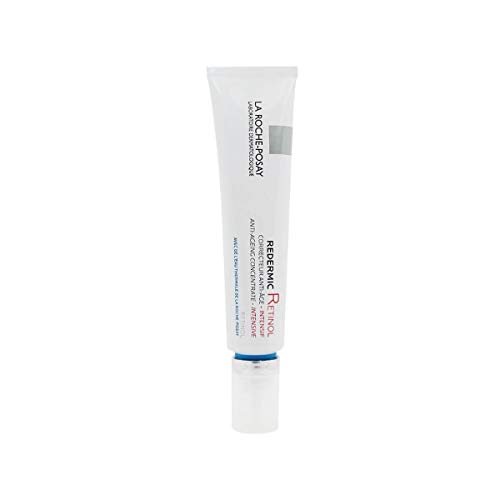
La Roche-Posay Redermic R Anti Aging Retinol
Redermic R puts pure retinol in La Roche-Posay's thermal spring water base with a booster complex meant to keep efficacy up while dialing irritation down. It's the reentry point for anyone who tried retinol once and gave up.
$43.49fromAmazonList priceThis is built for the people retinol usually loses. If you've had the burning, the peeling that wouldn't stop, the red patches that lasted a week, this is the formula designed around that problem. The Retinol Booster Complex is meant to improve how well retinol penetrates while reducing the discomfort that normally comes with it. Owners with reactive skin regularly say this is the one they could finally tolerate.
The thermal spring water base isn't decoration. La Roche-Posay's water contains selenium and a distinctive mineral profile, and the brand has spent decades building clinical support for its calming effect on reactive skin. It's the same base running through their products that dermatologists hand out after procedures. Here it's doing the job of buffering an active that irritates almost everyone at first.
Lipo-hydroxy acid adds gentle exfoliation without a second product. LHA works cell by cell at the surface rather than stripping broadly the way a strong glycolic treatment does. That gives you some of the texture-refining benefit of an acid alongside retinol, in one step, on one night. For anyone trying to keep a routine short, that's a real convenience.
The texture and the timing are flexible. It's a lightweight, velvety lotion that absorbs without residue, which suits oily and combination skin better than a heavy night cream does. La Roche-Posay recommends nighttime use but allows morning application as long as you follow with sunscreen. That flexibility helps if your evenings are unpredictable.
Flaws but not dealbreakers
Gentle means slow, and the concentration is on the low side. If you're already comfortable at 0.5% or higher, you'll likely find this underwhelming. Expect early texture changes in the first month or so and real softening of fine lines to take considerably longer.
It's expensive for a starter-strength formula. You're paying pharmacy-brand prices for a mid-strength retinol, and cheaper drugstore options deliver a comparable amount of active. What you're buying is the tolerability engineering, which is worth it if that's your actual problem and wasted money if it isn't.
Who this is for
This guide is for you if you want the anti-aging ingredient with the most evidence behind it and you're willing to give it three months before deciding whether it worked. That covers people in their thirties starting prevention, people with sun damage and uneven tone, and experienced users ready to move up from a starter strength. It also covers anyone who tried retinol, hated it and assumed the ingredient was the problem when the formula usually is. Start low, go slow, and wear sunscreen every morning without exception.
Skip retinol entirely if you're pregnant or breastfeeding. Dermatologists advise against all topical retinoids in those situations, and bakuchiol, azelaic acid or vitamin C are the usual alternatives. If you're chasing deep, set creases or significant laxity, no over-the-counter product here will get you there and a prescription retinoid or an in-office procedure is a more honest conversation to have with a dermatologist. We've limited this guide to leave-on retinol and retinoid treatments for the face. Prescription tretinoin and adapalene, acid exfoliants and body formulas are out of scope.
How we picked
Strength and retinoid type: we favored formulas that publish a real concentration and name their retinoid, since pure retinol, retinaldehyde and HPR each activate differently and their percentages aren't interchangeable. Packaging: airless pumps and sealed capsules protect retinol from the air and light that degrade it, so jars had to earn their place with either an exceptional formula or a lot of product. Barrier support: ceramides, niacinamide, glycerin and hyaluronic acid buffer the dryness that makes people quit, and we treated their absence as a real mark against a formula. Irritation: owner feedback in this category clusters around stinging and peeling in the first weeks, and we leaned toward the products where those reports were thinner on the ground. Longevity: we compared container sizes against a pea-sized nightly dose so you know how often you'll be rebuying.
Other retinol creams worth considering
If you want your first retinol to be forgiving: The Neutrogena Rapid Wrinkle Repair Retinol Face Moisturizer ($24.97) — Neutrogena's Rapid Wrinkle Repair has introduced more people to retinol than anything else on this list, and it's still a sensible starting point. The accelerated retinol complex is paired with hyaluronic acid for immediate plumping, and it's formulated without parabens, mineral oil or dyes, so there's little to react to. Neutrogena claims smoother-looking fine lines in a week and faded wrinkles in four, which you should read as texture first and lines much later. What you give up is transparency and ceiling: the concentration isn't published and almost certainly sits at the low end, so it's better at prevention and surface smoothing than at deep, established wrinkles. It's also in a jar. Buy it to find out whether your skin tolerates retinol at all, then step up.
If you want the strongest thing you can get without a prescription: The Sunday Riley A+ High-Dose Retinoid Serum 0.5oz ($50) — Sunday Riley's A+ delivers a 6.5% stabilized retinoid blend that mixes traditional retinol with HPR and botanical retinol-alternative extracts. Because a meaningful share of that total is the receptor-direct HPR rather than pure retinol, the number is less alarming than it looks and the irritation profile lands below what a comparable pure retinol would cause. Owners who stick with it tend to report visible change in weeks rather than months. The catch is size: at half an ounce, this is the smallest container in the guide and among the most expensive per ounce, so a nightly habit gets costly fast. It's also genuinely too strong to start on. Come to it with established tolerance, or you'll spend your first fortnight peeling.
If your skin runs dry and blotchy: The Olay Olay Regenerist Retinol 24 Night Creamcount ($36) — Olay's Regenerist Retinol 24 pairs retinol with niacinamide, which is a smarter combination than the drugstore shelf usually offers. Niacinamide supports the skin barrier and evens tone while the retinol handles turnover, so you're addressing dullness and dryness at the same time rather than fighting the side effects afterward. It's fragrance and dye free, absorbs quickly without feeling heavy, and this listing gives you two 1.7-ounce jars, so there's plenty to work with. The trade-offs are familiar: Olay won't publish the retinol concentration, results are gentler than a labeled 1% formula, and both containers are jars that let air in nightly. If your priority is comfortable skin you'll actually keep treating, that's a fair deal.
The competition
This is what our research surfaced, not a census of everything on the market. Retinol formulas launch constantly, some strong ones sell only through dermatology practices, and reformulations happen quietly. The three below are worth knowing about, and any of them could be right for you even though none took a spot above.
The Peter Thomas Roth ($65) — The Peter Thomas Roth Retinol Fusion PM Night Serum runs 1.5% microencapsulated retinol, which is about as high as unblended retinol goes without a prescription. Encapsulation releases the active gradually through the night and shields it from air and light, so the peak irritation is lower than a straight 1.5% would be and the potency holds up over the life of the bottle. It lost to our picks on approachability rather than quality. This is a formula for people who have already maxed out at 1% and want more, and the time-release mechanism can stretch mild sensitivity across several weeks instead of concentrating it. The lightweight serum layers cleanly under moisturizer. If you're a retinol veteran who's stopped seeing change, this is the logical next rung.
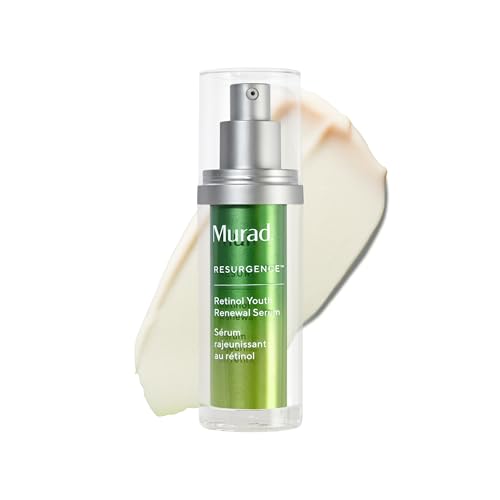
The Murad Retinol Youth Renewal Serum - Rapid-Action ($92) — Murad's Retinol Youth Renewal Serum is the most ambitious formulation here: a fast-acting retinoid, a time-released retinol and a retinol booster working at once, plus Swertia flower extract to push cell turnover and hyaluronic acid to offset the dryness. Murad clears it for face and neck, which is broader coverage than most serums bother to specify, and the brand reports improvements in firmness, smoothness and radiance over a 12-week window. It didn't win because the complexity cuts both ways. With three retinoid components plus a botanical booster, there's no way to work out which piece is bothering you if your skin reacts, and it sits in a premium tier that starts to rival a dermatologist visit. Worth it if you want one bottle to do everything.
The Obagi Medical Retinol + PHA Refining Night ($135) — Obagi Medical's Retinol + PHA Refining Night Cream is the splurge for people who want something close to what a dermatology office would hand them. The pedigree is real, since Obagi products turn up in dermatology and plastic surgery practices, and the addition of polyhydroxy acid gives you gentle surface exfoliation alongside the retinol. PHA is milder than glycolic acid, so you get texture and tone refinement without the sting a strong AHA brings. It's the priciest item in the guide, though, and the clinical-grade potency means beginners need a careful ramp-up rather than nightly use from day one. Availability is also thinner than the drugstore brands, so restocking takes more effort. Choose it if you want dual-action refining and the price genuinely isn't the deciding factor.
How to work retinol into your routine
Apply to completely dry skin. Waiting 20 to 30 minutes after cleansing slows penetration and cuts irritation noticeably, which is the single easiest fix if you're struggling. Use a pea-sized amount for your whole face and stay off the eyelids. Follow with a bland, fragrance-free moisturizer as a buffer, or sandwich the retinol between two thin layers of it if your skin is fighting back. Sunscreen at SPF 30 or higher the next morning isn't optional, because faster turnover means more sun sensitivity. Never layer retinol with glycolic or lactic acid, salicylic acid, PHAs or benzoyl peroxide on the same night. Alternate them instead. And give any new formula 12 weeks before you decide it isn't working.
Questions we get
What retinol percentage should I actually buy?
If you're new, start somewhere between 0.025% and 0.1% and use it two or three nights a week. Most people land in the 0.3% to 1% range once they've built tolerance, which is where the research shows meaningful change in fine lines. Step up frequency first, then concentration, and give each change four to six weeks. Retinoid esters like HPR are listed at higher percentages because they work differently, so don't compare a 4% HPR complex against a 1% pure retinol.
How long before I see anything?
Texture and a bit of brightness can show up in two to four weeks. Measurable softening of fine lines usually takes eight to 12 weeks of consistent use. Deeper wrinkles and real laxity need considerably longer than that, if an over-the-counter product touches them at all. Any label promising visible results in a week is talking about surface smoothness and hydration, not wrinkles.
Is the peeling normal, or am I having a reaction?
Mild flaking, some dryness and small breakouts in areas where you normally break out are the standard adjustment, and they typically settle within four to six weeks. Redness that fades within half an hour of applying is also expected. What isn't normal: hives, burning that won't quit after an hour, a rash spreading past where you applied it, or any swelling. Stop and talk to a dermatologist if you see those.
What's the difference between retinol, a retinoid and HPR?
They're all vitamin A derivatives that differ in how many steps it takes to become active in your skin. Prescription tretinoin is already active retinoic acid, retinaldehyde is one conversion away, and standard retinol is two. HPR binds retinoid receptors more directly like tretinoin does but in a gentler ester form, so it tends to work faster with less inflammatory fallout. Everything in this guide is over the counter and less potent than a prescription retinoid.
Cream or serum?
Both deliver retinol fine, so pick based on your skin and the rest of your routine. Creams add real moisture and work as a standalone night treatment, which simplifies things if your skin is dry. Serums are lighter, absorb faster and layer under a separate moisturizer, which suits oily and combination skin that gets congested under rich textures. If you're already using three other products at night, the serum will fit better.
Can I use retinol while pregnant?
No. Dermatologists and OBGYNs advise avoiding all topical retinoids during pregnancy and breastfeeding as a precaution, even though systemic absorption from a face cream is very low. Bakuchiol, azelaic acid and vitamin C are the usual stand-ins for anti-aging and brightening. Check with your doctor before starting any active ingredient.
Why you should trust us
For this guide:
- We read the ingredient claims, published concentrations and brand clinical summaries for every listing here, then lined up the retinoid types and strengths side by side.
- We drew on dermatology guidance about retinization, realistic timelines and how retinol degrades in air and light to weigh formulas and packaging against each other.
- We looked for recurring themes in owner feedback, particularly complaints about stinging and peeling, jar oxidation and how quickly a container runs out.
- We read owner reviews on every listing, weighted toward the critical ones, because that is where the recurring failures show up.
- We have a systematic way of automatically fetching the latest prices, so the numbers on this page stay current.
- This is a research-focused guide, so the team may not own every product listed — though we often do own the top winners, which gives us extra context for the recommendations.
- We don't accept free products, and the retailer commission never changes which product we recommend.
Sources
Best Retinol Creams 2026 — Dermatologist Picks, Allure
The Best Retinol Creams, According to Dermatologists, Byrdie
Best Retinol Products — Tested by Editors and Vetted by Derms, InStyle
Retinoids in the Treatment of Skin Aging — PubMed, National Library of Medicine / PubMed
Topical Retinoids for Aging Skin — American Academy of Dermatology, American Academy of Dermatology
Amazon product listings and owner reviews for all 12 products
Manufacturer specification pages for each product
Some passages in this guide may be paraphrased with AI help. Prices are refreshed automatically.
More like this.
Continue exploring beauty reviews and recommendations.

The Best Retinol Creams for Sensitive Skin
Retinol is the rare skincare ingredient with decades of clinical evidence behind it. It speeds up cell turnover, softens fine lines, and evens out tone…

The Best Retinol Creams
Retinol is one of the few skincare ingredients with decades of published research behind it. It speeds up how fast your skin sheds and rebuilds itself,…
The Best Retinol Creams and Night Serums
Retinol is the closest thing over-the-counter skincare has to a sure thing. It speeds up how fast your skin sheds and rebuilds itself, which softens fine…

The Best Retinol Serums
Retinol is the rare skincare ingredient with decades of published research behind it. It speeds up how fast your skin sheds and replaces cells, and over…

The Best Eye Creams
The skin around your eyes is thinner than anywhere else on your face, and it has fewer oil glands. That's why it creases first, why it looks tired after a…

The Best Retinol Products
Retinol is the rare skin-care ingredient with decades of research behind it that you can still buy off a shelf. It speeds up how quickly your skin sheds…