The Best Shower Curtain Liners
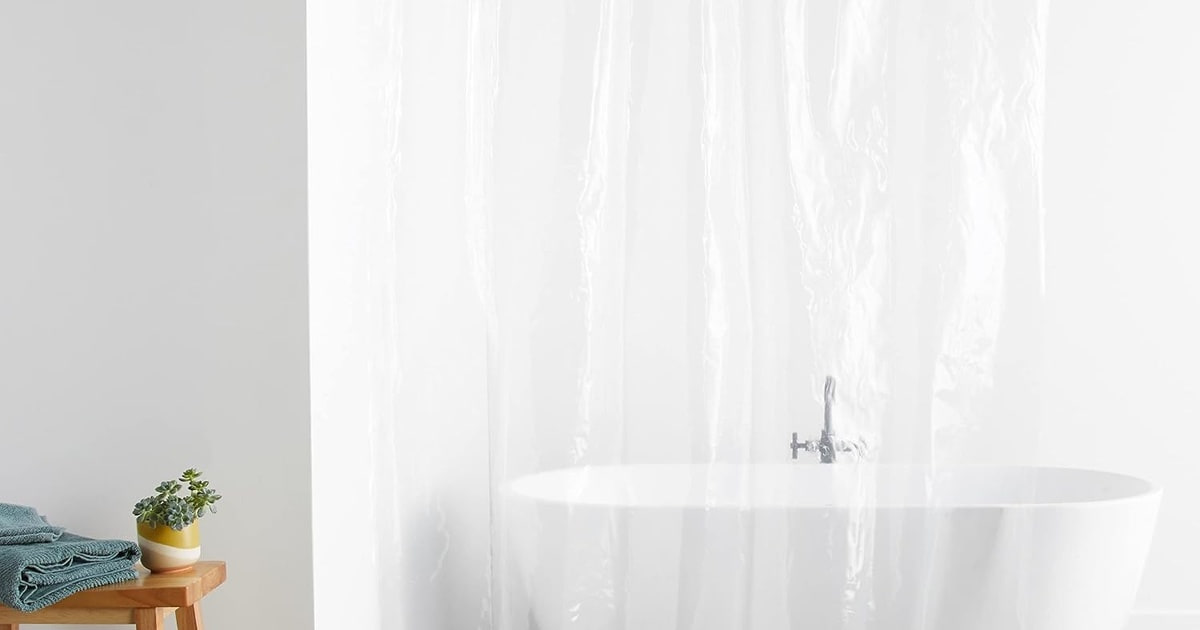
A liner has one job: keep water in the tub and stay clean while it does. Most people don't think about it until the bottom edge turns pink and speckled. That's mildew, and it takes hold where the liner bunches, folds, or clings to a wet tub wall. Material, thickness, and the way the liner hangs decide how fast that happens. PEVA and EVA liners also smell far less than old vinyl and wipe down with soap and water. Get those things right and you'll swap liners a lot less often.
Here's the honest part: no liner is mildew-proof. A thicker gauge or a treated surface buys you months, not immunity. If your bathroom has no fan and a window you never open, even a good liner spots up eventually. Clear plastic goes hazy with soap scum, white liners show that scum sooner, and fabric holds damp far longer than plastic does. Every liner in this guide is a consumable. The question isn't which one lasts forever, it's which one lasts long enough to be worth hanging.
So we went through spec sheets, published liner comparisons, and what owners say goes wrong after a few months of daily showers. What separates the good ones is dull and mechanical: gauge, a hem that stays put, metal grommets that don't rust, and a top edge that doesn't tear. We think that the LiBa Shower Curtain PEVA 8G is the best shower curtain liner for most people, and that the Amazon Basics 8-Gauge PEVA Shower Curtain Liner is the one to buy if you're outfitting a guest bath or a rental.
Everything we recommend

Thick 8-gauge plastic and magnets that keep it off your legs

Real 8-gauge plastic with hooks included, minus the magnets

Heavier plastic that hangs straight without magnets
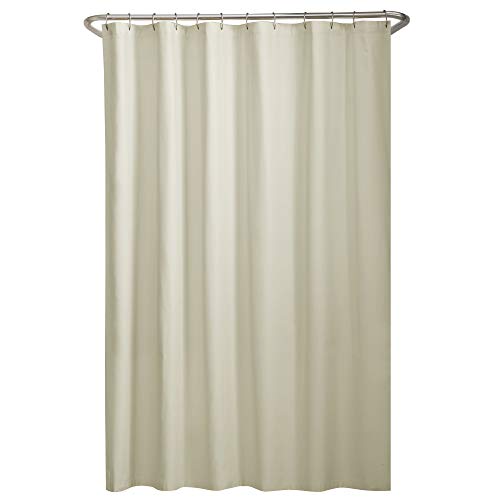
A soft fabric liner you can throw in the wash
At a glance
| Product | Material | Size (W x H) | Price | |
|---|---|---|---|---|
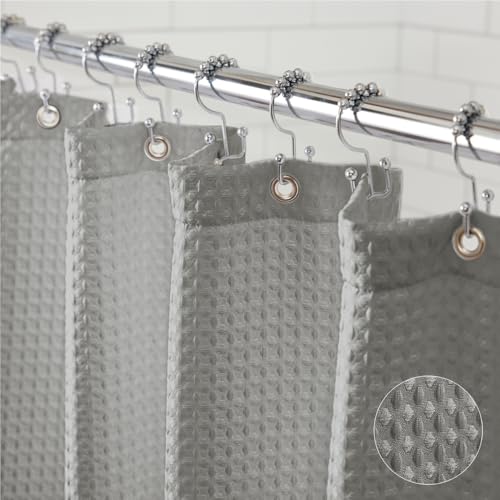 | GORILLA GRIP Gray Waffle Style Textured FabricAlso in lineup | Fabric | 72in x 78in | $17.99 |
| LiBa Shower Curtain PEVA 8GTop pick | PEVA | 72in x 72in | $9.99On sale |
| Zenna Home Water Repellent Shower Curtain LinerAlso great | Microfiber Fabric | 70in x 72in | $9.39 |
 | Barossa Design White Shower Curtain Liner StandardAlso in lineup | PEVA | 72in x 72in | $9.99 |
| Amazon Basics Water Resistant 8-Gauge PEVA ShowerBudget pick | 8-Gauge PEVA | 72in x 72in | $7.92 |
| Epica Waterproof Shower Curtain Liner for BathroomUpgrade pick | Vinyl | 72in x 72in | $18.94On sale |
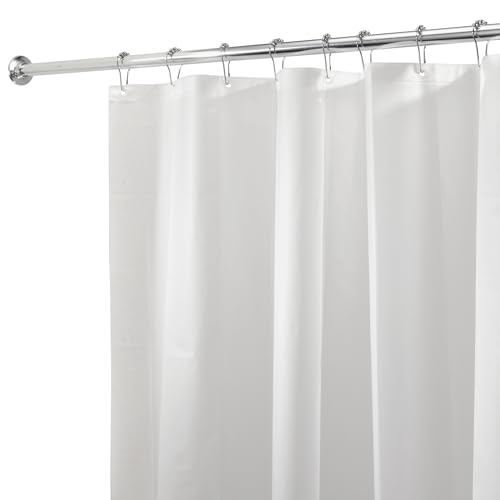 | iDesign PEVA Mold and Mildew Resistant PlasticAlso consider | PEVA | 72in x 72in | $9 |
How we picked
Material and safety. We limited the plastic liners to PEVA and EVA, both of which skip PVC and give off far fewer volatile compounds in a closed bathroom. Published cleaning-lab writeups consistently rate them above vinyl for water repellency and easy cleaning.
Gauge and weight. Thickness is the spec that best predicts how long a plastic liner goes before mildew shows, so we favored liners that state 8 gauge or list a weight that backs up the claim. Published comparisons put 8G ahead of 4G by four to six months in humid bathrooms.
Staying in place. A liner that swings inward pulls away from the tub edge and lets water escape onto the floor. We looked for magnets in the hem, a weighted hem, or enough material weight that the liner hangs straight on its own.
Grommets and header. Most liners fail at the top, not the middle. We required rust-proof metal grommets and a reinforced or mesh header, since rust bleeds onto the decorative curtain and torn holes make a liner sag within weeks.
Size and care. We checked stated dimensions against standard tub openings and noted anything narrower or taller than 72 by 72 inches. We also confirmed which liners tolerate machine washing, since that's what keeps a liner in service.
Top pickOn sale
Thick 8-gauge plastic and magnets that keep it off your legs
LiBa Shower Curtain PEVA 8G
This is a thick, clear PEVA liner with three magnets in the hem and metal grommets across the top, and it gets the boring parts right. It hangs flat instead of billowing, stays out of your way mid-shower, and holds its shape through months of daily use.
$9.99fromAmazonList priceThe 8-gauge plastic is the main reason to buy this one. Gauge just means thickness, and thickness is what keeps a liner from creasing, clinging, and trapping water in its folds. LiBa's 8G PEVA is heavy enough to fall straight down the tub wall. Published liner comparisons put 8-gauge ahead of the thin 4-gauge stuff by several months before mildew shows up. You'll feel the difference the first time you hang it.
Three magnets in the hem keep the liner off your shins. Fast-moving water pulls a light liner inward, which is why cheap ones end up plastered to your leg halfway through a shower. The magnets grab the tub wall and hold the bottom edge down. That keeps water where it belongs, and it keeps the liner from bunching against a wet surface, which is exactly where mildew gets started.
The top edge is built for repeated hanging. Twelve rust-proof metal grommets sit in a reinforced header, so the holes don't tear when you thread hooks through them. That matters more than it sounds. A torn grommet makes the liner sag at one corner, and a rusting one leaves orange streaks on the decorative curtain hanging in front of it. Metal grommets cost a little more and they're worth it.
It's PVC-free, so it won't stink up a small bathroom. LiBa makes this from PEVA with no PVC and no chlorine. Old vinyl liners give off that sharp plastic smell for days in a room with no airflow, and they release more volatile compounds while they do it. PEVA is much quieter on both counts. If your bathroom has no window, that alone is worth the switch.
The surface sheds water instead of holding a film. The plastic is smooth enough that water beads and runs off rather than spreading into a standing sheet. Less standing water means less for mildew to live on between showers. It also means a quick wipe with soapy water clears soap scum, instead of the scrubbing a textured or thin liner needs once buildup sets in.
Flaws but not dealbreakers
Clear plastic hides nothing. Used on its own it gives you no privacy, and it shows every hard-water spot and soap streak as a hazy film. Most people hang a decorative curtain in front, which fixes the look but adds one more thing to wash. If you want a liner that stands alone, a white or fabric option is the better call.
A new liner smells like a new liner. PEVA off-gasses far less than vinyl, but there's still a mild plastic odor straight out of the package. It fades within a day or two. Hang it, run the fan, and leave the door open overnight before the first shower.
At 72 by 72 inches, it fits a standard tub and nothing else. Stall showers and extra-tall rods need different dimensions, and a liner that's an inch short at the bottom drips onto the floor. Measure your rod height and opening before you order, because opened bath products are hard to return.
Budget pick
Real 8-gauge plastic with hooks included, minus the magnets
Amazon Basics Water Resistant 8-Gauge PEVA Shower
You get genuine 8-gauge PEVA, rust-proof metal grommets, and a set of plastic hooks in the box. There's no magnetic hem, so it billows inward during a strong shower, but in a guest bath or a rental that's a small thing to live with.
$7.92fromAmazonIt's the same gauge as our top pick. Plenty of low-cost liners quietly ship at 4 or 6 gauge and hope you won't notice the difference until it starts spotting. Amazon Basics states 8-gauge on the listing. That's the single spec that tracks most closely with how long a plastic liner goes before mildew shows, so you're not giving up the thing that actually matters.
Hooks come in the box. It sounds trivial until you've hung a new liner and realized the old rings are rusty or missing. The included plastic hooks won't stain anything and they get the liner up the same day it arrives. For a rental turnover or a guest room refresh, that's one fewer thing to buy and keep track of.
The metal grommets won't rust onto your good curtain. Rust bleeds from cheap grommets into whatever hangs in front of the liner, and those stains don't come out. Rust-proof metal here means the top edge stays clean, and it holds up to hooks going in and out when you take the liner down to wash it.
It's made in an OEKO-TEX Standard 100 factory. That's an independent certification covering what goes into the material and how it's produced. It doesn't make a liner mildew-proof, but it's a reasonable signal for a plastic sheet that hangs in a warm, damp room you breathe in every morning. The formulation skips PVC, so odor is minimal from day one.
Flaws but not dealbreakers
No magnets, so it billows. In a shower with real water pressure, this liner will find your leg. It's a recurring annoyance rather than a failure, but it also pushes the bottom edge away from the tub wall and lets water track outward. If this is your household's main shower, spend a bit more and get the magnets.
It's basic everywhere else, too. Clear only, no frosted option, no reinforced header stitching, and no treatment in the plastic itself. It's a plain sheet of decent material. That's the whole pitch, and it's a fair one, but don't expect it to feel like the pricier liners here.
Upgrade pickOn sale
Heavier plastic that hangs straight without magnets
Epica Waterproof Shower Curtain Liner for Bathroom
Epica treats the material itself to resist stains and odor rather than relying on a surface coating that wears off. It's noticeably heavier than the rest, so it drapes straight down the tub wall on its own, and the nylon mesh header is the sturdiest top edge here.
$18.94fromAmazonList priceThe stain and odor resistance is built into the material. Spray-on treatments wash off within a few cleanings. Epica treats the compound, so the resistance lasts as long as the liner does. If your bathroom is the kind where a standard liner goes musty within a couple of months, that's the difference you're paying for, and it shows up as fewer smells between cleanings.
It's heavy enough to stay put without magnets. Thin liners billow because there's nothing holding them down. This one is thick enough that gravity does the work, and it hangs against the tub wall instead of swinging toward you. Heavier plastic also creases less, and creases are where water sits for hours after you shut the water off.
The nylon mesh header is the best top edge in this group. Instead of loading each hook hole individually, the mesh spreads the pull across the whole top of the liner. Grommet tearing is the way most liners die before the plastic gives out. This one is built specifically against that, and the metal grommets seat cleanly without rough edges that snag hooks.
Clear plastic keeps a small bathroom from feeling like a closet. Light passes straight through, which matters in a windowless bathroom or a tight guest bath. Paired with a decorative curtain outside the tub, you get the look you want without making the shower itself dim.
Flaws but not dealbreakers
No magnets is still a gap at this level. The extra weight does most of the job, but magnets are a physical seal against the tub edge and this liner doesn't have one. In a humid bathroom, get in the habit of spreading it fully open after every shower. That free habit does more for mildew than any feature on this list.
It costs the most of any liner here, and the gains are incremental. For a well-ventilated bathroom with a working fan, a good 8-gauge PEVA liner gets you most of the way for much less. This one earns its keep in chronically damp rooms, not average ones.
Clear only. There's no frosted or colored version, so if you want a liner that also provides privacy on its own, look at the white or fabric options instead.
Also great
A soft fabric liner you can throw in the wash
Zenna Home Water Repellent Shower Curtain Liner
If plastic sticking to your arm is the part of showering you hate, this bone-colored microfiber liner fixes it. Water beads up and runs off the treated fabric, a weighted hem holds it down without magnets, and you can wash it once a month instead of replacing it.
$9.39fromAmazonIt feels like cloth, not like a grocery bag. Microfiber is soft against skin, and it doesn't crinkle or cling the way plastic does when it brushes your arm. For anyone who finds plastic liners genuinely unpleasant, or who's sensitive to the smell of a new one, this is the fix. The bone color gives you privacy too, so it works on its own.
You wash it instead of tossing it. A warm cycle once a month strips soap scum and surface mildew before you can see either. Published cleaning guidance puts the useful life of a washable fabric liner at a few years, against six to twelve months for most plastic liners. Less landfill, fewer reorders, more attention required from you.
A weighted hem does what magnets do. The bottom edge is weighted so it hangs inside the tub and stays there, no magnetic grab needed. It also blocks the cold draft that a light liner lets in. There are twelve buttonholes at the top, so it works with hooks or rings you already own.
The water-repellent finish sheds normal shower spray. Water beads on the surface and glides down instead of soaking through, which keeps the outer face dry. Note the limit: the fabric is meant to hang inside the tub, and direct high-pressure spray held against it will eventually saturate it.
Flaws but not dealbreakers
The repellent finish wears out, and heat kills it faster. This is the real weak point. Wash warm, then tumble on low or hang it to dry. A hot dryer cycle degrades the coating quickly, and once it's gone the fabric soaks instead of beading, which is when mildew problems start.
Fabric stays damp longer than plastic. A plastic liner drips dry in about two hours; damp fabric can sit wet overnight in a bathroom with poor airflow. If your bathroom has no fan and no window, skip this and buy plastic. Be honest with yourself about ventilation before you commit.
At 70 by 72 inches, it's slightly narrower than a standard liner. That's a small gap at each end when the rod is a full 72 inches, and it means measuring first rather than assuming it drops in.
Who this is for
This guide is for anyone hanging a liner inside a standard tub or shower and tired of replacing a mildewed one every few months. If your current liner clings to your legs, streaks rust onto the curtain in front of it, or has gone speckled along the bottom hem, any pick here is a straightforward upgrade. Renters get the most out of it, since a liner is one of the few bathroom things you can change without asking anyone.
It's not for you if you have a stall shower or an extra-tall rod, because everything here is sized for a standard tub opening and a liner that's short at the bottom is worse than no liner at all. We also stick to the waterproof layer that hangs inside the tub. Decorative outer curtains, hook sets, and tension rods are a different purchase, and a fabric curtain sold without a waterproof backing won't do this job no matter how nice it looks.
How we picked
Material: we stuck to PEVA and EVA, which skip PVC and don't fill a closed bathroom with that sharp vinyl smell. Thickness: gauge is the spec that best predicts how long a plastic liner lasts, so 8G was our bar and anything that won't state a gauge got flagged. Staying put: magnets, a weighted hem, or enough sheer weight to hang straight, because a liner that swings inward lets water onto your floor. Top edge: rust-proof metal grommets in a reinforced or mesh header, since that's where liners usually die first. Fit and care: stated dimensions checked against a standard tub opening, plus whether you can actually wash the thing.
Other shower curtain liners worth considering
If you want to rotate two liners: The iDesign PEVA Mold and Mildew Resistant Plastic ($9) — iDesign sells this mildew-resistant PEVA liner in pairs, which unlocks the one trick that beats every feature on this list: hang one while the other dries completely, and swap them weekly. A liner that gets a few fully dry days never gives mildew a foothold. It's also the sensible buy if you're covering two bathrooms at once. Each liner has bottom magnets and reinforced grommets that take standard S-hooks or rings. What you give up is transparency about the spec. iDesign doesn't publish a gauge, so assume it's lighter than the stated 8G liners and plan on replacing them sooner. The white finish also shows soap scum earlier than clear does, and two liners take up closet space a small apartment may not have.
The competition
This is what our research surfaced, not a survey of everything on the market. Liners turn over constantly and most of them are the same sheet of plastic under a different brand name, so we focused on the ones with specs worth comparing.
The Barossa Design White Shower Curtain Liner Standard ($9.99) — The Barossa Design White Shower Curtain Liner is a perfectly reasonable liner that lost on one missing number. It's 100% PEVA, PVC-free and BPA-free, with three magnets in the hem, twelve metal grommets, and a reinforced header that keeps the top holes from tearing during install. The odor claim holds up, since PEVA barely off-gasses. But Barossa doesn't state a gauge anywhere, and against liners that do, that silence usually means lighter plastic. Lighter plastic means visible mildew months sooner. The white finish also puts soap scum on display in a way clear plastic doesn't. Buy it if you want an opaque white liner that works on its own without a decorative curtain, and build a replacement into your calendar every six months rather than waiting for the speckles.
Care and maintenance
The most effective thing you can do costs nothing: pull the liner fully open after every shower so it dries flat. Mildew lives in the folds, where water sits for hours between uses. Run the exhaust fan for twenty to thirty minutes afterward, and wipe the bottom hem and tub edge dry once a week. Most PEVA liners handle a gentle cold or warm machine cycle. Toss in a couple of towels to cushion the load, and skip hot water and high heat, which warp plastic and destroy the repellent finish on fabric. For spots that have already appeared, mix equal parts white vinegar and water, let it sit half an hour, scrub gently, and rinse. Half a cup of vinegar in the wash works too, and it won't degrade the material the way repeated bleach does.
Questions we get
How often should you replace a shower curtain liner?
Plan on six to twelve months for a plastic liner, depending on thickness and how much the shower gets used. An 8-gauge liner in a normal daily-use bathroom can reach a year; thinner ones can show mildew or discoloration in three to six months. A washable fabric liner like the Zenna Home stretches to a few years if you actually wash it monthly.
Is fabric or plastic better at preventing mildew?
It comes down to ventilation. In a bathroom with a working fan or a window you open, washable fabric wins on longevity and waste. In a stuffy bathroom, plastic is the safer bet because it drips dry in about two hours while damp fabric can stay wet overnight. Judge your own airflow honestly before choosing.
Can you put a plastic liner in the washing machine?
Most PEVA liners handle a gentle cold or warm cycle just fine. Don't use hot water or a high-heat dryer, which can warp or shrink the plastic. Add a few towels so the liner doesn't clump during the spin. A monthly wash clears soap scum and surface mildew before either one becomes visible.
What size liner do I need for a standard bathtub?
A standard tub and shower combo takes 70 by 72 or 72 by 72 inches. A typical stall shower needs something closer to 54 by 78, and extra-tall rods want 72 by 78. Measure your opening and rod height before ordering, since most retailers won't take back an opened bath product.
Do the magnets in the bottom hem actually help?
Yes, and they're one of the more useful features you can get. Fast-moving water creates a pressure difference that pulls the liner inward toward you mid-shower. Magnets hold the bottom edge against the tub wall, which keeps water inside and stops the liner from bunching against a wet surface where mildew starts.
What's the difference between EVA and PEVA?
Both are PVC-free plastics that are safe to hang in a bathroom, and both are big improvements over vinyl. EVA gives off fewer emissions during manufacturing and when new, so it's the pick for chemically sensitive households or a home with a baby. PEVA is more widely available and just as mildew-resistant in ordinary conditions.
Why you should trust us
For this guide:
- We read published liner comparisons and cleaning-lab writeups from home and consumer publications to see which construction details actually correlate with how long a liner stays clean.
- We compared manufacturer spec sheets for every liner here, noting stated gauge, material, grommet type, header construction, and dimensions, and flagged the listings that leave gauge unstated.
- We went through owner feedback themes for each product, looking for the complaints that repeat: liners billowing inward, grommets tearing at the top edge, rust staining the outer curtain, and repellent finishes failing after a few washes.
- We read owner reviews on every listing, weighted toward the critical ones, because that is where the recurring failures show up.
- We have a systematic way of automatically fetching the latest prices, so the numbers on this page stay current.
- This is a research-focused guide, so the team may not own every product listed — though we often do own the top winners, which gives us extra context for the recommendations.
- We don't accept free products, and the retailer commission never changes which product we recommend.
Sources
Best Shower Curtain Liners of 2026 — The Spruce, The Spruce
Best Shower Curtain Liners Tested by Good Housekeeping, Good Housekeeping
Best Shower Curtain 2026 — Wirecutter (NYT), Wirecutter
Best Shower Curtain Liners — Bob Vila, Bob Vila
Best Shower Curtain Liners of 2026 — Forbes Home, Forbes Home
Amazon product listings and owner reviews for all 7 products
Manufacturer specification pages for each product
Some passages in this guide may be paraphrased with AI help. Prices are refreshed automatically.
More like this.
Continue exploring home reviews and recommendations.

The Best Blackout Curtains for Bedrooms
A dark bedroom is one of the simplest sleep upgrades you can make. Research published in the Journal of Clinical Sleep Medicine found that even dim light…

The Best Blackout Curtains for Bedrooms
A dark room is one of the simplest sleep upgrades you can make. Streetlights, headlights sweeping across the ceiling, the sun hitting an east-facing…

The Best Heated Ski Glove Liners
Cold fingers end ski days early. You can be dressed perfectly everywhere else and still be the person jamming both hands into a jacket pocket at the top…

The Best Truck Bed Liners
A pickup bed is the only part of a truck you're allowed to abuse. Gravel gets dumped in it, toolboxes slide the length of it, and somebody's mountain bike…

The Best Rust-Proof Shower Caddies
A shower caddy lives in the wettest spot in your house, and most of them aren't built for it. Chrome-plated wire looks great in the product photo and then…

The Best High-Pressure Shower Heads
A shower head is the fixture you touch every single morning, and a bad one sets the tone for the whole day. Weak pressure means standing under a lukewarm…