The Best Skincare Routine Sets for Beginners
A first skincare routine doesn't need ten steps. It needs three: something to wash your face with, something to put moisture back, and sunscreen every morning. That's the baseline the American Academy of Dermatology recommends for every skin type. A set helps because someone has already decided what goes with what, and in what order. If you've ever stood in a drugstore aisle reading the back of a bottle and felt completely lost, that's the exact problem these kits are built to solve.
Here's the catch, and it's a big one. Almost none of these sets include sunscreen. UV exposure accounts for up to 80% of visible facial aging, according to research published in the Journal of Investigative Dermatology, so the step with the most evidence behind it is the one you'll have to buy separately. A survey in JAMA Dermatology found that most adults who skip daily sunscreen do so because they never built a morning habit around it. Budget for an SPF 30 or higher alongside whichever kit you choose.
Bundles also cost less than buying the same products one at a time — a Byrdie analysis of retail pricing put the gap somewhere between 10 and 30%. But that's not really the point. The point is that you'll stick with a routine you can finish in two minutes, and consistency is what moves the needle. Give any of these eight to twelve weeks before you judge them. We think that the First Aid Beauty Sensitive Skin Skincare Routine Set is the best skincare routine set for beginners for most people, and that the Paula's Choice CLEAR Regular Strength Acne Travel Kit is the one to buy if breakouts are your main concern.
Everything we recommend

Gentle, fragrance-free, and complete enough to actually follow

A gentler way to use salicylic acid on breakout-prone skin

A complete three-step routine with nothing hidden in it

Light, watery hydration for skin that hates heavy creams
At a glance
| Product | Steps | Skin Concern | Price | |
|---|---|---|---|---|
 | CeraVe Vitamin C Serum and Night CreamAlso in lineup | 2-Piece | Healthy Aging | $55.99 |
| Neutrogena Hydro Boost Water CreamAlso great | 2-Piece | Sensitive Skin | $22.29 |
| The Ordinary The Acne SetBudget pick | 3-Step | Acne-Prone | $14.19On sale |
| Paula's Choice CLEAR Regular Strength Acne TravelRunner-up | 3-Piece | Acne-Prone | $33.60On sale |
| First Aid Beauty Sensitive Skin Skincare RoutineTop pick | 3-Piece | Sensitive Skin | $30 |
 | TATCHA The Starter Ritual SetAlso consider | 4-Piece | Dry To Mature | $74 |
 | Drunk Elephant The Littles Kit - 5Also consider | 5-Piece | Balanced Skin | $65 |
How we picked
Three real steps. The American Academy of Dermatology treats cleanser, moisturizer and SPF 30+ as the evidence-based minimum for every skin type. We favored sets that cover at least two of those in usable quantities, and we flag the missing sunscreen everywhere it's missing.
Fragrance-free formulas. Beginners don't yet know what their skin reacts to, and added fragrance makes that impossible to diagnose. We prioritized sets whose ingredient lists and dermatologist testing claims were spelled out on the listing.
Skin-type fit. A salicylic acid routine is wrong for dry skin, and a rich oatmeal cream is wrong for oily skin in summer. We looked for sets that state plainly who they're for, and we matched each pick to a specific kind of reader.
Ingredient transparency. Published reviews and spec sheets that name actives and concentrations beat vague claims about radiance. Consumer Reports testing has found ceramide-based formulas measurably reduce water loss through the skin after a month of use, so we noted which sets say what's in them.
Sizes that last. Travel sizes are great for finding out whether a routine suits you and frustrating if you expected a season's supply. We read owner feedback for complaints about bottles running out faster than the photos suggest.
Top pick
Gentle, fragrance-free, and complete enough to actually follow
First Aid Beauty Sensitive Skin Skincare Routine
Three travel-size steps — a cream-to-foam cleanser, gentle AHA pads, and the Ultra Repair Cream — that won't sting skin you don't understand yet. It's fragrance-free and sulfate-free, and it's small enough that you'll find out quickly whether the routine sticks.
$30fromAmazonWhen you don't know your skin yet, the safest bet is a routine that gives it nothing to react to. Everything here is fragrance-free and sulfate-free, and the brand skips parabens and mineral oil too. That matters more than it sounds. Fragrance is one of the most common irritants in skincare, so if your face flares up, you'd have no way to tell whether it was the acid, the cream, or the perfume in it.
The Ultra Repair Cream is the reason most people know this brand. It's a thick colloidal-oatmeal moisturizer built for dry, angry skin, and the 2-ounce jar is enough for a few weeks of nightly use. If your face goes tight and flaky once the heat's running, or after a long hot shower, this is the texture you want. Oily skin in humid weather may find it too rich.
The exfoliating pads are the one step a beginner could skip. They're glycolic and lactic acid on a dual-sided pad, meant for daily use, and they do smooth rough texture over a few weeks. But you don't need exfoliation to have a routine. Start with two or three nights a week, see how your skin takes it, and work up only if nothing stings.
The gentleness isn't just marketing copy. Good Housekeeping's Beauty Lab ran First Aid Beauty starter sets past a panel of more than 200 people and reported that 94% got through four weeks without irritation. Owner feedback points the same direction: people with reactive skin say these pads don't burn the way most acid pads do. For a first routine, that's the finding that matters most.
Flaws but not dealbreakers
There's no sunscreen in the box, which is the same gap nearly every set here has. You'll need an SPF 30 or higher on top, and the AHA pads make that more urgent, not less — acids leave skin more sun-sensitive for a while.
The sizes are small. A 1-ounce cleanser and 28 pads disappear fast if you're washing twice a day, so treat this as a way to learn whether the routine fits before committing to full sizes. Some owners also think the Ultra Repair Cream formula has shifted slightly, though they still keep buying it.
Runner-upOn sale
A gentler way to use salicylic acid on breakout-prone skin
Paula's Choice CLEAR Regular Strength Acne Travel
A three-piece acne routine — gel cleanser, 2% salicylic acid leave-on exfoliant, and an oil-free moisturizer — in travel sizes. It's built to clear pores without the sandpaper approach, so it suits skin that goes red and tight the moment you try anything strong.
$33.60fromAmazonList priceMost beginner acne advice boils down to scrubbing harder, and that's usually what makes things worse. This kit takes the other route. A 2% salicylic acid liquid stays on the skin and works into pores to loosen the plugs, while the cleanser and moisturizer keep everything else calm. If apricot scrubs and harsh spot treatments have left you raw, this is the gentler path.
The leave-on exfoliant is the part you're really paying for. Paula's Choice publishes clinical work on its BHA products — a double-blind trial on the exfoliant in its RESIST kit reported roughly a 25% reduction in visible pore size after twelve weeks. The CLEAR version uses the same 2% concentration in a formula aimed at redness-prone skin. Twelve weeks is the honest timeline here, not twelve days.
The moisturizer matters more than beginners expect. Acne routines dry you out, dry skin makes more oil to compensate, and that's how people end up peeling and breaking out at the same time. The oil-free night cream adds water without shine. Use it every night, including the nights the acid tingles a bit.
This kit is recent enough that there isn't much owner feedback to lean on yet, so we're going on the formulations and the long track record of the individual CLEAR products, which have been sold on their own for years. If you'd rather wait until more people have weighed in, that's a fair call. The formulas themselves aren't new.
Flaws but not dealbreakers
It costs several times what the drugstore options do, and you're getting travel sizes for it. At two washes a day you'll go through the cleanser quickly.
Salicylic acid has an awkward adjustment period. Your first two or three weeks can bring more visible breakouts as clogged pores clear out, plus some dryness around the nose and chin. That's normal, but it's discouraging if nobody warns you. And as with the rest of these sets, there's no SPF included.
Budget pickOn sale
A complete three-step routine with nothing hidden in it
The Ordinary The Acne Set
Cleanser, 2% salicylic acid, and a moisturizer, all plainly labeled and all cheap. It's aimed at oily and acne-prone skin, and it's the set to buy if you want to learn what each ingredient actually does rather than trust a brand story.
$14.19fromAmazonList priceThe label is the whole selling point. The Ordinary names the active and the concentration right on the bottle, so you pick things up as you go. Salicylic Acid 2% Solution. Natural Moisturizing Factors + Beta Glucan. It reads like a chemistry syllabus, which isn't charming, but after a month you'll genuinely know what a BHA is and why your moisturizer includes beta glucan. That knowledge outlasts the bottles.
It costs a fraction of what the department-store sets do, and that changes how you treat it. You won't ration it or save it for special occasions, and using a routine daily is most of the battle. The company's regimen builder has been used more than ten million times, which says a lot about how many people came to skincare wanting a plan instead of one miracle product.
The salicylic acid is a lot for skin that isn't oily. Used every day, 2% BHA will leave dry or combination skin tight and flaky within a week. Start every other night and back off if you feel any burning. Read the order on the box too — cleanser, then the acid, then the moisturizer — because the product names give you no hints at all.
Owner feedback is emphatic about one thing: don't run this routine without sunscreen. Salicylic acid makes skin more sensitive to sun, and there's no SPF in the box. Pair it with a daily sunscreen from the first morning, or you risk trading breakouts for dark marks that take months to fade on their own.
Flaws but not dealbreakers
The bottles are smaller than the product photos lead you to expect, and the packaging is unhelpfully uniform — three near-identical white labels you'll have to read carefully every morning until the order becomes muscle memory.
This is an acne set, not a general beginner set. If your skin is dry, mature, or just calm, the exfoliating step gives you very little and can cost you comfort. Look at the First Aid Beauty or Neutrogena options instead.
Also great
Light, watery hydration for skin that hates heavy creams
Neutrogena Hydro Boost Water Cream
A full-size jar of Hydro Boost Water Cream paired with a travel-size gel cleanser. It's fragrance-free and dye-free, it sinks in within seconds, and it's the one to grab if thick creams leave your face shiny by lunchtime.
$22.29fromAmazonThe Water Cream is the reason this pairing exists. It's a gel-cream that goes on watery and vanishes, which is what people with dehydrated-but-not-dry skin actually want. Owners with combination skin say it hydrates without the greasy film they get from heavier jars. Neutrogena claims 72 hours of hydration; people in genuinely dry climates report less, but still more than they got elsewhere.
It's also built for skin that flares easily — no dyes, no parabens, no added fragrance — and the brand lists it as suitable for eczema-, rosacea- and acne-prone skin. You can buy it at any drugstore in the country, which sounds like a trivial advantage until you run out and don't want to wait two days for a delivery.
Think of this as a moisturizer with a cleanser attached, not a full routine. The gel cleanser in the box is half an ounce. That's a week or two of washes, maybe three if you're sparing. It's there so you can try the pairing, not so you can live off it. Add a full-size cleanser and a sunscreen and you've got a real three-step setup for less than one luxury cream costs.
Flaws but not dealbreakers
A few owners pick up a faint scent even though the label says fragrance-free. If perfume genuinely sets your skin off, the First Aid Beauty set is the safer bet.
As a beginner kit it's incomplete — no meaningful cleanser supply, no exfoliant, no SPF. You're really buying one very good moisturizer with a sample stapled to it.
Who this is for
This guide is for anyone buying a first routine — a teenager who's tired of guessing, an adult in their thirties who's decided to start caring about sun damage, or someone shopping for a gift and paralyzed by the wall of options. It's also for people with reactive skin who'd rather buy one curated box than assemble five products and hope they get along. If you already have a routine you like, a set is a poor way to add to it; buy the single product you're missing instead.
We've stuck to multi-step sets, so single moisturizers, standalone serums and one-off cleansers are out of scope even when they're excellent. Prescription acne treatment is also out of scope. If you've got persistent cystic acne, rosacea, or eczema that flares no matter what you use, a starter kit isn't the answer and a dermatologist is. And none of these sets include sunscreen, so plan on buying an SPF 30 or higher separately no matter which one you pick.
How we picked
Steps: we looked for sets that actually cover a routine — cleanser and moisturizer at minimum, with the missing SPF called out — because the American Academy of Dermatology treats cleanser, moisturizer and SPF 30+ as the baseline for every skin type. Irritants: fragrance-free and sulfate-free formulas came first, since a beginner who breaks out can't tell which ingredient did it. Skin type: each pick had to suit a specific reader, not a hypothetical average face. Transparency: we preferred listings and published reviews that name actives and concentrations over ones promising radiance. Sizes: we read owner feedback for how fast the bottles run out, because a set you burn through in ten days teaches you nothing.
Other skincare routine sets for beginners worth considering
If you want a set that feels like a gift: The TATCHA The Starter Ritual Set ($74) — Tatcha's Starter Ritual Set is the one to buy when the presentation is part of the present. You get the Rice Wash, the Essence, the Dewy Serum and the Dewy Skin Cream, all aimed at dry to mature skin, and reviews on Sephora skew overwhelmingly positive, with buyers citing texture and visible hydration within a couple of weeks. It costs a great deal more than our picks and it gives you four steps where you need three, with an essence that no beginner strictly requires. The sizes are small — the serum in particular won't last a month of daily use. Lovely to receive, hard to justify as a first routine you buy for yourself.
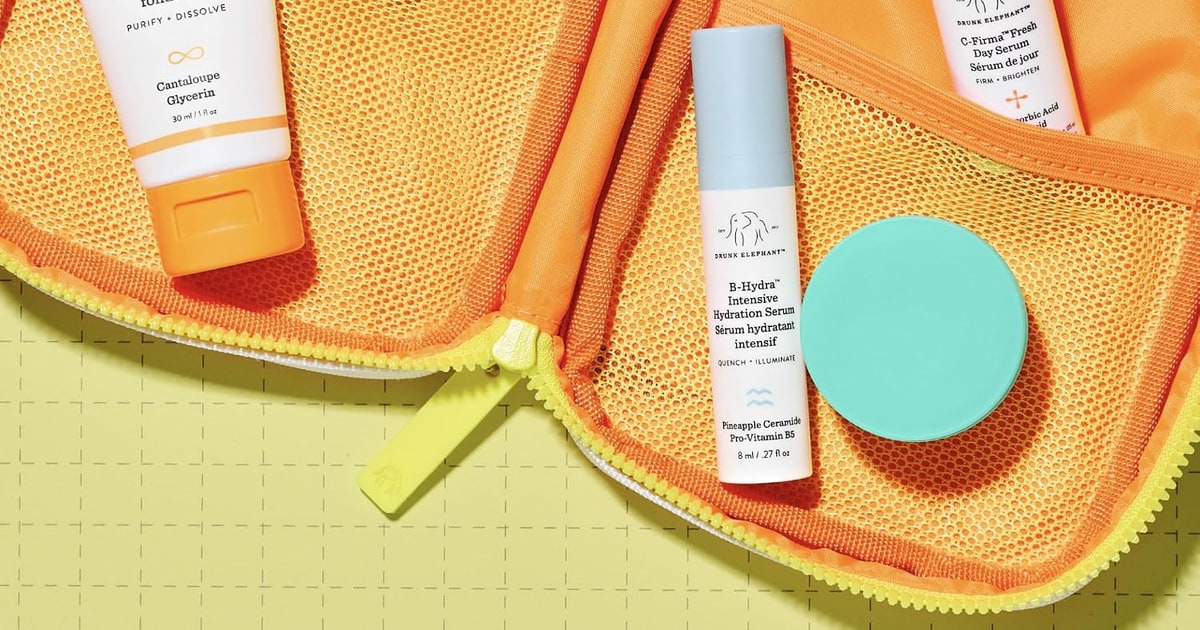
If you want to sample a whole brand at once: The Drunk Elephant The Littles Kit - 5 ($65) — Drunk Elephant's The Littles Kit packs five travel sizes covering morning and night — cleanser, vitamin C, a hydrating serum, a peptide cream and a leave-on acid. The formulas skip fragrance, essential oils, silicones and drying alcohols, which is a genuinely sensible ingredient philosophy. But the brand's approach asks you to mix products in your palm each morning, and that's a lot of decisions for someone still learning what a serum is. Owners also report bottles smaller than expected, and a handful have arrived underfilled. Buy it to find out which full-size product you want, not as your everyday routine.
The competition
This is what our research surfaced, not a complete map of the category. Plenty of good sets exist that we didn't have listings for, and brands rotate their bundles constantly. Here's the one we looked at closely and didn't pick.
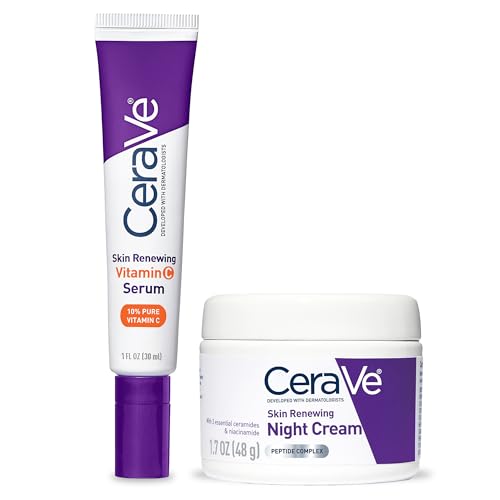
The CeraVe Vitamin C Serum and Night Cream ($55.99) — CeraVe's Vitamin C Serum and Night Cream set pairs two genuinely good products — a 10% l-ascorbic acid serum and a night cream with peptides, hyaluronic acid, niacinamide and the brand's three ceramides. Allure editors rate CeraVe's Essentials Set as their top starter pick across skin types, and CeraVe deserves the dermatologist goodwill it gets. But this particular pairing isn't a starter routine. There's no cleanser and no SPF, and pure vitamin C at that strength can sting or trigger a bumpy adjustment period that beginners tend to read as a bad reaction. Buy it as your second purchase, once the basics are boring.
How to use a starter set
The order is simpler than the internet makes it sound: thinnest to thickest, and sunscreen last in the morning. Cleanse, apply any liquid treatment or exfoliant, then moisturizer, then SPF before you leave the house. At night you can drop the sunscreen and add the acid if your set includes one. Introduce one new product every few days rather than all of them at once, so you can tell what caused a reaction. Start any exfoliant at two nights a week and work up only if nothing burns. Then be patient. Skin turns over roughly every month, so give a routine eight to twelve weeks before deciding it isn't working, and take a photo on day one so you have something honest to compare against.
Questions we get
What order should I use the products in?
Cleanser first, then anything liquid or watery, then moisturizer, then sunscreen in the morning. The rule of thumb is thinnest texture to thickest. If your set includes an exfoliant or acid, it goes after cleansing and before moisturizer, and it's easier on your skin at night.
Do I actually need a serum, or can I skip it?
You can skip it. Cleanser, moisturizer and SPF are the three steps with real evidence behind them, and a serum is an optional fourth. Once your basics are a habit and you've identified a specific concern — dullness, dark marks, early lines — that's the time to add one.
Is CeraVe or Neutrogena better for a beginner?
Both are dermatologist favorites and it mostly comes down to texture. CeraVe leans on ceramides and richer creams, which suits dry or barrier-damaged skin. Neutrogena's Hydro Boost line is watery and light, which suits combination or oily skin that hates a heavy finish. Neither brand will let you down.
Do these sets work for sensitive or acne-prone skin?
Yes, if you match the set to the problem. For sensitive skin, the First Aid Beauty set is fragrance-free and its formulas were rated 94% irritation-free by a Good Housekeeping Beauty Lab panel of more than 200 people. For acne, the Paula's Choice CLEAR kit uses salicylic acid without the harsh scrubbing. Introduce anything new slowly either way.
Are the premium sets worth it for a beginner?
Not for effectiveness. Tatcha and Drunk Elephant make pleasant, well-formulated products, but dermatologists consistently point beginners toward drugstore ceramide and hyaluronic acid formulas that cost far less. Where the premium sets earn their keep is as gifts, or as a way to try several products before committing to full sizes.
How long before I see results?
Hydration you'll feel within days. Everything else takes longer. Skin cells turn over roughly monthly, so give a routine eight to twelve weeks before you judge it — the pore-size trial Paula's Choice published on its BHA exfoliant ran twelve weeks, which is a realistic yardstick. Take a photo at the start so you're comparing against something real.
Why you should trust us
For this guide:
- We read the manufacturer spec sheets and full ingredient claims for every set here, plus published evaluations from Allure, Good Housekeeping's Beauty Lab, Consumer Reports and Byrdie.
- We compared each kit against the American Academy of Dermatology's three-step baseline of cleanser, moisturizer and SPF 30 or higher.
- We read through owner feedback for each listing looking for recurring themes — sizes running out, texture complaints, adjustment-period breakouts — rather than isolated opinions.
- We read owner reviews on every listing, weighted toward the critical ones, because that is where the recurring failures show up.
- We have a systematic way of automatically fetching the latest prices, so the numbers on this page stay current.
- This is a research-focused guide, so the team may not own every product listed — though we often do own the top winners, which gives us extra context for the recommendations.
- We don't accept free products, and the retailer commission never changes which product we recommend.
Sources
Best Skincare Sets for Beginners 2026 – Allure, Allure
Dermatologist-Recommended Skincare Routines for Beginners – American Academy of Dermatology, American Academy of Dermatology (AAD)
Best Starter Skincare Routines 2026 – Byrdie, Byrdie
Best Skincare Kits – Good Housekeeping Beauty Lab, Good Housekeeping Beauty Lab
Best Skincare Sets and Starter Routines – Vogue, Vogue
Skincare Ingredient Safety Database – Paula's Choice, Paula's Choice Ingredient Dictionary
Best Skincare Routines for Beginners 2026 – Healthline, Healthline (medically reviewed)
Best Skincare Starter Kits – Wirecutter, Wirecutter (NYT)
Skincare for Beginners: What Actually Works – Consumer Reports, Consumer Reports
DECIEM / The Ordinary Official Product Pages, The Ordinary (DECIEM)
Amazon product listings and owner reviews for all 7 products
Manufacturer specification pages for each product
Some passages in this guide may be paraphrased with AI help. Prices are refreshed automatically.
More like this.
Continue exploring beauty reviews and recommendations.

The Best Korean Skincare Products for Beginners
Korean skincare gets sold as a ritual: ten steps, a shelf of bottles, glass skin. In practice, the part that changes how your face looks is much smaller.…

The Best Skincare Gift Sets
Buying skincare for someone else is a strange kind of shopping. You're picking something that goes on their face, twice a day, based on whatever you've…

The Best Paula's Choice Skincare
Paula's Choice built its name on a simple promise: no fragrance, no essential oils, and a published reason for every ingredient. That matters more than it…

The Best Skincare Products From The Ordinary
Most skincare shopping runs on hope. You buy a serum with eight ingredients listed on the front of the box, and you never learn which one did anything.…

The Best La Roche-Posay Skincare
If your skin turns red, tight, or itchy at the slightest provocation, someone has probably told you to try La Roche-Posay. It's the French pharmacy brand…

The Best Cetaphil Skincare
Skincare gets complicated fast, and most of it doesn't need to be. If your face stings after washing, flakes by lunch, or breaks out every time you try…