The Best Paula's Choice Skincare
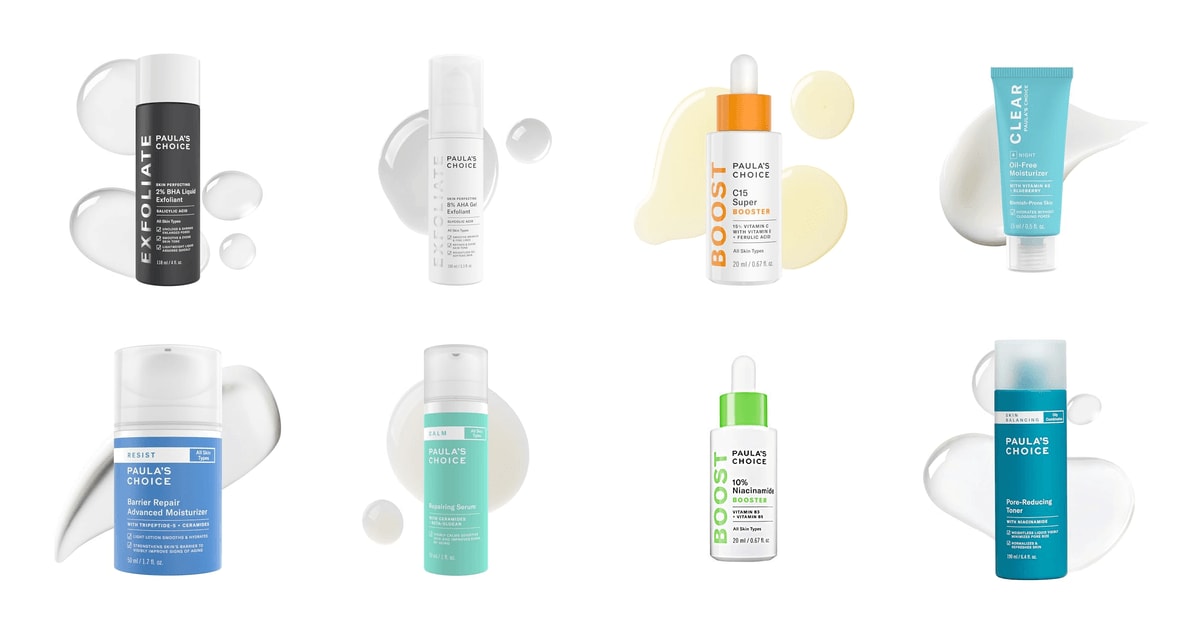
Paula's Choice built its name on a simple promise: no fragrance, no essential oils, and a published reason for every ingredient. That matters more than it sounds. If your skin flushes at the slightest provocation, fragrance is the single most common trigger you can remove from a routine. And because the brand lists the research behind its formulas, you can actually check what a product is supposed to do. For most people, that combination — gentle base formulas plus real actives at real concentrations — is why the brand keeps showing up on dermatologists' short lists.
Here's the honest part. No product in this lineup works overnight, and a few of them will make your skin worse before they make it better. Exfoliating acids can sting, flake and purge for the first few weeks. Vitamin C serums oxidize and can feel tacky. Niacinamide takes a couple of months of consistent use before anyone notices. Owners who report disappointment usually gave a product three weeks, not three months. Skincare is slow, and any brand that tells you otherwise is selling something. Patch test first, add one active at a time, and expect to wait.
The other catch is that skincare is personal in a way most product categories aren't. A cream that saves one person's winter face breaks out another's. So we've sorted this lineup by who each product is actually for, rather than ranking them head to head. We think that the Skin Perfecting 2% BHA Liquid Exfoliant is the best Paula's Choice product for most people, and that the CALM Repairing Serum is the one to buy if your skin runs red and reactive.
Everything we recommend

The one to start with, and the one most people stay with
For skin that goes red at almost anything
The richest cream here, and the one to pair with retinoids

Slow, steady work on pores, tone and redness at once

The easiest, least risky way into the brand
At a glance
| Product | Key Active | Size (Fl Oz) | Price | |
|---|---|---|---|---|
| Paula's Choice SKIN PERFECTING 2% BHA LiquidTop pick | 2% BHA | 4 Fl Oz | $37 |
 | Paula's Choice SKIN PERFECTING 8% AHA GelAlso in lineup | 8% AHA | 3.3 Fl Oz | $37 |
 | Paula's Choice BOOST C15 Super Booster 15%Also consider | 15% Vitamin C | 0.67 Fl Oz | $44.25 |
 | Paula's Choice CLEAR Oil-Free MoisturizerAlso consider | Niacinamide | 0.5 Fl Oz | $17 |
| Paula's Choice RESIST Barrier Repair Advanced FaceUpgrade pick | Ceramides | 1.7 Fl Oz | $45 |
| Paula's Choice CALM Repairing Serum for SensitiveAlso great | — | 1 Fl Oz | $53 |
| Paula's Choice BOOST 10% Niacinamide Face SerumRunner-up | 10% Niacinamide | 0.67 Fl Oz | $53 |
| Paula's Choice Skin Balancing Pore-Reducing Niacinamide TonerBudget pick | Niacinamide | 6.4 Fl Oz | $25.60On sale |
How we picked
Active at a real dose. We prioritized formulas where the concentration is stated and matches what the research supports — 2% salicylic acid, 15% L-ascorbic acid, 10% niacinamide. Products with vague claims and no numbers didn't make the cut.
Fragrance-free base. Fragrance is among the most common topical irritants, and fragrance-free formulation is first-line advice for rosacea and reactive skin. We treated it as a baseline requirement rather than a bonus.
Skin-type fit. We matched each product to a specific skin type rather than ranking them against each other. Owner feedback made it clear which formulas suit oily skin, which suit dry skin, and which are too rich for either.
Layering behavior. We favored products that slot into a routine without conflict, drawing on published guidance about acid and retinoid sequencing. Anything that demands its own night or forces you to drop something else scored lower.
What owners report over time. We read owner feedback for recurring themes rather than one-off reactions, weighing how often people mention purging, texture problems or results that took several bottles to appear.
Top pick
The one to start with, and the one most people stay with
Paula's Choice SKIN PERFECTING 2% BHA Liquid
A watery, leave-on 2% salicylic acid exfoliant that clears blackheads, smooths rough texture and shrinks the look of pores. It's the brand's best seller worldwide, and it's the product most reviewers point beginners toward first.
$37fromAmazonSalicylic acid is the right tool for clogged pores, and this is the most-recommended version of it. BHA is oil-soluble, so it gets down inside a pore where water-based AHAs can't follow. That's why dermatological literature favors it for blackheads and acne. Paula's Choice puts it at 2% in a thin, alcohol-free liquid you leave on the skin — no scrubbing, no grit, nothing that can micro-tear your face the way a walnut scrub does.
You apply it with a cotton pad or your fingers after cleansing, and it disappears in seconds. It's genuinely watery, which is part of the appeal — you can use it under anything. Owners with oily T-zones and dry cheeks report it works across both without stripping either. If you've been fighting the same stubborn blackheads on your nose for years, this is the product people keep coming back to.
Start slow. The brand's own guidance and standard dermatology advice both say two or three nights a week at first, then build. Go straight to daily and you'll likely get flaking, tightness and a stinging that isn't normal. Owners who report bad experiences almost always describe jumping in at full frequency. Give it a month at a low cadence and your skin will tell you whether it can handle more.
It layers well with almost everything. Apply it after cleansing and before your serums and moisturizer, and you can follow it with niacinamide, azelaic acid or a moisturizer without drama. The one combination to stagger is a retinoid — use them on alternate nights until you know your skin tolerates both. Some people use BHA in the morning and their retinoid at night, which works fine.
Flaws but not dealbreakers
It costs more per ounce than drugstore salicylic acid, and some owners who've used cheaper 2% formulas say they can't tell the difference. If price per ounce is your main filter, that's a fair objection. What you're paying for here is the fragrance-free base, the alcohol-free formula and the consistency between bottles — real advantages for reactive skin, less compelling if your skin tolerates anything.
Purging is real. Congestion that was sitting under the surface gets pushed up in the first few weeks, and it looks like the product is causing breakouts. It usually settles by week four to six. That's a miserable stretch if you weren't warned, and it's the most common reason people quit early.
The thin consistency runs. Tip the bottle too far and you'll waste a good amount down your wrist. Pour it onto a cotton pad rather than into your palm.
Also great
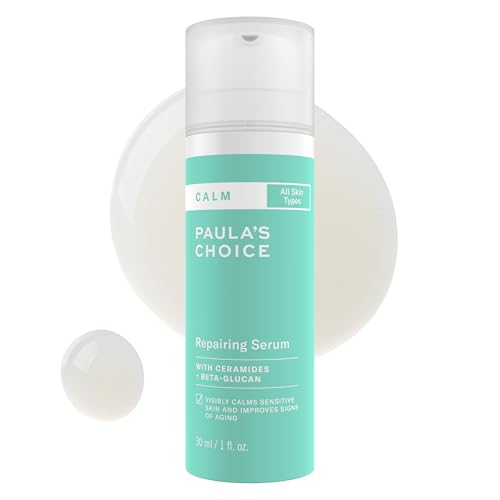
For skin that goes red at almost anything
Paula's Choice CALM Repairing Serum for Sensitive
A fragrance-free serum built for rosacea-prone, reactive and post-treatment skin, with calming and barrier-repairing ingredients rather than aggressive actives. It's the one to reach for when your skin needs settling down instead of pushing harder.
$53fromAmazonFragrance-free formulation is first-line advice for rosacea and reactive skin, because fragrance is among the most common topical irritants. This serum takes that further — no essential oils either, and no acids or retinoids competing for attention. It's a deliberately quiet formula, which is exactly what a flushed, stinging face needs.
If every serum you try burns, this is the one to try next. The formula leans on calming antioxidants and barrier support instead of exfoliation. Owner feedback for the brand's sensitive-skin line consistently points to skin that gets less reactive over weeks, not less oily or less lined. That's a different goal than most serums chase, and it's the right one if your baseline problem is redness.
It also works as a recovery product. If you've overdone acids, come off a course of something drying, or your skin has turned reactive after a procedure, a simple soothing serum buys you time while your barrier rebuilds. Use it alone for a few weeks. Then reintroduce your actives one at a time, and you'll actually know which one your skin objected to.
Flaws but not dealbreakers
It won't clear acne, fade dark spots or smooth texture. This is a calming and barrier product, and it treats redness rather than anything else. If your main complaint is congestion or discoloration, you'll be disappointed — buy the BHA or the niacinamide booster instead and keep this in reserve.
Results here are subtle by design. There's no tingle, no immediate glow, nothing that signals the product is working. Some people read that as nothing happening. Judge it on how your skin behaves after six weeks, not on how it feels in the first ten minutes.
Upgrade pick
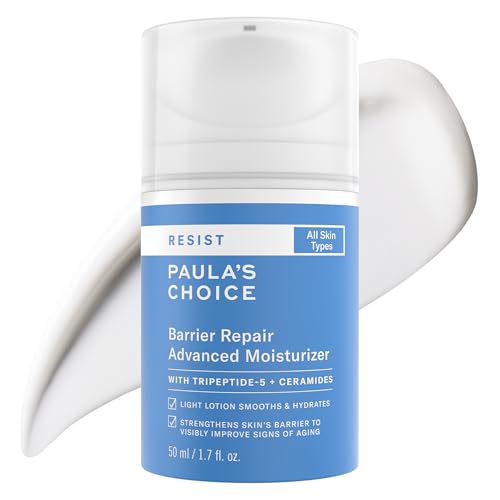
The richest cream here, and the one to pair with retinoids
Paula's Choice RESIST Barrier Repair Advanced Face
A ceramide-and-cholesterol cream that rebuilds a worn-down moisture barrier and holds hydration through the day. It's the pick for dry, tight, winter-beaten skin, and the one owners keep pairing with retinoids to blunt the peeling.
$45fromAmazonThis is the cream for the week your face stops cooperating. Ceramides and cholesterol are the lipids your skin barrier is actually built from, and replacing them is the most direct way to stop water escaping. Beauty publications routinely position ceramide creams like this one as stand-ins for luxury barrier creams, on the grounds that the core lipid blend is close to identical. The listing also cites tripeptide-5 and watermelon seed oil for wrinkle appearance.
It's the natural partner to a retinoid. Retinoids work, and they also flake, sting and redden — especially in the first two months. Owners of this cream repeatedly describe using it alongside retinoids specifically to make that period survivable. Apply your retinoid, wait a few minutes, then seal with this. You lose almost nothing in efficacy and gain a lot in comfort.
The texture is genuinely thick. That's the point if you're dry, and a problem if you're not. Several owners describe it as a winter cream rather than a year-round one — great in a cold, dry apartment, heavier than you want in August. If you live somewhere humid, look at the lighter oil-free moisturizer below instead.
Flaws but not dealbreakers
The richness cuts both ways. Combination and oily skin often find it too occlusive, and a few owners with acne-prone or eczema-prone skin report it didn't suit them despite the fragrance-free formula. Rich creams and congestion-prone skin are a tricky match no matter whose name is on the jar.
It's the priciest way in this lineup to solve dryness, and a plain ceramide cream from a drugstore brand will get most people most of the way there. What you're paying extra for is the peptide and antioxidant additions, and those work slowly enough that you won't be able to point to them.
Runner-up
Slow, steady work on pores, tone and redness at once
Paula's Choice BOOST 10% Niacinamide Face Serum
A high-strength 10% niacinamide serum that visibly refines pores, evens tone and calms redness over time. You can use it straight or stir a few drops into your moisturizer, which makes it easy to dial up or down.
$53fromAmazonNiacinamide is one of the few actives that does several useful things without fighting anything else in your routine. Peer-reviewed research shows it strengthens the barrier and reduces water loss at concentrations as low as 2 to 5%. This one runs at 10%, alongside vitamin C and licorice extract, and it's aimed squarely at enlarged pores, uneven tone and dullness.
Its real advantage is that it plays nicely with everything. You can layer it after your BHA, before your moisturizer, morning or night, without the stinging that comes from stacking acids on acids. Or mix a few drops into your cream if straight serum feels like too much. That flexibility makes it a sensible second product once the exfoliant is established.
Owner feedback is consistent about pores and tone in the T-zone, and equally consistent that it takes a while. Several people describe needing more than one bottle before results were obvious, and the bottle is small. Plan for a couple of months, not a couple of weeks, and don't expect it to fix active breakouts.
Flaws but not dealbreakers
The bottle is tiny relative to how long the product needs to work. If you're using it on your whole face twice a day, you'll go through it faster than the results arrive, which makes the cost of a proper trial higher than it first looks.
It isn't universal. A meaningful share of owners finish a bottle and see nothing — no change to dark marks, no change to breakouts. Niacinamide is a barrier and tone ingredient, not a spot treatment, and if hyperpigmentation is your main concern, vitamin C is the more direct route.
Budget pickOn sale
The easiest, least risky way into the brand
Paula's Choice Skin Balancing Pore-Reducing Niacinamide Toner
An alcohol-free, fragrance-free toner with niacinamide and antioxidants that preps skin after cleansing and takes some of the shine out of an oily T-zone. It's the largest bottle here and the gentlest thing in the lineup.
$25.60fromAmazonList priceIf you're not ready to commit to an active, start here. There's no acid, no retinoid and no sting — just a hydrating, niacinamide-containing liquid you swipe on after cleansing. It's the lowest-stakes entry point into the brand, and the biggest bottle in the lineup, so a bottle lasts a long stretch.
It's built for oily and combination skin, and that's where owners report the clearest benefit: less obvious shine through the day, pores that look smaller, and none of the tight, squeaky feeling that alcohol-based toners leave behind. If your face gets greasy by lunchtime but your cheeks still flake, this is a reasonable middle ground.
Practically, it also makes the rest of a routine easier. Applied after cleansing, it leaves skin slightly damp, which is a better surface for a serum than bone-dry skin. Pair it with the BHA — toner first, exfoliant after — and you've got a complete, inexpensive starter routine from one brand.
Flaws but not dealbreakers
A toner is a supporting player, not a fix. Several owners point out that it's a good toner and not much more, and that a drugstore alternative delivers something similar for less per ounce. If you're only buying one product from this list, make it the exfoliant instead.
Oil control is modest. It takes the edge off shine rather than eliminating it, and anyone hoping to go all day matte in a humid climate will still need blotting papers.
Who this is for
This guide is for anyone who's decided to build a routine around one brand and wants to know which of its products earn a spot. That might be because you're sensitive and want a fragrance-free line you can trust across the board, or because you're ingredient-curious and like that the brand publishes the research behind its formulas. If you're brand-agnostic and shopping purely on price per ounce, you'll find cheaper versions of most of these actives elsewhere — the case for Paula's Choice is consistency and formulation, not value.
It's not for you if you have active, painful cystic acne, diagnosed rosacea that's flaring, or melasma you've been fighting for years. Those need a dermatologist and prescription-strength options, and over-the-counter actives will only ever be supporting players. This guide covers leave-on treatments, serums, moisturizers and a toner — it doesn't cover cleansers, sunscreens, eye creams or the brand's retinol line. And whatever you buy, patch test it on your jaw for a few days before it goes anywhere near your whole face.
How we picked
We built the shortlist around a few things. Active concentration: we wanted stated percentages that line up with what the published research supports, not vague ingredient name-drops. Fragrance-free: fragrance is one of the most common irritants in skincare, and going without it is standard advice for reactive skin, so we treated it as the floor. Skin-type fit: every product here is matched to a specific kind of skin rather than pitched as universal, because a cream that rescues dry skin can smother oily skin. Layering: we favored formulas that slot into an existing routine without forcing you to drop a retinoid or split your week into acid nights and non-acid nights. Owner themes: we looked for patterns across owner feedback — how often purging comes up, how long results take, where the packaging frustrates people — rather than treating any single account as decisive.
Other paula's choice skincare worth considering
If you want to work on dark spots and dullness: The Paula's Choice BOOST C15 Super Booster 15% ($44.25) — This 15% L-ascorbic acid serum with ferulic acid and ergothioneine sits right in the 10 to 20% range that clinical studies associate with brighter skin and reduced signs of photoaging over about twelve weeks. Owners who stick with it consistently report faded dark spots and better tone. The catch is the format: it's extremely runny, and several owners describe losing product between the dropper and their face. Others have had bottles arrive or turn oxidized, which is a known hazard with pure vitamin C. If you want brightening specifically, it's the most direct option in the lineup — just handle it over a sink and use it up rather than saving it.
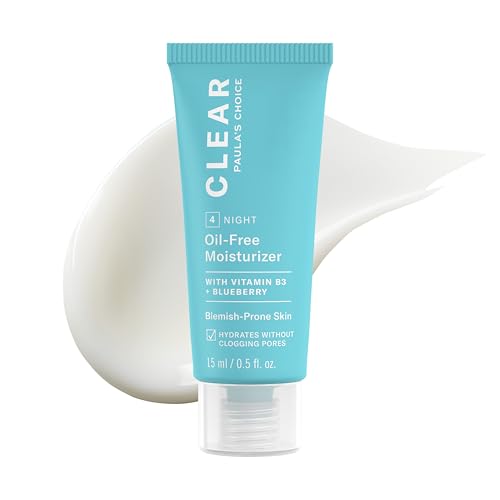
If you're oily and acne-prone but still need moisture: The Paula's Choice CLEAR Oil-Free Moisturizer ($17) — This oil-free cream is the lightest moisturizer here, built with ceramides, niacinamide and antioxidant extracts to hydrate without adding shine. Owners with very oily, breakout-prone skin describe it as the rare moisturizer that doesn't clog them, and it pairs naturally with the BHA exfoliant. Two caveats. It's a small container, so it works out expensive per ounce compared with the barrier cream. And it's genuinely light — if your skin is dry or even properly combination, you'll want the richer option instead. Think of it as the summer and oily-skin counterpart to the barrier repair cream.
More from Paula's Choice
These are the Paula's Choice products our research surfaced for this guide, not the brand's full catalog. The line runs to cleansers, sunscreens, retinols and eye creams we didn't cover here. What follows is the remaining product from our lineup and the shopper it suits.
The Paula's Choice SKIN PERFECTING 8% AHA Gel ($37) — The Skin Perfecting 8% AHA Gel Exfoliant is the glycolic-acid counterpart to the BHA, and it suits a different face. Glycolic acid has the smallest molecular size of the common alpha hydroxy acids, so it penetrates deeply and works especially well on sun-damaged, non-sensitized skin. Add chamomile and green tea for antioxidant support in a light gel base. Buy this one if your concerns are discoloration, age spots, rough texture and general dullness rather than blackheads and clogged pores — AHAs are water-soluble and won't get inside a pore the way salicylic acid does. It's also the wrong choice if your skin is easily irritated; glycolic is the more provoking acid of the two. Dry, sun-worn skin that wants to look brighter is the natural buyer here.
Is Paula's Choice worth it?
The brand's reputation rests on two things. First, its formulas are fragrance-free and usually free of essential oils, which is why they come up so often in advice for rosacea-prone and reactive skin — fragrance is among the most common topical irritants, and removing it is standard first-line guidance. Second, Paula's Choice publishes ingredient rationale and cited studies in its own Ingredient Dictionary. Reviewers repeatedly single that out as unusual transparency in a market full of unverifiable clean-label claims. It means you can check what an ingredient is meant to do rather than taking the bottle's word for it. Where the brand sits relative to rivals is roughly mid-tier: pricier per ounce than drugstore actives from The Ordinary or CeraVe, considerably cheaper than prestige counters, and closer to the drugstore end on formulation philosophy than the price suggests. If you tolerate anything and shop on cost per ounce, you can do better. If your skin is fussy and you want to know why a formula is built the way it is, the premium is easier to justify.
Not set on Paula's Choice?
If the C15 Super Booster's runny texture puts you off, this covers brightening serums across brands with a range of formats and concentrations. our full vitamin C serum guide →
Worth a look if the barrier repair cream feels too rich or too expensive for what you need. our guide to moisturizers for dry, sensitive skin →
This compares alcohol-free toners across brands, which is useful given how often people say the Skin Balancing toner does a good job at a high price per ounce. our pore-minimizing toner guide →
Building a routine and layering order
Order matters more than most people expect. Cleanse, then toner, then exfoliant, then serums or boosters, then moisturizer last — thinnest to thickest, roughly. Acids go before vitamin C or niacinamide, and your moisturizer always seals the routine. Introduce one active at a time and give it a few weeks before adding another; stack three new things at once and you'll never know which one made your skin angry. Patch test on your jaw for several days first, especially with acids. Standard advice is two or three exfoliant applications a week to start, building to daily only if your skin stays calm. Keep vitamin C somewhere dark and use it up rather than hoarding it, since it oxidizes. And wear sunscreen every morning — acids and retinoids both make you more sun-sensitive, and skipping it undoes the work.
Questions we get
Is Paula's Choice a good skincare brand?
It's a well-regarded one, mostly for two reasons. The formulas are fragrance-free and typically free of essential oils, which makes them a common recommendation for sensitive and rosacea-prone skin. And the brand publishes its ingredient rationale with citations, which reviewers point to as unusual transparency. You'll pay more per ounce than drugstore equivalents.
What is Paula's Choice best known for?
The Skin Perfecting 2% BHA Liquid Exfoliant, by a wide margin. It's the brand's best-selling product worldwide and gets cited by beauty editors as a go-to for blackheads and clogged pores. If someone recommends Paula's Choice to you without specifying a product, this is almost certainly what they mean.
Is the 2% BHA good for beginners?
Yes, as long as you go slowly. Start with two or three applications a week and build up only if your skin stays comfortable. Expect a purging phase in the first few weeks where existing congestion surfaces — that's normal and usually settles by week six. Going daily from day one is the most common way people irritate themselves.
Can I use the BHA and AHA together?
You can, but most people shouldn't. Two exfoliating acids in one routine raises your irritation risk without much added benefit, and they solve different problems anyway. Pick BHA for clogged pores and blackheads, AHA for dullness and sun damage. If you really want both, alternate nights rather than layering them.
Can I use these products with retinol?
Yes, with some care. The safest approach is alternating nights — acid one night, retinoid the next — until you know your skin handles both. The barrier repair moisturizer is the natural partner here, since owners specifically use it to blunt retinoid flaking. Niacinamide and the calming serum layer with retinoids without any conflict.
What's best for dark spots and hyperpigmentation?
The C15 Super Booster is the most direct option. Clinical studies link topical vitamin C at 10 to 20% to visible brightening and reduced signs of photoaging over roughly twelve weeks of consistent use, and this one is at 15%. The 8% AHA is a reasonable second, since glycolic acid helps with age spots and discoloration.
Why you should trust us
For this guide:
- We compared the published ingredient lists and stated active concentrations for every product in this lineup against the dermatological research the brand and independent outlets cite.
- We read published reviews and editorial coverage from beauty and health publications alongside recurring themes in owner feedback, paying particular attention to complaints about purging, texture and how long results took.
- We cross-checked layering and frequency guidance against standard dermatological advice rather than relying on marketing copy.
- We read owner reviews on every listing, weighted toward the critical ones, because that is where the recurring failures show up.
- We have a systematic way of automatically fetching the latest prices, so the numbers on this page stay current.
- This is a research-focused guide, so the team may not own every product listed — though we often do own the top winners, which gives us extra context for the recommendations.
- We don't accept free products, and the retailer commission never changes which product we recommend.
Sources
Salicylic Acid for Acne: Efficacy and Concentration Research, National Library of Medicine (PMC)
Paula's Choice Skin Perfecting 2% BHA Liquid Exfoliant Review, Byrdie
The Best Vitamin C Serums, According to Dermatologists, Allure
Azelaic Acid: Benefits and How to Use It, Healthline
Paula's Choice Ingredient Dictionary, Paula's Choice (official)
Best Drugstore and Mid-Range Skincare Dupes for Luxury Products, Good Housekeeping
How to Layer Skincare Actives: A Dermatologist's Guide, Verywell Health
Best Skincare for Rosacea and Sensitive Skin, Tested, Forbes Vetted
AHA vs. BHA: What's the Difference and Which Do You Need?, Refinery29
Paula's Choice Brand Overview and Best Sellers, Dermstore
Niacinamide: Benefits for Skin, According to Research, National Library of Medicine (PMC)
The Best Anti-Aging Moisturizers of the Year, Tested, Wirecutter
Amazon product listings and owner reviews for all 8 products
Manufacturer specification pages for each product
Some passages in this guide may be paraphrased with AI help. Prices are refreshed automatically.
More like this.
Continue exploring beauty reviews and recommendations.

The Best Skincare Gift Sets
Buying skincare for someone else is a strange kind of shopping. You're picking something that goes on their face, twice a day, based on whatever you've…

The Best La Roche-Posay Skincare
If your skin turns red, tight, or itchy at the slightest provocation, someone has probably told you to try La Roche-Posay. It's the French pharmacy brand…

The Best Korean Skincare Products for Beginners
Korean skincare gets sold as a ritual: ten steps, a shelf of bottles, glass skin. In practice, the part that changes how your face looks is much smaller.…

The Best Skincare Routine Sets for Beginners
A first skincare routine doesn't need ten steps. It needs three: something to wash your face with, something to put moisture back, and sunscreen every…

The Best Cetaphil Skincare
Skincare gets complicated fast, and most of it doesn't need to be. If your face stings after washing, flakes by lunch, or breaks out every time you try…

The Best At-Home Skincare Devices
A good at-home skincare device does one thing for your evening: it makes five minutes at the bathroom mirror feel worth it. Microcurrent wands nudge…