The Best Muslin Swaddle Blankets
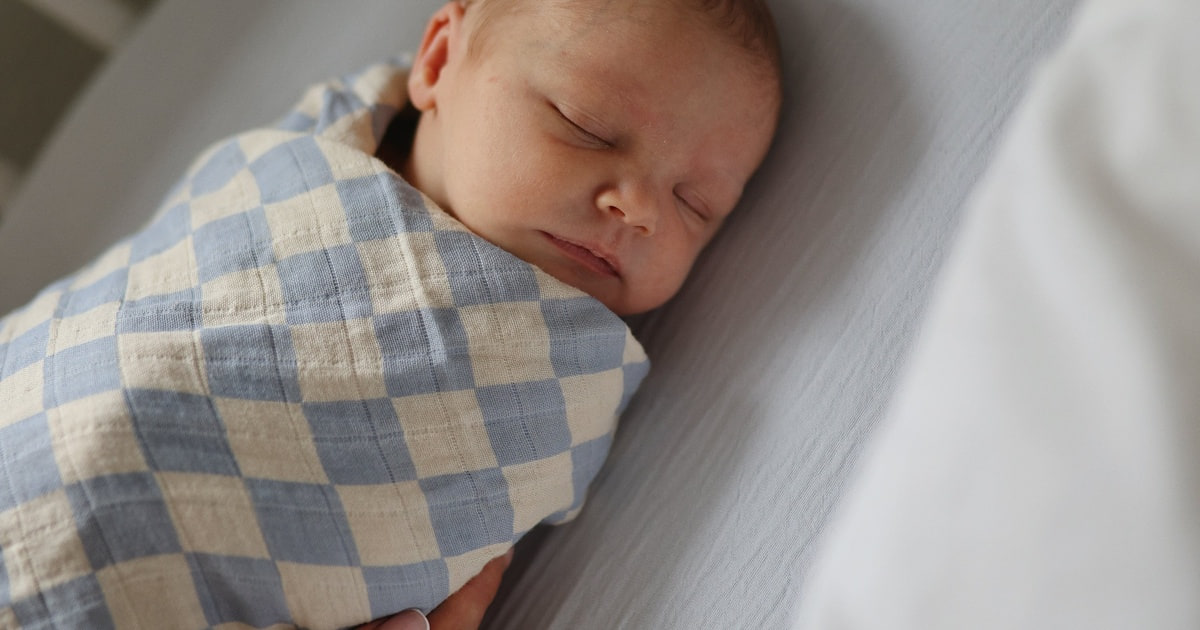
A newborn spends most of the day wrapped in something, and muslin is the fabric most parents end up reaching for. It's a loose, plain-weave cotton that lets air move through, so a snug wrap doesn't turn into a sweaty one. The other thing you learn fast is that one blanket isn't enough. Spit-up, diaper leaks and the laundry cycle mean you'll want four or more in rotation. Size matters more than you'd guess, too — a 46-inch square gives you enough fabric to tuck properly, while a smaller one fights you.
Here's the honest caveat: no muslin blanket is a safe-sleep product on its own. Swaddling depends entirely on how you wrap and when you stop. The AAP says to stop swaddling as soon as your baby shows signs of trying to roll, which can happen as early as two months. A 2016 meta-analysis in Pediatrics found swaddled infants had a higher pooled risk of SIDS, with the risk highest when they were placed on the stomach or side. No fabric fixes that. And once your baby outgrows swaddling, that blanket doesn't belong in the crib.
Muslin also softens as it's washed, which means a blanket can feel stiff and papery out of the package and lovely a month later. That makes the first-impression test misleading. What actually separates these blankets is size, weave and whether the fabric holds up through dozens of hot washes. We think that the aden + anais Boutique Muslin Swaddle Blanket is the best muslin swaddle for most people, and that the mushie Muslin Baby Swaddle Blanket is the one to buy if you want a bigger square in certified organic cotton.
Everything we recommend

The benchmark wrap, thin enough not to overheat a newborn

Bigger square, organic cotton, pre-washed soft

Thinner fabric, lower cost, good enough for daily mess

Bamboo-blend drape for hot rooms and fussy skin
Prices as of Nov 13, 9:18 AM PT · Details
At a glance
| Product | Blanket size | Fabric | Price | |
|---|---|---|---|---|
| aden + anais Swaddle BlanketTop pick | 44" x 44", 2-pack | Cotton muslin, 1 layer | Check price |
 | Little Unicorn 100% Certified Natural Organic CottonAlso in lineup | —, 2-pack | 100% organic cotton | Check price |
| Hudson Baby Unisex Baby Cotton Muslin SwaddleBudget pick | 46" x 46", 2-pack | 100% cotton | $13.64 |
| KYTE BABY Rayon Made from Bamboo MuslinAlso great | 46" x 46" | 70% bamboo rayon | Check price |
| mushie Muslin Baby Swaddle BlanketRunner-up | 47" x 47" | 100% organic cotton | $19.99 |
 | SwaddleDesigns Marquisette Swaddling BlanketAlso consider | 46" x 46" | Premium cotton muslin | $11.99 |
Prices as of Nov 13, 9:18 AM PT · Details
How we picked
Size and wrap room. We compared manufacturer-stated dimensions and gave preference to squares of roughly 44 to 47 inches. Anything smaller runs out of fabric at the final tuck and gets outgrown within weeks.
Fabric and breathability. We read spec sheets for fiber content and layer count, favoring single-layer cotton muslin or bamboo-cotton blends. Thin, open weaves are the reason muslin is used for swaddling in the first place.
Softness after washing. Owner feedback across these listings consistently describes muslin as softening with each wash, so we looked for pre-washed fabric and for reports that prints and weave survive repeated cycles.
Certifications. We noted where listings state 100% organic cotton or OEKO-TEX certification. OEKO-TEX Standard 100 Product Class I is the strictest class and applies to textiles for children up to age 3.
Cost per blanket. Parents typically need four or more swaddles, so we weighed multi-packs against singles and treated per-blanket cost as a real criterion rather than an afterthought.
Top pick
The benchmark wrap, thin enough not to overheat a newborn
aden + anais Swaddle Blanket
aden + anais set the template for muslin swaddles, and this two-pack is the version most registries land on. Each blanket is a single layer of cotton muslin at 44 by 44 inches — enough fabric for a proper tuck, thin enough that a snug wrap doesn't trap heat.
Check priceatAmazonPrices as of Nov 13, 9:18 AM PT · Details
A single layer is the point, not a shortcut. The listing calls each blanket a one-layer muslin, and that's what you want for a newborn in a warm room. Thicker multi-layer gauze feels more substantial in your hands, but it's working against you at 2 a.m. in July. You can always fold a thin blanket twice for a cooler night. You can't make a thick one breathe.
At 44 by 44 inches, you get enough corner to work with. That matters because swaddling a newborn well means pinning one arm, pulling the fabric across the chest and tucking it under the body — and a short blanket runs out of fabric right at the tuck. Parents who've swaddled a few babies tend to say the same thing: the bigger square is easier, and your baby won't outgrow it in six weeks.
Muslin earns its reputation in the wash, not out of the box. The open plain weave softens and gets that slightly crinkled hand after repeated washing, and owner feedback on this brand consistently points that way. If your first wrap feels papery, that's normal. Run it through a couple of cycles before you judge it.
You'll also use these for things that have nothing to do with sleep. A 44-inch square works as a nursing cover, a stroller shade, a tummy-time mat on a hotel floor, or an emergency burp cloth. That versatility is a real part of why a two-pack doesn't feel like two items — it's the blanket that lives in the diaper bag.
Flaws but not dealbreakers
Two blankets won't cover you. Between spit-up, leaks and the wash, most parents want four or more muslins in rotation, so plan on buying a second set or supplementing with a cheaper pack. aden + anais also costs more per blanket than most of this lineup, and you're partly paying for the name.
The thin single layer that makes this breathable also makes it less forgiving. Loose-weave muslin can snag on a ring or a fingernail, and a thin blanket is a thin blanket — if you want something that doubles as a cool-weather cover, you'll be folding it over a few times.
Runner-up
Bigger square, organic cotton, pre-washed soft
mushie Muslin Baby Swaddle Blanket
The mushie swaddle is the largest blanket here at 47 by 47 inches, made from 100% organic cotton and pre-washed so it's soft the first time you use it. It's sold as a single, which makes it an easy add-on or a nice gift.
$19.99fromAmazonPrices as of Nov 13, 9:18 AM PT · Details
Three inches doesn't sound like much. In practice, 47 by 47 is noticeably more generous than a 44-inch square, and the extra fabric goes exactly where you need it — the final tuck under the baby's body. If you're a first-time parent still learning the wrap, more fabric means more margin for error. It also means the blanket stays useful as a stroller cover long after swaddling ends.
Pre-washed cotton skips the break-in period. mushie states that this swaddle is pre-washed for softness, and that's a real advantage over blankets that arrive stiff. Owners regularly describe it as soft from the start and softer after washing, with prints that don't fade. If you're buying for a baby shower, a blanket that feels good immediately makes a better gift.
The fabric is 100% organic cotton, which is the thing to look for if your baby has sensitive skin or eczema, or if chemical exposure is a concern for you. Organic certification covers how the cotton is grown and processed. It's worth paying for in that situation, and probably not worth agonizing over if it isn't.
One catch worth planning around: mushie's care instructions say to wash at a maximum of 30°C and lay flat to dry — no tumble drying. That's a real constraint with a newborn's laundry volume. Many parents tumble these anyway and accept some shrinkage, but if you follow the label, factor in the drying time.
Flaws but not dealbreakers
It's a single blanket, not a pack, so the per-blanket cost works out higher than the multi-packs here once you buy the three or four you actually need.
The no-tumble-dry instruction is the bigger annoyance. Air-drying a muslin square takes hours, and with a newborn you're doing laundry constantly. If you need blankets back in rotation the same day, this one slows you down.
Budget pick
Thinner fabric, lower cost, good enough for daily mess
Hudson Baby Unisex Baby Cotton Muslin Swaddle
Hudson Baby's two-pack gives you 46-by-46-inch, 100% cotton muslin squares at the lowest cost per blanket in this lineup. The fabric is a step down from the premium brands, but it's breathable, generously sized and fine for the blankets that take the most abuse.
$13.64fromAmazonPrices as of Nov 13, 9:18 AM PT · Details
You need more blankets than you want to pay for. That's the real argument here. These are 46 by 46 inches in 100% cotton muslin — a full-size swaddle at a fraction of the per-blanket cost of aden + anais — which makes them the right thing to buy for the car, the diaper bag and the ones that keep getting spit on. Stock up on these and save your nice blankets for photos.
Owners who've used both are direct about the trade-off: the Hudson fabric is thinner and feels cheaper than the premium brands, but it washes well, the prints hold up, and it's breathable without being see-through. Several describe using them daily for months with no fading or fraying. For a blanket that exists to be ruined, that's the right balance.
The 46-inch size is a genuine advantage over some pricier singles. A few parents mention folding these in half for a newborn because they were almost too big — which is a good problem. It means the blanket grows with your baby instead of getting retired at eight weeks.
Flaws but not dealbreakers
The fabric is thinner and coarser than the premium muslins here, and people who own both notice. It's not scratchy, but it doesn't have the same hand, and it probably won't be the blanket you keep as a memento.
The listing doesn't state OEKO-TEX or GOTS certification. If you're buying specifically for a baby with eczema or because you want certified fabric, that gap matters and you should spend up.
Also great
Bamboo-blend drape for hot rooms and fussy skin
KYTE BABY Rayon Made from Bamboo Muslin
Kyte Baby's swaddle is 70% rayon from bamboo and 30% cotton, which gives it a silkier, heavier drape than pure cotton muslin. At 46 by 46 inches it's a full-size wrap, and the blend is worth considering for a warm nursery or sensitive skin.
Check priceatAmazonPrices as of Nov 13, 9:18 AM PT · Details
Bamboo-blend muslin feels different in your hands. It's cooler to the touch and drapes more heavily, which means it settles around a baby instead of standing away from them. If your nursery runs warm or you're in a hot climate, that cool-to-the-touch quality is the reason to pick this over cotton. Kyte describes it as highly breathable, and the blend is the whole pitch.
Silkier fabric is the real argument for sensitive skin. Rayon from bamboo has a smoother fiber surface than cotton muslin's slightly textured weave. For a baby with eczema or reactive skin, less friction can matter more than fiber origin. That's worth weighing against the certified-organic cotton options, which solve a different problem — chemical processing rather than texture.
It's a single blanket at 46 by 46 inches with a woven stripe detail, and it's the lightest item here at 6.7 ounces. The size puts it on par with the full-size cotton squares, so you're not giving up wrapping room to get the bamboo feel.
Flaws but not dealbreakers
Owner feedback on this one is more mixed than on the cotton picks, with a meaningful share of people landing in the middle rather than the top. That's a reason to go in with modest expectations about consistency.
Rayon from bamboo is also less durable than cotton under heavy washing — it tends to pill and weaken faster with hot cycles and tumble drying. And it's a single blanket, so building a rotation of these gets expensive fast.
Who this is for
Buy these if you're expecting, building a registry, or shopping for a baby shower. Muslin squares are the most useful newborn item we can think of — they swaddle, shade a stroller, cover you while nursing, catch spit-up and make a clean surface for tummy time. If you're a first-time parent, buy at least four and expect two of them to look rough within a month.
This guide covers flat muslin blankets you wrap yourself. It doesn't cover zip-up or velcro swaddle sacks, which are easier to get right and harder to escape — if your baby is a determined wriggler or you're nervous about the wrap, a sack may suit you better. We also don't cover weighted sleep products, which the AAP advises against. And nothing here is a substitute for safe-sleep basics: back to sleep, firm flat surface, nothing loose in the crib.
How we picked
We built this guide from manufacturer specifications, published pediatric and safe-sleep guidance, and themes in owner feedback. Size: we favored squares of roughly 44 to 47 inches, because a short blanket runs out of fabric exactly where you need to tuck. Fabric: single-layer cotton muslin or a bamboo-cotton blend, since the open weave is what makes muslin breathable enough for a snug wrap. Softness after washing: muslin softens with use, so pre-washed fabric and reports of prints and weave surviving repeated cycles counted for more than first impressions. Certifications: we noted stated organic cotton and OEKO-TEX claims, which matter most for sensitive skin. Cost per blanket: you'll need four or more, so multi-packs got credit that singles didn't.
Other muslin swaddle blankets worth considering
If you're still learning to swaddle: The SwaddleDesigns Marquisette Swaddling Blanket — SwaddleDesigns stitches a numbered how-to-swaddle label onto the edge of every blanket, which sounds gimmicky until it's 3 a.m. and you've forgotten which arm goes first. The marquisette cotton weave also has a bit of stretch, and owners say that makes a tight, secure wrap easier to achieve — several specifically mention it holding a baby who escapes other blankets. It's 46 by 46 inches and light enough for a warm room. What you give up is softness: people who own several brands say this one feels less plush than bamboo or premium cotton muslin, and it arrives stiff before the first wash.
The competition
This is what our research surfaced, not a survey of every muslin blanket sold. Plenty of good swaddles exist from brands we didn't look at, and the lineup here reflects the products we could confirm listing details for.
The Little Unicorn 100% Certified Natural Organic Cotton — Little Unicorn's two-pack is 100% certified organic cotton and arrives in giftable packaging, which makes it a reasonable baby-shower buy. Owners praise the softness and the prints, and several note the OEKO-TEX certification. But the listing doesn't state dimensions, which is a real gap when size is the thing that separates a good swaddle from a frustrating one, and a few owners describe the fabric as thin enough to snag. If the pattern is what sells you, go for it — otherwise the mushie gives you a confirmed 47-inch square in organic cotton.
How to swaddle safely
Wrap firmly across the chest and arms, but leave the hips loose. The International Hip Dysplasia Institute advises that a swaddle let a baby's hips and knees bend and move freely, because tight, straight-legged wrapping is associated with hip dysplasia risk. You should be able to slip a hand between the fabric and your baby's chest. Never let the blanket reach the face or head. Always place your baby on their back on a firm, flat surface with nothing loose in the sleep space, per AAP and NICHD guidance. Stop swaddling at the first sign your baby is trying to roll — that can be as early as two months. Wash muslin on a gentle cycle; it softens every time, and some brands specify cool water and air-drying.
Questions we get
What size muslin swaddle blanket do I need for a newborn?
Look for a square of roughly 44 to 47 inches. That's enough fabric to pin one arm, cross the chest and tuck securely under the body without running short. Smaller blankets technically work for the first few weeks, but you'll fight them, and your baby outgrows them fast.
How many muslin swaddles do I need?
Plan on at least four. Between spit-up, diaper leaks and the time a blanket spends in the hamper, two won't keep up. Most parents end up with a mix — a couple of nice ones and a few cheap ones for the car and diaper bag.
Is muslin or bamboo better for swaddling?
Cotton muslin is more durable and handles hot washes better, which matters when you're doing laundry daily. Bamboo-rayon blends feel silkier and cooler against skin, so they suit warm rooms and reactive skin. Neither is clearly better — pick based on your nursery temperature and your baby's skin.
Are muslin swaddles safe for a newborn to sleep in?
A swaddle is safe only if it's wrapped and timed correctly. AAP and NICHD guidance is that babies sleep on their backs, on a firm, flat surface, with no loose blankets in the sleep space. A 2016 meta-analysis in Pediatrics found a higher pooled SIDS risk among swaddled infants, highest when they were placed on the stomach or side. Talk to your pediatrician if you're unsure.
When should I stop swaddling?
Stop at the first sign your baby is trying to roll over. The AAP notes that can happen as early as two months. Once swaddling is done, the blanket comes out of the crib — a loose blanket in the sleep space is a hazard.
Do muslin swaddles shrink in the wash?
Some do, especially on hot cycles. Pre-washed or pre-shrunk fabric — mushie states its swaddle is pre-washed — minimizes it. Following the care label helps; several brands specify cool water and air-drying, which also protects the weave.
Are organic muslin swaddles worth the extra cost?
They're worth it if your baby has eczema or sensitive skin, or if chemical processing is a concern for you. OEKO-TEX Standard 100 Product Class I is the strictest class and covers textiles for children up to age 3. For most families with no skin issues, a well-made conventional cotton muslin is fine.
Why you should trust us
For this guide:
- We read manufacturer specification pages and Amazon listing details for every blanket here, comparing stated dimensions, fiber content, layer count and care instructions.
- We reviewed published safe-sleep and hip-health guidance from the American Academy of Pediatrics, NICHD and the International Hip Dysplasia Institute, along with the 2016 Pediatrics meta-analysis on swaddling and SIDS risk.
- We read through owner feedback on each listing for recurring themes around softness after washing, print durability, weave snagging and how secure the wrap holds.
- We read owner reviews on every listing, weighted toward the critical ones, because that is where the recurring failures show up.
- We have a systematic way of automatically fetching the latest prices, so the numbers on this page stay current.
- This is a research-focused guide, so the team may not own every product listed — though we often do own the top winners, which gives us extra context for the recommendations.
- We don't accept free products, and the retailer commission never changes which product we recommend.
Sources
Swaddling: Is it Safe? - HealthyChildren.org (AAP), American Academy of Pediatrics
Sleep-Related Infant Deaths: Updated 2022 Recommendations - Pediatrics, AAP / Pediatrics
Safe to Sleep - NICHD, NICHD (NIH)
Swaddling and the Risk of SIDS: A Meta-analysis - Pediatrics (Pease et al., 2016), Pediatrics
Swaddling and Hip Dysplasia - International Hip Dysplasia Institute, International Hip Dysplasia Institute
Best Baby Swaddles - Wirecutter (New York Times), Wirecutter
OEKO-TEX Standard 100, OEKO-TEX
Global Organic Textile Standard (GOTS), GOTS
Baby Sleep Products and Safety - CPSC, U.S. Consumer Product Safety Commission
Amazon product listings and owner reviews for all 6 products
Manufacturer specification pages for each product
Some passages in this guide may be paraphrased with AI help.
Product prices and availability are accurate as of the date/time indicated and are subject to change. Any price and availability information displayed on Amazon.com at the time of purchase will apply to the purchase of this product.
More like this.
Continue exploring home reviews and recommendations.

The Best Electric Blankets and Heated Throws
A heated blanket changes the arithmetic of a cold house. You stop trying to warm every room and warm the two feet around your body instead. On the couch,…

The Best Weighted Blankets
A weighted blanket does one simple thing: it presses down on you, evenly, all night. That steady pressure is called deep pressure stimulation, and the…

The Best Throw Blankets for Your Couch and Living Room
A throw blanket is one of the few things in your living room that you touch every single day. It's the thing you pull over your legs during a movie, the…

The Best Water Heater Insulation Blankets
Your water heater sits there all day keeping 40 or 50 gallons hot, whether you're home or not. If the tank is old, a lot of that heat leaks straight into…

The Best Infrared Sauna Blankets
A sauna blanket is basically a heated sleeping bag you climb into on the floor. You set a temperature, set a timer, and lie there while far-infrared heat…

The Best Weighted Blankets for Adults
A weighted blanket works by pressing down on you the way a firm hug does. That pressure, which therapists call deep pressure stimulation, seems to quiet…