Menu

Categories

ElectronicsAppliancesHomeLifestyleHealthBeautyPet

Buying guide9 products tested

The Best Camping Tents for Families and Backpackers in 2026: Expert-Tested Picks

Find the perfect camping tent for families and backpackers in 2026. Expert reviews of 9 top tents across every budget, style, and use case.

Genevieve Dubois, Home & Living ExpertMaya Singh, Senior Editor, Pet & Lifestyle
By Genevieve Dubois, Home & Living Expert · Reviewed by Maya Singh
Updated March 24, 2026Reviewed by Maya Singh, Senior Editor, Pet & Lifestyle on March 24, 202614 min read
The Best Camping Tents for Families and Backpackers in 2026: Expert-Tested Picks
4.6Editorial score

Affiliate disclosure: We may earn a commission when you buy through links on this page. This never changes which products we recommend — every pick is chosen by our editorial team, and our methodology is documented in our review methodology.

Our top pick

Big Agnes Copper Spur HV UL

Big Agnes Copper Spur HV UL

Fully redesigned ultralight hub design with award-winning award proprietary materials, two awning-style vestibules, two doors, and best-in-class weight-to-livability ratio for backpacking families.

The Best Camping Tents of 2026: Expert Picks for Every Family and Budget#

What is the best camping tent for families in 2026?

The Big Agnes Copper Spur HV UL 4P ($591.96) is the best overall camping tent for active families - it weighs under 5 lbs for four people, features two doors and two awning-style vestibules, and delivers best-in-class livability for a backpacking tent. For car camping families on a budget, the Coleman 6-Person Skydome ($149.99) offers exceptional value with 6-foot center height, blackout technology, and 5-minute setup.

Choosing the right camping tent is one of the most consequential outdoor gear decisions a family or serious adventurer can make. Too heavy and your backpacking dreams become a slog by mile six. Too cramped and a weekend getaway becomes an argument about floor space at 2 a.m. Too flimsy and a summer thunderstorm turns a holiday into a catastrophe. After researching dozens of models across every price point and use case, we've narrowed the field to nine best camping tents of 2026 - from featherweight backpacking shelters to instant-setup cabin tents that are standing before the kids lose patience.
The single most important thing to understand before buying: manufacturer capacity ratings are optimistic. What the industry quietly calls 'sardine capacity' - sleeping bags laid edge-to-edge with no breathing room, no gear, no realistic human comfort. A tent rated '4-person' comfortably sleeps three adults with gear, or two adults and two children without feeling squeezed. Sizing up is almost always the right call for families. A tent labeled '6-person' frequently functions better as a true family-of-four shelter than the 4-person model from the same brand. [4]
We've organized these picks by use case: ultralight backpacking shelters where each ounce is a negotiation, car camping tents where livability reigns, mid-range crossovers that do both adequately, and budget options that deliver genuine value without requiring a weekend mortgage. Whether you're covering miles of backcountry trail with older kids or deploying a base camp at the state park with toddlers, there's a tent here that matches your family's adventure style - and your bank account.

2026 Camping Tent Quick Comparison

TentPriceCapacityBest ForKey Advantage
Big Agnes Copper Spur HV UL$591.964-PersonBackpacking familiesUltralight hub design, 2 awning vestibules
MSR Hubba Hubba LT 3P$649.953-PersonSmall family backpackingRectangular floor, vertical walls, mesh ventilation
The North Face Wawona 4$485.004-PersonCar camping comfortStanding-height interior, massive vestibule
Marmot Limestone 4P$478.954-PersonVersatile mid-rangeTwo doors + two vestibules, proven construction
CORE 4 Person Instant Cabin Set$299.994-PersonFast setup with young kids60-second setup + table and chairs bundled
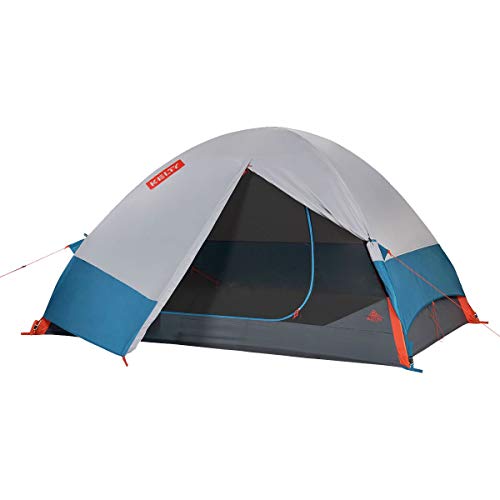
Kelty Late Start 4P$239.954-PersonBudget backpackingColor-coded 1-person 3-minute setup
Coleman 6-Person Skydome$149.996-PersonBudget car campingBest price-per-square-foot, 5-min setup
S'more Kleine Base$48.382-PersonGlamping / casual useUltra-affordable, multi-shape design
NEMO Wagontop 6P Footprint$57.24AccessoryFloor protectionPurpose-cut floor protector extends tent life

Best Overall Backpacking Tent: Big Agnes Copper Spur HV UL 4P#

Best for: Serious backpacking families who need to cover meaningful daily mileage and cannot compromise on weight

1Best Overall Backpacking Tent
Big Agnes Copper Spur HV UL - Ultralight Backpacking Tent, Olive Green, 4 Person

Big Agnes Copper Spur HV UL

4.9$591.96

The redesigned Copper Spur HV UL sets the benchmark for ultralight family backpacking tents - lighter and stronger proprietary materials, two awning-style vestibules that create genuine outdoor living space, and organizational features that solve real problems on multi-night trips.

What we like

  • Fully redesigned with proprietary materials that are simultaneously stronger and lighter
  • New awning-style vestibules provide covered living space in both rain and sun
  • Two doors and two vestibules mean no midnight gymnastics over a tentmate
  • 3D mezzanine bin storage at the foot keeps gear off the floor and organized
  • Oversized ceiling pocket and media pockets for cables and devices
  • Includes 10 DAC superlight aluminum J stakes and 4 awning guylines

What we don’t

  • $591.96 is a significant investment - not an entry-level commitment
  • No customer reviews yet for the updated model design
  • Heavier than non-freestanding ultralight options like pyramid shelters
value8.0
design9.0
performance10.0

The Pitch

Big Agnes redesigned one of their best-selling ultralight tents from the ground up: new proprietary fabrics that test stronger and lighter than the previous generation, hardware updates that simplify setup, and an awning vestibule system that dramatically expands covered living space. For a tent category where grams are obsessed over, the promise of meaningful weight reduction without sacrificing structural integrity is the lead story.

The Experience

The hub-style architecture is evident the moment you pitch the Copper Spur HV UL - near-vertical walls create usable headroom that traditional dome tents simply cannot replicate. Two doors mean the parent on the far side doesn't need to crawl over sleeping bodies to answer a midnight call. The new 3D mezzanine bin storage at the tent's foot is genuinely clever: shoes, headlamps, and small electronics stay elevated and organized instead of tumbling across the floor. The awning vestibules work as rain protection, sun shades, or open-air windows depending on conditions - a versatility that makes extended stays in variable mountain weather genuinely comfortable rather than merely survivable.

The Catch

At $591.96, this is not a casual first-tent purchase. The updated model is too new to have accumulated customer reviews, so our recommendation rests on the sterling lineage of the Copper Spur line and the credibility of Big Agnes's detailed engineering specifications. For families who split between car camping and occasional trail trips, the Marmot Limestone or North Face Wawona may represent a more practical overall investment at lower price points.

Before you buy

If your camping is primarily at drive-up sites, the Wawona 4 or Marmot Limestone delivers better value at lower prices. This tent's premium is justified only when you're carrying it miles of trail.

The Big Agnes Copper Spur HV UL 4P has long been the tent that serious backpacking families compare everything else against. The hub-style pole architecture - where poles cross at a central point and radiate outward - creates what Big Agnes calls 'high-volume' geometry: walls that rise steeply before arching overhead. This eliminates the gradual slope of traditional dome tents that pushes sleeping bags toward the center and renders the perimeter of the floor space unusable. For a family carrying this tent over real backcountry miles, that interior volume is the difference between sleeping comfortably and negotiating who crossed the imaginary middle line. [2]
The new awning-style vestibule design is the standout upgrade over the previous generation. Each vestibule features a double-zipper system that allows multiple configuration modes: full rain fly, sun canopy, or open-air window depending on conditions. This adaptability matters enormously when spending multiple nights across varied mountain weather. The included DAC superlight J stakes and awning guylines communicate clearly what Big Agnes designed this tent to handle - not just summer lawn sleepovers, but real backcountry terrain where staking out properly could mean the difference between a good night and a collapsed shelter at midnight. [1]

Best for Small Families and Backpacking Couples: MSR Hubba Hubba LT 3-Person#

2Best for Couples + One ChildBest Ventilation Design
MSR Hubba Hubba LT 3-Person Lightweight Backpacking Tent

MSR Hubba LT 3-Person Lightweight Backpacking Tent

4.7$649.95

The MSR Hubba Hubba LT 3P redefines the small-family backpacking tent category. The rectangular floor plan and vertical walls pack in more genuinely usable interior space than most 4-person tents on the market, making this the ideal choice for two adults and one child who need real organizational features and livability on multi-night trips.

Check price at AmazonOnly 20 left in stock - order soon.

What we like

  • True rectangular floor plan accommodates modern thick sleeping pads up to 4+ inches
  • Nearly vertical walls maximize genuinely usable interior space
  • Mostly mesh body dramatically reduces condensation buildup overnight
  • Built-in gear loft, end pockets with cable ports, and a clothesline for organization
  • MSR's bombproof construction proven on decades of expeditions

What we don’t

  • At $649.95, the most expensive tent in this guide
  • 3-person capacity means a family of four will feel genuinely snug
  • Mesh-heavy body trades some warmth for ventilation in cold or shoulder-season conditions
MSR built the MSR Hubba Hubba LT 3P around a deceptively simple insight: sleeping pads have gotten much thicker. A decade ago, backpackers slept on thin closed-cell foam or narrow inflatable pads. Today's insulated air pads from brands like Therm-a-Rest and NEMO measure four inches or more in thickness - and they've gotten wider to accommodate side-sleepers. Traditional tent floor plans assume slim pads and let the geometry do the compression work. The Hubba Hubba LT's rectangular floor plan with nearly vertical walls accommodates wide, thick modern pads without the usual pileup of sleeping bag fabric crushed into sloping tent corners. [2]
The mostly mesh inner body is a bold design choice that pays significant dividends in three-season conditions. Condensation is camping's most underrated discomfort - warm, moist air exhaled by sleeping bodies rises, hits the cold rainfly, and creates dripping droplets that migrate onto gear and sleeping bags throughout the night. The Hubba Hubba LT's mesh walls allow that moisture to pass through the inner body and condense harmlessly on the fly, where it runs down and out. The built-in clothesline transforms damp sock management from a futile gesture into a genuine solution. At $649.95, this is the premium backpacking tent in our lineup, but families who prioritize comfort and organization on multi-night trips will find the investment justified across years of use. [2]

Best Car Camping Tent: The North Face Wawona 4#

3Best Car Camping TentBest for Family Comfort
THE NORTH FACE Wawona 4 Tent - Four-Person Camping Tent, Water Repellent, Spacious & Easy to Set Up, Attached Vestibule, Agave Green/Asphalt Grey, One Size

THE NORTH FACE Wawona 4 Tent

4.6$485

The North Face Wawona 4 is the definitive 'home away from home' car camping tent. Standing height, a cavernous vestibule that functions as a gear room, and premium weather resistance deliver the most comfortable campsite experience in this guide for families who primarily drive to their sites.

What we like

  • Massive standing-height interior - adults dress, move, and comfort children without crouching
  • Double-wall construction creates insulating air gap and reduces condensation
  • Huge vestibule functions as a genuine second room for gear and wet items
  • Large mesh front door provides excellent airflow in warm conditions
  • Internal ceiling pockets designed specifically for headlamps, tablets, and lights
  • Water-repellent construction handles typical car-camping weather reliably

What we don’t

  • $485.00 is a premium investment for a car-camping-only shelter
  • Too heavy for backpacking - designed exclusively for vehicle-access sites
  • Two-person setup recommended for best results on first pitch
The The North Face Wawona 4 earns its premium position through one thing that no spec sheet fully captures: the ability to stand upright inside transforms every aspect of the camping experience. When parents can stand fully upright, they can change children's clothes without contortionist exercises, comfort a child who wakes disoriented at 2 a.m. without crawling across a sleeping bag minefield, and actually enjoy the time spent inside when afternoon thunderstorms roll through. The Wawona 4's double-wall construction creates an air gap between the inner and outer panels that insulates better and manages condensation more effectively than single-wall designs across all weather conditions. [3]
The Wawona's attached vestibule is the tent's secret weapon for families traveling with gear. A vestibule large enough for a camp table and chairs - TNF describes it as the tent 'feeling less like a tent and more like a home' - transforms the camping footprint from a sleeping platform into a genuine outdoor living space. Wet boots, muddy packs, and rain gear stay protected but outside the sleeping area, maintaining the sleeping zone as clean and dry as possible. Internal ceiling pockets specifically dimensioned for headlamps and tablets show the level of thoughtful detail that distinguishes a premium tent from an adequate one. At $485.00 for families who primarily car camp, this is an investment that pays dividends across a decade of weekend trips. [3]

Best Mid-Range Versatile Tent: Marmot Limestone 4-Person 3-Season#

4Best Mid-Range VersatileBest Two-Door Design
Marmot Limestone Tent: 4-Person 3-Season, Victory Red, One Size

Marmot Limestone Tent: 4-Person 3-Season

4.5$478.95

The Marmot Limestone 4P sits in the practical sweet spot between car-camping comfort and trail-capable portability. Two doors and two vestibules solve the single biggest family camping frustration overnight, and Marmot's established build quality means this tent will outlast cheaper alternatives many times over.

Check price at AmazonOnly 1 left in stock - order soon.

What we like

  • Two-door, two-vestibule design solves the most common family camping friction point
  • Polyester construction with proven 3-season weather performance
  • More versatile crossover than pure car-camping or pure backpacking tents
  • Marmot's quality control and brand reliability over decades of production

What we don’t

  • $478.95 is significant for a tent with relatively limited detailed spec disclosure
  • Minimal product features described - hard to evaluate against comparably priced competition on paper
  • Only 1 unit left in stock - may be at end of current production run
The Marmot Limestone 4P embodies the crossover philosophy that most real-world families actually need: lighter than a dedicated car-camping tent, more spacious and livable than a pure backpacking shelter. The two-door, two-vestibule configuration is arguably the single most consequential feature for family camping comfort, and it's one that too many tents in this price range inexplicably omit. If you've ever spent a weekend camping with the inside sleeper needing to wake the outside sleeper on every bathroom trip - creating a cascading 2 a.m. disturbance that echoes through the whole tent - the value of two independent doors is no longer abstract. Each family member has their own door, their own vestibule, their own middle-of-the-night dignity. [3]

Best for Fast Setup with Kids: CORE 4 Person Instant Cabin Tent Set#

5Best Instant SetupBest Bundle Value for Families
CORE 4 Person Instant Cabin Tent Camping Set | Includes 1 Pop Up Tent with 60 Second Setup, 1 Outdoor Table & 2 Camp Chairs | Perfect for Family Car Camping with Included Carry Bag

CORE 4 Person Instant Cabin Tent Camping Set

4.4$299.99

The CORE 4 Person Instant Cabin Tent Set is the smart choice for families with young children who need a functional campsite assembled before chaos begins. The 60-second pitch is genuinely life-changing with toddlers in tow, and the bundled table and chairs make this a complete camping setup at a price that undercuts buying each piece separately.

Check price at AmazonOnly 10 left in stock - order soon.

What we like

  • Pre-attached poles lock into position for setup in 60 seconds or less
  • Bundled outdoor table and two padded quad chairs - complete campsite kitchen included
  • Single carry bag handles tent and all furniture for easy transport
  • 8x7 foot floor accommodates a queen-size air bed
  • Genuine all-in-one value at $299.99 - furniture alone would cost similar separately

What we don’t

  • 54-inch center height - taller adults will need to crouch; genuine standing height requires sizing up
  • Rated capacity of 4 without gear is optimistic; comfortable for 2 adults with gear or 4 without
  • Instant-setup mechanism adds weight versus traditional pole tent of equal floor area
  • Not suitable for backpacking - vehicle access only
Anyone who has attempted to pitch a traditional tent while managing two children under six has earned the right to buy an instant tent and feel no guilt about it. The CORE 4 Person Instant Cabin Tent Set solves the most stressful five minutes of family camping - the pre-attached poles snap into a locked, standing structure in under a minute. But CORE goes further than most instant tent brands by bundling an outdoor table and two padded quad chairs, converting the tent into a complete campsite solution at $299.99. When you calculate the cost of purchasing the table and chairs separately at outdoor retail, the premium over a standard budget tent nearly disappears. [1]
The 54-inch center height is the Instant Cabin's primary limitation - shorter than the Coleman Skydome and dramatically shorter than the North Face Wawona. For families with children under 10 this is a non-issue; for two adults who want genuine standing room, consider the CORE 6-person instant tent instead. But for the primary use case - a family with young children who needs to transition from parked car to functional campsite in minutes - the 60-second setup eliminates the window during which toddlers can wander, siblings can argue, and parents can lose their will to camp at all.

Best Budget Backpacking Tent: Kelty Late Start 4P#

6Best Budget Backpacking TentBest First Backpacking Tent for Families
Kelty Late Start 4P Backpacking Tent – Lightweight Four Person Capacity Camping Tent with Quickcorners, Aluminum Poles, Waterproof Poly Fly, Updated for 2024 (4 Person)

Kelty Late Start 4P Backpacking Tent

4.3$239.95

The Kelty Late Start 4P is the ideal first backpacking tent for families transitioning from car camping. Color-coded, near-foolproof setup works in fading light after long hiking days, the bathtub floor provides reliable rain protection, and the $239.95 price opens the ultralight backpacking world without a $600 commitment.

Check price at AmazonOnly 18 left in stock - order soon.

What we like

  • 1-person, 3-minute setup with Quickcorner pole sleeves and color-coded buckle attachment points
  • 68D polyester fabric with 1200mm waterproof rating handles three-season rain
  • Bathtub-style floor construction prevents water from seeping under edges
  • Freestanding dome design works on varied terrain without full staking
  • Updated and refined for 2024 with improved construction quality

What we don’t

  • Single door means inside sleeper must wake outside sleeper for every exit
  • 56-inch peak height - adults crouch to dress; taller adults crouch significantly
  • 1200mm HH is the minimum acceptable - sustained heavy rain will test it
Kelty designed the Kelty Late Start 4P around one founding insight: most camping mistakes happen during setup, specifically when tired people are trying to match unlabeled poles to unmarked grommets in fading light with hungry children hovering nearby. The Quickcorner pole sleeves and color-coded buckle attachment points make this tent nearly impossible to pitch incorrectly. The 2024 refresh tightened seam construction and improved fly coverage based on feedback from the previous generation. At $239.95, the Late Start 4P represents the sensible entry point into backpacking tent quality without requiring a six-hundred-dollar commitment to confirm that your family actually enjoys trail camping. [5]

Best Budget Car Camping Tent: Coleman 6-Person Skydome#

7Best Budget Car Camping TentBest Overall Value
Coleman 6-Person Skydome™ Camping Tent - BlackBerry

Coleman 6-Person Skydome™ Camping Tent

4.3$149.99

The Coleman 6-Person Skydome is the best dollar-per-square-foot camping tent on the market. At $149.99 for a genuine 6-person shelter with near-standing headroom and 5-minute setup, Coleman delivers on the core promise: a dry, comfortable family shelter without requiring a serious financial commitment.

Check price at AmazonOnly 4 left in stock - order soon.

What we like

  • 6-person capacity provides genuine family-of-four comfort with room for gear
  • Near 6-foot center height - most adults stand upright without crouching
  • Pre-attached poles enable 5-minute setup for hassle-free assembly
  • BlackBerry colorway creates a darker interior for morning sleep-in potential
  • Coleman's proven reliability across a century of outdoor gear production

What we don’t

  • Limited detailed specification disclosure - utilitarian, not premium
  • Only 4 units remaining in this colorway
  • No backpacking application - car-camping and drive-up sites only
Coleman has produced accessible camping gear for over a century, and the Coleman 6-Person Skydome represents the modern expression of that value proposition. Pre-attached poles bring the tent from packed bag to standing structure in under five minutes - no diagram consulting, no wrong pole in wrong sleeve, no frustrated silence from the other side of the tent. The near 6-foot center height is the most practically important specification for family camping: parents dress standing upright, manage children standing upright, and navigate inside the tent without the perpetual stooped posture that turns a weekend trip into a back complaint. At $149.99, this tent costs less than a single night at most campground-adjacent lodges. [1]

Best Budget Glamping Tent: S'more Kleine Base 4-Season#

8Best Ultra-Budget GlampingBest for Casual Weekend Use
S'more Kleine Base 4 Season Luxury Camping & Glamping Tent for 2 Adults - Breathable Waterproof Cloth, Screen Inner Tent (Extra) & Carry Bag

S'more Kleine Base 4 Season Luxury Camping & Glamping Tent

3.8$48.38

The S'more Kleine Base fills a genuine niche: couples or solo glampers who want a configurable, atmospheric shelter without meaningful financial investment. The shape-shifting design and ceiling light ring create a more charming camping experience than the price tag suggests - but this is a fair-weather option, not a storm-rated shelter.

Check price at AmazonOnly 1 left in stock - order soon.

What we like

  • Unique multi-shape design adapts to different site configurations and personal preference
  • Rain hat on pole tops prevents leaks at the most vulnerable connection points
  • Ceiling hanging ring supports lanterns and string lights for atmosphere
  • Compatible screen tent available separately for insect protection
  • Single-person setup despite generously styled design

What we don’t

  • Rated for 2 adults - the smallest capacity in this guide
  • At $48.38, build quality and weather resistance must be calibrated to price expectations
  • Only 1 unit left in stock - extremely limited availability
  • '4-season' and 'luxury' marketing language is aspirational at this price point

Essential Accessory: NEMO Wagontop 6P Footprint#

9Best Tent Floor ProtectorRecommended Accessory
NEMO Wagontop 6P Footprint 2020

NEMO Wagontop 6P Footprint 2020

4.4$57.24

If you own the NEMO Wagontop 6P, this purpose-cut footprint is worth every dollar. Tent floors degrade from ground abrasion faster than any other component, and a properly fitted footprint can extend the usable life of a premium tent by years. The precision cut prevents the water-channeling problem that afflicts oversized tarps used as improvised footprints.

Check price at AmazonOnly 7 left in stock - order soon.

What we like

  • Purpose-cut to match the NEMO Wagontop 6P exactly - no overhang to channel water under the tent
  • Absorbs ground abrasion that would otherwise degrade the tent floor over time
  • Speeds setup by serving as a ground layout template before pitching
  • Adds meaningful ground insulation between sleepers and cold surfaces

What we don’t

  • Only compatible with the NEMO Wagontop 6P - not a universal accessory
  • $57.24 is a notable investment on top of the tent itself
  • Only 7 units remaining in stock

What to Look For When Buying a Camping Tent#

After reviewing tents across multiple camping styles and price points, these are the criteria that consistently separate genuinely excellent tents from merely adequate ones:

Tent Type: Car Camping vs. Backpacking

The most consequential decision comes before evaluating any specific model: will this tent travel on your back? Car camping tents prioritize livability - tall walls, large floor areas, weather vestibules, standing room. Backpacking tents prioritize weight - every ounce matters across miles of trail. A great car-camping tent makes a terrible backpacking tent, and a great backpacking tent makes for a cramped car-camping experience. Identify your primary use case and optimize for it; don't hedge toward the other use case if it means compromising on what you actually do most. [4]

Waterproof Rating: Understanding Hydrostatic Head (HH)

Waterproof ratings are expressed in millimeters of hydrostatic head (HH) - the height of a water column the fabric can resist before leaking. For typical three-season camping conditions, 1500mm is the practical minimum. For sustained rain, shoulder-season camping, or areas with heavy storm patterns, look for 2000mm or higher. Critical caveat: seam sealing quality matters as much as fabric HH rating. A 3000mm fabric with unsealed seams will leak at every stitch line; a 1500mm fabric with fully taped seams will stay dry through most conditions. Read specifications carefully and look for 'fully seam-taped' or 'seam-sealed' language. [4]

Number of Doors and Vestibules

Two doors and two vestibules represent the practical minimum for any tent shared by three or more people. Single-door tents force the person sleeping against the wall to wake their partner every time they exit - guaranteed friction by night three of a trip. Vestibules serve as mudrooms: wet shoes, dirty packs, and damp rain gear live outside the sleeping area but protected from weather. Families should essentially never compromise to a single-vestibule design. The incremental weight and cost of a second door and vestibule pays back in comfort on the very first overnight. [4]

Pole Material: Aluminum vs. Fiberglass

Aluminum poles outperform fiberglass in every metric that matters for serious use: they're lighter, stronger per unit of weight, more resistant to cold-temperature brittleness, and when they do fail they bend rather than shatter. DAC aluminum poles - used by Big Agnes and MSR - are the gold standard. Fiberglass poles are heavier and weaker, but they're cheaper to manufacture and appear almost universally in budget tents under $150. For occasional summer car camping, fiberglass poles perform adequately. For backpacking or shoulder-season camping where a pole failure in the field is a genuine safety concern, aluminum poles are non-negotiable.

Ventilation and Condensation Management

Condensation is the most underrated camping discomfort. Four people sleeping in a closed tent produce significant moisture from breathing and body heat - warm, humid exhalations hit the cold rainfly and drip back down onto gear and sleeping bags. Tents with large mesh panels in the inner body (like the MSR Hubba Hubba LT) allow moisture to pass through the inner before it condenses, keeping the sleeping area significantly drier. For tents without mesh inner bodies, strategic vent placement and partially unzipping the fly in mild conditions prevents the worst condensation buildup. Pitch choice also matters: higher ground avoids cold air pooling and dramatically reduces condensation compared to low, sheltered sites.
  • Determine your primary use case first: car camping vs. backpacking - then optimize for it
  • Size up: buy a tent rated two people larger than your actual headcount for realistic comfort
  • Require two doors and two vestibules for any tent shared by three or more people
  • Verify 1500mm+ HH rating AND fully taped seams for reliable rain protection
  • Prefer aluminum poles over fiberglass - they're lighter, stronger, and bend rather than shatter
  • Check freestanding vs. non-freestanding: freestanding works on any surface, non-freestanding needs good staking ground
  • For backpacking, calculate weight per person: divide total tent weight by how many people will carry it
  • Budget for a footprint if buying a tent over $400 - it's floor-protection insurance

Frequently Asked Questions#

Frequently Asked Questions

What size tent do I need for a family of 4?
For a family of four, we recommend a tent rated for 5-6 people. Manufacturer capacity ratings assume sleeping bags placed edge-to-edge with no gear inside. A 6-person tent gives your family genuine comfort: room for gear, air pads that don't overlap, and the ability to sit up and move without bumping into each other. The Coleman 6-Person Skydome is a concrete example - its 6-person rating translates to real comfort for a family of four traveling with typical camping gear.
What is the difference between a 3-season and 4-season tent?
A 3-season tent is designed for spring, summer, and fall use - it prioritizes ventilation, moderate storm protection, and manageable weight. A 4-season tent is engineered specifically for winter: steeper pole angles shed snow loads, less mesh reduces heat loss, and heavier fabrics handle extreme sustained wind. Most families need a 3-season tent with solid rain resistance. True 4-season tents are for mountaineering and winter camping; they're significantly heavier, uncomfortably warm in summer, and substantially more expensive for capabilities the vast majority of family campers never encounter.
How much should I spend on a family camping tent?
Budget depends primarily on how often you camp and whether you'll carry the tent. Occasional car campers (a few weekends per year) get excellent results from $150-$300 tents like the Coleman Skydome or CORE Instant Cabin. Families who camp monthly or want versatility between car camping and light backpacking should budget $300-$500 for options like the Marmot Limestone or North Face Wawona. Only invest $500+ in ultralight backpacking tents if you regularly cover meaningful trail miles. The sweet spot for most families is $250-$400.
What waterproof rating should a good tent have?
A hydrostatic head (HH) rating of 1500mm is the practical minimum for camping in typical three-season conditions. For shoulder-season camping or regions with heavy sustained rainfall, look for 2000mm or higher. Equally important is seam construction - tents with fully taped or heat-sealed seams outperform tents with higher HH ratings but unsealed seams in actual rain conditions. Also note: 'water-repellent' and 'waterproof' are not interchangeable. Some budget tents use aspirational marketing language that doesn't reflect genuine waterproof performance. Look for explicit HH ratings, not just 'weather resistant' claims.
Can you use a backpacking tent for car camping?
Technically yes, but it's usually a frustrating experience. Backpacking tents sacrifice interior space, standing height, and livability to minimize weight - you'll be hunching, cramped, and trying to organize gear across your sleeping space. More practically: if you paid $600 for an ultralight backpacking tent, pitching it on a gravel car-camping pad adds unnecessary abrasion wear to the floor. Use a footprint if you car camp with a backpacking tent. The reverse - carrying a car-camping tent on a backpacking trip - is essentially impossible unless the 'backpacking' is a very short, flat walk from the parking lot.
How do I reduce condensation inside a tent?
Condensation management is one of camping's most underrated skills. The best strategies in order of effectiveness: choose a tent with mesh inner panels that allow moisture to pass through before condensing on the fly (the MSR Hubba Hubba LT excels here); pitch on slightly elevated ground so cold, dense air doesn't pool under the tent; leave at least one vent cracked even in light rain - a small amount of rain penetration is less damaging than waking in a saturated tent; avoid cooking or boiling water inside the tent; and in sustained cold conditions, store wet gear in the vestibule rather than inside the sleeping area. If condensation is already severe during a trip, a small silica gel desiccant packet inside helps absorb residual humidity.
Are instant tents durable enough for regular use?
Modern instant tents have improved substantially, but they still make durability trade-offs for setup speed. Pre-attached pole mechanisms create stress points at connection hardware that traditional pole tents don't have. The CORE 4 Person Instant Cabin Tent uses a locking-pin system that performs well for weekend-warrior use - families camping a dozen or fewer times per year will not experience meaningful premature failure. That said, families camping 20+ nights annually should consider traditional pole tents for longevity. Instant tents are the right choice when the time-savings have genuine value: families with young children who need a functional campsite established before chaos begins.
What is the best tent for camping with toddlers?
Toddlers create two specific demands: fast setup (before they wander somewhere dangerous) and extra interior space (toddlers claim territory far exceeding their body size and migrate violently in their sleep). The CORE 4 Person Instant Cabin Tent Set at $299.99 addresses both - 60-second setup eliminates the critical window when toddlers go unsupervised, and the bundled table and chairs create a contained, functional campsite quickly. For families wanting a more traditional tent, the Coleman 6-Person Skydome's 5-minute pre-attached pole system is nearly as fast. Interior height is the most undervalued specification for toddler camping: standing headroom makes diaper changes, getting small humans dressed, and managing bedtime routines dramatically less physically taxing for parents.

Rate this review

If you found this helpful, tap a star.

More like this.

Continue exploring lifestyle reviews and recommendations.

The 8 Best Outdoor Deck Boxes of 2026: Waterproof Storage for Every Patio
4.5
Lifestyle

The 8 Best Outdoor Deck Boxes of 2026: Waterproof Storage for Every Patio

Expert-tested picks for the best waterproof outdoor deck boxes of 2026 - from compact balcony options to 150-gallon pool storage solutions for every budget.

Genevieve Dubois
12 min·May 19, 2026
Best Compound Bows for Beginners in 2026: Top Picks for New Archers
4.6
Lifestyle

Best Compound Bows for Beginners in 2026: Top Picks for New Archers

Expert-tested guide to the 7 best beginner compound bows in 2026 - real prices, specs, and picks for adults, youth, women, and new bowhunters.

Genevieve Dubois
12 min·May 15, 2026
The 10 Best All-Weather Family Camping Tents of 2026: Tested & Reviewed
4.7
Lifestyle

The 10 Best All-Weather Family Camping Tents of 2026: Tested & Reviewed

Expert-tested roundup of the 5 best all-weather family camping tents for 2026, covering waterproofing, wind resistance, capacity, and budget picks.

Genevieve Dubois
12 min·Apr 6, 2026
The 7 Best Wedding Planning Books of 2026: Guides for Every Budget and Style
4.5
Lifestyle

The 7 Best Wedding Planning Books of 2026: Guides for Every Budget and Style

The best wedding planning books of 2026 reviewed by experts: comprehensive organizers, budget guides, etiquette references, and picks for non-traditional couples.

Genevieve Dubois
12 min·May 18, 2026
The 10 Best 4-Person Camping Tents for Family Backpacking in 2026: Tested & Reviewed
4.7
Lifestyle

The 10 Best 4-Person Camping Tents for Family Backpacking in 2026: Tested & Reviewed

Expert-tested roundup of the best 4-person camping tents for family backpacking in 2026, comparing weight, space, weather protection, and value.

Genevieve Dubois
14 min·Apr 6, 2026
The 10 Best Steering Wheel Covers of 2026: Comfort, Grip & Style Tested
4.7
Lifestyle

The 10 Best Steering Wheel Covers of 2026: Comfort, Grip & Style Tested

Top steering wheel covers of 2026 tested for grip, fit, durability, and style. Find the best pick for your budget, climate, and driving needs.

Genevieve Dubois
9 min·Apr 20, 2026

Fresh off the press.

Check out our latest reviews and buying guides.

The 5 Best Smart Bird Feeders with Camera in 2026: AI-Powered, Tested & Reviewed
4.5
Home

The 5 Best Smart Bird Feeders with Camera in 2026: AI-Powered, Tested & Reviewed

We evaluated the top smart bird feeders with cameras in 2026. See which AI-powered, solar-ready models best identify species, deliver crisp video, and offer real value.

David Sinclair
12 min·2 days ago
The 7 Best Heated Ski Glove Liners of 2026: Tested & Reviewed
4.5
Lifestyle

The 7 Best Heated Ski Glove Liners of 2026: Tested & Reviewed

Find the best heated ski glove liners of 2026. We tested 7 models across 5V and 7V systems for warmth, battery life, and fit under ski gloves.

Genevieve Dubois
12 min·2 days ago
The 8 Best Electric Fireplace Inserts & Freestanding Units of 2026: Tested & Reviewed
4.5
Home

The 8 Best Electric Fireplace Inserts & Freestanding Units of 2026: Tested & Reviewed

From $109 compact stoves to $1,899 commercial-grade inserts, we tested 8 electric fireplaces to find the best for every home and budget in 2026.

David Sinclair
12 min·2 days ago
The 7 Best Firewood Rack Covers for Outdoor Storage in 2026
4.5
Home

The 7 Best Firewood Rack Covers for Outdoor Storage in 2026

Expert-reviewed firewood rack covers for every budget and climate. Keep your wood dry, seasoned, and pest-free through every season.

David Sinclair
12 min·2 days ago
The 8 Best Rechargeable Heated Vests of 2026: Tested for Warmth, Battery Life & Value
4.6
Lifestyle

The 8 Best Rechargeable Heated Vests of 2026: Tested for Warmth, Battery Life & Value

Expert-tested rankings of the best rechargeable heated vests in 2026, from Milwaukee M12 to ORORO and Gerbing - covering heat output, battery life, and real-world value.

Genevieve Dubois
13 min·2 days ago
The 8 Best Electric Turkey Roasters for Countertop Cooking in 2026
4.4
Appliances

The 8 Best Electric Turkey Roasters for Countertop Cooking in 2026

Tested and reviewed: the best electric turkey roasters for Thanksgiving and beyond, from budget picks under $70 to premium options for big holiday crowds.

David Sinclair
12 min·2 days ago