The Best Rooftop Tents
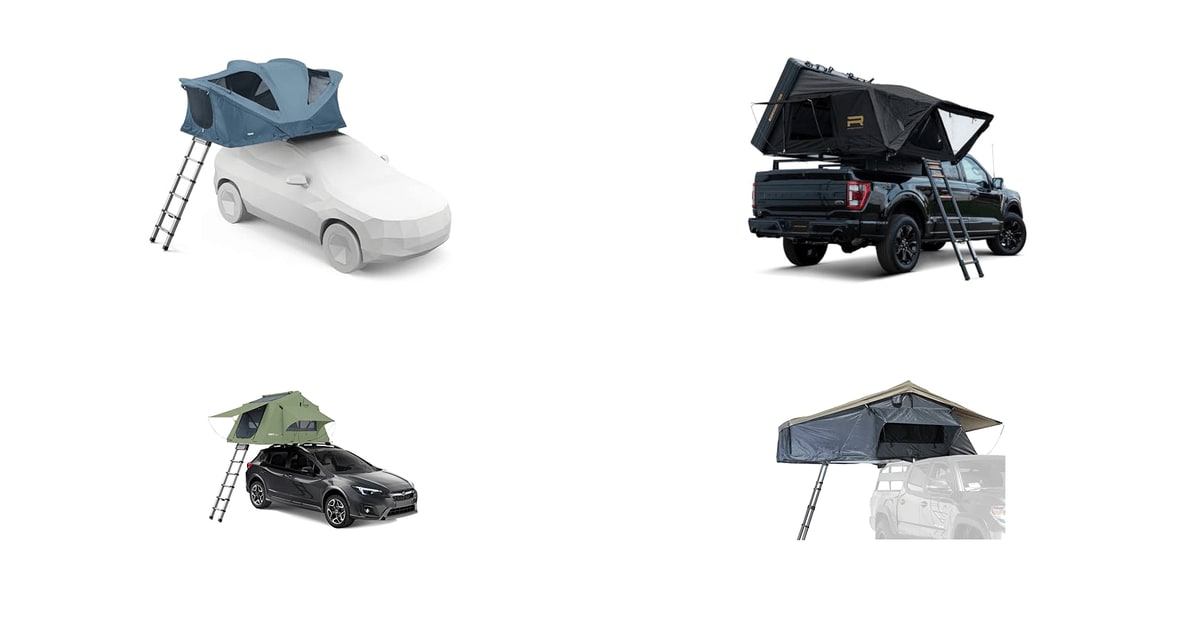
Pitching a ground tent is fine until it isn't. You get in after dark, the only flat spot is a gravel pullout, and the ground is soaked. A rooftop tent skips most of that. The floor is already flat, the mattress is already inside, and you're sleeping a few feet above whatever's crawling around down there. Unfold it, drop the ladder, and you're done. If you move camp most nights, that difference stops being a luxury pretty quickly.
But every rooftop tent charges you rent the rest of the week. These things are heavy — most weigh more than a hundred pounds — and they sit on the part of your vehicle least happy to carry weight. Popular Mechanics measured roughly a 22% fuel economy hit on a midsize SUV at highway speed with a softshell mounted. You'll also climb down a ladder at 2 a.m. for the bathroom, in the rain, every single trip. Nothing in this category fixes that.
So the real question is which compromise fits your life. A two-person tent that opens in a couple of minutes suits a couple with a modest roof rating and a handful of weekends a year. A three-person poly-cotton softshell is warmer and roomier, but heavier and slower to fold away. We think that the Thule Approach 2 Small is the best rooftop tent for most people, and that the Thule Tepui Explorer Kukenam 3 is the one to buy if you need to sleep three.
Everything we recommend

Quick to pitch and light on the roof, but strictly for two

Warmer canvas and room for three, at the cost of a slower setup

A big, warm tent for a first build, if your rack can take it
At a glance
| Product | Sleeps | Weight | Price | |
|---|---|---|---|---|
| Thule Approach 2 SmallTop pick | 2 Person | 110 Pounds | $2,499.95 |
 | Condor Overland 2 XL Air Hard-Shell RoofAlso in lineup | 3-4 Person | 240 pounds | $3,865On sale |
| Thule Tepui Explorer Kukenam 3Runner-up | 3 Person | 119.04962148 lb | $1,999.95 |
| Overland Vehicle Systems HD Nomadic 3 ExtendedBudget pick | 3 (Nomadic 3) | 165 Pounds | $1,746.51 |
How we picked
Weight and roof rating. We started with spec-sheet weights and checked them against REI's guidance that most factory roofs handle 150 to 200 pounds of static load. Anything that leaves no margin for two sleeping adults got a hard look.
Setup and pack-down. We compared manufacturer setup claims with published long-term reviews, where hardshells open in under a minute and softshells take ten to fifteen. A tent you dread folding away is a tent you stop using.
Fabric and weather. We favored coated 600-denier shells and poly-cotton blends, which Outside Magazine's cold-chamber comparison found run about 7°F warmer than pure synthetics. Condensation complaints in owner feedback counted against a tent.
Sleeping surface. We looked for at least 2.4 inches of foam and an honest floor size, since owner reports across brands keep coming back to firm mattresses and cramped shoulders.
Mounting and support. We preferred universal brackets that clamp to standard crossbars without drilling, plus a brand with real dealer coverage or a stated warranty when something goes wrong.
Top pick
Quick to pitch and light on the roof, but strictly for two
Thule Approach 2 Small
The Approach 2 Small unfolds in about three minutes, weighs 110 pounds, and comes with a 2.4-inch quilted foam mattress that stays inside when you pack it away. It's the tent we'd point a couple toward if their vehicle has a modest roof rating.
$2,499.95fromAmazonThis is the tent that asks the least of your vehicle. At 110 pounds it sits at the light end for a two-person rooftop tent, and that matters more than it sounds. REI's guidance puts most factory passenger roofs at 150 to 200 pounds of static capacity, while popular tents run 100 to 180 pounds. Do that math with a heavier tent and there's nothing left over for the people sleeping in it. Here you keep some margin.
Setup is the other reason to buy it. Thule rates it at under three minutes from parked to made bed: unzip the travel cover, unfold the base, drop the angled-step ladder. The mounting brackets lock, and they ship with a torque-limiting tool so you can't crank the bolts past spec. That's a small thing, but it saves first-timers from either a rattling tent or a stripped rack.
It's a small tent and Thule doesn't pretend otherwise. Closed, it's 43 by 48 inches, which fits on crossbars that would look absurd under a family-size shell. The mattress is dual-layer foam at 2.4 inches with a quilted cover — thin next to a big hardshell, but enough for most adults, and better than the bare pads plenty of competitors ship.
The small stuff is where Thule's experience shows. There's a side port for an AC or heater hose, so you can run a small unit in a hot parking lot or on a freezing morning. Panoramic skylights and mesh doors handle airflow, and the rain cover has three configurations depending on how much weather you want to shut out. The shell is recycled solution-dyed polyester, which resists UV instead of fading to gray.
Flaws but not dealbreakers
Two people, and that's the ceiling. There's no annex in the box, and the matching Approach 2 awning that adds sheltered space is a separate purchase. If you camp with kids or a dog, you'll outgrow this fast — the compact footprint that makes it easy to mount is exactly what limits it.
It's also new enough that there's very little owner feedback to lean on. No long-term reports about zipper wear, cover fit after a wet pack-down, or how the fabric holds up over years of highway miles. Thule's dealer network takes some risk out of that, but it's a fair reason to wait if you'd rather buy a proven design.
Runner-up
Warmer canvas and room for three, at the cost of a slower setup
Thule Tepui Explorer Kukenam 3
The Kukenam 3 sleeps three under a coated 600-denier shell with a 260-gram poly-cotton blend, and owners consistently report it stays warm once it's zipped up. At about 119 pounds it's still realistic on a midsize SUV with a load-rated rack.
$1,999.95fromAmazonPoly-cotton is the reason to look here. Outside Magazine's cold-chamber comparison found poly-cotton tents ran about 7°F warmer than synthetic ones at the same ambient temperature, and the Kukenam's blend behaves that way for owners, who describe it as surprisingly warm sealed up. That's a shoulder-season tent rather than a fair-weather one, and it changes what a spring trip feels like.
Three people actually fit. The open floor is 56 by 96 inches, which is a queen-plus footprint — two adults and a kid, or two adults who'd like to roll over without negotiating. Four large internal pockets keep phones and headlamps off the mattress. The mesh panels open wide, so condensation isn't the constant morning battle it becomes in a sealed synthetic tent.
Being a softshell costs you and pays you. The cost is time: figure closer to ten minutes than three, mostly because of the rainfly poles. The payoff is that it packs down narrow, takes annex rooms and awnings from a deep aftermarket, and doesn't demand the heavy dedicated rack a 200-pound hardshell does. On a first build, that flexibility beats a fast opening.
It's built to live outside. The fabric is UV resistant, the coated 600-denier fly sheds hard weather, and owner reports coming out of storms and sustained wind are reassuring. This is a tent people leave mounted for a whole season and keep using. Thule also backs it through a dealer network that's easy to find, which isn't true of every overlanding brand.
Flaws but not dealbreakers
The mattress is firm. Owners routinely add a thin air mattress or a self-inflating pad on top, and you'll want that extra layer in cold weather anyway, since a thin foam slab conducts heat straight down into the floor.
Mounting is the other steady complaint. The tent clamps to your crossbars with hardware that's awkward to reach and slow to tighten, and it's a two-person job the first time through. A few owners have found parts missing from the box too, so count the hardware before you drive somewhere remote.
Budget pick
A big, warm tent for a first build, if your rack can take it
Overland Vehicle Systems HD Nomadic 3 Extended
The Nomadic 3 Extended is a full-size softshell on an aluminum base, wrapped in a heavy 1000-gram PVC travel cover and bundled with memory-foam pillows, a mini broom and a dust pan. It suits a first overlanding build on a truck or trailer, where 165 pounds isn't a dealbreaker.
$1,746.51fromAmazonField & Stream's editors rated the Nomadic 3 the best beginner rooftop tent among budget models after months of use, and the reason is mostly what's included. You get a real aluminum base, a full-coverage rainfly, and a travel cover thick enough to survive being dragged over a rack. Nothing here is clever. It's a complete tent that doesn't make you buy three accessories before the first trip.
It holds heat better than almost anything at this level. Owners describe waking up warm, sometimes warmer than they wanted, which is a genuine advantage once nights get cold. The flip side is condensation: seal it up with two people breathing and you'll wipe down damp walls in the morning. Crack a window and vent it, and the problem mostly goes away.
Installation doesn't require drilling. The universal brackets clamp to a factory or aftermarket rack, and owners get it mounted in an afternoon, though the instructions draw more grumbling than the hardware does. Confirm your rack's rating first. At 165 pounds this tent alone consumes most of a stock crossbar's capacity before anybody climbs the ladder, so a load-rated rack isn't optional.
There's simply more usable room here than in the picks above, and that's why people buy it. The extended body lets two adults spread gear out instead of sleeping on it. It also works well on a truck bed rack or a dedicated trailer, which is where plenty of owners end up putting it once they realize the tent has to be closed before they can drive.
Flaws but not dealbreakers
The rainfly is loud. Owners running it on full-size trucks report drumming and flapping in wind and rain, and there's no real fix beyond tensioning the guy lines carefully and accepting that a gusty night will be a noisy one.
The mattress has come in thinner than advertised for some buyers — closer to two inches of foam than three — which is enough to feel your hips on a hard base. A pad on top solves it. Service has been uneven, too: at least one owner needed weeks and a formal escalation to get a defective tent replaced, so buy from a seller you can actually reach.
Overland Vehicle Systems backs the Nomadic 3 with a lifetime warranty.
Who this is for
Buy a rooftop tent if you move camp often, if you camp where flat dry ground is scarce, and if you already have a roof rack or you're willing to pay for a load-rated one. It's a great fit for weekend trips, forest-road pullouts and trailheads where a ground tent means sleeping on rock or mud. It's less compelling if you drive to one campsite and stay for a week — at that point a ground tent is lighter on your wallet and your fuel bill.
Skip it if your vehicle's roof can't take the load, if you park in a low garage, or if you're not prepared to lose noticeable fuel economy every mile the tent is up there. This guide covers tents that mount to a vehicle's existing rack. We're not covering ground tents, truck-bed tents, trailers, or the recovery gear, power systems and water setups that usually come next in an overlanding build.
How we picked
Weight: we compared spec-sheet weights against REI's guidance that most factory roofs carry 150 to 200 pounds of static load, and treated anything that erased that margin as a problem. Setup: we weighed manufacturer claims against published long-term reviews, where hardshells open in under a minute and softshells take ten to fifteen. Fabric: we favored coated 600-denier shells and poly-cotton blends, which ran about 7°F warmer than synthetics in Outside Magazine's cold-chamber comparison. Sleeping surface: we wanted at least 2.4 inches of foam and an honest floor measurement. Mounting: we preferred universal brackets that clamp to standard crossbars with no drilling, plus a brand you can reach for service.
The competition
This is what our research surfaced alongside the picks, not a survey of everything for sale. The rooftop tent market moves fast, and a fair amount of it is the same factory output under different labels. Here's the one other tent worth knowing about, and why it didn't land at the top.
The Condor Overland 2 XL Air Hard-Shell Roof ($3,865) — The Roofnest Condor Overland 2 XL Air is the most tent in this group by a wide margin: a honeycomb aluminum hardshell that folds out to sleep three or four, with 3000mm blackout poly-cotton canvas, LED lighting, HVAC ports and an air mattress included. Roofnest's hardshells have also fared well for drag in published road tests, which matters if the tent lives on your truck. The catch is 240 pounds. That rules out every crossover and most SUVs, and even on an F-150 or a Tundra you'll want a load-rated bed rack rather than roof bars. There's also almost no independent owner feedback on this configuration to lean on. If you drive a full-size truck, camp with a family, and already own a rack rated for the weight, it's the one to look at.
Mounting and rack fit
Check two numbers before you buy anything. Your roof's dynamic rating is what it carries while you're driving; the static rating, usually two to three times higher, is what holds you and the tent while parked. Both have to clear, and your crossbars have their own separate limit that's often lower than the roof's. Torque the brackets to spec — the Thule tool that prevents overtightening exists because people strip rack hardware. Re-check the bolts after your first long drive and every few trips after that. Never pack a wet tent away for more than a day or two; canvas mildews fast, and that smell doesn't come out. Air it in the sun, brush the pine needles out, and zip the cover fully so wind can't get under it at highway speed.
Questions we get
Are rooftop tents worth it compared with a ground tent?
If you move camp most nights, yes. You get a flat floor and a mattress that's already made no matter what's underneath, and setup drops to a few minutes. If you drive to one site and stay put for a week, a ground tent costs less, weighs nothing, and doesn't tax your fuel economy every mile.
Can I put a rooftop tent on a RAV4 or an Outback?
Often yes, but only with a light tent and a rack rated for it. Aim under about 120 pounds and confirm both your roof's static rating and your crossbars' capacity, since the bars are usually the weaker link. The Thule Approach 2 Small at 110 pounds is the realistic option here; a 165- or 240-pound tent isn't.
How much fuel economy will a rooftop tent cost me?
Expect a real hit. Popular Mechanics measured roughly 22% lower fuel economy on a midsize SUV at 65 mph with a softshell mounted versus a bare roof. Hardshells are more slippery — iKamper's wind tunnel data puts its clamshell at 31% less drag than a comparable softshell — but nothing up there is free.
What's the difference between a hardshell and a softshell?
A hardshell has a rigid lid that pops or folds open, usually in under a minute, and it's more aerodynamic and better protected on the highway. A softshell folds out from a fabric cover, takes ten to fifteen minutes, and typically weighs less and costs less. Softshells also accept more annexes and awnings.
Will my stock crossbars hold a rooftop tent?
Frequently not. Factory crossbars are rated for a fraction of what the roof itself can take, and owners have had stock bars fail under a loaded tent. Look up your bars' specific dynamic rating, compare it with the tent's weight, and plan on an aftermarket load-rated rack if the numbers are close.
Which of these sleeps three or four people?
The Tepui Explorer Kukenam 3 has a 56-by-96-inch floor and handles three, realistically two adults and a child. The OVS Nomadic 3 Extended gives two adults room to spread out gear. The Roofnest Condor Overland 2 XL Air is the only one here built for three or four, and it needs a full-size truck to carry it.
Why you should trust us
For this guide:
- We read published reviews and long-term reports from outlets including Gear Junkie, Outside Magazine, Popular Mechanics, Car and Driver and Field & Stream, along with REI's guidance on roof load ratings.
- We compared manufacturer spec sheets across every tent here for weight, fabric, mattress thickness, closed footprint and mounting hardware.
- We read through owner feedback looking for recurring themes rather than one-off complaints, which is where the mattress firmness, rainfly noise, condensation and mounting-hardware issues came from.
- We read owner reviews on every listing, weighted toward the critical ones, because that is where the recurring failures show up.
- We have a systematic way of automatically fetching the latest prices, so the numbers on this page stay current.
- This is a research-focused guide, so the team may not own every product listed — though we often do own the top winners, which gives us extra context for the recommendations.
- We don't accept free products, and the retailer commission never changes which product we recommend.
Sources
Best Rooftop Tents 2026 — Gear Junkie, Gear Junkie
Best Rooftop Tents — Outdoor Life, Outdoor Life
Rooftop Tent Reviews & Ratings — Overland Journal, Overland Journal
Best Rooftop Tents Tested — Popular Mechanics, Popular Mechanics
Rooftop Tent Buying Guide — REI, REI Expert Advice
Best Overlanding Gear 2026 — Expedition Portal, Expedition Portal
Rooftop Tent Aerodynamic Drag Study — iKamper Engineering Blog, iKamper
Best Rooftop Tents — Car and Driver, Car and Driver
Overlanding Industry Report 2025 — Outdoor Recreation Roundtable, Outdoor Recreation Roundtable
Thule Approach Gen 2 Review — Outside Magazine, Outside Magazine
Best Rooftop Tents — Field & Stream, Field & Stream
Overlanding Accessory Guide — Four Wheeler Network, Four Wheeler Network
Amazon product listings and owner reviews for all 4 products
Manufacturer specification pages for each product
Some passages in this guide may be paraphrased with AI help. Prices are refreshed automatically.
More like this.
Continue exploring lifestyle reviews and recommendations.

The Best Rooftop Cargo Carriers
A rooftop carrier buys you back the space your family took away. Once the third row is up and the cooler is in, there's nowhere left for duffels, sleeping…

The Best Family Camping Tents
A family tent is the one piece of camping gear everybody in your family has to live inside. It's where a toddler naps at two in the afternoon, where five…

The Best Camping Tents
A tent is the one piece of gear you can't fake your way through. If it leaks, you don't sleep. If it takes 40 minutes to pitch in the dark, you'll dread…

The Best Backpacking Tents for Families
A four-person backpacking tent is a strange piece of gear. It has to be light enough that two adults can split it and still carry food, water and a kid's…

The Best All-Weather Family Camping Tents
The tent that matters is the one you're stuck inside at 2 a.m. when the rain starts. That's when you find out whether the fly reaches the ground, whether…

The Best Backpacking Tents
A backpacking tent is the only piece of gear that has to work in the dark, in the rain, when you're tired and out of daylight. It also rides on your back…