The Best All-Weather Family Camping Tents
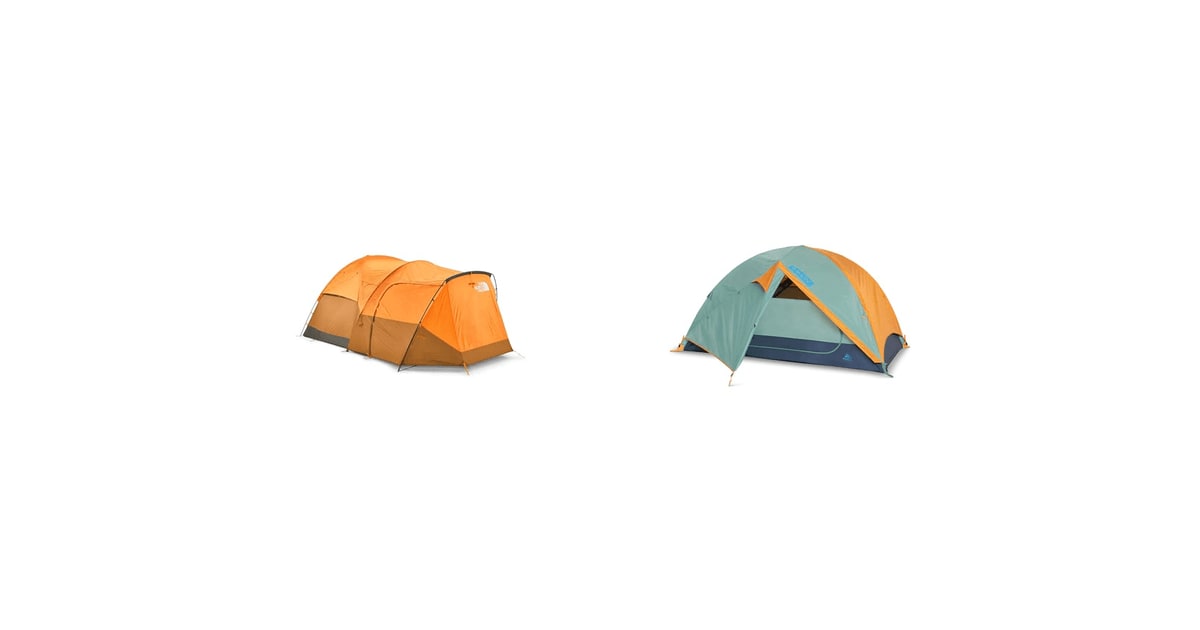
The tent that matters is the one you're stuck inside at 2 a.m. when the rain starts. That's when you find out whether the fly reaches the ground, whether the seams hold, and whether there's a dry spot for six pairs of muddy shoes. A family tent has to do more than sleep four people. It has to be somewhere your kids can play cards for six hours while the weather sorts itself out. Space, dryness and headroom matter far more here than ounces do.
No family tent does everything. The ones built to shrug off wind are darker, heavier and tighter inside; the ones with near-vertical walls and big windows give that up as soon as the gusts pick up. Condensation is the other constant. Four warm bodies breathe out a surprising amount of water overnight, and every large tent shows some of it on the inside of the fly by morning. Full-coverage rainflys help a lot. Nothing eliminates it, so expect to wipe something down.
Setup is the thing people underestimate. Published timing comparisons put two adults at roughly 18 minutes for an average six-person tent, and clip-and-sleeve designs run past 22. Hub-and-spoke frames cut that to under 10. We read spec sheets, published reviews and owner reports across this lineup with that mix of shelter, space and setup in mind. We think that the North Face Wawona 6 is the best all-weather family camping tent for most people, and that the Coleman Carlsbad Dark Room is the one to buy if you're outfitting a first family trip on a small budget.
Everything we recommend

A big, storm-ready shelter with a vestibule you'll live under

Darker mornings and quick setup, if you skip the windy sites

Up in minutes, but the fly isn't rated for a real storm
At a glance
| Product | Capacity | Floor Size | Price | |
|---|---|---|---|---|
| THE NORTH FACE Wawona 6 WR 6-PersonTop pick | 6-Person | 86.11 Sq Ft | $585 |
| Kelty Wireless Freestanding Camping TentAlso great | 2-Person | — | $129.95 |
| Coleman Carlsbad Dark Room 4/6 Person CampingBudget pick | 4/6-Person | 10 Ft X 9 Ft | $249.99On sale |
How we picked
Waterproof ratings. We treated 1500mm on the rainfly and 3000mm on the floor as the practical floor for all-weather use, based on the thresholds published reviewers apply. Anything below that we call a fair-weather tent and say so.
Rainfly coverage. We favored full-coverage flys that reach within about a foot of the ground, since Switchback Travel's overnight comparisons tie that geometry to roughly a third less interior wet-out. Partial flys leave you with a wet porch and a damp inner wall.
Pole material. Spec sheets tell you whether you're getting aluminum or fiberglass, and DAC's published strength-to-weight figures make the case for aluminum plainly. Fiberglass is what snaps first when wind hits a tall tent.
Setup by one adult. OutdoorGearLab's timed comparisons across a dozen six-person tents averaged 18.5 minutes for two adults, with hub-and-spoke frames under eight. We weighted color-coded, hubbed designs heavily because one parent is often pitching while the other handles kids.
Room to live in. REI's guide recommends about 27 square feet per adult for comfortable three-season camping, which is why a six-person tent is the realistic pick for a family of four. We also looked for standing height and a vestibule big enough to hold gear.
Top pick
A big, storm-ready shelter with a vestibule you'll live under
THE NORTH FACE Wawona 6 WR 6-Person
The Wawona 6 is a double-wall tent with a near-ground rainfly and a vestibule big enough to park camp chairs under. Owners who've ridden out serious storms in it keep reporting the same outcome: everything inside stayed dry.
$585fromAmazonThe rainfly is the whole argument for this tent. It's a full-coverage design that comes down close to the ground, and that geometry is the strongest single predictor of a dry night. Switchback Travel's overnight comparisons found near-ground flys cut interior wet-out by roughly a third against partial-coverage designs. Owners who've sat through downpours severe enough to trigger tornado warnings report waking up dry, which is not something you can say about most big tents.
Then there's the vestibule, which runs about 45 square feet — more than half the sleeping area again. That's where the boots, the cooler and the dog go. On a rainy afternoon it turns into a covered porch where two adults can sit in camp chairs and still see out. Most six-person tents hand you a token flap over the door and call it storage.
Inside, the floor comes in around 86 square feet with enough peak height for most adults to stand and pull on pants. That's under the 108 square feet REI's sizing guide implies for four adults, but kids take up less room, and the vestibule swallows the gear that would otherwise eat floor space. Two adults, two kids and a pile of duffels fit without anyone crawling over anyone.
The frame is the other reason we'd trust this in bad weather. It uses a DAC aluminum pole set with color-coded ends and external guylines. Aluminum matters: DAC's alloys carry far more strength per ounce than fiberglass, and fiberglass poles are usually the part that snaps when a gust catches a tall tent broadside. The color coding also makes a solo pitch realistic — owners report getting it standing alone in 10 to 15 minutes.
Flaws but not dealbreakers
The instructions are bad. It's the most consistent complaint owners raise — sparse diagrams, almost no text, a first pitch that drags on much longer than it should. Do a practice run in the yard and the tent's actually straightforward. Show up at a dark campsite and try to work it out cold, and you'll be miserable.
It's heavy and bulky at around 20 pounds packed, which is fine in a trunk and rough if the walk from the lot is long. The window flaps zip from the outside, so you're stepping into the rain to close them. The front door is mostly mesh — lovely in July, chilly in October. And the footprint is sold separately.
Budget pickOn sale
Darker mornings and quick setup, if you skip the windy sites
Coleman Carlsbad Dark Room 4/6 Person Camping
The Carlsbad pairs Coleman's Dark Room fabric with welded floor seams and a screened porch, so kids sleep past sunrise and the mud stays outside. It's the one to buy if this is your family's first tent and you'd rather not spend much finding out whether camping sticks.
$249.99fromAmazonList priceIf you have a toddler, the dark interior is the part you'll actually care about. Coleman's lab figures put the Dark Room fabric at blocking more than 90% of sunlight, which slows the morning temperature climb and buys you an extra hour before a five-year-old announces the day has started. Parents in family camping circles bring this up constantly, and it's the reason the tent keeps getting recommended. It isn't a gimmick.
The waterproofing punches well above the rest of the build. Coleman's WeatherTec system welds the floor seams rather than taping them, and welds don't peel. That matters more than it sounds: Backpacker Magazine's evaluation in Olympic Peninsula rainforest conditions found seam tape failure — not fabric wetting through — was the usual cause of a soaked floor in tents under three years old. Owners report sitting out an inch of overnight rain dry.
The screened porch is a real 10-by-5 room, not a stoop. Bugs stay out, wet gear stays off the sleeping floor, and on a buggy evening it's where you'll end up eating. The catch is that it's screen, not fabric. Rain blows straight through it, and the owners who come away annoyed are the ones who expected a dry second room.
Setup is quick. The Fast Pitch frame arrives with poles preattached to a hub and color coding on everything else, so one adult can get it standing without a second pair of hands. The sleeping area measures 10 by 9 feet with roughly a 5-foot-8 center height — room for two queen airbeds, though anyone taller will duck. There's an electrical port in the wall, which is handy at a powered site.
Flaws but not dealbreakers
Ventilation is the weak spot. Without a full-coverage fly and with limited high mesh, the inside gets stuffy on a warm, still night, and owners have complained about it turning hot and airless. Open the door and the porch panels when you can, and don't count on it for a July trip in the South.
It's also the least wind-worthy tent here. The hubbed frame is built for calm campgrounds, and there are owner reports of it struggling in gusts an aluminum-poled tent would shrug off. The screen porch can also pitch with a sag if you follow the printed sequence exactly; stake the porch corners out hard and it pulls taut.
Also great
Up in minutes, but the fly isn't rated for a real storm
Kelty Wireless Freestanding Camping Tent
The Wireless is freestanding, color-coded and about as fast to pitch as a big tent gets, with two doors and two vestibules. It comes in two-, four- and six-person sizes, and families should go straight to the six.
$129.95fromAmazonNothing here goes up faster. CleverHiker's solo-pitch timing puts hub-and-spoke designs like the Wireless 6 at six to nine minutes for one adult, against 18 to 25 for pole-sleeve tents of the same capacity. Kelty's quick corners hold the frame steady while you work, and every attachment point is color matched to its pole. If you're rolling into a campsite after dark with kids melting down in the back seat, that gap is the trip.
Two doors and two vestibules is the layout we'd want in any family tent. Nobody has to climb over a sleeping toddler for a midnight bathroom run, and each side gets a covered spot for boots. The tub floor rides high, so when water pools at the corners in a storm it doesn't splash back onto sleeping bags. Ventilation is generous, with a lot of mesh and dedicated vents.
The fly comes off entirely, which is worth more than it sounds. On a clear, warm night you can sleep under mostly mesh and watch the sky; when the forecast turns, the fly goes back on in about a minute. The 68D polyester body is heavier than backpacking fabric, and that's the right call for a tent that lives in a garage and gets stuffed into a bag a dozen times a season.
Packing up is easier than average, too. Kelty ships it in a wide-mouth duffel instead of the tube-shaped stuff sack most brands use, so you're not kneeling on wet nylon trying to force it through an opening two sizes too small. On a drizzly morning when everyone just wants to be in the car, that saves real minutes and real tempers.
Flaws but not dealbreakers
The rainfly is treated to 1200mm, below the 1500mm we'd want for genuine all-weather use. Ordinary rain is fine, and owners consistently report staying dry in normal storms. But this isn't the tent for four straight days of Pacific Northwest drizzle. GearJunkie's durability tracking also suggests polyurethane coatings at this level hold their waterproofing two or three seasons, versus four to six for silicone-treated fabrics.
The fly doesn't reach the ground the way the Wawona's does, so plan on more condensation and more spray blowing under the vestibule edges in a sideways rain. The vestibule cross pole is the one fiddly step in an otherwise obvious setup, and owners flag it regularly as the part that isn't intuitive the first time.
Who this is for
This guide is for families who camp out of a car and want a tent that holds up when the forecast turns — weekend campers moving on from a big-box starter tent, parents heading out in spring and fall when the weather can't be trusted, and anyone who's already spent one bad night mopping a floor. If you camp three weekends a summer in reliably dry conditions, you can spend less and be perfectly happy. If you're carrying a tent on your back, look at backpacking tents instead; everything here is too heavy and too bulky for that.
We're also not covering true four-season mountaineering tents, which trade away the ventilation and living space families need in exchange for snow-load strength you'll probably never use. What we're after is the extended-season middle: enough waterproofing and pole strength for a genuine storm, enough mesh and headroom that a rainy Saturday inside doesn't feel like punishment. If you camp in snow or above treeline, that's a different category and a different guide.
How we picked
We started from the specs that actually predict a dry night. Waterproofing: at least 1500mm on the fly and 3000mm on the floor, since anything lower is a fair-weather tent no matter what the marketing says. Fly coverage: full-coverage designs that reach near the ground, which published overnight comparisons link to substantially less interior condensation and wet-out than partial flys. Poles: aluminum over fiberglass, because the strength-to-weight difference is what stands between you and a collapsed tent in a gust. Setup: hubbed, color-coded frames one adult can raise alone in under 10 minutes. Space: roughly 27 square feet per person and enough peak height to stand, plus a vestibule that keeps wet gear out of the sleeping area.
The competition
This is what our research surfaced, not a survey of everything on the market. The rest of this lineup turned out to be footprints and ground tarps rather than tents, so there's no fourth or fifth shelter to weigh against the three above. If you're cross-shopping, the questions to bring to any other tent are the same three that shaped this guide: how far down does the fly reach, what are the poles made of, and how long does it take one tired adult to get the thing standing.
Care and maintenance
The fastest way to ruin a family tent is to pack it damp. Mildew eats coatings, and a tent stuffed wet into a bag for a week will smell like it forever. Set it up in the yard when you get home and let it dry fully before it goes in the garage. Seams are the other failure point — field evaluations in genuinely wet climates find tape adhesion giving out well before fabric does, so check the fly seams each spring and run seam sealer over any tape that's lifting. When water stops beading on the fly, a spray-on DWR treatment restores it. And use a footprint. It's cheap protection against the roots and gravel that eventually punch through a floor.
Questions we get
What hydrostatic head rating do I actually need?
For real all-weather camping, look for at least 1500mm on the rainfly and 3000mm on the floor. The floor number matters more than people expect, because your body weight presses water up through the fabric when the ground is saturated. Ratings below 1000mm are fine for a dry-forecast weekend and not much else.
Is a six-person tent big enough for a family of four?
Yes — it's the practical sweet spot. REI's sizing guide recommends about 27 square feet per adult for comfortable three-season camping, so four people need roughly 108 square feet, and manufacturer capacity ratings assume everyone sleeps shoulder to shoulder with no gear. A six-person tent gives you room for duffels, a place to change standing up, and enough space that a rainy day doesn't feel like a punishment.
Are aluminum poles worth paying more for than fiberglass?
For bad-weather camping, yes. Aluminum alloys like DAC Featherlight carry far more strength per ounce than fiberglass, and fiberglass is reliably the first thing to break when wind catches a tall tent. Fiberglass also splinters as it ages, which turns a repairable pole into a replaceable one.
How do I keep condensation down inside the tent?
Open every vent you have, even when it's raining — trapped moist air is the problem, not the weather outside. Keep wet clothes and boots in the vestibule instead of inside, and don't cook in the tent. A full-coverage fly helps too: overnight comparisons show near-ground flys cutting interior wet-out by roughly a third against partial designs.
Do I need a footprint?
It's optional but worth it. A footprint takes the abrasion from roots, gravel and pine cones that eventually wears through a tent floor, and it's much cheaper to replace than the tent. Make sure it's cut slightly smaller than the floor, or rain will collect on the exposed edges and pool underneath you.
How long should a family camping tent last?
The fabric will outlive the coating. GearJunkie's multi-season tracking found silicone-coated nylon and ripstop polyester flys hold their waterproofing four to six seasons of regular use, versus two to three for standard polyurethane-coated fabrics. Re-treating the fly and resealing seams stretches that considerably, so a well-cared-for tent can run a decade of weekend trips.
Why you should trust us
For this guide:
- We read the manufacturer spec sheets for every tent here — fly and floor ratings, pole material, floor area, vestibule size and peak height — and compared them against the thresholds published reviewers use.
- We reviewed evaluations and timed setup comparisons from OutdoorGearLab, CleverHiker, Switchback Travel, Backpacker Magazine and GearJunkie, along with sizing guidance from REI.
- We read through owner feedback on each listing to find the complaints that repeat across many buyers rather than the one-off problems.
- We read owner reviews on every listing, weighted toward the critical ones, because that is where the recurring failures show up.
- We have a systematic way of automatically fetching the latest prices, so the numbers on this page stay current.
- This is a research-focused guide, so the team may not own every product listed — though we often do own the top winners, which gives us extra context for the recommendations.
- We don't accept free products, and the retailer commission never changes which product we recommend.
Sources
Best Camping Tents of 2026 — OutdoorGearLab, OutdoorGearLab
Best Camping Tents — Wirecutter (New York Times), Wirecutter
Best Family Camping Tents 2026 — Backpacker Magazine, Backpacker Magazine
Best Camping Tents 2026 — Outdoor Life, Outdoor Life
Best Family Tents 2026 — GearJunkie, GearJunkie
Best Family Tents — Switchback Travel, Switchback Travel
How to Choose a Family Tent — REI Expert Advice, REI
Best Camping Tents — CleverHiker, CleverHiker
2025 Outdoor Participation Trends Report — Outdoor Industry Association, Outdoor Industry Association
Amazon product listings and owner reviews for all 3 products
Manufacturer specification pages for each product
Some passages in this guide may be paraphrased with AI help. Prices are refreshed automatically.
More like this.
Continue exploring lifestyle reviews and recommendations.

The Best Family Camping Tents
A family tent is the one piece of camping gear everybody in your family has to live inside. It's where a toddler naps at two in the afternoon, where five…

The Best Cooling Tents and Hot-Weather Camping Gear
Heat is the one camping problem you can't sleep through. A tent sitting in afternoon sun turns into an oven fast - Wirecutter's summer tent research found…

The Best All-Weather Windshield Wipers
Wipers are easy to ignore until the moment you can't see. You merge onto a wet highway, a truck throws up a sheet of spray, and a worn blade smears it…

The Best All-Weather Car Floor Mats
Winter doesn't stay outside. Salt, slush, sand and gravel ride in on your boots and grind into the carpet every time you get in. A good all-weather mat…

The Best Backpacking Tents for Families
A four-person backpacking tent is a strange piece of gear. It has to be light enough that two adults can split it and still carry food, water and a kid's…

The Best Truck Bed Tents
A truck bed tent turns the back of your pickup into a bedroom that's level, off the ground, and ready the moment you park. That matters more than it…