The Best Family Camping Tents
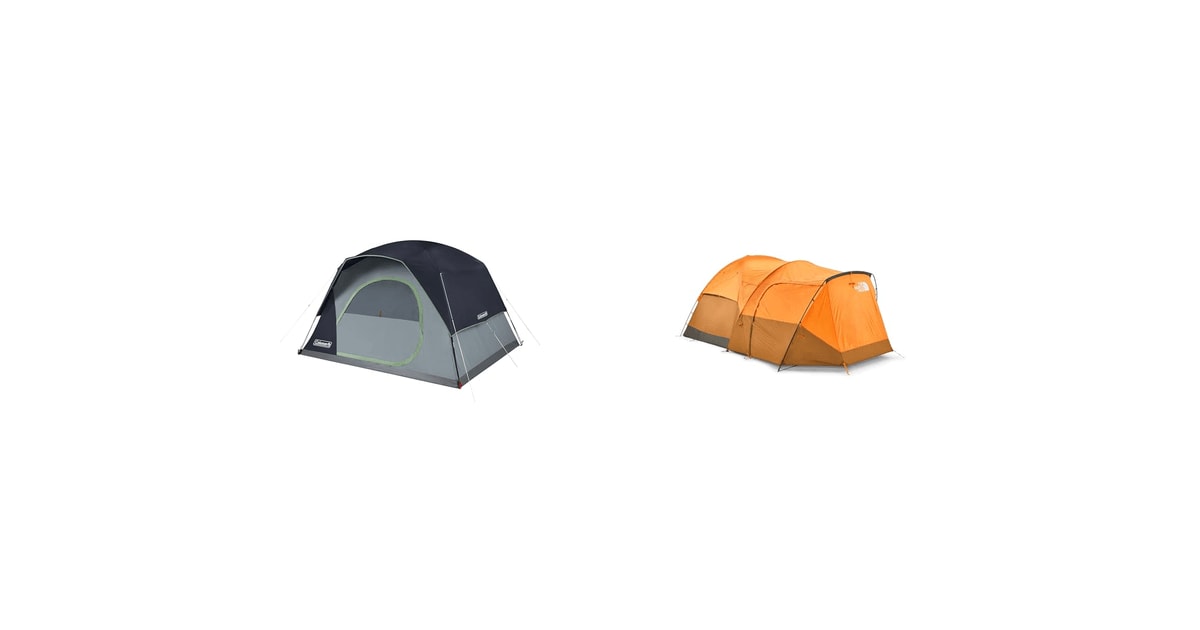
A family tent is the one piece of camping gear everybody in your family has to live inside. It's where a toddler naps at two in the afternoon, where five people and a wet dog wait out a thunderstorm, and where somebody always needs to get out at 3 a.m. Floor space matters. So does the angle of the walls, whether you can stand up to pull on pants, and how many sleeping bodies you have to climb over to reach a zipper.
Here's the honest part: no family tent is as big as the number on the box. Capacity ratings assume everyone sleeps shoulder to shoulder in bags with no gear, which is REI's own caveat. A family of four should be shopping 6-person tents at a minimum. Big tents are heavy, too — Outside Magazine puts the average 6-person car-camping tent at 14 to 20 pounds packed. That's fine from the tailgate. It's miserable a quarter mile down a trail.
Most families are really choosing between three things: how fast it goes up, how dry it stays, and how much room you get for what you're willing to spend. The middle of this market has gotten genuinely good. Color-coded poles, aluminum frames, and vestibules big enough to matter now show up on tents that aren't remotely exotic. We think that The North Face Wawona 6 is the best family camping tent for most people, and that the Kelty Wireless is the one to buy if you want two doors and a lifetime warranty for less money.
Everything we recommend

A house-sized vestibule and the weather protection to back it up

Two doors, two vestibules, and a warranty that outlasts the kids

Up in minutes, and easy to justify if camping doesn't stick
At a glance
| Product | Capacity | Weight | Price | |
|---|---|---|---|---|
| Coleman Skydome 2/4/6/8 Person Camping Tent withBudget pick | 6 Person | 16.82 Pounds | $179.99On sale |
| THE NORTH FACE Wawona 6 WR 6-PersonTop pick | 6-Person | 20lbs 15oz | $585 |
| Kelty Wireless Freestanding Camping TentRunner-up | 2-Person | 6.5477291814 Pounds | $129.95On sale |
How we picked
Usable floor space. We compared published floor areas against REI's guidance that capacity ratings assume shoulder-to-shoulder sleeping bags and no gear. Anything we'd recommend to a family of four had to be rated for six.
Standing room. We looked at peak height and wall angle together, since GearJunkie's field work found near-vertical walls give up to 30 percent more usable standing room than domes of the same rated capacity.
Waterproofing specs. We treated 1,500mm on the fly and 3,000mm on the floor as the three-season baseline, and we favored factory-taped seams — Consumer Reports' simulated rain work found factory-sealed seams scored 35 percent higher on leak prevention than tents needing buyer-applied sealer.
Poles and frame. We favored aluminum over fiberglass. Switchback Travel's analysis puts DAC poles 20 to 30 percent lighter than equivalent fiberglass, with substantially better resistance to cracking below freezing.
Setup with kids around. We read published reviews and owner feedback on how each frame goes together, since pre-attached hubs and color-coding can cut pitching time by 30 to 40 percent versus traditional pole sleeves.
Top pick
A house-sized vestibule and the weather protection to back it up
THE NORTH FACE Wawona 6 WR 6-Person
With about 86 square feet inside and a vestibule covering nearly 45 more, this is the rare family tent where six people and their stuff both fit. DAC aluminum poles and a 3,000mm floor rating mean owners come home from genuinely nasty storms dry.
$585fromAmazonThe Wawona 6 gives you a second room, and that changes how a rainy trip goes. Its vestibule covers nearly 45 square feet of ground — room for boots, a cooler, two camp chairs and a soaked dog. When the sky opens, that's where the kids play cards while the sleeping area stays dry. Most family tents give you a porch. This one gives you a mudroom.
The floor is rated to 3,000mm and the fly to 2,000mm, which clears the accepted baseline for three-season family camping. Numbers only tell you so much, but owner feedback lines up with them. Families describe sitting through tornado warnings and hours of hard rain and staying dry inside. That's the story you want from the thing your kids sleep in.
You get roughly 86 square feet inside and a peak height around 76 inches, so most adults can stand up straight to get dressed. The front door is a big mesh panel, which makes a real difference on a sticky night. Ceiling pockets hold headlamps and phones. It's double-wall, so you can pull the fly off on a clear evening and watch the sky.
The DAC MX pole set is what separates this from a big-box tent. Aluminum poles run 20 to 30 percent lighter than equivalent fiberglass, per Switchback Travel's material analysis, and they're far less likely to crack when it's below freezing. The poles and trims are color-coded, too. You'll still want a second pair of hands, but nobody's standing there guessing which end goes where.
Flaws but not dealbreakers
The instructions are the weak point. Owners consistently say the printed guide is close to useless and that they worked out the pitch by trial and error. Give yourself a dry afternoon in the backyard first. The other quirk is that the window covers open from the outside, so you're stepping into the rain to close them.
It's heavy. The listed total weight is 20 pounds 15 ounces, which is fine from the trunk and rough anywhere else. The footprint is sold separately, too, which is annoying on a tent you're already paying up for.
Runner-upOn sale
Two doors, two vestibules, and a warranty that outlasts the kids
Kelty Wireless Freestanding Camping Tent
The Wireless is freestanding, goes up with color-coded corners, and gives you two doors and two vestibules, so nobody climbs over a sleeping kid at midnight. The 6-person version covers 68 square feet, and Kelty backs it for life.
$129.95fromAmazonList priceTwo doors sounds like a small thing until you've spent a night in a tent with one. With a single door, a 3 a.m. bathroom run means crawling over three people. The Wireless puts a door on each side, each with its own vestibule for boots and packs. If your kids sleep at opposite ends of the tent, this is the feature you'll notice most.
Setup is the other reason we'd hand this one to a first-time buyer. Kelty's quick corners and color-coded attachment points mean the frame goes together without a family conference. It's freestanding, so you can pitch it and then pick the whole thing up and move it once you realize you're on a slope. Leave the fly off on a warm night and the mesh gives you a lot of sky.
Size matters here. The Wireless comes in 2-, 4-, and 6-person versions, and families should go straight to the 6. That's 68 square feet — enough for two adults, two kids and a pile of duffels, or a queen air mattress with room to walk around it. REI's guidance points the same direction: if you sleep on pads or mattresses, buy a size up from your headcount.
The lifetime warranty is the quiet argument for this tent. GearJunkie's value analysis calls it one of the most generous policies in this part of the market, and coverage like that matters on gear that spends most of the year in a hot garage. Poles break. Zippers give out. It's good to have somebody on the other end of that.
Flaws but not dealbreakers
Waterproofing is the compromise. Kelty lists the fabric at 1,200mm, under the 1,500mm fly rating most guides recommend as a three-season baseline. Owners report no trouble in ordinary rain. But if you camp where storms park overhead for a day, that gap is real.
The frame is a hybrid rather than full aluminum, and owners note the poles feel heavy for the tent's size — fine at a drive-up site, less fun anywhere else. A few also find the vestibule cross pole fiddly the first couple of times. It stops being a problem after trip two.
Kelty backs the Wireless with a lifetime warranty.
Budget pickOn sale
Up in minutes, and easy to justify if camping doesn't stick
Coleman Skydome 2/4/6/8 Person Camping Tent with
The Skydome's poles stay attached to the tent body, so it goes from bag to standing in about five minutes. Nearly vertical walls give you roughly 20 percent more headroom than Coleman's older domes, and the welded corners have kept plenty of families dry overnight.
$179.99fromAmazonList priceNothing here goes up faster. The poles are pre-attached, so there's no sorting, no sleeves, no threading anything in fading light. Coleman claims under five minutes, and owner accounts land in that neighborhood even working solo. CleverHiker's budget roundup ranked it ahead of tents costing several times as much on setup ease. If you're pitching camp with a toddler on your hip, that's not a small thing.
The walls are steeper than a classic dome's, and you feel it. Coleman claims about 20 percent more headroom than its older models, and owners around six feet tall say they can get dressed without crawling. The doorway is wide enough to shove an air mattress through without folding it in half. These are small design choices. They're the ones that matter at 7 a.m.
Coleman's WeatherTec construction uses welded floor corners and inverted seams instead of stitching that sits in a puddle. It isn't exotic, and Coleman doesn't publish a hydrostatic head number for it. But owner feedback is consistent — families report two inches of overnight rain and a dry floor. For a few weekends a year in ordinary weather, that's enough tent.
It weighs a shade under 17 pounds, which is on the light end for something this size, and it packs into a bag you can actually lift. Inside you get mesh pockets and a gear loft, enough to keep headlamps and phones off the floor. Nobody's going to call it luxurious. It just does the boring things right.
Flaws but not dealbreakers
The frame is the limit. Coleman rates it to 35 mph winds and plenty of owners have no complaints, but snapped poles in a sudden gust come up often enough in feedback that we'd take it seriously. Stake all four corners and run the guylines every night, even when the evening looks calm.
Warranty service is the other sore spot. Owners describe frustrating claim processes and a website that doesn't cooperate. And like most tents in this guide, the instructions assume you've done this before, so a practice pitch in the yard is worth the half hour.
Who this is for
This guide is for car campers — families who drive to a site, park a few steps from the tent pad, and stay a night or a week. If that's you, packed weight barely matters and livability matters enormously. Buy the biggest tent you're willing to haul from the trunk and pitch in the dark. If you camp two to five times a year with kids under ten, any of the three tents here will do the job.
It's not for backpackers. A 6-person car-camping tent runs 14 to 20 pounds packed, per Outside Magazine's survey of the category, and that's a non-starter on a trail. We're also not covering canvas wall tents, rooftop tents, or four-season mountaineering shelters. If you camp in deep winter or above treeline, you need a different kind of tent than anything in this guide.
How we picked
Space: we compared published floor areas and peak heights, and treated a 6-person rating as the minimum for a family of four, following REI's guidance on how capacity is measured. Weather: we set 1,500mm on the fly and 3,000mm on the floor as the three-season baseline and favored factory-taped seams, which Consumer Reports' simulated rain work found scored 35 percent better on leak prevention than buyer-sealed ones. Frame: we preferred aluminum to fiberglass, since Switchback Travel's analysis puts DAC poles 20 to 30 percent lighter with far better cold-weather crack resistance. Setup: we read published reviews and owner feedback on how the poles go together, because pitching time matters when everyone's hungry. Doors: two doors and real vestibule coverage broke the ties.
The competition
This is what our research surfaced, not a census of the market. Family tents are a crowded category, and plenty of good ones — including several well-reviewed cabin-style models with near-vertical walls — weren't part of this lineup. What we can say is that the three tents above cover the range most families actually shop: a fast, forgiving first tent, a well-warrantied step up, and a weatherproof one you'll keep for years.
Setup and care
Pitch your tent once in the backyard before the trip. Every tent here has instructions that owners describe as vague, and working out a pole layout in a dark, wet campground is how a trip goes sideways. On site, clear the pad of pinecones and sharp rocks, and consider a footprint — it protects the floor, which is usually the first part to fail. Stake every corner and run the guylines even when the evening looks calm, because most broken poles happen when a gust catches a loose tent. Afterward, set it up at home and let it dry fully before you put it away. Packing a damp tent is what turns a good one into a mildewed one. Store it loose in a cool closet rather than crammed in its sack in a hot garage.
Questions we get
What size tent do I need for a family of four?
Shop 6-person tents, not 4-person ones. Capacity ratings assume everyone sleeps shoulder to shoulder in bags with no gear inside, which is REI's own caveat. Add sleeping pads or an air mattress and a few duffels and a 6-person floor becomes the realistic minimum. If your kids are teenagers or you stay out for a week, size up again.
Is a 6-person tent big enough for four people with air mattresses?
Usually yes, but it's tight with a queen mattress plus gear. A 68-square-foot floor like the Kelty Wireless 6 fits a queen and a couple of kid-sized pads with a walking lane. If you want a mattress and space for duffels and chairs, look at something closer to the Wawona's 86 square feet, or plan to keep gear in the vestibule.
What waterproofing rating do I need for a family tent?
For three-season camping, aim for at least 1,500mm hydrostatic head on the fly and 3,000mm on the floor. The floor number matters more, since that's the fabric sitting in standing water with your body weight on it. Factory-taped seams matter as much as the rating — Consumer Reports found factory-sealed seams scored 35 percent higher on leak prevention than tents that need buyer-applied sealer.
What's the difference between a cabin tent and a dome tent?
It's the angle of the walls. Cabin tents go near-vertical, so the floor space near the edges is actually usable and you can stand up anywhere inside. Domes taper, which sheds wind better but wastes room. GearJunkie's field work found cabin geometry gives up to 30 percent more usable standing room than a dome of the same rated capacity.
Are aluminum or fiberglass tent poles better?
Aluminum, if you camp more than a couple of times a year. Switchback Travel's analysis puts DAC aluminum poles 20 to 30 percent lighter than equivalent fiberglass, with much better resistance to cracking in the cold. Fiberglass is heavier and more brittle, and it tends to splinter rather than bend. It's fine for occasional summer trips, and it's why budget tents cost what they do.
Why you should trust us
For this guide:
- We read manufacturer spec sheets for every tent here, comparing floor area, peak height, pole material and hydrostatic head ratings side by side.
- We reviewed published testing and buying guidance from OutdoorGearLab, GearJunkie, CleverHiker, Consumer Reports, Switchback Travel, Outside Magazine and REI to set our thresholds.
- We read through owner feedback looking for recurring themes — vague instructions, pole durability in wind, and how each tent handles a night of steady rain.
- We read owner reviews on every listing, weighted toward the critical ones, because that is where the recurring failures show up.
- We have a systematic way of automatically fetching the latest prices, so the numbers on this page stay current.
- This is a research-focused guide, so the team may not own every product listed — though we often do own the top winners, which gives us extra context for the recommendations.
- We don't accept free products, and the retailer commission never changes which product we recommend.
Sources
Best Camping Tents of 2026 — Wirecutter, Wirecutter
Best Family Tents of 2025 — OutdoorGearLab, OutdoorGearLab
How to Choose a Family Tent — REI Expert Advice, REI
Best Family Camping Tents Tested — GearJunkie 2025, GearJunkie
Best Tents for Families — Outside Magazine 2025, Outside Magazine
Best Camping Tents — Switchback Travel 2025, Switchback Travel
Best Budget Camping Tents 2025 — CleverHiker, CleverHiker
NEMO Wagontop 6 Review — Backpacker Magazine, Backpacker Magazine
REI Co-op Kingdom 8 Tent — Product Specifications, REI
Big Agnes Big House 6 — Product Specifications, Big Agnes
Coleman Skydome 6 — Product Page, Coleman
Family Camping Tent Ratings — Consumer Reports 2025, Consumer Reports
Amazon product listings and owner reviews for all 3 products
Manufacturer specification pages for each product
Some passages in this guide may be paraphrased with AI help. Prices are refreshed automatically.
More like this.
Continue exploring lifestyle reviews and recommendations.

The Best All-Weather Family Camping Tents
The tent that matters is the one you're stuck inside at 2 a.m. when the rain starts. That's when you find out whether the fly reaches the ground, whether…

The Best Cooling Tents and Hot-Weather Camping Gear
Heat is the one camping problem you can't sleep through. A tent sitting in afternoon sun turns into an oven fast - Wirecutter's summer tent research found…

The Best Camping Tents
A tent is the one piece of gear you can't fake your way through. If it leaks, you don't sleep. If it takes 40 minutes to pitch in the dark, you'll dread…

The Best Truck Bed Tents
A truck bed tent turns the back of your pickup into a bedroom that's level, off the ground, and ready the moment you park. That matters more than it…

The Best Backpacking Tents for Families
A four-person backpacking tent is a strange piece of gear. It has to be light enough that two adults can split it and still carry food, water and a kid's…

The Best Rooftop Tents
Pitching a ground tent is fine until it isn't. You get in after dark, the only flat spot is a gravel pullout, and the ground is soaked. A rooftop tent…