The Best Continuous Glucose Monitors and Sensor Covers
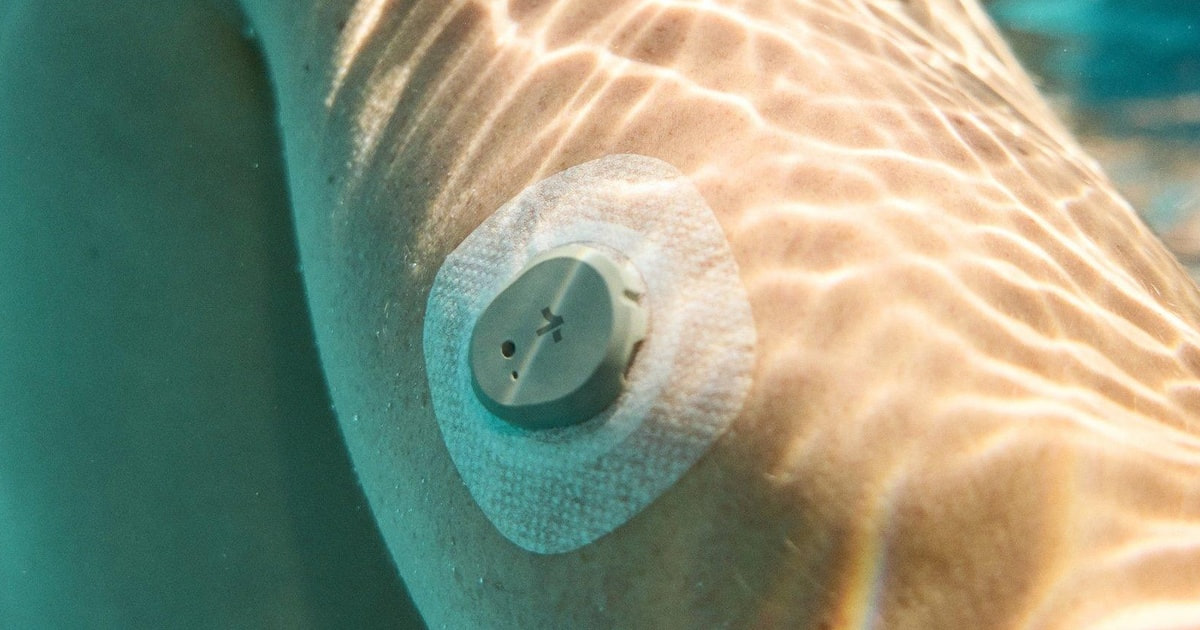
A continuous glucose monitor turns a number you used to get four times a day into a line you can watch. That changes how you eat, how you exercise, and how you sleep. You see the slow climb after pasta. You catch a low before it wakes you up at 3 a.m. But the whole thing rests on a small plastic disc stuck to your arm with medical tape, and that disc has to survive showers, shirtsleeves, doorframes and a week or two of sweat. If it peels, you lose the data and the sensor.
No CGM is a blood test. These sensors read the fluid between your cells, not your bloodstream, so the number lags by several minutes and drifts most when your glucose is moving fast. Published accuracy figures cluster in the same narrow band — around eight percent average error for the leading systems — which means brand differences matter less than you'd think. Owners of every system report the occasional sensor that reads high, dies early, or drops its signal. Budget for that happening once in a while.
So the real choice isn't which sensor is a hair more accurate. It's whether you take insulin, whether you can get a prescription, and whether the thing stays on your arm. That last part gets ignored. An overpatch is a rounding error next to the sensor it protects, so this guide covers adhesive covers alongside the monitors themselves. We think that the Dexcom G7 receiver is the best continuous glucose monitor for most people, and that the Stelo Glucose Biosensor is the one to buy if you don't take insulin and would rather skip the doctor's visit.
Everything we recommend

The clinical standard, if you can get a prescription

No prescription, no fingersticks, no insulin dosing

Thin, nearly invisible covers, bought a hundred at a time

Fabric overpatches that hold through the full sensor wear
Prices as of Oct 27, 8:28 AM PT · Details
At a glance
| Product | Pack Size | Wear Time | Price | |
|---|---|---|---|---|
| DEXCOM G7 RECEIVER DEVTop pick | — | — | Check price |
 | RHYZIA Freestyle Libre 3/Libre 3 Plus SensorAlso in lineup | 24-Pack | — | $6.99 |
| Stelo Glucose Biosensor & App by DexcomRunner-up | 2 Biosensors | 15 Days | $88.99 |
 | 20 Pack for Medtronic Sensor Patches,Waterproof GuardianAlso consider | 20-Pack | 7 Days | $9.99 |
| 100Pcs Libre 2 Plus Sensor Covers WaterproofBudget pick | 100-Pack | 15 Days | $9.99 |
| Onida Dexcom G7 Adhesive Patches 20PCSAlso great | 20-Pack | — | $15.99 |
Prices as of Oct 27, 8:28 AM PT · Details
How we picked
Accuracy on paper. We compared published MARD figures and the glucose ranges each system is validated across. Anything drifting well above ten percent average error didn't make the shortlist.
Insulin clearance. We separated systems cleared for insulin-dosing decisions from wellness-only biosensors. For most readers that line decides the purchase before anything else does.
Wear time. Longer sensors mean fewer insertions and fewer blind warm-up windows. We noted the rated duration for every system and how often owners report sensors dying early.
Adhesion over days. For covers we looked for a non-adhesive center, waterproof construction, and owner reports of surviving a full sensor cycle rather than three days.
Skin tolerance. Every listing claims latex-free and hypoallergenic, so the claim tells you nothing. We leaned on owner feedback about itching, rash, residue and painful removal instead.
Top pick
The clinical standard, if you can get a prescription
DEXCOM G7 RECEIVER DEV
This is the handheld display for Dexcom's flagship sensor system, for people who'd rather not run their glucose through a phone. It's the CGM most endocrinologists reach for first: fast warm-up, no fingerstick calibration, and compatibility with the closed-loop insulin pumps people actually use.
Check priceatAmazonPrices as of Oct 27, 8:28 AM PT · Details
If you take insulin, this is the system to build around. Published clinical data puts the G7 at 8.2% MARD, down from 9.0% on the G6, and holds that accuracy across the full range from 40 to 400 mg/dL. It's cleared for kids as young as two. And it talks to Omnipod 5 and the Tandem t:slim X2, which is what closed-loop users actually need.
The warm-up matters more than the spec sheet suggests. The G6 left you blind for two hours after every sensor change; the G7 cuts that to 30 minutes. If you change sensors before bed, that's the difference between going to sleep with data and going to sleep guessing. Over a year of changes, it adds up to days of visibility you'd otherwise lose.
Buying the receiver instead of leaning on your phone sounds redundant until your phone dies at a trailhead, or your kid isn't allowed one at school. The receiver is a dedicated screen that does one job. It's also the fallback when a phone update breaks Bluetooth, which owners of every CGM brand run into eventually.
The Apple Watch support is the quiet upgrade. Dexcom's system is the first cleared to push glucose straight to a watch without a phone in range. If you run, swim laps, or just hate carrying a phone around the house, you still get numbers on your wrist. Nobody else in this category can say that yet.
Flaws but not dealbreakers
You need a prescription, and in the US that means a doctor's visit before you can buy anything. The receiver on its own is just a screen — the sensors are a separate, recurring purchase, and without insurance the ongoing cost is real money. Check your coverage before you commit to the ecosystem.
Ten days per sensor is shorter than the 15 you get from Libre 3 Plus or Stelo, so you're handling insertions half again as often. And the G7's thinner sensor trades some adhesive grip for comfort. Plenty of owners find it lifts at the edges before day ten, which is why an overpatch is close to mandatory if you're active.
Runner-up
No prescription, no fingersticks, no insulin dosing
Stelo Glucose Biosensor & App by Dexcom
Stelo is Dexcom's over-the-counter biosensor, built for people who want to see their glucose without a diagnosis or a prescription. Each sensor runs up to 15 days, needs no calibration, and feeds an app that's about meals and sleep rather than alarms.
$88.99fromAmazonPrices as of Oct 27, 8:28 AM PT · Details
Not long ago, getting a CGM meant getting a diagnosis first. Stelo was the first sensor the FDA authorized for sale without a prescription, and that's the whole point of it. You buy it, you stick it on, you start seeing what rice does to you. For prediabetics and anyone curious about their metabolism, that's a door that used to be locked.
The hardware underneath is Dexcom's, and it shows. Stelo uses the same sensor chemistry as the prescription line, runs 15 days per sensor, and never asks for a fingerstick. Owners who've come from Abbott's wellness sensor mention Stelo's higher reading ceiling as the reason they switched — if your post-meal spikes run high, a sensor that tops out lower just shows you a flat line.
The app is deliberately not a medical device. There's no customizable high or low alarm, no third-party pump integration, no sharing your data with a clinic dashboard. What you get instead are trends: how a late dinner shows up at 2 a.m., which breakfasts hold you flat until lunch. If you want a system that yells at you, this isn't it.
It's a runner-up rather than the top pick for one reason: it can't dose insulin. Stelo isn't cleared for insulin-dosing decisions, and it's not for anyone on dialysis or with problematic hypoglycemia. If you're in any of those groups, the G7 is the answer and it isn't a close call.
Flaws but not dealbreakers
Owner feedback on Stelo splits hard, and the split is mostly about what happens when a sensor goes wrong. Mid-wear signal loss comes up a lot — a sensor reads fine for a week, then drops off and never reconnects, no matter how many times you toggle Bluetooth. Getting a replacement means working through a chatbot first, and people describe that process as slow.
Accuracy against a fingerstick is the other recurring complaint. Stelo is good at showing you the shape of a day and less good at any single number, which is fine for spotting patterns and frustrating if you want a reading you can act on. Treat it as a trend line, not a glucometer. Some owners also report sensors that never adhered properly out of the box.
Stelo's listing states that a biosensor which fails before its 15-day wear time is replaced free.
Budget pick
Thin, nearly invisible covers, bought a hundred at a time
100Pcs Libre 2 Plus Sensor Covers Waterproof
A hundred clear, latex-free overpatches sized for FreeStyle Libre 2 and 3 sensors, with an open center that won't touch the sensor itself. If you burn through covers or want spares in every bag, glovebox and gym locker, buying in bulk stops the math from mattering.
$9.99fromAmazonPrices as of Oct 27, 8:28 AM PT · Details
Quantity is the feature here. A hundred patches is more than three months of Libre wear even if you replace a cover mid-sensor, which you sometimes will. That changes how you use them. Instead of rationing patches and nursing a lifting edge for three days, you peel it off and put a fresh one on. Owners who'd been losing sensors early say that's what finally stopped it.
The film is genuinely close to invisible. It's clear, it's thin, and under a T-shirt sleeve nobody notices it. Abbott rates the Libre 2 Plus and 3 Plus sensors for 15 days, and the adhesive here is meant to go the distance with them. Several owners report exactly that — two full weeks of showers without the edges giving up.
One practical note: these are sized for the small Libre footprint, so they're a poor match for a bulkier Dexcom or Guardian sensor. If you're a Libre household, though, the pack is big enough to share. Owners buying for a parent mention that being the appeal — one box covers a year of somebody else's sensors too.
Flaws but not dealbreakers
Thin film is harder to apply than it looks. The patch is floppy enough that it wants to fold onto itself, and a wrinkle in the wrong place becomes a lifting edge two days later. Give yourself a flat surface and take your time. This is not a one-handed job in a car.
The adhesive is also on the aggressive side for reactive skin. Some owners describe a rash under the patch and a painful peel at removal. If your skin objects to medical tape generally, try one before you commit to ninety-nine more.
Also great
Fabric overpatches that hold through the full sensor wear
Onida Dexcom G7 Adhesive Patches 20PCS
A woven-fabric overpatch cut for the Dexcom G7 and Stelo, with a solid no-hole center that leaves the sensor untouched. Twenty in a pack, which is a month of G7 changes, or most of a year if you're only patching the sensors that need it.
$15.99fromAmazonPrices as of Oct 27, 8:28 AM PT · Details
The G7's own adhesive is the weak link in an otherwise strong system, and the overpatch Dexcom includes has a reputation to match. This is the one owners keep coming back to instead. It's woven fabric rather than film, which flexes with your arm rather than fighting it, and the edges don't curl the way thin plastic does.
The dual fit is the reason to pick this one. It's cut for the G7 and for Stelo, so a household running a prescription sensor on one arm and an over-the-counter one on another buys a single box. That's genuinely useful. It also means you can switch systems without a drawer full of orphaned patches.
Water is where overpatches usually fail, and this is where owner feedback is most consistent. People swim, shower daily and sweat through summer work with these on, and report the patch outlasting the sensor. The no-hole center is part of why. There's no cut edge sitting on the sensor for water to work under.
Removal is thought through too. A folded back-ear lets you peel the liner one-handed, which matters when you're sticking a patch to the back of your own arm. When it's time to change sensors, the patch, the sensor and the factory adhesive tend to come off together in one piece.
Flaws but not dealbreakers
Fabric is thicker than film. Under a fitted sleeve you'll feel it, and some people find the raised edge catches on clothing more than a thin plastic patch would. It's a fair trade for the grip, but it isn't invisible.
The adhesive is strong enough to be a problem for sensitive skin. Owners who react to medical tape describe itching under the patch and a stubborn peel, and a few mention residue left behind after a long wear. A little oil at removal helps. Worth trying one before you build a routine around them.
Who this is for
This guide is for anyone shopping for a continuous glucose monitor, or for the adhesive covers that keep one attached. If you take insulin, your choice is partly made for you by your pump — match the sensor to the pump brand first and worry about the accuracy decimal second. If you don't take insulin and you're curious about how you respond to food, an over-the-counter biosensor is now a normal thing to buy without a doctor's visit.
We're not covering implantable sensors, glucometers and test strips, or insulin pumps themselves. And nothing here replaces medical advice: if you have problematic hypoglycemia, you're on dialysis, or you're managing Type 1, talk to your clinician before you change systems. One more thing — if your current sensor stays put for its full wear, you don't need a cover at all.
How we picked
Accuracy: we read published MARD figures and the ranges each sensor is validated across, rather than trusting listing copy. Clearance: systems cleared for insulin dosing got weighed separately from wellness-only biosensors, because that distinction decides the purchase for most people. Wear time: longer sensors mean fewer insertions and fewer blind warm-up windows, so we noted duration and how often owners report early failures. Adhesion: covers needed a non-adhesive center, waterproof construction, and owner reports of lasting a full sensor cycle. Skin tolerance: every listing claims hypoallergenic, so we let owner feedback about itching, rash and residue break the ties.
Other continuous glucose monitors and sensor covers worth considering
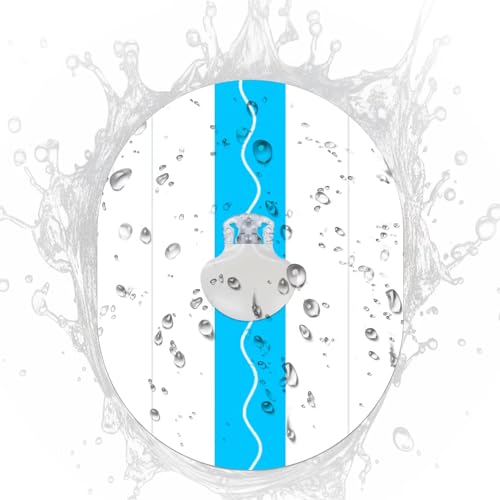
If you wear a Medtronic Guardian sensor: The 20 Pack for Medtronic Sensor Patches,Waterproof Guardian — Guardian 4 is the sensor the MiniMed 780G requires, and a lifted sensor there doesn't just cost you data — it can interrupt automated insulin delivery. These patches are pre-cut to the Guardian footprint, so there's no trimming, and the center doesn't stick to the sensor itself. Owners with very active kids report them holding through a full week of hockey and dirt bikes, and several use them on pump infusion sites too. The catch is that they only fit Medtronic hardware, and a fair number of owners find the edges lifting around day six. If your sensor runs longer than the patch does, plan on two per sensor.
The competition
This is what our research surfaced in the category, not a census of everything for sale. CGM hardware is a short list — most people are choosing between two or three systems their insurance will actually cover — while the overpatch market is enormous and largely unbranded. What's below is a reasonable product that lost to a pick, not a bad one.
The RHYZIA Freestyle Libre 3/Libre 3 Plus Sensor — These skin-tone covers are cut for the FreeStyle Libre 3 and 3 Plus, with a no-adhesive center and a breathable, latex-free border. The nude finish is the draw: it disappears in a way clear film doesn't, and the low profile sits flat under a sleeve. Owner feedback splits down the middle, though, and it splits on the thing that matters. Plenty of people say these finally kept a sensor on through pools and hot tubs. Plenty of others describe the edges rolling up by day three and taking the sensor with them. The acrylic adhesive also bothers reactive skin more than the fabric patches do. If you want a discreet cover for a Libre 3 and you know your skin tolerates acrylic, it's worth a shot. Otherwise the bulk clear covers are the safer buy.
Applying and removing patches
Overpatches bond best to a fresh sensor, not a lifting one. Insert the sensor, give the factory adhesive about fifteen minutes to set, then apply the cover. Prep the skin around it with an alcohol wipe and let it dry completely — lotion, sunscreen and leftover sweat are what make edges curl three days later. Press from the center outward and run a thumb all the way around the border. Skip the shower for the first hour if you can. At removal, warm the patch and work a little baby oil or mineral oil under the edge instead of ripping it. That's the habit that saves your skin over months of weekly changes. Rotate placement between arms so the same patch of skin gets a break.
Questions we get
Which CGM is best if you have Type 1 diabetes?
The Dexcom G7 is the usual recommendation. Published clinical data puts it at 8.2% MARD, it works with Omnipod 5 and the Tandem t:slim X2 for closed-loop delivery, and it's cleared for children as young as two. The 30-minute warm-up and direct Apple Watch readings are the practical extras.
Can you buy a CGM without a prescription?
Yes. Stelo and Abbott's Lingo are both authorized for over-the-counter sale in the US, and both are meant for people who don't use insulin. Stelo is the one in this guide. If you take insulin, you still need a prescription system.
Which CGM is the most accurate?
On published MARD, the FreeStyle Libre 3 Plus edges it at 7.9% against the Dexcom G7's 8.2%. That gap is small enough that clinicians treat the two as equivalent for everyday management. Insertion site, hydration and how fast your glucose is moving will swing a single reading more than the brand does.
What should you use for Type 2 diabetes if you don't take insulin?
Stelo is built for exactly that. No prescription, 15-day sensors, and an app that focuses on meal response and sleep rather than alarm management. If your care team wants alarm thresholds or shared data, ask them about a prescription system instead.
How long do CGM sensors last?
It varies by system. FreeStyle Libre 3 Plus and Stelo run up to 15 days, the Dexcom G7 runs 10, and Medtronic's Guardian 4 runs 7. Longer wear means fewer insertions and fewer blind warm-up windows, so it's worth weighing alongside accuracy.
Does Medicare cover continuous glucose monitors?
Medicare Part B covers CGMs including the Dexcom G7 and FreeStyle Libre 2 Plus for beneficiaries with diabetes who meet the standard criteria. Over-the-counter sensors like Stelo aren't covered and come out of pocket. Check your specific plan's formulary before you commit to a system.
Why you should trust us
For this guide:
- We read published clinical accuracy data, manufacturer specifications and FDA clearance language for each monitoring system in this guide.
- We compared listing specifications across every adhesive cover here, including center design, material, waterproofing claims and pack size.
- We worked through owner feedback for each product, weighting recurring themes like edge curling, skin irritation and mid-wear signal loss over one-off complaints.
- We read owner reviews on every listing, weighted toward the critical ones, because that is where the recurring failures show up.
- We have a systematic way of automatically fetching the latest prices, so the numbers on this page stay current.
- This is a research-focused guide, so the team may not own every product listed — though we often do own the top winners, which gives us extra context for the recommendations.
- We don't accept free products, and the retailer commission never changes which product we recommend.
Sources
Best Continuous Glucose Monitors 2026, Healthline
Best Continuous Glucose Monitors, Verywell Health
Best Continuous Glucose Monitors, Medical News Today
Best Continuous Glucose Monitors, PCMag
CGM Comparison Chart, Beyond Type 1
Continuous Glucose Monitors, DiabetesStrong
CGM Resources — Devices & Technology, American Diabetes Association
Performance of the Dexcom G7 Continuous Glucose Monitoring System, Diabetes Care Journal
Amazon product listings and owner reviews for all 6 products
Manufacturer specification pages for each product
Some passages in this guide may be paraphrased with AI help.
Product prices and availability are accurate as of the date/time indicated and are subject to change. Any price and availability information displayed on Amazon.com at the time of purchase will apply to the purchase of this product.
More like this.
Continue exploring health reviews and recommendations.

The Best Continuous Glucose Monitors and Sensor Covers
A continuous glucose monitor is a small sensor you wear on the back of your arm. It reads your glucose every few minutes and sends the number to your…

The Best Continuous Feed Garbage Disposals
A garbage disposal earns its keep in the ten seconds after dinner. You scrape the plates, run cold water, flip the switch, and the sink is clear.…

The Best Outdoor Motion Sensor Lights
A good outdoor motion light does three unglamorous jobs. It keeps you from missing a step on a dark walkway, it makes your house a less appealing target…

The Best Parking Sensors and Reversing Aids
Backing up is the one thing you do every drive where you mostly can't see. The space directly behind your bumper is a genuine blind spot, and it's where a…

The Best WiFi Freeze Alarms and Temperature Sensors
A frozen pipe doesn't announce itself. It splits quietly, thaws a day later, and then, according to the American Red Cross, a single 1/8-inch crack can…

The Best Home Blood Pressure Monitors
We compared ten upper-arm monitors on reading consistency, cuff fit, everyday usability and data sharing for people tracking blood pressure at…