The Best Dog Car Harnesses and Seat Belts
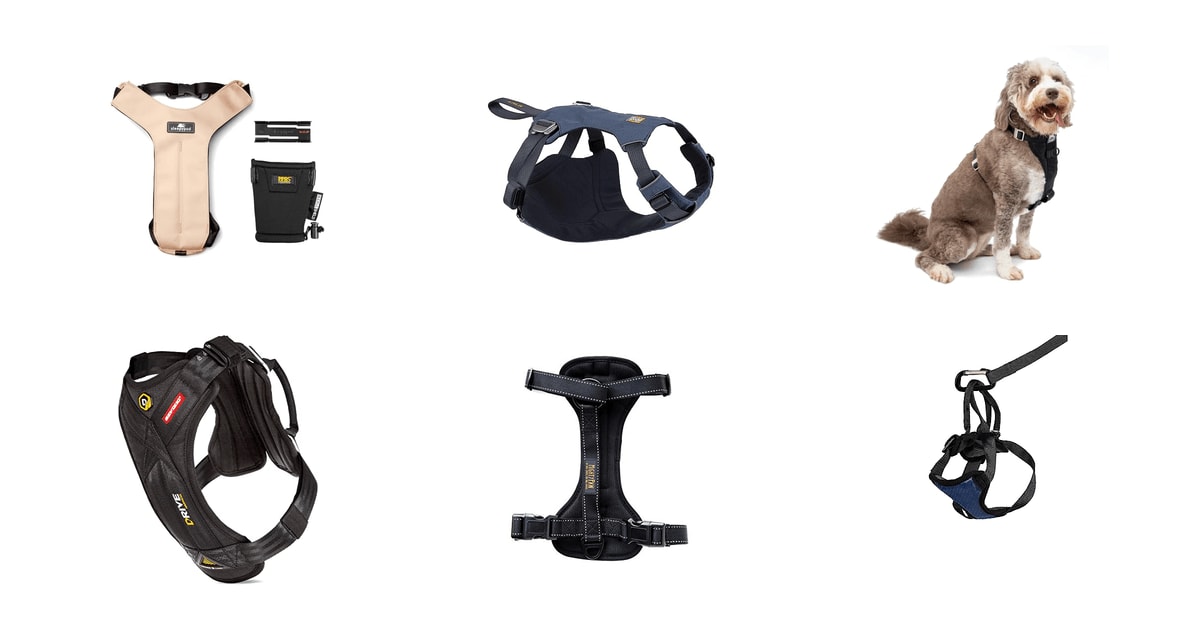
Most of us drive with our dogs loose. An AAA survey found that 84% of dog owners bring their dogs along, but only 16% use any restraint at all. That's a problem of physics as much as pet care: AAA and the Center for Pet Safety put the force of a 60-pound dog in a 30 mph crash at roughly 1,800 pounds. That's a small motorcycle hitting the back of your seat. A good car harness keeps your dog out of the footwell on a hard stop, and keeps your eyes on the road instead of the rearview mirror.
Here's the uncomfortable part. There's no federal safety standard for pet restraints in the US, so any brand can print "crash tested" on a box and mean almost nothing by it. The Center for Pet Safety runs the one independent program that carries weight, and when it put a batch of harnesses on a 30 mph sled, most failed — several allowed simulated ejection from the vehicle. Wirecutter's pet gear editors count fewer than five harnesses worldwide that have passed independent testing. Even the ones that pass won't make a serious wreck safe. They improve the odds.
So the shopping question isn't really which harness is nicest. It's whether the one you're looking at has been through independent testing, and whether it actually fits your dog's chest. Deep-chested dogs slip out of things. Barrel-chested dogs bulge out of them. Get the tape measure out before you order, and plan to spend a week letting your dog wear the thing around the house. We think that the Sleepypod Clickit Sport Plus is the best dog car harness for most people, and that the Ruffwear Load Up is the one to buy if your dog is very large, very small, or hard to fit.
Everything we recommend

Fussy to thread, but no harness has more crash data behind it

CPS-certified across the widest weight range, minus a leash ring

Real padding and metal hardware, but no independent crash data

Steel buckles and a lifetime warranty, for the car and the sidewalk
At a glance
| Product | Dog Size | Crash Tested | Price | |
|---|---|---|---|---|
| Clickit Sport Plus - Crash-Tested and SafetyTop pick | XL | Crash-Tested | $126.49 |
| RuffwearRunner-up | Medium | — | $99.99 |
| Kurgo Enhanced Strength Tru-Fit Smart HarnessAlso great | Large | Crash-Tested | $39.95 |
 | EzyDog Drive Dog Car HarnessAlso consider | Small | Crash-Tested | $125 |
| Mighty Paw Dog Car Harness - VehicleBudget pick | Large | — | $25.99 |
 | PetSafe Happy Ride Dog Safety Harness forAlso in lineup | Small | Crash-Tested | $7.99On sale |
 | 2-Pack Dog Car Seat BeltAlso in lineup | — | — | $6.98 |
How we picked
Independent certification. We treated the Center for Pet Safety seal as the highest bar and kept it separate from manufacturer self-testing. CPS's published findings show most submitted harnesses fail a 30 mph sled test, so a claim printed on the box isn't enough.
Load-bearing hardware. Spec sheets told us which buckles and rings are steel and which are plastic. Kurgo rates its steel buckles at 2,250 pounds against under 200 for typical plastic, and that gap decided several close calls.
Fit across body types. We compared published neck and chest ranges rather than weight brackets, then read owner feedback for the shapes that give harnesses trouble: deep chests, barrel chests, long backs and toy breeds.
Comfort on long drives. Padding, lining and enough slack to sit, stand and lie down came from spec sheets and from owner reports on multi-hour trips. A harness your dog fights isn't one you'll keep using.
Everyday usability. We favored harnesses that thread into a standard seatbelt without tools, and gave credit for leash rings that let one piece of gear cover both the walk and the drive.
Top pick
Fussy to thread, but no harness has more crash data behind it
Clickit Sport Plus - Crash-Tested and Safety
The Clickit Sport Plus is one of a handful of harnesses to pass Center for Pet Safety sled testing at 30 mph, and Sleepypod says it also meets the Australian and European restraint standards. Threading the seatbelt takes a minute and sizing runs strange, but nothing else here has this much verification behind it.
$126.49fromAmazonCertification is the whole reason to buy this harness. The Clickit line passed CPS crash-sled testing at 30 mph, and Sleepypod says it also meets Australia's AS/NZS 8600 and Europe's ECE R16. No other harness we looked at carries three sets of standards. When most of the market has never been evaluated by anyone but its own marketing department, that paper trail is worth more than padding or color choices.
The design does something specific. Instead of a single tether, the harness has three points of contact, and your car's own seatbelt runs through webbing across your dog's back. In a hard stop, the load spreads over the chest and shoulders rather than yanking on one clip. That's the difference between a real car harness and a leash with extra steps.
Owners who've been through a wreck with one tend to come back and buy a second, which is about the strongest signal this category offers. On long drives, dogs can still sit, shift and lie down. A recurring tip from owners: use the seatbelt buckle cover every single time, because a dog moving around the seat will eventually step on the release button.
Fit is where this harness asks the most of you. Sleepypod publishes measurements and a fitting video, and you'll want both. Owners regularly report ordering by weight and ending up with something too loose at the neck or too tight across the chest. Measure your dog, follow the chart, and be ready to exchange. Snug is what makes it work.
Flaws but not dealbreakers
Sizing is the recurring complaint, and it isn't a small one. Plenty of owners say the size that matched their measurements didn't fit — too big around the neck, or too tight for a broad-chested dog even at the loosest setting. Some report an easier time ordering direct from Sleepypod, where exchanges are simpler.
Threading the seatbelt through both loops is genuinely fiddly, especially in a back seat with a short belt run. Some owners add heavy-duty carabiners to speed it up. And big dogs, say 65 pounds and up, sometimes twist themselves around while changing position, so you can arrive with a tangled belt and an annoyed dog.
Runner-up
CPS-certified across the widest weight range, minus a leash ring
Ruffwear
The Load Up passed Center for Pet Safety sled testing for dogs from 18 to 130 pounds, the broadest certified range we found. It's padded, it slides onto a seatbelt without fuss, and it fits odd body shapes well — but there's no leash attachment, so it's car duty only.
$99.99fromAmazonIf you've spent an afternoon returning harnesses because your dog's chest is a strange shape, start here. The Load Up's sling-style fit adjusts through metal slide buckles instead of a fixed molded panel, and owners with sighthounds, Ridgebacks and other deep-chested dogs report it stays put where rigid chest plates twist and slide out of position.
The certified weight range is the real headline. CPS certification covers dogs from 18 to 130 pounds, wider than anything else certified. That matters because a harness evaluated only on a mid-size surrogate tells you very little about a 110-pound shepherd. If you own a big dog and you want independent data rather than a marketing line, the list of options is short and this is on it.
Day to day, it's the easiest of our picks to live with. Your seatbelt slides through a loop on the back, so there's no threading through two separate handles, and the buckles are metal where budget harnesses use plastic. The knit mesh lining and dense foam are built for long hauls, and owners on multi-hour drives say their dogs sleep in it without complaint.
Ruffwear also does a better job than most at telling you how to size it. There's a chart and a fitting video, and the reviews that go badly almost always trace back to skipping both. Measure girth right behind the front legs rather than trusting the number on the vet's scale.
Flaws but not dealbreakers
There's no leash ring. That sounds minor until you're at a rest stop swapping harnesses in the rain. If you want one piece of gear for the car and the sidewalk, look at the Kurgo instead.
It's also only as strong as the strap it rides on, and owners of very large, very determined dogs note that the single seatbelt loop does all the work. Some dogs just don't like the enclosed feel of it and won't settle, which is worth knowing before you commit to a long trip.
Budget pick
Real padding and metal hardware, but no independent crash data
Mighty Paw Dog Car Harness - Vehicle
The Mighty Paw is a well-built padded harness with metal hardware, reflective stitching and both front and back leash rings. It restrains your dog and cuts distraction, but it hasn't been through independent crash testing, so treat it as basic restraint rather than proven crash protection.
$25.99fromAmazonBuy this one if the certified harnesses cost more than you want to spend. It's padded through the chest and belly, the hardware is metal instead of plastic, and the reflective stitching helps if you ever end up standing on a shoulder at night. Owners across the size range — German Shepherds, boxers, small dogs — say it holds its shape and doesn't chafe under the front legs.
It works on the sidewalk too. There's a front ring for no-pull walking and a back ring for ordinary walks, so one harness covers the drive and the pit stop. Mighty Paw publishes neck and chest ranges for each size rather than weight brackets, which is the right way to do it. A 40-pound beagle and a 40-pound whippet are not the same dog.
Be clear-eyed about what you're getting. Mighty Paw doesn't claim CPS certification, and no independent sled data exists for it. This is a harness that keeps your dog off the floor and out of your lap, not one with proof it will hold at highway speeds. If that trade bothers you, spend up for a certified harness and don't look back.
Flaws but not dealbreakers
Adjustment is more limited than on our other picks. Owners with dogs that fall between two sizes wish for a couple more points, and the published neck and chest ranges overlap less than the weight guidance suggests. Check both numbers against your tape measure before ordering.
And the safety story is thin by comparison. Sturdy isn't the same as certified. If your dog rides with you every day at highway speed, a certified harness is the more honest purchase.
Also great
Steel buckles and a lifetime warranty, for the car and the sidewalk
Kurgo Enhanced Strength Tru-Fit Smart Harness
The Kurgo Tru-Fit Enhanced Strength uses all-steel nesting buckles rated far above the plastic hardware on budget harnesses, and it doubles as a daily walking harness. Kurgo backs it with a lifetime warranty, which none of our other picks match.
$39.95fromAmazonThe hardware is the argument here. Kurgo rates its steel nesting buckles at 2,250 pounds of tensile strength, against under 200 pounds for typical budget plastic — roughly an elevenfold difference in what the connection tolerates before it lets go. Buckles are exactly where cheap harnesses fail, so paying for steel is the easiest upgrade in this category to justify.
It's also the most versatile pick we have. Five points of adjustment, a padded chest plate, sizes from extra-small through extra-large, and a ten-inch tether with a steel carabiner in the box. Owners use it on chihuahuas and on 90-pound mastiff mixes. If you want one harness that goes on in the morning and handles the walk, the drive and the vet visit, this is the one.
Kurgo describes the harness as crash-test certified, but the independent CPS certifications in our research cover the Sleepypod and the Ruffwear, not this. We'd still take it over an untested harness, because the construction and the published hardware ratings are real. If independent certification is your hard line, though, it doesn't clear the bar.
The lifetime warranty matters more than it sounds. Harnesses get chewed, sat on, rained on and washed. Owners several years in report the buckles and webbing holding up with no visible wear, and if something does give out, Kurgo replaces it.
Flaws but not dealbreakers
Buckling it is fussy, and that's the most common complaint by far. The fastening system takes practice, and doing it in a cold parking lot with a squirming puppy is no fun for the first week. Once the adjustments are dialed in you mostly leave them alone.
Some owners of small, fine-coated dogs report rubbing under the front legs after long wears. If your dog is under about 15 pounds, check the skin around the armpits after the first few drives and loosen the chest straps if you see irritation.
Kurgo backs the Tru-Fit Enhanced Strength with a lifetime warranty.
Who this is for
Buy one of these if your dog rides in your car more than a couple of times a month — the commute, weekend hikes, vet trips, the long haul to see family. It matters most for big dogs, because crash force scales with weight, but a 12-pound terrier hitting a seatback at speed is still a serious injury. If your dog rides once a year, a certified harness may be more than you need, though a basic one still beats nothing.
This guide covers harnesses and tethers that work with your car's existing seatbelt. We're not covering crates, carriers or booster seats, which are a different purchase with different trade-offs, and we're not covering cargo barriers. Whatever you choose, your dog belongs in the back seat. Front passenger airbags deploy at speeds between roughly 100 and 220 mph, and the ASPCA and the AKC both treat the back seat as the only acceptable place for a dog.
How we picked
Certification: the Center for Pet Safety seal sits at the top of the ladder, and a manufacturer's own safety claims sit several rungs below it. Hardware: steel buckles and welded rings beat plastic, and published tensile ratings settled the close calls. Fit: we compared neck and chest ranges instead of weight brackets, then checked owner feedback for deep-chested, barrel-chested and toy breeds. Comfort: padding and enough slack to sit, stand and lie down matter a lot on a six-hour drive. Usability: the harness has to thread into a normal seatbelt without tools, and ideally take a leash so you're not carrying two pieces of gear to every rest stop.
Other dog car harnesses and seat belts worth considering
If you want a molded chest plate that keeps force off the neck: The EzyDog Drive Dog Car Harness ($125) — The EzyDog Drive uses a contoured, padded chest plate and aluminum alloy tri-glides, and EzyDog says it conforms to the US child-restraint standard FMVSS 213 rather than carrying CPS certification. The plate is the appeal — it spreads load across the sternum, and dual D-rings handle the walk in from the parking lot. Owners with normally proportioned dogs are enthusiastic about it. But sighthounds and other deep-chested dogs report the rigid plate simply won't sit right, and there are scattered reports of dogs backing out when the fit is off. A flexible dog can also reach the strap and chew it.
The competition
This is what our research surfaced, not a census of everything for sale. Dog restraints are a crowded, lightly regulated category, and new listings appear constantly. Here's what else we looked at and why it didn't earn a spot.
The PetSafe Happy Ride Dog Safety Harness for ($7.99) — PetSafe's Happy Ride is a padded mesh harness that clips into any seatbelt latch, comes in sizes from extra-small to extra-large, and machine washes — a budget option from a name brand, with metal strap buckles that owners rate well. Its crash-test claim is the manufacturer's own, though, and it isn't among the CPS-certified harnesses in our research. Fit is also shape-dependent: it suits short, compact dogs better than long ones, and owners of dachshund-shaped dogs report real trouble. Reasonable as a distraction reducer for short trips around town. We wouldn't lean on it as crash protection.
The 2-Pack Dog Car Seat Belt ($6.98) — This Frskcssd set is a tether, not a harness — a nylon strap with a zinc alloy swivel clip and an elastic bungee section that either buckles into your seatbelt latch or loops around a headrest. Two come in the box, handy for a two-car household, and owners like that it doubles as a short leash at the curb. But a tether is only as safe as the harness on the other end, and neither the elastic nor the headrest mount is a method any independent program certifies. Owner feedback includes a report of the clip breaking in a highway-speed crash. Use it for short, slow trips with a proper car harness, not as your safety plan.
Sizing, fit and the first few drives
Measure before you order. Run a soft tape around the widest part of the chest, just behind the front legs, and around the neck where a collar sits, then use the brand's chart instead of your dog's weight. Two 40-pound dogs can need different sizes. When it arrives, tighten it until you can slip two fingers under the straps and no further. Then let your dog wear it around the house for a few days before the first drive. A lot of dogs refuse harnesses simply because the first experience was being strapped into a moving car. Hand wash or use a gentle cycle, air dry, and look over the webbing and buckles for fraying every few months.
Questions we get
Are dog car harnesses actually crash tested, and how can I tell?
A few are. The Center for Pet Safety runs the only independent crash-sled program that carries real weight, and when it evaluated a batch of harnesses at 30 mph, most failed — several allowed simulated ejection from the vehicle. Wirecutter's pet gear editors count fewer than five harnesses worldwide that have passed independent testing. Look for the CPS seal specifically, because "crash tested" on packaging usually means the company tested itself.
Can I use my dog's regular walking harness in the car?
No, and never clip a tether to a collar. Preventive Vet's veterinary experts warn that a collar tether can cause cervical spinal fractures and fatal cord injuries even at speeds around 15 mph. Walking harnesses aren't built to spread crash load across the sternum and shoulders, and their stitching and hardware aren't rated for that kind of force. Use a purpose-built car harness.
What should I buy for a large dog like a German Shepherd or a Lab?
The Ruffwear Load Up. Its CPS certification covers dogs from 18 to 130 pounds, the widest certified range we found, so the testing reflects a dog your dog's size rather than a mid-size surrogate. The Kurgo is the other sensible choice for big dogs, mostly on the strength of its steel buckles. Measure chest girth first — large breeds vary far more in shape than in weight.
What about a small dog under 15 pounds?
Sizing precision matters more than anything else, because a loose harness on a small dog is a slip-out risk. Small sizes often sit bulky across the back or rub under the front legs. The Kurgo's five adjustment points make it the easiest of our picks to dial in on a toy breed, though check for chafing after the first few drives. Avoid anything sized by weight alone.
Are crates safer than harnesses for car travel?
It depends entirely on the crate. A crash-rated crate that's properly anchored can protect a dog very well, but an unsecured wire or plastic crate becomes a projectile with your dog inside it. Harnesses are easier for most people to use correctly in an ordinary car, which is why they're the common choice. If you go the crate route, look for the same independent certification you'd demand from a harness.
Is it illegal to drive with an unrestrained dog?
There's no federal vehicle safety standard for pet restraints in the US, so it comes down to your state. The Animal Legal Defense Fund identifies New Jersey among the strictest, where transporting an animal in a way that endangers it can bring fines. Most other states handle it under distracted-driving or animal-cruelty statutes rather than a dedicated pet-restraint law.
Why you should trust us
For this guide:
- We read the Center for Pet Safety's published crash-test findings and compared them against each manufacturer's own safety and certification language.
- We went through spec sheets for hardware ratings, adjustment points and published neck and chest ranges, then checked those against the measurements owners report for real dogs.
- We looked for recurring themes in owner feedback — sizing misses, chafing, buckles that are hard to fasten — rather than isolated complaints.
- We read owner reviews on every listing, weighted toward the critical ones, because that is where the recurring failures show up.
- We have a systematic way of automatically fetching the latest prices, so the numbers on this page stay current.
- This is a research-focused guide, so the team may not own every product listed — though we often do own the top winners, which gives us extra context for the recommendations.
- We don't accept free products, and the retailer commission never changes which product we recommend.
Sources
Center for Pet Safety Harness Certification Program – Full Methodology and Certified Products List, Center for Pet Safety
Best Dog Car Harnesses – Wirecutter, Wirecutter / NYT
Driving with Dogs – AAA Newsroom Study, AAA
Dog Car Safety: How to Travel Safely with Your Dog – AKC, American Kennel Club
Best Dog Car Harnesses: Tested by Vets and Pet Safety Experts – Preventive Vet, Preventive Vet
Travel Safety Tips for Pets – ASPCA, ASPCA
Pets in Vehicles: State Laws and Regulations – Animal Legal Defense Fund, Animal Legal Defense Fund
Ruffwear Load Up Harness – Safety Testing Data, Ruffwear
Sleepypod Clickit Sport – Safety Certifications Page, Sleepypod
Kurgo Enhanced Strength Harness – Product Specifications, Kurgo
Amazon product listings and owner reviews for all 7 products
Manufacturer specification pages for each product
Some passages in this guide may be paraphrased with AI help. Prices are refreshed automatically.
More like this.
Continue exploring pet reviews and recommendations.

The Best No-Pull Dog Harnesses
A dog that pulls turns a walk into a workout. You brace, they lean, and by the third block your shoulder aches and nobody's having fun. A good no-pull…

The Best Dog Harnesses and Leashes
You clip a harness onto your dog more often than you use almost anything else you own for them. That's why the small annoyances matter so much. A strap…

The Best Child Car Seats
A car seat is one of the few things you buy for your kid that has to work perfectly on a day you hope never comes. The rest of the time, it's just awkward…

The Best Heated Car Seat Cushions
A cold car seat in January is its own kind of misery. Your factory seat heaters, if you have them, take a few minutes to do anything useful - and plenty…

The Best Car Seat Covers
Your car's seats take more abuse than any other surface inside it. Muddy paws, juice boxes, gym bags, work boots, sunscreen, coffee - it all lands on the…

The Best Car Seat Organizers
A back seat gets messy fast. Tablets slide under the seat, water bottles roll on every turn, and snack wrappers work their way into places you won't find…