The Best Car Seat Covers
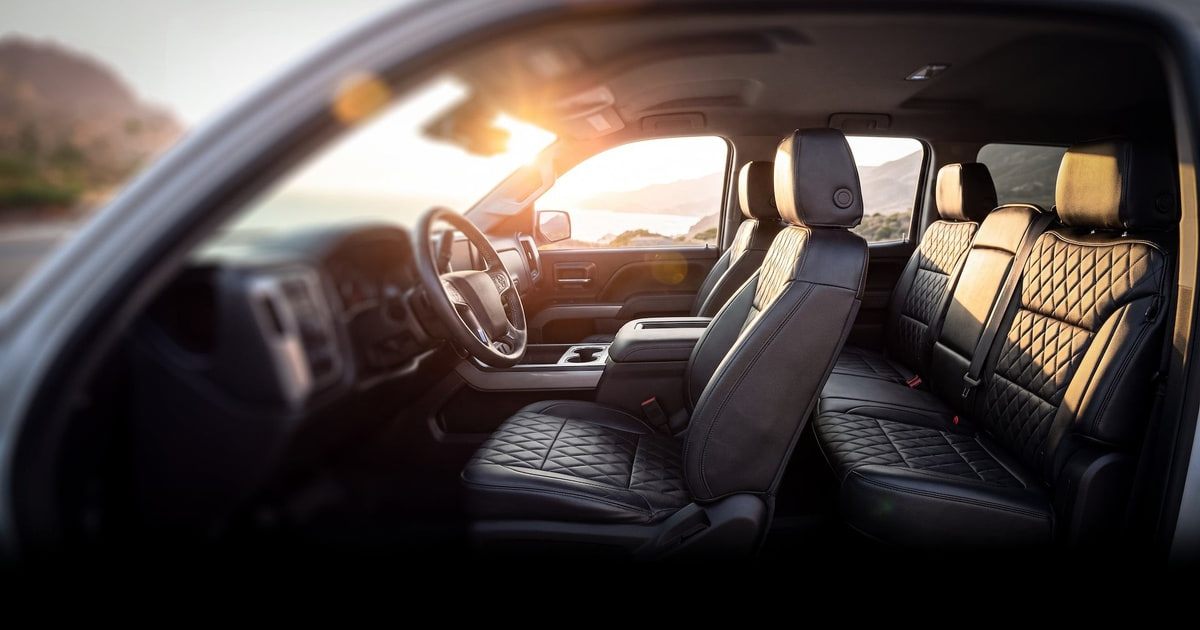
Your seats take a beating. Wet dog, spilled coffee, a toddler's crushed crackers ground into the bolster, a work boot full of gravel. A good seat cover takes that abuse instead of your upholstery, and it comes off and goes in the wash when it gets gross. The catch is that seat covers live in a fussy world: side airbags, heated and ventilated seats, 40/20/40 benches with fold-down consoles. Fit isn't a nice-to-have here. It's the whole thing.
No cover in this category does everything. The ones that fit like factory upholstery are cut for one vehicle and seat layout, so they're useless once you sell the truck. Universal covers go on anything and look like it — baggy at the bolsters, bunched at the seam. Neoprene sheds water but traps heat, so a hot afternoon gets sweaty. Leatherette wipes clean in seconds and gets hot too. And almost every cover muffles a heated seat and blocks a ventilated one outright. Pick your compromise.
Most people shopping here fall into one of a few camps: you've got a dog, you've got kids, you haul tools, or you drive strangers around and want the back seat to survive. We weighed custom-fit covers against universal ones, read through published reviews and spec sheets, and sorted through what owners complain about after a year. We think that the Rough Country Neoprene Seat Covers are the best car seat covers for most people, and that the Covercraft Carhartt Super Dux Cordura SeatSaver is the one to buy if you work out of your truck.
Everything we recommend

A tight fit front and rear, if you'll wrestle it on

Tougher fabric for work trucks, with a plainer, stiffer feel

Fits almost any front seat, and goes on in minutes

A near-factory leather look, cut for one car and one trim

A rear-seat hammock that keeps the dog out of your lap
At a glance
| Product | Fit type | Material | Price | |
|---|---|---|---|---|
| Covercraft Carhartt Super Dux Cordura SeatSaver CustomRunner-up | Custom | 1,000-denier CORDURA | $369.75 |
 | Coverking Custom Fit Neosupreme Front Seat CoversAlso in lineup | Custom-fit | Neosupreme fabric | $209.99 |
| Rough Country Neoprene Seat Covers for ToyotaTop pick | Custom fit | — | $199.95On sale |
 | EKR Car Rogue Seat Covers 2021-2026Also consider | Precision fit | Leatherette | $259 |
| FH Group Waterproof Neoprene Car Seat CoversBudget pick | Universal fit | Neoprene | $29.99 |
| Kurgo Rover Hammock Seat CoverAlso great | Universal fit | — | $69.95On sale |
| Clazzio 2025+ Toyota Camry Hybrid LE LeatherUpgrade pick | — | — | $411.25 |
How we picked
Fit and fitment. We leaned on manufacturer fitment charts and owner reports about specific cabs and trims, because a cover cut for your exact seat layout is the difference between protection and a loose slipcover. Anything that bunched badly across owner feedback dropped out.
Airbag compatibility. Any cover meant for seats with side airbags had to state how deployment works, through a release seam or airbag-rated thread. We treated silence on this as a disqualifier.
Material and cleanup. Spec sheets told us what each cover is made of, and owner feedback told us how it holds up. We wanted water resistance you can live with and a surface that either wipes or washes clean.
Coverage. We checked whether a set handles headrests, seatbacks, split benches and fold-down consoles, and whether the rear row is included. Front-only sets had to earn their place another way.
Install and care. Published reviews and owner reports agree that install time runs long, so we favored systems with straps, buckles and non-slip backing, plus sets you can throw in a washing machine.
Top pickOn sale
A tight fit front and rear, if you'll wrestle it on
Rough Country Neoprene Seat Covers for Toyota
This set covers the front seats, the rear bench and the headrests in water-resistant neoprene over foam padding, and it's cut for one specific truck rather than everything. Owners say it goes on tight — tight enough that you should budget an hour and some patience.
$199.95fromAmazonList priceThis is the cover to get if you want your seats to still look new when you sell the vehicle. Owner feedback keeps landing on the same story: a couple of years of dog hair, lake water and work clothes, and the upholstery underneath came out clean. The cover itself ends up stained and ugly. That's the deal you're making, and it's a good one.
The build is four layers: polyester backing, foam padding, and water-resistant neoprene on top. In practice that means two things. Spills sit on the surface long enough for you to grab a towel, and the padding adds real cushion on a long drive. Rough Country also calls the neoprene breathable, which matters more than you'd think if you're climbing in and out of the cab all day.
Coverage is the other reason this one wins. You get front seats, the rear bench, headrest covers, and console covers where the truck has them — plenty of sets stop at the front row. If your dog rides in back or your kids kick the seatbacks, that rear coverage is the whole point. Just note that the rear piece fits Double Cab trucks only.
Fit is the whole argument for buying a vehicle-specific cover, and this one is cut tight. Owners describe a snug, non-sloppy fit with no bunching across Tacomas from several model generations. Tight also means work: expect to pull, tuck and swear a bit. Some owners add extra straps under the rear bench to get it taut. Budget an evening, not a coffee break.
Flaws but not dealbreakers
Installation is the big one. Plan on half an hour turning into a couple of hours, and be careful around the headrest post openings — owners report tearing there if you force the fabric. The rear cover only fits Double Cab trucks, and it isn't compatible with electric seats, so check your trim before you order.
The fit is the point, which also makes it the limit. This set is cut for one generation of the Tacoma, so it won't transfer to your next vehicle and it does nothing for you if you drive something else. Neoprene runs warm, too — it's wetsuit material — so a black cover in a sunny lot takes a while to cool off.
Rough Country backs this set with a two-year warranty.
Runner-up
Tougher fabric for work trucks, with a plainer, stiffer feel
Covercraft Carhartt Super Dux Cordura SeatSaver Custom
Covercraft cuts these from 1,000-denier CORDURA nylon — the kind of fabric that goes into work bags — and treats them with a water-repellent finish. They're made for the 40/20/40 bench in late-model Silverados and Sierras, including the fold-down console and the seat airbags.
$369.75fromAmazonThink about what actually destroys a work truck's front bench. Tool belts. Buckles. A knee braced on the bolster a hundred times a week while you climb out. That's abrasion, not spills, and 1,000-denier CORDURA is the answer to abrasion — it's the fabric that gets used for duffels and gear bags for exactly that reason. Covercraft triple-stitches the main seams on top of that.
This is the cover that respects a 40/20/40 bench instead of fighting it. The fitment is specific: 1st-row split bench, adjustable headrests, a fold-down console with cupholders, storage under the center seat, the center shoulder belt, and seat airbags. If you've ever put a universal cover on one of these benches, you know how it goes. You lose the console, or you cut a hole in something, or the middle seat stops folding.
The Rain Defender finish repels water rather than sealing it out. For a work truck that's usually the right call — rain off a jacket beads up and wipes away. But this isn't a waterproof membrane you'd trust under a soaking wet dog for an hour. The covers are machine washable, which is the part that matters when the truck doubles as a lunchroom.
Owner feedback is mostly positive but not unanimous, and the complaints cluster around fit on specific cabs and trims — a loose spot here, a strap that won't reach there. Covercraft publishes exact fitment and seat configurations for a reason. Read your truck's setup against that line before you order, not after. Check whether your bench has the console, the under-seat storage and the center belt.
Flaws but not dealbreakers
CORDURA is tough, not plush. It feels like a work bag, because that's what the fabric is — a little stiff, a little rough against bare legs in shorts. If you want your interior to feel softer or more finished, this isn't that cover.
Fitment is narrow. These are cut for specific Silverado and Sierra configurations with the split bench, and a different cab, seat layout or trim can mean a cover that doesn't sit right. A minority of owners report exactly that, so match the fitment line to your truck carefully.
Budget pick
Fits almost any front seat, and goes on in minutes
FH Group Waterproof Neoprene Car Seat Covers
These are semi-universal front covers in waterproof neoprene, with hook-and-loop attachments, straps under the cushion, storage pockets and side stitching built to let a side airbag through. You get two seat covers and two separate headrest covers, and they go on in a few minutes.
$29.99fromAmazonIf you don't know what your next car is, buy universal. Custom covers are cut for one vehicle and become scrap the day you trade it in. These move with you. They're also the practical answer if you need covers tomorrow for a car nobody makes a custom set for — an older sedan, a hand-me-down, a beater you're not precious about.
FH Group designs in a few things most universal covers skip. Hook-and-loop attachments and straps under the cushion pull the fabric down so it doesn't ride up every time you slide in. The covers wrap the seatbacks too, which is the part your kid's shoes hit. And there are storage pockets, which sounds like a throwaway until you drive something with no door bins.
The side stitching is the spec worth knowing. FH Group says the seam is designed to let a side airbag deploy through it, and that the design has been tested for that. It's the single most important box to check on any cover, and plenty of universal sets don't check it. If your car has seat-mounted side airbags, don't buy a cover that stays silent on this.
Just be clear on what you're getting. This is a front-row set with a low-back design, and the separate headrest covers only work if your headrests come out. Rear seats aren't included at all. For a rideshare driver whose passengers sit in back, that's the wrong half of the car, and you'd need a second set to fix it.
Flaws but not dealbreakers
Semi-universal means close, not exact. Owner feedback splits more here than on the custom picks, and the complaints are what you'd expect: a loose bolster, a wrinkle that won't flatten, a strap that doesn't reach on a wide seat. Spend time on the install and you'll get a better result, but you won't get a factory look.
Front seats only, and low-back only. If your headrests don't detach, the headrest covers are useless to you.
Upgrade pick
A near-factory leather look, cut for one car and one trim
Clazzio 2025+ Toyota Camry Hybrid LE Leather
Clazzio cuts these for one exact vehicle and trim — here, a Camry Hybrid LE — with perforated real leather inserts over a soft bio-PVC outer and 15 millimeters of memory foam underneath. The stitching thread is specified for airbag deployment.
$411.25fromAmazonHere's the problem with most seat covers: they look like seat covers. Someone gets in your car and immediately knows the upholstery underneath is being hidden. Clazzio aims at the opposite outcome. The leather inserts are perforated, the panels follow the factory seat lines, and the memory foam keeps the surface from wrinkling into that slipcover look.
The memory foam is the part you'll actually notice. Fifteen millimeters isn't much on paper, but it sits between you and the seat, and it changes how a cover feels under your thighs on a long drive. Most covers make a seat feel harder and slicker than it was. This one is built to feel like a nicer seat, not a protected one.
Airbag safety is handled through the thread rather than a release seam, which is how a lot of premium covers approach it. The perforations matter too. If your car has ventilated or heated seats, solid vinyl chokes the airflow, and perforated leather at least gives it a path. It's not as good as bare factory upholstery. It's the best compromise here.
This is the pick if you plan to keep the car, or if you bought a base trim and want the interior of the trim above it. Real leather needs occasional conditioning, and it's the least forgiving surface in this guide for a muddy dog. If you want protection from chaos, buy neoprene. If you want your car to look better, buy this.
Flaws but not dealbreakers
The fitment is the narrowest in this guide — one model, one trim, one seat layout. There's no flexibility at all. Check your trim badge twice, because a Camry LE and a Camry XLE don't take the same cover.
Installation is the other barrier. Covers at this level are usually a multi-hour job that involves working under or around the seats, and plenty of owners pay a shop to handle it. Factor that in before you decide this is the simpler route to a leather interior.
Also greatOn sale
A rear-seat hammock that keeps the dog out of your lap
Kurgo Rover Hammock Seat Cover
This is a hammock, not a conventional cover: it hangs between the front seatbacks and the rear bench so your dog can't climb forward and can't slide into the footwell. It's water-resistant, stain-resistant and machine washable, and it fits most vehicles with a rear bench about 55 inches wide.
$69.95fromAmazonList priceA hammock solves a problem that flat seat covers don't. A dog on a slick covered bench slides on every turn and lands in the footwell on hard stops. The Rover's floor drops down between the seats, so the dog sits in a shallow basin instead of on a ledge. Six attachment points hold it in place, which is why it doesn't creep forward on a long drive.
It's also a barrier. If your dog's habit is to appear in your lap at a red light, the hammock blocks the gap between the front seats and the back. That's a safety thing as much as an annoyance thing. Anxious dogs often settle better in the enclosed space, too, since there's less room to pace.
Cleanup is the whole premise. The fabric resists water and stains, it goes in the washing machine, and the seams are heavily stitched so claws don't open them up. You're meant to let this thing get filthy. Hair, mud, lake water, the works — then pull it out and wash it.
Flaws but not dealbreakers
A hammock isn't a seat cover. It protects the rear bench and the backs of your front seats, and nothing else. If you want your driver's seat covered, you need a different product — or both.
It also means no people in back while it's rigged, or at least nobody comfortable. Measure your bench width before you order, because a universal fit has limits, and unusual seatback shapes can leave the straps nowhere good to anchor.
Who this is for
Buy a seat cover if something routinely gets on your seats that you can't fully clean out — dog hair, juice boxes, drywall dust, sand, sweat from a job site. Covers are also worth it if you're protecting resale value on a vehicle you plan to sell, or trying to get a lease deposit back. If your car mostly carries you to work and back and nothing ever spills, you probably don't need them.
This guide covers full seat covers plus one hammock-style rear protector for dogs. It doesn't cover accessories like armrest or steering wheel covers, cargo-area liners, or child car seats. If you have heated or ventilated seats, go in knowing that any cover costs you some of that function, and that perforated materials lose the least. And if your car has seat-mounted side airbags, treat airbag-compatible labeling as a requirement, not a bonus.
How we picked
Fit: we weighted vehicle-specific fitment heavily, because a cover that slides and bunches stops protecting the seat and starts annoying you. Airbags: any cover for a car with seat-mounted side airbags had to say plainly how it handles deployment, whether through a release seam or specified thread. Material: we looked for water resistance you can live with, a surface that wipes or washes clean, and perforation if heated or ventilated seats are in play. Coverage: split benches, fold-down consoles, headrests and seatbacks all had to be accounted for rather than cut around. Install and care: we favored sets that go on with straps and buckles instead of tools, and that survive a washing machine.
Other car seat covers worth considering
If you drive a newer Nissan Rogue and want leatherette: The EKR Car Rogue Seat Covers 2021-2026 ($259) — EKR cuts this full set for the Rogue, front and rear, in wipe-clean faux leather, and it's the easiest surface in this guide for crumbs and muddy paws — a damp cloth and you're done. The company stitches the airbag seams on dedicated machines and says its materials are tested to meet California Proposition 65, which is reassuring if a kid rides in back. There's a two-year warranty, plus straps, zippers, hook-and-loop and a non-slip backing to keep things from sliding. What you give up is breathability: faux leather gets hot and sticky in a way neoprene doesn't. The install also runs long enough that EKR points first-timers to video instructions. And if your Rogue is the plug-in hybrid, this set isn't for you.
The competition
This is what our research surfaced, not a full map of the market. Seat covers are sold vehicle by vehicle, so there are thousands of listings, and most are variations on the same handful of materials and patterns. Here's the one we looked at closely that didn't make the cut.
The Coverking Custom Fit Neosupreme Front Seat Covers ($209.99) — Coverking's Neosupreme set is a custom-cut, water-resistant cover with a cushioned foam layer, zippers and buckles, a non-slip membrane and a one-year limited warranty. On paper it checks the right boxes. The trouble is the fitment on the listing we looked at: 50/50 bucket seats in a Ford E-Series van, with one armrest per seat and a highback backrest. That's a narrow slice of drivers, and it's front-row only. Owner feedback is also the most mixed of the custom sets here. If you drive one of those vans and want a factory-look fit, it's a reasonable buy. For anyone else, the Rough Country and Covercraft sets are better-supported versions of the same idea.
Installation and care
Give yourself more time than the instructions suggest. Covers go on best in a warm car, because warm fabric stretches and cold neoprene fights you. Pull the slack out to the outside edges first, then tuck the flaps deep into the seam between cushion and backrest — that's what keeps wrinkles out. Feed straps and buckles under the seat before you tighten anything, then go around twice snugging them. Be gentle around the headrest post holes; owners report tearing there from forcing the fabric. Then leave it alone for a few days, since most covers settle and tighten once they've been sat in. For cleaning, neoprene and nylon sets are machine washable and should air dry. Wipe leatherette and leather instead, and condition real leather now and then.
Questions we get
Are car seat covers worth it?
If something messy rides in your car regularly, yes. A cover takes the hair, the spills and the abrasion so your upholstery doesn't, and it costs a fraction of reupholstering a seat. If your seats stay clean on their own, skip it — a cover always looks a little less nice than the seat underneath.
Do car seat covers interfere with side airbags?
They can, and that's the one thing you have to get right. Seat-mounted side airbags deploy through a seam in the side bolster, so the cover has to be built to open there. Look for a stated airbag-compatible design — a release seam or airbag-rated thread. Treat an unlabeled cover as unsafe on a car that has them.
What are the best car seat covers for dogs?
A hammock-style cover like the Kurgo Rover beats a flat cover, because it keeps the dog from sliding into the footwell and from climbing up front. If you'd rather have a flat cover, neoprene is the pick: water-resistant, washable and tough enough for claws. Whatever you buy, expect to wash it often.
What are the best car seat covers for heated seats?
Thin and perforated. Heat has to travel through the cover, so a thick foam-padded set will feel weaker and slower than bare upholstery. Perforated leather or leatherette, like the Clazzio set, loses the least. Ventilated seats are harder — anything on top restricts airflow, and perforation only partly helps.
Custom-fit or universal car seat covers: which is better?
Custom wins on fit, looks and airbag confidence, because it's cut for your exact seat layout, split bench and console. Universal wins on flexibility and cost, and it moves to your next car. Our rule of thumb: buy custom for a vehicle you're keeping, and universal for one you aren't.
Can you wash car seat covers in the washing machine?
Often, but check first. The neoprene and nylon sets here — Rough Country, Covercraft and FH Group — are machine washable, and so is the Kurgo hammock. Air dry them instead of using a dryer, since heat is what shrinks fabric and warps backing. Leather and leatherette covers get wiped down, never washed.
Why you should trust us
For this guide:
- We read manufacturer fitment charts and spec sheets for every cover here, and compared how each one handles side airbags, heated seats, split benches and fold-down consoles.
- We also tracked recurring themes in published reviews and owner feedback, especially install difficulty, fit on specific trims, and how each material holds up after a season or two of dogs, kids and work gear.
- We read owner reviews on every listing, weighted toward the critical ones, because that is where the recurring failures show up.
- We have a systematic way of automatically fetching the latest prices, so the numbers on this page stay current.
- This is a research-focused guide, so the team may not own every product listed — though we often do own the top winners, which gives us extra context for the recommendations.
- We don't accept free products, and the retailer commission never changes which product we recommend.
Sources
Amazon product listings and owner reviews for all 7 products
Manufacturer specification pages for each product
Some passages in this guide may be paraphrased with AI help. Prices are refreshed automatically.
More like this.
Continue exploring electronics reviews and recommendations.

The Best Child Car Seats
A car seat is one of the few things you buy for your kid that has to work perfectly on a day you hope never comes. The rest of the time, it's just awkward…

The Best Car Seat Organizers
A back seat gets messy fast. Tablets slide under the seat, water bottles roll on every turn, and snack wrappers work their way into places you won't find…

The Best Heated Car Seat Cushions
A cold car seat in January is its own kind of misery. Your factory seat heaters, if you have them, take a few minutes to do anything useful - and plenty…

The Best Car Seat Gap Fillers
The gap between your seat and the center console is where phones go to die. You drop one at a red light, and now you're either driving distracted or…

The Best Dog Car Harnesses and Seat Belts
Most of us drive with our dogs loose. An AAA survey found that 84% of dog owners bring their dogs along, but only 16% use any restraint at all. That's a…

The Best Car Covers for Outdoor Protection
A car that sleeps outside takes a beating you don't really see day to day. Sun bleaches the clear coat, sap drips from whatever tree you parked under, and…