The Best Foam Surfboards for Beginners
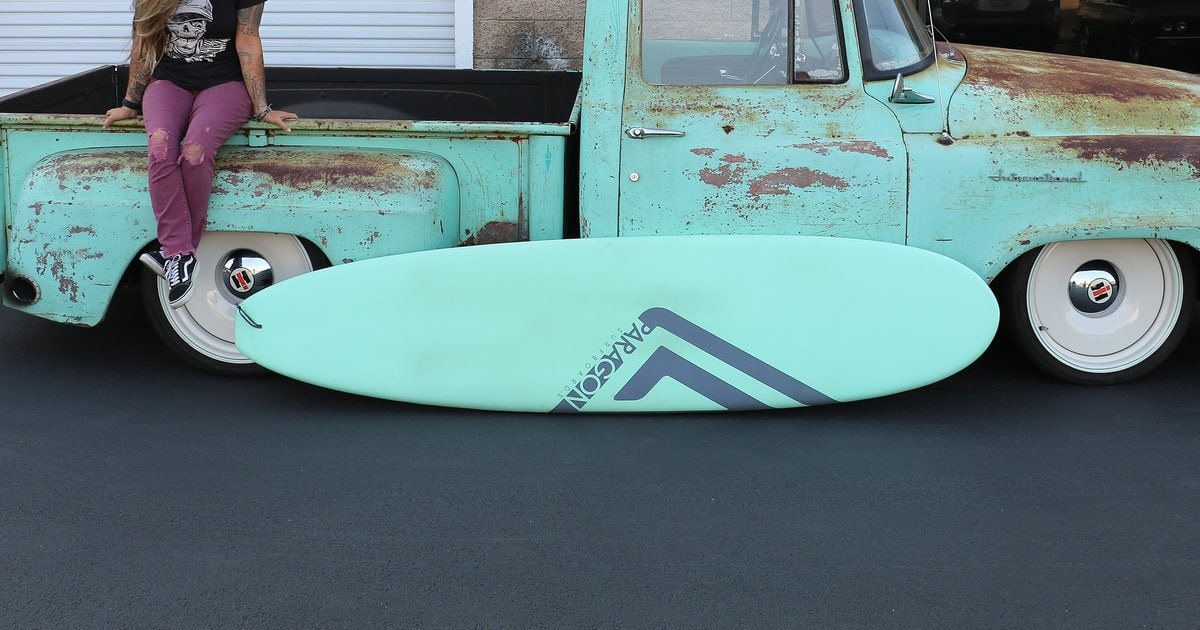
A foam surfboard is the closest thing surfing has to an insurance policy. The deck is soft, the rails are soft, and when the board comes back at you in the whitewater — and it will — you get a bruise instead of stitches. That's why surf schools hand students an 8-foot foamie instead of a fiberglass board. But safety isn't the only reason. A big, wide, thick foam board floats you high, paddles fast, and catches waves you'd miss on anything sleeker.
Here's the honest part: no foam board is a great surfboard. They're heavy to carry down the sand, they're slow to turn, and the deck picks up permanent knee and foot dents after a season of hard use. The bundled leashes and fins are usually the first things you'll replace. And every one of these boards is built to a price, so shipping damage and missing hardware turn up more often than they should. You're buying a learning tool, not a board you'll keep forever.
Most of that is fine, because the goal is to get you standing up. Pick the board that matches your weight and your actual skill level, not the one that looks like what the good surfers ride. We think that the Wavestorm Classic Soft Top 8ft is the best foam surfboard for most people, and that the Paragon Surfboards 8'0" is the one to buy if you're a heavier adult or you plan to surf hard across several seasons.
Everything we recommend
Stable, complete, and forgiving — the one to learn on

Built for heavier riders and hard, repeat use
A shorter, twin-fin board for when you're ready to turn
At a glance
| Product | Length | Volume (L) | Price | |
|---|---|---|---|---|
| THURSO SURF Lancer 5'10'' Soft Top FoamAlso great | 5'10" | — | $219 |
| WAVESTORM Classic Soft Top Foam 8ft SurfboardTop pick | 8'0" | 86 liters | $299.99 |
 | Wavestorm -Foam 5'6" Surfboard/Fish Swallow Tail SurfboardAlso consider | 5'6" | 42L | $229.99 |
| Paragon Surfboards 8'0" Soft Top Foam SurfboardRunner-up | 8'0" | — | $599 |
 | Lib Tech 8" Longboard Fin 2027 -Also in lineup | — | — | $74.99 |
How we picked
Volume and float. We compared listed dimensions and liter figures against the volume ranges published surf guides recommend for adult learners. Anything that couldn't float a typical adult high enough to catch waves was out as a first board.
Deck and bottom skin. We looked for crosslink or IXPE decks rather than bare EPS, since published reviews tie denser deck skins to fewer permanent pressure dents. A hard polyethylene bottom mattered too, because reviewers link it to real speed down the line.
Stiffness underfoot. Stringer count is the clearest signal of whether a foam board will flex during a pop-up. We favored multi-stringer construction and read owner feedback for reports of flutter or snapped boards.
What's included. A board that ships with fins, a leash and grip gets you in the water on day one. We checked listings for what's actually in the box, then checked owner feedback for how often it arrives complete.
Holding up over time. We weighted owner reports of pressure dings, delamination and shipping damage heavily, since those are the failure modes that end a foam board's life. Construction that adds an epoxy layer scored higher for repeat use.
Top pick
Stable, complete, and forgiving — the one to learn on
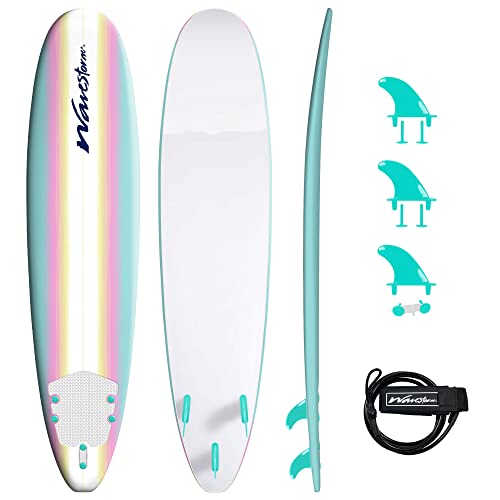
WAVESTORM Classic Soft Top Foam 8ft Surfboard
The Wavestorm 8ft is the default beginner board for good reason. It's long, wide and buoyant enough that you'll catch waves on your first morning, and it arrives with fins, a leash and a traction pad, so there's nothing else to buy before you paddle out.
$299.99fromAmazonIt floats you high enough to actually catch waves. The board is 8 feet long, 22.5 inches wide and 3.25 inches thick, and the listing puts it at 86 liters of volume. That's above the 60 to 80 liters published surf guides suggest for a typical adult learner. Volume does the hard work for you. You paddle faster, you sit steadier, and the wave pushes you along even when your timing is a beat late.
The hard bottom is why you keep moving. The deck is soft foam, but the underside is high-density polyethylene — smooth, stiff and fast. Published reviews of soft-tops consistently rate slick-bottom boards as quicker down the line than boards with a textured foam underside. That matters more than it sounds. More speed means more rides that reach the beach, and more complete rides is how you get better.
Three stringers keep it from flexing under your feet. Cheap foam boards bend when you push up, and that wobble is what dumps you before you're standing. The Wavestorm runs a three-stringer EPS core, so the board stays stiff during a pop-up. Owners describe it as sturdy and stable, and several mention it holding up to years of being handed around to whoever in the family wants a go.
Everything you need is in the box. You get removable bolt-through fins, an ankle leash and a traction pad, so you can drive to the beach the day it shows up. That's not a small thing when you're not yet sure surfing will stick. Owners also like that it's easy to carry and easy to lend out, which is how a lot of these boards end up as the family's spare.
Flaws but not dealbreakers
It's a heavy thing to carry. The listing weight is about 11.5 pounds, and wet foam and a soaked leash add to that. A long walk across hot sand with it under your arm gets old, especially on a second or third session in a day. Lighter foam boards exist, but they give up volume to get there.
The bundled leash is the weak link. Owners report the stock leash snapping after a handful of sessions. It's easy to re-tie or replace, and a decent leash is cheap next to the board, but plan on it. Losing a board in the shorebreak is how other people get hurt.
Some boards show up already marked. A few owners describe pressure dings on the bottom and torn board socks straight out of the packaging. The board still surfs fine, but check yours over on arrival rather than the morning you want to use it.
Runner-up
Built for heavier riders and hard, repeat use
Paragon Surfboards 8'0" Soft Top Foam Surfboard
The Paragon 8'0" is the one to get if you're a bigger adult or you know you'll surf a lot. It's rated to carry riders up to 250 pounds, and the foam sits over an epoxy fiberglass shell that shrugs off the compression damage that ends most soft-tops.
$599fromAmazonIt's rated for riders other foam boards aren't. Paragon lists a 250-pound capacity, the highest here. If you're over about 180 pounds, that headroom is the difference between paddling into waves and watching them roll past. Published guides push heavier adult beginners toward more volume, not less, and an 8-foot board at 22 inches wide and 3.25 inches thick gives you a lot of platform to work with.
The epoxy layer is the real upgrade. Most soft-tops are foam all the way down, which is why the deck slowly turns into a record of every knee you've planted on it. Paragon bonds the foam to an epoxy fiberglass core instead. Owners describe it as a notch above a typical foamy in build quality, and it's the board here most likely to still feel solid in its third season.
It handles the boring parts well. No wax needed — the deck grips as-is, so you're not scraping and re-waxing every few weeks. It's light for its size, fits in a car without much fuss, and the fin box takes standard fins, so you can size up later. Owners consistently say it paddles well and picks up waves easily.
It works as a family board. Paragon pitches it for adults and kids alike, and that's a fair claim for a stable 8-footer. A board that a 200-pound adult can learn on in the morning and a ten-year-old can ride in the afternoon earns its keep. You're buying one board instead of two.
Flaws but not dealbreakers
The stock fin isn't the fin you'll keep. Owners report the included fin coming up short in waves with any real push, and swapping to something larger. That's a normal, minor upgrade — but check what your fin box takes before you order a replacement, because owners note it isn't the FCS system some people expect.
The return policy is narrow. The listing says refunds cover boards that arrive damaged, and not accidental orders, changes of heart or boards that have been used. A restocking fee may apply. So measure your car and be sure about the size before you click buy.
Owner feedback is thinner and more mixed here. Fewer people have weighed in than on the Wavestorm, and the reports aren't as uniformly positive — a few describe it as heavier than expected or fussier to get into waves than a traditional longboard. That's worth knowing if you want the safest possible bet.
Also great
A shorter, twin-fin board for when you're ready to turn
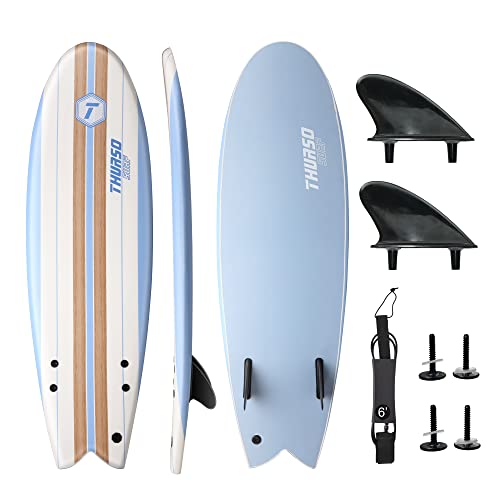
THURSO SURF Lancer 5'10'' Soft Top Foam
The Thurso Surf Lancer 5'10" Fish is for your second board, not your first. It's built like the good soft-tops — EPS core, wood stringers, hard slick bottom — but in a short fish outline that turns off the tail instead of just going straight.
$219fromAmazonIt turns in a way an 8-footer never will. The Lancer is a fish: wide, flat outline, twin fins, 5 feet 10. That shape is built to generate speed in small, gutless waves and change direction quickly. Once you can already catch and ride waves, that's the skill you want to practice, and a long foam board actively fights you on it.
Two wood stringers stiffen it up. Single-stringer foam boards flutter underfoot when the wave has any punch, which robs you of drive through a turn. Thurso runs two, and the board feels more connected as a result. The construction is otherwise the good stuff: EPS core, IXPE deck, heat-laminated HDPE slick bottom — the same fast underside as our top pick.
It floats better than the numbers suggest. One owner at 6-foot-2 and 225 pounds expected to sink it and reports the opposite, riding it from ankle-high shorebreak up to head high. Others use it as a river-wave board. That's a wider range of conditions than most short foamies handle, though none of it makes it a first-timer's board.
It's easy to live with. At about 6 pounds it's light to carry and short enough to fit in most cars without a rack. Twin fins and a double-swivel leash come included. Owners also single out Thurso's customer service, which is a fair thing to weigh when hardware goes missing or a screw backs out.
Flaws but not dealbreakers
It's the wrong board for a first session. At 5'10" it carries far less volume than the 8-footers, and one owner puts it plainly: cute board, but not a beginner board. If you can't yet pop up reliably, you'll spend the session paddling and getting nowhere. Learn on an 8-foot board first.
Hardware sometimes doesn't arrive. Owners report boards showing up with no fins or leash, and at least one with a scratch. The board ships in plastic film rather than a box, which likely explains some of it. Open it the day it lands so you have time to sort out a replacement.
Long-term durability is an open question. Several owners like the board but doubt how it'll hold up over years of hard use, and a twin-fin fish is less forgiving than a thruster when the surf is choppy and disorganized.
Who this is for
This guide is for adults and kids who haven't surfed before, or who've had a few lessons and want their own board. If you're in that group, buy long. An 8-foot foam board with plenty of volume will get you standing up faster than anything shorter, and the soft deck means a bad wipeout costs you a bruise rather than a trip to urgent care. It's also the right call if you're the one teaching someone else — a stable foamie is the board you can hand to a nervous friend.
It's not for surfers who already ride a fiberglass board well, or for anyone shopping for performance shortboards, inflatable paddleboards or bodyboards. We're only covering soft-top boards you can learn on, plus one shorter option for people transitioning down. And if you're a complete first-timer eyeing a 5-foot board because it looks right, skip it. You'll catch almost nothing, get frustrated, and end up buying a longer board anyway.
How we picked
We judged these boards on five things. Volume and float: enough liters to push a typical adult into waves, checked against listed dimensions and published guidance on beginner volume. Deck and bottom skin: crosslink or IXPE decks over bare EPS, and a hard polyethylene underside, which reviewers tie to genuine speed. Stiffness underfoot: multi-stringer construction, so the board doesn't bend while you're pushing up. What's included: fins, a leash and grip in the box, so you don't need a second order. Holding up over time: owner reports of pressure dings, delamination and damage in transit, weighted heavily because those are what actually kill a foam board.
Other foam surfboards for beginners worth considering
If you want a small board for a kid or a light, progressing surfer: The Wavestorm -Foam 5'6" Surfboard/Fish Swallow Tail Surfboard ($229.99) — The Wavestorm 5'6" Fish Swallow Tail is the shortest board here, and it's aimed squarely at children and small, already-competent riders. It's about 4.8 pounds, so an eight-year-old can carry it down the beach unassisted, and the triple marine-ply stringers make it far less snappable than a plain foamie — one owner rode it behind a boat and it survived. A tri-fin set and a swivel leash come installed. What it gives up is float. At 42 liters, it won't carry an adult into anything but the smallest waves, and a heavier owner reports the deck denting easily under his weight. Get it for a kid, or as a fun small-wave board once you already surf. Don't get it as your first board.
The competition
This is what our research turned up in the foam soft-top category, not a survey of every board on the market. Plenty of well-regarded foamies from surf-shop brands never show up in a general search, and shapes come and go without notice. Everything in the lineup we looked at either earned a spot above or is a shorter, more specialized board that we'd steer a true beginner away from. If a board you're considering isn't here, check its volume in liters and its deck material first — those two numbers tell you most of what you need to know.
Care and storage
Foam boards die from heat and sun, not from waves. Rinse yours with fresh water after every session, salt or not, then let it dry before it goes in a bag — a damp board sock is how delamination starts. Never leave it in a hot car or trunk. The air inside gets hot enough to soften the glue between the deck skin and the core, and once the skin lifts, the board is on borrowed time. Store it flat or on its rails in shade, not leaning against a sunny wall. Check your fin screws every few sessions, since owners regularly report one backing out mid-session. Minor pressure dents are cosmetic and normal. Bubbling or a deck that feels loose over the foam is not.
Questions we get
What size foam surfboard should an adult beginner get?
Go with 8 to 9 feet and at least 60 to 80 liters of volume. The length gives you paddling momentum, and the volume keeps you floating high enough to catch waves without perfect technique. If you're over 200 pounds or over 40, published guides push that figure toward 100 liters. Resist starting shorter — it makes learning dramatically slower.
Should I learn on foam or a hard board?
Foam, without much debate. A soft deck and soft rails absorb the impact when the board hits you, which it will while you're still learning where it is. Every surf school starts students on foam for exactly that reason. Fiberglass is faster and more responsive, but those advantages only matter once you can already catch waves and pop up consistently.
How long should I stay on a foam board?
Plan on a full season, roughly 20 to 40 sessions. The signs you're ready to move on are concrete: you paddle into most waves unassisted, you pop up without thinking about it, and you can ride to the beach with control over your direction. Switching early is the most common beginner mistake and it slows everything down.
Can a 200-pound adult learn on a foam board?
Yes, but check the numbers. Target at least 80 to 100 liters of volume and a weight rating that clearly covers you. The Paragon 8'0" is rated to 250 pounds and is the safest pick here for larger riders. Our top pick's 86 liters works well for adults up to roughly 180 pounds in small, gentle surf.
Do these boards come with fins and a leash?
Mostly, yes. The Wavestorm 8ft includes bolt-through fins, an ankle leash and a traction pad. The Thurso Lancer includes twin fins and a double-swivel leash, and the Wavestorm 5'6" ships with a tri-fin set and leash. The Paragon includes a fin. That said, owners occasionally report hardware missing on arrival, so open the box early.
Is a 5-foot or 6-foot foam board okay for a first-timer?
No. Short foam boards carry a fraction of the volume, which means you'll catch far fewer waves and need body control you haven't built yet. Both short boards in this guide are made for people who already surf. Start on an 8-footer, get the fundamentals down, then size down when you're actually ready.
Why you should trust us
For this guide:
- We read published soft-top reviews and beginner buying guides, then compared them against each board's listed dimensions, volume, deck material and weight rating.
- We grouped owner feedback by theme — pressure dings, broken leashes, missing fins, how well each board floats heavier riders — and let recurring complaints shape the flaws sections.
- We did not surf, install or handle any of these boards.
- We read owner reviews on every listing, weighted toward the critical ones, because that is where the recurring failures show up.
- We have a systematic way of automatically fetching the latest prices, so the numbers on this page stay current.
- This is a research-focused guide, so the team may not own every product listed — though we often do own the top winners, which gives us extra context for the recommendations.
- We don't accept free products, and the retailer commission never changes which product we recommend.
Sources
Amazon product listings and owner reviews for all 5 products
Manufacturer specification pages for each product
Some passages in this guide may be paraphrased with AI help. Prices are refreshed automatically.
More like this.
Continue exploring lifestyle reviews and recommendations.

The Best Memory Foam Pillows for Neck Pain
Wake up with a stiff neck often enough and you start blaming your mattress. Usually it's the pillow. Your neck has a natural curve, and a pillow's job is…

The Best Foam Rollers for Muscle Recovery
Foam rolling is the rare recovery habit that actually fits into a normal week. You don't need a table, a therapist, or an appointment. You need ten…

The Best Memory Foam and Hybrid Mattresses
You spend a third of your life on a mattress, and you notice a bad one within a week. The wrong firmness leaves your lower back sore by morning. A foam…

The Best Snow Foam Cannons
A foam cannon is the simplest insurance you can buy for your paint. It bolts onto a pressure washer, mixes soap into a thick lather, and lays that lather…

The Best Spray Foam Insulation Cans
A can of foam is a small fix for one of the biggest problems in your house. Air leakage accounts for 25 to 40 percent of heating and cooling losses in a…

A Beginner's Guide to POP MART: Everything You Need to Know About Blind Box Toys (2026)
Discover the captivating world of POP MART blind box collectibles. From understanding the thrill of the chase to choosing your first series, this complete guide helps newcomers navigate the exciting hobby of art toy collecting.