The Best Hair Masks for Damaged Hair
Damaged hair announces itself. Your comb snags in the same spot every morning, the ends look pale and frayed, and a blow-dry that used to take ten minutes now takes twenty. Bleach, box color, a relaxer, a flat iron on its highest setting, a season of chlorine — they all do roughly the same thing, chewing through the cuticle and weakening the bonds underneath. A good mask can't undo that overnight. But used weekly, it makes hair stronger, easier to comb, and a lot less fried-looking.
Here's the honest part: no mask fixes split ends. Once a strand splits, the only real fix is scissors, and everything else just smooths the cuticle so the split spreads more slowly. Masks also work on borrowed time. The repair ingredients rinse away over the next few shampoos, so this is upkeep rather than a cure. And protein-heavy formulas can backfire. Use them too often on already-porous hair and it goes stiff and snappy instead of soft.
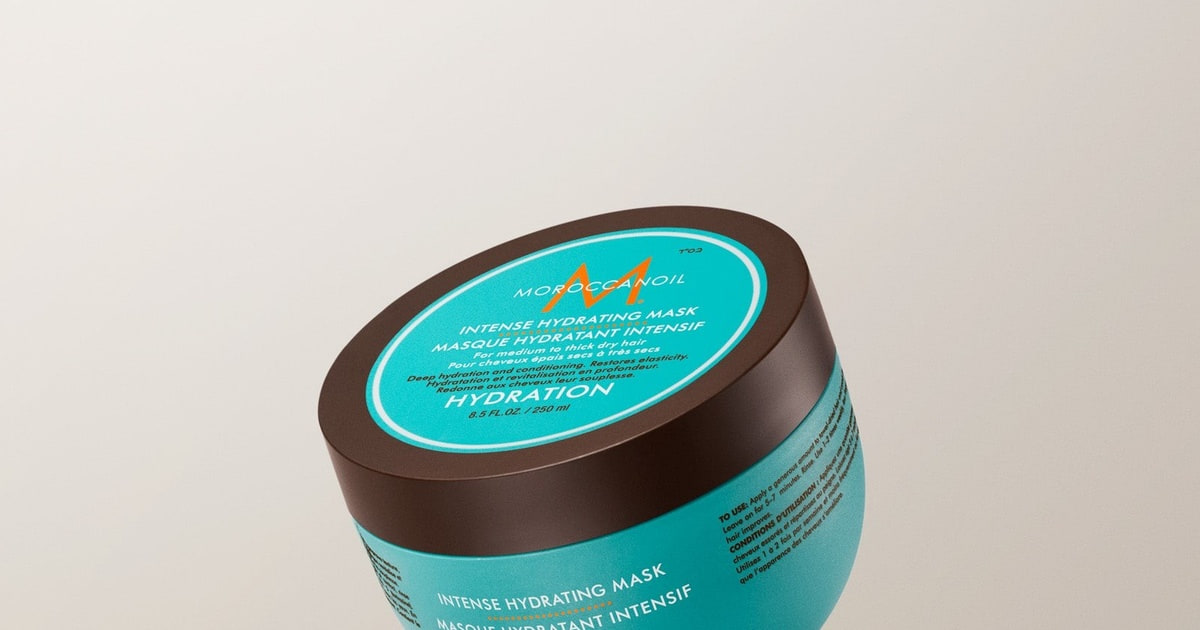
So the goal isn't a miracle. It's a mask that matches your hair's actual problem — moisture, protein, or structural repair — and that you'll use often enough for it to matter. We read ingredient documentation, spec sheets and published reviews, and we weighed what owners say after months of use rather than after one wash. We think that the Briogeo Don't Despair, Repair! Deep Conditioning Mask is the best hair mask for damaged hair for most people, and that the Moroccanoil Intense Hydrating Mask is the one to buy if your hair is thick, coarse, or frizz-prone.
Everything we recommend

A weekly repair mask that suits almost any hair type
Heavier hydration for thick, coarse, frizz-prone hair

Simple weekly upkeep for mild damage, in three minutes

Serious molecular repair for bleach-fried, stretchy hair
At a glance
| Product | Volume | Treatment Time | Price | |
|---|---|---|---|---|
| K18 Leave-In Molecular Repair Hair Mask -Upgrade pick | 0.51 Fl Oz | 4 Minutes | $29 |
| Briogeo Don't DespairTop pick | 8 Fl Oz | 3 Minutes | $39 |
| Moroccanoil Intense Hydrating MaskRunner-up | 8.5 Fl Oz | 5 Minutes | $46 |
 | Redken Extreme Hair MaskAlso consider | 8.5 Fl Oz | — | $38 |
 | Christophe Robin Regenerating Mask with Prickly PearAlso in lineup | 75 ml | — | $25 |
| Aussie 3 Minute Miracle Moist Deep ConditionerBudget pick | 16 Fl Oz (Pack of 3) | 3 Minutes | $19.82On sale |
How we picked
Repair mechanism. We separated peptide and bond repair from protein reconstruction and plain moisture, using ingredient documentation, patent literature and published reviews. A mask had to be clear about which of those jobs it actually does.
Hair type fit. We weighed formula richness against the hair it's aimed at, from fine strands that flatten easily to coarse 4C texture. Owner feedback was the most reliable signal for whether a heavy mask weighs hair down.
Time and format. Processing time decides whether you'll really use a mask. We favored treatments that work in three to five minutes over ones that demand twenty, and we counted leave-in formats as a genuine advantage.
Ingredient sensitivities. Sulfates, silicones, parabens, phthalates and heavy fragrance matter to a lot of readers with itchy scalps or fresh color. We checked label claims and third-party certifications, and we noted which formulas are color-safe.
How far it goes. A mask is only realistic weekly if the jar survives the month. We compared container size and recommended dose against how much a full head of long hair actually takes.
Top pick
A weekly repair mask that suits almost any hair type
Briogeo Don't Despair
Briogeo's mask goes after all three hair bond types in about three minutes, and it skips silicones, sulfates and phthalates. That mix of real repair, a clean formula and a short processing time makes it the one we'd hand to most people with dry, over-processed hair.
$39fromAmazonMost masks ask for twenty minutes you don't have. This one's built around a three-minute window, which is about how long it takes to rinse conditioner out of your ends. Briogeo says hair is up to four times stronger in that time. Short processing matters more than it sounds, because the mask you actually use every week beats the one that sits under the sink half-full.
The formula targets all three bond types — hydrogen, disulfide and ionic — instead of only coating the outside of the strand. Rosehip oil, sweet almond oil and squalane handle the moisture side. That pairing matters if you color or bleach, because chemical processing strips lipids and breaks bonds at the same time. You're rarely dealing with just one of those problems.
It's also one of the few prestige masks whose clean-formula story holds up under a look at the label. It's 95% naturally derived, vegan and Leaping Bunny certified, and it's made without sulfates, silicones, parabens, phthalates or artificial dyes. Briogeo's Don't Despair, Repair! line has also carried USDA Certified Biobased status, which is rare for a product sold on a department-store beauty floor.
The texture is the quiet reason people re-buy. It's a thick cream that spreads without sliding off, so you can pile it onto the mid-lengths and ends where the damage actually lives and keep it away from your roots. Fine hair can use it without going flat, as long as you rinse well. Thick hair can use more. That flexibility is why it works across so many heads of hair.
Flaws but not dealbreakers
The jar doesn't go far if your hair is long and thick. A generous handful per wash empties eight ounces faster than you'd like, and this isn't a drugstore product, so weekly masking on waist-length hair gets expensive in a hurry.
It's also moisture-forward with a lighter touch on protein. If your hair feels mushy and stretchy after bleach — that spongy pull that means the cortex is compromised — you'll want something more protein-heavy in the rotation. And because this listing is newer, there's less long-run owner feedback to lean on than with the older names here.
Runner-up
Heavier hydration for thick, coarse, frizz-prone hair
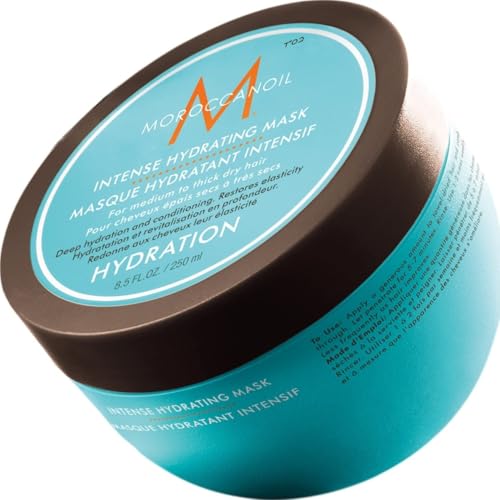
Moroccanoil Intense Hydrating Mask
This five-minute mask is made for medium to thick hair that drinks up moisture and still frizzes by noon. Argan oil and conditioning agents make it rich enough for coarse or curly strands, and a published panel evaluation put it at the top of its group for smoothing.
$46fromAmazonIf your hair is thick and dry, most masks feel like a rumor. You rinse, and five minutes later everything's rough again. Moroccanoil's mask is dense enough to actually register on that kind of hair. It's aimed squarely at medium to thick strands, and the claim is about texture, elasticity and manageability rather than a bit of slip in the shower that vanishes when you towel off.
Frizz control is where it separates itself. In InStyle's multi-tester panel evaluation, it earned the highest frizz-control scores in the group, with a strong majority of participants reporting smoother, more manageable hair after a single use. Owner feedback runs the same direction, especially from people with thick or graying hair and from swimmers dealing with chlorine. If humidity is your daily enemy, start here.
Argan oil brings antioxidants and slip, and the formula sits firmly in the moisture camp rather than the protein camp. That's useful information for planning your rotation. If your hair is dry but not brittle — it bends and doesn't snap — moisture is the thing you're short on, and piling on more protein would only make it stiffer.
The label even suggests mixing a few drops of the brand's hair oil into the mask for deeper conditioning, which tells you who this is designed for: someone already using the rest of the line. You don't have to do that. But it's a good hint about how the mask behaves — as the hydration step in a routine, not a one-shot repair treatment.
Flaws but not dealbreakers
It's rich, and fine hair can end up limp if you apply it past the mid-lengths or get lazy about rinsing. Start with less than you think you need.
The scent is strong and distinctly perfumed. Most people like it, but if fragrance sets off your scalp or gives you a headache, this isn't your mask. It's also a hydrator, not a bond-builder — it won't rebuild structure after a harsh lightening session, it just makes damaged hair look and behave better while the damage is still there.
Budget pickOn sale
Simple weekly upkeep for mild damage, in three minutes
Aussie 3 Minute Miracle Moist Deep Conditioner
Aussie's 3 Minute Miracle Moist is a deep conditioner rather than a clinical repair treatment, and it costs a fraction of what the salon masks here do. For mild heat damage, everyday dryness or stubborn tangles, it does most of what you need.
$19.82fromAmazonList priceThere's a reason this stuff has held its shelf space in drugstores for decades. Avocado and jojoba oils, three minutes, rinse — and hair comes out soft, shiny and easy to comb. Owners with curls, with kids' hair, and with 4C texture all describe the same quality: slip. Plenty of people buy it as a detangler first and think of the conditioning as a bonus.
Volume is the real argument here. You get three sixteen-ounce bottles, so you can be generous — full lengths, twice a week, no rationing a jar you're afraid to finish. That matters more than most spec-sheet differences, because masking only works through repetition. A modest formula you use every week beats an excellent one you save for special occasions.
It's paraben-free and safe for color-treated hair, and the formula leans entirely toward moisture and surface smoothing. Think of it as maintenance rather than repair. If your damage is mild — a stretch of sun exposure, a few months of daily blow-drying, a color that's mostly grown out — this may honestly be all you need between trims.
Flaws but not dealbreakers
It seals the cuticle; it doesn't rebuild anything underneath. Bleached, permed or relaxed hair needs a bond or protein treatment in the rotation, and this isn't one.
The citrus-floral scent is loud and it lingers. That's Aussie's signature, and people either love it or want it gone. Some owners with coarse hair also find it too light to carry a wash on its own, so they use it as a detangling step and follow with something richer.
Upgrade pick
Serious molecular repair for bleach-fried, stretchy hair
K18 Leave-In Molecular Repair Hair Mask -
K18's leave-in mask uses a bioidentical peptide to reconnect broken keratin chains, and it works in four minutes with no rinse. If your hair is bleached to the point of stretching when wet, this is the most serious at-home repair on this list.
$29fromAmazonThis is the one product here doing something genuinely different. K18PEPTIDE is a bioidentical 18-amino-acid peptide that mimics hair's natural alpha-keratin chain and clicks into it to reconnect broken polypeptide chains and disulfide bonds. It needs no heat and no rinse. The brand's clinical material puts the working window at four minutes, and that's the whole routine: shampoo, skip conditioner, towel-dry, apply, style.
The leave-in format is the practical advantage. You're not standing in a cooling shower waiting out a timer, and you're not planning your evening around a mask. A head-to-head comparison published by Cosmopolitan found it ahead on elasticity restoration for bleach-damaged strands specifically — that's the snap-back that disappears after lightening — while the mask it was compared against led on softness and scent.
It also stays out of your way. There's no heavy conditioner feel, no weighed-down roots, no rinse step to get wrong. Fine hair handles it, and so does coily hair, because the peptide works in the innermost layer of the strand instead of coating the cuticle. The brand recommends running it as a course: four to six consecutive washes, then as needed.
Results build, they don't arrive. Most people notice the change around the second or third use, and owner feedback is remarkably consistent on this — the first application underwhelms and the fourth doesn't. If you're expecting one dramatic wash, you'll be disappointed, and you'll have spent a lot to be disappointed.
Flaws but not dealbreakers
The bottle is tiny, and that's the complaint that comes up most often. Half an ounce disappears fast at one to three pumps per wash, and the initial run of consecutive washes burns through it quickly. Per use, this is far and away the most expensive product here.
It's also not a moisturizer. It rebuilds structure and leaves hair strong, but if your hair is simply dry, you'll still want a hydrating mask on other wash days. And because you skip conditioner, the first few washes can feel oddly bare and tangly in the shower before the peptide does its work.
Who this is for
This guide is for hair that's been through something. Bleach, box color, a relaxer, a perm, a keratin service, or a flat iron you reach for most mornings — if your ends snap when you comb them, or your hair stretches like a wet noodle and doesn't spring back, you're the reader we had in mind. It also covers color-treated hair that just needs help holding on between salon visits, and curly or coily hair from 3A to 4C that goes dry and brittle without a weekly deep treatment.
If your hair is healthy and you're chasing shine, you don't need any of this — a good conditioner will do. Masks also can't help with hair loss, scalp conditions or thinning, and nothing here is a substitute for a trim when your ends have gone. We stuck to rinse-out masks and leave-in repair treatments, so shampoos, everyday conditioners, styling creams and scalp products are outside the scope.
How we picked
We started with what the formula is trying to do. Repair mechanism: peptide and bond repair, protein reconstruction, and moisture are three different jobs, and we relied on ingredient documentation and published reviews to tell them apart. Hair type fit: a mask rich enough for coarse curls will flatten fine hair, so we matched formula weight to the hair it targets and used owner feedback as the check. Time and format: three to five minutes beats twenty, because the mask you'll use weekly is the one that works. Ingredient sensitivities: we noted sulfates, silicones, parabens, phthalates, fragrance and color safety, along with certifications the brands can actually back up. How far it goes: we compared jar size against a realistic dose, since a mask that runs out in three washes isn't a weekly habit.
Other hair masks for damaged hair worth considering
If you want a protein-heavy reconstructor: The Redken Extreme Hair Mask ($38) — Redken's Extreme mask is the old-school protein play, built on soy protein, amino acids and arginine, with citric acid to bring the pH back down. Peer-reviewed work in the International Journal of Cosmetic Science has found that hydrolyzed keratin penetrates the cortex and measurably raises tensile strength under repeated chemical processing, and this is the mask on our list aimed at that kind of abuse. The people who rave about it are the ones who've over-processed — color remover, three rounds of bleach, hair that feels swollen and spongy. What it gives up is scent, which several owners find heavy and old-fashioned, and gentleness: use it once a week at most and alternate with a moisture mask, because too much protein on porous hair turns it brittle. Our picks are safer for general use. This one's a targeted fix.
The competition
This is what our research surfaced, not a census of the category. Plenty of well-regarded masks aren't here, and a product landing in this section usually means it lost on something practical rather than something chemical.
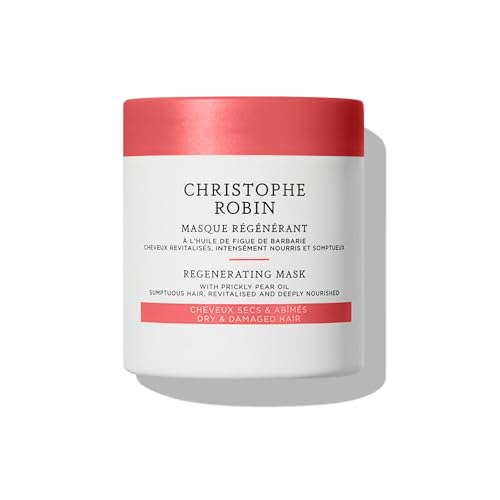
The Christophe Robin Regenerating Mask with Prickly Pear ($25) — Christophe Robin's Regenerating Mask is the luxury option, built around prickly pear seed oil — one of the highest vitamin E plant oils in commercial use, well above argan on a per-gram basis, which makes it a genuinely strong antioxidant against the oxidative damage that bleach and sun leave behind. It's 97% natural-origin, vegan, free of sulfates and silicones, and it protects pigment in color-treated hair, which is why Parisian colorists reach for it on fragile clients. It didn't make the picks for a mundane reason: this is the travel size, and the single loudest theme in owner feedback is shock at how small the jar is on arrival. People who use it sparingly on shoulder-length hair say one jar lasts months and love the shine it leaves. If you want that formula and you read the size before you order, it's a lovely thing to have.
How to use a mask without overdoing it
Shampoo first, then squeeze your hair out — really squeeze. Mask applied to dripping hair mostly runs down the drain. Work it in from the ears down, concentrate on the ends, and skip your roots unless your scalp is dry. Comb it through so it's even. Then leave it for the time on the label and no longer; extra minutes don't add repair, and with protein masks they can leave hair stiff. Rinse until the water runs clear. Once a week is the standard recommendation for damaged hair, since daily masking mostly builds up and flattens. And alternate: a protein or bond treatment one week, a moisture mask the next. That rotation matters most if bleach has left your hair porous, because porous hair soaks up protein fast and tips into brittleness.
Questions we get
How often should you use a hair mask for damaged hair?
Once a week is the usual recommendation for damaged hair. Twice a week is fine if your hair is very dry and you're using a moisture mask rather than a protein one. Daily masking mostly leads to buildup and limp, weighed-down hair. K18 is the exception, since the brand recommends four to six consecutive washes up front and then occasional use.
What's the difference between a hair mask and a regular deep conditioner?
Mostly concentration and intent. A rinse-out conditioner is designed to detangle and smooth after every wash, while a mask carries a heavier dose of oils, proteins or repair actives and is meant for weekly use. The line blurs — Aussie's 3 Minute Miracle is technically a deep conditioner and works fine as a light weekly treatment. What matters more is whether the formula addresses moisture, protein or bond repair.
Can a hair mask actually repair split ends?
No. Trichologist Anabel Kingsley has been direct about this: once a strand has split, the only fix is trimming it off. What a mask can do is coat and smooth the cuticle so the split travels up the shaft more slowly and looks less frizzy in the meantime. Treat a mask as damage control between haircuts, not a replacement for them.
How do I know if my hair needs protein or moisture?
Wet a strand and pull gently. If it stretches a long way and doesn't spring back — that mushy, spongy feel after bleach — you need protein or bond repair. If it feels rough and snaps quickly with almost no stretch, you need moisture. Hair that's been heavily processed usually needs both, alternated week to week rather than layered on at once.
Do you apply a mask before or after shampooing?
After. Shampoo lifts the cuticle and clears away product and oil, which lets the mask get where it's going. Then towel-dry until your hair is damp rather than dripping, because water sitting on the strand dilutes everything you put on top of it. With K18 specifically, skip conditioner entirely — the peptide works on clean, towel-dried hair.
Are these masks safe for color-treated or highlighted hair?
Yes, all of the masks here are formulated with color-treated hair in mind, and Christophe Robin's goes further by claiming to protect and revive pigment. Sulfate-free formulas are the safer bet for fade, which covers Briogeo, Christophe Robin and the SheaMoisture line. If your color is fresh, wait until after your first wash before masking, and rinse cool.
Why you should trust us
For this guide:
- We read the ingredient documentation and patent literature behind the bond and peptide claims, along with peer-reviewed cosmetic science on hydrolyzed keratin and plant oil composition.
- We compared published evaluations from InStyle, Cosmopolitan and Women's Health against each brand's own specifications and label claims.
- We worked through owner feedback for every product here, watching for repeated themes about texture, scent, jar size and how long the results actually last.
- We read owner reviews on every listing, weighted toward the critical ones, because that is where the recurring failures show up.
- We have a systematic way of automatically fetching the latest prices, so the numbers on this page stay current.
- This is a research-focused guide, so the team may not own every product listed — though we often do own the top winners, which gives us extra context for the recommendations.
- We don't accept free products, and the retailer commission never changes which product we recommend.
Sources
Best Hair Masks of 2026 — Allure, Allure
The Best Hair Masks for Every Hair Type — Byrdie, Byrdie
Best Hair Masks Tested by Beauty Lab — Good Housekeeping, Good Housekeeping
Best Hair Masks for Damaged Hair — InStyle, InStyle
Hair Mask for Damaged Hair: What Ingredients Actually Work — Healthline, Healthline
Best Deep Conditioning Hair Masks — Harper's Bazaar, Harper's Bazaar
K18 vs. Olaplex: Which Is Better for Bleached Hair? — Cosmopolitan, Cosmopolitan
Do Hair Masks Actually Repair Split Ends? A Trichologist Explains — Women's Health, Women's Health
Hair Porosity Guide: Which Mask Works for Your Hair Type — Vogue, Vogue
Best Drugstore Hair Masks for Natural Hair — Essence, Essence
The Science of Bond-Building Haircare — Cosmetics & Toiletries, Cosmetics & Toiletries
Amazon product listings and owner reviews for all 6 products
Manufacturer specification pages for each product
Some passages in this guide may be paraphrased with AI help. Prices are refreshed automatically.
More like this.
Continue exploring beauty reviews and recommendations.

The Best Deep Conditioning Hair Masks
Most people don't think about a hair mask until the damage is already obvious. Your ends feel like straw, a comb snags halfway down, and the conditioner…

The Best Face Masks
A face mask is skincare on a schedule you'll actually keep. You put it on, you wait ten or twenty minutes, and you rinse. Nothing else in a routine hands…

The Best LED Face Masks and Red Light Therapy Devices
Red light therapy asks very little of you and gives back slowly. You put on a mask, sit still for a few minutes, and repeat that several times a week for…

The Best Overnight Lip Masks
Lip skin is thin - just a few cell layers, with no oil glands of its own. So it dries out faster than the rest of your face and stays dry longer. A…

The Best Sleep Masks
A sleep mask is one of the simplest ways to fix a bedroom you can't fix. Maybe your curtains leave a bright seam at the edges. Maybe a neighbor's…

The Best Sleep Masks for Total Darkness
A sleep mask is the simplest way to fix a bedroom you can't fix any other way. Streetlights bleed through blinds. A partner's phone lights up at 2 a.m.…