The Best Ice Melt Products
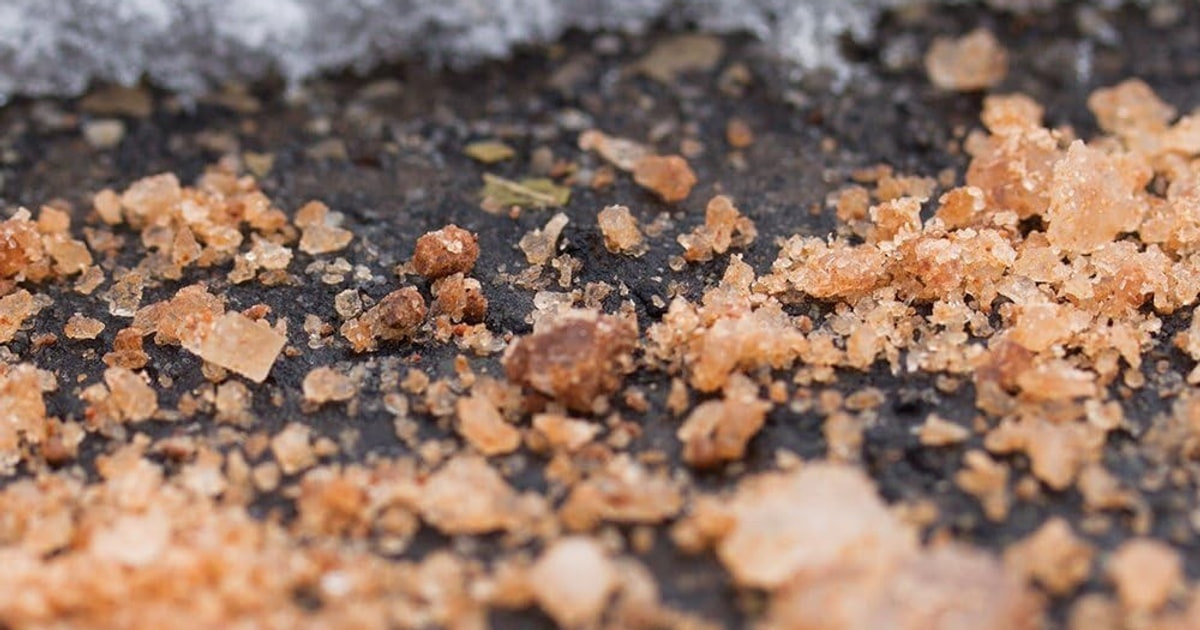
Ice melt is one of those things you don't think about until you're standing on the front steps at six in the morning, coffee in hand, doing the penguin shuffle. The right product turns a glazed walk into wet pavement in an hour or two. The wrong one sits there like aquarium gravel, or works fine and quietly chews up your concrete. What separates them is mostly chemistry: which salt is in the bag, how cold it keeps working, and what it does to everything it touches on the way down.
Here's the honest part. Every ice melt is a trade. The chemicals that cut through ice fastest in deep cold are the same ones that pull moisture into concrete and salt the lawn beside your walk. The chloride-free products are gentler on paws and grass, but they melt more slowly and cost much more per pound. Nothing on the shelf is harmless, either. The EPA notes that chloride-based deicers accumulate in soil and waterways over the long run, and even a pet-friendly formula can upset a dog's stomach if it eats enough.
So buy for your situation, not for the promise on the front of the bag. Think about how cold it actually gets where you live, how old your concrete is, and whether a dog crosses that walk twenty times a day. We think that the Road Runner Ice Melt is the best ice melt for most people, and that the Ice Slicer is the one to buy if you want something easier on your lawn and your driveway.
Everything we recommend

Fast melting in real cold, in a bag big enough for a driveway
Gentler on grass and paws, in a much smaller bag

Bare-bones salt for mild cold snaps and big surfaces
Chloride-free grit for the path your dog actually uses
Prices as of Oct 23, 7:21 AM PT · Details
At a glance
| Product | Lowest temp rated | Active ingredient | Price | |
|---|---|---|---|---|
| Safe Paw Pet-Safe Snow and Ice MeltAlso great | -2°F | Chloride-free | $29.95 |
| Scotwood Industries Road Runner Ice MeltTop pick | — | — | $33.82 |
 | Snow Joe Keep It Green Snow-Melter SaltAlso consider | — | CMA + sodium chloride | $31.97 |
 | RoadRunner Scotwood Industries Ice MeltAlso in lineup | — | — | $449.95 |
| Ice Slicer High Performance Snow Ice MeltRunner-up | — | — | $24.99 |
 | Natural Alternative® Ice Melt Pet Friendly SaferAlso consider | -16°F | — | $35.99 |
 | Morton Snow & Ice MeltAlso consider | 10°F | No salt or chlorides | $28.25 |
| Morton Safe-T-Salt Rock Salt 25.0 LB ForBudget pick | 5°F | Rock salt | $27.95 |
Prices as of Oct 23, 7:21 AM PT · Details
How we picked
Low-temperature range. We compared the melting temperature each maker publishes against independent guidance, including the American Public Works Association's roughly -25°F figure for calcium chloride and The Spruce's 15 to 20°F practical floor for rock salt. A product had to be honest about where it quits.
Concrete and paver safety. We leaned on the American Concrete Institute, which treats magnesium chloride as less corrosive than sodium chloride and flags concrete under a year old as the most vulnerable to spalling. Products that name specific safe surfaces scored better than ones making vague claims.
Pets and kids. We looked for chloride-free formulas, since the ASPCA ties chloride salts to paw irritation and mild stomach upset when licked off. We also read owner feedback from households with dogs to see whether the gentle formulas actually clear ice.
Coverage per bag. Bag weight tells you nothing on its own. We compared stated coverage against the 3 to 4 ounces per square yard that most manufacturers recommend, so you can judge how many applications a bag really gives you.
Runoff and plants. The EPA notes chloride deicers build up in soil and freshwater, and Better Homes & Gardens ties over-application to the dead strip of lawn along treated walks. We favored products with lower application rates and vegetation-friendly formulations.
Top pick
Fast melting in real cold, in a bag big enough for a driveway
Scotwood Industries Road Runner Ice Melt
This 50-pound bag blends calcium, magnesium, potassium and sodium chlorides, so it keeps working when a single-ingredient salt would stall out. It's the one to buy if you've got a driveway, a walk and a set of steps to clear and you'd rather not think about it twice.
$33.82fromAmazonPrices as of Oct 23, 7:21 AM PT · Details
A blend beats a single salt for most driveways. Road Runner mixes calcium, magnesium, potassium and sodium chlorides into one bag, which is the combination guides like This Old House keep landing on. Each piece covers a weakness in the others. Sodium chloride is the cheap workhorse. Calcium chloride does the heavy lifting when it gets genuinely cold. Magnesium chloride is the easier one on concrete and metal. You end up with a generalist instead of a specialist.
Cold is where a cheap bag falls apart. Plain rock salt loses most of its bite somewhere around 15 to 20°F, according to The Spruce, and that's a normal night across a lot of the country. Calcium chloride keeps melting down to roughly -25°F, the lowest working range of the common deicers per the American Public Works Association. Having it in the mix is why this bag still does something on the ugly mornings.
The 50-pound size is the practical part. Most manufacturers suggest about 3 to 4 ounces per square yard for routine ice, so one bag covers a two-car driveway and a front walk several times over. It pours through a broadcast spreader without seizing up, and you can hand-scatter it on steps. If you're clearing a lot instead of a path, this is the size you want.
It isn't gentle. It's just less brutal than straight rock salt. The American Concrete Institute considers magnesium chloride less corrosive to concrete and metal than sodium chloride, and there's a meaningful share of it here. That doesn't make the bag harmless. But on cured concrete, spread at a sane rate and swept up afterward, it's a risk most homeowners can live with.
Flaws but not dealbreakers
This is still a chloride product, and chlorides go somewhere. Runoff along a treated walk is a leading cause of that brown, dead strip of lawn you find once the snow goes, and over-application is almost always the reason. Scatter it thin. Don't dump it.
Skip it on new concrete. The American Concrete Institute warns that concrete less than a year old hasn't cured enough to shrug off salt, and its first winter is when spalling starts. If your driveway is that fresh, reach for a magnesium chloride or CMA product, or just use sand for traction.
And if you have a dog, this isn't what you want on the path it uses. The ASPCA recommends rinsing paws after any salted surface, since chloride salts irritate skin and cause mild stomach upset when licked off. Fifty pounds is also a lot to haul home and find dry space for.
Runner-up
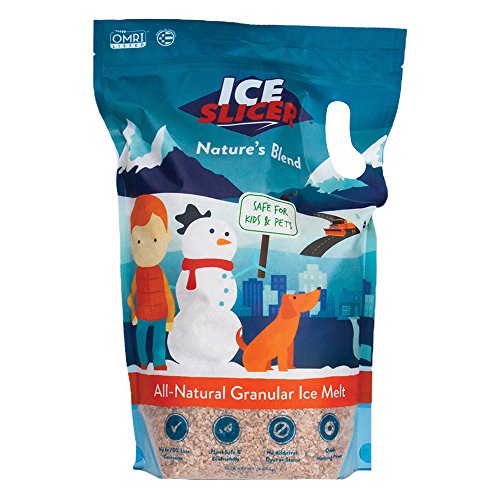
Gentler on grass and paws, in a much smaller bag
Ice Slicer High Performance Snow Ice Melt
Ice Slicer is a mined mineral salt with a reddish cast, sold dye-free, urea-free and polymer-free. Redmond says one bag treats up to 400 square feet, so you spread less of it than the weight would suggest — good for a walk, thin for a long driveway.
$24.99fromAmazonPrices as of Oct 23, 7:21 AM PT · Details
The color is doing actual work. Dark grains soak up sunlight instead of bouncing it back, so on a bright day they sink in and get to the ice underneath faster. It also means you can see where you've spread and where you haven't, which is more useful than it sounds when you're treating a walk in the dark before work.
This is the pick if you care about the grass beside your walk. Redmond harvests the mineral from the same deposit behind its livestock products and says the trace minerals feed soil and plant life when you don't overdo it. That's a friendlier story than a straight chloride blend. It's still a salt, though, so the EPA's point about chloride building up in soil and water applies here too.
Concentration is the other reason to like it. The grains are denser than processed white salt, so the recommended spread is lighter and a small bag stretches further than you'd guess. If your job is a front walk, a set of steps and a short apron of driveway, one bag covers a decent chunk of the season.
It's also the bag to hand someone who wants to skip additives. No dye, no urea, no polymer coating — just the mineral, which Redmond points out is safe enough that it turns up in products made for animals. That matters if you're on a well, you've got garden beds along the path, or somebody in the house reads labels.
Flaws but not dealbreakers
Overdo it and you'll see it. Redmond warns that heavy application leaves a reddish residue on concrete, and it tracks indoors onto light carpet and tile. Sweep the extra off once the ice is gone.
There's no published low-temperature rating on this listing, so if you regularly get nights below zero, keep a calcium chloride product around as backup. The bag is small, too. It's fine for a walkway and cramped for a driveway.
Budget pick
Bare-bones salt for mild cold snaps and big surfaces
Morton Safe-T-Salt Rock Salt 25.0 LB For
This is plain rock salt, nothing else, in a 25-pound bag. Morton rates it down to 5°F, and the coarse grains give you traction underfoot before they melt much of anything — which is half the reason to keep a bag around at all.
$27.95fromAmazonPrices as of Oct 23, 7:21 AM PT · Details
Rock salt is still the right answer in a mild winter. If your cold snaps sit in the 20s and 30s and the ice is thin, sodium chloride handles it without drama. It costs a fraction of what the blended and chloride-free bags do per pound, so you can be generous on a long driveway without doing math. For a lot of the country, that's the entire job.
The traction is underrated. Coarse grains bite into a glazed surface right away, well before the melting starts, which is why Morton suggests keeping a bag in the trunk. You get something to throw under a spinning tire, and the weight itself helps a rear-drive car hold the road.
It's also the easiest bag here to find and to store. Twenty-five pounds is manageable, it runs through any spreader, and it keeps. Family Handyman notes that ice melt stored dry and sealed holds its effectiveness for multiple seasons without turning into a brick, so leftovers aren't wasted.
Flaws but not dealbreakers
The catch is cold. The Spruce puts rock salt's practical floor around 15 to 20°F, well above the 5°F printed on the bag, and below that you're mostly spreading grit. If nights routinely drop below zero where you live, buy something with calcium chloride in it instead.
It's also the hardest on everything it touches. Sodium chloride is the most damaging of the common deicers to concrete, metal and plants, and heavy-handed use along a walk is exactly what kills the grass beside it. Keep it off new concrete entirely, and off any decorative surface you'd hate to see pitted.
Also great
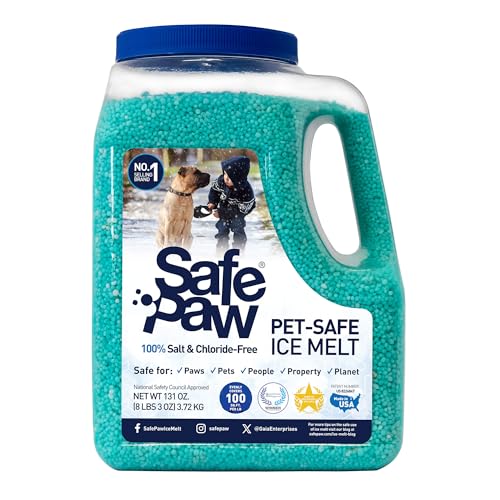
Chloride-free grit for the path your dog actually uses
Safe Paw Pet-Safe Snow and Ice Melt
Safe Paw skips salt and chlorides entirely, so it doesn't sting cracked paw pads the way a chloride blend can. It works down to -2°F, holds off refreeze for up to 72 hours when used as directed, and takes about half the amount of a rock salt application.
$29.95fromAmazonPrices as of Oct 23, 7:21 AM PT · Details
If a dog crosses your walk every day, this is the trade worth making. The ASPCA's advice for salted surfaces is to rinse paws afterward, because chloride salts irritate skin and cause mild stomach upset when a dog licks them off. Safe Paw takes the chloride out of that equation. You still don't want anyone eating it, but you're not scrubbing feet at the back door after every trip outside.
It's also the one for surfaces you baby. The formula is non-corrosive and non-conductive, and the maker lists it as fine on properly cured concrete, asphalt, brick, pavers, metal and wood decks. If your back steps are wood or your patio is stamped and sealed, that list is worth more to you than a few extra degrees of melting range.
Owners consistently report it does its best work as a pre-treatment. Put it down before the snow starts and you get a surface the ice can't bond to, which beats fighting an inch of established glaze later. Spread on top of thick refrozen ice, the feedback gets mixed — it still works, just slower, and you'll go through more of it.
The jug is a small thing that matters. Eight pounds is easy to carry out to the steps one-handed, the granules are visible enough that you can see your coverage, and it stores in a garage corner without a tarp-and-shovel production.
Flaws but not dealbreakers
That -2°F floor is a real limit. On a deep-cold night it stops keeping up, so if you get stretches well below zero you'll want a calcium chloride bag on hand as a backup.
It also costs far more per pound than any chloride product here, and eight pounds doesn't go far on a driveway. Treat it as the product for the walk, the steps and the dog run, with something cheaper for the pavement your car sits on. And pet-safe isn't the same as edible — no ice melt is risk-free if a dog eats a mouthful of it.
Who this is for
This guide is for homeowners and renters clearing a driveway, a walk, a set of steps or a small lot by hand or with a push spreader. If you get real ice a handful of times a season, one bag of a chloride blend and a small jug of something pet-safe covers you. If you live somewhere that stays below zero for weeks, buy for the cold first and accept that you'll be rinsing paws and sweeping residue. And if your concrete was poured within the past year, none of the chloride picks belong on it yet.
We're not covering sand, traction grit, heated mats or liquid brine sprayers, and we're not covering bulk pallets for municipal use. We also can't promise any product here is safe for a pet that eats it. Pet-friendly formulas cut the irritation risk on paws — they don't turn a bag of deicer into something you can leave open in the garage with a curious labrador around.
How we picked
We built the shortlist around five things. Cold: the temperature where each product actually stops melting, checked against APWA and The Spruce rather than the front of the bag. Surfaces: whether the chemistry is one the American Concrete Institute considers lower-risk for concrete and metal, and whether the maker is specific about pavers, wood and new pours. Pets and kids: chloride-free formulas first, since the ASPCA links chloride salts to paw irritation and stomach upset. Coverage: stated square footage weighed against the 3 to 4 ounces per square yard most makers recommend, because that's what determines how long a bag lasts. Runoff: how much you have to spread, since over-application is what salts the lawn and, per the EPA, loads chlorides into soil and waterways.
Other ice melt products worth considering
If you want a pet-friendly melt that works in harder cold: The Natural Alternative® Ice Melt Pet Friendly Safer — Natural Alternative claims a -16°F working range, which is a long way past what most chloride-free products manage, and the maker says it won't harm vegetation or concrete that's had a year to cure. One 9-pound shaker jug covers up to 2,000 square feet, and it's marketed as biodegradable and non-toxic to fish and aquatic life. Owners tend to describe it clearing walks without marking their driveways, though several note they used more than expected on established ice. What you give up is scale — this is a jug for walks and steps, not a bag for a driveway.
If you want to see exactly where you spread it: The Snow Joe Keep It Green Snow-Melter Salt — Snow Joe's Keep It Green pellets are tinted green, so your coverage is obvious on white snow and you're far less likely to dump a pile in one spot. The formula pairs calcium magnesium acetate with sodium chloride and a time-release fertilizer, and CMA is one of the least corrosive deicers to metal and vegetation, per Popular Mechanics. Read the label carefully, though. Despite the family-friendly framing, there's sodium chloride in the bag, so it isn't chloride-free the way Safe Paw is. There's also no published low-temperature rating.
If you want a pet formula from a brand you already have in the kitchen: The Morton Snow & Ice Melt — Morton's Safe-T-Pet is salt- and chloride-free, developed with input from veterinarians, and comes in an 8-pound shaker jug you can open and scatter one-handed. For a porch, a short walk or an apartment stoop, it does the job with no paw-rinsing routine afterward. The limit is temperature: Morton rates it to 10°F, the warmest floor of anything here. If your winters are mild and your goal is keeping the dog's route clear, that's fine. If it gets properly cold, Safe Paw's -2°F rating buys you more nights of usable product.
The competition
This is what our research surfaced, not everything on the market. Ice melt is a crowded, seasonal aisle, and a lot of bags are regional blends that appear and vanish. Here's the remaining product we looked at and where it lands.
The RoadRunner Scotwood Industries Ice Melt — The RoadRunner Scotwood 50-pound bag sold eight at a time is the same blend as our top pick, just 400 pounds of it. That's the wrong quantity for almost any house — you need somewhere genuinely dry to keep it, and ice melt that sits in a damp garage on a concrete floor will clump. But if you manage a small apartment building, a church lot or a strip of rental properties, buying the season in one order is the sensible move, and you're getting the same chloride blend we recommend.
Application and storage
Shovel first, then spread. Ice melt is there to break the bond between ice and pavement, not to do your shoveling, and a thick layer of snow just soaks it up. Aim for about 3 to 4 ounces per square yard for routine ice — that's a light, even scatter, not a solid coating. More heat doesn't come from more product; it just runs off into your grass. Once the ice is gone, sweep the leftover granules off the concrete and away from beds and edges, which is the single easiest way to protect your lawn and your driveway. If a dog walked on it, wipe the paws. Store what's left sealed and dry, and it'll be ready next season instead of a solid block.
Questions we get
What's the best ice melt for pets and dog paws?
A chloride-free formula like Safe Paw is the safest bet, because the ASPCA links chloride salts to paw irritation and mild stomach upset when dogs lick them off. Morton's Safe-T-Pet and Natural Alternative are also salt-free options in easy shaker jugs. None of them is safe to eat in quantity, though. Rinse or wipe paws after walks regardless of what you spread.
What ice melt works below 0°F?
You want calcium chloride, which the American Public Works Association rates as effective down to roughly -25°F — the lowest working range of the common deicing chemicals. A blend that includes it, like our top pick, handles deep-cold nights that plain rock salt sleeps through. Most chloride-free pet formulas top out well above zero, so keep a chloride bag as backup if your winters get severe.
Is rock salt bad for concrete driveways?
It's the hardest on concrete of the common options. Sodium chloride drives freeze-thaw cycling in the surface and is more corrosive to concrete and metal than magnesium chloride, per the American Concrete Institute. On mature, well-sealed concrete, applied lightly and swept up, it's a manageable risk. On new or decorative concrete, use a magnesium chloride or CMA product instead.
Can you use ice melt on new concrete or pavers?
Not the aggressive stuff. The American Concrete Institute flags concrete's first winter as the most vulnerable window for salt-related spalling, since it hasn't fully cured. Wait a year before using chloride products, and in the meantime use sand for traction or a chloride-free melt like Safe Paw, which its maker lists as suitable for pavers, brick and cured concrete.
How much ice melt should I actually spread?
Most manufacturers recommend roughly 3 to 4 ounces per square yard for routine maintenance, and somewhat more for heavy buildup. That's much less than people instinctively throw down. Over-application doesn't melt faster — it just runs off into the grass, which Better Homes & Gardens identifies as the main cause of dead strips along treated walks.
Why you should trust us
For this guide:
- We compared manufacturer spec sheets and label claims for every product here, including stated low-temperature ratings, active ingredients and coverage per bag.
- We read published guidance from the American Concrete Institute, the EPA, the ASPCA and the American Public Works Association on how deicing chemicals behave on concrete, in soil and around animals.
- We reviewed owner feedback for the products that had enough of it to show patterns, and used the recurring complaints to write the flaws sections.
- We read owner reviews on every listing, weighted toward the critical ones, because that is where the recurring failures show up.
- We have a systematic way of automatically fetching the latest prices, so the numbers on this page stay current.
- This is a research-focused guide, so the team may not own every product listed — though we often do own the top winners, which gives us extra context for the recommendations.
- We don't accept free products, and the retailer commission never changes which product we recommend.
Sources
The Best Ice Melt for Your Driveway, Sidewalk, and Steps, Bob Vila
The Best Ice Melt Products for Driveways and Sidewalks, The Spruce
How to Choose the Right Ice Melt for Your Home, Family Handyman
Winter De-Icing: What Works and What Doesn't, This Old House
Is Rock Salt Bad for Concrete? What to Know Before You De-Ice, American Concrete Institute (ACI)
Winter Salt and Pets: What Pet Owners Should Know, ASPCA
Chloride and Winter Road Salt: Environmental Impacts, U.S. Environmental Protection Agency (EPA)
How Deicing Chemicals Work at Different Temperatures, American Public Works Association (APWA)
Best Ice Melts for Every Budget and Climate, Good Housekeeping
The Best Ice Melts to Buy This Winter, Better Homes & Gardens
Deicing Chemicals Explained: Calcium Chloride vs. Sodium Chloride vs. Magnesium Chloride, Popular Mechanics
How Much Ice Melt Do You Actually Need? Application Rate Guide, The Spruce
Amazon product listings and owner reviews for all 8 products
Manufacturer specification pages for each product
Some passages in this guide may be paraphrased with AI help.
Product prices and availability are accurate as of the date/time indicated and are subject to change. Any price and availability information displayed on Amazon.com at the time of purchase will apply to the purchase of this product.
More like this.
Continue exploring home reviews and recommendations.

The Best Snow Melting Mats for Walkways
Shoveling a walkway at six in the morning is nobody's idea of a good time, and the ice that forms afterward is worse. A heated mat sidesteps both…

The Best Countertop Nugget Ice Makers
Nugget ice is the soft, chewy pellet ice you get at a drive-through soda counter, and once you've had it at home, regular cubes feel like a downgrade.…

The Best Winter Car Accessories for Snow and Ice Removal
Winter mornings punish the unprepared. You walk out to a windshield glazed in a quarter inch of ice, and whatever you grab from the trunk decides whether…

The Best Extendable Snow Brushes and Ice Scrapers
Clearing a car after a storm is a small chore that turns miserable fast. The wrong tool means you're leaning across a cold hood, stretching for the middle…

The Best Crampons For Ice Climbing And Mountaineering
Crampons are one of the few pieces of gear where the wrong choice isn't just annoying - it's dangerous. A good pair bites into hard blue ice, stays put on…

The Best Coolers for Ice Retention
A cooler's whole job is to hold a temperature you can't see. You pack it in the driveway, drive four hours, and don't really learn how good it is until…