The Best Wedding Planning Books
Getting engaged is fun for about a week. Then someone asks when the wedding is, and you realize you have no idea how any of this works. A good planning book fixes that. It hands you a sequence — book the venue, then the caterer, then the flowers — so you're not guessing what comes next. It also gives you a place to put things. Every quote, every phone number, every half-formed idea about napkin colors lands in one physical spot instead of scattered across your notes app.
Here's the honest part: no single book does everything. The workbooks that track your vendors won't tell you how to handle a mother-in-law who wants 200 guests when you want 40. The philosophy books that sort out your values won't remind you to order the cake. And almost every book in this category assumes a fairly conventional wedding — a venue, a caterer, a DJ. If you're eloping or throwing a backyard party, you'll skip chapters. Most couples end up using two books, and that's fine.
We looked at seven titles that cover the range, from thick logistics binders to slim guides about what you actually want. Which one fits depends on how far out you are, how tight your budget is, and whether your wedding looks like the ones in magazines. We think that The Knot Ultimate Wedding Planner & Organizer is the best wedding planning book for most people, and that the Budget-Savvy Wedding Planner & Organizer is the one to buy if you have a hard number you can't go over.
Everything we recommend

The most complete planning system, if you start early

Negotiation scripts and hard priorities for a tight number

The book that helps you decide what you actually want

Built for weddings that don't look like the magazines

The deepest reference, if design coherence matters to you
At a glance
| Product | Format | Weight | Price | |
|---|---|---|---|---|
| The Knot Ultimate Wedding Planner & OrganizerTop pick | Binder Edition | 2.81971233098 Pounds | $3.97 |
| A Practical Wedding: Creative Ideas for PlanningAlso great | — | 0.54895103238 pounds | $13.98On sale |
| The Budget-Savvy Wedding Planner & Organizer: ChecklistsBudget pick | Organizer | 1.19931470528 pounds | $6.28 |
| The Wedding Book: The Big Book forUpgrade pick | — | 2.44933573082 Pounds | $20.52On sale |
| Offbeat Bride: Creative Alternatives for Independent BridesAlso great | — | 0.54895103238 Pounds | $15On sale |
 | Martha Stewart's Keepsake Wedding PlannerAlso in lineup | Notebook, Organizer | 3.04899308346 Pounds | $64.78 |
 | The Conscious Bride: Women Unveil Their TrueAlso consider | — | 0.59965735264 Pounds | $30.97 |
How we picked
Format and structure. We separated fill-in workbooks from narrative guides, since they solve different problems and aren't interchangeable. A book had to be clearly good at one or the other, not vaguely both.
Author credibility. We looked at whether the author does this professionally or has built a real community around it. Published reviews and owner feedback both consistently reward books where the expertise is genuine rather than assembled.
Timeline usefulness. We favored books that stay useful whether you're 18 months out or six. Anything front-loaded with early-planning content had to say so clearly enough that a short-engagement couple wouldn't waste money on it.
Who it includes. We checked whether non-traditional and LGBTQ+ couples are treated as the audience or as an appendix. Owner feedback makes this easy to spot — readers say plainly when a book felt written for someone else.
Honest about limits. Books that admit what they don't cover scored better than ones that promise to handle everything. Every title here is missing something, and we'd rather it say so.
Top pick
The most complete planning system, if you start early
The Knot Ultimate Wedding Planner & Organizer
This is the binder edition, so you can pull pages out, add your own, and reorder as plans shift. It runs a week-by-week countdown across more than a year of tasks, with vendor logs, budget worksheets and etiquette answers built in.
$3.97fromAmazonIt tells you what to do next, which is the whole problem. The most common way wedding planning goes sideways isn't a bad decision — it's not knowing what should be happening right now. This book runs a month-by-month countdown covering 12-plus months of tasks in order. You open it, find where you are on the timeline, and do the things on the page. That's it. For a newly engaged couple staring at a blank calendar, it's an enormous relief.
The binder format matters more than it sounds. Spiral and perfect-bound planners lock you into someone else's order. This one doesn't. You can pull the pages you'll never use, slot in vendor contracts and swatches, and reshuffle sections as your plans change. If you decide six months in to skip the florist and do your own arrangements, those pages just come out. It's the closest a paper planner gets to being yours.
Vendor tracking in one place beats fifteen browser tabs. The contact log pages hold every quote, every photographer's email, every caterer's per-head number in one physical binder you bring to meetings. When you're comparing three venues and can't remember which one included chairs, you flip to a page instead of scrolling. Owners who plan across a year consistently say this is the part they use hardest.
The etiquette sections answer the awkward questions. Who pays for what. Whether you have to invite your coworker's spouse. How to word an invitation when parents are divorced. These are the questions couples are too embarrassed to ask a vendor, and they're the ones that cause the most family friction. Having them addressed plainly, in print, saves a lot of arguing.
It's the single best starting point if you're 12 to 18 months out. The book's whole structure assumes a long runway, and that's when it pays off most. Published reviews from wedding media consistently put it at the top for first-time planners for exactly this reason: the sequential format does the thinking for you.
Flaws but not dealbreakers
It assumes a fairly traditional wedding. The framework expects a ceremony venue, a reception venue, a caterer, flowers and music. If you're eloping, hosting a backyard potluck, or doing something that doesn't map onto that shape, you'll find whole sections that don't apply to you. You can pull those pages, but you're still paying for them.
The design is functional, not pretty. This is a working document — clean, readable, and about as charming as a tax form. If you want something you'll keep on a shelf after the wedding, look elsewhere. It's going to end up dog-eared and coffee-stained, which is arguably the point.
It's much less useful late in the game. If you're three or four months out and the venue is already booked, most of the front half is history. You can start at the appropriate countdown section, but you're buying a system and using a third of it.
Budget pick
Negotiation scripts and hard priorities for a tight number
The Budget-Savvy Wedding Planner & Organizer: Checklists
Jessica Bishop built this around one problem: couples blow through their budgets. It gives you scripted conversations for asking vendors to come down on price, plus frameworks for deciding what you're actually willing to spend on.
$6.28fromAmazonThe negotiation scripts are the reason to buy it. Most people have never haggled with a caterer and have no idea it's allowed. This book gives you the actual words — how to ask a photographer about off-season rates, how to request a lower per-head price, how to get a venue to unbundle a package you don't want all of. That's knowledge a professional planner charges real money to hand over in a consultation.
It forces you to rank what matters before you spend. The priority framework is simple and a little brutal: decide what you'll remember in ten years, fund that, and cut the rest. Couples who skip this step spend evenly across every category and end up disappointed in all of them. If you've got a ceiling you genuinely can't cross, this is the exercise that keeps you under it.
The author actually does this for a living. Bishop runs a budget-wedding site and has spent years watching where couples overspend. The worksheets aren't generic — they're built for small budgets, with line items sized for the choices you'll actually be making. That specificity shows up in the details, like which categories are worth substituting and which ones aren't.
It works well alongside our top pick. The Knot planner organizes; this one negotiates. Together they cover both halves of vendor management without much overlap. If you only buy one book and money is the binding constraint, buy this one.
Flaws but not dealbreakers
It's narrower than a full planner. Anything that isn't about money gets lighter treatment — etiquette, timeline depth, guest management. As a standalone system it's thinner than The Knot planner, and that's by design.
The constant cost focus can wear on you. If your budget has some give, spending a year being told to cut, substitute and negotiate is mentally tiring. Some couples find it makes planning feel like an austerity project rather than a celebration.
Also greatOn sale
The book that helps you decide what you actually want
A Practical Wedding: Creative Ideas for Planning
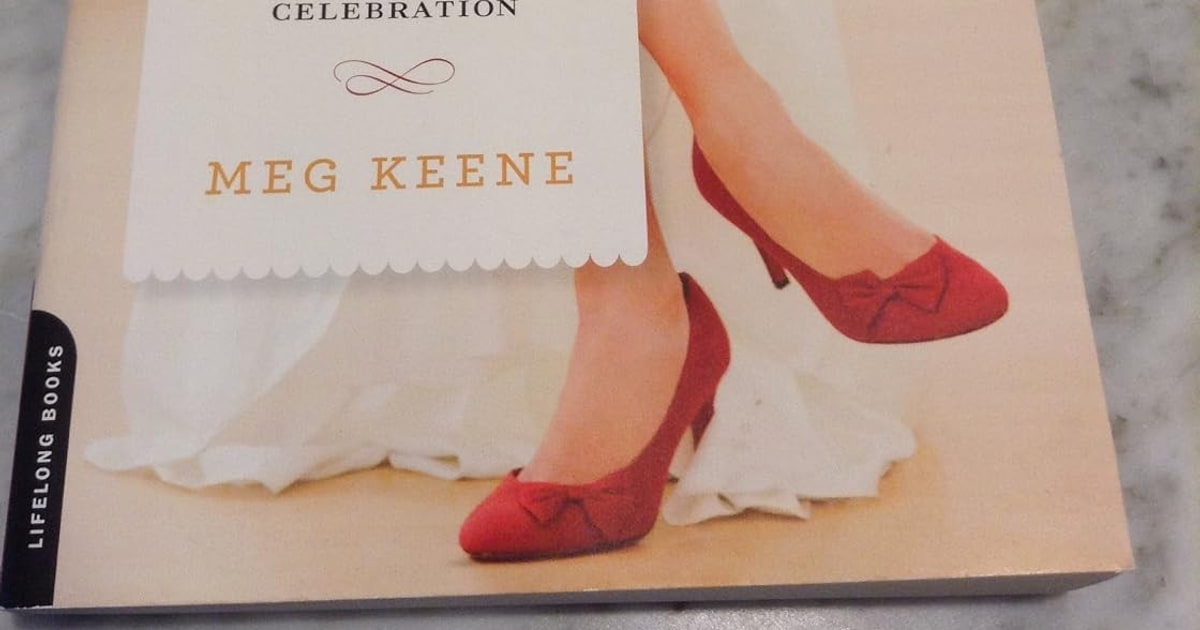
Meg Keene's guide isn't a checklist. It's an argument that the right wedding is the one reflecting what you two want, not what vendors and magazines suggest you should. Readers say the budget-reframing chapters change how they approach every decision.
$13.98fromAmazonList priceIt reframes the money question before you spend any. Most budget advice tells you how to spend less. This one asks why you were planning to spend it in the first place. Readers consistently point to those chapters as the most immediately useful thing they got from any wedding book — not because of tricks, but because deciding what you don't care about is what actually saves money.
It's the antidote if bridal media makes you feel bad. Keene founded a blog for exactly the people who open a wedding magazine and feel a low-grade panic. The tone is warm and conversational, and it consistently takes the pressure down rather than up. If planning has already started to feel like a performance for other people, this helps.
It's short enough that you'll actually finish it. At a little over half a pound and paperback-sized, this is a read-on-the-couch book, not a reference tome. You can get through it in a weekend early in the engagement and have it change how you approach the next year.
It pairs naturally with a workbook. Read this first to figure out what you want. Then use a planner to execute it. Couples who do it in that order tend to make fewer expensive decisions they later regret.
Flaws but not dealbreakers
There's almost no logistics here. No vendor logs, no checklists, no timelines to fill in. If you buy only this book, you'll still be tracking your caterer's quote on the back of an envelope. It's a companion, not a system.
It's light on visual inspiration. There's very little to look at. If you want photos to help you picture a table setting or a color palette, this isn't the book — it's mostly text and argument.
Also greatOn sale
Built for weddings that don't look like the magazines
Offbeat Bride: Creative Alternatives for Independent Brides
Ariel Meadow Stallings wrote this for LGBTQ+ couples, intimate ceremonies and formats mainstream wedding books treat as footnotes. The inclusivity runs through the whole book rather than sitting in one chapter near the back.
$15fromAmazonList priceIt centers non-traditional couples instead of accommodating them. Plenty of wedding books add a page about same-sex ceremonies and call it done. This one is built around couples whose weddings don't follow the standard script, and it reads that way from the first chapter. If you've flipped through a bridal magazine and not once seen anything resembling your plan, this is the book that stops doing that to you.
The coverage of unusual formats is genuinely practical. Venue-free outdoor ceremonies, non-religious rituals, elopements, receptions with no head table and no first dance — these get real guidance, not a paragraph of encouragement. That's rare. Most planning books quietly assume a hotel ballroom and a seating chart.
It's the right pick for a very small wedding. If you're planning something under 20 guests, most books fight you the whole way. This one doesn't assume you need a big venue, full vendor packages or a hundred-person guest list, so the advice actually applies at your scale.
The tone is community, not authority. Stallings writes like someone who's been through it and talked to a lot of people who also have. For couples getting pressure from family about doing things the normal way, that voice is worth something on its own.
Flaws but not dealbreakers
It won't help much with a traditional church wedding. If your plan is a conventional ceremony followed by a catered reception, the specialized advice here mostly doesn't apply. You'd be better served by a general planner.
There are no real tracking tools. No vendor logs, no budget worksheets, no timeline pages. Pair it with a workbook if you need to organize contacts and quotes.
This listing is a used copy. It's described as being in good condition, but expect some wear — a creased spine, maybe marks from a previous owner. If you want a pristine book, that matters.
Upgrade pickOn sale
The deepest reference, if design coherence matters to you
The Wedding Book: The Big Book for
Mindy Weiss plans celebrity weddings, and this book brings that eye to questions other planners skim: how to make every vendor category look like part of one event. It's genuinely big — a thick, heavy, single-volume reference.
$20.52fromAmazonList priceIt's the most thorough single-volume reference in this group. The name isn't marketing. At nearly two and a half pounds, it covers vendor categories, stationery, aesthetics and event flow in more depth than anything else here. If you want one book that answers most questions rather than a system you fill in, this is it.
It's strong on making an event look like one event. Weiss's real expertise is cohesion — how the invitations, the flowers, the lighting and the table settings add up to something that feels deliberate instead of assembled from three Pinterest boards. Most planning books treat these as separate checklist items. This one treats them as a single design problem.
The high-end vendor guidance is useful even at normal budgets. Knowing what a good custom stationer does, or what separates a competent florist from a great one, helps you evaluate people at any level. You don't need a celebrity budget to benefit from knowing what questions to ask.
It's the right choice if you care more about how it looks than about tracking spreadsheets. Couples who already have the logistics handled — or a planner handling them — get more from this than from another checklist book.
Flaws but not dealbreakers
Its assumptions skew aspirational. A lot of the vendor advice presumes a budget most couples don't have. You'll be scaling suggestions down constantly, which is doable but a little deflating.
It's a reference, not a workbook. Few fill-in sections, no real tracking pages. You'll read it, not work through it, so you still need something else for vendor contacts and timelines.
It's heavy and large-format. This isn't going in a tote bag to a venue walkthrough. It lives on your table at home.
Who this is for
This guide is for couples who just got engaged and want something on paper. That's most people in the first month, when the scale of the thing hits and an app full of push notifications makes it worse rather than better. Buy within the first few weeks, ideally 12 to 18 months out, because that's when a timeline-driven book earns its keep. If you're already six months in with the venue booked, you'll still get value — you just start further down the countdown and skip the front chapters.
You can skip all of this if you've hired a full-service planner, since you're paying someone to hold the timeline for you. We're covering books here, not apps, and we'd say use both: apps handle RSVPs and vendor contacts well, but they can't give you negotiation language, a philosophy for saying no to your family, or a quiet page to think on. One more thing worth saying — most couples do best with two books. A workbook to run the logistics, and a guide to sort out what you actually want.
How we picked
We compared these seven titles against the criteria that decide whether a planning book gets used or shelved. Format: we judged workbooks on their checklists, vendor logs and timeline structure, and narrative guides on whether they change how you think — never on both. Author credibility: professional planners bring vendor knowledge, community voices bring perspective, and we weighted whichever the book was selling. Timeline usefulness: a book had to work for a long engagement and still say something to a couple six months out. Inclusivity: we looked for books where non-traditional and LGBTQ+ couples are the audience throughout, not a chapter. Honesty about scope: the titles that name what they don't cover beat the ones claiming to cover everything.
Other wedding planning books worth considering
If the hard part is how you're feeling, not what you're booking: The The Conscious Bride: Women Unveil Their True ($30.97) — Sheryl Paul's book is the only one here about the emotional side of getting married — the anxiety, the odd grief for your single self, the identity shift that shows up somewhere around the third vendor meeting. Every logistics book ignores this entirely, and it's a real gap. Paul comes from a counseling background and normalizes experiences couples often assume mean something is wrong. What it gives up is everything practical: no checklists, no timelines, no vendor tracking of any kind. It reads as psychology, not wedding planning. The framing also speaks mainly to brides rather than to both partners equally, which limits how useful it feels for some couples. Treat it as a companion for a stressful stretch, not as your planning system.
The competition
This is what our research surfaced in a crowded category, not a complete census of every wedding book in print. Wedding publishing turns over constantly, and plenty of titles we didn't look at are perfectly fine. The book below didn't make the picks, but it's the right answer for a specific kind of couple.
The Martha Stewart's Keepsake Wedding Planner ($64.78) — Martha Stewart's Keepsake Wedding Planner is the premium option here, and it's trying to be two things at once: a planning tool and an heirloom you keep next to the wedding album. The Martha Stewart name carries decades of authority on formal entertaining, and the etiquette guidance and seasonal inspiration reflect that. It lost to The Knot planner on plain utility — it costs many times more and does less day-to-day organizing, with fewer working pages for the price. The tone also assumes a formal, classic, fairly expensive celebration, which won't fit if you're counting every dollar. Still worth it for one type of couple: if you're planning a traditional, elegant wedding and you genuinely want the planning materials preserved afterward, nothing else here does that.
How to actually use one
Buy it early — within the first few weeks of the engagement, before you start emailing venues. The timeline sections are built to be read ahead of decisions, not after them. When it arrives, skim the whole thing once so you know what's in there, then go back to the countdown section that matches your date. Keep it in one place, not in a bag that moves around, and bring it to vendor meetings so quotes land on the page instead of in your phone. Write in it. A planner you're afraid to mark up stops being useful about a month in. And if you bought two books, read the philosophy guide first and the workbook second — deciding what you want before you start booking saves the most money and the most arguing.
Questions we get
We just got engaged and have no idea where to start. Which book?
Get The Knot Ultimate Wedding Planner & Organizer in the binder edition. Its week-by-week countdown across 12-plus months tells you what to do and when, and that's the paralysis most newly engaged couples hit. Published reviews from wedding media consistently rank it first for people planning their first wedding.
Are planning books still worth it if I'm already using an app?
Yes, because they do different jobs. Apps are good at RSVPs, vendor contacts and shared to-do lists. Books give you negotiation language, a framework for deciding what you want, and a page that doesn't interrupt you with notifications or ad-driven vendor suggestions. Use both.
What's the difference between a workbook and an inspiration book?
A workbook has fill-in checklists, vendor logs, budget sheets and timelines — it's a system you work through. An inspiration or keepsake book is mostly visual and conceptual, offering direction without pages to fill in. Most couples get more day-to-day use from a workbook and treat the inspiration book as a supplement.
Which book is best for LGBTQ+ couples?
Offbeat Bride. It centers LGBTQ+ couples and non-conventional ceremonies throughout the book rather than in one late chapter, and it's built for formats other planners ignore. Pair it with a workbook if you also need vendor tracking, since it doesn't include those tools.
Do I really need two books?
Not strictly, but most couples benefit. A workbook tells you what to do; a philosophy guide helps you decide what you actually want first. If you buy two, we'd suggest The Knot planner plus either A Practical Wedding or Offbeat Bride, depending on the wedding you're planning.
What about a micro-wedding or elopement under 20 guests?
Offbeat Bride covers intimate and unconventional ceremonies better than anything else here. A Practical Wedding also works well, since its whole argument is about stripping away expectations you didn't choose. Both avoid assuming you need a big venue and a full vendor lineup.
Why you should trust us
For this guide:
- We read published reviews from wedding media alongside the publishers' descriptions of each title's format, length and intended reader.
- We compared what each book covers against what owners say they actually used, paying attention to recurring complaints about missing logistics tools or mismatched budget assumptions.
- We did not plan a wedding with any of these books; every judgment here comes from research, not first-hand use.
- We read owner reviews on every listing, weighted toward the critical ones, because that is where the recurring failures show up.
- We have a systematic way of automatically fetching the latest prices, so the numbers on this page stay current.
- This is a research-focused guide, so the team may not own every product listed — though we often do own the top winners, which gives us extra context for the recommendations.
- We don't accept free products, and the retailer commission never changes which product we recommend.
Sources
Best Wedding Planning Books — Brides Magazine, Brides Magazine
The Knot Real Weddings Study 2025 — Average U.S. Wedding Cost, The Knot
WeddingWire Newlywed Report 2024 — Budget Planning Challenges, WeddingWire
A Practical Wedding — Goodreads Community Reviews, Goodreads
Offbeat Bride — Goodreads Community Reviews and Sales Data, Goodreads
Amazon product listings and owner reviews for all 7 products
Manufacturer specification pages for each product
Some passages in this guide may be paraphrased with AI help. Prices are refreshed automatically.
More like this.
Continue exploring lifestyle reviews and recommendations.

The Best Literary Fiction Books and Discussion Guides for Book Clubs
Picking the book is the hardest job in any book club. You need something that a fast reader and a slow reader can both finish in a month, that gives…

The Best Mindfulness and Meditation Books
Learning to meditate from a book sounds backwards, but it's how most people actually start. You don't need a teacher or a retreat to begin. You need…

The Best Science Books for Curious Readers
A good science book has to do two jobs at once. It has to be accurate, and it has to keep you turning pages on a Tuesday night when you're tired. Most…

The Best Romantasy Books
Romantasy is fantasy where the love story carries as much weight as the magic system, and that balance is exactly what makes buying one tricky. You're not…

The Best Self-Help Books for Mental Health
A mental health book has to work on your worst week, not your best one. That's the real test. You'll pick it up at 11 at night, read four pages, and put…

The Best Book Subscription Box Editions
A subscription box book isn't just a book. It's the copy that shows up on your porch in a cover you can't get at the bookstore. Some of these editions are…