The Best Home Espresso and Matcha Machines
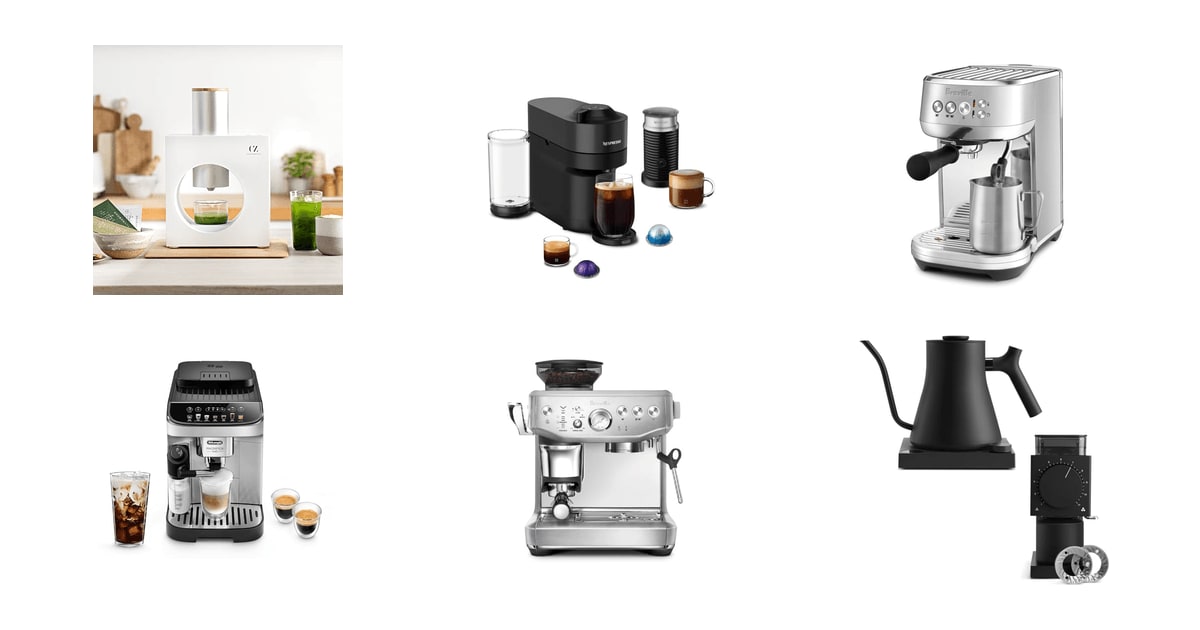
Most mornings you don't want a hobby. You want a drink that tastes like the one you'd pay for down the street, and you want it before the school run. That's the real test for a home beverage machine: not whether it can pull a competition shot, but whether you'll still be using it on a Tuesday in month seven. Grind freshness, water temperature and milk texture do almost all of the work. Everything else is a screen, a badge, or a marketing word.
Here's the honest part. No single machine does all of it well. Super-automatics grind, brew and froth at a touch, but Consumer Reports scored them lower than semi-automatics on espresso flavor and far higher on convenience — that's the trade, and there's no way around it. Nothing here makes great matcha and great espresso, because the two want different water temperatures and completely different mechanics. And every one of these machines needs descaling every two to three months, or it dies early.
So pick for the drink you actually make. If you want espresso that gets better as you learn, buy a semi-automatic with a grinder attached. If you want a latte while you're still half awake, buy a super-automatic and accept a slightly flatter shot. If matcha is the point, an espresso machine isn't the answer at all. We think that the Breville Barista Express Impress is the best home espresso and matcha machine for most people, and that the De'Longhi Magnifica Evo is the one to buy if you'd rather press one button than learn a tamp.
Everything we recommend

Grinder, tamper and steam wand in one, with room to learn

One-touch lattes and iced coffee, with a lower flavor ceiling

The lowest-effort way into espresso-style drinks

Fewer daily chores and a longer life, for heavy daily drinkers

Freshly ground whole-leaf matcha, at the cost of lock-in
At a glance
| Product | Machine Type | Milk Frothing | Price | |
|---|---|---|---|---|
| Matcha Maker Starter KitAlso great | Matcha Maker | — | $299 |
| Nespresso Vertuo Pop+ Coffee Machine with MilkBudget pick | Coffee Machine | Milk Frother | $119.99On sale |
 | Breville BES500BSS Bambino Plus Espresso MachineAlso consider | Espresso Machine | Automatic Steam Wand | $499.95 |
| De'Longhi Magnifica Evo Automatic Espresso MachineRunner-up | Espresso Machine | LatteCrema System | $874.96On sale |
| Breville BES876BSS Barista Express ImpressTop pick | Espresso Machine | Hand-Textured Microfoam | $799.95 |
 | Matte Black Coffee Connoisseur Bundle: Fellow StaggAlso in lineup | Gooseneck Kettle | — | $540On sale |
| Jura E8 Chrome 15646Upgrade pick | Automatic Coffee Machine | One-Touch Milk System | $2,499On sale |
How we picked
Drink range. We looked at how many drinks a machine covers on its own — espresso, lungo, cappuccino, iced coffee, matcha — rather than counting buttons on the panel. A machine that only makes one drink well had to make it clearly better than anything else here.
Automation level. Published reviews consistently split along the same line: semi-automatics taste better, super-automatics are easier. We picked at least one strong option on each side instead of pretending one approach wins.
Milk texturing. Milk is most of what people actually drink, so we weighed steam wands and automatic frothers by what owners say after six months. Frother failures came up often enough in owner feedback to count against a machine.
Grind freshness. We favored machines that grind at the moment of brewing, since coffee and matcha both fade quickly once ground. Where a machine uses capsules or pre-ground powder, we treated that as a real limitation and said so.
Upkeep and lifespan. We compared stated descaling intervals, cleaning cycles and owner-reported longevity. Machines that prompt you for maintenance scored higher, because published owner surveys tie neglected descaling directly to early death.
Top pick
Grinder, tamper and steam wand in one, with room to learn
Breville BES876BSS Barista Express Impress
The Barista Express Impress puts a conical burr grinder, an assisted tamper and a real steam wand in one stainless box, so you can pull a shot and texture milk without buying three appliances. It's the shortest path from pod coffee to a latte you're proud of.
$799.95fromAmazonTwo beginner mistakes ruin most home espresso, and this machine fixes both. Under-dosing and a crooked tamp are why your shots gush one day and choke the next. The smart dosing system measures what it grinds and corrects the next dose, and the assisted tamping lever presses with the same pressure every time. CoffeeGeek found consistent tamping cut shot-to-shot extraction variance for novices from about four seconds down to under a second. That's the difference between guessing and repeating.
The built-in conical burr grinder matters more than anything printed on the front panel. Beans go stale fast once they're ground, and 25 grind settings give you room to chase a fine grind on a dark roast or open things up for something lighter. You're not shopping for a separate grinder, hunting for counter space to put it on, or wondering whether a cheap blade unit is quietly sabotaging every shot you pull.
The steam wand is manual, which sounds like a downside until you use it. You decide where the milk goes and how long you stretch it, so a flat white comes out silky instead of soapy, and latte art is genuinely within reach. That same wand steams oat milk for a matcha latte, though you'll whisk the matcha yourself — no espresso machine grinds tea leaves.
Owner feedback skews long. Plenty of people describe daily use for years with nothing more than regular descaling and a wipe-down, and Breville parts and accessories are easy enough to find that a repair isn't automatically a dead end. A minority report failures inside the first couple of years, usually around the grinder or the steam circuit, and Breville's support gets mixed marks when that happens.
Flaws but not dealbreakers
It's big. At roughly 16 inches tall and 14 inches wide it eats a real chunk of counter, and at nearly 24 pounds you won't be shuffling it aside to make room for a mixing bowl. Under a low cabinet, filling the bean hopper gets awkward fast.
There's a learning curve too, and the machine doesn't pretend otherwise. It's a single-boiler design, so you brew and then wait while it switches over to steam — fine for one or two drinks, tedious when you're making four. And you'll spend a few days dialing in each new bag of beans before it tastes right.
Runner-upOn sale
One-touch lattes and iced coffee, with a lower flavor ceiling
De'Longhi Magnifica Evo Automatic Espresso Machine
The Magnifica Evo grinds, brews and froths on its own, with seven one-touch drinks including a genuinely good iced coffee. You give up some control over the shot, but you get a cappuccino in about a minute without ever touching a tamper.
$874.96fromAmazonList priceSome mornings you want a drink, not a project. Press cappuccino and the Magnifica Evo grinds fresh beans, pulls the shot and textures milk from the LatteCrema carafe while you're looking for your keys. The carafe goes straight into the fridge afterward, so you're not pouring leftover milk down the sink or rinsing a pitcher before you've had any caffeine.
The grinder is the real reason to pick this over a pod machine. Thirteen settings and a conical burr mean you're buying whole beans from whoever roasts near you, not capsules from one company. Owners consistently mention the freshly-ground taste as the first thing they noticed. Tom's Guide calculated that a two-latte-a-day household swapping café drinks for this machine pays it off in roughly three months.
The Over Ice setting is more useful than it sounds. It adjusts the dose and the brew so your coffee doesn't turn into brown water the moment it hits the cubes, which is exactly what happens when you pour a normal shot over ice. If half your summer drinks are cold, that one button is worth more to you than a spec sheet full of pressure numbers.
Compared with a semi-automatic, the shots are good rather than great. Consumer Reports scored super-automatics well below semi-automatics on espresso flavor and well above them on convenience, and that's precisely the trade you're making. Owners moving over from a Breville often say the espresso tastes milder. If you drink lattes, the milk hides most of that gap anyway.
Flaws but not dealbreakers
The milk system is the weak link. A recurring theme in owner feedback is the frother failing, or the machine refusing to recognize it after a few months, and a carafe means a lot more plastic and small parts than a steam wand. Run the cleaning cycle after every session, not when the machine finally nags you.
It's also a wide, deep unit — around 17 inches front to back — and it wants clearance above for the bean hopper lid. Milk-drink serving sizes run small by American standards out of the box, though you can save your own recipes to fix that.
Budget pickOn sale
The lowest-effort way into espresso-style drinks
Nespresso Vertuo Pop+ Coffee Machine with Milk
The Vertuo Pop+ reads a barcode on each capsule and brews it, from a small espresso-style shot up to a full mug of coffee, with a separate milk frother in the box. There's no grinder, no tamping and nothing to dial in.
$119.99fromAmazonList priceNothing here asks any skill of you, and that's the whole point. Nespresso's Centrifusion system spins the capsule at up to 7,000 rpm, mixing grounds and water inside before the drink passes through, so you get thick crema without a tamper, a scale or any technique at all. Drop in the capsule, close the lid, press once. If you're stepping off drip coffee and you're not yet sure espresso drinks are your thing, this is the low-risk way to find out.
It's small and quick. At under nine inches wide it slots in beside a toaster in an apartment kitchen, and it brews almost immediately instead of making you wait through a warm-up. The included frother handles a latte or cappuccino without a steam wand, which also means no milk pitcher, no thermometer and nothing to practice on Saturday mornings.
The capsule range runs to more than 30 coffees across different intensities and cup sizes, so a household with different tastes isn't stuck drinking one roast. Owners coming from other pod systems routinely say this tastes fuller than what they were drinking before. It won't fool anyone who drinks a lot of café espresso, but it's a real step up from a K-cup.
Flaws but not dealbreakers
You're locked in. Vertuo capsules come from Nespresso and a handful of licensed sellers, the per-cup cost runs well above whole beans, and the machine is a paperweight without them. That ongoing spend, not the machine itself, is the real cost of ownership here.
It's loud, too. The centrifuge spins hard, and owners with a bedroom next to the kitchen notice. The bundled frother is the part most likely to disappoint — a number of owners report it slowing down or barely foaming within a few weeks of daily use.
Upgrade pickOn sale
Fewer daily chores and a longer life, for heavy daily drinkers
Jura E8 Chrome 15646
The E8 makes up to 17 drinks at a button press, cleans its own milk system on command, and is built to keep going well past the point where cheaper super-automatics quit. It's for households pulling several milk drinks a day, every day.
$2,499fromAmazonList priceJura's Pulse Extraction Process sends short bursts of water through the puck instead of one continuous flow. Jura says this stretches the useful contact time and pulls more aromatic compounds out of the grounds. It matters most on short drinks like ristretto and straight espresso, where there's very little water to hide behind. On a super-automatic, that's about as much extraction control as anyone gives you.
The reason to spend this much is what happens in year five. A Home-Barista.com survey of more than 200 E8 owners put median lifespan past seven years with routine descaling and filter changes, against three to four years for comparably priced non-Swiss super-automatics. The machine prompts you for maintenance rather than trusting your memory, and that's most of the story — neglected descaling is what kills these machines.
Daily upkeep is genuinely light. One button runs the milk system cleaning cycle, the drip tray slides out one-handed, and the 3.5-inch color display walks you through the menu with pictures instead of cryptic icons. If you've ever skipped making a latte because you didn't feel like rinsing a steam wand afterward, that's the friction the E8 removes.
The P.A.G.2 grinder runs only when it's needed and rests between drinks, which keeps burr wear and noise down. You're grinding whole beans, so you're free of capsule pricing, and grind adjustment is a simple selector switch rather than a menu dive. Serious espresso drinkers will still prefer a semi-automatic shot — but they won't get 17 drinks from one button.
Flaws but not dealbreakers
It costs a lot, and it's hard to justify unless you're genuinely replacing a daily café habit. It's a large machine as well, close to 18 inches wide with real depth behind it for the hopper.
Reliability isn't a given at this level either. A meaningful share of owner reports describe early failures, most often water-sensing or flow problems within the first weeks, and arranging service can be slow. Some owners also flag chrome-look plastic trim that scuffs quickly, which stings on a machine this expensive.
Also great
Freshly ground whole-leaf matcha, at the cost of lock-in
Matcha Maker Starter Kit
The Cuzen grinds whole shade-grown tencha leaves into powder at the moment you drink it, then whisks a matcha shot you can take straight or pour over milk. No espresso machine in this guide does anything remotely like it.
$299fromAmazonMatcha goes stale faster than most people realize, and this is the only machine here that does anything about it. Once the leaf cell wall is broken, oxidation starts. Serious Eats notes that pre-ground powder sitting for three months or more loses a meaningful share of its EGCG antioxidants. The Cuzen keeps whole leaves sealed until you press the button. The result tastes sweeter and less dusty than powder from a tin, and that's the entire argument for it.
Using it takes two steps: load a leaf packet, press the button, and a matcha shot lands in the cup. From there it's yours — straight, over ice, topped with steamed milk, or dropped into sparkling water. It's under nine inches wide and under five pounds, so it lives on a shelf rather than claiming permanent counter space, and there's no descaling to remember.
One thing to know: the machine makes the matcha, not the water. Matcha turns bitter and loses L-theanine above roughly 80°C, well below espresso's brew temperature, so if you're pouring straight from a standard kettle you're overshooting badly. A variable-temperature kettle — or just letting boiled water sit for a few minutes — does more for the taste than any grinder can.
Flaws but not dealbreakers
It runs on Cuzen's own leaf packets and nothing else, sold through the company. That's a permanent ongoing cost with a single supplier, and if you want to try a different farm's tencha, you can't.
Reliability is the bigger worry. Owner feedback splits sharply: most people love it, but a persistent minority report the mill or the magnetic whisk failing, sometimes requiring a rebuild the manual explains poorly. And a bamboo whisk with good fresh powder gets you most of the way there. This machine buys you freshness and convenience, not magic.
The Cuzen Matcha Maker comes with a one-year manufacturer warranty.
Who this is for
This guide is for you if you're drinking café lattes, matcha or espresso often enough that making them at home starts to look sensible. That's the tipping point — a couple of drinks a day, most days. If you drink one cup of black coffee each morning, a good drip machine and a burr grinder will make you happier than anything on this list. And if you're an experienced barista already running a prosumer setup, nothing here is an upgrade for you.
We cover countertop machines that produce espresso, espresso-style drinks and matcha at home, plus the manual gear that supports them. We don't cover commercial or plumbed-in machines, drip coffee makers, single-serve pod systems beyond one budget entry point, cold brew rigs, or matcha powders and accessories on their own. Prices in this category range enormously, so match the machine to how many drinks you'll genuinely make in a week, not to how ambitious you feel in the store.
How we picked
Drink range: we asked what a machine actually makes on its own, from espresso to a matcha latte, not how many icons its panel shows. Automation level: published reviews split cleanly between better-tasting semi-automatics and more convenient super-automatics, so we picked strong options on both sides. Milk texturing: steam wands and automatic frothers were judged on what owners report months in, and frother failures counted against a machine. Grind freshness: we favored machines that grind at the moment of serving, since both coffee and tea fade fast once ground. Upkeep and lifespan: we compared stated descaling intervals, cleaning cycles and owner-reported longevity, and rewarded machines that remind you to do the work.
Other home espresso and matcha machines worth considering
If you already own a good burr grinder: The Breville BES500BSS Bambino Plus Espresso Machine ($499.95) — The Bambino Plus is essentially the espresso half of our top pick with the grinder removed, and it's only 7.6 inches wide. Its ThermoJet system reaches brew temperature in about three seconds, against 20 to 45 seconds for a traditional thermoblock and 10 to 15 minutes for older thermocoil machines, so it's genuinely a walk-up-and-brew machine on a weekday. The automatic steam wand textures milk to a set temperature by itself, which gets beginners to drinkable microfoam much faster than a manual wand does. The catch is that you now need a separate grinder taking up the space you just saved, and you're dialing in shots by hand with no dosing help. Owners upgrading from cheap machines love it; owners expecting super-automatic convenience get frustrated.
The competition
This is what our research surfaced alongside the picks, not a survey of everything for sale. Espresso and matcha gear is a crowded, fast-moving market, and plenty of decent machines never made the shortlist.
The Matte Black Coffee Connoisseur Bundle: Fellow Stagg ($540) — The Fellow bundle pairs the Stagg EKG Pro gooseneck kettle with the Gen 2 Ode Brew Grinder, and it's the best thing here for anyone whose favorite drinks are made by hand. The kettle holds a set temperature to the degree for up to an hour, which is the whole difference between 80°C matcha that tastes sweet and boiling-water matcha that tastes like tannins — and it's just as happy at 93°C for pour-over. The Ode's 64mm flat burrs and 31 grind steps are tuned for filter coffee, and it's quiet enough not to wake the house. It lost to our picks for one simple reason: it doesn't make espresso at all. But if you brew V60 or Aeropress and drink matcha daily, it's the most useful money on this page, and it pairs well with any machine above.
Care and maintenance
Descaling is the chore that decides how long your machine lives. Most home espresso machines want it every two to three months, sooner if your tap water is hard, and machines that alert you — Jura and De'Longhi both do — tend to last longer simply because you're less likely to forget. Use the manufacturer's descaler rather than vinegar on anything with an aluminum boiler. Milk is the other half of the job: purge and wipe a steam wand right after every drink, and run the automatic cleaning cycle on a milk carafe daily instead of weekly, because dried milk in narrow tubes is what kills frothers. Brush your grinder burrs monthly, and empty the drip tray before it overflows into the cabinet.
Questions we get
What's the difference between a super-automatic and a semi-automatic espresso machine?
A super-automatic grinds, doses, tamps, brews and often froths milk from one button press. A semi-automatic hands you the puck prep and the steam wand, so the result depends on your technique. Consumer Reports scored semi-automatics higher on espresso flavor and super-automatics much higher on convenience. Pick based on whether you find the process relaxing or annoying.
Can I make a matcha latte with an espresso machine's steam wand?
Yes, for the milk. Steam and texture your milk exactly as you would for a latte, then pour it over matcha you've whisked separately. Don't run hot water from the machine's brew group onto matcha — it comes out near 93°C, which is far too hot and makes the tea bitter.
What water temperature should I use for matcha versus espresso?
Matcha wants water at roughly 80°C or below; above that it loses L-theanine and turns tannic. Espresso wants 90.5 to 96°C, per the Specialty Coffee Association's gold standard, and drifting more than a couple of degrees outside that shows up as bitterness or sourness. A variable-temperature kettle covers both, or you can boil and let the water rest a few minutes for matcha.
Is a Nespresso making real espresso?
It's espresso-style rather than traditional espresso. Vertuo machines spin the capsule at up to 7,000 rpm and blend grounds with water before it passes through, which builds crema without the high-pressure puck extraction a portafilter machine uses. The result is genuinely good coffee with a thick crema. It just isn't produced the same way, and a regular café drinker will taste the difference.
How often do I need to descale a home espresso machine?
Plan on every two to three months for typical daily use, and more often if your water is hard. Scale is the leading cause of early failure in these machines, and owner surveys show the ones that prompt you for maintenance tend to last significantly longer. Use a filtered water source and the descaler your manufacturer specifies.
Do I need a separate grinder if I buy the Barista Express Impress?
No. It has a conical burr grinder built in with 25 settings, plus dosing and tamping assistance, which is the point of buying it over a standalone machine. You'll want a good scale eventually and maybe a better tamper, but the grinder covers everything from a fine espresso grind to a coarser setting for milder roasts.
Why you should trust us
For this guide:
- We read published reviews, lab findings and manufacturer specifications from CoffeeGeek, Consumer Reports, Serious Eats, Sprudge, The Spruce Eats, Tom's Guide and the Specialty Coffee Association.
- We compared heat-up times, grinder types, milk systems, footprints and stated maintenance intervals across every machine in this guide.
- We read owner feedback looking for recurring themes — frother failures, descaling neglect, and long-term reliability — rather than isolated complaints.
- We read owner reviews on every listing, weighted toward the critical ones, because that is where the recurring failures show up.
- We have a systematic way of automatically fetching the latest prices, so the numbers on this page stay current.
- This is a research-focused guide, so the team may not own every product listed — though we often do own the top winners, which gives us extra context for the recommendations.
- We don't accept free products, and the retailer commission never changes which product we recommend.
Sources
Best Espresso Machines 2026 — Wirecutter, Wirecutter
Best Coffee Makers Tested — RTINGS.com, RTINGS.com
Espresso Machine Ratings & Reviews — Consumer Reports, Consumer Reports
Cuzen Matcha Maker In-Depth Review — Serious Eats, Serious Eats
La Marzocco Linea Micra Full Review — Sprudge, Sprudge
Breville Barista Express Impress Review — CoffeeGeek, CoffeeGeek
De'Longhi Magnifica Evo Review — Tom's Guide, Tom's Guide
Fellow Stagg EKG Pro Review — The Spruce Eats, The Spruce Eats
National Coffee Data Trends 2025 — National Coffee Association, National Coffee Association
Global Matcha Market Report 2025–2030 — Grand View Research, Grand View Research
Brewing Standards and Protocols — Specialty Coffee Association, Specialty Coffee Association
Jura E8 Long-Term Owner Review — Home-Barista.com, Home-Barista.com
Amazon product listings and owner reviews for all 7 products
Manufacturer specification pages for each product
Some passages in this guide may be paraphrased with AI help. Prices are refreshed automatically.
More like this.
Continue exploring home reviews and recommendations.

The Best Espresso Machines for Home Baristas
Good espresso at home comes down to three things happening at once: water at the right temperature, pressure that holds steady through the shot, and…

The Best Portable Espresso Makers for Travel
Bad hotel coffee is a small daily tax on travel. A portable espresso maker is the fix: a hand-pumped cylinder that takes fine grounds and hot water and…

The Best Halloween Animatronics and Fog Machines
A yard haunt lives or dies on two things: something big enough to see from the sidewalk, and something atmospheric enough to make the walk up your…

The Best Bread Machines
A bread machine earns its counter space by removing every step you don't enjoy. You dump in flour, water, salt and yeast, press a button, and walk away.…

The Best White Noise Machines
A white noise machine earns its spot on your nightstand by doing one thing well: covering the sounds that wake you up. That's the garbage truck at 5 a.m.,…

The Best Rowing Machines for Home Gyms
A rowing machine is the rare piece of cardio gear that works nearly your whole body at once. Your legs push, your core braces, your back and arms finish…