The Best Ways to Display Collectibles in a Small Apartment
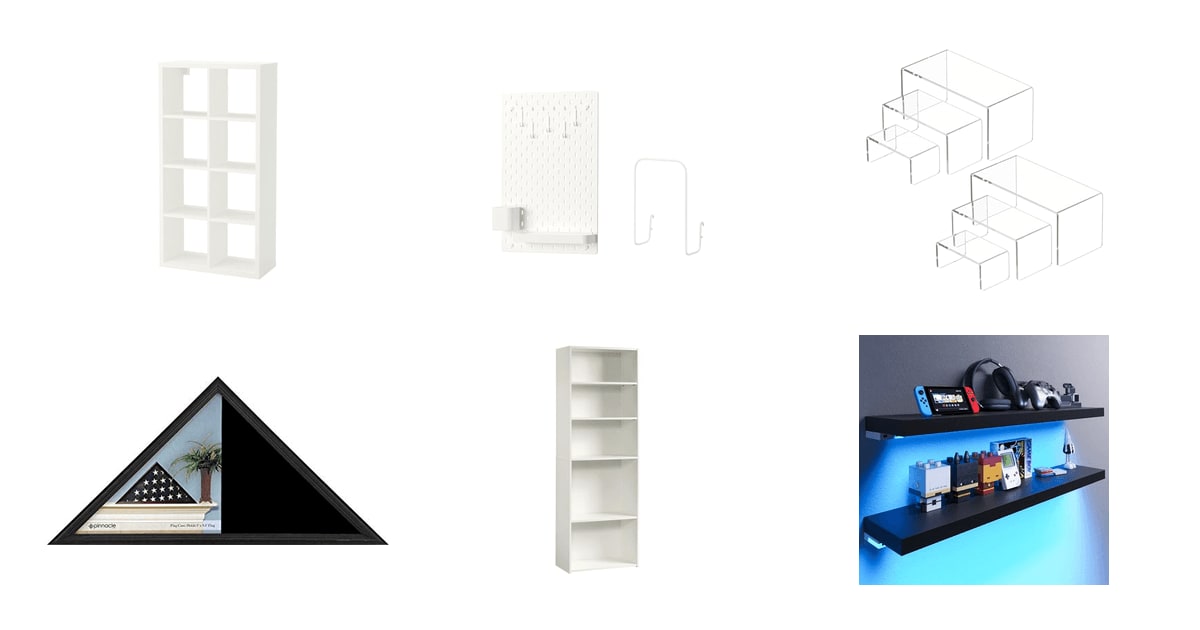
Collections grow faster than apartments do. The average US apartment has shrunk from 941 square feet in 2015 to about 882, and studios in big cities often sit under 500. Meanwhile Funko alone has sold more than a billion figures, and the typical active collector owns somewhere between 40 and 200 of them. So the problem isn't finding things you love. It's finding a wall, a corner, or a narrow strip beside a doorframe where those things can actually be seen instead of boxed up.
Here's the honest part: nothing in this category solves everything at once. Enclosed glass cabinets keep dust off but limit you to what fits behind the door. Open shelves hold far more and look airier, but you'll be dusting them. Floating shelves free up floor space and usually need drywall anchors, which renters may not want. Pegboards handle small flat stuff beautifully and are useless for a heavy resin statue. You're picking a trade-off, not a winner, and most collectors end up combining two or three approaches.
We looked at what apartment collectors actually recommend to each other, what the spec sheets say about depth and weight, and where owners run into trouble after a year. We think that the Coaster Zenobia curio cabinet is the best collectible display for most people in a small apartment, and that the IKEA FLYSTA shelf unit is the one to buy if you have a lot of boxed figures and want maximum capacity per square foot.
Everything we recommend

Dust-free glass display that eats a dead corner instead of a wall

More figures per square foot than anything else here

The simplest upgrade that makes an existing shelf hold more
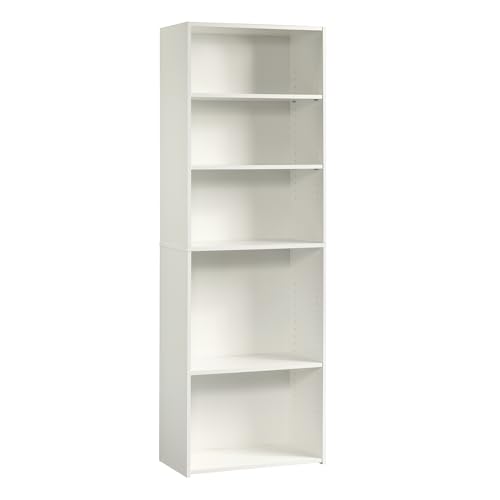
Five shelves of adjustable height without touching your walls
At a glance
| Product | Footprint (W×D) | Mounting Type | Price | |
|---|---|---|---|---|
| IKEA Billy FLYSTA Shelving Shelf Unit WhiteRunner-up | 27 1/8x12 1/4 in | — | $192.99 |
 | Ikea SKÅDIS Pegboard CombinationAlso consider | 14¼x22 in | Wall-Mount | $49.99 |
| NIUBEE Acrylic Risers Display Stand 2 SetBudget pick | 6.3x8.4 in | — | $23.99 |
 | Pinnacle Frames & Accents Wood Flag DisplayAlso in lineup | 16x22.5 in | — | $36.38 |
| Sauder Beginnings 5-Shelf BookcaseAlso great | 24.57x11.5 in | — | $85.49On sale |
 | BAMEOS RGB LED Floating Shelves for WallAlso consider | 35x7 in | Wall-Mounted | $75.99 |
| Coaster Home Furnishings - Zenobia - 4-ShelfTop pick | 20.75x20.75 in | — | $258.94 |
How we picked
Space per footprint. We compared listed dimensions to work out how much display area each unit buys per square foot of floor it occupies. Corner and vertical designs scored highest, since a standard apartment corner wastes 6 to 10 square feet that nothing else can use.
Dust protection. Enclosed glass cases cut cleaning to occasional wipes; open shelving needs regular attention. We noted which format each product uses so you can match it to how much upkeep you'll tolerate.
Renter safety. We flagged whether a product is freestanding, adhesive-mounted or drill-required. For reference, 3M's large picture-hanging strips are rated to 16 pounds per pair on drywall, which covers many light shelf and rack applications but not loaded furniture.
Weight and shelf load. Diecast, resin and coins get heavy fast. We read owner feedback for sagging, wobble and shelf failure, and treated particle-board construction as a real limit rather than a footnote.
Room to grow. A survey by Invaluable found 62 percent of active collectors name display space as the top constraint on their collection, above budget. We favored modular systems you can add to over sealed one-off units.
Top pick
Dust-free glass display that eats a dead corner instead of a wall
Coaster Home Furnishings - Zenobia - 4-Shelf
A four-shelf triangular curio with tempered glass shelves and a chrome base that tucks into a corner most furniture can't use. It shows off 20 to 35 medium figures behind glass, so you dust it a few times a year instead of every weekend.
$258.94fromAmazonThe corner is the only free real estate left in a small apartment. Every rectangular room has two to four of them, and each one wastes roughly 6 to 10 square feet that no sofa or dresser can occupy without looking wrong. The Zenobia is built for exactly that triangle. It's 20.75 inches on each wall side and just under 64 inches tall, so it climbs instead of sprawling.
Glass matters more than collectors expect. If your figures sit on open shelves, you're wiping each one every few weeks, and painted resin and soft vinyl don't love repeated handling. A closed cabinet with a clear door cuts that chore down to occasional wipes of the glass itself. Owners who've had both this and the classic slim glass cabinet tend to say this one feels more solid.
The four tempered glass shelves are the flexible part. Owners report the shelf heights are easy to change, which matters when your collection is a mix of 4-inch boxed figures and a tall scale statue. Glass shelves also let light travel down through the case, so a cheap LED strip along the top edge lights the whole stack instead of just the top row.
It looks like furniture, not storage. The black wood frame, metal supports and chrome base read as a normal living-room piece from across the room, which is the whole difference between a curated display and a pile of toys in the corner. If you share the apartment with someone less enthusiastic about your collection, that distinction earns real goodwill.
Flaws but not dealbreakers
Assembly is the recurring complaint. It weighs 112 pounds boxed, the picture-only instructions frustrate people, and getting the glass panels seated is the step where owners lose patience. Plan on an hour or more, and get a second pair of hands for the glass. It's very doable solo, based on owner accounts, but it isn't pleasant.
The triangular footprint is a hard constraint. Deep dioramas and wide LEGO sets don't fit well against a diagonal back, and the shelf area narrows as you go back. If your collection is mostly big boxed sets, a rectangular shelf will hold more. Shipping damage also comes up in owner feedback, so inspect the glass before you start building.
Runner-up
More figures per square foot than anything else here
IKEA Billy FLYSTA Shelving Shelf Unit White
A white cube-grid shelf unit, 27 inches wide and 52 inches tall, with a 12-inch depth that hugs the wall. The open cubes suit boxed figures and stacked flat items, and it packs more figures into a small footprint than anything else here.
$192.99fromAmazonCube grids became the collector default for a simple reason: a standard Funko Pop box is about 4.5 inches wide by 6.25 tall, and cube shelving in this family fits roughly four of them per opening, boxed or loose. Multiply that across the grid and you're displaying dozens of figures in under three square feet of floor. Nothing else here comes close on density.
At 12.25 inches deep, this is the wall-hugging version of the format. The better-known cube shelf runs about 15 inches deep, which is more than most figures need and three extra inches you feel in a narrow room. Owners who chose this one on purpose point to that depth as the reason. In a studio, three inches of walkway is not nothing.
The open-cube look also gives you a design lever. Fill every opening and it reads as storage. Leave a third of them empty, or put one hero piece alone in a cube, and the whole thing reads as a gallery. That's the easiest styling trick in collecting, and it only works on open shelving like this.
It's also the easiest system to grow into. Two units side by side make a low console you can put a lamp on. Two stacked, anchored to the wall, give you a floor-to-near-ceiling wall of display. Either way you're adding to a grid you already own instead of replacing it.
Flaws but not dealbreakers
Open cubes mean dust, full stop. Loose figures on this unit need wiping every few weeks, and if that sounds like a chore you'd rather skip, the glass cabinet is the better call. Boxed items are largely immune, which is why in-box collectors gravitate here.
The listing is the real hazard. This is the FLYSTA, not the larger, deeper cube shelf people often assume they're buying, and several owners have been caught out by that. Check the 27⅛ by 12¼ by 52-inch dimensions against your space before ordering, and know that the same shelf is often available directly from the retailer for less.
Budget pick
The simplest upgrade that makes an existing shelf hold more
NIUBEE Acrylic Risers Display Stand 2 Set
Two sets of three nesting clear acrylic cubes, in 8-, 6- and 4-inch sizes. Put them on a shelf you already own and the back row stops disappearing behind the front row, which is the single biggest waste of display space in most apartments.
$23.99fromAmazonRisers fix the problem you didn't know you had. On a flat shelf, anything in the second row is a forehead and a hairline. Staggering items across three height levels makes 40 to 60 percent more of them visible on the same shelf, by general display-guide estimates. You're not buying more furniture. You're getting more out of what's already against your wall.
Clear acrylic is the point. These are transparent enough that displayed pieces appear to float, so the eye goes to the figure and not the platform. Owners who use them for figure cabinets and craft-fair tables both mention the same thing: they disappear. A wooden or painted riser would compete with what's on top of it.
They also nest. When you rearrange, the three sizes stack down to almost nothing, which matters when there's no closet to spare. And because you get two sets, you can run a matched three-tier arrangement across a wide shelf or split them between two different displays.
Flaws but not dealbreakers
Acrylic scratches, and it arrives with a protective film that people sometimes forget to peel, then assume the plastic looks cloudy. Clean with a soft cloth only. Paper towels will haze the surface over time.
These are small. The largest cube is roughly 8.4 by 6.3 by 4.3 inches, which is sized for Pops, Nendoroids and Amiibos, not for a 1/4-scale statue. Heavy pieces belong on the shelf itself. Occasional reports of cracked units in shipping come up, though owners describe the seller replacing them quickly.
Also greatOn sale
Five shelves of adjustable height without touching your walls
Sauder Beginnings 5-Shelf Bookcase
A 71-inch freestanding bookcase with three adjustable shelves and a soft white finish. It's the renter-friendly option when you want height and flexible shelf spacing but can't or won't put anchors in drywall.
$85.49fromAmazonList priceVertical space is the most underused asset in a small apartment, and this unit is nearly six feet of it in a 24.5-inch-wide footprint. Adjustable shelves are what make it work for collectibles specifically. You can set a couple of tight 7-inch gaps for small figures up top and leave one tall bay at the bottom for boxed sets or a big statue.
If you're renting, this is the low-risk choice. No anchors, no patching, no deposit argument at move-out. You should still strap it to the wall for safety, especially with pets or kids, but a single anti-tip bracket leaves one small hole instead of a row of them. Everything else about the unit is freestanding.
The soft white finish also does quiet work. Light-colored shelving recedes against a light wall, so your collection reads as the object and the furniture reads as background. Dark shelving does the opposite: it frames each piece and makes the unit itself a presence. Both are valid, but in a small room, receding usually wins.
Flaws but not dealbreakers
It's particle board with veneer, and it behaves like it. Owners who are happy with it are clear-eyed about that; the ones who are furious expected solid wood. Diecast, resin and coin collections get heavy fast, so keep your densest items on the lowest shelf and don't load a middle shelf to its limit.
Assembly quality determines how long it lasts. The back panel is structural, and skipping or under-nailing it is where wobble comes from. Several owners describe adding extra fasteners along the center shelf and back, which is a reasonable half hour of insurance.
Who this is for
This guide is for anyone whose collection has outgrown the shelf it started on and who can't solve the problem by moving somewhere bigger. That's most Funko, action figure and anime figure collectors in studios and one-bedrooms, plus card, coin and diecast collectors dealing with a lot of small items. If you want your place to look designed rather than stored-in, the choices here matter more than the collection's size does.
We've focused on furniture and hardware you can buy and set up yourself: cabinets, shelving, risers, pegboards, lit shelves and wall cases. We haven't covered custom built-ins, climate-controlled cases for high-value graded items, or archival storage for pieces you don't intend to display. If you own a small number of genuinely valuable pieces, a specialist case and proper insurance beat anything in this range.
How we picked
Space per footprint: how much display area you get for each square foot of floor given up, with corners and vertical height weighted heavily in rooms under 700 square feet. Dust protection: whether the format is enclosed glass or open shelving, since that decides how often you'll be cleaning rather than collecting. Renter safety: freestanding and adhesive options first, drill-required builds noted, because a wall full of anchors costs you at move-out. Weight and shelf load: honest limits on particle board and glass, informed by owner reports of sagging and failure under dense diecast and resin. Room to grow: modular systems you can extend, since display space, not money, is what most collectors say caps their collection.
Other ways to display collectibles in a small apartment worth considering
If you collect pins, patches, keychains and small figures: The Ikea SKÅDIS Pegboard Combination ($49.99) — A pegboard turns a blank patch of wall into a grid you can rearrange endlessly, and this set comes with a container, a shelf and five hooks to start. It uses zero floor space, which is why it works above a desk or in the sliver of wall beside a doorway. The 14¼-by-22-inch panel is small, so treat it as one tile you'll add to. Two limits to know: the shelf is rated to about 3 kilograms, so heavy pieces are out, and it wall-mounts with hardware and a drill. If you want it to read as decor and not as a garage organizer, keep the hooks to a consistent finish and leave real breathing room between items.
If you want dramatic lighting without a separate LED kit: The BAMEOS RGB LED Floating Shelves for Wall ($75.99) — These 35-inch floating shelves ship with invisible brackets and an RGB LED strip you control from a phone app, including color changes and a music-sync mode. Backlighting is the single highest-impact visual upgrade for a display, and having it built in saves you sourcing a strip and a power plan separately. The shelves themselves are MDF and owners generally find them stable enough for trinkets and figures. The lights are the weak point: the adhesive on the strips doesn't hold well for a lot of buyers, and they run on AA batteries or USB, so plan a power route. If you like a warm steady glow rather than color effects, a standalone 2700 to 3000K strip on a plainer shelf will look better and last longer.
The competition
This is what our research surfaced across cabinets, shelving and display accessories aimed at apartment collectors, not a census of the market. Plenty of good options exist that we didn't have listings for, and cube shelving in particular comes from a dozen brands with near-identical dimensions. The product below is worth knowing about for a specific kind of collection.
The Pinnacle Frames & Accents Wood Flag Display ($36.38) — The Pinnacle Frames wood display case is a wall-mounted glass-fronted box, finished in black, that hangs with included hardware or sits on a mantel. Wall cases are a genuinely smart small-apartment format, since a grid of them can fill a six-foot wall section and display a couple dozen flat pieces with no floor footprint at all. This one loses to our picks because it's built to a single purpose: it's sized and shaped for a folded 5-by-9.5-foot burial flag, not for cards, coins or patches. If that's what you're preserving, it's the right case, and the glass front means you'll never dust the contents. For a card or memorabilia wall, look for square shadow boxes you can tile instead.
Styling and upkeep
Two habits separate a display that looks designed from one that looks stored. First, leave gaps. Filling every inch reads as inventory, so give at least a third of your shelf space to empty air and let a few standout pieces sit alone. Group by color or series rather than scattering, and put your heaviest items low. Second, light it. Warm white strips in the 2700 to 3000K range flatter figures, painted resin and ceramics; cooler 5000K light suits modern, industrial or comic-art collections. Run the strip along the front underside of each shelf so light falls forward onto pieces instead of glaring back at you. For open shelves, a soft makeup brush clears dust from detailed sculpts far better than a cloth, and it won't catch on small parts.
Questions we get
How do I display Funko Pops in a small apartment without it looking cluttered?
Go vertical and edit hard. Cube shelving fits about four Pops per opening, so a single unit handles a large chunk of a 40-to-200-figure collection in under three square feet of floor. Then leave some cubes empty and group figures by series or color rather than spreading them evenly. The empty space is what makes it read as a display instead of storage.
How can I display collectibles without drilling holes in the walls?
Freestanding units are the safest answer: a corner curio, a cube shelf or a tall bookcase all stand on their own. For lighter wall pieces, 3M's large picture-hanging strips are rated to 16 pounds per pair on standard drywall, which covers many small shelves and racks. One caution: even freestanding shelving should be anti-tip strapped, which means a single small hole. That's an easy patch compared with a row of anchors.
How do I keep my collectibles dust-free on open shelves?
You mostly don't, which is the honest case for a glass cabinet. If you're staying open, dust every two or three weeks with a soft makeup brush or a can of compressed air held well back, since cloths snag on small parts. Keeping shelves away from open windows and forced-air vents helps a lot. Boxed items are effectively dust-proof already.
What lighting is best for displaying action figures and anime figures at home?
Warm white LED strips in the 2700 to 3000K range are the standard recommendation for figures and ceramics, because that color temperature flatters skin tones and painted detail. Cool white at 5000K and above suits modern, industrial or comic-art collections better. Mount the strip along the front underside of the shelf above, so light falls onto the pieces rather than into your eyes.
Is a glass cabinet worth it over open shelving?
It depends on how much cleaning you'll actually do. Glass cuts dusting to occasional wipes of the panels and makes any group of items look curated, but it caps you at what fits behind the door. Open shelving holds far more, costs less, and gives you flexible shelf heights. Many collectors run both: glass for the pieces they care most about, open shelves for the volume.
What's the easiest way to make my current shelves display more?
Acrylic risers, easily. Staggering items across three height levels makes roughly 40 to 60 percent more of them visible on the same shelf, because your back row stops hiding behind the front row. Clear acrylic is nearly invisible, so it adds depth without adding visual clutter. It's the one upgrade that increases capacity without taking another inch of floor.
Why you should trust us
For this guide:
- We compared manufacturer dimensions and weight specs across cabinets, shelving, risers and wall-mount systems to work out how much display each one buys per square foot of floor.
- We read owner feedback themes for recurring problems with assembly, shelf sag, adhesive failure and shipping damage.
- We drew on published space-utilization and display-lighting guidance, plus collector community recommendations, for the styling and lighting advice.
- We read owner reviews on every listing, weighted toward the critical ones, because that is where the recurring failures show up.
- We have a systematic way of automatically fetching the latest prices, so the numbers on this page stay current.
- This is a research-focused guide, so the team may not own every product listed — though we often do own the top winners, which gives us extra context for the recommendations.
- We don't accept free products, and the retailer commission never changes which product we recommend.
Sources
How to Display Collectibles Without Cluttering Your Home — Apartment Therapy, Apartment Therapy
Creative Ways to Display Your Collections in Small Spaces — The Spruce, The Spruce
How to Style Shelves Like a Pro — HGTV, HGTV
Global Collectibles Market Size & Forecast Report — Grand View Research, Grand View Research
Average Apartment Size in the US — RentCafe Annual Report, RentCafe
Funko Inc. Annual Report & Shareholder Letter 2024, Funko Inc. Investor Relations
3M Command Large Picture-Hanging Strips — Technical Weight Specifications, 3M Command
Collector Survey: Barriers to Growing a Collection — Invaluable, Invaluable
How to Light Display Shelves for Maximum Impact — Better Homes & Gardens, Better Homes & Gardens
IKEA DETOLF Glass Cabinet — Product Page & Customer Reviews, IKEA
IKEA KALLAX Shelf Unit — Product Page & Dimensions, IKEA
r/AnimeFigures & r/Funko Collector Display Megathreads — Reddit, Reddit Community
Amazon product listings and owner reviews for all 7 products
Manufacturer specification pages for each product
Some passages in this guide may be paraphrased with AI help. Prices are refreshed automatically.
More like this.
Continue exploring lifestyle reviews and recommendations.

The Best Satellite Messengers and Two-Way Communicators
The moment your phone drops to no service, a satellite messenger becomes the only thing standing between you and a very long walk out. These devices talk…

The Best Display Cases for Pop Mart Figures
A Pop Mart collection sneaks up on you. One blind box becomes a shelf, and a shelf becomes a corner of your desk where Molly, Skullpanda and Labubu jostle…

The Best Self-Help Books for Personal Growth
A self-help book only works if you finish it and then do something with it. That sounds obvious. It's also the step most buyers skip. You buy the title…

The Best Pool Floats and Accessories
A pool float has one job: keep you comfortable long enough that you stop checking your phone. The ones that do it well are boring in the right ways. They…

The Best Archery Release Aids for Compound Bows
Your release aid is the last piece of gear touching the bowstring, and it decides how cleanly that string leaves your hand. Get it right and your groups…

The Best Contemporary Poetry Collections
A poetry collection asks less of your calendar than almost anything else on your shelf. You read four pages before bed, set it down, and pick it up a week…