The Best Archery Release Aids for Compound Bows
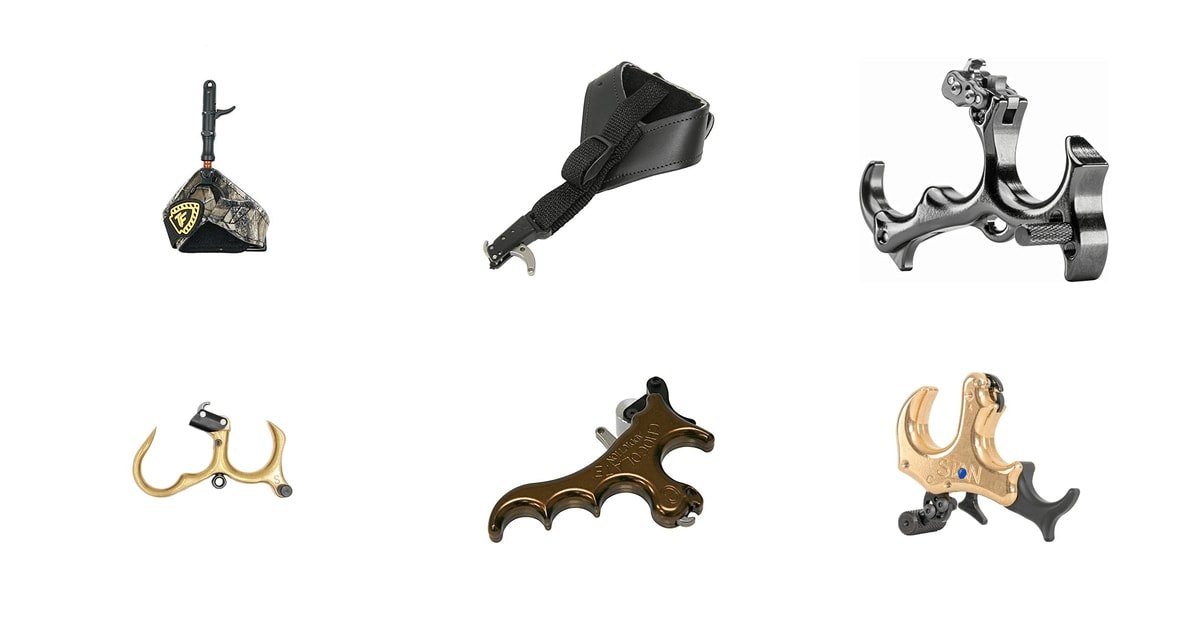
Your release aid is the last piece of gear touching the bowstring, and it decides how cleanly that string leaves your hand. Get it right and your groups tighten without you changing anything else on the bow. Get it wrong and you'll chase fliers you end up blaming on the sight, the rest, or your arrows. Most shooters spend big on the bow and then grab whatever release is hanging by the register. That's backwards. A release that fits your hand and breaks the same way every time is the easiest accuracy you'll ever buy.
No release fixes your form, and none of them are set-and-forget. Every adjustable model ships with a generic trigger setting that won't match your draw weight or your preference, so plan on a session or two spent dialing travel and tension. Fit is a guess when you buy online, since strap and handle sizing varies between brands, and a release that's a size off will torque the string. And if you punch the trigger, new hardware only postpones the problem. Your technique still has to come along.
So think about how you actually shoot. If you hunt from a stand in the cold, you want something strapped to your wrist and ready before the deer steps out. If you shoot 3D or indoor targets, a handheld thumb release rewards the practice you're already putting in. Beginners should start on a wrist strap either way, and can move up later. We think that the Scott Archery Longhorn Pro Micro Gold is the best archery release aid for most compound bow shooters, and that the Spot Hogg Wiseguy Release Buckle is the one to buy if you want a zero-travel trigger.
Everything we recommend

A tunable wrist release that suits cold hands and hot days

A fast, crisp trigger and a hook that reloads itself

The simple first release that still adjusts where it counts

Competition-grade feel, if you'll put in the practice
At a glance
| Product | Release Type | Finger Count | Price | |
|---|---|---|---|---|
| Scott Archery Longhorn Pro Micro GoldTop pick | — | 3-Finger | $155 |
 | LWANO Archery Compound Bow Release Aids TriggerAlso in lineup | Caliper | — | $29.99 |
 | LWANO Archery Compound Bow Release Aids TriggerAlso consider | Caliper | 3-4 Finger | $79.99 |
| Spot Hogg Wiseguy Release BuckleRunner-up | Trigger | — | $110.08On sale |
| Stan OnneX Clicker Thumb Bow Release AidUpgrade pick | Clicker Thumb | 3-4 Finger | $329.99On sale |
 | TRU Ball HBC Flex Release 3 FingerAlso in lineup | Flex Release | 3-Finger | $289.99 |
| TruFire Patriot ProBudget pick | Trigger | — | $34.99 |
How we picked
Trigger adjustability. We looked for releases that let you set both travel and tension rather than locking you into a factory break point. Fixed-geometry triggers force you to adapt your technique, which is the wrong way round.
Head and jaw design. Spec sheets tell you a lot here: four-jaw and dual-caliper heads center the D-loop more symmetrically than a single caliper, which shows up as less side torque at the shot. Self-reloading and push-to-close heads earned extra credit for one-handed loading.
Build materials. Machined 6061-T6 aluminum, brass, stainless internals, and DLC coatings hold up for years where cast zinc goes soft. Corrosion resistance mattered too, since sweat and rain kill more releases than shot count does.
Fit and hand size. We checked published sizing, strap adjustment range, and finger configuration options, because a release that's a size off torques the string. Owner feedback on wrist releases repeatedly comes back to strap comfort over long sessions.
Hunting or target use. Hunting releases need to be quiet, glove-friendly, and ready before the draw; target releases need repeatable trigger geometry above all. We chose picks for both jobs instead of pretending one release covers everything.
Top pick
A tunable wrist release that suits cold hands and hot days
Scott Archery Longhorn Pro Micro Gold
This is a wrist-strap release with a hand-polished brass head, micro-adjustable trigger travel, and three swappable moons that change how the click feels. It's for shooters who want to tune the break point once and then stop thinking about their release entirely.
$155fromAmazonThe brass head is the reason to buy it. Hand-polished brass runs smoother against the D-loop than the cast heads on cheaper releases, so the string separates the same way shot after shot. That consistency is the entire job of a release aid. Brass also shrugs off the sweat and damp that pit lesser metals after a few seasons of hard use in the woods.
Three interchangeable moons let you change how the trigger feels without buying a second release. The Hot Click gives you a quick, responsive break for warm-weather practice. The Cold Click raises the threshold, which helps when your fingers are numb and you can't feel much through a glove. The No Click moon takes the audible feedback away, and that's the one you'll want in a quiet stand at first light.
Micro-adjustable travel to click means you set the break point, not the factory. Dial the trigger down to a short, crisp pull for deliberate target shots, or leave a little more travel if hair triggers make you flinch. Shooters who've fought a too-light release will get the most out of this. Move it in small increments, shoot a dozen arrows, then adjust again.
The supporting hardware is honest. A stainless steel yoke and a precision-ground hood with return mean the head comes back to position on its own, so you're not wrestling it onto the loop with one hand. Scott has been building releases for a long time, and published reviews of the brand consistently point to fit and finish rather than gimmicks. Nothing here feels like a catalog part.
Flaws but not dealbreakers
It's one of the more expensive releases here, and that's real money for a strap and a trigger. If you shoot a few dozen arrows a season, you won't use half of what you're paying for. The three-moon system in particular only earns its keep if you shoot across a wide temperature range. Casual shooters should look at the TruFire Patriot Pro first and upgrade later.
This listing is the Large, three-finger version. If your wrist measures on the small side, or you want a shorter bar between the head and the strap, you'll need a different size, and buying blind online is a coin flip. Measure your wrist before you order. Sizing up is the safer mistake, since a slightly loose strap is easy to cinch down.
Runner-upOn sale
A fast, crisp trigger and a hook that reloads itself
Spot Hogg Wiseguy Release Buckle
This buckle-strap release pairs a zero-travel trigger with a self-reloading hook, so the shot breaks the instant you ask and the head is ready for the next arrow. The forward trigger position also stretches your effective draw length slightly, which is free arrow speed.
$110.08fromAmazonList priceZero travel means the shot goes when you decide it goes. There's no creep to work through and no vague middle ground where you're not sure whether the trigger has moved. For shooters who hold at full draw waiting on an animal to turn, that predictability matters more than almost anything else. You learn what the break feels like once, and it stays that way.
The self-reloading hook saves you fumbling in the moment that counts. After the shot, the hook re-engages on its own instead of hanging open, so getting a second arrow on the loop is quick and quiet. In a stand, that's the difference between a controlled follow-up and a scramble. It also speeds up practice, since you're not resetting the head between every arrow.
The forward trigger design buys you a little draw length. Shifting the trigger toward the front moves your hand's contact point back, which can add a touch of speed depending on your bow and draw. It's not dramatic, but it's the kind of free gain most shooters ignore. Pair it with the micro-adjustable strap length and you can fine-tune where the head sits relative to your anchor.
It's light and it adjusts where it should. The whole thing weighs a couple of ounces, so you forget it's on your wrist during a long sit. The buckle length adjusts in fine increments, and the trigger includes a fail-safe so the head won't dump the string if you bump it. That combination is unusual outside of releases that cost considerably more.
Flaws but not dealbreakers
A zero-travel trigger punishes sloppy setup. Set the tension too light and it can fire before you're settled at anchor, which is both a safety issue and a fast way to build a flinch. Give yourself a session to find a setting that breaks cleanly but still asks for deliberate pressure. If you want more margin for error, the Scott's adjustable travel is friendlier.
The listing detail is thin and the strap comes one size. Spot Hogg doesn't publish much beyond the basics, so you're relying on the brand's machining reputation rather than a long spec sheet. The buckle covers a reasonable range of wrists, but there's no small or large option to choose from. Owners with unusually small wrists sometimes report running out of adjustment.
It's still an index-finger release. If your goal is the tightest possible indoor group, a thumb button or a hinge will get you further, because the firing motion doesn't involve your trigger finger at all. This is a hunting-first design. Target archers should read the upgrade pick instead.
Budget pick
The simple first release that still adjusts where it counts
TruFire Patriot Pro
Push-to-close jaws, tool-free trigger travel adjustment, and a four-position pin let a new shooter set this up properly on day one. It costs a fraction of the premium wrist releases here and gives up less than you'd expect.
$34.99fromAmazonPush-to-close jaws make loading a one-handed job. You press the head against the D-loop and it snaps shut, which sounds trivial until you're doing it in a treestand with gloves on and an animal walking in. New shooters especially benefit, because there's no separate cocking step to forget. The contoured head also slides onto the loop cleanly rather than catching on it.
You can change the trigger travel without hunting for a specialty tool. That matters more than it sounds. A lot of budget releases either lock the trigger geometry or hide the adjustment behind hardware nobody owns, so beginners shoot a factory setting that doesn't suit them. Here you can set a break point you like, shoot a round, and tweak it again the same afternoon.
The four-position pin length adjustment is the sleeper spec. It sets how far the head sits from your wrist, which controls where the release lands relative to your anchor point. New compound shooters almost never think about this, and it's a common reason a release feels wrong for months. Getting it right costs you five minutes and an Allen key.
Hardened, non-stick components hold up to sweat. Summer practice sessions and humid September hunts are hard on untreated metal, and a gummy or corroded caliper is a release that fires inconsistently. The treated parts here resist that. The strap fits either hand and cinches with one hand, so left-handed shooters don't need a different model.
Flaws but not dealbreakers
A single caliper isn't as consistent as a four-jaw head. With one moving jaw, the loop can sit slightly differently between shots, and small variations in string torque show up at longer distances. Over a long session that adds up. For hunting inside forty yards you'll likely never notice, but indoor target shooters will.
The strap is functional, not comfortable. The no-stretch fabric does its job and doesn't creep, but there's no real padding, and owners of wrist releases in this class commonly report hot spots after a couple of hours on the practice line. If you shoot long sessions, a padded strap is worth the upgrade.
There's a ceiling on how refined the trigger gets. It adjusts, but it won't feel like the Scott or the Spot Hogg at the break. If you shoot enough to notice the difference, treat this as a starting point rather than a forever release.
Upgrade pickOn sale
Competition-grade feel, if you'll put in the practice
Stan OnneX Clicker Thumb Bow Release Aid
DLC-coated internals and a timed click mechanism make this a target archer's release, built to fire on a reference point rather than on a conscious thumb push. It's the most demanding option here and the most rewarding once your execution catches up.
$329.99fromAmazonList priceDiamond-Like Coating on the internals is the headline, and it's not marketing. DLC gives the sear and hook surfaces near-diamond hardness with very little friction, so the firing mechanism feels the same on arrow ten thousand as it did on arrow one. Friction is what makes a release creep and change character over time. Removing it is how you get a break you can trust across a whole season of tournaments.
The click trains you out of punching the trigger. Instead of firing the moment your thumb touches the barrel, you draw through a reference point, hear the click, and finish with back tension. That reorders the whole shot sequence. For archers fighting anticipation or early target panic, this is a gentler bridge than jumping straight to a hinge release, and published coaching advice tends to recommend exactly that path.
It adapts to your hand rather than the other way around. The release ships as either a three-finger or four-finger configuration, with both extensions included and two thumb barrel sizes. The three-finger extension has a bulge that gives you a repeatable grip reference. Trigger travel and tension both adjust independently, so you can set how far the barrel moves and how hard you have to press.
Stan's platform means you're not locked in. The Thumb, Hinge, and Resistance releases share handle design, hook placement, and point of impact, so if you decide to move to a hinge later, your grip and sight picture come with you. That's a real advantage for competitive archers who rotate release styles through a season. You're buying into a system, not a one-off.
Flaws but not dealbreakers
It's the most expensive release in this guide by a wide margin. For a hunter who shoots a hundred arrows a year, that money buys precision you'll never call on. This makes sense if you shoot indoor or 3D leagues and your scores are limited by execution rather than equipment.
The learning curve is genuine. If you're coming from a standard thumb button, expect a few weeks of awkward shooting while you learn to let the click happen instead of forcing it. Some archers never take to click-based timing at all and go back to a conventional trigger. Try to shoot one before committing, if a shop near you stocks it.
It's the wrong tool for cold-weather hunting. A handheld has to be retrieved and positioned before you draw, and thumb barrels are fiddly through heavy gloves. If your shooting happens in November at dawn, buy a wrist release.
Who this is for
This guide is for compound bow shooters buying their first release or replacing one that no longer breaks the same way twice. If you hunt, a wrist strap is almost certainly the right category, and you should start with the Scott or the TruFire. If you shoot 3D or indoor targets and your scores are limited by how you execute rather than what you own, a thumb-button handheld will serve you better. Beginners of any stripe should start on a wrist strap, learn a clean shot cycle, and change categories later.
It's not the guide for you if you already shoot a hinge or resistance release and want another one, since none of these are back-tension models. It also won't help much with crossbows or recurve shooting, where a release isn't part of the setup. And if your trigger feel has changed, your caliper no longer closes cleanly, or your strap is fraying, that's a replacement signal rather than a reason to upgrade categories.
How we picked
Trigger adjustability: we favored releases where you can set travel and tension yourself, since a fixed break point makes you adapt to the tool. Head design: four-jaw and dual-caliper heads center the loop more evenly than a single caliper, and self-reloading or push-to-close heads let you load with one hand. Materials: brass, machined 6061-T6 aluminum, stainless internals, and DLC coatings survive sweat and seasons; cast zinc doesn't. Fit: we checked strap ranges, handle sizes, and finger configurations, because a release a size off will torque the string. Use case: hunting rewards quiet, glove-friendly, ready-to-draw designs, while target shooting rewards repeatable trigger geometry, and we picked for both.
Other archery release aids for compound bows worth considering
If you want a thumb-button handheld without the competition-tier outlay: The LWANO Archery Compound Bow Release Aids Trigger ($79.99) — This LWANO handheld reads like a much pricier release on paper. The frame is 6061-T6 aluminum with stainless internals that are precision-ground, the thumb button moves to multiple positions, and travel and tension both adjust with a travel-lock that holds your setting between sessions. In four-finger mode the pinky angle micro-adjusts, which is genuinely useful if standard three-finger handles feel cramped. The arc-shaped caliper is meant to speed up the release and reduce D-ring wear. What you give up is pedigree: LWANO doesn't have the track record of Stan, Tru-Ball, or Spot Hogg, and the arc caliper will feel unfamiliar if you've only shot jaw heads. For a shooter curious about handhelds who isn't ready to commit, it's a sensible way in.
The competition
These are the releases our research surfaced alongside the picks, not a survey of everything on the market. Both are legitimate products that lost out for specific reasons rather than being bad.
The TRU Ball HBC Flex Release 3 Finger ($289.99) — The TRU Ball HBC Flex Release is a three-finger handheld with a flex handle and a black tungsten finish, and Tru-Ball's HBC head has a long-standing reputation among serious bowhunters — archery press coverage has singled it out for its quiet jaw and glove compatibility. The flex handle gives you a relaxed, open grip that puts less torque into the string during a long hold at full draw, and the tungsten finish resists corrosion better than plain aluminum in wet country. It lost to the Spot Hogg on value and to the Stan on precision: it sits near the top of the price range here, and the listing publishes almost no specifications, so you're buying on the brand's reputation rather than on disclosed detail. Experienced hunters who already know they want the HBC head in a flex-handle, medium-size format should still buy it.
The LWANO Archery Compound Bow Release Aids Trigger ($29.99) — The LWANO 360° Adjustable Wristband Release is the most bare-bones option here, and it's aimed squarely at beginners and youth archers. The single caliper rotates a full 360 degrees, so it works for left- and right-handed shooters without any modification and self-aligns to the D-loop even when wrist position varies from shot to shot. The strap is soft-lined with a metal buckle, and the bar length sets to three preset positions. It didn't make the picks because the single caliper gives up nock-engagement consistency, the trigger is sensitive without much adjustment to speak of, and that full rotation feels imprecise once you want repeatable head positioning. Still, for a kid's first release or a spare in the pack, it does the job — and the TruFire Patriot Pro costs only a little more and adds real trigger adjustment.
Setup and care
Set your trigger before your first session, not after. Every adjustable release ships with a generic factory setting that won't match your draw weight, and a trigger that's too light can fire before you're anchored while one that's too heavy builds a flinch. Start with moderate travel and medium tension, shoot ten arrows, then change one variable at a time. After that, upkeep is simple. Brush debris out of the jaws or caliper with a dry toothbrush after rain, mud, or a sweaty afternoon. Every few months, put a single drop of light oil or dry PTFE lubricant on the sear and pivot points. Skip WD-40, which attracts grit and gums up internals over time. Replace the release when the trigger feel changes, the head stops closing cleanly, or the strap frays.
Questions we get
What's the best release aid for a beginner?
A wrist-strap index-finger release, almost without exception. It stays attached to your arm, it's quick to get on the string, and the firing motion is intuitive. The TruFire Patriot Pro is our budget pick for exactly this reason, since it adds real trigger and pin-length adjustment that most starter releases skip.
What's the difference between a wrist strap release and a thumb button release?
A wrist release straps to your arm and fires with your index finger, which makes it fast to deploy and easy to learn — that's why it dominates bowhunting. A thumb-button handheld is held like a small pistol grip and fired with your thumb, which takes the trigger finger out of the shot and generally produces tighter groups once your technique is solid. Wrist releases are more forgiving; thumb buttons reward practice.
How do I adjust trigger sensitivity on a release aid?
Most adjustable releases have one screw for sear tension and another for travel distance. Begin with medium travel and moderate tension, shoot ten arrows, then adjust a single variable and shoot again. Never set the trigger so light that it can fire under load at full draw — that's a safety problem first and an accuracy problem second.
Will switching releases fix my target panic?
It can help, but it isn't a cure by itself. Target panic is a conditioned flinch tied to the conscious trigger pull, so moving to a hinge or back-tension release removes the trigger from the equation and breaks the reflex loop over several weeks of dedicated practice. A click-based thumb release like the Stan OnneX is an intermediate step: you fire off a reference point rather than a deliberate push, which disrupts the cycle without a full style change.
What size wrist strap release should I buy?
As a rough guide, wrists under about 6.5 inches suit a small, 6.5 to 7.5 inches suit a medium, and anything above that suits a large. Measure before you order, since sizing language varies between brands. The Scott Archery Longhorn Pro Micro Gold listed here is the Large. If you're between sizes, go up — a slightly loose strap adjusts down easily, but a short one won't buckle.
Can I hunt with a thumb-button handheld release?
Yes, and some experienced hunters prefer them for the extra consistency. The catch is deployment: a wrist release is already on your arm and ready, while a handheld has to be found, gripped, and set on the loop before you draw. If a buck steps out at fifteen yards unannounced, that difference is the whole shot. Cold hands and heavy gloves make thumb barrels harder to work, too.
Why you should trust us
For this guide:
- We read the published specifications and listing details for every release here, comparing head design, trigger adjustment, and materials side by side.
- We reviewed archery-press coverage and coaching guidance on release styles, including reporting on the Tru-Ball HBC platform and long-standing advice that new compound shooters start with a wrist strap.
- We weighed recurring themes in owner feedback — strap comfort, trigger creep, and jaw wear — over manufacturer claims when the two disagreed.
- We read owner reviews on every listing, weighted toward the critical ones, because that is where the recurring failures show up.
- We have a systematic way of automatically fetching the latest prices, so the numbers on this page stay current.
- This is a research-focused guide, so the team may not own every product listed — though we often do own the top winners, which gives us extra context for the recommendations.
- We don't accept free products, and the retailer commission never changes which product we recommend.
Sources
Release Aid Buyer's Guide — Lancaster Archery Supply, Lancaster Archery Supply
How to Choose the Right Archery Release — Archery 360 (USA Archery), Archery 360 / USA Archery
Best Bow Releases for 2026 — Bowhunter Magazine, Bowhunter Magazine
TriggerTech Diamond Compound Review — Grand View Outdoors, Grand View Outdoors
Target Panic: Causes and Cures — NockPoint News (Lancaster Archery), Lancaster Archery / NockPoint News
Amazon product listings and owner reviews for all 7 products
Manufacturer specification pages for each product
Some passages in this guide may be paraphrased with AI help. Prices are refreshed automatically.
More like this.
Continue exploring lifestyle reviews and recommendations.

The Best Compound Bows for Beginners
A first compound bow has one job: let you shoot enough arrows to find out whether you like archery. That means it has to fit you right now and still fit…

The Best Snake Bite First Aid Kits
Snakes bite about 7,000 to 8,000 people in the US every year, according to the CDC, and fewer than 10 of those people die - almost entirely because…

The Best Hiking Poles
Hiking poles change how a trail feels. On a steep descent, they take a real bite out of what your knees absorb - research published in Clinical…

The Best Packing Cubes
Packing cubes solve a small, annoying problem. You know the one: it's 6 a.m., your flight is in two hours, and your socks are somewhere under a folded…

The Best Wind-Resistant Compact Umbrellas
A compact umbrella earns its keep on the walk from the train to the office, when the rain is coming sideways and you've got a bag on one shoulder. What…

The Best Backpacking Water Filters
Clean water is the one thing you can't carry enough of. A liter weighs about two pounds, so on any trip longer than an afternoon you're going to be…