The Best Face Cleansers
Washing your face is the one skincare step almost everyone does, and it's the easiest one to get wrong. A cleanser that's too aggressive strips the oils your skin makes on purpose, and you end up with tightness, flaking, or a shinier T-zone by noon. That squeaky-clean feeling people chase is actually the warning sign. A good cleanser takes off sunscreen, sweat and the day's grime, then gets out of the way. You shouldn't need to rush for moisturizer the second you towel off.
No single bottle does everything. Rinse-off products sit on your skin for maybe thirty seconds, so don't expect a cleanser to fix wrinkles, clear acne or replace a serum — the actives just don't have time to work. And nothing here reliably takes off waterproof mascara and a full face of long-wear foundation in one pass without some help. If you wear heavy makeup or a thick mineral sunscreen, plan on two rounds at night. That's not a flaw in any of these products. It's how cleansing works.
We looked at ingredient lists, brand and dermatology-body certifications, published reviews and what long-term owners say about how their skin feels after a month of daily use. The differences that mattered were fragrance, surfactant type, and whether skin felt comfortable or tight afterward. Texture matters too, more than people expect — you'll skip a cleanser you dislike touching. We think that the CeraVe Hydrating Facial Cleanser is the best face cleanser for most people, and that the La Roche-Posay Toleriane Hydrating Gentle Face Cleanser is the one to buy if your skin stings and reddens at the slightest provocation.
Everything we recommend
Gentle enough for nearly everyone, cheap enough to use twice a day

The one to try when everything else stings

Real foam without the tight, stripped after-feel

For dry or mature skin that feels tight after every other wash
At a glance
| Product | Skin Type | Formula Type | Price | |
|---|---|---|---|---|
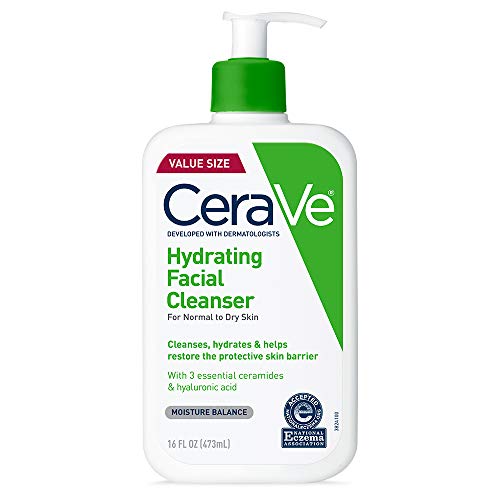
| CeraVe Hydrating Facial CleanserTop pick | Normal To Dry | Non-Foaming | $15.97On sale |
| La Roche-Posay Toleriane Hydrating Gentle Face CleanserRunner-up | Normal To Dry | Cream | $19.99 |
| Neutrogena Ultra Gentle Foaming Facial CleanserBudget pick | Sensitive Skin | Foaming | $11.87On sale |
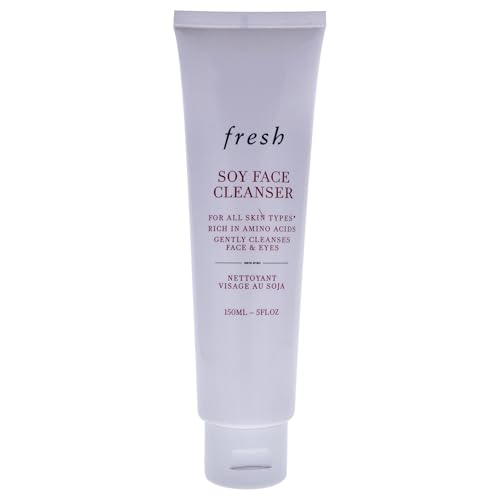 | Fresh CleanserAlso consider | All Skin Types | — | $32On sale |
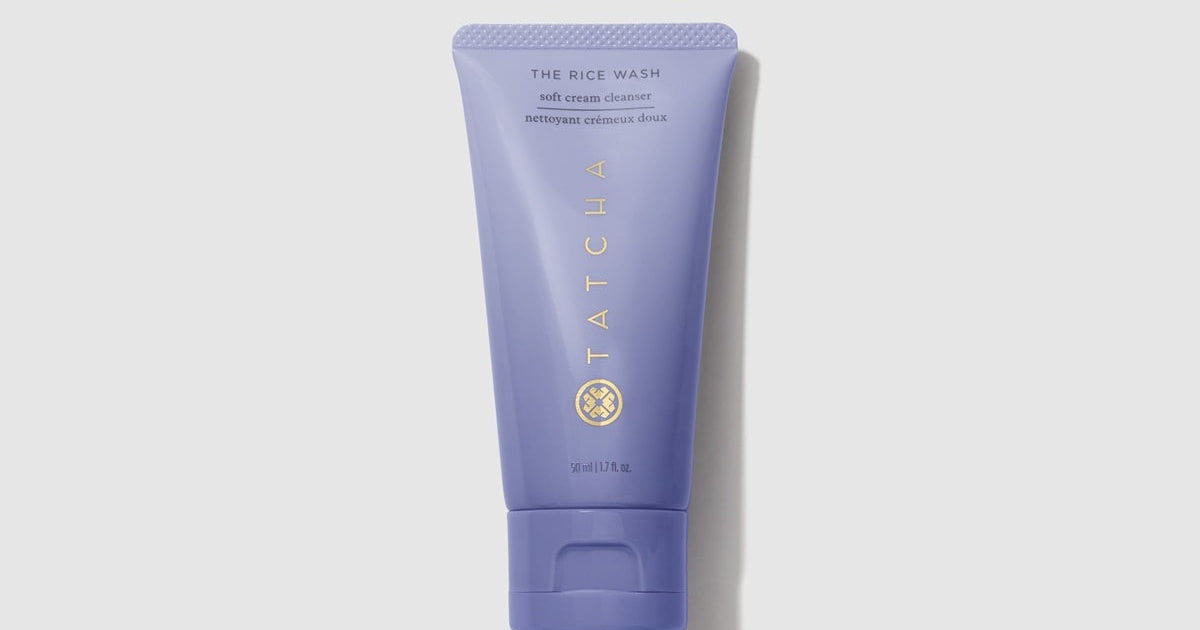
| TATCHA The Rice WashUpgrade pick | — | Cream | $40 |
How we picked
Barrier friendliness. We looked for ceramides, niacinamide, glycerin or hyaluronic acid in the formula, and for owner feedback describing skin that feels comfortable rather than tight after rinsing. Post-wash tightness was the single most useful signal across every product here.
Fragrance and irritants. Fragrance is the leading cause of allergic contact dermatitis in skincare, so we prioritized formulas that exclude it entirely, including botanical fragrance. We also checked for sulfate-based surfactants, which published dermatology guidance flags as irritating for sensitive skin.
Third-party certification. Seals like the National Eczema Association Seal of Acceptance, allergy testing and ophthalmologist testing mean a formula has been through structured evaluation rather than a brand's own say-so. We weighted those heavily for anything recommended to sensitive skin.
Everyday cost per use. We compared bottle size against how much product owners report using per wash, since a large bottle used sparingly can cost less per day than a small one you burn through. Cleansers meant for twice-daily use had to be practical to actually use twice daily.
Makeup and SPF removal. We read published review roundups and owner feedback on how each formula handles sunscreen, foundation and waterproof mascara. Anything that needed a second pass had to say so plainly rather than claim otherwise.
Top pickOn sale
Gentle enough for nearly everyone, cheap enough to use twice a day
CeraVe Hydrating Facial Cleanser
CeraVe's Hydrating Facial Cleanser is a lotion-textured, fragrance-free wash with ceramides and hyaluronic acid built in. It cleans without that tight, stripped feeling, it's certified by the National Eczema Association, and a 16-ounce bottle lasts months of twice-daily use.
$15.97fromAmazonList priceIt's the safest default if you don't know your skin type. Fragrance-free, paraben-free, non-comedogenic, and certified by the National Eczema Association — that combination rules out most of the common triggers before you even open the bottle. Owners with rosacea, eczema-prone skin and post-procedure skin all report using it without flare-ups. If you're building a routine from scratch, start here and change only if something's actually wrong.
The ceramides aren't just marketing. Ceramides are lipids your skin barrier already makes, and they account for roughly half of what holds that barrier together. CeraVe builds three of them — 1, 3 and 6-II — into every formula, along with hyaluronic acid and glycerin. So you're replacing a little of what washing removes as you wash. That's why skin doesn't feel taut afterward the way it does with a foaming bar.
It doesn't foam, and that's the point. The texture is closer to a thin lotion than a gel. It spreads easily, rinses in seconds, and leaves no film. Foam comes from surfactants, and the harsher ones are exactly what dries you out. Owners who'd bounced off other washes consistently mention that this one cleans without the tight after-feel. Some use it as a body wash or hand wash too.
The size makes twice-daily use painless. You get 16 fluid ounces, which for most people covers three to four months of morning and night washing. That matters more than it sounds. A cleanser you ration isn't a cleanser you use correctly, and skipping the morning wash to make a small bottle last is a bad trade. This is one of the least expensive options here per use.
It handles more makeup than you'd expect from a gentle formula. Owners report it takes off everyday foundation and even stubborn sunscreen when paired with a soft washcloth. It won't beat a dedicated oil cleanser on waterproof mascara. But for a normal day of sunscreen and light makeup, one pass is usually enough.
Flaws but not dealbreakers
If you love lather, you'll be disappointed. There's essentially no foam. Plenty of people equate bubbles with getting clean, and this feels like rubbing lotion on your face. It works — it just doesn't feel like washing. That's a real adjustment for some, and if you can't get past it, the Neutrogena is the better fit.
It's not a one-and-done makeup remover. Waterproof mascara and long-wear foundation will need a second pass or an oil-based first step. Not a dealbreaker, but worth knowing before you throw out your micellar water.
The thick texture is polarizing. Some people find it heavy or slightly slippery, especially oilier skin types who want something that feels more stripping. If your skin runs genuinely oily, you may prefer a gel or foam.
Runner-up
The one to try when everything else stings
La Roche-Posay Toleriane Hydrating Gentle Face Cleanser
La Roche-Posay's Toleriane Hydrating Gentle Cleanser pairs ceramide-3 and niacinamide with the brand's prebiotic thermal spring water. It's allergy-tested and fragrance-free, and European dermatologists have leaned on the Toleriane line for years for patients recovering from peels and laser work.
$19.99fromAmazonIt's built for skin that reacts to everything. Soap-free, oil-free, fragrance-free, paraben-free, allergy-tested and non-comedogenic. Fragrance is the leading cause of allergic contact dermatitis in skincare, and La Roche-Posay excludes it entirely — including the botanical kind that gets labeled as natural. If you've worked through a shelf of cleansers that all stung, this is the one to try next.
Niacinamide is one of the few actives that survives a rinse-off. It's water-soluble, so it doesn't need a long sit to do anything. Owners describe less redness after a few weeks, and several specifically mention visible facial veins looking calmer. Don't expect serum-level results — the concentration here is low. But it's a small, free bonus on top of a wash you'd use anyway.
It rinses completely and quickly. The cream formula clears in well under a minute with no film left behind. That matters if you layer anything afterward, since residue blocks whatever you apply next. It's also mild enough for the eye area, which contact lens wearers appreciate.
Owners with dry, sensitive skin repurchase it over and over. The recurring theme in feedback is that skin feels soft rather than squeaky, and that it's one of the few washes people stick with long-term. Some with oily skin like it too, which is unusual for a hydrating cream cleanser.
Flaws but not dealbreakers
It costs more than CeraVe without doing much more for normal skin. If your face isn't reactive, you're paying a premium for allergy testing and thermal water you don't need. Take the CeraVe instead.
Actively flaring eczema is a different story. At least one owner with severe eczema reports it burns on broken, flared patches, even though it's fine on generally dry, rough skin. If you're mid-flare, patch test before you commit to washing with it.
It won't take off heavy makeup. The formula is too mild to dissolve long-wear foundation or waterproof mascara in one go. Budget for a first cleansing step at night.
Budget pickOn sale
Real foam without the tight, stripped after-feel
Neutrogena Ultra Gentle Foaming Facial Cleanser
Neutrogena's Ultra Gentle Foaming Facial Cleanser gives you the lather most drugstore washes deliver, but skips the harsh sulfates that usually come with it. It's soap-free, dye-free, fragrance-free and hypoallergenic, and it's the least expensive option in this guide.
$11.87fromAmazonList priceIt's a foaming cleanser that actually earns the gentle label. Most drugstore foams lean on sulfates for lather, and those score high on irritation charts. This one uses milder surfactants, so you get the rich foam and the rinse-clean finish without the tightness afterward. Owners with sensitive, sun-damaged and dry skin all report the same thing — it lathers well and doesn't leave that stripped feeling.
It's the obvious pick if you're oily or combination. Foam handles excess sebum on the T-zone better than a lotion cleanser does, and the mild surfactant system means your cheeks and jawline don't dry out in exchange. Several owners who'd been using harsher acne washes switched to this for everyday use and kept their skin clear without the peeling.
A little goes a long way, and there's a lot of it. The 16-ounce bottle is the same size as the CeraVe, and the foaming pump means you use less per wash. Owners repeatedly note you don't need much. For a household where more than one person is washing their face, that math works out well.
Dermatologists hand it to patients with compromised barriers. It's developed for sensitive skin and safe to use around the eyes, which is why it shows up in post-procedure aftercare — microneedling, peels, laser resurfacing. That's a strong signal for a product this inexpensive.
Flaws but not dealbreakers
There's not much in it beyond the cleansing itself. No ceramides, no niacinamide, no hyaluronic acid. It cleans and gets out of the way. If you want your wash to contribute something to your barrier, spend a little more on the CeraVe.
The foam is lighter than sulfate-based washes. If you grew up on dense, squeaky lather, this may feel thin by comparison. That thinness is the whole reason it's gentle, but it's still an adjustment.
Heavy sunscreen and waterproof makeup are beyond it. Foam sits on top of oils rather than dissolving them. On a high-SPF day you'll want an oil or balm first.
Upgrade pick
For dry or mature skin that feels tight after every other wash
TATCHA The Rice Wash
Tatcha's The Rice Wash is a soft cream that turns milky under water, with Japanese rice powder, hyaluronic acid, an Okinawa algae blend and ceramides. It's the most expensive cleanser here by a wide margin, and for genuinely dry or mature skin it's the one that solves the tightness problem.
$40fromAmazonIt's aimed squarely at skin that hates being washed. If you've spent years reaching for moisturizer the second you dry your face, this is the fix. Owners in their sixties describe it as the first cleanser that stopped the after-wash tightness entirely. The cream base deposits a thin comfortable film as it rinses instead of pulling everything off.
The texture is the reason people stay. It goes on as a soft cream and emulsifies into a milk with water. Owners describe it as a velvet massage rather than a chore — which sounds precious, but a wash you enjoy is a wash you'll actually do twice a day. It's the most pleasant thing to use in this guide, by some distance.
The ingredient deck backs up the barrier claims. Rice powder softens, hyaluronic acid and the algae blend pull in water, and added ceramides help slow moisture loss after you rinse. There's no sulfate, no mineral oil, no artificial fragrance. Owners with rosacea report it doesn't aggravate them.
A small amount goes a long way, which softens the price a little. Owners consistently say a pea-sized dab covers the whole face and that a tube lasts months of twice-daily washing. The jar is small, so run the math on cost per day rather than per bottle before you dismiss it.
Flaws but not dealbreakers
It's expensive, and for most skin it's overkill. If your face doesn't feel tight after washing with CeraVe, you won't get much from this. The reason to buy it is a specific problem it solves.
Oily and acne-prone skin should skip it. The cream base is rich and can feel like too much. Go with the Neutrogena foam instead.
The scent isn't for everyone. It's not artificially fragranced, but it isn't neutral either — owners describe a distinct smell, mild in most accounts but noticeable. And you can feel fine rice particles as you massage it in, which some people like and others don't.
Who this is for
This guide is for anyone who wants a daily face wash they can use morning and night without thinking about it. That covers most people — including dry, sensitive, eczema-prone and combination skin. If you're building a first routine, a gentle fragrance-free cleanser is the correct place to start, and any of the picks here will do. If you have active, moderate-to-severe acne, or a diagnosed skin condition you're treating, talk to a dermatologist first; a cleanser isn't the tool for that job and swapping washes won't fix it.
We stuck to rinse-off, water-based daily cleansers. That means no oil cleansers, balms, micellar waters, medicated acne washes or exfoliating scrubs, even though several of those are useful as a first step at night if you wear heavy makeup. We also aren't covering cleansing devices or brushes. And nothing in a rinse-off format will meaningfully treat wrinkles, dark spots or acne — the contact time is too short. Judge a cleanser on whether it leaves your skin clean and comfortable, and let your serums and moisturizers do the rest.
How we picked
We started with the ingredient lists and the certifications, then went to published reviews and long-term owner feedback to see whether the formulas hold up in daily use. Barrier friendliness: we favored ceramides, niacinamide, glycerin and hyaluronic acid, and treated post-wash tightness as the clearest sign a formula strips too hard. Fragrance and irritants: fully fragrance-free beat unscented, and mild glucoside or amino-acid surfactants beat sulfates. Certification: the National Eczema Association seal, allergy testing and ophthalmologist testing carried real weight for anything we'd hand to sensitive skin. Cost per use: we compared bottle size against how much people actually use, not the sticker on the front. Makeup and SPF removal: every pick had to be honest about whether it needs a second pass.
Other face cleansers worth considering
If you wear makeup every day and want to skip the double cleanse: The Fresh Cleanser ($32) — Fresh's Soy Face Cleanser has held a following for decades on the strength of one thing: it melts makeup off. The soy-derived surfactants target makeup and debris without pulling out your skin's own oils, and owners with very dry, sensitive skin say it takes off a full face without leaving them tight. It's gentle enough to use around the eyes and lashes without stinging. What you give up is price and purity — it costs considerably more per ounce than any drugstore option here, and it's not fully fragrance-free, so reactive skin should patch test. Owners with combination skin also note it's better for a light morning cleanse than for heavy product buildup. And if you have a serious soy allergy, skip it.
The competition
This is what our research surfaced as the strongest, most widely reviewed daily cleansers — not a survey of everything on the shelf. The category is enormous, and plenty of good formulas exist that we didn't look at. Every product in this guide earned a place among the picks or the alternates, so there's nothing here we'd steer you away from outright. What follows below is simply where the trade-offs land.
How to use a cleanser without wrecking your skin
Wash twice a day, morning and night, with lukewarm water — hot water strips oils on its own, before the cleanser does anything. Use your fingertips, not a scrub, a brush or a rough cloth. Mechanical friction damages the barrier even when the formula is perfectly gentle. Rinse thoroughly, since leftover residue clogs pores and blocks whatever you apply next. Pat dry with a clean towel and moisturize while your skin's still slightly damp. If your face feels tight, stings or looks squeaky within a minute of drying, your cleanser is too harsh for you. That's the signal to switch, not to add more moisturizer. And on days you wear waterproof makeup or heavy sunscreen, do an oil-based or balm step first, then follow with your regular wash.
Questions we get
What's the best face cleanser for all skin types?
The CeraVe Hydrating Facial Cleanser is the safest default for nearly everyone. It's gentle enough for sensitive and eczema-prone skin but still clears daily oil and grime from combination skin. Fragrance-free, non-comedogenic, and certified by the National Eczema Association — it's the least likely of any wash here to cause a new problem.
What face wash do dermatologists actually recommend?
CeraVe is the most-recommended brand by dermatologists in the United States, with La Roche-Posay close behind and especially favored in Europe. Both build around the same principles: fragrance-free, pH-balanced, and barrier-supporting ingredients like ceramides and niacinamide. The American Academy of Dermatology also advises washing twice daily with a gentle, non-abrasive cleanser and avoiding vigorous scrubbing.
What should I use if I have oily and dry patches at the same time?
Reach for a hydrating cleanser with mild surfactants rather than a dedicated oil-control wash. The CeraVe works well here — the ceramides support your dry patches while the gentle surfactants clear oil from your T-zone without over-cleansing either. If you'd rather have foam, the Neutrogena handles combination skin nicely too. Avoid anything with sulfates high in the ingredient list.
Can I use the same cleanser morning and night?
Yes, and for most people that's the right approach. Don't reach for something harsher at night just because you're removing makeup and sunscreen — that's how you damage the barrier. Cleansing should be thorough but never aggressive. If you wear heavy makeup or high-SPF sunscreen daily, add an oil-based first step at night instead of switching to a stronger wash.
Gel or cream cleanser if my skin is dry?
Cream, almost always. Cream and milk formulas like the Tatcha leave a thin comfortable film as they rinse, so your skin feels soft instead of taut. Gels tend to carry more active surfactants and can leave dry skin uncomfortably tight. If your skin is only mildly dry, the CeraVe's lotion-like texture is a good middle ground.
Does the pH of a cleanser actually matter?
It does. Your skin's acid mantle sits in the roughly 4.5 to 6.5 range, and washing with something far more alkaline disrupts it. True bar soaps typically land around pH 9 to 11, which is why they leave your face feeling tight. Every cleanser in this guide is formulated to stay in the skin-friendly range.
Why you should trust us
For this guide:
- We read the full ingredient lists and manufacturer specifications for every cleanser here, paying particular attention to surfactant type, fragrance and barrier ingredients.
- We compared published review roundups and dermatology guidance on cleanser pH, fragrance sensitivity and surfactant harshness.
- We read through long-term owner feedback for each product, looking for recurring themes around post-wash tightness, irritation and makeup removal rather than one-off complaints.
- We read owner reviews on every listing, weighted toward the critical ones, because that is where the recurring failures show up.
- We have a systematic way of automatically fetching the latest prices, so the numbers on this page stay current.
- This is a research-focused guide, so the team may not own every product listed — though we often do own the top winners, which gives us extra context for the recommendations.
- We don't accept free products, and the retailer commission never changes which product we recommend.
Sources
Best Face Washes of 2026 – Wirecutter/NYT, Wirecutter / New York Times
Best Facial Cleansers, Tested by Editors and Dermatologists – Allure, Allure
The Best Face Washes for Every Skin Type – Good Housekeeping, Good Housekeeping
Best Face Washes Tested in 2026 – Healthline, Healthline
Facial Cleansers & Skin Barrier Research – Journal of Clinical and Aesthetic Dermatology, Journal of Clinical and Aesthetic Dermatology
CeraVe Brand Overview & Dermatologist Endorsement Data – National Eczema Association, National Eczema Association
Face Washing Tips: What Dermatologists Recommend – American Academy of Dermatology, American Academy of Dermatology
Best Face Washes, Lab Tested – Consumer Reports, Consumer Reports
Amazon product listings and owner reviews for all 5 products
Manufacturer specification pages for each product
Some passages in this guide may be paraphrased with AI help. Prices are refreshed automatically.
More like this.
Continue exploring beauty reviews and recommendations.

The Best Facial Cleansing Brushes
A facial cleansing brush does one small job, and it does it better than your hands. It moves cleanser around your face with a steady, even motion,…

The Best Facial Cleansers
Washing your face is the one skincare step nobody skips, and it's the step most likely to cause trouble. A cleanser that strips too hard leaves your skin…

The Best Anti-Aging Face Moisturizers
An anti-aging moisturizer does two jobs at once. It keeps your face comfortable all day, and it carries actives - retinol, peptides, niacinamide - that…

The Best Face Masks
A face mask is skincare on a schedule you'll actually keep. You put it on, you wait ten or twenty minutes, and you rinse. Nothing else in a routine hands…

The Best Anti-Aging Face Serums
A serum is the step in a routine where the actual chemistry happens. Cleanser, moisturizer and sunscreen mostly support the work a serum does. A good one…

The Best Sunscreens for Face and Body
Sunscreen only works if you actually wear it. That sounds obvious, but it's the whole game. The formula you like - the one that doesn't sting your eyes,…