The Best Anti-Aging Face Serums
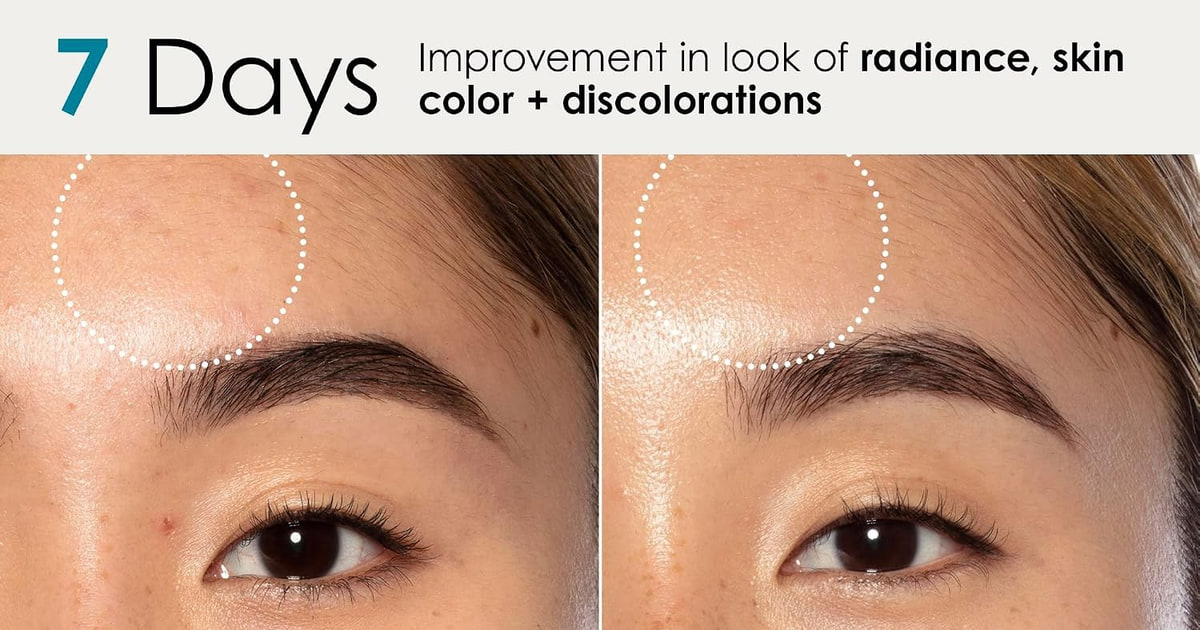
A serum is the step in a routine where the actual chemistry happens. Cleanser, moisturizer and sunscreen mostly support the work a serum does. A good one is thin enough to sink in before anything goes on top, stable enough to still be potent three months in, and gentle enough that you'll keep reaching for it. That last part matters more than people expect. Most serums don't fail because the formula was wrong. They fail because their owner quit in week four.
Here's the honest part: nothing in this category works fast, and nothing does everything. Retinoids need a couple of months before lines look different, and the first few weeks can be flaky and pink. Vitamin C fades spots gradually and oxidizes if you leave it in a sunny bathroom. Peptides are the most comfortable actives you can use and also the slowest. And every one of these makes skin more sun-sensitive, so skipping morning SPF turns the whole effort into wasted work.
So we sorted these by what they ask of you rather than by ingredient hype. Some people want one bottle and no learning curve. Others already use a retinoid nightly and want to move up a step. A few just want the surface to look brighter by the weekend. We think that the Estée Lauder Advanced Night Repair is the best anti-aging face serum for most people, and that the La Roche-Posay Pure Retinol Face Serum is the one to buy if you want to start a retinoid without the peeling.
Everything we recommend
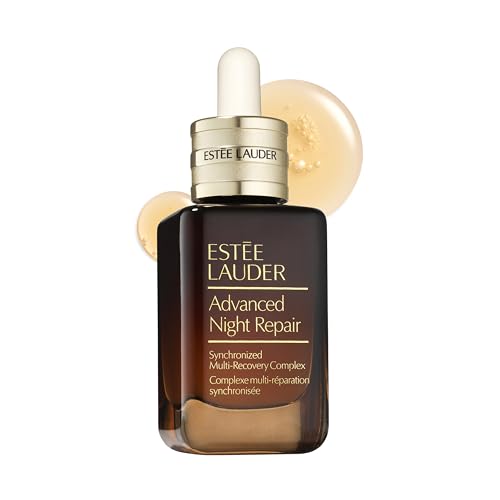
One bottle that covers most aging concerns, with no adjustment period

A gentle first retinol, if you can wait out the slow start

Peptides with no sting, though the payoff takes a couple of months

Faster results for skin that's already comfortable with retinol
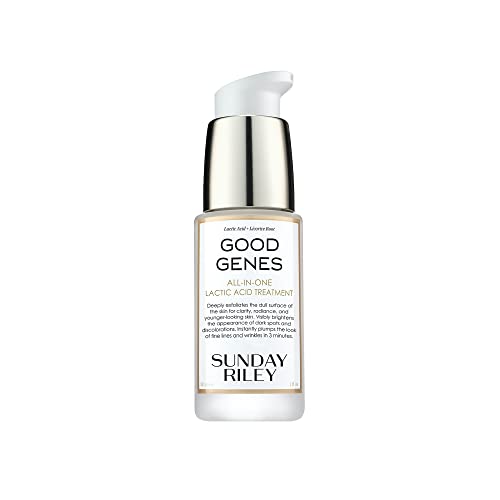
Visible brightening within days, at the cost of sun sensitivity
At a glance


How we picked
Proven active ingredients. We limited the list to serums built on actives with real clinical literature behind them: retinoids, L-ascorbic acid, alpha hydroxy acids and well-studied peptides. Anything whose main story was a proprietary botanical blend didn't make the cut.
Useful concentration. An ingredient list means nothing without a dose. We favored brands that disclose concentrations on the label or their site, and we treated that transparency as a quality signal in itself.
Packaging that protects. Vitamin C and retinol both degrade in light and air. We looked for opaque bottles, airless pumps or single-use capsules, and we discounted potent actives sold in clear dropper bottles.
Tolerability. Owner feedback across these listings points to the same failure mode: people quit before results appear. We gave weight to formulas with buffering ingredients like niacinamide, vitamin E or hyaluronic acid, and to fragrance-free options for reactive skin.
Sustainable to reuse. These products only work when used consistently for months. We considered whether a serum is something you'd realistically restock rather than ration.
Top pick
One bottle that covers most aging concerns, with no adjustment period
Estée Lauder Advanced Night Repair Face Serum
Advanced Night Repair is a peptide and hyaluronic acid serum that firms, hydrates and evens tone without the redness or flaking a retinoid brings. It's the rare anti-aging product you can start using tonight, at full strength, on almost any skin.
$135fromAmazonIf you don't want your skincare to be a project, buy this one. There's no ramp-up schedule, no alternate-night calendar, no week of peeling to push through. You wash your face, you put it on, you go to bed. Owners with reactive skin report using it nightly without stinging, which is not something you can say about most serums that claim to do this much.
The texture is the quiet reason people repurchase it. It's a thin, slightly slippery fluid that disappears in under a minute and leaves nothing tacky behind, so your moisturizer goes on normally and your sunscreen doesn't pill in the morning. Estée Lauder lists it as free of synthetic fragrance, parabens and mineral oil. If you've bounced off serums that felt like a film on your face, this one won't.
The peptide-and-hyaluronic-acid combination is doing two jobs on two timelines. The hyaluronic acid plumps the surface right away, which is why skin looks fuller after a few nights. The peptide work — firmness, tone, softened fine lines — shows up over roughly two months of steady use. Estée Lauder ties the formula to circadian-rhythm research and positions it as a nighttime repair product, though nothing stops you from using it morning and night.
It also plays well with everything else. Because there's no acid and no retinoid in the bottle, you can layer it under a retinol on the nights you use one, or wear it over a vitamin C in the morning without worrying about which active cancels which. That flexibility is a real advantage if you're slowly building a routine rather than buying five products at once.
Flaws but not dealbreakers
It's the most expensive serum here on a per-bottle basis, and it's a product you have to keep buying. That's the whole objection, and it's a fair one. If you'd rather put that budget toward a retinoid and a sunscreen, nobody would call that the wrong call.
There's no retinol and no vitamin C in it, so deep, established wrinkles and stubborn dark spots aren't really its territory. It softens and firms; it doesn't resurface. Plenty of owners run it alongside a separate retinoid on alternating nights for exactly that reason.
Runner-upOn sale
A gentle first retinol, if you can wait out the slow start
La Roche-Posay Pure Retinol Face Serum with
This pairs pure retinol with niacinamide and hyaluronic acid, which takes most of the sting out of starting a retinoid. It's the serum dermatologists tend to hand nervous first-timers, and it's the one most likely to survive past month two.
$35.24fromAmazonList priceMost people who quit retinol quit in the first three weeks, when their cheeks are flaking and their chin is pink and nothing looks better yet. That's the problem this formula is built around. The niacinamide supports the skin barrier while the retinol does its irritating work, and owners with sensitive skin consistently describe this as the first retinoid that didn't drive them off.
It's still a real retinol, not a watered-down gesture. La Roche-Posay lists concentrated pure retinol alongside vitamin B3 and hyaluronic acid, aimed at lines, uneven texture and sun-related discoloration. People who stay with it past the two-month mark report smoother texture and fading spots. That's the normal retinoid timeline, and it's worth setting your expectations there before you start.
Start at two nights a week and don't get ambitious. Put it on dry skin, wait a minute, then seal it with a plain moisturizer — that buffering step alone prevents a lot of misery. If your skin stays calm for a few weeks, go to every other night. Daily is a goal, not a starting point, and plenty of people are perfectly happy stopping at three nights a week forever.
The bottle is opaque and pump-fed, which matters more than it sounds. Retinol degrades in light and air, so a serum sold in a clear dropper bottle is losing potency on your counter. This one is packaged for the ingredient it contains.
Flaws but not dealbreakers
It's slower and milder than the stronger retinoids here. If you've already been on a retinol for six months, this is a lateral move, not an upgrade — look at the Medik8 or the Paula's Choice instead.
Retinol makes skin more sun-sensitive, so morning SPF isn't optional while you're using it. A few owners have also reported bottles arriving underfilled, so check the level when it shows up.
Budget pick
Peptides with no sting, though the payoff takes a couple of months
The Ordinary Multi-Peptide + Hyaluronic Acid
The Ordinary packs SYN-AKE, Matrixyl 3000, Matrixyl synthe'6 and ARGIRELOX into one inexpensive bottle aimed at crow's feet and elasticity. It costs a small fraction of the luxury peptide serums and uses much of the same ingredient technology.
$19.90fromAmazonPeptides are the anti-aging active nobody has to build tolerance to. There's no purge, no flaking, no alternate-night schedule. If retinol has burned you, if you're pregnant and off retinoids, or if you just want to start somewhere forgiving, this is the obvious place. Owners describe it as boring in the best way — it goes on, it absorbs, nothing happens to your face except that it feels softer.
The Ordinary lists this as clinically shown to reduce the appearance of crow's feet after eight weeks of use, which is both the promise and the catch. Eight weeks is a long time to keep applying something with no dramatic early feedback. Set a reminder, use it twice a day, and check photos rather than the mirror.
The ingredient list is genuinely more sophisticated than the price suggests. SYN-AKE targets expression lines, the two Matrixyl complexes are among the better-studied collagen-support peptides, and multiple hyaluronic acid weights handle hydration. Luxury brands charge many times more for stacks that look a lot like this one.
It also works as a layer rather than a replacement. Because there's no acid, retinoid or vitamin C in it, you can put it under whatever active you're already committed to without a conflict. That makes it a cheap way to add firming work to a routine you don't want to rebuild.
Flaws but not dealbreakers
It's slightly heavier than the thinnest serums here, and a few owners find it a little tacky under makeup if they use too much. Two or three drops is the whole face.
Peptides sit lower than retinoids and vitamin C in the evidence hierarchy for wrinkles and pigmentation. This is a good first active or a good supporting one. If dark spots or deep lines are your main complaint, it isn't the strongest tool available.
Upgrade pick
Faster results for skin that's already comfortable with retinol
Medik8 Crystal Retinal 6 - Firming
Crystal Retinal 6 uses retinaldehyde, which converts to active retinoic acid in one step instead of two. Medik8 claims results up to eleven times faster than standard retinol, and the vitamin E and hyaluronic acid take some of the edge off.
$87fromAmazonThis is the step between drugstore retinol and a prescription. Retinol has to be converted twice by enzymes in your skin before it becomes retinoic acid, the form that actually does the work. Retinaldehyde skips a step. That's the entire argument for paying more, and it's one of the better-supported premium arguments in skincare.
The number in the name is a strength, not a marketing flourish. Crystal Retinal comes in 1, 3, 6 and 10, and Medik8 lists the 6 as containing 0.06% retinaldehyde for people who've already finished the 3 or use another retinoid. If you've never used a retinoid, starting here is a bad idea — you'll get a week of raw, flaky skin and conclude that retinoids aren't for you.
Medik8 buffers the formula with hyaluronic acid, glycerin and vitamin E, which is why owners describe it as less punishing than the strength implies. It still isn't gentle. Apply it to completely dry skin at night, keep it away from the corners of your nose and eyes, and follow with moisturizer.
Use it at night, full stop. Retinaldehyde breaks down in light, so a daytime application wastes the ingredient and increases your sun sensitivity for nothing.
Flaws but not dealbreakers
It costs several times what a drugstore retinol does, and you'll go through it at the same rate. If you're not already using a retinoid consistently, that spend buys you irritation rather than results.
The strength ladder is useful but it's also a commitment — moving up means buying another bottle rather than adjusting a dial. And like every retinoid here, it can't share a night with an AHA serum without amplifying irritation in both directions.
Also greatOn sale
Visible brightening within days, at the cost of sun sensitivity
Sunday Riley Good Genes All-in-One Lactic Acid
Good Genes is a high-strength purified lactic acid treatment with licorice extract for dark spots. It's the fastest-acting product here — skin looks brighter the next morning — and the one that most demands disciplined sunscreen use.
$63.75fromAmazonList priceExfoliating acids are the only actives here with instant feedback. Retinoids and peptides ask for months. Lactic acid loosens the dead cells on the surface, so you see the difference the next morning: less dullness, softer texture, more light coming off the skin. Sunday Riley claims improvement in the appearance of lines within minutes and dark spots over eight weeks, and owner feedback about the overnight glow is remarkably consistent.
Lactic acid is the gentler of the two common AHAs. Its molecule is bigger than glycolic acid's, so it penetrates more slowly and irritates less at comparable strength. That doesn't make this a mild product — it's concentrated — but it explains why people with skin that can't handle glycolic often get along with this.
The licorice extract is the part that separates it from a plain exfoliant. It works on pigment production rather than just sloughing pigmented cells away, which gives the formula two routes at uneven tone. If dark spots and dullness are your main complaints rather than lines, this is the most direct product on the list.
Start at two or three nights a week. Skin that's been exfoliated is more vulnerable to UV, and skipping SPF while using this will undo the brightening and then some.
Flaws but not dealbreakers
It's expensive for the bottle size, and it's a nightly-use product, so the cost recurs. Several owners note going through it faster than expected.
It's fragrance-forward — the listing calls the formula fragrance-free, but the ingredients themselves carry a strong scent that some people love and some find distracting. And it can't be layered with a retinoid on the same night without a lot of stinging.
Who this is for
This guide is for anyone who wants to slow down or soften the visible effects of sun and time — fine lines, uneven tone, dullness, loss of firmness. If you're in your late twenties and starting preventatively, a peptide or a gentle retinol is plenty. If you're further along and want structural change, a retinoid is the ingredient with the deepest evidence behind it. Either way, you need one active you can tolerate and a sunscreen, not five bottles.
It isn't for everyone. If you're pregnant or nursing, retinoids are off the table — talk to your doctor and stick with peptides. If your skin barrier is currently compromised, actively breaking out, or peeling from something else, add nothing new until it settles. And if your main concern is deep, set wrinkles or melasma, a prescription retinoid from a dermatologist will outrun anything you can buy off a shelf. We also don't cover moisturizers, cleansers or sunscreen here, though the last one is the single most important anti-aging product you own.
How we picked
We started from the ingredients that hold up under scrutiny and worked outward. Actives: retinoids, L-ascorbic acid, AHAs and well-studied peptides only — no proprietary botanical stories in place of a dose. Concentration: brands that publish their percentages, because a serum with 0.025% retinol and a serum with 1% retinol are not the same product. Packaging: opaque, airless or encapsulated for anything light-sensitive, since a vitamin C in a clear dropper is losing strength on your counter. Tolerability: buffering ingredients like niacinamide and vitamin E, fragrance-free options for reactive skin, and a realistic starting schedule. Consistency: whether the product is something you'd keep using for the two-to-three months these ingredients actually need.
Other anti-aging face serums worth considering
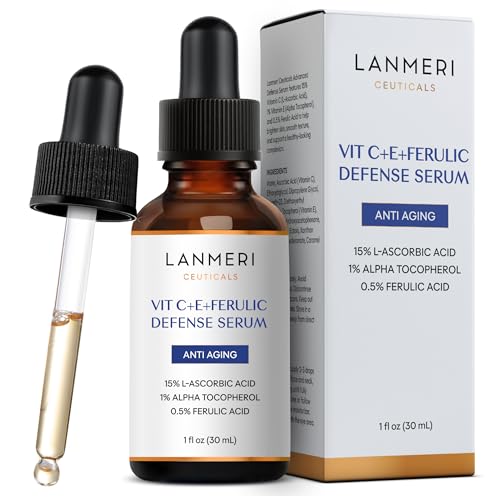
If you want a morning vitamin C with the full antioxidant triad: The Lanmeri Ceuticals 15% Vitamin C + E ($42.89) — Lanmeri Ceuticals pairs 15% vitamin C with 1% vitamin E and 0.5% ferulic acid — the combination that's been studied most closely for antioxidant stability — plus hyaluronic acid and ectoin, at a pH below 4. It ships in an amber airless bottle, which is exactly the packaging this ingredient needs. Two honest caveats: it's a newer brand without a long track record, and the formula has a distinct raw-ingredient smell that some owners take as a sign of authenticity and others simply dislike. A handful have reported bottle-to-bottle inconsistency, so inspect what arrives.
If you want the strongest retinol available without a prescription: The Paula's Choice CLINICAL 1% Retinol Face Treatment ($48.75) — Paula's Choice CLINICAL 1% Retinol is the ceiling for over-the-counter retinol in the US, and it comes with vitamins C and E, peptides and hyaluronic acid rather than as a bare active. It's fragrance-free, which removes one common irritant. The trade-off is real: at this strength, redness, dryness and peeling in the first weeks are normal rather than surprising, and owners with acne-prone skin sometimes report a rough purge. Don't start your retinoid career here, and don't pair it with an acid on the same night.
If you want a retinol you can restock at any drugstore: The Neutrogena Rapid Wrinkle Repair Retinol Face Serum ($20.48) — Neutrogena Rapid Wrinkle Repair uses an accelerated retinol complex with hyaluronic acid, and it's free of mineral oil and dyes. It's the least demanding way to run a genuine retinol routine, and the fact that you can grab a replacement on a grocery run is a bigger deal than it sounds — consistency is what makes retinoids work. The concentration is lower than the clinical serums here, so the timeline stretches, and the lightweight formula may not be enough moisture on its own for very dry skin.
If you want one exfoliant that handles both rough texture and clogged pores: The Drunk Elephant T.L.C. Framboos Glycolic Serum - ($90) — Drunk Elephant T.L.C. Framboos combines a 10% AHA blend — glycolic, tartaric, lactic and citric — with 1% salicylic acid, so it resurfaces the surface and clears out pore congestion in the same step. That BHA is the thing straight lactic acid formulas can't do. It's free of fragrance, essential oils and silicones, and owners with hyperpigmentation are especially loyal to it. It's also the priciest option here per milliliter, it stings at first, and 10% total AHA is too much for a compromised barrier. Every other night to start.
The competition
This is what our research surfaced, not a census of the category. Anti-aging serums number in the hundreds and new ones launch constantly. These three are worth knowing about — each does something specific well — but each lost to a pick for a reason we can name.
The Olay Vitamin C + Peptide 24 Serum ($22.33) — Olay Vitamin C + Peptide 24 is an unusually complete drugstore formula: vitamin C, peptides, vitamin B3 and lactic acid in one lightweight, citrus-scented fluid that sits well under makeup. Owners like it for brightness and for how quickly it absorbs. The active concentrations are lower than the dedicated vitamin C and peptide serums here, so it's a jack-of-all-trades rather than a specialist, and the fragrance rules it out for reactive skin. If you want one bottle from the drugstore and don't want to think about it, it's a reasonable choice.
The RoC Retinol Correxion Line Smoothing Night Serum ($12.99) — RoC Retinol Correxion Line Smoothing Night Serum Capsules solve a real problem elegantly — each single-use capsule keeps the retinol sealed away from air and light until the moment you use it, alongside a bio-derived antioxidant RoC says is twice as effective as vitamin E. The formula is fragrance-free. The catch is format: a ten-count box is a trial run, not a supply, and the per-capsule packaging piles up. Buy it to find out whether your skin tolerates retinol at all, then move to a bottle.
The COSRX Snail 96% Mucin Power Essence 2ea ($35) — The COSRX Glass Skin Starter Set bundles two bottles of Snail 96% Mucin Power Essence with a mini retinol cream. The essence is a barrier-repair and hydration product first — 96.3% snail secretion filtrate, thicker than a typical serum, and excellent if your skin is dry, dehydrated or recovering from over-exfoliation. It's reparative rather than corrective, so it won't do what a retinoid or vitamin C does for lines and spots, and the snail-derived ingredient rules it out for vegan routines. Good supporting player, not the main act.
How to layer and store these
Go thinnest to thickest, and give each layer a minute to sink in. Morning: cleanse, vitamin C, moisturizer, then sunscreen last — nothing goes on top of SPF, because anything you add disrupts the film. Night: cleanse, then your retinoid or acid on completely dry skin, then moisturizer over it to buffer and seal. Never run an AHA serum and a retinoid on the same night; alternate them instead, retinoid Monday and Wednesday, acid Tuesday and Thursday. Store vitamin C somewhere cool and dark, and watch the color. Fresh L-ascorbic acid is clear to pale yellow. Once it goes orange or brown it's oxidized, and applying it does more harm than good — replace it.
Questions we get
When should I start using an anti-aging serum?
Your mid-to-late twenties is a reasonable starting point, and there's no benefit to rushing it earlier. A morning vitamin C plus a low-strength retinol two or three nights a week covers the basics. In your thirties, step up the retinoid strength or add a peptide serum for firmness. Past that, retinaldehyde or a prescription retinoid does more for structural change.
Can I use retinol and vitamin C together?
Yes, but not in the same application. Vitamin C belongs in the morning, where it works alongside sunscreen against UV-generated free radicals. Retinol belongs at night, because light degrades it. Stacking them at once mostly buys you irritation and destabilizes both formulas.
How long before I see anything?
It depends entirely on the ingredient. AHA serums brighten the surface after a night or two. Vitamin C improves radiance over two to four weeks. Peptides need roughly eight weeks, and retinoids need eight to twelve before lines measurably change, with the real collagen work continuing for six months or more. The most common reason a serum seems to fail is that someone switched products before the two-month mark.
Are the expensive serums actually better?
Not reliably. Drugstore retinols from RoC and Neutrogena have decades of clinical data behind them, and The Ordinary's peptide stack uses much the same technology as serums costing many times more. What premium pricing usually buys is proprietary research, better packaging and prestige. That said, a few luxury formulas — retinaldehyde chemistry, for instance — are genuinely differentiated.
Can I use these if my skin is sensitive or acne-prone?
Yes, with the right pick. Peptide serums are the most universally tolerated and are the safest place to start. For a retinoid, choose one buffered with niacinamide and begin at one or two nights a week. Skip high-strength AHA serums entirely if your barrier is compromised or you're actively breaking out — exfoliating irritated skin makes both problems worse.
Do these help with dark spots?
Several do. Vitamin C interferes with the enzyme your skin needs to make melanin, which gradually lightens existing spots and slows new ones. AHAs speed up the turnover of pigmented surface cells. Lactic acid paired with licorice extract attacks pigment from both directions at once. Retinoids also even out tone over time as a secondary effect.
Why you should trust us
For this guide:
- We read the full ingredient lists, published concentrations and packaging details for all twelve of these listings, and compared them against dermatology guidance on which actives have real clinical support.
- We reviewed each brand's own published claims and clinical summaries, and treated marketing language as a claim rather than a finding.
- We read owner feedback across these listings for recurring themes — irritation timelines, texture complaints, scent, packaging problems — and used those patterns to shape the flaws and caveats above.
- We read owner reviews on every listing, weighted toward the critical ones, because that is where the recurring failures show up.
- We have a systematic way of automatically fetching the latest prices, so the numbers on this page stay current.
- This is a research-focused guide, so the team may not own every product listed — though we often do own the top winners, which gives us extra context for the recommendations.
- We don't accept free products, and the retailer commission never changes which product we recommend.
Sources
Best Anti-Aging Serums, According to Dermatologists, Allure
The Best Face Serums of 2026, Wirecutter
Retinoids in the Treatment of Skin Aging, National Institutes of Health
Anti-Aging Skin Care Guidance, American Academy of Dermatology
Best Vitamin C Serums for Brighter, Firmer Skin, Vogue
Amazon product listings and owner reviews for all 12 products
Manufacturer specification pages for each product
Some passages in this guide may be paraphrased with AI help. Prices are refreshed automatically.
More like this.
Continue exploring beauty reviews and recommendations.

The Best Anti-Aging Face Moisturizers
An anti-aging moisturizer does two jobs at once. It keeps your face comfortable all day, and it carries actives - retinol, peptides, niacinamide - that…

The Best Hyaluronic Acid Serums
Hyaluronic acid is a humectant, which is a roundabout way of saying it pulls water toward your skin and holds it there. That's the whole job. When it…

The Best Retinol Serums
Retinol is the rare skincare ingredient with decades of published research behind it. It speeds up how fast your skin sheds and replaces cells, and over…
The Best Retinol Creams and Night Serums
Retinol is the closest thing over-the-counter skincare has to a sure thing. It speeds up how fast your skin sheds and rebuilds itself, which softens fine…

The Best Hair Growth Serums for Thinning Hair
Hair thinning shows up in ordinary moments. You notice more strands in the shower drain, or your part looks wider under bathroom lighting. Maybe your…

The Best Vitamin C Serums
Vitamin C serum is the skincare step that pays you back slowly. You put it on in the morning, you follow it with sunscreen, and a couple of months later…