The Best Hyaluronic Acid Serums
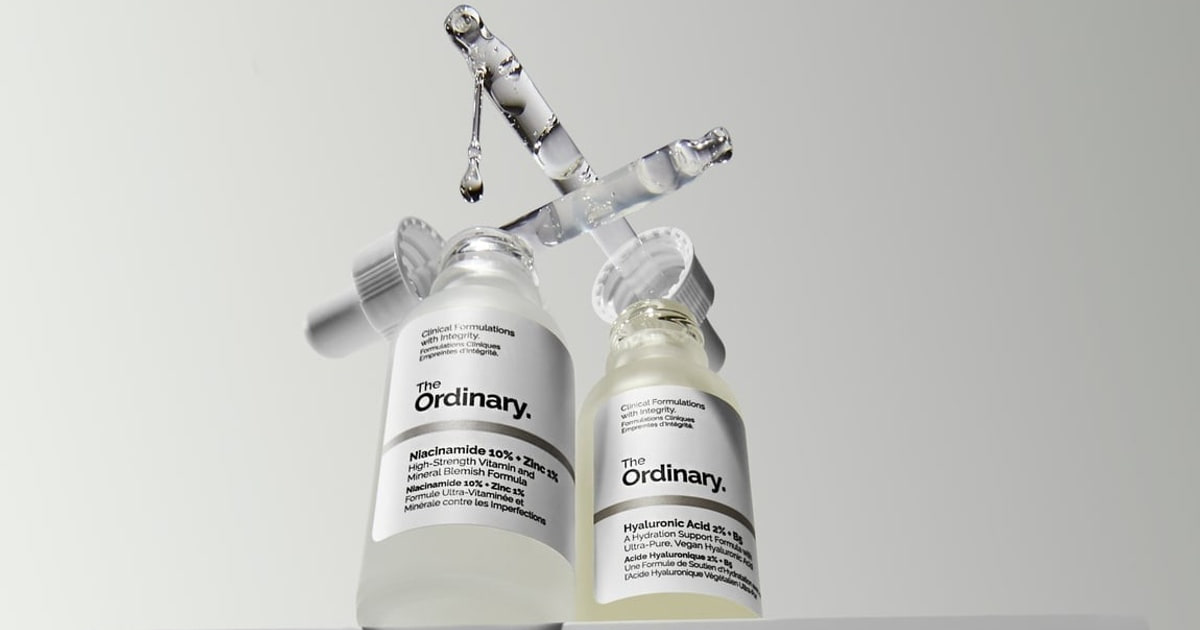
Hyaluronic acid is a humectant, which is a roundabout way of saying it pulls water toward your skin and holds it there. That's the whole job. When it works, your face feels comfortable instead of tight, makeup sits better, and fine dry lines soften for a few hours. You'll notice it most in winter, in an air-conditioned office, and on the day after a long flight. A good serum is an easy habit that makes the rest of your routine work a little better.
Here's the honest part: no hyaluronic acid serum changes your skin permanently. The plumping is water, and water leaves. Apply it to a dry face in a dry room, skip the moisturizer, and it can pull moisture up from deeper layers and leave you worse off than before. Nothing in this category solves that — it's just how the ingredient behaves. Concentration claims don't help much either, since most brands never publish a percentage, and the ones that do aren't automatically better.
So we sorted these by who they're actually for: texture, the co-ingredients doing the real repair work, whether the formula is fragrance-free, and how it behaves under sunscreen or makeup. Your skin type matters far more here than what you spend. We think that The Ordinary Hyaluronic Acid 2% + B5 (with Ceramides) is the best hyaluronic acid serum for most people, and that the La Roche-Posay Hyalu B5 is the one to buy if your skin is sensitive, reactive, or rosacea-prone.
Everything we recommend
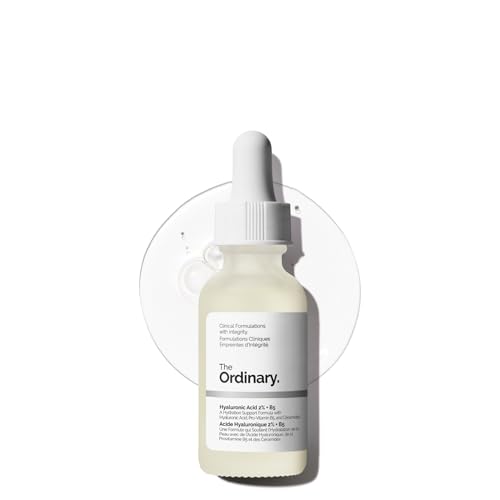
Thin, watery, and effective — where most people should start

Calmer and richer, for skin that flares at everything

An oil-free gel that disappears on shiny, congested skin

Slow-release ceramides for a barrier that keeps giving out

Deep hydration and glow, for skin that's genuinely parched
At a glance
| Product | Volume | Key Ingredient | Price | |
|---|---|---|---|---|
| The Ordinary Hyaluronic Acid 2% + B5Top pick | 1 Fl Oz | B5 + Ceramides | $9.90 |
| Cerave Hyaluronic Acid Serum for Face withAlso great | 1 Fl Oz | Vitamin B5 + Ceramides | $16.97On sale |
| Neutrogena Hydro Boost Hyaluronic Acid Serum forBudget pick | 1 Fl Oz | — | $16.03On sale |
| La Roche-Posay Hyalu B5 Pure Hyaluronic AcidRunner-up | 1.69 Fl Oz | Madecassoside | $40.49On sale |
 | VICHY Mineral 89 BoosterAlso consider | 1.7 Fl Oz | Polyglutamic Acid | $20.99On sale |
 | Drunk Elephant B-Hydra Hydration Serum - 50Also consider | 1.7 Fl Oz | Pineapple Ceramide | $56 |
 | LuminaSkin Hydrating Vitamin B5 Gel Skin Moisture-EnhancingAlso in lineup | 1 Fl Oz | — | $48 |
| Peter Thomas RothUpgrade pick | 1 Fl Oz | Ceramide Complex | $72 |
How we picked
Molecular weight range. We looked for formulas using more than one form of hyaluronic acid, since surface plumping and deeper hydration are different jobs. Serums naming multiple HA types or pairing pure HA with sodium hyaluronate ranked higher.
Repair co-ingredients. Water alone doesn't fix a damaged barrier. We gave weight to ceramides, pro-vitamin B5, and soothing actives like madecassoside, which published reviews and dermatology sources consistently treat as the useful additions.
Fragrance and irritants. Fragrance is the ingredient most likely to trigger a reaction in a facial serum, so we treated fragrance-free as close to mandatory. Every pick here is fragrance-free.
Texture and layering. We compared how each formula is described going on and read owner feedback for the two complaints that come up most: greasiness on oily skin and pilling under sunscreen or makeup.
Skin type fit. We matched gel textures to oily and combination skin and richer serums to dry or mature skin, rather than ranking everything on a single scale. A serum that suits one face badly suits another well.
Top pick
Thin, watery, and effective — where most people should start
The Ordinary Hyaluronic Acid 2% + B5
A fragrance-free dropper serum with five forms of hyaluronic acid plus ceramides and pro-vitamin B5. It hydrates as well as serums that cost many times more, and it doesn't ask you to have any particular skin type to get along with it.
$9.90fromAmazonFive types of hyaluronic acid beat one. The formula is built as a multi-depth blend, so some of it sits on the surface and plumps while smaller forms sink in further. That's the difference between skin that looks dewy for ten minutes and skin that still feels comfortable at four in the afternoon. Most drugstore serums use a single form and stop there.
The ceramides are the real upgrade here. Ceramides are the lipids your skin barrier is built from, and this version adds them to the old HA-and-B5 base. If your face goes tight and flaky right after you cleanse, that's usually a barrier problem, not just a water problem. Pro-vitamin B5 helps on the same front — it draws moisture in and supports your skin's own ceramide supply.
It's fragrance-free, so almost anyone can use it. Fragrance is the ingredient most likely to set off a reaction in a facial serum, and there isn't any in here. Oily, dry, combination, easily annoyed — the formula doesn't pick fights. Owners with reactive skin generally report it sits quietly under moisturizer and sunscreen. If you're new to this and don't want to gamble, start here.
It gets out of the way of everything else. The texture is watery and thin, so it soaks in fast and doesn't argue with a vitamin C serum, a retinoid, or a heavy night cream layered on top. Put it on damp skin, wait a few seconds, then seal it with your moisturizer. That one habit does more for your results than trading up to a fancier bottle.
Flaws but not dealbreakers
The texture feels like water, and some people hate that. There's no cushion, no slip — it's a thin dropper serum that basically vanishes. Next to Neutrogena's gel or the richer La Roche-Posay, it can feel like you applied nothing at all. It still works. But if you judge a serum by how it feels going on, you'll be underwhelmed.
A glass dropper isn't the friendliest home for hyaluronic acid. Every time you open it, the formula meets air, and droppers are messier and less protective than a pump. Owners also mention pilling when they layer a thick cream on top too fast. Give it thirty seconds to absorb and that mostly stops happening.
Runner-upOn sale
Calmer and richer, for skin that flares at everything
La Roche-Posay Hyalu B5 Pure Hyaluronic Acid
A dermatologist-favorite serum that pairs two molecular weights of hyaluronic acid with madecassoside, a Centella asiatica derivative that calms irritated skin. It costs more than the drugstore options, and for reactive or rosacea-prone faces that premium buys something real.
$40.49fromAmazonList priceMadecassoside is the reason to pay more. It's the soothing ingredient derived from Centella asiatica, and none of the drugstore serums here include it. If your cheeks go red and hot from cold wind, a new cleanser, or nothing you can identify, this is the formula in the group built around calming that down rather than just adding water on top.
Two molecular weights cover two different depths. Pure hyaluronic acid stays higher up and plumps the surface; the smaller sodium hyaluronate form travels further in. Using both means you get the immediate smoothing you can see and hydration that holds longer than a single-weight formula manages. The brand's own four-week consumer test found the large majority of users ended up with softer, more hydrated skin.
It's built for people who react to things. The formula is allergy-tested, fragrance-free, and marketed specifically for sensitive skin, and the brand's thermal spring water base is the same one running through the rest of its line. Published roundups from beauty and dermatology-focused outlets consistently land on this as the mid-range pick for reactive skin.
The richer texture suits dry weather. This isn't a watery serum — it has body, and it leaves skin feeling cushioned rather than bare. That's an advantage in a dry apartment in February or anywhere the heat runs all winter. Pro-vitamin B5 rounds it out on the barrier side, which matters if your skin is both dry and touchy.
Flaws but not dealbreakers
It pills if you rush it. The richer texture needs about a minute and a half to absorb before a heavy cream or sunscreen goes on top. Skip that wait and you'll roll little balls of product off your cheeks. Annoying, but entirely avoidable once you know.
The premium only makes sense if you're actually sensitive. For normal, oily, or mildly dry skin, you're paying extra for a soothing ingredient you don't need. The Ordinary gets you comparable surface hydration for a lot less. Buy this when redness and reactivity are the problem, not when dryness alone is.
Budget pickOn sale
An oil-free gel that disappears on shiny, congested skin
Neutrogena Hydro Boost Hyaluronic Acid Serum for
An oil-free, non-comedogenic gel with purified hyaluronic acid, trehalose, and glycerin that soaks in within seconds. If richer serums leave you looking greasy by lunch, this is the one that hydrates without adding shine.
$16.03fromAmazonList priceIt absorbs so fast you'll forget you put it on. The gel is oil-free and non-comedogenic, and it leaves no film, no tack, no shine. That's the whole appeal if you have oily or combination skin and you've written off serums because they made your T-zone worse. Sunscreen and foundation go on top without sliding or grabbing.
Three humectants work better than one. Alongside purified hyaluronic acid, the formula uses trehalose — a sugar that binds water — and glycerin, the most boringly reliable hydrator in skincare. Together they hold moisture longer than HA alone typically does, which matters on a hot day or in an office where the air is bone dry.
It's fragrance-free and hypoallergenic, which is rare at this end of the shelf. Oily skin is often acne-prone skin, and acne-prone skin is often irritated skin. Getting all three covered in one lightweight bottle is genuinely useful. Owners with breakout-prone faces tend to report it doesn't clog anything, which is the main worry with any hydrating step.
It's meant for your neck too. The bottle is sized and positioned for face and neck, and the thin gel spreads far enough that using it on both doesn't feel wasteful. Necks get neglected and they show dehydration early. This is the serum in the group where extending downward costs you nothing.
Flaws but not dealbreakers
Nobody will tell you how much hyaluronic acid is in it. The concentration isn't disclosed, so you can't line it up against a formula that states a number. That's normal in this category, but it does mean you're trusting the brand rather than the label.
There's no barrier repair here. No ceramides, no madecassoside — this is hydration and nothing else. If your skin is cracked, flaking, or recovering from a retinoid, you need CeraVe's or The Ordinary's ceramides doing repair work underneath. This just adds water.
Also greatOn sale
Slow-release ceramides for a barrier that keeps giving out
Cerave Hyaluronic Acid Serum for Face with
A fragrance-free gel serum with three ceramides and a delivery system that releases moisturizing ingredients gradually rather than all at once. It's the pick if eczema, post-acne irritation, or a permanently sensitized barrier is your actual problem.
$16.97fromAmazonList priceThree ceramides, in the ratios your skin already uses. Ceramides make up roughly half the lipids in your barrier, and this formula includes types 1, 3, and 6-II. That's the same trio across the brand's whole line, and it's why dermatologists keep pointing people here. For skin that's been stripped by acne treatments or a rough winter, the repair matters more than the plumping.
The slow-release delivery is the actual differentiator. The brand's MVE technology holds moisturizing ingredients in layered vesicles and lets them out over the course of the day instead of dumping everything on application. Practically, that means hydration that's still working in the evening. Published lab evaluations have measured real moisture gains after several weeks of twice-daily use.
It's fragrance-free, dye-free, and unglamorous in the best way. Nothing in here is trying to be a sensory experience. That's the point when your skin is inflamed. Pro-vitamin B5 sits alongside the ceramides to soothe and support the barrier, and the gel texture spreads thin enough to layer under an eye cream or a moisturizer without bulk.
It's an easy step up if The Ordinary isn't quite enough. Same fragrance-free, ceramide-containing approach, with a heavier emphasis on repair and a delivery system built for people whose skin never quite settles. If you've got eczema, psoriasis, or post-acne scarring, this is the one to reach for first.
Flaws but not dealbreakers
You're paying more than The Ordinary for a similar idea. Both are fragrance-free HA-plus-ceramide serums. This one adds the slow-release delivery and a longer dermatology track record, but it doesn't advertise multiple molecular weights, so the hydration itself isn't obviously deeper.
Ceramide-rich formulas can feel like too much in summer. If you're oily and it's July, the gel may sit heavier on your skin than you want. Neutrogena's oil-free gel is the lighter answer for warm months.
Upgrade pick
Deep hydration and glow, for skin that's genuinely parched
Peter Thomas Roth
A ceramide-and-malachite serum aimed at chronically dry or mature skin that's stopped responding to lighter formulas. It's the most expensive option here, and it produces the most obvious change on skin that really needs it.
$72fromAmazonIt's the heavyweight of the group. Where the drugstore serums add a layer of water, this one leaves skin feeling genuinely refreshed rather than just less tight. If you've worked through two or three mid-range serums and your face still feels papery by mid-morning, this is the step up that tends to register.
The ceramide complex targets fine lines, not just dryness. Dry skin and creased skin are the same problem at different stages, and the ceramide complex here is aimed at the look of fine lines and wrinkles specifically. Owners with mature skin describe the difference building over a couple of weeks of consistent use rather than showing up overnight.
The malachite complex is the part nobody else has. It's a mineral-rich addition the brand positions as detoxifying, and it's tied to the glow angle in the product's name. Whether or not you buy the detox framing, the luminosity difference is what people actually notice, and no lower-priced serum in this guide replicates it.
It earns its place in a cold, dry climate. If you live somewhere with real winters or run heat for five months a year, thin watery serums evaporate off you and do very little. A richer, multi-component formula holds up better in that air. Apply it damp and seal it, and it'll carry you through the season.
Flaws but not dealbreakers
It's the most expensive serum here, and mild dryness doesn't justify it. If your skin is only occasionally tight, La Roche-Posay gets you most of the way with stronger published backing. This makes sense for severe, chronic dehydration and not much else.
The ingredient story is thinner than the competition's. The listing says less about what's inside than CeraVe's or La Roche-Posay's does, and the malachite claims lean on brand positioning rather than published dermatology research. You're partly buying a result you have to take on faith.
Who this is for
Buy one of these if your skin feels tight after cleansing, if makeup clings to dry patches, or if you've started a retinoid and want a buffer underneath it. Hyaluronic acid is the low-risk step in a routine — it doesn't exfoliate, it doesn't sensitize you to sun, and it layers under almost anything. If your skin is comfortable and you have no complaints, you don't need one. And if your main problem is oil, texture, or acne, a serum like this supports those treatments but won't replace them.
This guide covers leave-on facial serums where hyaluronic acid is the headline ingredient. It doesn't cover moisturizers, sheet masks, cleansers, or injectable fillers — injected HA works structurally and has nothing to do with what you put on top of your skin. We also aren't ranking these for anti-aging results specifically. Topical hyaluronic acid plumps with water, and that effect fades. Any long-term improvement comes from the ceramides and barrier ingredients riding along with it.
How we picked
Molecular weight range: we favored serums using more than one form of hyaluronic acid, since surface plumping and deeper hydration are separate jobs and single-weight formulas only handle the first. Repair co-ingredients: ceramides, pro-vitamin B5, and soothing actives like madecassoside earned real credit, because water alone doesn't rebuild a barrier. Fragrance and irritants: fragrance-free was close to non-negotiable, and every pick here qualifies. Texture and layering: we read owner feedback for the two complaints that dominate this category, greasiness and pilling under sunscreen. Skin type fit: we matched gels to oily skin and richer serums to dry or mature skin instead of forcing everything onto one ranking.
Other hyaluronic acid serums worth considering
If you want a hydrating step that doubles as a light moisturizer: The VICHY Mineral 89 Booster ($20.99) — VICHY Mineral 89 is the odd one out here, and that's a compliment. It's built on volcanic mineralizing water rather than a standard serum base, and it adds polyglutamic acid, a film-former that holds moisture against your skin more stubbornly than hyaluronic acid manages alone. That makes it a good bet for surviving an air-conditioned workday. It's fragrance-free, oil-free, non-sticky, and accepted by the National Eczema Association, and the bottle is larger than most of the picks. What you give up is depth: the brand's own clinical numbers on lasting plumpness are decent rather than remarkable, and there are no ceramides doing barrier repair. The mineral-water texture is also distinctive enough that people who like a classic serum feel may not warm to it.
If you want the strictest free-of list on the shelf: The Drunk Elephant B-Hydra Hydration Serum - 50 ($56) — Drunk Elephant B-Hydra skips essential oils, drying alcohols, silicones, chemical sunscreens, fragrance, dyes, and SLS — the tightest exclusion list of anything in this guide. That matters if you've narrowed down your irritants and silicones or essential oils are on the list, or if you're acne-prone and avoiding silicones on principle. Sodium hyaluronate handles the hydration, pro-vitamin B5 improves how well your skin holds water, and a pineapple-derived ceramide works on tone and texture over a month or so. It's designed to sit between a vitamin C serum and a retinol without pilling or reacting. The trade-off is evidence: that pineapple ceramide is proprietary, with far less independent validation than the standard ceramide types, and the price sits well above the drugstore options.
The competition
This is what our research surfaced across drugstore, mid-range, and prestige shelves — not a census of every hyaluronic acid serum being sold. New formulas appear constantly, and plenty of good ones aren't here. The serum below is one we looked at closely and didn't recommend.
The LuminaSkin Hydrating Vitamin B5 Gel Skin Moisture-Enhancing ($48) — The LuminaSkin Hydrating Vitamin B5 Gel tries to be four serums at once: hyaluronic acid, vitamin C, niacinamide, and vitamin B5, plus five botanical extracts including Centella asiatica and Paeonia lactiflora. On paper that's hydration, brightening, oil control, and calming in one step, which is appealing if you're consolidating a routine or packing light. In practice, cramming that much into one bottle usually means each ingredient shows up at a lower concentration than it would in a dedicated formula, so every benefit lands softer. The dropper packaging is also a poor match for vitamin C, which destabilizes with air exposure. And it's a newer brand with far less independent validation behind it than La Roche-Posay or CeraVe. Worth considering if you genuinely want one bottle for travel, but pure hydration seekers get more from The Ordinary.
How to apply and store your serum
This one habit matters more than which bottle you buy. Hyaluronic acid pulls water from whatever's nearby, so if you apply it to a dry face in a dry room, it can draw moisture up from deeper in your skin and leave you tighter than before. Apply it right after cleansing while your face is still slightly damp, then seal it within thirty to sixty seconds with a moisturizer or sunscreen. Don't skip the seal — that's the step that keeps the water where you want it. Give richer serums a full minute to absorb before layering anything heavy, or you'll get pilling. Keep the bottle capped, out of the bathroom windowsill, and away from heat. Droppers let in more air than pumps, so use those within a few months of opening.
Questions we get
What percentage of hyaluronic acid should a serum have?
Two percent is the number brands cite as clinically meaningful, and The Ordinary states it openly. But most serums never publish a percentage at all, which usually means HA sits lower in the ingredient list than the marketing implies. Don't treat a stated number as proof of a better product — La Roche-Posay doesn't publish one and outperforms plenty of serums that do, because it uses two molecular weights instead of one.
What's the difference between hyaluronic acid and sodium hyaluronate?
Sodium hyaluronate is the salt form, and its smaller molecules travel further into the skin. High-molecular-weight hyaluronic acid stays near the surface and forms a plumping film you can see. Neither is better on its own. The strongest formulas use both, which is why multi-weight serums like La Roche-Posay Hyalu B5 and Peter Thomas Roth Water Drench feel more complete than single-form drugstore options.
Can I use a hyaluronic acid serum with retinol?
Yes, and it's one of the most commonly recommended pairings in dermatology. Apply the HA serum first to damp skin, give it sixty to ninety seconds to absorb, then put your retinoid on top. The hydration helps buffer the dryness and flaking that comes with adjusting to retinol. Drunk Elephant B-Hydra is built specifically to layer without conflict if you're stacking several actives.
Should hyaluronic acid go before or after vitamin C?
Vitamin C goes first. It needs direct contact with skin at its own low pH to work properly, so put it on cleansed skin and let it absorb for thirty to sixty seconds. Then apply your hyaluronic acid serum while your face is still slightly damp — it seals the vitamin C in and adds hydration in the same pass.
Does hyaluronic acid actually reduce wrinkles?
Not permanently. The smoothing you see is water filling out the skin, and it fades once that water leaves — which is exactly why sealing with a moisturizer matters. Over three months or more, consistent use of a serum with ceramides or other barrier ingredients can improve how well your skin holds moisture on its own. Injected HA fillers are an entirely different thing and don't compare.
Which one should I get for oily or acne-prone skin?
Neutrogena Hydro Boost. The gel is oil-free and non-comedogenic, it absorbs in seconds with no shine, and it's fragrance-free and hypoallergenic on top of that. Owners with breakout-prone skin generally report it doesn't clog anything. If you find ceramide-heavy formulas sit too thick on you in warm weather, this is the alternative.
Why you should trust us
For this guide:
- We read published roundups and reviews from beauty and dermatology-focused outlets covering this category, along with each brand's own clinical and consumer test claims.
- We compared ingredient lists and manufacturer specifications across all eight serums, looking specifically at molecular weight disclosure, ceramide content, fragrance, and packaging.
- We read through owner feedback for recurring themes — pilling, greasiness, texture complaints, and how each formula behaves under sunscreen and makeup.
- We read owner reviews on every listing, weighted toward the critical ones, because that is where the recurring failures show up.
- We have a systematic way of automatically fetching the latest prices, so the numbers on this page stay current.
- This is a research-focused guide, so the team may not own every product listed — though we often do own the top winners, which gives us extra context for the recommendations.
- We don't accept free products, and the retailer commission never changes which product we recommend.
Sources
Best Hyaluronic Acid Serums — Good Housekeeping Institute beauty lab testing measured 47% average corneometer skin moisture improvement with CeraVe HA Serum after 4 weeks of twice-daily use, Good Housekeeping Institute
Hyaluronic Acid: A Key Molecule in Skin Aging — peer-reviewed research confirming HA can hold up to 1,000 times its own weight in water, establishing it as the most effective topical humectant available, Clinical, Cosmetic and Investigational Dermatology (peer-reviewed)
Amazon product listings and owner reviews for all 8 products
Manufacturer specification pages for each product
Some passages in this guide may be paraphrased with AI help. Prices are refreshed automatically.
More like this.
Continue exploring beauty reviews and recommendations.

The Best Bed Wedge Pillows for Acid Reflux
If you wake up at 2 a.m. with a burning throat, gravity is the simplest fix available to you. Lying flat lets stomach acid drift back into your esophagus,…
The Best Retinol Creams and Night Serums
Retinol is the closest thing over-the-counter skincare has to a sure thing. It speeds up how fast your skin sheds and rebuilds itself, which softens fine…

The Best Hair Growth Serums for Thinning Hair
Hair thinning shows up in ordinary moments. You notice more strands in the shower drain, or your part looks wider under bathroom lighting. Maybe your…

The Best Vitamin C Serums
Vitamin C serum is the skincare step that pays you back slowly. You put it on in the morning, you follow it with sunscreen, and a couple of months later…

The Best Retinol Serums
Retinol is the rare skincare ingredient with decades of published research behind it. It speeds up how fast your skin sheds and replaces cells, and over…

The Best Anti-Aging Face Serums
A serum is the step in a routine where the actual chemistry happens. Cleanser, moisturizer and sunscreen mostly support the work a serum does. A good one…