The Best Sunscreens for Face and Body
Sunscreen only works if you actually wear it. That sounds obvious, but it's the whole game. The formula you like — the one that doesn't sting your eyes, doesn't pill under makeup, doesn't leave you looking gray in photos — is the one you'll reach for on a random Tuesday, not just before a beach day. A high SPF number on a bottle you avoid protects nothing. So the real question isn't which sunscreen is strongest. It's which one you'll keep using.
No sunscreen nails everything at once. Mineral formulas with zinc oxide and titanium dioxide are the only filters the FDA currently considers Generally Recognized as Safe and Effective, but they're the ones most likely to leave a white cast on medium and deep skin. Chemical filters disappear on every skin tone, though a JAMA study found several of them show up in the bloodstream after a single day of full-body use. And almost nobody applies enough — studies suggest most adults use a quarter to half the recommended amount, which quietly cuts your real protection in half.
You also have to decide what you're protecting. A face sunscreen fights breakouts and plays nice with makeup. A body sunscreen has to cover a lot of skin, survive a swim, and not cost a fortune per ounce. Some products try to do both, and a few actually manage it. We think that the EltaMD UV Clear is the best sunscreen for most people, and that the La Roche-Posay Anthelios Melt-In Milk is the one to buy if you burn easily and need something that works from your forehead to your ankles.
Everything we recommend

Disappears on skin, and it won't break you out

Very high SPF that still feels like lotion, not paste

Zero white cast on deep skin, and it moisturizes too
Max SPF and a dry, matte finish for very little money

A mineral SPF that acts like a serum and looks like skin
At a glance
| Product | SPF | Volume | Price | |
|---|---|---|---|---|
| EltaMD UV Clear Untinted Face Sunscreen withTop pick | SPF 46 | 1.7 Fl Oz | $45 |
| La Roche-Posay Anthelios Melt-In Milk Sunscreen forRunner-up | SPF 100 | 3 Fl Oz | $21.74On sale |
 | Supergoop! Unseen Sunscreen Face Stick SPF 40Also consider | SPF 40 | 0.7 Ounce | $27.20On sale |
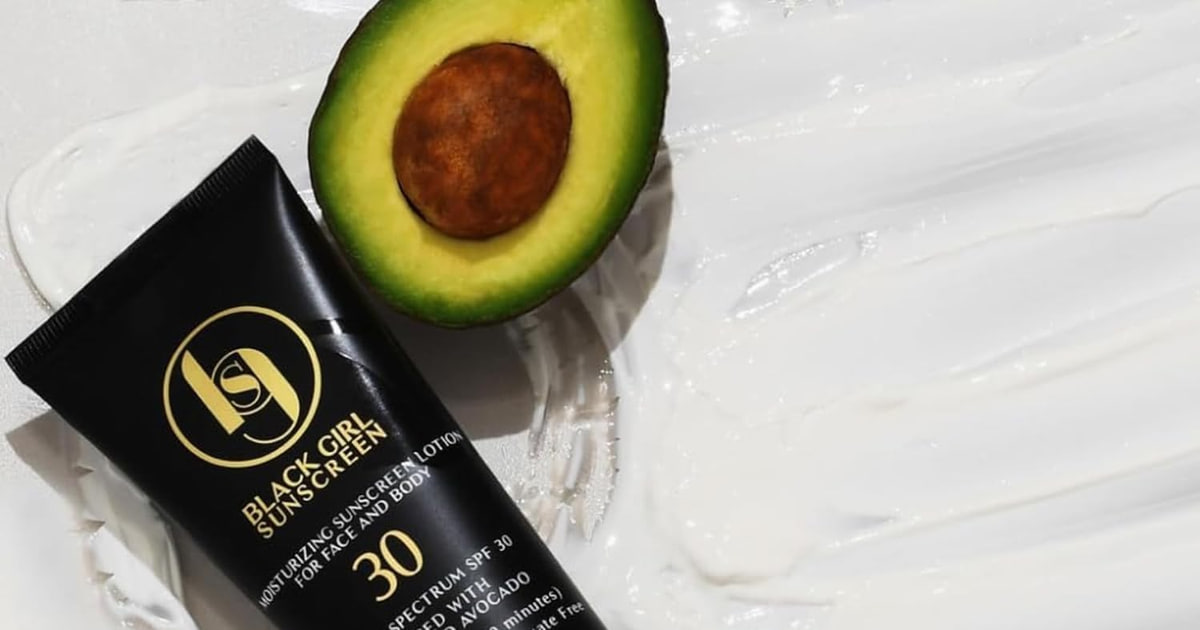
| Black Girl Sunscreen Original SPF 30 FaceAlso great | SPF 30 | 2 Fl Oz | $9.99 |
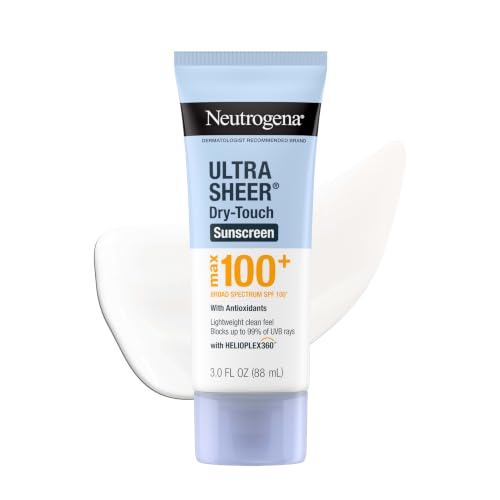
| Neutrogena Ultra Sheer Dry Touch Sunscreen LotionBudget pick | SPF 100+ | 3 Fl Oz | $12.97On sale |
 | CeraVe Hydrating Mineral Sunscreen SPF 50 FaceAlso in lineup | SPF 50 | 5 Fl Oz | $16.97On sale |
 | Banana Boat Spf#50+ Ultra Sport Stick 1.5Also consider | SPF 50+ | 1.5 Oz (2 Pack) | $19.98 |
| TATCHA The Silk SunscreenUpgrade pick | SPF 50 | 1.7 Fl Oz | $64 |
How we picked
Real SPF and broad spectrum. We required broad-spectrum labeling and SPF 30 or higher, the American Academy of Dermatology's daily-use minimum. We also weighed Consumer Reports findings that some SPF 50 products test below their labeled number, favoring brands with a long track record of third-party testing.
Filter type and safety data. We tracked which products use zinc oxide and titanium dioxide — the only filters the FDA's proposed monograph classifies as GRASE — versus chemical filters, four of which a JAMA study found were absorbed into the bloodstream above the FDA's threshold for further study.
White cast across skin tones. We read owner feedback specifically from people with medium and deep complexions, since a formula that dries gray simply doesn't get worn. Products that drew repeated cast complaints lost ground to ones that owners across tones described as disappearing.
Texture and daily wearability. We looked for formulas owners describe as lightweight, non-greasy, and compatible with moisturizer and makeup. Stinging around the eyes and pilling under foundation were both treated as serious marks against a product.
Water resistance and value. We checked for the 80-minute water-resistance rating, the highest standard the FDA verifies, and compared cost per ounce, since price drives whether you apply the full recommended amount or a stingy dab.
Top pick
Disappears on skin, and it won't break you out
EltaMD UV Clear Untinted Face Sunscreen with
A lightweight, oil-free zinc oxide sunscreen that sits comfortably under moisturizer and makeup. The niacinamide helps calm redness, and the transparent formula skips the chalky finish that makes most mineral sunscreens hard to wear daily.
$45fromAmazonThis is the face sunscreen dermatologists point to first, and it earns that. EltaMD UV Clear has led dermatologist-recommendation surveys for years running, and it shows up constantly in derm offices for patients dealing with acne, rosacea, and post-procedure skin. That's a specific, hard-to-please group. If a sunscreen can sit on freshly lasered or actively broken-out skin without causing trouble, it can handle your regular Wednesday.
The formula is oil-free and non-comedogenic, and it uses transparent zinc oxide rather than the heavy stuff that turns skin ashy. Owners with genuinely oily skin — the blot-your-forehead-at-noon kind — say it cuts shine instead of adding to it. People with combination skin report less grease around the nose and chin by afternoon. It's fragrance-free and paraben-free too, which matters if scent sets off your skin.
Niacinamide is the other reason this one stands out. It's an ingredient that helps with visible discoloration and uneven tone over time, so you're getting a little skincare benefit alongside the SPF 46. Owners dealing with melasma and sun-related dark spots frequently mention this as the sunscreen they stuck with. It won't erase anything overnight. But it's doing more than blocking UV.
It plays well with other products, which is a bigger deal than it sounds. Plenty of sunscreens pill into little rolls the second you put foundation over them. This one layers cleanly under moisturizer and makeup, and owners with short facial hair say it rubs in without leaving flakes stuck in stubble. It also doesn't sting or run into your eyes, a complaint that sinks a lot of otherwise good face sunscreens.
Flaws but not dealbreakers
The bottle is small — 1.7 ounces — and this is one of the pricier face sunscreens here per ounce. If you're using a proper teaspoon on your face every morning, you'll go through it faster than you'd like. It's a face product, not something you'd want to spread across your back.
There's no water-resistance claim on this one, so it isn't the bottle to bring to the pool. Use it for daily wear and commuting, and switch to something water-resistant for swimming or a long afternoon of yard work.
It's untinted, which means it does nothing against visible light. If you're managing melasma or post-inflammatory hyperpigmentation, a tinted formula with iron oxides would serve you better — EltaMD makes a tinted version, though the untinted one is what's here.
Runner-upOn sale
Very high SPF that still feels like lotion, not paste
La Roche-Posay Anthelios Melt-In Milk Sunscreen for
A milky SPF 100 lotion that spreads easily over both face and body and holds up for 80 minutes in water. It's the one to grab if you burn in fifteen minutes and want a wide margin of error on a long day outside.
$21.74fromAmazonList priceIf you burn easily — the pale, freckled, red-hair-somewhere-in-the-family kind of easily — the appeal of SPF 100 isn't the extra percentage point of UVB blocked. It's the cushion. Since most of us under-apply, starting from a very high number leaves more protection standing after you've rushed through it. Owners who describe decades of failed sunscreen hunts tend to land here.
The texture is what separates this from other high-SPF lotions. It's thin and milky rather than thick and pasty, so it melts in instead of sitting on top. It's oxybenzone- and octinoxate-free, water-resistant for 80 minutes, and formulated with panthenol to keep skin from feeling tight. La Roche-Posay tests its formulas for tolerance on sensitive skin, and owners with reactive skin generally report no stinging.
This is the rare bottle that genuinely works face-to-toe. It goes on under makeup without disturbing it, and it spreads far enough to be practical on arms, shoulders, and legs. That's useful on a travel day when you don't want to pack two products. The 3-ounce size is carry-on friendly, though you'll burn through it fast if it's your only body sunscreen.
It leaves a subtle glow rather than a matte finish. Some owners love that — skin looks hydrated and even. If you have oily skin and hate any hint of shine, though, this reads dewier than the EltaMD, and you may want to set it with powder.
Flaws but not dealbreakers
The finish is heavier than the SPF 40 and SPF 46 options here. Several owners note that it feels more substantial on the skin during long, hot days, and it's noticeably more present than something like the Supergoop stick. That's the trade for the protection level.
This listing is a travel size and ships non-sealed, which is worth knowing before you order. At 3 ounces, it's better suited to a beach bag or a suitcase than to being your everyday body sunscreen for a whole summer.
It relies on chemical filters, so if you're specifically avoiding avobenzone and octocrylene after reading the JAMA absorption research, this isn't your bottle. Look at the mineral picks instead.
Also great
Zero white cast on deep skin, and it moisturizes too
Black Girl Sunscreen Original SPF 30 Face
A hydrating SPF 30 lotion built specifically for melanin-rich skin, with avocado and jojoba oils. It dries down completely clear on deeper tones — the thing most sunscreens still get wrong — and it's free of oxybenzone and octinoxate.
$9.99fromAmazonIf you have deep skin, the white-cast problem isn't cosmetic nitpicking — it's why people skip sunscreen entirely. Black Girl Sunscreen was built by and for people of color, and the payoff is straightforward: it dries clear. No gray film, no streaky patches at your hairline, no ashy shoulders in photos. Owners across a wide range of deep and medium-deep tones consistently say the same thing.
It doubles as a moisturizer, which is a real convenience. Avocado oil, jojoba oil, cacao, and sunflower seed oil do the hydrating work, so if your skin runs dry you may be able to skip a step. Owners in their fifties and beyond mention it as a barrier-friendly option that doesn't sit dry or crack over the day. It leaves a soft glow rather than a matte finish.
SPF 30 meets the American Academy of Dermatology's daily-use minimum, and it blocks about 97% of UVB. That's roughly a percentage point behind SPF 50. What actually moves the needle is reapplying every two hours, and a sunscreen you're happy to reapply beats a higher number you avoid. This one is easy to reapply — it goes on like lotion.
It's free of parabens, fragrance, oxybenzone, and octinoxate, so it clears the reef-safe bar that Hawaii's ban set for those two chemical filters. If you're heading somewhere with reef regulations, or you just want to skip those ingredients, this makes it simple. It works on face and body both.
Flaws but not dealbreakers
SPF 30 is the floor, not a ceiling. For a full day at the beach or on the water, you'd want something water-resistant with a higher number and a disciplined reapplication habit.
The 2-ounce bottle is small for a product labeled face and body. It's great for a purse or a carry-on, less great as your household bottle, and owners regularly note that it costs more per ounce than drugstore alternatives.
It leaves a dewy, slightly luminous finish. If your skin is oily and you want matte, you'll probably reach for the Neutrogena or the EltaMD instead.
Budget pickOn sale
Max SPF and a dry, matte finish for very little money
Neutrogena Ultra Sheer Dry Touch Sunscreen Lotion
A widely available drugstore lotion with SPF 100+ and a dry-touch finish that doesn't leave you sticky. It works on face and body, absorbs in a couple of minutes, and skips oxybenzone, parabens, and dyes.
$12.97fromAmazonList priceYou can find this at any drugstore in the country, and that's part of the point. The best sunscreen habit is one you can maintain without planning ahead. When you forget yours at home, this is what's on the shelf, and it's genuinely good — a dry-touch finish that absorbs fast and leaves skin matte instead of slick.
For oily skin, the Dry-Touch finish is the real draw. Owners consistently describe it as non-greasy and lightweight, and it doesn't leave that tacky layer that makes clothes stick to your shoulders. It's dermatologist tested and formulated without oxybenzone, PABA, parabens, phthalates, or dyes. The formula also includes antioxidants aimed at blue light exposure.
SPF 100+ gives you margin. Neutrogena says the formula blocks up to 99% of UVB, and while the gap between SPF 50 and SPF 100 is small on paper, real-world under-application makes that headroom useful. Owners who are photosensitive or who burn quickly mention staying out longer without trouble.
It costs a fraction of the luxury options per ounce, and that changes behavior. When sunscreen is cheap, you use enough of it — the full shot glass for your body rather than a cautious dab. That's a bigger factor in actual protection than the difference between any two formulas on this list.
Flaws but not dealbreakers
It stings if it gets near your eyes. Multiple owners flag this, and it's the most common complaint about the formula. Keep it below your brow line, or use a stick or a gentler face sunscreen around the eyes.
The listing doesn't state a water-resistance rating for this lotion, and Neutrogena's own directions tell you to use a water-resistant sunscreen if you're swimming or sweating. Treat it as a daily and dry-land product.
Apply it heavily and you can get a faint cast, particularly on deeper skin. Owners with reddish-brown and deeper complexions say it's fine at normal amounts but shows if you pile it on. Rub it in fully.
Upgrade pick
A mineral SPF that acts like a serum and looks like skin
TATCHA The Silk Sunscreen
A silky, faintly tinted mineral sunscreen with hyaluronic acid, niacinamide, and silk extract. It carries a PA++++ rating for maximum UVA protection and leaves a soft, even finish that works well as a primer or on its own.
$64fromAmazonTatcha's Silk Sunscreen makes more sense once you stop thinking of it as sunscreen and start thinking of it as the last step of your skincare routine. It uses next-gen zinc oxide, so it's a mineral formula, but the texture is closer to a lightweight serum than a sunblock. Hyaluronic acid and niacinamide handle hydration and tone. The silk extract is what gives it that soft-focus finish.
The PA++++ rating is the reason to pay attention here. That's the maximum UVA rating under the Japanese standard, and UVA is what drives photoaging — fine lines, sagging, and stubborn pigmentation. American SPF labeling tells you mostly about UVB. If you're specifically trying to slow visible aging rather than just avoid burning, a formula rated this way is doing measurable extra work.
The faint tint is a genuine feature. Owners with deep complexions — the group most often let down by mineral formulas — report no white cast at all, and several use it as a color-correcting primer under foundation or wear it alone on weekends. It's water-resistant, sweat-resistant, non-comedogenic, and gentle enough that people use it after microneedling. Tatcha's own clinical claims cite improvements in redness and evenness after a single use.
It's the most expensive product here by a wide margin, and 1.7 ounces doesn't last long if you're applying a full teaspoon daily. Whether that's worth it depends on whether the skincare benefits replace something else in your routine. If it lets you skip a serum, the math gets friendlier.
Flaws but not dealbreakers
The bottle design has a real problem. Owners report leaking, which is maddening on a product this expensive — some say they lost most of the tube to messes in a bag. Store it upright and check the cap before you travel with it.
There's a slight tint, and it isn't shade-matched. Most owners find it universal enough to disappear, but if you're very fair or very deep, it may read as a faint wash of color rather than nothing at all.
It's a face product, full stop. At this size and price, using it on your body isn't realistic, so you'll still need a second bottle for arms and legs.
Who this is for
This guide is for anyone buying sunscreen for regular use — a daily face product, a bottle for the beach bag, or both. The Skin Cancer Foundation reports that 1 in 5 Americans will develop skin cancer by age 70, and that daily use of SPF 15 or higher cuts squamous cell carcinoma risk by about 40% and melanoma risk by roughly half. That's a strong argument for owning a sunscreen you'll actually finish. We paid particular attention to people with acne-prone or sensitive skin, people with medium and deep complexions who've been burned by white cast, and anyone spending real time outdoors.
We cover face and body lotions, sticks, and mineral formulas that a general shopper can buy easily. We don't cover sunscreens made specifically for infants, prescription photoprotection, or SPF-labeled makeup, which usually isn't applied heavily enough to hit its stated number. If you're managing melasma or post-inflammatory hyperpigmentation, note that visible light — not just UV — makes those conditions worse, and only tinted formulas with iron oxides block it. An untinted sunscreen, however good, won't solve that part of the problem.
How we picked
We started from a few non-negotiables and worked down. SPF and spectrum: broad-spectrum labeling and SPF 30 minimum, the AAD's daily-use floor, with extra weight given to brands with a credible testing record after Consumer Reports found some SPF 50 products falling short in the lab. Filters: we noted which products use zinc oxide and titanium dioxide, the only filters the FDA's proposed monograph calls GRASE, against chemical filters that a JAMA study found entering the bloodstream after one day of full-body use. White cast: we leaned hard on owner feedback from people with medium and deep skin, because a sunscreen that dries gray goes unused. Texture: lightweight, non-greasy, and stable under makeup, with eye stinging and pilling counted as real flaws. Water resistance and value: the 80-minute rating is the highest verified standard, and cost per ounce matters because cheap sunscreen gets applied generously.
Other sunscreens for face and body worth considering
If you want something you can reapply without washing your hands: The Supergoop! Unseen Sunscreen Face Stick SPF 40 ($27.20) — The Supergoop! Unseen Sunscreen Face Stick is the most practical reapplication tool here. It twists up like a deodorant, glides on over makeup, and leaves nothing on your fingers — which is the whole reason people skip that 2 p.m. reapplication in the first place. The clear formula uses silica powders to absorb shine and marine bamboo extract aimed at blue light, and owners report no cast and no greasy feel. Parents say kids will actually put it on themselves. The catches: it's SPF 40, it's small at 0.7 ounces, and it's expensive for how little product you get. Getting a full, even layer from a stick also takes more passes than most people make, so it works better as a top-up than as your only sunscreen.
If you want a cheap stick for hiking, boating, or the golf course: The Banana Boat Spf#50+ Ultra Sport Stick 1.5 ($19.98) — The Banana Boat Ultra Sport stick is SPF 50+ with 80-minute water resistance, and it comes as a two-pack, so you can leave one in the car and one in a bag. Owners like that it applies without messy hands and doesn't leave residue on car interiors or steering wheels. It's the pragmatic option for sweat and water. But the listing is thin on detail, the review pool is small compared to everything else here, and at least one owner received a stick that was long expired — worth checking the date on arrival. It also can't match the texture or skincare extras of the face-focused picks, so treat it as a sports product rather than a daily face sunscreen.
The competition
This is what our research surfaced, not a survey of every sunscreen on the market. The category is enormous — EWG's annual guide found only about one in four U.S. sunscreens met its standards for safety and efficacy — and plenty of good bottles exist beyond this list. Here's the one product we looked at that didn't earn a spot above.
The CeraVe Hydrating Mineral Sunscreen SPF 50 Face ($16.97) — CeraVe's Hydrating Mineral Sunscreen SPF 50 gets a lot right on paper. It's 100% mineral with zinc oxide and titanium dioxide, it's Hawaii-compliant, and it includes the three ceramides plus hyaluronic acid that make CeraVe's moisturizers so widely recommended. Both the Skin Cancer Foundation and the National Eczema Association back it. The problem is the white cast, and owner feedback on this point is loud and consistent — people describe it as difficult to blend and visibly gray even after careful application in thin layers. CeraVe's own listing acknowledges the issue and tells you to apply thinly, which conflicts with applying enough. If you have fair skin, need a pure mineral formula for an allergy or sensitivity, and don't mind working it in, it's an affordable and effective choice. For most people, and especially for medium and deep skin, the other mineral options here disappear better.
How to apply and store sunscreen
Use more than feels right. The standard is a full teaspoon for your face and neck and about an ounce — a shot glass — for your whole body, and studies show most adults use a quarter to half that, which cuts your real protection roughly in half. Apply 15 minutes before you head out so the filters have time to set, and reapply every two hours, or right after swimming or toweling off. Fewer than 30% of beachgoers ever reapply, which is where most sunburns come from. Don't forget ears, the back of your neck, the tops of your feet, and your hands. Store bottles somewhere cool — a glovebox in July degrades the filters — and check expiration dates, since sunscreen does lose potency. If the texture has separated or gone grainy, replace it.
Questions we get
Is SPF 50 really better than SPF 30 for everyday use?
Barely. SPF 30 blocks about 97% of UVB rays and SPF 50 blocks about 98%, according to the American Academy of Dermatology — less than a percentage point apart. What actually determines your protection is applying enough and reapplying every two hours. Pick the SPF you'll wear consistently rather than the biggest number on the shelf.
What's the best sunscreen for dark skin tones that doesn't leave a white cast?
Black Girl Sunscreen SPF 30 was formulated specifically for melanin-rich skin, and owners across deep tones consistently report it drying completely clear. The EltaMD UV Clear uses transparent zinc oxide and also avoids the ashy finish. If you're dealing with hyperpigmentation, a tinted mineral formula with iron oxides is worth considering, since iron oxides are the only ingredients clinically shown to block visible light, which can worsen dark spots in deeper skin tones.
What is the difference between chemical and mineral sunscreen?
Mineral sunscreens use zinc oxide and titanium dioxide, which sit on the skin and work the moment you apply them. Chemical filters absorb into the skin and convert UV into heat, and they typically disappear more cleanly on every skin tone. The FDA's proposed monograph classifies only the two mineral filters as Generally Recognized as Safe and Effective; 12 chemical filters lack sufficient data under updated standards. A JAMA study also found four common chemical filters entering the bloodstream above the FDA's threshold after one day of full-body use.
Can I use body sunscreen on my face?
You can, but you may not like the result. Body formulas prioritize coverage area, water resistance, and cost, while face formulas are built to be non-comedogenic and to sit well under makeup. If you're acne-prone, a heavy body lotion is more likely to clog pores. Some products, like the La Roche-Posay Anthelios Melt-In Milk, are genuinely designed for both.
What does 'water-resistant (80 minutes)' actually mean?
It means the product maintained its labeled SPF through 80 minutes of water immersion under standardized testing. That's the highest rating the FDA verifies — the words 'waterproof' and 'sweatproof' are prohibited on U.S. sunscreen labels because no sunscreen achieves either. After 80 minutes in the water, or immediately after toweling off, you need to reapply.
Does sunscreen expire, and how can I tell if mine is still good?
Yes. U.S. sunscreens are required to stay effective for at least three years, and most bottles carry a printed expiration date — check it, since retailers occasionally ship old stock. Heat speeds up degradation, so a bottle that spent a summer in your car may be weaker than the date suggests. If the texture has separated, thickened, or gone grainy, or the smell has changed, replace it.
Why you should trust us
For this guide:
- We compared manufacturer specifications, ingredient lists, and labeled water-resistance ratings across every sunscreen in this guide.
- We reviewed published guidance from the American Academy of Dermatology, the Skin Cancer Foundation, the FDA's proposed sunscreen monograph, EWG's annual sunscreen guide, and Consumer Reports' SPF findings.
- We read owner feedback across skin tones and skin types, paying close attention to recurring themes around white cast, eye stinging, greasiness, and how formulas behave under makeup.
- We read owner reviews on every listing, weighted toward the critical ones, because that is where the recurring failures show up.
- We have a systematic way of automatically fetching the latest prices, so the numbers on this page stay current.
- This is a research-focused guide, so the team may not own every product listed — though we often do own the top winners, which gives us extra context for the recommendations.
- We don't accept free products, and the retailer commission never changes which product we recommend.
Sources
Sunscreen FAQs — American Academy of Dermatology, AAD
EWG's 2026 Guide to Sunscreens — Annual Safety Review, EWG
Best Sunscreens of 2026 — Wirecutter (New York Times), Wirecutter
Best Face Sunscreens Tested by Dermatologists — Good Housekeeping, Good Housekeeping
Best Sunscreens of 2026 — Allure Beauty Editors, Allure
FDA Sunscreen OTC Monograph and Proposed Rules, FDA
Sunscreen and Skin Cancer Prevention — The Skin Cancer Foundation, Skin Cancer Foundation
Chemical vs. Mineral Sunscreens: Pros and Cons — AAD, AAD
Best Sunscreens for Dark Skin Tones — Healthline, Healthline
Best Sunscreens from CR Tests — Consumer Reports, Consumer Reports
Hawaii Reef-Safe Sunscreen Law — DLNR, Hawaii DLNR / NOAA
Sunscreen Absorption Into the Bloodstream — JAMA 2021, JAMA
Amazon product listings and owner reviews for all 8 products
Manufacturer specification pages for each product
Some passages in this guide may be paraphrased with AI help. Prices are refreshed automatically.
More like this.
Continue exploring beauty reviews and recommendations.

The Best Face Sunscreens for Daily Wear
Face sunscreen only works if you actually put it on, and that comes down to how it feels. A formula that stings your eyes by lunch, or leaves a chalky…

The Best Mineral Sunscreens for Face
Sunscreen only works if you'll actually wear it. That's the whole game with a daily face SPF: it has to feel good enough that you reach for it on a gray…

The Best Body Lotions for Dry Skin
Dry skin isn't just a winter annoyance. It itches, it flakes on your shins, it cracks at the knuckles, and it turns black leggings into a lint trap. The…

The Best Smart Scales for Body Composition
A smart scale earns its place by making the boring part automatic. You step on, it reads your weight, and the number lands in an app before you've…

The Best Sunscreens for Every Skin Type
Sunscreen only works if you actually wear it. That sounds obvious, but it's the whole ballgame. The American Academy of Dermatology says SPF 30 filters…

The Best Face Cleansers
Washing your face is the one skincare step almost everyone does, and it's the easiest one to get wrong. A cleanser that's too aggressive strips the oils…