The Best Body Lotions for Dry Skin
Dry skin isn't just a winter annoyance. It itches, it flakes on your shins, it cracks at the knuckles, and it turns black leggings into a lint trap. The fix is rarely one miracle bottle. It's a decent formula applied often, ideally within a few minutes of a shower while your skin is still damp — the American Academy of Dermatology recommends that three-minute window, because it traps water in before it evaporates. The lotion you'll actually reach for twice a day beats the fancy one you save for special occasions.
Here's the honest part: no lotion cures dry skin. Moisturizers manage it. They pull water in with humectants like glycerin and hyaluronic acid, soften with emollients, and seal with occlusives like petrolatum or dimethicone — and then the effect fades and you reapply. Claims of 24- or 48-hour hydration describe lab conditions, not a day spent washing dishes. If your skin is cracked, bleeding, or getting worse, that's a dermatologist visit, not a shopping problem. Chronic dryness affects up to half of adults over 65, and it usually needs ongoing management.
We looked at ingredient lists, published dermatology research, lab comparisons and the themes that come up again and again in owner feedback. Fragrance-free formulas with ceramides, urea or lactic acid do the most work for the least money, and the drugstore options hold up well against the luxury ones. We think that the CeraVe Moisturizing Cream is the best body lotion for dry skin for most people, and that the Eucerin Advanced Repair Lotion is the one to buy if your skin is very dry and rough enough that you need mild exfoliation along with the moisture.
Everything we recommend

Rich enough for cracked skin, light enough to wear all day

Better on rough, scaly patches, in a lotion you can pump

The one to try when everything else stings

Smooths bumpy arms and flaky legs, if you can stand the smell

Real hydration in a texture that vanishes on contact
At a glance
| Product | Key Ingredient | Volume | Price | |
|---|---|---|---|---|
| CeraVe Moisturizing CreamTop pick | Ceramides | 19 oz | $17.80On sale |
| Eucerin Advanced Repair LotionRunner-up | 5% Urea | 16.9 oz | $12.79On sale |
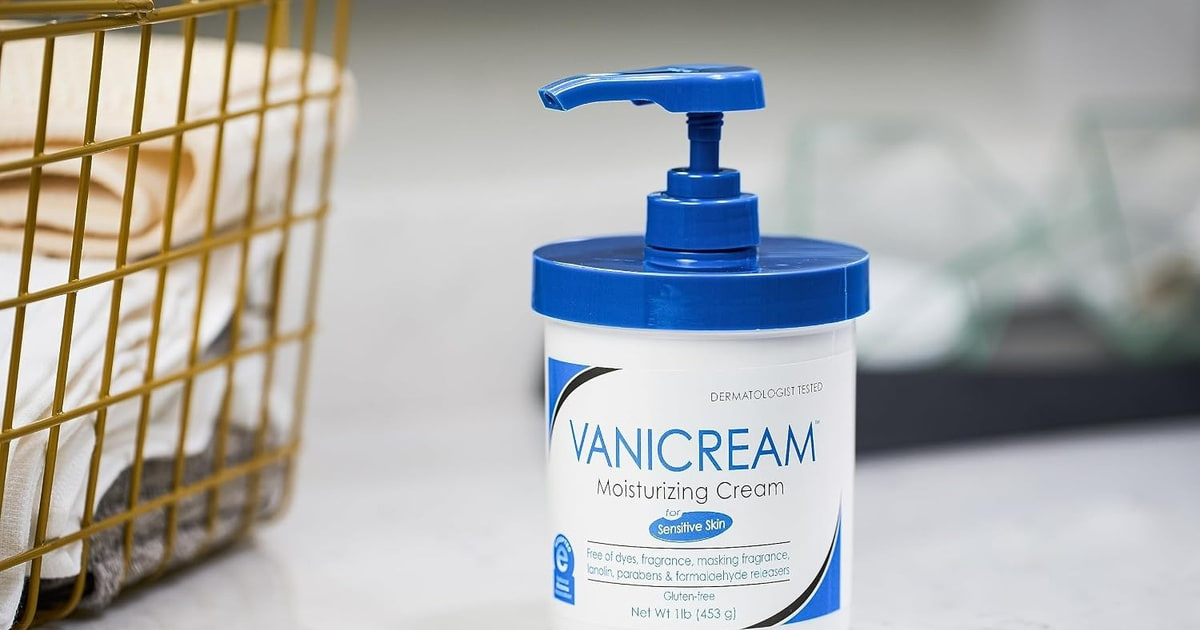
| Vanicream Moisturizing Cream with Pump DispenserAlso great | — | 16 oz (Pack of 2) | $27.12On sale |
| AmLactin Daily Nourish Body LotionAlso great | 12% Lactic Acid | 14.1 oz | $13.99On sale |
 | Gold Bond Ultimate Healing Skin Therapy LotionAlso in lineup | 0.5% Dimethicone | 1 oz (Pack of 4) | $7.94 |
| Neutrogena Hydro Boost Body Gel CreamAlso great | Hyaluronic Acid | 16 oz | $9.99 |
 | First Aid Beauty Ultra Repair CreamAlso consider | Colloidal Oatmeal | 6 oz | $35.70On sale |
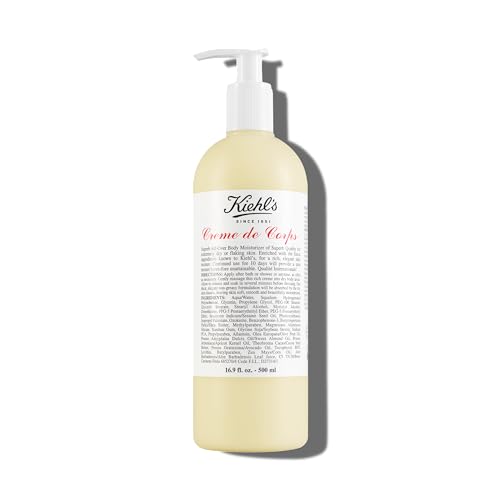 | Kiehl's - Creme de Corps Body LotionAlso consider | Shea Butter | 16.9 oz | $60 |
How we picked
Ingredients that work. We prioritized formulas built on ingredients with real clinical backing — ceramides, urea, lactic acid, glycerin and hyaluronic acid — rather than marketing blends. Anything claiming to repair the barrier needed ingredients that plausibly do that.
Fragrance-free. Fragrance is the most common cause of allergic contact dermatitis from personal care products, so we treated fragrance-free as close to a requirement. Every pick here is formulated without added fragrance.
Texture you'll tolerate. A lotion only works if you keep using it, so we weighed absorption speed and greasiness heavily using consistent themes in owner feedback. We deliberately included a range from thick cream to light gel-cream.
Third-party validation. We gave weight to the National Eczema Association Seal of Acceptance, published clinical studies and independent lab comparisons like Good Housekeeping's corneometer testing. Manufacturer claims alone weren't enough.
Cost per ounce. We compared the size you get relative to how much you need for full-body use, since dry skin means daily application. Lab comparisons show drugstore ceramide and urea formulas keep pace with far more expensive creams.
Top pickOn sale
Rich enough for cracked skin, light enough to wear all day
CeraVe Moisturizing Cream
A thick, fragrance-free cream with three ceramides and hyaluronic acid that sinks in within a few minutes instead of sitting on top of your skin. It works on your face, your body and your hands, and the big tub lasts months.
$17.80fromAmazonList priceThis is the cream we'd hand to almost anyone with dry skin. Ceramides make up roughly half the lipids in your skin's outer barrier, and dry skin is often short on them. CeraVe includes ceramides 1, 3 and 6-II in ratios meant to mirror what's already in your skin, plus hyaluronic acid to pull in water. It's fragrance-free, allergy-tested, non-comedogenic and carries the National Eczema Association Seal of Acceptance.
The texture is the reason people stick with it. It's a thick, velvety cream that looks like it should feel greasy, and then it doesn't — owners with dry skin describe it disappearing in about five minutes with nothing tacky left behind. That matters more than it sounds. If a lotion makes you feel slimy at bedtime, you stop using it, and a lotion you skip does nothing.
The MVE delivery system releases moisturizing ingredients gradually rather than all at once, which is how CeraVe supports its 24-hour hydration claim. Take the number loosely. But the practical effect owners report is real enough: skin that still feels soft the next morning, not tight by lunchtime. Good Housekeeping's lab comparisons put drugstore ceramide formulas within a few percent of luxury creams on 24-hour retention.
It's also the most versatile thing here. Face, body, hands, kids, eczema patches — one tub covers all of it, so you're not juggling four bottles. Owners with psoriasis and first-time eczema flares consistently report it calming the itch. And the 19-ounce tub is genuinely enormous. A common refrain from long-term buyers is that ten months in, they've barely made a dent.
Flaws but not dealbreakers
The tub is a hassle. You dig in with your fingers, which is messy and less hygienic than a pump, and it's awkward when your hands are already covered in cream. If that bothers you, the pump bottle version of this same formula solves it.
It's a cream, not a treatment. If your problem is rough, bumpy texture — keratosis pilaris on your arms, sandpaper heels — CeraVe will soften the skin but won't exfoliate it. You'd want lactic acid or urea for that.
Some people find it too rich in humid weather. On a sticky August night it can feel like a lot, and a gel-cream would sit better.
Runner-upOn sale
Better on rough, scaly patches, in a lotion you can pump
Eucerin Advanced Repair Lotion
A fragrance-free, medium-weight lotion with 5% urea and ceramides that softens rough skin as it hydrates. The pump bottle makes daily full-body use fast, and it's aimed squarely at dry-to-very-dry skin.
$12.79fromAmazonList priceUrea is the reason to pick this one. At 5–10%, it's been clinically shown to improve hydration by boosting the skin's water-binding capacity and raising natural moisturizing factor levels. It also gently loosens dead skin, so it works on the parts of you that stay rough no matter how much cream you use — elbows, knees, heels, the shins that flake all winter.
The pump is a bigger deal than it looks on a spec sheet. Covering both legs and both arms every night is the difference between a habit that sticks and one that fizzles. One-handed dispensing after a shower takes seconds. Owners who moisturize head to toe daily tend to migrate toward pumps for exactly this reason, and Eucerin puts 16.9 ounces behind one.
It's lighter than the CeraVe cream — medium-weight, absorbs quickly — which makes it the easier of the two to wear under clothes right after you apply it. Eucerin's triple moisturizing complex pairs the urea with ceramides and natural moisturizing factors, so you get barrier repair and surface smoothing from one bottle. It's dye-free, paraben-free and fragrance-free.
Owners who deal with hands wrecked by constant washing — surgical staff, nurses, anyone scrubbing all day — report it restoring cracked skin fast when used at night. Menopause-related dryness and harsh winters come up repeatedly too. This is the bottle for skin that has moved past ordinary dryness into scaly and uncomfortable.
Flaws but not dealbreakers
Urea can sting on skin that's already broken. If you have open cracks or an active eczema flare, this one may burn where a plain ceramide cream wouldn't, so patch it on a small area first.
As a lotion it's less occlusive than a true cream. For severely dry skin in a cold, dry climate, you may want something heavier at night and save this for daytime.
Also greatOn sale
The one to try when everything else stings
Vanicream Moisturizing Cream with Pump Dispenser
A thick, unscented cream built without the ingredients that most often irritate reactive skin — no fragrance, dyes, lanolin, parabens, formaldehyde releasers, botanical extracts or essential oils. It comes with a pump, in a two-pack.
$27.12fromAmazonList priceIf your skin reacts to almost everything, start here. Vanicream's whole premise is subtraction. Fragrance is the leading cause of allergic contact dermatitis from personal care products, and one European study found roughly one in ten dry-skin patients tested positive for fragrance allergy. Vanicream also drops masking fragrance, botanicals and essential oils — the ingredients that quietly irritate people in otherwise gentle formulas.
It holds the National Eczema Association Seal of Acceptance, meaning the NEA's scientific advisory team reviewed it for eczema-prone skin. Parents of kids with severe sensitivity come to it after dermatologist referrals, often when even plain ointments were uncomfortable. Adults with severe eczema describe it as the one cream that never sets them off. That's a narrow, valuable kind of reliability.
The texture is thick but spreads more easily than it looks like it will. Owners consistently note that it sinks in without a tacky film, even though it's a rich cream. Many prefer it at night for the heaviest-hit areas and something lighter during the day. The pump helps, and buying two at a time means you're not scrambling when one runs out.
One thing to be clear about: it's a moisturizer, not a medicated treatment. It replenishes and holds normal moisture levels and soothes red, cracked, itchy skin from atopic dermatitis or winter itch. It won't treat the underlying condition. Used alongside whatever your dermatologist prescribed, it's the low-risk daily layer.
Flaws but not dealbreakers
It's plainer than the CeraVe cream in ingredient terms — no ceramide blend or hyaluronic acid doing extra barrier work. For most people that's fine, but if you want active barrier repair rather than just gentle hydration, CeraVe gives you more.
The two-pack is a lot of cream to commit to before you know it works for you. And on very dry skin it can feel like it needs reapplying sooner than a heavier ointment would.
Also greatOn sale
Smooths bumpy arms and flaky legs, if you can stand the smell
AmLactin Daily Nourish Body Lotion
A 12% lactic acid lotion that exfoliates and moisturizes in one step, which makes it the pick for keratosis pilaris and stubbornly rough skin. It's fragrance-free, lightweight and pumps out of the bottle.
$13.99fromAmazonList priceNothing else here does both jobs at once. Lactic acid is an alpha-hydroxy acid, so it loosens the dead cells that make skin feel like sandpaper while it hydrates underneath. In a double-blind study over four weeks, AmLactin's 12% formula produced statistically significant improvements in roughness and hydration against a placebo vehicle. For bumpy upper arms and thighs, that's the mechanism that actually helps.
Give it three or four weeks before you judge it. This isn't a lotion where you see the result the first night. Owners who stick with it describe the change arriving gradually — flaking gone, bumps flattened, legs that stop shedding into dark leggings. People who quit after a few days usually conclude it did nothing. Consistency is the whole game with an AHA.
It's lighter than you'd expect for something this effective. The formula is fast-absorbing, non-greasy and pH-balanced, with a pump bottle, so it's practical for full-body use. It's fragrance-free, dye-free, paraben-free and phthalate-free. And it saves you a step — no separate scrub or exfoliant to buy, use and remember.
Flaws but not dealbreakers
The smell is the main complaint, and it's a real one. Fragrance-free doesn't mean odorless, and lactic acid has a distinct sour, faintly chemical scent that some owners find genuinely off-putting for the first several minutes after applying. It fades. But if you're scent-sensitive, apply at night.
Acids sting. On freshly shaved legs, broken skin or an eczema flare, this can burn, and it's not the right choice for skin that's already inflamed. It also makes skin more sun-sensitive, so use sunscreen on exposed areas.
Owner feedback is more mixed here than for the other picks, largely because of the smell and the slow onset. It's a more polarizing product than the ceramide creams.
Also great
Real hydration in a texture that vanishes on contact
Neutrogena Hydro Boost Body Gel Cream
A hyaluronic acid gel-cream that absorbs almost instantly and leaves nothing behind. It's the right call if thick creams feel suffocating, or if you live somewhere humid and still deal with dry skin.
$9.99fromAmazonSome people just won't wear a heavy cream, and that's the problem this solves. Hyaluronic acid can bind up to a thousand times its weight in water, which is why a formula this light can still hydrate meaningfully. The gel-cream texture sinks in fast enough that you can get dressed right after. Owners who normally hate the feeling of lotion — and therefore skip it — tend to keep using this one.
It's a strong pick for humid climates. In a Gulf Coast summer, a rich occlusive cream feels like plastic wrap, but skin can still be dry from air conditioning and long showers. A humectant-led gel-cream adds water without the seal. It's oil-free, dye-free, paraben-free and free of drying alcohols, and Neutrogena lists it as dermatologist-tested for normal to dry skin.
It also works well as a hand lotion for people who wash constantly. Owners in dry climates who reapply many times a day like that it doesn't leave a film on a keyboard or a steering wheel. Layering helps too: applied on damp skin straight out of the shower, it locks in more than it does on dry skin.
Flaws but not dealbreakers
It's the least suited pick here for severely dry or cracked skin. Humectants pull water into the skin, but without a strong occlusive layer that water can escape again — especially in cold, dry winter air. If your skin is genuinely cracked, use a cream.
It absorbs fast, but not instantly, and a few owners expecting a dry-touch finish found it takes a minute. It also doesn't last as long between applications as the ceramide creams do.
Who this is for
This guide is for people whose skin is dry enough to be a daily problem — flaking on your legs, itching at night, cracking around your knuckles in January. That includes eczema and psoriasis sufferers looking for a gentle daily layer, people with keratosis pilaris on their arms, older adults dealing with age-related barrier decline, and anyone whose skin falls apart every winter. If you're shopping for a drugstore alternative to a luxury cream, you're in the right place too. The evidence says you're not giving up much.
If your skin is cracked and bleeding, weeping, or getting worse despite consistent moisturizing, see a dermatologist instead. These are moisturizers, not medications, and they don't treat underlying conditions. We're covering body lotions and creams sold in normal retail sizes for everyday use — not prescription topicals, not medicated anti-itch treatments, not body butters or scented lotions bought for how they smell. And we don't cover face-specific serums, though several picks here work fine on your face.
How we picked
We started from the ingredient list and worked outward. Ingredients: we wanted ceramides, urea, lactic acid, glycerin or hyaluronic acid with published research behind them, not proprietary blends with nothing to show. Fragrance: fragrance-free was effectively mandatory, since fragrance is the leading cause of allergic contact dermatitis from personal care products. Texture: we compared absorption speed and greasiness across owner feedback, because the lotion you'll actually use twice a day beats the better formula you avoid. Validation: we favored products with the National Eczema Association Seal, clinical studies or independent lab comparisons. Value: we looked at cost per ounce relative to how much full-body use burns through, and found drugstore formulas keeping pace with luxury ones.
Other body lotions for dry skin worth considering
If you want a richer cream for an eczema flare: The First Aid Beauty Ultra Repair Cream ($35.70) — First Aid Beauty's Ultra Repair Cream pairs colloidal oatmeal — an FDA-approved skin protectant with more than twenty peer-reviewed studies supporting its use for itch and inflammation — with ceramides and shea butter. It's whipped rather than dense, so it feels lighter than it is, and First Aid Beauty cites clinical results showing a 169% hydration boost. It holds the NEA Seal too. What you give up is size and price per ounce: the jar is small next to the drugstore tubs, and a few owners with compromised skin report a brief sting on application. If oatmeal is what calms your skin, it's worth the trade.
If you want a lotion that feels like a treat: The Kiehl's - Creme de Corps Body Lotion ($60) — Kiehl's Creme de Corps has held a following for decades, and the reason is sensory as much as functional. Cocoa butter, shea butter and squalane make a thick, glide-on lotion that leaves skin looking dewy rather than just hydrated — owners with keratosis pilaris and diabetic dry skin report it holding up for a full day and beyond. Kiehl's says 96% of consumers in a four-week test agreed skin looked less flaky. It's synthetic-fragrance-free and paraben-free. But it costs several times what the drugstore picks do per ounce, and lab comparisons suggest the hydration gap doesn't match the price gap. Buy it because you enjoy using it.
The competition
Here's what else our research surfaced. This isn't every body lotion on the market — it's the set we looked at closely for this guide, and the products below lost out to a pick for specific reasons rather than being bad.
The Gold Bond Ultimate Healing Skin Therapy Lotion ($7.94) — Gold Bond's Ultimate Healing Skin Therapy Lotion is a genuinely good drugstore formula — seven moisturizers including glycerin and petrolatum, 0.5% dimethicone as a skin protectant, vitamins A, C and E, and a fragrance-free version that absorbs without feeling greasy. Owners with cracked hands and eczema-prone fingertips swear by it. The catch is this particular listing: it's a four-pack of one-ounce travel tubes, which is a purse-and-carry-on size, not a bottle for moisturizing your whole body every night. If you want Gold Bond as your daily lotion, buy the full-size bottle. Grab this set for a gym bag, a desk drawer or a care package.
How to get more out of any lotion
Timing does as much work as the formula. Pat yourself mostly dry after a shower and apply while your skin is still slightly damp, ideally within three minutes — the American Academy of Dermatology recommends this because it traps surface water before it evaporates. Warm showers beat hot ones; hot water strips the oils you're trying to replace. Reapply after you wash your hands, and keep a bottle wherever that happens. In winter, layer: a light lotion in the morning, something richer at night on shins, elbows and heels. If you're using an acid-based lotion like AmLactin, give it three or four weeks of daily use before deciding, and wear sunscreen on exposed skin. And check for fragrance on every label, including products marketed as unscented.
Questions we get
What ingredients should I look for in a body lotion for dry skin?
Look for three categories working together. Humectants like glycerin and hyaluronic acid pull water into the skin, emollients like shea butter and ceramides soften and fill gaps in the barrier, and occlusives like petrolatum or dimethicone seal it in. Ceramides matter most for chronically dry skin, since they make up about half the lipids in your skin's outer barrier. Urea and lactic acid add mild exfoliation if your skin is rough as well as dry.
Is CeraVe or Eucerin better for dry skin?
It depends on what your skin is doing. CeraVe's cream is the better all-purpose choice — it's a ceramide-based cream that works on face, body and hands, and it's gentle enough for an eczema flare. Eucerin's Advanced Repair Lotion adds 5% urea, which softens rough, scaly patches on elbows, knees and heels that plain creams don't fix. If your skin is dry and rough, go Eucerin. If it's dry and irritated, go CeraVe.
Are expensive body lotions actually better than drugstore ones?
Not by much, at least on hydration. Good Housekeeping's standardized corneometer testing found the best drugstore moisturizers scored within about 8% of luxury alternatives on 24-hour hydration retention, despite costing a fraction as much per ounce. What you're often paying for at the high end is texture, finish and how it feels to use. That's a legitimate reason to buy something, just not a clinical one.
What's the difference between a lotion, a cream and a body butter?
It comes down to the oil-to-water ratio. Lotions have the most water, so they're thin, spread easily and absorb fast — good for mild dryness or humid weather. Creams have more oil, feel thicker, and hold moisture in longer, which is what severely dry skin needs. Body butters are mostly oils and waxes with little water, so they seal but don't add much hydration on their own. For very dry skin, a cream is usually the right default.
Is AmLactin good for keratosis pilaris?
It's one of the better over-the-counter options for it. The 12% lactic acid loosens the buildup of dead cells around hair follicles that causes those rough bumps on your upper arms and thighs, and it moisturizes at the same time. In a double-blind four-week study, the formula showed statistically significant improvement in skin roughness and hydration versus a placebo. Give it at least three to four weeks of daily use, and expect a noticeable sour smell for the first few minutes after you apply it.
Can body lotion make dry skin worse?
Sometimes, yes. Fragrance is the most common cause of allergic contact dermatitis from personal care products — one European study found roughly one in ten dry-skin patients tested positive for fragrance allergy — so a scented lotion can quietly keep your skin inflamed. Formulas with drying alcohols can also work against you. And acid-based lotions sting on broken or freshly shaved skin. If a product burns beyond a brief tingle, stop using it.
Why you should trust us
For this guide:
- We read the full ingredient lists and manufacturer specifications for every product here, then checked the active ingredients against published dermatology research and clinical studies.
- We compared independent lab findings, including Good Housekeeping Institute corneometer results and National Eczema Association Seal of Acceptance criteria, alongside guidance from the American Academy of Dermatology.
- We read through owner feedback across all eight listings, looking for repeated themes about texture, smell, stinging and long-term results rather than individual opinions.
- We read owner reviews on every listing, weighted toward the critical ones, because that is where the recurring failures show up.
- We have a systematic way of automatically fetching the latest prices, so the numbers on this page stay current.
- This is a research-focused guide, so the team may not own every product listed — though we often do own the top winners, which gives us extra context for the recommendations.
- We don't accept free products, and the retailer commission never changes which product we recommend.
Sources
The Best Lotion for Dry Skin — Wirecutter, The New York Times, Wirecutter
Best Body Lotions for Dry Skin, Lab-Tested — Good Housekeeping, Good Housekeeping Institute
Best Body Lotions of 2026 According to Dermatologists — Allure, Allure
Best Body Lotion for Dry Skin — Healthline, Healthline
Moisturizers: What the AAD Recommends — American Academy of Dermatology, American Academy of Dermatology
The Best Body Lotions for Dry Skin, Tested — Byrdie, Byrdie
Dry Skin: Diagnosis and Treatment — Mayo Clinic, Mayo Clinic
NEA Seal of Acceptance — National Eczema Association, National Eczema Association
Best Body Lotion for Dry Skin, Dermatologist-Approved — Verywell Health, Verywell Health
Best Body Moisturizers for Dry Skin — Consumer Reports, Consumer Reports
Amazon product listings and owner reviews for all 8 products
Manufacturer specification pages for each product
Some passages in this guide may be paraphrased with AI help. Prices are refreshed automatically.
More like this.
Continue exploring beauty reviews and recommendations.

The Best Moisturizers for Dry, Sensitive Skin
Dry, sensitive skin doesn't need a complicated routine. It needs the same boring cream, twice a day, especially right after a shower. A good moisturizer…

The Best Sunscreens for Face and Body
Sunscreen only works if you actually wear it. That sounds obvious, but it's the whole game. The formula you like - the one that doesn't sting your eyes,…

The Best Sunscreens for Every Skin Type
Sunscreen only works if you actually wear it. That sounds obvious, but it's the whole ballgame. The American Academy of Dermatology says SPF 30 filters…

The Best Retinol Creams for Sensitive Skin
Retinol is the rare skincare ingredient with decades of clinical evidence behind it. It speeds up cell turnover, softens fine lines, and evens out tone…

The Best Smart Scales for Body Composition
A smart scale earns its place by making the boring part automatic. You step on, it reads your weight, and the number lands in an app before you've…

The Best Sunscreens for Sensitive Skin
If your skin flares at the wrong moisturizer, sunscreen is the hardest product to get right. You have to wear it every day, on the most reactive skin you…