The Best Fitness Trackers and Activity Bands
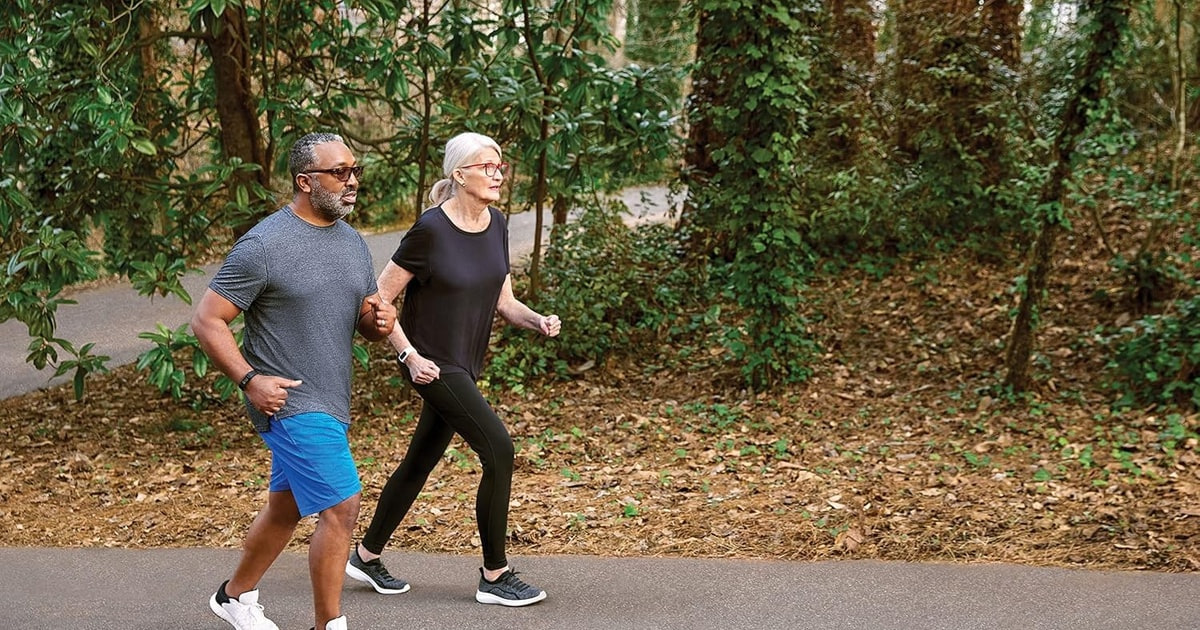
A fitness tracker earns its keep in the small moments. You glance down and see you've been sitting for three hours. You wake up and find out why you feel wrecked. You go for a run without your phone and still get an honest pace. The good ones fade into the background and just collect data while you live your life. The bad ones nag you, die on your wrist mid-hike, or hand you numbers you can't act on. What separates them isn't sensor count. It's whether the app turns raw data into something you'd actually change your day over.
Here's the honest part: none of these devices are medical instruments, and every one of them guesses more than the marketing admits. Sleep staging is an estimate. Calorie burn is an estimate built on other estimates. Optical heart rate holds up fine while you're sitting still, then drifts once your arm starts swinging hard. Published comparisons against chest straps show the gap widening above roughly 140 beats per minute on every wrist device here. Treat the trends as useful and the individual numbers as approximate, and you won't be disappointed.
The other catch is subscriptions. Two of our picks are effectively useless without a monthly membership, and a third locks its best sleep analysis behind one. Garmin and Samsung don't charge a cent, which matters more than people expect at month six. We think that the Fitbit Charge 6 is the best fitness tracker for most people, and that the Oura Ring 4 is the one to buy if sleep is the thing you're actually trying to fix.
Everything we recommend
The one that covers the most ground without the bulk
Unmatched sleep data, in something you'll forget you're wearing
The deepest training analytics, with nothing to subscribe to
Two weeks of battery and a great screen, for Samsung owners
Serious recovery coaching, if you'll actually train around it
At a glance
| Product | Price | |
|---|---|---|
| Fitbit Charge 6Top pick | $130.14On sale | |
| Garmin Vivosmart 5Also great | $142.99On sale | |
| Samsung Galaxy Fit 3Budget pick | $46.90 | |
| Whoop 5.0Also great | $239 | |
| Oura Ring 4Upgrade pick | $349 |
How we picked
Heart rate accuracy. We compared published chest-strap comparisons from independent review sites, focusing on error at hard efforts rather than at rest, where every device does fine. Devices holding within about 6 beats per minute at high intensity ranked above those drifting into double digits.
Sleep tracking quality. We looked for validation against clinical polysomnography, not marketing claims about sleep stages. Agreement rates published in independent studies separated the ring from the wristbands more clearly than any other metric here.
Battery and charging. We compared manufacturer battery figures against reviewer and owner reports of real-world runtime with sleep tracking on. Anything needing a charge more than twice a week lost ground, since a tracker on the charger isn't tracking.
Subscription burden. We treated required memberships as part of what you're buying, not a footnote. Devices that lock their core value behind a fee had to earn that fee with capability nothing free could match.
Phone compatibility. We checked which features survive on iOS versus Android, and which quietly assume a specific brand of phone. Devices that work fully on both platforms ranked above those that don't.
Top pickOn sale
The one that covers the most ground without the bulk
Fitbit Charge 6
The Charge 6 is a slim band that does nearly everything a smartwatch does for health tracking, minus the size and the daily charging. It's the only tracker here with both built-in GPS and an FDA-cleared ECG app, and it works the same on an iPhone as it does on Android.
$130.14fromAmazonList priceIt's the only band here that tracks your run without your phone. Built-in GPS sounds like a small thing until you've left your phone at home and gotten distance and pace that actually hold up. Published route comparisons put onboard-GPS devices around 1% distance error against roughly 3% for phone-tethered trackers. On a 10K, that's the difference between a pace number you trust and one you argue with.
The ECG app is cleared by the FDA, and nothing else in this lineup has one. If your doctor has mentioned atrial fibrillation, or you just want a heart rhythm check you can show someone, this is the only band on the list that gives you one. Take a reading on the wrist, get a result in about 30 seconds, export it as a PDF. That's a genuine clinical feature in a device you can wear under a shirt cuff.
Battery lasts about a week, and the fast charge saves you. Roughly seven days is enough that charging becomes a weekend chore, not a bedtime ritual. Better yet, ten minutes on the cable buys you a full day. Forgot to charge before a trip? Plug it in while you shower and you're covered. That's the practical difference between a tracker you wear every night and one that spends half the week on a nightstand.
Google integration makes it more useful than the spec sheet suggests. You can tap to pay with Google Wallet at the coffee shop, get turn-by-turn directions on your wrist, and skip a track without pulling out your phone. Owners on Android see the deepest benefits, but the core health features work fully on iOS. That cross-platform parity is rare here, and it's why we'd hand this one to almost anyone.
The stress sensor gives you something to do, not just something to see. The EDA sensor reads tiny changes in skin conductance, which is the physiological fingerprint of stress. Paired with guided breathing on the wrist, you get a nudge and a two-minute fix in the same place. It's not going to fix a bad week. But it's more actionable than a number that just says you're stressed.
Flaws but not dealbreakers
A Google account is mandatory, and some people will hate that. Setup requires signing in, and your health data lives in Google's ecosystem. If you've been actively reducing your Google footprint, this is a real objection and not a paranoid one. There's no local-only mode and no way around it.
The best sleep analysis costs extra. Free, you get sleep duration and a basic score, which honestly covers most people. Detailed sleep staging history and the Readiness Score sit behind Fitbit Premium. Owners are split on whether that's fair; if you never dig into charts, skip it and lose nothing.
The touchscreen gets fussy when your hands are cold or wet. Owners report swipes that don't register after a rainy run or in winter. There's also no barometric altimeter, so floors climbed is an estimate from motion rather than a real measurement of elevation. Neither is a dealbreaker, but both are annoying in the moment.
Fitbit covers the Charge 6 with a one-year limited manufacturer warranty against defects.
Upgrade pick
Unmatched sleep data, in something you'll forget you're wearing
Oura Ring 4
The Oura Ring 4 reads your pulse and temperature from your finger, where the signal is cleaner than at the wrist. Independent validation against clinical sleep studies puts its sleep staging ahead of every wristband here, and at a few grams it's easy to wear every single night.
$349fromAmazonYour finger is simply a better place to read a pulse than your wrist. The wrist is bony and full of tendons, which muddies the optical signal. The base of your finger has dense arterial blood flow right under thin skin. That anatomy is why published polysomnography comparisons show the Ring 4 identifying sleep stages far more accurately than the best wrist trackers in the same studies. If sleep is your reason for buying, this is the one.
Skin temperature tracking can tell you you're getting sick before you feel it. The ring learns your personal thermal baseline over about two weeks, then flags meaningful deviations. Published testing found those alerts typically arrive a day or two ahead of symptoms. That's enough warning to cancel a hard workout, sleep in, or stop shaking hands at the office.
For cycle tracking, no wristband comes close. Basal body temperature is the foundation of period and ovulation prediction, and it needs thermal stability the wrist can't provide. Your finger holds a steadier temperature overnight. If you're tracking a cycle or trying to conceive, this capability is the whole argument for a ring over a band.
You'll actually wear it, which is half the battle. At four to six grams it's lighter than any wristband here, and it looks like jewelry. Owners wear it through meetings, dinners, and sleep without thinking about it. Battery runs about a week. Compliance is what makes long-term health data useful, and this is the easiest device here to wear all the time.
Flaws but not dealbreakers
It's the most expensive way into this category, and the membership never stops. The hardware costs the most of anything here, and the monthly membership is required for the Readiness Score and the detailed insights that justify buying it. Without a subscription you're left with a very pretty ring and thin data.
Ring sizing is permanent. Fingers swell in heat, during pregnancy, and with weight changes. If yours change enough, you buy another ring. Order the sizing kit and wear the sizer for a few days before committing, including overnight.
It's not a workout tracker. No display, no GPS, and step and calorie counts trail every wristband here. You can't check your heart rate mid-interval or map a run. If you want live workout metrics, this is the wrong shape of device entirely.
Also greatOn sale
The deepest training analytics, with nothing to subscribe to
Garmin Vivosmart 5
The Vivosmart 5 is a slim band that feeds Garmin Connect, which is the most serious free training platform out there. Body Battery, Pulse Ox and respiration tracking all come at no ongoing cost, which makes this the sensible pick if you resent subscriptions.
$142.99fromAmazonList priceGarmin Connect is free and genuinely full-featured, which is rare. No premium tier, no locked charts, no upsell every time you open the app. Endurance athletes have trusted this platform for years, and the band feeds straight into it. If you already own a Garmin bike computer or watch, your data all lands in one place.
Body Battery is the most useful daily number on this list. It blends heart rate variability, stress, sleep and activity into a 0-to-100 energy score that drains as you spend yourself and refills when you rest. Published reviews found it tracks how tired people actually feel across multi-week training blocks. If you're alternating hard and easy days, it tells you which kind of day today should be.
The sensors cover the health basics without asking for money. You get blood oxygen with overnight averaging, respiration rate day and night, and stress scores throughout the day. It's rated to 5 ATM, so pool laps are fine. Battery runs about a week. Nothing here is gated.
It broadcasts heart rate to other Garmin gear. If you ride with a head unit, the band can send your heart rate straight to it over ANT+. That means one less strap to remember and one less thing to charge. It's a small feature that makes this band click into an existing setup instead of competing with it.
Flaws but not dealbreakers
No built-in GPS, and that's the real cost of the slim build. You need your phone along for accurate distance and pace outdoors. On a trail run or anywhere you'd rather go phone-free, that's a genuine limitation, and phone-tethered GPS runs noticeably less accurate than onboard.
The screen is small and monochrome. Reading a notification means squinting and scrolling. If you want to glance at rich workout metrics mid-effort, this display will frustrate you.
No ECG, and the app can overwhelm newcomers. There's no atrial fibrillation detection at any tier here. And Garmin Connect is built for people who speak endurance-sport data; if you just want steps and sleep, expect a learning curve you didn't ask for.
Budget pick
Two weeks of battery and a great screen, for Samsung owners
Samsung Galaxy Fit 3
The Galaxy Fit 3 pairs the longest battery life here with a big, bright AMOLED display, and it costs a fraction of what the picks above do. The catch is real: it needs a Samsung Galaxy phone to make sense, and it doesn't work with iPhones at all.
$46.90fromAmazonNothing here goes as long between charges. Roughly two weeks of real-world use, including nightly sleep tracking and daily workouts. That means you charge it twice a month. For travelers, or for anyone who has abandoned a tracker because charging it became a chore, this changes the ownership experience more than any sensor does.
The display is the best on any band in this guide. The 1.6-inch AMOLED panel is bigger, brighter and sharper than what the Charge 6 or Vivosmart 5 offer, and reviewers have called it class-leading for a fitness band. In direct summer sunlight you can actually read your pace. Notifications are legible without squinting.
It tracks over a hundred workout types and starts many on its own. Walk for ten minutes and it notices. Get on an elliptical and it figures that out too. For casual exercisers who forget to hit start, automatic detection is worth more than a longer list of manual modes.
It's light enough to sleep in and safe in the pool. At around 26 grams with a soft silicone band, it disappears overnight, and 5 ATM water resistance covers lap swimming. For a first tracker, or for a kid or parent you're buying for, it's an easy thing to wear around the clock.
Flaws but not dealbreakers
No iPhone support whatsoever, and non-Samsung Android users get a diminished device. This is the biggest limitation on this list. Samsung Health's best features, including body composition pairing and detailed sleep coaching, assume a Galaxy phone. On a Pixel or a OnePlus you lose real capability; on an iPhone you can't use it at all.
The sensor package is basic. No built-in GPS, no ECG, no stress sensor, and blood oxygen readings are on-demand rather than continuous overnight. Published comparisons also show its heart rate drifting further than the Fitbit or Garmin during hard efforts, and its sleep staging trails both Fitbit and Oura.
Also great
Serious recovery coaching, if you'll actually train around it
Whoop 5.0
Whoop 5.0 drops the screen entirely and puts everything into continuous heart rate variability sampling, strain scoring and sleep analysis. It's the sharpest recovery tool here for people training five or more days a week, and it's useless without a paid membership.
$239fromAmazonIt samples heart rate variability continuously, not once a morning. Most trackers grab HRV during a short window after you wake up. Whoop records it through every sleep stage and across the day, then turns that into Strain and Recovery scores. Published comparisons found its recovery predictions line up with how athletes actually feel far better than devices relying on a single morning reading.
Recovery guidance you can plan a week around. Strain quantifies how much cardiovascular load you've accumulated, and Recovery tells you how much your body has replaced. The Sleep Coach turns that into a specific bedtime. If you train hard six days a week and keep getting hurt or flat, this is the device that tells you which day to back off.
No screen means nothing to distract you or break. Nothing lights up mid-conversation. Nothing cracks during a lift or a tackle. Published comparisons found people wear screenless bands roughly two hours a day longer than display trackers, and more wear time means better sleep and recovery data.
You can charge it without taking it off. A small battery pack slides onto the band and tops it up while you wear it. So the tracker never misses a night, which matters when the whole point is unbroken sleep and HRV data.
Flaws but not dealbreakers
The membership is mandatory, and it's the most expensive ownership here over time. The device does nothing without an active subscription. Over three years, the fees add up to more than any hardware in this guide. If you exercise fewer than five days a week or won't change training based on an HRV trend, skip it.
No display of any kind. Want your current heart rate or the time? Pull out your phone. For a recovery-focused athlete that's fine. For anyone who wants to glance at their steps, it's a dealbreaker.
Battery runs shorter than everything else here despite having no screen. Four to five days, versus about a week for most of the others. The on-body charger softens that, but it's one more accessory to keep track of and lose.
Who this is for
Buy one of these if you want continuous health data without strapping a small computer to your wrist. Trackers and rings win over smartwatches on the things that matter for health monitoring: they last longer between charges, they're light enough that you'll actually sleep in them, and their sensors are tuned for heart rate and sleep rather than notifications. If you mostly want maps, calls and apps on your wrist, buy a smartwatch instead. And if you're already wearing a chest strap for training and have no interest in sleep or recovery data, none of this will change much for you.
This guide covers dedicated fitness bands and smart rings. It doesn't cover full smartwatches, chest-strap monitors, or connected scales. One thing worth saying plainly: none of these devices diagnose anything. The Charge 6's ECG app is cleared for detecting signs of atrial fibrillation and nothing more. If you have an actual cardiac concern, these are conversation starters with your doctor, not answers.
How we picked
We built this guide from spec sheets, published reviews and owner feedback, weighted around five things. Heart rate accuracy: we favored devices that hold up against chest-strap references at hard efforts, not just at rest, where everything looks good. Sleep tracking: we looked for agreement with clinical sleep-study equipment in independent validation, which is a much higher bar than a nice-looking chart. Battery and charging: anything needing a charge more than twice a week lost points, because a tracker on the cable collects nothing. Subscription burden: required memberships count as part of the purchase, and a fee has to buy something free platforms genuinely can't match. Phone compatibility: we checked what survives on iOS versus Android, and flagged the devices that quietly assume one brand of phone.
The competition
This guide covers the five trackers our research kept surfacing as the strongest options across the major use cases, from budget bands to premium rings. It isn't a survey of everything on the market. Each of these five earned an award because each one leads clearly in a different area, and the differences between them are big enough that the right choice depends more on what you're trying to learn about yourself than on which device is objectively best.
Care and long-term ownership
The thing that kills most trackers isn't the sensor, it's the battery. Expect capacity to fade to around 70 to 80 percent after roughly 500 full charge cycles, which lands somewhere between two and four years depending on how often you plug in. You can stretch that by not draining to zero every time. Clean the band and the sensor window regularly, especially if you sweat in it or swim; trapped sweat and sunscreen degrade water seals and cause skin irritation under the sensor. Loosen the strap when you're not exercising so your skin can breathe. Rinse with fresh water after pool sessions, since chlorine is harder on gaskets than plain water. Most of these carry one- to two-year manufacturer warranties covering defects, so register the device and keep your receipt.
Questions we get
Which fitness tracker should most people buy?
The Fitbit Charge 6. It's the only slim band here with both built-in GPS and an FDA-cleared ECG app, it lasts about a week per charge, and it works fully on both iPhone and Android. Nothing else covers this much ground in a band you can wear under a shirt cuff.
Which tracker works best without a subscription?
The Garmin Vivosmart 5. Garmin Connect is free with no premium tier, and its training analytics run deeper than most paid platforms. The Samsung Galaxy Fit 3 is the other no-subscription option and costs considerably less, but it needs a Samsung Galaxy phone to be worth owning.
Which one has the longest battery life?
The Samsung Galaxy Fit 3, at roughly two weeks of real-world use with sleep tracking on. The Charge 6, Vivosmart 5 and Oura Ring 4 all land around a week. Whoop 5.0 is shortest at four to five days, though you can charge it without taking it off.
How accurate are these for heart rate during hard workouts?
The Fitbit Charge 6 and Garmin Vivosmart 5 hold up best, staying within roughly 5 to 6 beats per minute of chest-strap references in published comparisons at high intensity. The Galaxy Fit 3 drifts noticeably further. At rest and during easy activity, all of them are close enough for everyday use.
Is a tracker or a smartwatch better for health data?
For health specifically, a dedicated tracker or ring usually wins. They last longer between charges, they're light enough that you'll wear them to bed, and their sensors are built around heart rate and sleep instead of notifications. Smartwatches are better for live workout metrics, navigation and apps.
How long should a fitness tracker last before you replace it?
Three to five years is typical for the premium models here. Battery capacity is usually what goes first, dropping to 70 to 80 percent after about 500 charge cycles. Water seals also degrade with heavy swimming. The Oura Ring 4's titanium build has held up notably well over long ownership.
Why you should trust us
For this guide:
- We read published heart rate and GPS accuracy comparisons from independent review sites and weighed them against each manufacturer's own specifications.
- We compared sleep staging validation studies that measured these devices against clinical polysomnography, since that's the only meaningful check on sleep-stage claims.
- We reviewed owner feedback themes across all five products, paying particular attention to complaints about charging, skin irritation, app frustration and subscription regret.
- We read owner reviews on every listing, weighted toward the critical ones, because that is where the recurring failures show up.
- We have a systematic way of automatically fetching the latest prices, so the numbers on this page stay current.
- This is a research-focused guide, so the team may not own every product listed — though we often do own the top winners, which gives us extra context for the recommendations.
- We don't accept free products, and the retailer commission never changes which product we recommend.
Sources
The Best Fitness Trackers — Wirecutter (NYT), Wirecutter / New York Times
Best Fitness Trackers 2026: Tested and Rated — Tom's Guide, Tom's Guide
The Best Fitness Trackers — PCMag, PCMag
Fitness Tracker Reviews and Comparisons — RTINGS.com, RTINGS.com
Best Fitness Trackers 2026 — TechRadar, TechRadar
Fitness Tracker GPS and Heart Rate Accuracy Testing — DC Rainmaker, DC Rainmaker
Fitness Tracker Ratings and Reviews — Consumer Reports, Consumer Reports
Best Fitness Trackers and Activity Bands — Wareable, Wareable
Amazon product listings and owner reviews for all 5 products
Manufacturer specification pages for each product
Some passages in this guide may be paraphrased with AI help. Prices are refreshed automatically.
More like this.
Continue exploring health reviews and recommendations.

The Best Fitness Trackers for Sleep Tracking
You spend about a third of your life asleep, and until recently you had almost no way to know what happened during those hours. A sleep tracker changes…

The Best Fitness Trackers and Heart Rate Monitors
A fitness tracker only helps if you actually wear it. That sounds obvious, but it's the thing most people get wrong. The band that counts every calorie is…

The Best Smartwatches and Fitness Trackers
A smartwatch earns its place on your wrist in small moments. It taps you when a text lands so you don't dig out your phone. It counts a swim, logs a run,…

The Best Resistance Bands for Strength Training
A resistance band is the rare piece of gym gear you'll actually use. It weighs a couple of pounds, lives in a drawer, and turns a doorway or a pull-up bar…

The Best Resistance Bands for Home Workouts
Resistance bands do something a rack of dumbbells can't: they fold into a drawer. That's most of the appeal. You can train your chest, back, legs and…

The Best Portable Resistance Band Sets
A resistance band set is the only strength equipment that fits in a carry-on. That's the whole appeal. A stackable tube kit adding up to a hundred pounds…