The Best Gifts for Drummers
Drummers are easy to shop for once you know one thing: they wear their gear out. Sticks splinter, heads dent, practice pads get pounded flat. That's good news for you. The person on your list already knows what they like, and they're constantly running low on the stuff that makes playing possible. The other half of good drum gifting is space and volume. A drummer who lives in an apartment has a completely different set of problems than one with a garage, and the right present usually solves one of them.
Here's the honest caveat. Almost nothing in this category is a surprise-them-with-a-whole-new-hobby gift. Drum gear is personal, and a drummer with strong opinions about cymbals or snare tuning will have strong opinions about anything you pick. Sizes, feels and brands matter to them in ways that are hard to guess from outside. So the safest gifts are either consumables they'll definitely use, or tools that solve a practical problem — quiet practice, recording, keeping time — rather than gear that competes with taste they've already developed.
We stuck to gifts that a non-drummer can buy confidently, spanning stocking-stuffer sticks to a full electronic kit. Our favorite gift here is the Evans RealFeel practice pad, because every drummer at every level actually uses one, and the Vic Firth American Classic 5A sticks are the safe choice when you're less sure of their taste or setup.
Everything we recommend
Real stick rebound without waking the whole house
For the drummer who practices while everyone else sleeps
$44.99 from Amazon
The one drum gift that's essentially impossible to get wrong
For anyone who plays drums at all, at any level
$14.99 from Amazon
A whole kit that won't get anyone evicted
For the apartment drummer who's been stuck on a practice pad
$699.99 from Amazon
The one microphone that belongs in every home studio
For the drummer who keeps saying they should record more
$109 from Amazon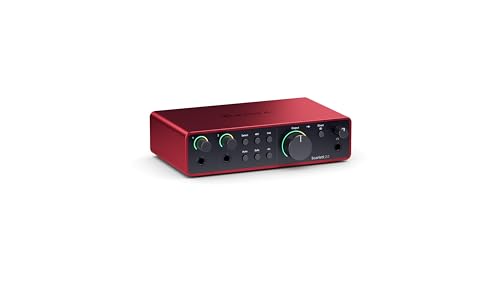
The simplest bridge from practice room to a real recording
For the drummer taking their first shot at home recording
$224.99 from Amazon
For the serious student who's been told to fix their timing
$149.98 from Amazon
For the gigging drummer who triggers tracks live on stage
$1,091.92 from AmazonHow we picked
Actually gets used. We favored gifts that fit into a drummer's regular routine rather than gear that sits on a shelf. Owner feedback themes were the clearest signal here — pads, sticks and mics come up again and again as daily-use items.
Volume and living space. Acoustic kits run roughly 90 to 130 dB, per OSHA's noise exposure guidelines, which rules them out for most shared housing. We looked for gifts that let someone practice without a neighbor complaint, and mesh-head kits sit closer to 45 to 60 dB.
Safe to guess at. We leaned toward things a non-drummer can buy without knowing the recipient's setup, taste or measurements. Sizing risk, taste risk and return hassle all counted against a product.
Reputation over novelty. We prioritized products with long production histories and consistent professional specification — the SM57, the 5A, the RealFeel — over newer gear with thinner track records. Published reviews and spec sheets carried the weight.
Clear about extras. Several picks need accessories to work at all. We flagged every case where a gift arrives incomplete, since a present that can't be used on the day it's opened is a bad present.
Our favorite gift
Real stick rebound without waking the whole house
Evans RealFeel - Drum Practice Pad -
For the drummer who practices while everyone else sleeps
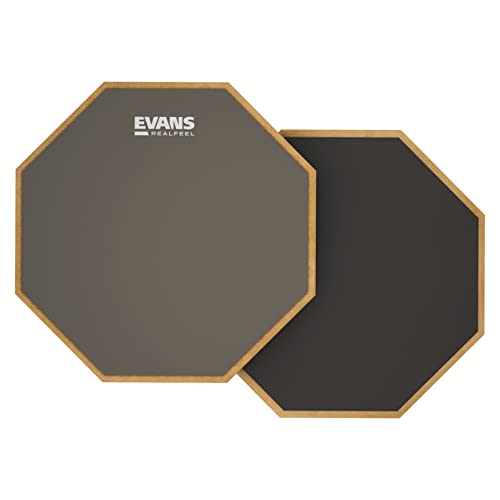
The Evans RealFeel is a two-sided 12-inch practice pad that gives you snare-like rebound on one face and a firmer, workout surface on the other. It's the rare drum gift that beginners and touring pros both keep within arm's reach.
$44.99fromAmazonThis is the gift a drummer will touch more days than their actual kit. Warm-ups before a gig, rudiments in front of the TV, ten minutes before dinner — the pad is where most of that happens. It sits on a lap, a table, a carpet, or drops into a snare stand basket. Nothing to set up, nothing to plug in. That low friction is why it gets used, and why it's a better bet than something impressive that lives in a closet.
The two sides do genuinely different jobs. The gray gum-rubber face has a slightly textured finish and gives back a bouncy, coated-drumhead feel, so hands stay honest about technique. Flip it over and the harder recycled-rubber side kills most of the rebound, which turns practice into a strength exercise. Owners describe the difference clearly and consistently, and most end up favoring one side for warm-ups and the other for building control.
Volume is the whole point for a lot of recipients. If the drummer on your list shares walls, this is the thing that lets them practice at eleven at night without a conversation with the neighbors. It's not silent — sticks on rubber still tap — but it's closer to typing than to drumming. For anyone in an apartment or a house with sleeping kids, that's a real problem solved.
At twelve inches, it's close to snare-sized, so the hand positions carry over to the kit instead of teaching cramped, small-target habits. Evans has been making drumheads for decades and builds these in the USA, and the pad's reputation among working drummers reflects it. It unwraps well too — it's obviously a drum thing, it needs no explanation, and there's nothing to size or match.
Flaws but not dealbreakers
The 12-inch version isn't mountable, so it can't be clamped to a stand. If your recipient wants a pad that sits at kit height on a cymbal stand, they'd need a different size or a snare stand to drop this one into.
It's heavy for its size — over three pounds — which is fine at home but noticeable in a gig bag. A drummer who wants something to toss in a backpack for the bus might prefer the smaller 6-inch pad. And the black side's stiff response feels dead to some players; not everyone likes it.
Safest bet
The one drum gift that's essentially impossible to get wrong
Vic Firth American Classic 5A Drumsticks
For anyone who plays drums at all, at any level
Vic Firth's American Classic 5A is the default drumstick — hickory, medium weight, tear-drop tip — and it fits rock, jazz, practice and everything between. Drummers go through sticks constantly, so a fresh pair is never redundant.
$14.99fromAmazonIf you know one fact about the person, and that fact is "they play drums," buy these. The 5A is the most widely used stick size there is, across genres and skill levels. It's neither the heavy stick that wears out wrists nor the thin one that snaps under a hard backbeat. A drummer with strong stick preferences almost certainly already uses 5As, and one without preferences should be starting here.
Sticks are a consumable, which is exactly what makes them a good present. They chip on rims, they splinter on cymbal edges, they get lost in gig bags. There's no such thing as a drummer with too many. That also means you're not competing with taste the way you would be with a cymbal or a snare — you're just topping up something they were going to buy anyway.
The construction is straightforward and good: USA hickory, which absorbs shock well and resists breaking, with a lacquer finish that keeps the wood from soaking up sweat. The tear-drop tip and deep back-cut give a full, articulate sound off cymbals. Owners describe them as consistently weighted pair to pair, which matters more than it sounds — mismatched sticks feel wrong immediately.
These are also the right stocking stuffer. Small, light, cheap to ship, and they pair naturally with anything else on this list. If you're giving the practice pad or a kit, adding sticks makes the gift complete, since electronic kits and pads don't include them.
Flaws but not dealbreakers
The lacquer finish gets slippery with sweaty hands. Some players tape their sticks or prefer Vic Firth's bare-wood versions for that reason, so a roll of grip tape is a thoughtful add-on.
Wood tips can mark up cymbals and, on electronic kits, wear down mesh heads slightly faster than nylon tips. It's a minor thing, but worth knowing if your recipient plays an e-kit almost exclusively.
Best splurge
A whole kit that won't get anyone evicted
Roland TD-07DMK Electronic V-Drums Kit
For the apartment drummer who's been stuck on a practice pad
The Roland TD-07DMK is a compact electronic kit with mesh snare and tom heads, so it plays like drums but sounds like quiet tapping in the room. Bluetooth lets your recipient stream backing tracks straight into their headphones.
$699.99fromAmazonAcoustic kits are loud in a way that's hard to overstate — the range is closer to a chainsaw than a stereo, which is why so many drummers end up not owning one. Mesh heads change that math completely. The stick still hits a real playing surface with real rebound, but the sound in the room drops to something like conversation volume, and all the actual drum sound goes to headphones or an amp.
For a drummer who's been stuck practicing on a pad, this is a life change, not an upgrade. They get a full kit layout, dynamics that respond to how hard they hit, and 143 instrument sounds to build kits from. Roland has been making V-Drums since 1997, and independent reviewers consistently rank their mesh-head feel and module sounds at the top against comparable kits. This is the entry point to that line, not a knockoff of it.
The Bluetooth connection is the feature that keeps beginners playing. Pair a phone, pull up a playlist or a lesson video, and the music comes through the same headphones as the drums. Owners describe playing along to streamed tracks as the thing that turns practice into something they want to do daily. USB to a computer also means they can record MIDI and swap sounds afterward.
Know what's in the box before you wrap it. The kit needs a kick pedal, a throne, sticks and headphones, none of which are included. If this is a gift for someone starting from zero, budget for those too — otherwise a very exciting box becomes an unplayable one on the morning it's opened.
Flaws but not dealbreakers
The pads are small. Toms in particular are compact, and drummers moving from an acoustic kit notice the tighter targets right away. Some owners frame that as good precision training; others just find it cramped.
The hi-hat controller is the weak spot of this kit and the most common complaint. It's a pedal-and-pad arrangement rather than a proper hi-hat stand, and the response to half-open positions is limited. Assembly also takes a while, and the instructions are thin enough that most people end up watching a video.
Most personal
The one microphone that belongs in every home studio
Shure SM57 Pro XLR Dynamic Instrument Microphone
For the drummer who keeps saying they should record more
The Shure SM57 is the microphone engineers reach for on snare drums, and it's been in production since 1965. It's nearly indestructible, handles loud sources without distorting, and it's the first mic most drummers should own.
$109fromAmazonRecording drums at home usually stalls at one question: what mic do I buy? The SM57 is the answer nearly every professional gives. It's been made continuously since 1965, it's specified in studios worldwide, and there's even one in the White House audio system. Buying a drummer their first SM57 is giving them the thing they'd have bought eventually, sooner.
It's built for the exact abuse a drum kit hands out. The SM57 takes high sound pressure levels without breaking up, so a snare hit two inches from the capsule stays clean instead of turning to crunch. The cardioid pattern points tightly at the source and rejects a lot of what's behind it, which is what keeps a hi-hat from bleeding all over the snare track. And the metal body survives being knocked over, packed badly and hauled to gigs.
It doesn't stop at drums, which is what makes it a genuinely personal gift rather than a single-purpose tool. Guitar amps, brass, percussion, vocals in a pinch — it handles all of it. If your recipient plays anything else, or records a bandmate, the mic follows them there. Owners describe it as the mic that stays in rotation for decades.
One practical note: it needs an XLR cable and an interface or mixer to plug into. Neither comes in the box. If the drummer already records, they have both. If they don't, pair it with an interface and you've given them a complete starting point instead of a component.
Flaws but not dealbreakers
It's a dynamic mic, so it's darker and less airy than a condenser. On cymbals and overheads it sounds noticeably duller, and it's not the right choice for capturing a whole kit from above.
It's also fairly quiet output-wise, so it wants a preamp with real gain behind it. On weak interfaces you'll hear hiss when you push the level. And as a gift, it's undeniably plain — a small black tube in a box, with none of the visual wow of larger gear.
Best for beginners
The simplest bridge from practice room to a real recording
Focusrite Scarlett 2i2 4th Gen USB-C Audio
For the drummer taking their first shot at home recording
The Scarlett 2i2 turns a microphone and a laptop into a home studio, with two inputs, clean preamps and software included. Its Auto Gain and Clip Safe features handle the part beginners usually get wrong.
$224.99fromAmazonGetting audio into a computer properly is the step that stops most first-time recordists, and this is the box that fixes it. Two combo inputs take microphones or instruments, USB-C carries it all to a laptop, and Focusrite includes a full software bundle — Pro Tools Intro+, Ableton Live Lite, Cubase LE and a set of plugins. Your recipient can go from unboxing to a first take the same evening.
The beginner-facing features here are the whole reason it's the right gift. Auto Gain listens to a few seconds of playing and sets the input level, which removes the single most common rookie mistake. Clip Safe pulls the gain back if a hit is about to distort. For a drummer recording snare — a source with a brutal transient spike — that's genuinely useful protection on a take they can't repeat.
The specs hold up beyond beginner needs. The 4th Gen uses the same converters as Focusrite's flagship interfaces, with a 120 dB dynamic range and enough clean preamp gain to drive a quiet dynamic mic like the SM57 without hiss. Focusrite says the Scarlett line is the best-selling USB interface family in the world, and reviewers consistently rate this generation's preamps well above its class.
Two inputs is the right number for a drummer starting out. It covers a snare mic and an overhead, or a kick and a snare, which is a legitimately good-sounding minimal drum setup. It also doubles for guitar, vocals or a podcast, so it doesn't sit idle between drum sessions.
Flaws but not dealbreakers
Two inputs is also the ceiling. A drummer who wants a full multi-mic kit setup will outgrow this and need a larger interface, so think of it as a starting point rather than a forever purchase.
Nothing you need to actually record comes with it — no mic, no XLR cable, no headphones. On its own it unwraps as a red metal box with knobs, which lands better paired with a microphone than given alone.
Who this is for
This guide is for anyone shopping for a drummer, whether that's your kid who just joined the school band, a housemate who plays in a covers group, or a friend who's been at it for twenty years. You don't need to play drums yourself to use it. We've stuck to gifts that make sense without knowing their cymbal preferences or how they tune a snare — practical tools, consumables and volume solutions rather than gear that competes with taste they've already formed.
We're not covering acoustic drum kits, cymbals, snare drums or drumheads here. Those are highly personal, expensive to guess wrong on, and awkward to return. We're also skipping novelty items — the drum-themed mugs and shirts that look like thoughtful gifts and end up in a drawer. If you're buying for someone at the very start, the sticks and pad are the right pairing. If they're recording or gigging, the mic and interface do more. And if you're going big, the electronic kit is the one that changes what they can do at home.
How we picked
We weighed a handful of things when picking gifts here. Actually gets used: we favored items that fit into daily practice — pads, sticks, mics — over gear that impresses once and then sits. Volume and living space: acoustic kits run roughly 90 to 130 dB per OSHA's guidelines, so anything that lets an apartment drummer play quietly earned extra credit. Safe to guess at: a good gift shouldn't require you to know their setup, their hand size or their taste in cymbals. Reputation over novelty: we leaned on long production histories, professional specification and consistent published-review standing rather than whatever's new. Clear about extras: where a gift needs a cable, a pedal or headphones to work, we said so, because a present nobody can use on the day it's opened isn't much of a present.
Other gifts for drummers worth considering
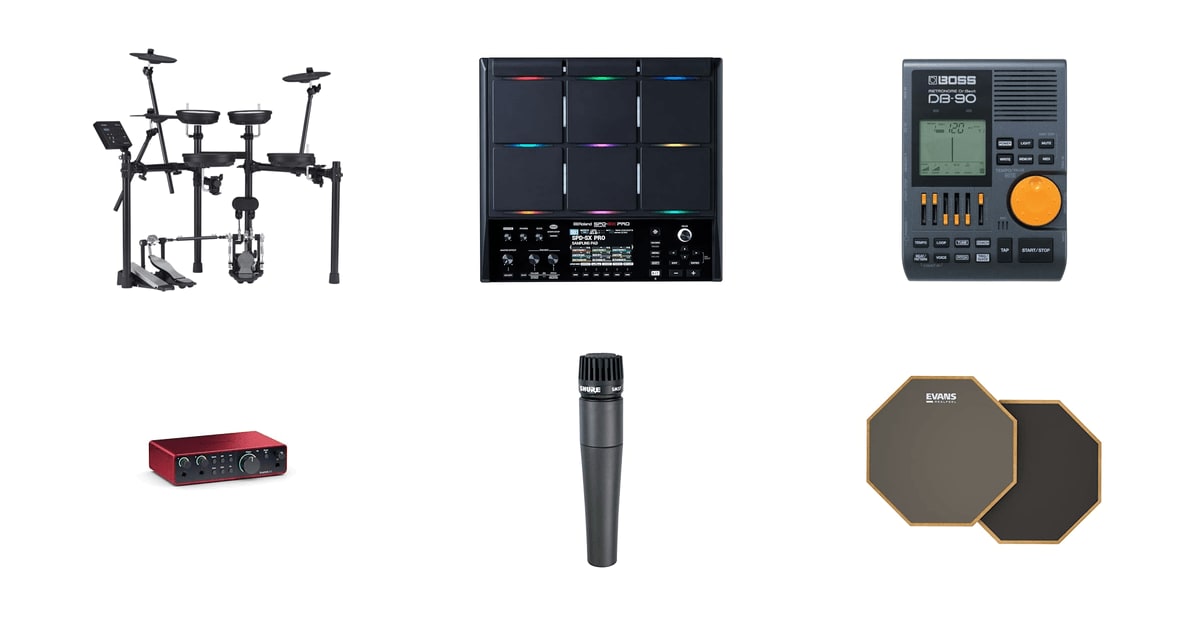
If you want a gift for someone who's serious about getting better: The BOSS DB-90 Dr. Beat Portable Metronome ($149.98) — The Boss DB-90 Dr. Beat is the metronome drum instructors and marching programs actually use, and it does things phone apps don't. Its Rhythm Coach mode listens back and scores how accurately you're playing against the click over a session, which turns vague timing work into something measurable. It also has four click sounds including a spoken count, dozens of play-along drum patterns, a footswitch jack for hands-free starts and MIDI sync. Against a free app it wins on all of that. Against our picks, it's narrower — it fixes one skill rather than opening a new capability — and one recurring owner complaint is that these units don't always survive years of hard rehearsal use. Buy it for someone who practices with intent, not for a casual player.
More good gifts
These are the other gifts our research turned up, and they're good ones for the right person — this list is what we looked at closely, not everything on the market. Nothing here fell short. Each just suits a narrower recipient than the picks above.
The Roland SPD-SX Pro Sampling Pad ($1,091.92) — The Roland SPD-SX Pro is a professional sampling pad, and it's a serious gift for a serious player. Nine velocity-sensitive pads, eight trigger inputs for external pads and triggers, bright LEDs that stay readable on a dark stage, and enough onboard memory to hold a full show's worth of samples at 24-bit quality. Touring and session drummers use these to fire backing tracks, click, and electronic sounds alongside an acoustic kit. It's the right gift for someone who already plays out and has mentioned wanting to run tracks. It's the wrong gift for a bedroom drummer or a beginner, who'd be paying for stage capability they have no stage for. It's also the most expensive item here by a wide margin, so it's a gift for a spouse, a bandmate or a very close friend rather than a casual exchange.
What else they'll need
A few of these gifts arrive incomplete, and it's worth knowing before you wrap them. The TD-07DMK needs a kick pedal, a drum throne, sticks and headphones — none are included, and without them the kit can't be played on the morning it's opened. The SM57 needs an XLR cable and something to plug into, which is why pairing it with the Scarlett 2i2 makes such a natural combined gift. The Scarlett needs a mic or an instrument and headphones. The DB-90 runs on batteries but drinks them, so an adapter is a sensible add-on. Only the practice pad and the sticks work straight out of the box. If you're buying for a beginner, the safest complete gift is the pad plus a pair of 5As, which needs nothing else at all.
Questions we get
What's the best gift for a drummer who already has everything?
Go for consumables and upgrades to things they use constantly rather than new gear categories. Sticks are never redundant — even a drummer with a wall of cymbals is running low on 5As. A better practice pad or a first proper recording mic also tend to be gaps in otherwise well-equipped setups.
What drumstick size do most drummers use?
The 5A is the default across nearly every genre and skill level, and it's consistently the top seller at major music retailers. It's a medium weight that suits rock, pop, jazz and practice equally well. If you don't know your recipient's preference, 5A is the size to buy.
Is an electronic drum kit a good gift for someone in an apartment?
Yes, and it's often the only way an apartment drummer can play a real kit at all. Acoustic kits run roughly 90 to 130 dB, which is chainsaw territory. Mesh-head electronic kits like the TD-07DMK drop the room volume to something closer to normal conversation, with the actual drum sound going to headphones.
What microphone do I need to start recording drums at home?
One SM57 is the standard starting point, aimed at the snare. It handles the loud, sharp transient of a drum hit without distorting, and its tight pickup pattern keeps other parts of the kit out of the track. You'll also need an XLR cable and an audio interface to connect it to a computer.
What are good stocking stuffers for a drummer?
Sticks are the obvious one — small, light and guaranteed to be used. A practice pad also works if you want something slightly bigger that still fits in a bag. Both are safe without knowing anything about their kit or preferences.
Is a hardware metronome worth it over a free phone app?
For a casual player, no — a free app keeps time fine. For someone practicing seriously, the DB-90 adds a Rhythm Coach mode that scores rhythmic accuracy over a session, which no phone app offers, plus footswitch control and MIDI sync. Buy it for the student or the gigging player, not the hobbyist.
Why you should trust us
For this guide:
- We read manufacturer specifications from Roland, Shure, Focusrite, Boss and Evans, alongside published reviews from outlets including MusicRadar, to compare mesh-head response, preamp gain and build claims across this lineup.
- We compared OSHA noise exposure guidance against manufacturer volume figures to understand what actually works in shared living spaces.
- We reviewed recurring themes in owner feedback for each product — particularly around assembly, missing accessories and long-term durability — to identify the flaws worth flagging to a gift-giver.
- We read owner reviews on every listing, weighted toward the critical ones, because that is where the recurring failures show up.
- We have a systematic way of automatically fetching the latest prices, so the numbers on this page stay current.
- This is a research-focused guide, so the team may not own every product listed — though we often do own the top winners, which gives us extra context for the recommendations.
- We don't accept free products, and the retailer commission never changes which product we recommend.
Sources
Best Gifts for Drummers — Sweetwater, Sweetwater
Best Electronic Drum Kits 2026 — MusicRadar, MusicRadar
Best Drumsticks 2026 — MusicRadar, MusicRadar
Roland TD-17KV Specifications — Roland, Roland (Manufacturer)
Roland SPD-SX Pro Product Page — Roland, Roland (Manufacturer)
Shure SM57 Product Overview — Shure, Shure (Manufacturer)
Focusrite Scarlett 2i2 4th Gen Specifications — Focusrite, Focusrite (Manufacturer)
Boss DB-90 Dr. Beat Product Page — Boss, Boss (Manufacturer)
Drumeo Platform Overview — Drumeo, Drumeo
Evans Real Feel Practice Pad — Evans/D'Addario, Evans (Manufacturer)
Best Drum Practice Pads — Drumeo Blog, Drumeo
Best Gifts for Drummers — Musician's Friend, Musician's Friend
Amazon product listings and owner reviews for all 7 products
Manufacturer specification pages for each product
Some passages in this guide may be paraphrased with AI help. Prices are refreshed automatically.
More like this.
Continue exploring electronics reviews and recommendations.

The Best LED Headlight Bulbs
Factory halogen bulbs go dim so gradually that you stop noticing. Then one night you're on an unlit two-lane road, and a deer steps out at the edge of…

The Best Emergency Weather Radios
Severe weather doesn't wait for you to check your phone. A NOAA weather radio sits in the corner of a room and does one job: it makes noise when the…

The Best Car Trash Cans
Trash in a car doesn't announce itself. It accumulates - a receipt in the door pocket, a coffee lid in the cup holder, three straw wrappers under the…

The Best Wireless CarPlay Adapters
Every trip starts the same way. You get in, dig out the cable, plug the phone in, and wait for the screen to catch up. A wireless adapter kills that…

The Best Snow Foam Cannons
A foam cannon is the simplest insurance you can buy for your paint. It bolts onto a pressure washer, mixes soap into a thick lather, and lays that lather…

The Best Folding Windshield Sun Shades
Park in an open lot on a July afternoon and your car turns into an oven. AAA's research found that a cabin sitting in 80-degree weather climbs to 116…