The Best Gifts for Golfers
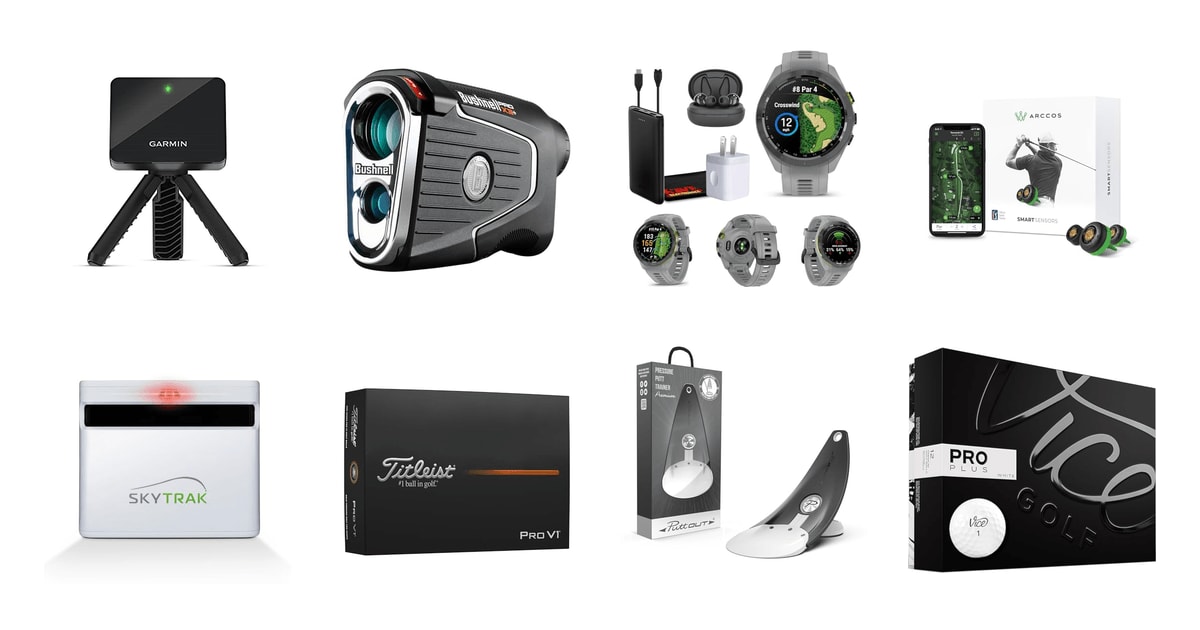
Golf is a hobby that never stops asking for one more thing. A golfer always needs more balls, always wants to know the yardage, and always suspects there's a fix for the slice. That's good news if you're shopping for one. Almost anything that helps them find the flag, hit it straighter, or practice on a rainy Tuesday will get used. The hard part isn't finding a golf gift. It's finding one they'll actually pull out of the bag every round.
Here's the catch nobody puts on the box: a lot of golf tech comes with strings attached. Launch monitors, GPS watches, and shot-tracking sensors mostly need a smartphone, an app, and often a yearly subscription to do the things the marketing shows. If your golfer is not the type to fiddle with pairing menus, a gadget can sit in a closet. And gear is personal. Golfers are stubborn about their ball, their grips, and what goes on their wrist. Keep the receipt.
So we sorted these by who's getting them, not by score. There's something for the friend who talks about strokes gained, something for the dad who just wants the number to the pin, and something small for a stocking. Our favorite gift here is the Bushnell Pro X3+ rangefinder, and the personalized Titleist Pro V1s are the safe choice when you're less sure of their taste.
Everything we recommend

The gift that gets used on every hole, every round
For the golfer who still paces off yardage from a sprinkler head
$529.98 from Amazon
Impossible to get wrong, and they'll always need more
For anyone on your list who plays golf at all
$57.97 from Amazon
Small, cheap, and it actually makes them better
For the golfer stuck indoors from November to March
$29.99 from Amazon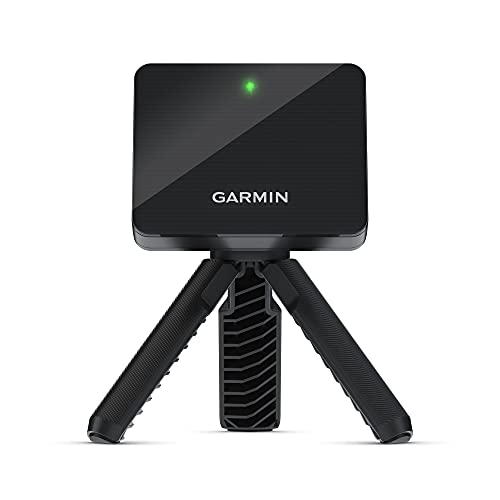
Real swing numbers at home, without simulator money
For the new golfer who wants to practice in the garage all winter
$407.99 from Amazon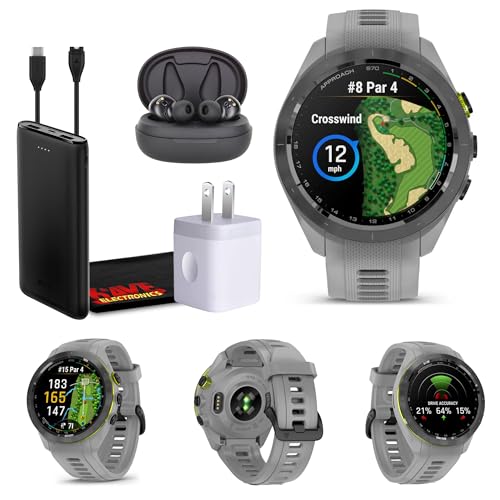
A course guide on the wrist that looks good off it
For the golfer who wants the yardage without reaching for anything
$662.99 from Amazon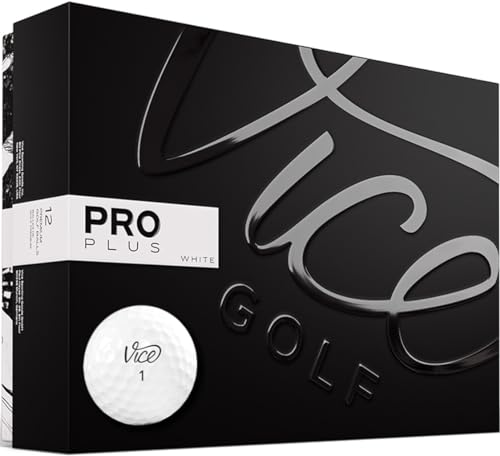
For the golfer who plays enough to notice, and enough to lose a few
$35.30 from Amazon
For the friend who already knows their strokes-gained numbers
$168 from Amazon
For the golfer building a real simulator bay in the garage
$1,195 from AmazonHow we picked
Will they use it. We favored gifts that come out on most rounds or most practice sessions over ones that get tried twice. Published reviews and owner feedback both flag the same failure mode: gear that needs a ritual to set up gets abandoned.
Setup and app burden. We read the spec sheets and owner reports for what a product needs before it works, from smartphone pairing to account creation. Anything requiring real configuration went to a category where the recipient is likely to be comfortable with it.
Hidden ongoing costs. Several of the tech picks carry an annual app subscription after the first year. We noted every one, because a gift that bills your recipient later is a different kind of gift.
Unwraps well. We looked at what's actually in the box, whether a battery is included, and how much explaining a giver has to do. Gifts that work the moment they're opened scored higher.
Range of recipients. We wanted a spread across skill levels and budgets rather than five versions of the same gadget, so the list covers a first-season player, a weekend regular, and a golfer who tracks strokes gained.
Our favorite giftOn sale
The gift that gets used on every hole, every round
Bushnell Golf Pro X3+ Link Laser Rangefinder
For the golfer who still paces off yardage from a sprinkler head
A laser rangefinder is the rare golf gift that comes out of the bag a dozen times a round. The Pro X3+ locks onto a flag fast, reads past 600 yards, and sticks to the cart frame with a magnet so it never gets left behind.
$529.98fromAmazonList priceA rangefinder is the golf gift with the highest chance of daily use. Your golfer points it at the flag, gets a number, and picks a club. That's it. There's no app to learn, no account to make, no subscription nagging them in the spring. Bushnell says its lasers are carried by more than 75% of PGA Tour caddies, which is why almost every golfer already knows the name on the box. That recognition matters when you're guessing at someone's taste.
The Pro X3+ has a slope switch, which sounds like jargon but solves a real problem. Slope mode adjusts the yardage for uphill and downhill shots, and it's not legal in tournaments. Flip the switch and the feature turns off, so your golfer can use the same device in a club championship as on a Saturday. This version also folds in temperature and altitude, and it lets them set a home elevation so the numbers match the course they play most.
Little things separate a rangefinder that gets used from one that gets forgotten. The BITE magnet grabs the cart's frame so it rides where they can reach it. The 7x magnification helps if their eyes aren't what they were, and owners with weaker vision call that out specifically. It's rubber-armored, IPX7 waterproof, and comes in a real case with the battery included, which means no scavenger hunt on Christmas morning.
It unwraps well, and that counts. A rangefinder is heavy in the hand, comes in a nice case, and works the second they open it. Compare that to a gadget that needs a phone, an app download, and twenty minutes of pairing before anyone can see what it does. If you're handing this over at a party and want a reaction in the room, this one delivers it without you having to explain anything.
Flaws but not dealbreakers
This is the most expensive way to learn a yardage. A basic laser does the core job for a lot less, and the wind, elevation, and launch-monitor-linking extras only pay off for a golfer who cares about that layer of detail. If your recipient plays a few times a summer, you're paying for features they'll never turn on.
The features that make it special lean on a phone. Wind speed and direction need the mobile app connected, and the LINK data pairing only means something if they own a Bushnell or Foresight launch monitor. Some owners also report the display or electronics arriving flaky, so open it and check the readout before the return window closes.
It's not tiny. This rides in the bag, not a jacket pocket, and a walker who counts ounces may prefer a watch on the wrist instead.
Safest bet
Impossible to get wrong, and they'll always need more
Titleist Pro V1 Golf Balls
For anyone on your list who plays golf at all
The Pro V1 has been the most-played ball on the PGA Tour for over 20 straight seasons, so it's the one ball nearly every golfer respects. Titleist prints custom text and numbers, which turns a box of balls into something with your name on it.
$57.97fromAmazonBalls are a consumable, and that's exactly why they work as a gift. Your golfer loses them in ponds, cracks them off cart paths, and hands them to playing partners. Nobody ever has too many. Buying someone a driver means guessing at their swing. Buying them a dozen Pro V1s means giving them the thing they were already going to buy for themselves, which is a low-risk move dressed up as a generous one.
Personalization is what lifts this from generic to thoughtful. Titleist offers custom sidestamp and personalized number printing on gift orders, so you can put a nickname, an inside joke, or a date on the ball itself. Their name on a Pro V1 reads as a real present. A plain sleeve of the same balls reads as something you grabbed at the pro shop. The printing is the whole difference, and it costs you nothing but a few minutes at checkout.
The ball itself is built for control rather than raw speed. Compared with the Pro V1x, it feels softer, spins less off the tee, and flies flatter. The soft cast urethane cover is what makes it grab on chip shots and short irons. Owners across every handicap level report the same two things: it stops on greens, and it holds up to a full round without shredding. That combination is why the model barely needs a sales pitch.
Flaws but not dealbreakers
It's a premium ball at a premium price, and a beginner who loses six a round is throwing money in the weeds. If your golfer is new or sprays it, a cheaper ball is the kinder gift.
Personalization takes lead time and locks you in. Custom orders ship on their own schedule, so plan ahead for a holiday, and know that a monogrammed dozen can't be returned if you got the spelling wrong.
Best budget gift
Small, cheap, and it actually makes them better
PuttOUT Premium Pressure Putt Trainer - Perfect
For the golfer stuck indoors from November to March
The PuttOUT trainer returns only putts hit at the right pace and spits back the ones that would have lipped out. It folds flat, works on carpet, and targets putting, which is where most golfers can shave strokes fastest.
$29.99fromAmazonPutting is where most golfers can save strokes fastest, and this is about the simplest way to practice it. The parabolic ramp is calibrated to roughly the pace that would carry a ball about 17 inches past the hole, which putting research treats as the ideal speed. Hit it too soft or too hard and the ball comes right back at them. Hit it perfectly and it sticks in the micro-target. That instant yes-or-no feedback is what makes people keep putting instead of drifting off to the couch.
It weighs less than half a pound and folds down, so it lives in an office drawer or under a desk. Your golfer can use it on the living room rug during a commercial break or take it to the practice green before a round. Nothing to charge, nothing to pair, no app. If the person on your list has resisted every gadget you've ever given them, this is the training aid that doesn't feel like homework.
As a gift it punches above its size. It's the kind of thing that goes in a stocking or rides along with a bigger present, and it's won awards from Golf Digest and Golf Monthly, so it isn't a novelty. Owners describe it as genuinely addictive, which is not something people say about most practice tools.
Flaws but not dealbreakers
The perfect-putt feature is a bit gimmicky, and owners say so. Getting the ball to stick in the micro-target is more of a party trick than a skill drill. The real value is the pace feedback on ordinary putts.
It only trains short putts on a flat surface. Living room carpet rolls nothing like a real green, so it won't teach them to read break or judge a downhill 30-footer. Think of it as a groove-keeper, not a substitute for the practice green.
Best for beginnersOn sale
Real swing numbers at home, without simulator money
Garmin 010-02356-00 Approach R10
For the new golfer who wants to practice in the garage all winter
The Approach R10 sits on a tripod, watches the ball, and sends club speed, ball speed, spin, and launch angle to a phone. It's the entry point to home practice, and it works with a net in a garage.
$407.99fromAmazonList priceLaunch monitors used to be a pro-shop fixture that cost as much as a car. That's changed. MyGolfSpy's independent accuracy testing found the R10's carry-distance readings landed within about two yards of a Trackman on most shots, at a small fraction of what the professional units cost. For a new golfer, that's the difference between guessing how far a 7-iron goes and knowing.
What makes it a good beginner gift is that it turns practice into a game. Instead of hitting balls into a net and hoping, they see a dispersion chart for each club and short video clips with the numbers attached. Owners who set up a net in a garage or carport describe playing full virtual rounds through a snowy winter. That's the use case: a golfer who can't get to a course for four months and is going stir crazy.
It's portable enough to matter. The unit weighs under a pound, runs up to ten hours, and comes with a phone mount that clips onto a golf bag, so it works at the driving range as easily as at home. That flexibility is worth more to a newer player than raw precision, because they're still figuring out what they hit and how far.
One note before you buy: this listing is a renewed unit. Owners of refurbished R10s consistently report them arriving in good shape and pairing without drama, but it's worth knowing what's in the box so you can mention it, or not, depending on the recipient.
Flaws but not dealbreakers
It doesn't measure the club face directly. Club path and face angle are estimated from ball flight rather than read off the clubhead, and owners who want true impact data notice the gap. A golfer chasing a specific swing fault may find that frustrating.
The good stuff sits behind a subscription. Virtual rounds on the course library and the fuller analysis need an active Garmin Golf plan, so factor in an ongoing yearly cost that lands on your recipient, not you.
It needs space and setup. You want room to swing, a real net, and a phone or tablet running the app every session. Accuracy complaints in owner feedback often trace back to cramped or improvised setups rather than the unit itself.
Best splurge
A course guide on the wrist that looks good off it
Garmin Approach S70 Golf GPS Watch AMOLED
For the golfer who wants the yardage without reaching for anything
The Approach S70 loads more than 42,000 courses and shows front, center, and back distances plus hazards without your golfer touching a thing. The AMOLED screen and ceramic bezel mean it passes as a regular watch at dinner.
$662.99fromAmazonA GPS watch is the gift for the golfer who hates fussing with gear mid-round. They glance at their wrist and see the number. No laser to aim, no phone to unlock, no yardage book to flip through. The S70's virtual caddie goes further and suggests a club based on wind, elevation, and their own swing data, and the dispersion chart shows which hazards are actually in play for that club.
The screen is what you're paying for. A bright 1.2-inch AMOLED display with a ceramic bezel reads clearly in July sun and doesn't look like a fitness tracker at a restaurant. That matters for gifting: this is a watch your recipient can wear all week, not one they strap on in the parking lot. Battery runs up to ten days in smartwatch mode, so it isn't asking for a charger every night.
Off the course it's a full Garmin. It tracks sleep, stress, body battery, and hydration, and it opens up 1,600-plus exercises and free running plans through Garmin Connect. If the golfer on your list also runs, lifts, or is trying to move more, this stops being a golf gift and starts being an everyday one. That doubles the odds it stays on their wrist in February.
This particular listing is a bundle, packaged with a charging cable, adapter, cleaning cloth, power bank, and a pair of wireless earbuds. The earbuds are a throw-in rather than the reason to buy, but the extra accessories mean fewer trips to the store after they open it.
Flaws but not dealbreakers
It's a watch, and watches are personal. Band color, case size, and general wrist real estate are things people have opinions about. If your golfer already wears something they love, this is a harder sell than a rangefinder that lives in the bag.
There's a setup tax. Getting the most out of the virtual caddie means pairing a phone, creating a Garmin account, and letting it learn their distances over several rounds. A golfer who doesn't want another app on their phone won't see the best of it.
The bundled earbuds are generic and the color may vary, so don't build the gift's pitch around them.
Who this is for
This guide is for people shopping for a golfer, not for golfers shopping for themselves. That includes spouses and parents who've never held a club, friends who know only that the person disappears on Saturday mornings, and fellow players looking for something better than another sleeve of balls. We've covered a spread from a stocking-sized training aid up to a home simulator setup, so there's a match whether you're doing an office gift exchange or buying the big one for a milestone birthday.
It's less useful if you're buying clubs, shoes, or apparel. Those depend on swing, fit, and taste in ways a research guide can't solve, and the return rate reflects that. We've also skipped anything that requires knowing your golfer's handicap to the decimal. If you don't know how often they play or how they feel about apps, lean toward the rangefinder, the personalized balls, or the putting trainer, and skip the products that need a phone to come alive.
How we picked
We weighed a handful of things a giver actually has to worry about. Will they use it: we prioritized gear that comes out every round or every practice session over things that get tried once and shelved. Setup and app burden: spec sheets and owner reports told us what each product needs before it works, and anything demanding real configuration got matched to a recipient likely to enjoy that. Hidden ongoing costs: several tech picks carry a yearly app fee after the first year, and we flagged each one, because a present that bills your recipient later isn't quite a present. Unwraps well: we checked what's in the box, whether the battery is included, and how much you'll have to explain. Range of recipients: we spread the list across skill levels and budgets instead of stacking five versions of the same gadget.
Other gifts for golfers worth considering
If you want a tour-level ball without the tour-level sting: The Vice Golf Pro Plus White Golf Balls ($35.30) — Vice sells direct, which is how the Pro Plus lands at a fraction of what a comparable box costs elsewhere. MyGolfSpy's ball testing found Vice Pro models statistically matching the Pro V1 on total distance, greenside spin, and feel while retailing around 40% less per dozen. The Pro Plus is the four-piece cast urethane version built for faster swings, with a closed alignment line and a thin cover for spin around the greens. Owners praise the feel and the durability, and they like that they can stock up without wincing. What you give up is name recognition. The Titleist script means something to a golfer at first glance; a Vice logo may need a sentence of explanation from you. Vice also prints custom text and offers bold colors, so you can still personalize it.
If you want a gift for a golfer who's genuinely chasing a lower handicap: The Arccos Smart Sensors: Automatic Golf Game Tracking ($168) — Arccos sensors thread into the butt end of all 14 clubs and record every shot automatically, then feed an AI caddie that recommends clubs and adjusts yardages in real time for wind, elevation, temperature, and humidity. Arccos reports that golfers who log at least 10 rounds average 2.9 strokes better than their pre-Arccos baseline. Owners who stick with it say the stats expose gaps they never would have guessed at. The catch is that this is the least gift-friendly product here. Installing 14 sensors, pairing the app, and telling it which club is which is a real project, and the first year of membership is free but billed after that. Owners who bounced off it mostly bounced off the app, not the hardware. Buy this for someone who already loves data, never for someone you're hoping to convert.
More good gifts
These are the products our research surfaced for this category, not everything on the market. Golf gear is a huge aisle, and there are plenty of good gifts we didn't look at. What follows is one more option worth considering, framed by who it fits.
The SkyTrak+ Launch Monitor & Golf Simulator ($1,195) — The SkyTrak+ is the serious end of home golf. It uses a photometric camera alongside dual Doppler radar to read club head speed, smash factor, club path, and face angle, and Golf Digest gave it a Gold rating on its Hot List for training aids, citing better than 98% correlation with Trackman data in independent testing. It plugs into WGT by TopGolf and TruGolf E6 Connect for 100,000-plus courses, so it's the engine of a full indoor setup rather than a range toy. This suits the golfer who already has a net, a mat, and space to hit, and who wants an indoor season that feels like real golf. Go in with open eyes, though. Owner feedback splits hard: people who set it up properly are delighted, while others report battery and charging failures and describe the getting-started documentation as close to nonexistent. It also asks for a capable laptop to run the simulation software well. This is a gift for a tinkerer with a budget and patience, not a surprise for a casual player.
Gifting notes
A few things smooth out a golf gift. If you're ordering personalized balls, start early, because custom printing ships on its own timeline and a monogrammed dozen can't be returned. For any of the tech picks, open the box yourself and confirm the device powers on and pairs before you wrap it, since electronics arriving faulty is the most common complaint across these listings and return windows are shorter than you think. Include a note about the app or subscription so your recipient isn't ambushed by a bill later. And if you're giving something that needs a swing, like the launch monitor, check they have somewhere to hit. A net and a mat make the difference between a gift that gets used all winter and one that goes back in the box.
Questions we get
What's the best golf gift for a beginner?
A launch monitor like the Garmin Approach R10 is a strong pick, because it turns aimless range sessions into something a new golfer can measure and improve on. If that's too much gadget, the PuttOUT trainer is the safer choice: it costs a fraction as much, needs no app, and works on the living room carpet. Both help more than new clubs, which a beginner isn't ready to be fitted for.
What's the best golf gift for someone who already has everything?
Go consumable or go personalized. A dozen Pro V1s with their name or an inside joke printed on the side works even for a golfer with a full bag, because balls get lost and replaced constantly. The other angle is a category they haven't bought into yet, like Arccos sensors for someone who owns every gadget but has never tracked their own stats.
Is a launch monitor a good gift for a golfer?
It is, if they have somewhere to hit and a tolerance for setup. A launch monitor needs space, ideally a net and a mat, plus a phone or tablet running an app every session. For a golfer with a garage and a long winter, it's one of the best gifts on this list. For someone with no room to swing, it's a box that stays in the closet.
Are golf balls too generic a gift?
Not if you personalize them. A plain box of balls reads as a last-minute grab, but the same box with their name, a nickname, or a date printed on each ball reads as something you thought about. Titleist and Vice both offer custom printing. Just order early, since the printing adds days to shipping.
Do golf tech gifts have hidden subscription costs?
Often, yes, and it's worth knowing before you buy. Arccos includes the first year of its caddie membership and charges after that. The Garmin R10 needs an active Garmin Golf plan for virtual rounds and fuller analysis. The rangefinder, the balls, and the putting trainer have no ongoing fees at all, which makes them the cleaner gifts if you'd rather not hand someone a future bill.
GPS watch or laser rangefinder?
A rangefinder gives a precise number to whatever they point it at, and it works on any course without setup. A GPS watch gives front, center, and back distances plus hazards at a glance, with nothing to aim, and it doubles as an everyday watch. Choose the laser for a golfer who wants exact yardages and hates fiddling with apps. Choose the watch for someone who'd wear it off the course too.
Why you should trust us
For this guide:
- We read manufacturer specifications for every product here, along with published reviews from outlets including MyGolfSpy and Golf Digest and the accuracy and usage figures those outlets reported.
- We reviewed owner feedback themes across each listing to identify recurring complaints, such as setup difficulty, app dependence, and reports of faulty units.
- We compared subscription requirements, in-the-box contents, and setup burden across the lineup to judge how each one works as a gift rather than as a purchase for oneself.
- We read owner reviews on every listing, weighted toward the critical ones, because that is where the recurring failures show up.
- We have a systematic way of automatically fetching the latest prices, so the numbers on this page stay current.
- This is a research-focused guide, so the team may not own every product listed — though we often do own the top winners, which gives us extra context for the recommendations.
- We don't accept free products, and the retailer commission never changes which product we recommend.
Sources
Best Golf Gifts 2026 — Golf Digest Editors' Picks, Golf Digest
Best Golf Rangefinders 2026 — MyGolfSpy Independent Lab Testing, MyGolfSpy
Garmin Approach R10 Portable Launch Monitor — Full Review, MyGolfSpy
Best Golf GPS Watches 2026 — Golf.com Gear, Golf.com
Most Wanted Golf Ball Test 2025 — Independent Performance Testing, MyGolfSpy
Golf Digest 2025 Hot List — Launch Monitors & Simulators, Golf Digest
Gifts for Golfers — Wirecutter Tested Picks, Wirecutter / NYT
Golf Participation in the U.S. — 2025 Annual Report, National Golf Foundation (NGF)
Arccos Caddie Smart Sensors — Performance Analysis Review, Golf.com
SkyTrak+ Launch Monitor — GolfWRX Community Review & Forum Data, GolfWRX
Best Golf Training Aids 2026 — Golf Monthly Expert Review, Golf Monthly
Global Golf Equipment Market Size & Forecast 2026, Statista
Amazon product listings and owner reviews for all 8 products
Manufacturer specification pages for each product
Some passages in this guide may be paraphrased with AI help. Prices are refreshed automatically.
More like this.
Continue exploring lifestyle reviews and recommendations.

The Best Inflatable Kayaks and Paddleboards
The hardest part of owning a kayak or a paddleboard usually isn't the paddling. It's the roof rack, the garage space, the neighbor's car you nearly clip…

The Best Trampolines
A trampoline is one of the few things you can put in a backyard that kids will actually use every day for years. It's also a piece of equipment that sends…

The Best Snake Repellents for Your Yard
If you've ever found a snake coiled under the deck stairs, you know the feeling. Most yard snakes are harmless, but in copperhead, rattlesnake and…

The Best Gifts for Husbands
Shopping for a husband is hard in a specific way. He's the person you know best, which means the generic stuff - another wallet, another grill tool set - …

The Best Journal Notebooks for Daily Writing
A journal notebook only earns its place if you actually reach for it. That sounds obvious, but it's where most notebooks fail. The paper feathers your…

The Best Chicken Coops
A coop isn't like most pet gear. You'll open it, close it and clean it every day for years, in the rain and in the dark, so the small stuff decides how…