The Best Gifts for Pizza Lovers
Pizza is the rare food almost everyone on your list already loves, which makes it a safe theme and a tricky one. The person you're shopping for has probably made a decent pie at home. They've also probably been a little disappointed by it. That gap comes down to heat: a standard home oven tops out around 500°F to 550°F, while the Associazione Verace Pizza Napoletana says real Neapolitan pizza needs 800°F to 900°F for 60 to 90 seconds. Close that gap and their pizza changes completely.
Here's the honest caveat. No gift in this category makes great pizza on its own, and a few of them ask real things of the recipient. Outdoor ovens need outdoor space, propane, and a learning curve that owners describe as steep for the first several bakes. Indoor countertop ovens take up serious counter real estate. And every one of these still depends on the dough, which is the part the giver can't buy. If your person hates fussing, aim small.
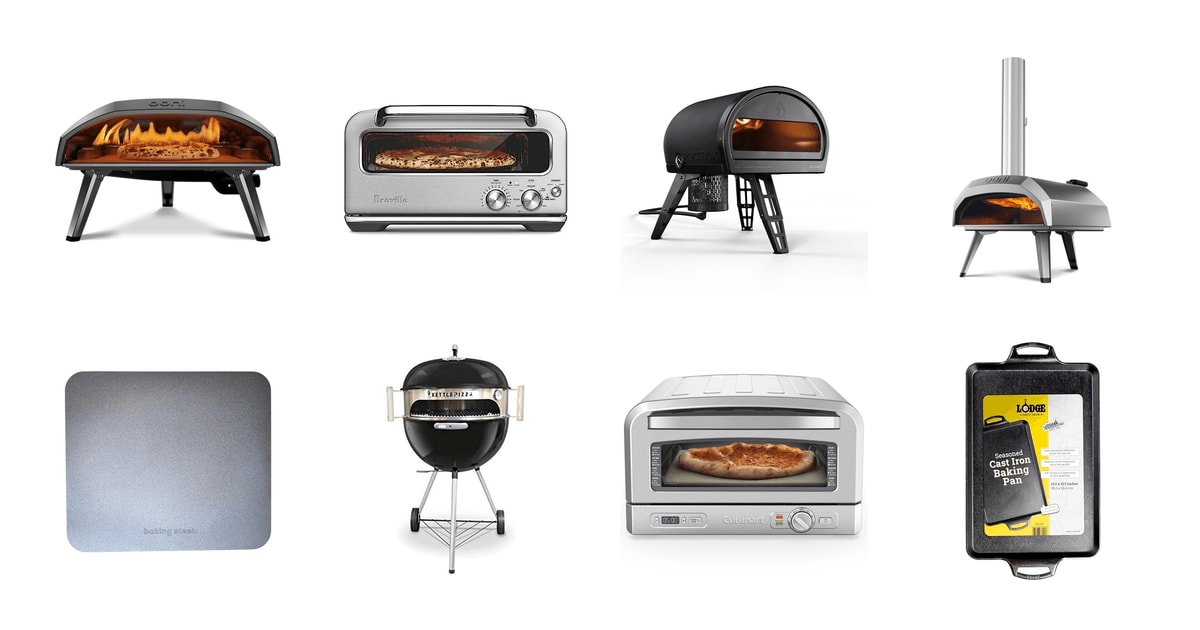
So match the gift to how much your recipient actually wants to fuss. Someone with a backyard and a weekend habit wants an oven. Someone in a one-bedroom apartment wants something that lives in the oven they already own. Our favorite gift here is the Ooni Koda 16, and the Original Baking Steel is the safe choice when you're less sure of their setup, their space, or how deep the obsession really runs.
Everything we recommend

The most forgiving path to 60-second pizza outdoors
For the backyard host who's tired of soggy homemade crust
$498 from Amazon
Restaurant-grade build, and it burns wood if they want
For the friend who's already deep in dough hydration ratios
$399 from Amazon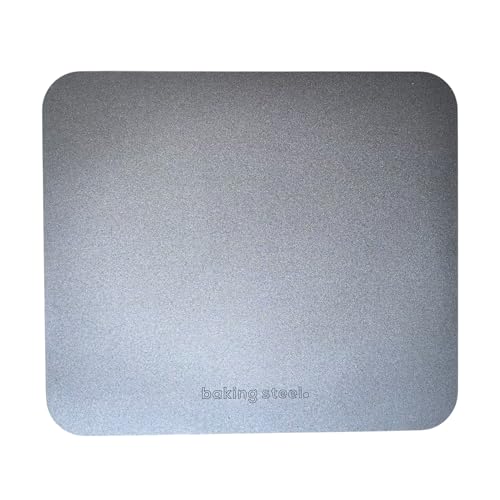
Better crust in the oven they already own
For anyone with an oven and no room for another appliance
$139 from Amazon
Serious pizza heat, indoors, with presets doing the thinking
For the apartment cook with no patio and real ambition
$999.95 from Amazon
Thick, crispy-edged pan pizza for very little money
For the Detroit-style obsessive or the deep-dish convert
$39.88 from Amazon
For the tinkerer who wants to cook over real wood
$248.95 from Amazon
For the Weber loyalist who already grills every weekend
$144.95 from Amazon
For the small-kitchen cook who wants pizza without a big investment
$279.99 from AmazonHow we picked
Heat, honestly stated. We compared manufacturer temperature specs against the 800°F to 900°F range AVPN requires for authentic Neapolitan pizza. Anything claiming pizzeria results had to credibly clear a home oven's 550°F ceiling by a wide margin.
Who it fits. We sorted every product by the recipient it actually suits — backyard, apartment, existing grill, existing oven — because a great outdoor oven is a bad gift for someone on the third floor.
Learning curve. We read owner feedback for recurring complaints about difficulty, since a gift that sits unused is a failed gift. Ovens where owners describe a steep ramp got noted, not disqualified.
Build and longevity. We looked at materials, warranty terms, and owner reports of durability over years rather than weeks. Steel and cast iron that people are still using a decade later scored well.
Unwrapping and setup. We weighed how much work stands between the box and the first pizza — assembly, fuel, extra accessories — because gifts that require a second shopping trip lose momentum fast.
Our favorite giftOn sale
The most forgiving path to 60-second pizza outdoors
Ooni Koda 16 Propane Gas Pizza Oven
For the backyard host who's tired of soggy homemade crust
Ooni's gas-fired Koda 16 hits 950°F and cooks a 16-inch pizza in about a minute, with no fire to tend. It's the outdoor oven that asks the least of a beginner while still producing the charred, puffy crust they've been chasing.
$498fromAmazonList priceGas is the right call for a gift, even though wood sounds more romantic. Your recipient turns a dial, waits, and cooks. There's no fire to build, no ash to sweep, no learning how a log burns before they can learn how dough behaves. Wood-fired flavor is real, but it stacks a second skill on top of an already tricky one. For a present, the version they'll actually use every weekend beats the version that impresses on paper.
Ooni's specs put the Koda 16 at 950°F, roughly twice a home oven, ready in about 15 to 20 minutes, with a Neapolitan-style pizza done in 60 seconds. Wirecutter named it their top outdoor pizza oven, citing the big cooking surface, the quick preheat, and how evenly it holds heat. That combination of independent agreement and manufacturer numbers is about as close to a sure thing as this category offers.
The 16-inch stone matters more than the number suggests. A 12-inch oven punishes a slightly misshapen pie — nudge it wrong and the edge kisses the wall. With 16 inches, there's room to land a pizza that isn't perfectly round and still turn it cleanly. Owners who upgraded from smaller ovens keep pointing to that margin as the thing they're most glad they paid for.
It unwraps beautifully, which is not a small thing for a gift. The legs unfold, the stone drops in, the hose and regulator are already attached. There's no assembly session that stalls out on a Sunday afternoon. Your recipient can go from box to first pizza the same day, and that immediacy is a big part of why this one lands.
Flaws but not dealbreakers
It's propane only, with a 28 mBar regulator, so it won't run off a natural gas line. Your recipient needs a propane tank, and if they don't already grill, that's an extra errand between unwrapping and eating. Worth checking before you buy.
This lives outside. It's heavy enough that moving it isn't casual, and at roughly 40 pounds with a wide footprint, it needs somewhere to sit and something to sit on. Apartment dwellers without a patio should get something else entirely.
A handful of owners report frustration when the oven doesn't reach the advertised peak, and some describe unsatisfying back-and-forth with support about it. Most owner feedback is enthusiastic, but the complaint is specific enough to mention. Stone temperature also drops between pies, so they'll need to let it recover before launching the next one.
Ooni includes a one-year manufacturer's warranty as standard and extends it to five years if the product is registered within 60 days of purchase.
Best splurge
Restaurant-grade build, and it burns wood if they want
Gozney Roccbox Outdoor Pizza Oven
For the friend who's already deep in dough hydration ratios
The Roccbox hits 950°F, comes with a built-in thermometer, and takes an optional wood burner for people who want flame flavor. Gozney sells it to professional kitchens, and the insulation and heft show it — this is the gift for someone who's serious.
$399fromAmazonGozney built the Roccbox for chefs and says it's been used in Michelin-starred settings, which sounds like marketing until you pick it up. It weighs close to 50 pounds in a small package because of how much insulation is packed in. Owners coming from cheaper ovens that stalled around 600°F describe the difference as immediate — this one actually gets where it claims to go, and it holds there through several pizzas in a row.
The built-in thermometer is the feature that quietly separates it from the pack. With most ovens, your recipient buys a separate infrared gun and learns to trust it. Here the reading is right on the oven. For someone who cares about hitting a specific stone temperature before every launch, removing that one guessing step makes the whole process feel less like an experiment.
The optional wood burner is what makes this a real gift for the hobbyist. They can run gas on a Tuesday when they want dinner, then swap to wood on a Saturday when they want to play. Nobody else on this list offers that flexibility with this build quality. It's a gift that grows with them rather than one they outgrow.
Flaws but not dealbreakers
Portable is generous. It fits on a table and travels in a truck, but nobody's carrying it to a picnic. Owners are blunt that hauling it anywhere is a hassle.
The learning curve is real, and Gozney's own materials don't do much to flatten it. Owners consistently say the hard part is dough handling — mixing, shaping, stretching — not the oven, and that they figured it out from videos rather than the manual. If your recipient is brand new to pizza, pair this with a good dough book or expect a few rough first attempts.
It costs the most of anything here. If your person makes pizza three times a year, that money is better spent on almost anything else on this list.
Safest bet
Better crust in the oven they already own
The Original Baking Steel®
For anyone with an oven and no room for another appliance
A quarter-inch slab of American steel that turns any home oven into a much better pizza oven. It stores nothing new, breaks never, and does more for crust quality per dollar than anything else on this list.
$139fromAmazonThis is the gift that works no matter what you know about their kitchen. No patio required, no propane, no counter space sacrificed — it slides onto an oven rack and stays there. Serious Eats notes that steel conducts heat roughly 18 times faster than ceramic, which is why the bottom of the crust browns instead of steaming. America's Test Kitchen found that preheating a steel for 45 to 60 minutes at 500°F produced a bottom crust comparable to professional deck ovens, beating ceramic stones in blind tastings.
It's also nearly impossible to ruin. Stones crack, sometimes for no reason anyone can identify, and owners who've broken one describe switching to steel and never looking back. This one ships pre-seasoned from Massachusetts and people are still cooking on units they bought over a decade ago. Very few gifts under a hundred dollars outlive the relationship.
And it isn't only for pizza. Sourdough with a real bakery crust, English muffins, smash burgers, seared steaks — it's a permanent high-heat surface in a kitchen that probably didn't have one. If your recipient likes to bake as much as they like pizza, the steel earns its rack space twice over.
Two practical notes for the giver. It weighs 15 pounds, so it's a heavy, unglamorous box to hand someone, and the shape doesn't hint at what's inside. Some people love that reveal. If your recipient wants a present that looks like a present, this one needs a card.
Flaws but not dealbreakers
The preheat is long. Owners routinely give it a full hour at 500°F before the first pizza, which means dinner needs planning. It's not a spontaneous weeknight tool.
It doesn't solve the temperature ceiling. A home oven still tops out around 550°F, so the crust improves dramatically but it isn't 60-second Neapolitan. Some owners with a good ceramic stone report the upgrade is noticeable rather than transformative.
Fifteen pounds of steel is awkward to lift, especially when hot. Most people leave it in the oven permanently, which slightly changes how everything else in that oven bakes.
Best for beginners
Serious pizza heat, indoors, with presets doing the thinking
Breville BPZ820BSS Smart Oven Pizzaiolo
For the apartment cook with no patio and real ambition
Breville's Pizzaiolo reaches 750°F on a countertop and has presets for Wood Fired, New York, Pan, Thin and Crispy, and Frozen. For someone with no outdoor space, it's the only indoor oven that genuinely gets close to pizzeria results.
$999.95fromAmazonNo outdoor space shouldn't mean settling for a 550°F oven, and this is the machine that fixes that. Breville's specs put it at 750°F, roughly 200°F past a conventional oven, cooking a pizza in two to three minutes. Owners who'd hit the ceiling of what their kitchen oven could do describe the difference in crust — leopard spotting, char on the edge, a base that's browned rather than pale — as the thing they'd been chasing for years.
The presets do more work than they get credit for. Wood Fired, New York, Pan, Thin and Crispy, and Frozen each set the elements differently, so your recipient picks a style instead of learning to balance top and bottom heat by feel. Breville's Element IQ system handles the rest. For a beginner, that's the difference between a fun new hobby and a frustrating one.
Here's the underrated part for anyone who's watched outdoor pizza go wrong: no rotation. Owners repeatedly note they don't have to turn the pie mid-bake, which is the single most stressful moment with a live-flame oven. The pizza goes in through a window they can watch, and it comes out evenly cooked. That's a genuinely lower-anxiety way to make dinner.
Flaws but not dealbreakers
It's small inside, and the dimensions confuse people. A standard 12-inch pizza pan won't fit, so your recipient will be launching directly onto the stone or buying a smaller pan. Several owners flag this as their one real complaint.
It takes up a lot of counter. At over 18 inches wide and deep and more than 30 pounds, it isn't something they'll shuffle in and out of a cabinet. It needs a permanent spot.
It's expensive for an indoor appliance, and 750°F still isn't the 950°F of the outdoor ovens here. If your recipient has a backyard, they'll get more pizza for the money outside.
Best budget gift
Thick, crispy-edged pan pizza for very little money
Lodge Pre-Seasoned Cast Iron Baking Pan
For the Detroit-style obsessive or the deep-dish convert
A pre-seasoned 15.5-by-10.5-inch cast iron pan that's close to ideal for Detroit-style and deep-dish. It holds heat far longer than aluminum, which is exactly what a thick crust needs, and it'll outlive whoever unwraps it.
$39.88fromAmazonNot everyone wants Neapolitan. Detroit-style, Sicilian, and deep-dish all want the opposite thing: sustained bottom heat over many minutes, not a 60-second blast. Cast iron is built for that. Lodge has been pouring it in South Pittsburg, Tennessee since 1896, and the pan holds heat well past what aluminum or stainless manage, which is what gives those styles their fried, crackly bottom edge.
As a gift it punches enormously above its price. It's the least expensive thing here by a wide margin, and it requires nothing else — no propane, no patio, no counter space, no new skills. If your recipient already has a working oven and a dough recipe, this is a genuine upgrade they'll use within a week.
It also earns its storage spot the other six days. Owners roast vegetables on it, sheet-bake chicken, run it across two burners as a griddle for pancakes. Pre-seasoned out of the box, made with just iron and vegetable oil, no coating to scratch off. For a small gift, it has an unusually long tail of usefulness.
Flaws but not dealbreakers
It's a rectangle, so round pizza is off the menu. That's fine if they want Detroit or Sicilian, and a mismatch if they're chasing a classic round pie.
Cast iron asks for a little upkeep. Some owners find it needs re-seasoning after washing to stay reliably non-stick. It's not hard, but it's not zero effort, so a recipient who wants a pan they can ignore won't love it.
At 7.5 pounds it's heavy for its size, and pulling a screaming-hot loaded pan out of the oven takes two hands and real mitts.
Who this is for
This guide shops for the person who already likes making pizza and keeps running into the same wall: their oven isn't hot enough. That covers the weekend backyard cook, the apartment dweller with a real dough habit, the friend who already owns a stone and wants the next thing, and the grill owner who'd rather add to their setup than replace it. Some of these gifts are big, splashy, and expensive. Others cost very little and get used more often. Both kinds work, and which one is right depends far more on your recipient's space than on your budget.
It's a poor fit for a few situations. If you're buying for an office exchange or someone whose kitchen you've never seen, skip the ovens — they need space, fuel, and commitment you can't verify from a desk. If your recipient orders delivery and has never made dough, none of this will change that; a gift certificate to a good pizzeria is the kinder present. We've also stayed with equipment that changes how pizza cooks, so peels, cutters, dough trays, and novelty items aren't covered here, even though a good peel is a smart pairing with anything on this list.
How we picked
We built this list around what actually separates a good gift from an unused one. Heat: manufacturer specs had to clear a home oven's 550°F ceiling by enough to matter, measured against the 800°F to 900°F that AVPN requires for real Neapolitan pizza. Fit: every product is sorted by the recipient's space — backyard, countertop, existing grill, existing oven — since the best outdoor oven is worthless on a third-floor walkup. Learning curve: we read owner feedback for recurring frustration, because a gift that intimidates someone is a gift that gathers dust. Durability: materials, warranty terms, and reports from owners years into ownership. Setup: how much stands between unwrapping and eating, including fuel, assembly, and accessories the recipient has to buy separately.
Other gifts for pizza lovers worth considering
If you want the wood-fired experience without the splurge: The Ooni Karu 12 Multi-fuel Outdoor Portable Pizza ($248.95) — The Karu 12 runs on wood or charcoal straight out of the box and hits the same 950°F as its bigger siblings, at 26 pounds and a much friendlier price. Owners cooking over pecan and charcoal are genuinely rhapsodic about the flavor. Two catches for the giver. The cooking surface is 12 inches, which is less forgiving of a wobbly launch than the Koda 16. And the gas burner attachment is sold separately, which has caught some buyers off guard — if your recipient wants the convenience of propane, budget for that adapter too.
If they already own a 22.5-inch kettle grill: The KettlePizza Basic 22.5 - Pizza Oven Kit ($144.95) — The KettlePizza is a clever, low-commitment gift for someone who's invested in their Weber. It slots into the kettle, adds a front opening so they can slide a pizza in without lifting the lid, and pushes the internal temperature past 700°F. Owners report holding 800°F long enough to run five pizzas before restoking. It's stainless, made in the USA, and it stores flat. What it gives up: it isn't as fast or as hot as a dedicated oven, and it only makes sense if the right grill is already in the yard.
More good gifts
These are the other products our research turned up, not a survey of everything sold. Each one suits a specific person — they just fit a narrower recipient than the picks above.
The Cuisinart Indoor Pizza Oven ($279.99) — The Cuisinart CPZ-120 is the accessible indoor option: a countertop electric oven that reaches 700°F, includes a 12.5-inch stone, a deep-dish pan, and a peel, and bakes a 12-inch pizza in about five minutes. The viewing window and interior light are genuinely nice touches for someone learning to spot a finished crust. It costs far less than the Breville and owners two years in still report it working reliably. The trade-offs: some find the preheat slower than the specs suggest, and it doesn't have the Breville's preset intelligence or insulation. It's the right gift for someone who wants better indoor pizza without turning it into a hobby.
What else they'll need
Most of these gifts want one companion purchase, and it's worth knowing which before you wrap. Any live-flame oven really needs two peels: a wide one to launch and a small round turning peel to rotate mid-bake. A dusting of semolina or cornmeal on the peel is what keeps a dressed pizza from sticking at the worst possible moment, and it's the single most common early frustration owners describe. An infrared thermometer helps with everything except the Roccbox, which has a gauge built in. For the steel and the cast iron, skip soap and heavy scrubbing — wipe them down warm, and re-season the Lodge occasionally if food starts to grab. Outdoor ovens should cool completely before they're covered or stored, and propane tanks stay outside.
Questions we get
What's the best gift for a pizza lover?
If they have outdoor space, the Ooni Koda 16 is the one we'd hand over. It's gas, so there's no fire to manage, and it produces the fast, charred crust that a home oven simply can't. If you're unsure about their space or how committed they are, the Original Baking Steel is the safer choice — it works in any oven and can't really be wrong.
Can you use a pizza oven indoors?
Not the gas or wood ones. The Koda 16, Roccbox, and Karu 12 all burn fuel and must stay outdoors with proper clearance. For indoor use you need an electric countertop oven like the Breville Pizzaiolo or the Cuisinart CPZ-120, both of which are designed for a kitchen counter.
Is a pizza steel better than a pizza stone?
For pizza, generally yes. Steel conducts heat roughly 18 times faster than ceramic, so it dumps energy into the dough quickly and browns the bottom instead of letting it steam. America's Test Kitchen found steel outperformed ceramic stones in blind tastings after a 45- to 60-minute preheat. Steel also won't crack, which is how a lot of stones end their lives.
What temperature do you need for authentic Neapolitan pizza?
The Associazione Verace Pizza Napoletana specifies 800°F to 900°F, with the pizza cooking in 60 to 90 seconds. Home ovens max out around 500°F to 550°F, which is why the crust comes out pale and dry rather than puffed and spotted. The Koda 16, Roccbox, and Karu 12 all reach 950°F per their manufacturers.
What's the difference between the Gozney Roccbox and the Ooni Koda 16?
Both reach 950°F. The Koda 16 has a larger 16-inch cooking surface, which gives a beginner more room for error, and it's gas only. The Roccbox is smaller and heavier, with more insulation, a built-in thermometer, and an optional wood burner. Pick the Koda 16 for ease and size, the Roccbox for build quality and fuel flexibility.
What's a good gift for someone who already owns a pizza stone?
An upgrade to the Original Baking Steel is the natural next step — same rack, dramatically better heat transfer, and no risk of cracking. If they've already gone that route and hit the ceiling of their oven, the next meaningful jump is a dedicated high-heat oven. For someone chasing thick-crust styles instead, the Lodge cast iron pan is a cheap, useful addition.
Why you should trust us
For this guide:
- We compared manufacturer temperature and preheat specifications across every oven here against the AVPN standard for authentic Neapolitan pizza.
- We read published reviews from Wirecutter, Serious Eats, and America's Test Kitchen on heat transfer and outdoor oven performance.
- We reviewed recurring themes in owner feedback — learning curves, size surprises, fuel requirements, and long-term durability — to shape the flaws and caveats in each entry.
- We read owner reviews on every listing, weighted toward the critical ones, because that is where the recurring failures show up.
- We have a systematic way of automatically fetching the latest prices, so the numbers on this page stay current.
- This is a research-focused guide, so the team may not own every product listed — though we often do own the top winners, which gives us extra context for the recommendations.
- We don't accept free products, and the retailer commission never changes which product we recommend.
Sources
Best Pizza Ovens — Wirecutter / The New York Times, Wirecutter
The Best Pizza Ovens, Tested — Serious Eats, Serious Eats
Best Pizza Stones and Steels, Tested — Food Network Kitchen, Food Network
Ooni Koda 16 Review — Good Housekeeping, Good Housekeeping
Best Pizza Ovens, Reviewed and Ranked — Food & Wine, Food & Wine
Breville Pizzaiolo Review — The Spruce Eats, The Spruce Eats
Baking Steel vs. Pizza Stone: What's the Difference? — Serious Eats, Serious Eats
Gozney Roccbox Review — Tom's Guide, Tom's Guide
Best Pizza Ovens Tested by Our Kitchen — Bon Appétit, Bon Appétit
America's Test Kitchen: Pizza Steel vs. Stone Deep Dive, America's Test Kitchen
Associazione Verace Pizza Napoletana — Official Neapolitan Pizza Standards, AVPN
Amazon product listings and owner reviews for all 8 products
Manufacturer specification pages for each product
Some passages in this guide may be paraphrased with AI help. Prices are refreshed automatically.
More like this.
Continue exploring appliances reviews and recommendations.

The Best Digital Kitchen Scales for Precision Baking
Baking by volume is the reason your cookies come out different every time. King Arthur Baking found that a cup of all-purpose flour can weigh anywhere…

The Best Robot Vacuum Mop Combos
A robot vacuum mop combo earns its keep in the boring middle of the week. You're not deep-cleaning. You're dealing with cereal under the high chair, dog…

The Best Dorm Room Mini Fridges
A mini fridge is the one appliance in a dorm room that runs all day, every day, right next to where you sleep. That changes what matters. Capacity gets…

The Best Chef's Knives
A chef's knife is the tool you reach for more than any other. It dices the onion, halves the squash, breaks down the chicken, and slices the sandwich you…

The Best Smart Kitchen Scales
Weighing your food is the fastest way to stop guessing. A cup of flour can swing by a third depending on how you scoop it, and a serving of peanut butter…

The Best Robot Vacuums for Pet Hair
If you live with a shedding dog or a long-haired cat, you already know the problem isn't dirt. It's hair. It drifts into corners, mats into the edge of…