The Best Gifts for Weightlifters
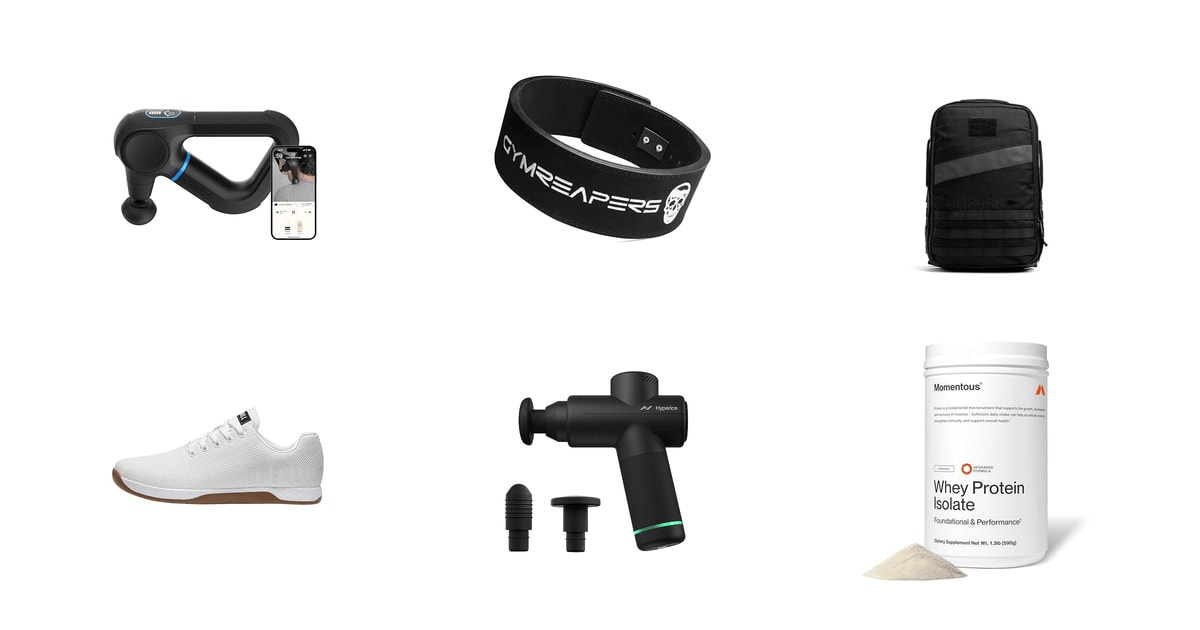
Lifters are easy to shop for and easy to get wrong. They already own the things they use constantly — the shaker, the shoes, the headphones — and they've got opinions about all of it. The gifts that land are the ones they want but keep putting off: a recovery tool, a real belt, a bag that survives years of chalk dust. A Barbend reader survey found that 71% of regular lifters would use a massage gun several times a week, yet only 38% had ever bought one for themselves.
Here's the honest problem with this category. Almost everything good depends on knowing how your person actually trains. A belt has to fit their waist, not their pants size. Training shoes run small. Protein is a taste gamble. And a recovery gadget only earns shelf space if they train hard enough to get sore. Nothing here fits every lifter, so the gifts that hold up are the ones that work across training styles — or come with a painless return.
So we sorted these by recipient instead of ranking them against each other. A powerlifter chasing a meet wants something different from a person who found the squat rack four months ago, and both are on somebody's list. Everything below comes from spec sheets, published research and the complaints owners repeat. Our favorite gift here is the Theragun Prime, and the Hypervolt Go 2 is the safe choice when you're less sure of their taste — or their training habits.
Everything we recommend
The recovery tool they want but never buy for themselves
For the lifter who complains about leg day every Monday
$249.99 from Amazon
A rite-of-passage gift, if you know their lifts and their waist
For the friend chasing a squat or deadlift personal record
$150 from Amazon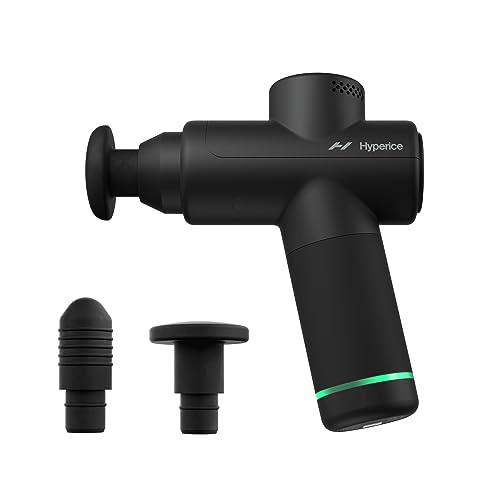
Most of the recovery, in something that fits a gym bag
For the gym-goer who travels or squeezes in lunch-break workouts
$109 from Amazon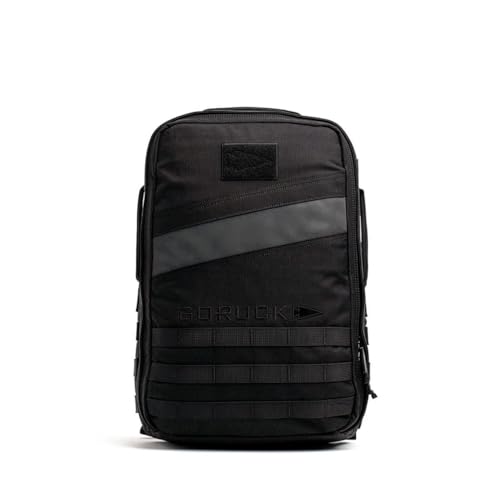
Overbuilt on purpose, for someone who carries weight outdoors
For the lifter who's added rucking or long walks for conditioning
$255 from Amazon
For the athlete who reads labels or gets drug-tested
$59.99 from Amazon
For the new lifter still squatting in cushioned running shoes
$150 from AmazonHow we picked
Will they use it. We prioritized things lifters reach for weekly, based on community polls and owner feedback about what actually stayed in rotation. Gear that gets used twice and lives in a closet didn't make the cut.
Low guessing risk. We favored gifts that don't require knowing a shoe size, a flavor preference or a stimulant tolerance. Where sizing or taste is unavoidable, we flag it and say what to check first.
Built to last. Gym gear takes sweat, chalk and daily abuse, so we read spec sheets for materials and construction, then checked owner feedback for the failures that repeat after six months or a year.
Credibility with lifters. Brand matters in this community more than most. We leaned toward names that come up in powerlifting and functional fitness discussion — the ones a recipient recognizes as a real gift.
Evidence behind the claim. For recovery tools and supplements, we looked for published research and third-party certification rather than marketing language. NSF Certified for Sport, for instance, means independent batch testing.
Our favorite gift
The recovery tool they want but never buy for themselves
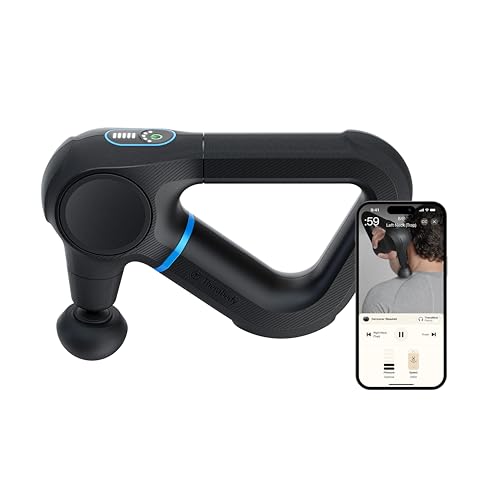
TheraGun Therabody Prime 6th Gen Deep Tissue
For the lifter who complains about leg day every Monday
A serious percussive massage gun from the brand trainers and physical therapists actually name out loud. It's built for big muscles like quads and glutes, runs on one button, and it's the rare gym gift that gets used the same week it's unwrapped.
$249.99fromAmazonThis is the gift lifters ask for and then don't buy. That Barbend survey is the whole argument: most regular lifters say they'd use a massage gun several times a week, and most of them still don't own one. A gift removes the guilt of spending on something that feels optional. And the effect isn't imaginary — a meta-analysis in the Journal of Strength and Conditioning Research pooled 23 studies and found soreness dropped by roughly a third when people used a device for about five minutes per muscle group soon after lifting.
Picture the Sunday after a heavy squat session. Quads locked up, hips tight, and a foam roller in the corner that requires getting down on the floor. The Prime is the lazy version of that, and lazy is exactly why people keep using it. Therabody built this one around large muscle groups — quads, glutes, upper back — with a long stroke and enough stall force that it doesn't bog down when they lean in.
The design is genuinely giftable, which matters more than the spec list. One button cycles five speeds, LEDs show how hard they're pressing, and the triangle grip with its wider opening lets them reach their own back without a yoga pose. The rubber shell and reinforced corners shrug off drops. There's a Bluetooth app with guided routines if they want it — and they can ignore the app completely and the thing still works fine.
Brand recognition counts for more than usual here. Therabody is the name that comes up in physical therapy offices and gym conversations, so it reads as a real present rather than a gadget pulled off a search results page. Owners who moved up from cheap knockoffs describe the gap as enormous, mostly in how much of the motion actually reaches the muscle instead of just buzzing the skin.
Flaws but not dealbreakers
It's not bulletproof. A recurring theme in owner feedback is units that stop charging inside the first year or two, and support sometimes points people toward buying a replacement cable rather than sending one out. That's a frustrating experience on a flagship device, so keep the order confirmation somewhere they can find it.
Two attachments is a thin kit for the top of the line, and the battery indicator is easy to miss mid-session. It's also not silent — quieter than older percussive guns, but still audible across a room. If your recipient is sensitive to vibration, note that a fair amount travels into the hand holding it.
Most personal
A rite-of-passage gift, if you know their lifts and their waist
Gymreapers 10MM Lever Weightlifting Belt Leather Adjustable
For the friend chasing a squat or deadlift personal record
A 10mm leather lever belt that meets the rules of every major powerlifting federation. If your person squats and deadlifts heavy, this is the gift that makes them feel like they've joined something — and it'll still be in their bag a decade from now.
$150fromAmazonA belt is the gift that makes someone feel like a real lifter, which is why a community poll on r/weightlifting put it at the top of the list of gifts members actually used after receiving. The Gymreapers 10mm is the model that keeps surfacing on r/powerlifting, where people are blunt about gear that isn't worth buying. It's four inches wide, a full 10mm of bovine leather, with a suede exterior that grips instead of sliding up their ribs.
The lever is the part they'll notice every single session. A prong belt gets adjusted a notch at a time and never quite lands in the same spot. This one snaps shut at the exact same tension, set after set, which is the whole point when they're bracing under a heavy bar. The buckle is Camac steel, so it isn't the part that gives out first.
It's approved for IPF, IPL, USPA and USAPL competition, and that quietly future-proofs the gift. If they ever enter a meet — even years from now — they won't have to buy a second belt to pass equipment check. Plenty of belts on Amazon look identical and fail that test on thickness or width. This one doesn't, and a lifter who cares will notice immediately.
There's also a practical reason to give this rather than let them buy it. Lifters delay belts. They talk themselves out of it for a year, convinced they aren't strong enough yet, and then buy a cheap one that curls at the edges. Handing them a competition-grade belt skips that entire detour.
Flaws but not dealbreakers
Sizing is the real risk, and it's not the number on their jeans. Lifting belts are sized by the measurement around the waist where the belt sits, roughly at the navel, and the listed sizes cover specific ranges. Ask someone who trains with them, snoop the tag on their old belt, or accept that you may be making a return trip.
Stiff leather takes weeks of use before it stops fighting back, so it won't feel great the first few sessions. Adjusting the lever position means unscrewing and repositioning it, which is a five-minute job but still a job. And a true beginner doing light dumbbell work has no use for 10mm of leather yet.
Best stocking stufferOn sale
Most of the recovery, in something that fits a gym bag
Hyperice Hypervolt Go 2 Handheld Percussion Massage
For the gym-goer who travels or squeezes in lunch-break workouts
A pound-and-a-half massage gun that's quiet enough to use during a work call and small enough to live in a gym bag permanently. It costs a fraction of the flagship guns and covers most of what a lifter needs after a hard session.
$109fromAmazonList pricePortability changes how often a recovery tool gets used. A big gun lives in a case in a closet, which means it comes out when someone remembers. The Go 2 weighs about a pound and a half and disappears into a bag, so it's there in the parking lot after training instead of at home two hours later. It's also TSA-approved for carry-on, which matters for anyone who competes or travels for work.
The engineering isn't a downgrade in the ways that count. A 40-watt brushless motor drives three speed settings, and Hyperice's QuietGlide design keeps it hushed enough that they don't have to pause their music. Battery life runs about three hours, so it'll go weeks between charges at realistic use. Physical therapists recommend this line often, and that shows up repeatedly in owner feedback.
As a gift, it's the low-risk pick. There's no size to guess, no flavor to get wrong, and nothing they need to already own for it to work. If you're shopping for a coworker, a nephew or a friend whose training habits you only half understand, this is the one that lands regardless.
Flaws but not dealbreakers
The box doesn't include a charging brick — only a USB-A to USB-C cable, and Hyperice is specific that a USB-C to USB-C cable won't work. Most people have a spare 5V brick in a drawer, but it's a strange thing to discover on Christmas morning. Toss one in the wrapping if you can.
Durability is the recurring complaint. A cluster of owners report the head connection area failing after months of regular use, and some units simply stop charging after a year or so. Hyperice has replaced devices under warranty in those cases, but it's worth knowing before you hand this to someone who'll use it daily. It's also less powerful than a full-size gun on thick muscle like glutes and hamstrings.
Best splurge
Overbuilt on purpose, for someone who carries weight outdoors
GORUCK Rucker 4.0
For the lifter who's added rucking or long walks for conditioning
A 20-liter pack built specifically for rucking, with an elevated plate pocket that keeps weight high on the back instead of sagging at the hips. It's the kind of gift someone still owns in ten years, and GORUCK has a genuine cult following.
$255fromAmazonRucking has become the cardio that lifters will actually do, mostly because it doesn't wreck their legs before squat day. The Rucker 4.0 is purpose-built for it. The plate pocket sits high on the back, which keeps the load stable and stops it from bouncing around near the base of the pack — the exact problem people hit when they stuff weights into a regular backpack and wrap them in a towel.
The straps are the reason owners stop using their old bag. Two high-density polyethylene foams are fused into wide, reinforced shoulder straps, so carrying twenty or thirty pounds doesn't dig a line into the neck. Raised padding along the bottom gives lumbar support and encourages a braced core. The back panel uses 210D Cordura that slides against clothing instead of grinding on it.
Owner feedback on durability is close to unanimous, including from people who use it nearly every day and report no fraying at all. That's the case for spending real money here. Cheap packs fail at the seams once you load them past what a laptop weighs, and failure with thirty pounds on your back is a bad afternoon.
At 20 liters, it also works as an everyday bag. Gym clothes, a water bladder, a change of shoes — enough for a normal day, not enough for a weekend trip. That dual use is what makes it a better gift than a dedicated piece of equipment that only comes out for one purpose.
Flaws but not dealbreakers
This is the most expensive item here by a wide margin, and it's a backpack. Even owners who love it say so directly. If your recipient trains exclusively indoors and has never mentioned walking with weight, the money goes further almost anywhere else on this list.
The weight plates are the other half of the system, and you'll want to check whether they already own any — the pack is designed around them. A few owners find the chest strap sits awkwardly, and the plate pockets are snug enough that loading takes a moment. Capacity is modest by design, so it's not a travel bag.
Who this is for
This guide is for anyone shopping for someone who lifts — a partner who disappears to the gym at six every morning, a sibling training for their first meet, a friend two years into a habit that clearly stuck. It covers the range from a stocking stuffer to a splurge, and it works whether your person is a powerlifter, a bodybuilder, a CrossFit regular or someone who just does the machines four days a week. Most of these picks cross those lines comfortably.
It's less useful if the person on your list joined a gym in January and hasn't been back. Recovery tools and competition belts only make sense for people who train enough to get sore. This guide also skips apparel and anything sized to the body beyond one shoe pick, because clothing is where gym gifts go wrong most often. And if you genuinely don't know how they train, the honest answer is a gift card to a lifting-focused retailer — nobody in this community is offended by one.
How we picked
We started from what lifters say they actually keep using, then narrowed on five things. Use rate: does this come out weekly, or does it end up in a closet by February? Guessing risk: can you buy it without knowing a shoe size, a waist measurement or a flavor preference, and how easy is the return if you get it wrong? Durability: gym gear lives in sweat and chalk, so we read spec sheets for materials and construction and then looked for the owner complaints that repeat after months of use, not days. Credibility: brand recognition carries real weight in lifting circles, and a gift from a name they respect reads differently than one they've never heard of. Evidence: where a product makes a claim about recovery or nutrition, we looked for published research or third-party certification behind it.
Other gifts for weightlifters worth considering
If you want a gift they'll actually finish: The Momentous Grass-Fed Whey Protein Isolate Powder ($59.99) — Protein powder is usually a bad gift because flavor is a coin flip. This one solves that by having no flavor at all — it's an unflavored grass-fed whey isolate at 20 grams per serving, which lands in the 20-to-40 gram window that a position stand from the Journal of the International Society of Sports Nutrition identifies as the sweet spot after resistance training. It's NSF Certified for Sport, meaning independent batch testing against a list of 270-plus prohibited compounds, which is the standard drug-tested athletes need. The catch is texture: it doesn't dissolve in hot liquid, and some owners find it slightly chalky in plain water. Tell them to blend it cold, or into a smoothie.
More good gifts
Here's what else our research surfaced. This isn't everything worth giving a lifter — it's the products we looked at closely and think suit a narrower recipient than the picks above.
The NOBULL Men's Outwork Shoe ($150) — Flat training shoes are the correction most new lifters don't know they need, and this NOBULL is a clean version of one. The sole is firm carbon rubber with a 4mm heel-toe drop and a low 15mm stack, so their foot sits close to the floor for squats, deadlifts and presses instead of sinking into foam. The toe box is wide, the canvas upper is abrasion-resistant, and the look works outside the gym too. The reason it's here rather than a pick is simple: shoes are the riskiest thing on this list to buy for someone else. Owners consistently report these run small, so size up and make sure the return window is open. If you know their size and they're still lifting in running shoes, it's a great gift.
Sizing, returns and what to check first
Two things save most gym gifts. First, check the return window before you buy, especially on shoes and belts — these are the two categories where owners most often need a second size, and a gift that can't be swapped becomes a chore for the recipient. Second, do a little quiet reconnaissance. Photograph the tag inside their current belt or the size on the tongue of their gym shoes. Ask whoever trains with them. For anything with a battery, keep the order confirmation somewhere you can find it, since warranty claims on massage guns usually need proof of purchase. And if you're gifting a rucking pack, find out whether they already own weight plates before the box gets opened.
Questions we get
What's a good first gift for someone who just started lifting?
Go practical and low-commitment. A compact massage gun like the Hypervolt Go 2 works no matter how they train, and flat training shoes fix the most common beginner gear mistake — lifting in cushioned running shoes. Hold off on a competition belt until they're actually squatting and deadlifting heavy. It'll mean more later.
Is a lifting belt a good gift for a beginner?
Only if they've started training the big barbell lifts. A belt supports bracing under heavy loads, so it's meaningless for someone doing machines and light dumbbells. If they are squatting and pulling heavy, it's one of the most appreciated gifts in the category. Just get the waist measurement right, since belt sizing has nothing to do with pants size.
Theragun or Hypervolt for gym recovery?
It depends on where they'll use it. The Theragun Prime has more power and a longer stroke, which suits thick muscle like quads, glutes and upper back after heavy sessions. The Hypervolt Go 2 gives up some of that power for a device that weighs about a pound and a half and travels easily. If they mostly recover at home, choose the Theragun; if they want it in their gym bag, choose the Hypervolt.
Is protein powder a safe gift if I don't know their brand or flavor?
Flavored protein is a gamble — palates vary wildly and a bad tub goes to waste. Unflavored isolate sidesteps the whole issue since it mixes into whatever they're already drinking. If they compete in a drug-tested sport, look for NSF Certified for Sport on the label, which means independent batch testing. Otherwise a gift card to a supplement brand they already use is the safer move.
What's the difference between a gift for a powerlifter and one for a bodybuilder?
Powerlifters want gear that helps them move more weight: belts, sleeves, flat shoes, anything competition-legal. Bodybuilders care more about nutrition quality and recovery between high-volume sessions, so protein, massage tools and sleep tracking land better. Recovery gifts are the overlap — both groups want them and both put off buying them.
What gym gifts do serious lifters use every single day?
Shoes and a bag, mostly. Those two get touched every session for years, which is why the durable versions are worth the money. A belt gets used every heavy session, and a massage gun lands somewhere in between — a few times a week for most people who own one. Consumables like protein get used daily but run out.
Why you should trust us
For this guide:
- We read manufacturer spec sheets for every product here and compared them against published research on percussive therapy and post-workout protein.
- We looked through owner feedback on each listing for the complaints that repeat rather than the one-off ones, which is where the flaws sections come from.
- We drew on community discussion in powerlifting and weightlifting forums, where gear recommendations get argued over by people who compete.
- We read owner reviews on every listing, weighted toward the critical ones, because that is where the recurring failures show up.
- We have a systematic way of automatically fetching the latest prices, so the numbers on this page stay current.
- This is a research-focused guide, so the team may not own every product listed — though we often do own the top winners, which gives us extra context for the recommendations.
- We don't accept free products, and the retailer commission never changes which product we recommend.
Sources
Best Gifts for Gym Lovers 2026 — Barbend, Barbend
Best Massage Guns, Tested — Garage Gym Reviews, Garage Gym Reviews
Best Lifting Belts — Barbend, Barbend
WHOOP 5.0 Review — Men's Health, Men's Health
Best Cross-Training Shoes — Runner's World, Runner's World
Best Protein Powders, Reviewed by Dietitians — Healthline, Healthline
Best Gym Bags — Wirecutter (New York Times), Wirecutter
Best Resistance Bands — Verywell Fit, Verywell Fit
Best Recovery Tools for Athletes — Sports Illustrated, Sports Illustrated
NOBULL Trainer+ Review — Garage Gym Reviews, Garage Gym Reviews
Gifts for Guys Who Go to the Gym — Men's Health, Men's Health
Best Weightlifting Gear Guide — Breaking Muscle, Breaking Muscle
Amazon product listings and owner reviews for all 6 products
Manufacturer specification pages for each product
Some passages in this guide may be paraphrased with AI help. Prices are refreshed automatically.
More like this.
Continue exploring health reviews and recommendations.

The Best Electric Toothbrushes for Sensitive Teeth
If your gums bleed when you brush, or a sip of cold water makes you wince, the problem often isn't the toothbrush - it's how hard you're pushing it.…

The Best Portable Blood Pressure Monitors
If your doctor has asked you to track your blood pressure at home, the box on your nightstand matters more than you'd think. A reading taken with the…

The Best Compact Rowing Machines
Rowing is the rare cardio machine that doesn't punish you for using it. One stroke pulls in your legs, back, core and arms at once, and your knees never…

The Best Exercise Bikes
An exercise bike earns its place by being the thing you actually get on. That means it has to be quiet enough to ride at 5:30 a.m. without waking the…

The Best Get Well Soon Gifts and Care Packages
Someone you care about is stuck on the couch, and you want to do something about it. The trouble is that sick people don't need much. They need warm…

The Best Portable Backyard Volleyball Nets
A backyard volleyball net earns its keep by staying put. You want to stake it, pull the lines tight, and then forget it exists for three hours while…