The Best Electric Toothbrushes for Sensitive Teeth
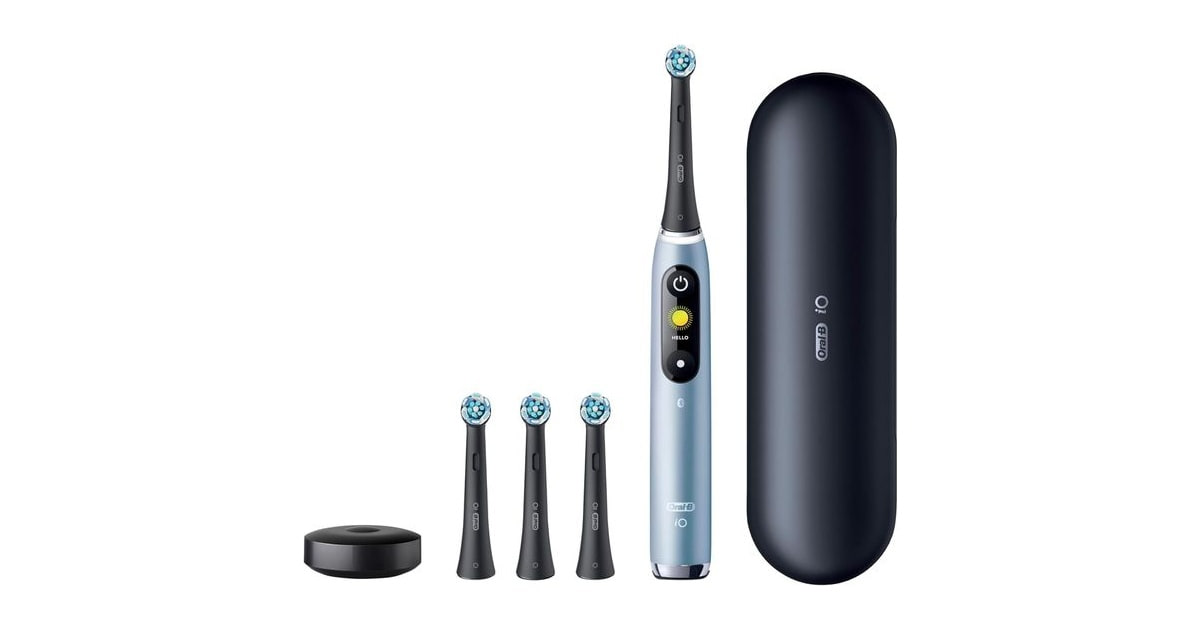
If your gums bleed when you brush, or a sip of cold water makes you wince, the problem often isn't the toothbrush — it's how hard you're pushing it. Brushing forces above roughly 150 grams, about the weight of an orange, raise the risk of gum recession and worn notches at the gumline, according to research published in the Journal of Clinical Periodontology. Most people blow past that without noticing. A good electric brush for sensitive teeth solves this in one specific way: it tells you to ease off, every single time you don't.
Here's the honest part. No toothbrush cures sensitivity. If cold air makes a tooth ache, that's usually exposed dentin or a cracked filling, and a brush won't fix either — you need a dentist. Powered brushes also aren't magic on their own; a Cochrane review of 56 trials found they beat manual brushing by about 21% on plaque and 11% on gingivitis after three months. Real, but modest. The gains come from technique, soft bristles, and not scrubbing.
Pressure sensors matter more than modes, apps, or battery life for this group of buyers, and that shaped every choice here. We looked hardest at how each brush warns you, how gentle its softest setting actually is, and whether replacement heads stay easy to find. We think that the Oral-B iO Series 9 is the best electric toothbrush for sensitive teeth for most people, and that the Philips Sonicare 9900 Prestige is the one to buy if you want the brush to dial itself down for you.
Everything we recommend

The clearest pressure feedback you can get, plus a gentle mode

It lowers the intensity for you instead of just warning you
The same pressure light and gentle modes for a lot less

A pressure sensor at a price where they usually disappear

Gentle modes and a pressure sensor, no phone required
At a glance
| Product | Brushing Modes | Pressure Sensor | Price | |
|---|---|---|---|---|
| Philips Sonicare 9900 Prestige Electric ToothbrushUpgrade pick | 15 Settings | — | $379.96 |
| Oral-B iO Series 9 Electric Toothbrush withTop pick | 7 Settings | iO Pressure Sensor | $328.99 |
| Philips Sonicare ProtectiveClean Electric Toothbrush with PlaqueAlso great | — | Pressure Sensor | $109.99 |
| Oral-B iO Series 6 Electric Toothbrush -Runner-up | 5 Programs | iO Pressure Control | $176.54 |
| Philips Sonicare 4100 Rechargeable Electric ToothbrushBudget pick | — | Pressure Sensor | $47.99 |
 | Oral-B Pro 1000 Rechargeable Electric ToothbrushAlso consider | 3 Cleaning Modes | Pressure Control | $49.90 |
 | Oclean X Pro Digital Set Smart SonicAlso in lineup | — | — | $89.99 |
 | Burst Original Sonic Electric Toothbrush for AdultsAlso consider | 3 Modes: Sensitive | — | $59.99 |
How we picked
Pressure feedback. We treated a working pressure sensor as a requirement, not a bonus, because Healthline's dental panel and Forbes Health's dentist survey both rank it above modes, apps and battery life for this group. We favored brushes that either show a visible warning or cut power automatically over ones that only buzz.
Gentle modes. We looked for a dedicated Sensitive or Gum Care cycle that genuinely reduces motor speed, plus intensity levels you can drop during a flare-up. Brushes with two steps of gentleness scored higher than ones with a single soft setting.
Head availability. Sensitive-specific and extra-soft heads have to stay easy to buy for years, since the ADA recommends swapping every three to four months. We prioritized handles from lines with wide, well-stocked head selections.
Timers and pacing. A two-minute timer with 30-second quadrant alerts keeps you from grinding away at one tender spot. Every pick here has both.
Owner durability reports. We read owner feedback for patterns in battery fade, button failures and charging-base problems, weighting repeated complaints across many owners more heavily than isolated ones.
Top pick
The clearest pressure feedback you can get, plus a gentle mode
Oral-B iO Series 9 Electric Toothbrush with
The iO Series 9 puts a colored light ring right in your eyeline: red for too hard, green for just right. It also has both Sensitive and Super Sensitive settings, so you can dial the brush down during a flare-up without giving up the oscillating head that cleans best along the gumline.
$328.99fromAmazonThe light ring is the single most useful feature on any brush here. Buzzers and pulses are easy to ignore, especially if you're half-awake. A color you can see in the mirror isn't. Green means you're in range, white means you're barely touching your teeth, red means back off. Owners describe it changing their habits within a week — which is the whole point, because the goal isn't a gentler brush, it's a gentler you.
Oral-B uses a linear magnetic drive that pairs 40,000 micro-vibrations per minute with the round head's oscillating-rotating motion. Consumer Reports found that oscillating-rotating designs consistently scored highest for plaque removal across more than 40 models. That matters if your sensitivity comes with gingivitis, because inflamed gums improve when the plaque at the margin actually comes off.
You get seven settings, including Sensitive and a slower Super Sensitive. Post-cleaning, after a crown goes in, or during a bad week, drop to Super Sensitive and brush the tender quadrant on that. Then go back to Daily Clean everywhere else. Most brushes give you one gentle setting and call it done; having two steps of gentleness is genuinely useful when your mouth isn't uniformly sore.
The app maps where you brush in real time, and that's more valuable than it sounds for sensitivity. Recession tends to cluster — usually the upper canines and premolars on your dominant-hand side, because that's where you push hardest. Seeing that pattern on a screen is how you fix it. You don't need the app to use the brush, though. Plenty of owners never pair it and still get the light ring.
Flaws but not dealbreakers
It's the most expensive brush in this guide, and the running cost is real: iO heads cost more than standard Oral-B heads and the ADA wants you replacing them every three or four months. Budget for that before you commit.
The charging base draws complaints. Several owners describe an awkward, tippy design that doesn't hold the handle securely, and battery life is the most common long-term gripe — a few report noticeable fade after a couple of years. It comes with a travel case that charges, which softens the problem but doesn't erase it.
The round head takes getting used to if you've only ever used a rectangular brush. You clean tooth by tooth rather than sweeping. It's a two-week adjustment, not a dealbreaker, but it feels strange at first.
Upgrade pick
It lowers the intensity for you instead of just warning you
Philips Sonicare 9900 Prestige Electric Toothbrush
The 9900 Prestige reads pressure, motion, and coverage up to 100 times a second, then cuts the intensity itself when you press too hard. If you've tried a brush with a warning light and kept ignoring it, this is the one that takes the decision out of your hands.
$379.96fromAmazonEvery other brush here tells you that you're pushing too hard. This one just fixes it. SenseIQ drops the intensity in real time the moment pressure crosses the line, and a light ring at the base of the handle glows so you learn the habit anyway. CNET reported that the sensor cut average applied pressure by roughly 35% among the same people who'd brushed without it.
Sonic is the gentler technology for exposed roots, and this is the best sonic brush here. It runs up to 62,000 bristle movements per minute and drives fluid between teeth rather than scrubbing at them. Consumer Reports found sonic models rate higher for comfort among people with sensitivity, even though oscillating heads edge them out on raw plaque removal. If your gums have receded enough that roots are exposed, that comfort difference is the one you'll feel.
Fifteen combinations — five modes across three intensity levels — sounds like overkill until your dentist tells you to baby one quadrant for a month. Sensitive at the lowest intensity is meaningfully softer than anything the mid-range brushes offer. Gum Health mode adds a targeted stretch for inflamed tissue. You'll probably settle on two of the fifteen and never touch the rest, and that's fine.
It's compact and light for a premium brush, which helps if arthritis or a weak grip is part of why you switched from manual in the first place. The travel case charges. The handle is small enough that some owners report bumping the intensity buttons mid-brush — an annoyance worth knowing about.
Flaws but not dealbreakers
This is the most feature-dependent brush in the guide, and some owners find that frustrating. Configuring modes runs through the app, so if you don't want a phone involved in brushing your teeth, you'll feel boxed in. Reports of app connection trouble show up more often than they should on a brush at this price.
Durability feedback splits sharply. A meaningful share of owners report failures — a loose brush-head post, a handle that stops holding a charge — sometimes just past the warranty window. Others have used theirs daily for years without a hiccup. Given what it costs, that variance is worth weighing.
The lowest intensity may feel too weak if you're coming from years of scrubbing hard. Give it a couple of weeks. The point is that it doesn't feel like scrubbing.
Philips covers the 9900 Prestige with a two-year limited warranty.
Runner-up
The same pressure light and gentle modes for a lot less
Oral-B iO Series 6 Electric Toothbrush -
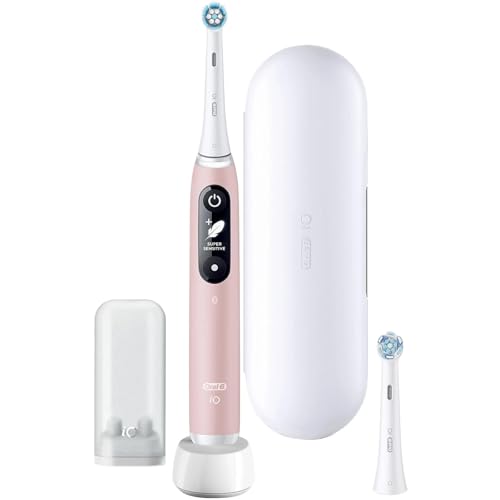
The iO Series 6 keeps the color-coded pressure ring and the Sensitive and Super Sensitive settings that make the Series 9 work, and drops the extras you probably won't miss. For most people with tender gums, it's the smarter buy.
$176.54fromAmazonThe part that protects your gums is identical. Same iO pressure control, same red-white-green light, same Sensitive and Super Sensitive modes. Good Housekeeping Institute reported that the Series 6 matched the Series 9 on gum-safety metrics in controlled brushing sessions, at roughly 45% less at retail. If pressure feedback is why you're shopping — and it should be — you're getting the whole thing.
You give up two of the seven cleaning modes, the color screen becomes a simpler interactive display, and the charging travel case isn't included. None of that touches how gently the brush cleans. It's the classic step-down: the safety features survive, the conveniences don't.
It's newer to Amazon than the Series 9, so long-term owner feedback is thinner. That's the main reason it's the runner-up rather than the top pick. The hardware is shared with a line that has years of feedback behind it, but we'd rather be straight with you about what's known and what isn't.
Flaws but not dealbreakers
iO replacement heads cost the same here as they do for the Series 9, so the ongoing expense doesn't scale down with the handle. Over a few years that gap narrows the savings more than people expect.
It ships with a single brush head, where the Series 9 typically comes with several. Factor in buying more right away.
Battery life is fine but unremarkable — expect to charge it weekly rather than monthly. If you travel a lot, that's a real difference from the Sonicare and Burst brushes here.
Budget pick
A pressure sensor at a price where they usually disappear
Philips Sonicare 4100 Rechargeable Electric Toothbrush
The Sonicare 4100 pulses the handle when you press too hard — a feature that's genuinely rare at this end of the market. One mode, one button, two weeks of battery, and the gentle sonic cleaning that suits receding gums.
$47.99fromAmazonMost brushes in this price range skip the pressure sensor entirely, which is exactly the wrong corner to cut. The 4100 keeps it. Press too hard and the handle pulses under your fingers — less obvious than a light ring, but you feel it, and it works. Everything else about this brush is stripped down. The one thing that matters for sensitive teeth isn't.
One mode and one button makes it the easiest brush here to hand to an older parent or anyone who finds a seven-setting menu exhausting. EasyStart ramps the power up gradually over the first dozen sessions, so the switch from manual doesn't feel like an assault. The QuadPacer nudges you every 30 seconds so you don't camp on one sore spot.
Battery life runs about two weeks of regular brushing, and the brush-head reminder tracks how often and how hard you brush before telling you to swap heads. The ADA wants a new head every three to four months regardless. A brush that nags you about it makes that easier to actually do.
The included C2 head isn't a sensitive-specific head. Philips sells soft and sensitive heads that fit the same handle, and swapping to one is a small, worthwhile purchase — often the difference between comfortable brushing and sore gums for people with recession.
Flaws but not dealbreakers
Reliability is the recurring theme in owner feedback. Failed power buttons and handles that stop holding a charge come up repeatedly, sometimes within a year or two. It's the most-bought brush in this guide by a wide margin, so absolute complaint volume is expected — but the pattern is consistent enough to mention.
There's no Sensitive mode, just the single Clean setting. You get the pressure sensor and softer heads, not a reduced-power cycle. If your dentist specifically told you to use a gentle mode, look at the ProtectiveClean or an iO instead.
Also great
Gentle modes and a pressure sensor, no phone required
Philips Sonicare ProtectiveClean Electric Toothbrush with Plaque
The ProtectiveClean 5100 gives you a pressure sensor, three modes including a low-power Gum Care cycle, and no app at all. If you want the features that protect sensitive gums without pairing anything to your phone, this is the straightforward answer.
$109.99fromAmazonGum Care mode adds an extra minute at reduced power, aimed at the gumline rather than the tooth surfaces. That's the setting to use after a deep cleaning or when a section of your mouth is inflamed. Combined with the pressure pulse and three intensity levels, you get real control over how hard the brush works without ever opening an app.
Philips markets this one explicitly for fillings, crowns, veneers, and braces, and that's a fair claim. Sonic cleaning is easier on restoration margins than aggressive scrubbing, and the softer intensities let you clean around a new crown without worrying. If you've had dental work done recently, this is a low-drama choice.
Battery runs about two weeks, and it comes with a travel case and a compact charging base. Owner feedback skews strongly positive, though the total number of owners is small compared to the 4100 — this listing hasn't been around as long, so read that positivity with appropriate caution.
One quirk worth flagging: some owners note that the mode differences feel subtle, mostly changing run time rather than dramatically changing the brushing sensation. If you want a gentle setting that's obviously gentler, the iO's Super Sensitive is more distinct.
Flaws but not dealbreakers
There's no app and no coverage tracking, so you won't get the pressure-zone map that helps identify where you habitually push too hard. For a first-time buyer trying to break a scrubbing habit, that feedback loop has value.
The included head is a plaque-control head, not a sensitive head. Plan on buying a soft or sensitive replacement head if gum tenderness is your main issue.
Who this is for
This guide is for you if brushing hurts, your gums bleed, or a dentist has flagged recession, gingivitis or exposed roots. It's also for anyone with crowns, veneers or implants who wants to clean around them without scrubbing, and for people whose dentist just told them to stop using a manual brush. Nearly half of American adults over 30 have some form of gum disease, according to CDC data, so if this describes you, you have plenty of company.
It isn't a replacement for treatment. Sharp pain with cold or sweet things usually means exposed dentin, a cracked tooth or a failing filling, and no brush fixes that — see a dentist first. We stuck to rechargeable handles with pressure sensors and soft-bristle options, so battery-powered brushes, kids' models and water flossers are out of scope. We also didn't chase every subscription brand on the market; this covers what the research surfaced as the strongest options for tender gums.
How we picked
We started from what dentists actually flag as the priority and worked down. Pressure feedback: a sensor that shows or self-corrects beats one that only buzzes, and Healthline's panel and Forbes Health's dentist survey both put this above every other feature for sensitive teeth. Gentle modes: a real reduced-power cycle, not just a shorter one, plus intensity levels you can drop when a quadrant is sore. Head availability: extra-soft and sensitive heads need to stay stocked, because the ADA wants a fresh one every three to four months. Timers and pacing: a two-minute timer with 30-second quadrant nudges keeps you off any one tender spot. Durability: we weighted repeated owner complaints about battery fade, dead buttons and wobbly charging bases over one-off gripes.
Other electric toothbrushes for sensitive teeth worth considering
If you want ultra-soft bristles and a month of battery: The Burst Original Sonic Electric Toothbrush for Adults ($59.99) — The Burst Original ships with genuinely soft, multi-length bristles — the kind dental professionals point sensitive patients toward — and it has Sensitive and Massage modes alongside a whitening setting. Battery runs about four weeks per charge, which is the best here by a wide margin and makes it the easiest brush to travel with. What you give up is the pressure sensor. That's the one feature we'd rather not lose for this use case, so the soft bristles have to do the protecting on their own. Burst covers the device for a year, and extends a limited lifetime warranty if you stay enrolled in the head-replacement subscription.
If you want the least expensive brush that still protects your gums: The Oral-B Pro 1000 Rechargeable Electric Toothbrush ($49.90) — The Pro 1000 is the bare minimum upgrade from manual, and it's a good one. It has a Sensi cleaning mode and a pressure control that stops the pulsations outright when you push too hard — blunter than a warning light, but effective. It's the least expensive brush here and among the most bought, with owner feedback stretching back years, including handles that lasted over a decade. It's a single-speed experience with no intensity levels and no app, and the round head takes adjustment. If your budget is tight and you just need to stop scrubbing, this does the job.
The competition
These are the other brushes the research turned up, not a survey of everything sold. Each one lost to a pick for a specific reason, and for a few readers those reasons won't matter.
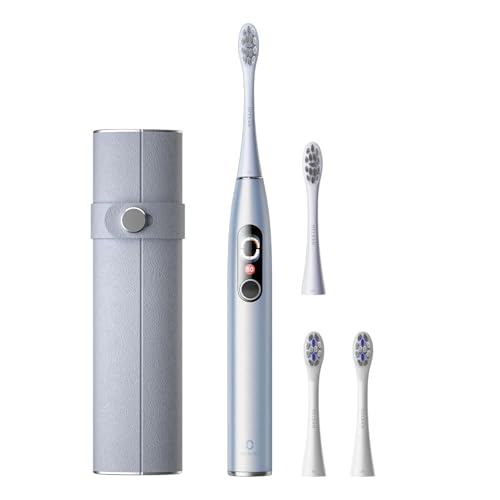
The Oclean X Pro Digital Set Smart Sonic ($89.99) — The Oclean X Pro Digital is the most tech-forward option in the lineup: a built-in screen scores your brushing session, a magnetic-levitation motor hits 84,000 movements per minute, and the app builds personalized plans. Battery runs about a month. But the specs describe a display and app coaching, not a pressure sensor that intervenes, and that's the feature that matters most for tender gums. There's also almost no owner feedback to draw on yet, which is a hard thing to recommend around. If you want brushing data more than gum protection, it's worth a look.
Care and technique
Technique matters more than the brush. Hold it against your teeth with barely any weight — let the bristles do the work and let the pressure sensor be the referee, not your judgment. Angle the head about 45 degrees toward the gumline and glide slowly rather than scrubbing; sawing back and forth is what wears notches at the roots. Swap heads every three to four months, or sooner if the bristles splay, since frayed bristles are harsher on inflamed tissue than fresh ones. Always buy soft or sensitive heads, never medium or hard. Rinse the head and the handle after brushing, wipe the charging base dry, and don't store the brush head-down in a closed case while it's wet. And if a specific tooth keeps aching regardless, that's a dentist visit, not a technique problem.
Questions we get
Are electric toothbrushes safe for sensitive teeth and gums?
Yes, and they're usually safer than a manual brush. A Cochrane review of 56 trials found powered brushes reduced plaque by about 21% and gingivitis by about 11% more than manual brushing after three months. The risk isn't the motor — it's pressure, which is why a sensor and a soft head matter so much. Let the brush glide and don't push.
Is a sonic or oscillating brush better for sensitive gums?
It depends on which problem you're solving. Consumer Reports found oscillating-rotating designs scored highest for plaque removal, while sonic models rated higher for comfort among people with sensitivity. If your gums have receded and roots are exposed, sonic usually feels better. If gingivitis and plaque at the gumline are the issue, oscillating tends to clean more thoroughly.
What's the difference between a pressure sensor and a Sensitive mode?
A pressure sensor reacts to what you're doing right now — it warns you, or cuts power, when you push too hard. A Sensitive mode is a preset that runs the motor slower the whole time, whether or not you're pressing. The sensor is the one that changes your habits, so if you can only have one, take the sensor.
Can an electric toothbrush make gum recession worse?
It can, if you scrub with it. Research in the Journal of Clinical Periodontology links brushing forces above roughly 150 grams to a higher risk of recession and worn notches at the gumline. Use a soft or sensitive head, hold the brush lightly, and pay attention when the pressure warning fires. Used that way, an electric brush generally reduces recession risk rather than adding to it.
Can I use one if I have crowns, veneers or implants?
Yes. Philips specifically markets the ProtectiveClean line for fillings, crowns, veneers and orthodontics, and sonic cleaning is gentle on restoration margins. Use a soft head and a lower intensity around new work. If something was placed very recently, ask your dentist how long to wait before brushing it normally.
How often should I replace brush heads if my gums are sensitive?
Every three to four months, per ADA guidance, or sooner if the bristles start to splay. Worn bristles lose their soft edges and get rougher on inflamed tissue, so a stale head works against you twice over. Several brushes here track wear and remind you. Budget for the heads before you buy the handle — over a few years they cost more than the brush did.
Why you should trust us
For this guide:
- We read manufacturer specifications for every brush in this guide, along with published findings from Cochrane, Consumer Reports, Good Housekeeping, CNET, Forbes Health and Healthline on pressure sensors, brushing force and gum health.
- We compared owner feedback across each listing for recurring themes — battery fade, button failures, charging-base design — rather than weighing individual complaints.
- We checked each brush's stated modes, sensor behavior and replacement-head availability against ADA guidance on soft bristles and head replacement.
- We read owner reviews on every listing, weighted toward the critical ones, because that is where the recurring failures show up.
- We have a systematic way of automatically fetching the latest prices, so the numbers on this page stay current.
- This is a research-focused guide, so the team may not own every product listed — though we often do own the top winners, which gives us extra context for the recommendations.
- We don't accept free products, and the retailer commission never changes which product we recommend.
Sources
Best Electric Toothbrushes — Wirecutter (NYT), Wirecutter
Electric Toothbrush Ratings & Reviews — Consumer Reports, Consumer Reports
Cochrane Review: Manual versus powered toothbrushing for oral health, Cochrane Library
Toothbrush Care and Replacement — American Dental Association, ADA
Best Electric Toothbrushes for Sensitive Teeth — Healthline, Healthline
Best Electric Toothbrushes 2026 — CNET, CNET
Best Electric Toothbrushes — Good Housekeeping, Good Housekeeping
Best Electric Toothbrushes — Forbes Health, Forbes Health
Gum Disease (Periodontal Disease) — CDC, CDC
Toothbrush Abrasion and Gum Recession — Journal of Clinical Periodontology, Journal of Clinical Periodontology
Philips Sonicare 9900 Prestige Official Specs, Philips
Oral-B iO Series Technology Overview, Oral-B
Amazon product listings and owner reviews for all 8 products
Manufacturer specification pages for each product
Some passages in this guide may be paraphrased with AI help. Prices are refreshed automatically.
More like this.
Continue exploring health reviews and recommendations.

The Best Electric Toothbrushes for Whitening
Coffee in the morning, tea in the afternoon, a glass of red with dinner. The color those leave behind builds up slowly on the outside of your enamel, and…

The Best Dentist-Recommended Electric Toothbrushes
Brushing is the one health habit you repeat twice a day for your whole life, and most people do it badly. Survey data from the ADA Health Policy Institute…

The Best Teeth Whitening Kits
Coffee, tea and red wine don't stain your teeth overnight. They do it slowly, over years, until you notice it in a photo. That's what an at-home kit is…

The Best Sunscreens for Sensitive Skin
If your skin flares at the wrong moisturizer, sunscreen is the hardest product to get right. You have to wear it every day, on the most reactive skin you…

The Best Retinol Creams for Sensitive Skin
Retinol is the rare skincare ingredient with decades of clinical evidence behind it. It speeds up cell turnover, softens fine lines, and evens out tone…

The Best Moisturizers for Dry, Sensitive Skin
Dry, sensitive skin doesn't need a complicated routine. It needs the same boring cream, twice a day, especially right after a shower. A good moisturizer…