The Best Golf Putters
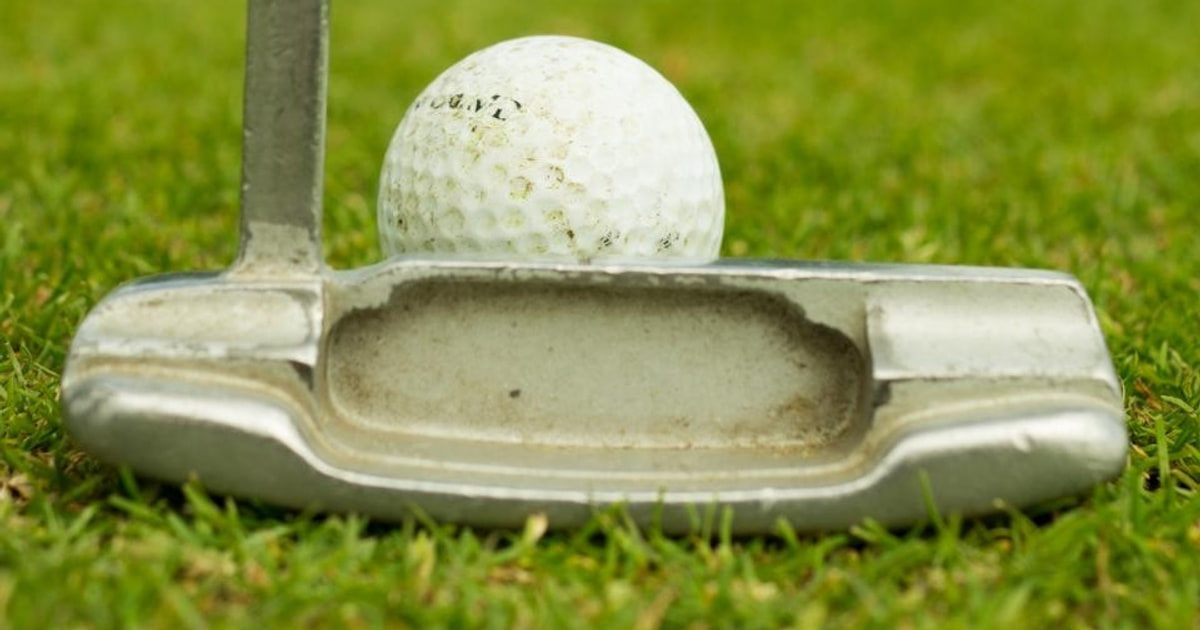
You use your putter more than any other club in the bag. On a typical round you'll pull it out on all 18 greens, often two or three times each, and every one of those strokes counts the same as a 300-yard drive. That's why a putter that matches your stroke matters more than one that matches your budget. The right head shape, the right length, a grip that fits your hands — those things quietly shave strokes. The wrong ones let three-footers slide by the edge all afternoon.
Here's the honest part: no putter fixes a bad stroke, and the marketing in this category oversells hard. A high-MOI mallet keeps your ball speed steadier on mishits, but it can't read a green or steady your nerves over a downhill four-footer. Club fitters commonly cite studies showing roughly 70% of off-the-rack golfers use a length or lie angle that doesn't match their posture. That's a fitting problem, not a product problem, and no amount of milling solves it.
We looked at blades and mallets across every price tier, from tour-milled steel to entry-level shapes built for a first set. We leaned on robot testing from MyGolfSpy, Golf Digest's Hot List evaluations, manufacturer spec sheets and the themes that show up again and again in owner feedback. We think that the Scotty Cameron Studio Style Newport 2 is the best golf putter for most people, and that the TaylorMade Spider GT Max is the one to buy if you want maximum forgiveness on off-center strikes.
Everything we recommend

Classic blade shaping and milled feel, if your stroke arcs

The forgiving mallet to buy if you miss the sweet spot

Mallet forgiveness and a soft face, without the tour markup

Zero-torque stability for anyone fighting face rotation

The softest-feeling insert in golf, in a proven mallet shape
Prices as of Oct 25, 6:48 AM PT · Details
At a glance
| Product | Head type | Length | Price | |
|---|---|---|---|---|
| Cleveland Golf Huntington Beach Soft Premier PutterBudget pick | Mallet #11 | — | $303 |
| Odyssey White Hot OG PutterAlso great | — | 35" | Check price |
| TaylorMade Spider GT Max PutterRunner-up | — | 34" | $249.99 |
 | Odyssey Golf AI-ONE Milled PutterAlso consider | Seven T, crank hosel | 35" | $439.91 |
| Scotty Cameron Titleist Studio Style Newport 2Top pick | Newport 2 blade | 34" | $499.99 |
| DF3 Putter by L.A.B. GolfUpgrade pick | DF3, milled aluminum | 35" | Check price |
 | Ping PLD Milled Anser 2D Gun MetalAlso in lineup | Anser 2D blade | 33" | $260.99 |
Prices as of Oct 25, 6:48 AM PT · Details
How we picked
Forgiveness on mishits. MyGolfSpy's Most Wanted robot testing scores ball-speed retention on strikes up to three-quarters of an inch off-center, which is the clearest way to separate high-MOI mallets from compact blades. We weighted that heavily for anyone who isn't a low handicapper.
Balance and stroke fit. We checked each head's balance type against Golf Monthly's guidance that face-balanced mallets suit straight strokes and toe-hang blades suit arcing ones. A putter that fights your natural stroke shape gets ruled out no matter how well it's built.
Face and feel. We compared milled faces against polymer inserts using manufacturer spec sheets and the feel themes that recur in published reviews. Both work; we looked for putters that do one of them clearly rather than splitting the difference.
Alignment and aim. Golf Digest's Hot List panel evaluates how well a putter helps a golfer aim, and owner feedback echoes it constantly. We favored designs with either a genuinely helpful alignment shell or a clean, uncluttered top line.
Fitting and adjustability. Fitting guidance from Today's Golfer notes that roughly 70% of off-the-rack golfers play the wrong length or lie. We gave credit to putters that let you adjust weight, length or lie after purchase.
Top pick
Classic blade shaping and milled feel, if your stroke arcs
Scotty Cameron Titleist Studio Style Newport 2
This is the shape that has defined tour putting for two decades: a compact milled blade with a single sight line and enough toe hang to suit an arcing stroke. It costs more than most putters here, and the feel is the reason why.
$499.99fromAmazonPrices as of Oct 25, 6:48 AM PT · Details
If your stroke arcs, this is the shape built for it. A heel-shafted blade like the Newport 2 hangs with the toe pointing down when you balance it on your finger. That toe hang lets the face rotate naturally through impact, which is exactly what you want if your putter travels on a curve rather than a rail. Golf Monthly's panel makes the same distinction: toe-hang blades for arcing strokes, face-balanced mallets for straighter ones. Fight your natural arc with the wrong balance and you'll miss left.
Scotty Cameron putters have been the most-used brand in professional golf for more than 20 years. That's not proof they'll suit you, but it does tell you something about build consistency. Milled faces are cut from solid steel rather than fitted with an insert, and the result is a firmer, more predictable sound at impact. You hear the strike. On long lag putts that feedback helps you calibrate distance, which is where most three-putts actually start.
The 34-inch length in this listing is the standard for a reason. Most golfers between roughly 5-foot-9 and 6-foot-1 set up comfortably to it. If you're shorter or you crouch more than average, get fitted before you buy — a putter that's an inch too long pushes your hands out and opens the face at address, and you'll never see it happening.
Simplicity is the point here. There's one sight line on the flange, no wraparound alignment shell, no tungsten wings. Some golfers aim better with a minimal picture; others need more visual help. If you've putted well with a plain blade before, the clean top line will feel like coming home. If you've always leaned on a big alignment aid, you'll probably want a mallet instead.
Flaws but not dealbreakers
Forgiveness is the trade-off. A compact blade has far less moment of inertia than a high-MOI mallet, so a strike toward the toe loses more ball speed and comes up short. MyGolfSpy's robot testing measures exactly this, and blades consistently sit behind big mallets on off-center retention. If you miss the center of the face regularly, you'll leave putts short of the hole.
It's the most expensive putter in this guide by a wide margin, and a good chunk of that cost is the name on the sole and the finish work. The performance gap over a well-made mid-range blade is real but small. If you're a high handicapper, a fitting and a forgiving mallet will do more for your scores.
This listing is right-handed at 34 inches with a standard grip. There's no adjustable weighting and no easy way to change head weight later, so what you buy is what you keep.
Runner-up
The forgiving mallet to buy if you miss the sweet spot
TaylorMade Spider GT Max Putter
The Spider GT Max is the most-used mallet on the PGA Tour, and its appeal for amateurs is straightforward: a huge, stable head that holds ball speed on mishits. The True Path alignment shell also makes it much easier to aim than a blade.
$249.99fromAmazonPrices as of Oct 25, 6:48 AM PT · Details
Mishits cost you less with this head. TaylorMade pushes weight to the heel and toe with tungsten and saves mass with a carbon-composite badge, which raises MOI above the original Spider Tour design. In plain terms, the head twists less when you catch a putt off-center. Ball speed holds up, so a toe strike from 20 feet finishes near the hole instead of five feet short. That's the single biggest difference between mallets and blades in robot testing.
The True Path alignment shell runs a contrasting channel back from the face. Set the ball in that channel and the whole head becomes an aiming tool rather than a thin line you have to trust. Plenty of golfers who miss putts don't have a stroke problem at all — they're aimed two degrees right and subconsciously compensating. A big alignment picture takes that guesswork away.
This listing comes with the #3 slant neck, which gives the head a modest amount of toe hang instead of full face balance. That matters. A pure face-balanced mallet suits a straight-back-straight-through stroke, but most amateurs have at least a slight arc. The slant neck splits the difference and works for a wider range of strokes than a plain double-bend shaft would.
It ships with a straight chrome steel stepless shaft and the Xtraxion Tour 2.0 grip, which is a mid-size pistol shape rather than a jumbo. If you like the fat-grip feel that quiets your hands, you'll want to swap it. That's a cheap change any golf shop can make in ten minutes.
Flaws but not dealbreakers
It's big, and it looks big. Some golfers find a large mallet distracting over the ball, especially on short putts where the head crowds your view. If you've always played a blade, spend some time with it on a practice green before you commit, because the visual difference is jarring at first.
This particular listing notes a non-matching headcover, so don't expect the standard one that comes from the factory. Cosmetic, but worth knowing.
The mallet shape does you fewer favors on fast, severely sloped greens where touch matters more than forgiveness. High MOI keeps mishits from dying, but it can also make a delicate downhill putt feel harder to feather.
Budget pick
Mallet forgiveness and a soft face, without the tour markup
Cleveland Golf Huntington Beach Soft Premier Putter
Cleveland's Huntington Beach Soft Premier #11 gives you a high-MOI mallet head with a wraparound alignment design and a soft-milled face. It costs a fraction of the premium mallets here, and for a mid-handicapper it does most of the same work.
$303fromAmazonPrices as of Oct 25, 6:48 AM PT · Details
The #11 head shape is a wide, deep mallet with alignment lines that wrap from the face back across the crown. That's the same visual idea the expensive mallets use, and it works the same way: you frame the ball, the lines point at the hole, and your eyes stop lying to you. For a golfer who has never used an alignment aid this large, the difference on five-footers is immediate.
Soft feel is the point of this line. Cleveland mills the face for a muted, quiet impact rather than the firm click of a tour blade. If your greens are slow or you play in the morning on heavy poa, that softer strike gives you a little more room to be aggressive without blowing putts past. Some golfers prefer the crisper feedback of a firm face — this isn't that putter, and it isn't trying to be.
At about 1.4 pounds packaged, this is a conventional-weight putter with a standard steel shaft. There's no counterbalancing, no adjustable weights, no fitting cart of options. You get one configuration, and it's the one most golfers would be fitted into anyway. Simplicity keeps the price down.
This is the putter to buy if you're not sure yet. If you're new to the game or you've never settled on a shape, spending heavily on a milled blade is a bet on a stroke you may not have developed. Start here, play a season, and learn whether you actually prefer a mallet before you upgrade.
Flaws but not dealbreakers
Owner feedback on this listing runs more mixed than on the premium models, with recurring notes about finish quality and the stock grip rather than about how it rolls the ball. Neither is a performance issue, but at this price the fit and finish won't match a milled putter.
It's face-balanced by design, which suits a straight-back-straight-through stroke. If you have a pronounced arc, you'll be fighting the head through impact and you'll be better served by a toe-hang blade or a slant-neck mallet.
There's no adjustability at all. If you decide you want a heavier head or a different length later, your only real option is a re-shaft or a new putter.
Upgrade pick
Zero-torque stability for anyone fighting face rotation
DF3 Putter by L.A.B. Golf
The DF3 is a smaller version of L.A.B. Golf's lie-angle-balanced design, milled from a single block of aluminum with eight adjustable sole weights. It's built to resist face rotation at impact, which makes it the pick if your start line wanders.
Check priceatAmazonPrices as of Oct 25, 6:48 AM PT · Details
Zero-torque putting solves a specific problem, not a general one. L.A.B. places the shaft axis through the head's center of gravity, so the face doesn't want to twist open or closed under its own weight during the stroke. The company describes it as self-squaring. If you struggle to start putts on your intended line — especially under pressure, especially if you've had a run of the yips — that stability is worth more than any amount of MOI.
The DF3 is milled from 100% CNC-machined 6061 aluminum, and the length and lie angle are both adjustable. That's unusual. Most putters lock you into one geometry the day you buy them, so a fitting change means a new club. Here you can dial lie to match your posture, which matters more for aim than almost anything else on the spec sheet.
Eight weighted bottom screws let you change head weight and balance without changing the shape. Heavier heads tend to help golfers with quick, handsy strokes; lighter setups suit players who like to feel the head. Being able to move between them after you buy is a real advantage if you're still figuring out your preference.
Multiple PGA Tour winners have put L.A.B. putters in play, including Will Zalatoris and Adam Scott, according to GolfWRX equipment reporting. Tour adoption doesn't mean it fits your stroke. It does mean the design survived scrutiny from people whose income depends on making putts.
Flaws but not dealbreakers
It looks strange, and there's no getting around that. The shaft enters the head at an unusual angle, the profile is chunky, and the whole thing sits differently at address than any conventional putter. A lot of golfers can't get past that, and if you're one of them, no amount of engineering will help.
The stroke feels different too. Because the head resists rotation, you have to let it work rather than steering it, and that takes an adjustment period. Owners who switch and give up early usually give up in the first few rounds.
It's expensive, and the smaller DF3 head gives up some of the raw stability of the full-size DF model. You're paying a premium for the balancing concept, not for the largest possible MOI.
Also great
The softest-feeling insert in golf, in a proven mallet shape
Odyssey White Hot OG Putter
Odyssey's White Hot insert has been the best-selling putter face technology since it launched, and the OG line brings back the original formulation. This is the pick if you want the softest possible feel off the face at a mid-range price.
Check priceatAmazonPrices as of Oct 25, 6:48 AM PT · Details
White Hot is the reason a whole generation of golfers thinks putters should feel soft. Odyssey introduced the insert in 2000 and has built more than 20 product lines on it since. The polymer face muffles impact into a low, quiet thud rather than a click. On fast greens, that softness helps you make a fuller stroke on short putts instead of a nervous jab.
Insert versus milled is a feel preference, not a performance ranking. Milled steel gives you sharper feedback and a firmer sound. An insert gives you a softer, more forgiving-feeling strike that many amateurs simply prefer. Neither rolls the ball meaningfully better from four feet. Pick the one that makes you want to make the stroke, because confidence over the ball is the variable that actually moves your scores.
This listing is the Two head at 35 inches on a steel shaft. That's a longer-than-standard putter, which suits taller golfers or anyone who sets up with a more upright posture. If you're around 5-foot-8 and you buy a 35-inch putter off the rack, you'll likely end up with your hands too high and the toe of the putter off the ground.
The White Hot OG franchise is the most familiar shape in golf shops, which has a practical benefit: it's easy to try one before you commit, and easy to resell if you don't get along with it.
Flaws but not dealbreakers
Polymer inserts wear over time in a way milled steel doesn't. Years of practice-green reps will dull the face slightly, and the feel drifts. It's slow and most golfers never notice, but it's real.
There's no adjustability here — no movable weights, no fitting options beyond picking a length at purchase. What you buy is the final configuration.
The soft face means less audible feedback on mishits. On a toe strike you may not hear how badly you caught it, which makes it harder to diagnose a stroke that's drifting.
Who this is for
Buy now if you're playing a putter you inherited, bought on impulse, or have never had checked for length and lie. That's most golfers. You'll get more out of a properly fitted mid-range putter than out of an expensive one that doesn't match your setup. This guide is also for you if you've identified a specific problem — you miss left, your start line wanders, you leave toe strikes short — because different designs address different failures.
Skip the upgrade if you're already putting well with something that suits you. Switching putters resets the feel you've built, and the adjustment period usually costs you strokes before it saves any. We cover conventional-length blades and mallets for right-handed golfers here. We don't cover long or broomstick putters, armlock designs, left-handed models or custom tour builds, and we don't compare shafts or aftermarket grips beyond noting what each putter ships with.
How we picked
We built the shortlist around five things. Forgiveness: robot testing measures ball-speed retention on off-center strikes, and that's the number that separates high-MOI mallets from compact blades. Balance: we matched each head's toe hang or face balance to the stroke shape it actually suits, because a mismatch there undoes everything else. Feel: milled steel and polymer inserts sound and feel different, so we looked for putters that commit to one. Alignment: we favored designs that genuinely help you aim, whether through a wraparound shell or a clean single line. Fitting: length, lie and grip size matter more than brand, so adjustability earned real credit.
Other golf putters worth considering
If you want a fully milled face with adjustable head weight: The Odyssey Golf AI-ONE Milled Putter — The Ai-ONE Milled Seven T is Odyssey's answer to the tour-milled category, and it splits the difference between the White Hot's softness and a traditional steel blade. The face uses AI-designed micro-grooves that change depth across the face, which Odyssey says normalizes ball speed on heel and toe strikes. The Seven head is a fang-style mallet with a crank hosel, so it gives you mallet stability with a touch of toe hang. It ships with a lightweight steel shaft carrying 20 to 30 grams of counterbalance in the butt end, and removable sole weights in 5, 10, 15 and 20 grams let you dial head weight later, though the weight kit is sold separately. The navy PVD finish looks sharp. You give up the White Hot's signature softness and you'll pay more.
The competition
This is what our research surfaced, not a complete map of the putter market. Plenty of good putters — long and armlock designs, left-handed builds, custom shop models — fall outside what we looked at. Here's the remaining listing we considered and where it landed.
The Ping PLD Milled Anser 2D Gun Metal — The Ping PLD Milled Anser 2D is the classic Anser blade shape rebuilt in Ping's precision-milled line, finished in gun metal with black and white accents. It's a genuinely good putter and the Anser silhouette is arguably the most copied shape in golf. It lost to the Scotty Cameron on a narrower point: this particular listing is a used unit in very good condition at 33 inches, which is a short putter that fits a fairly specific golfer. If you're under about 5-foot-7 or you set up with a deep knee bend, that length may be exactly right, and the milled face and Ping's build quality make it a strong buy. Most golfers will need to look for a longer configuration.
Fit and care
Get your length and lie checked before you worry about anything else. A fitter will watch you set up, measure from your hands to the ground, and check whether the sole sits flat at address. If the toe is off the ground, the face aims right on every putt you hit, and you'll never see it happening. Grip size matters too: a larger grip quiets your hands and helps if you get wristy under pressure. Replace the grip once a year if you play regularly, or whenever it feels slick — grips wear from hand oils and sunlight, not just from use. Wipe the face after wet rounds so moisture doesn't sit in the milling or around an insert seam. Keep the headcover on in your trunk. Putter faces chip easily against other clubs.
Questions we get
Are mallet putters better than blades for high handicappers?
Usually, yes. Mallets carry more weight around the perimeter, so the head twists less when you catch the ball off-center and the putt holds its speed. Robot testing consistently shows that gap. If you're a high handicapper who misses the sweet spot often, a mallet like the Spider GT Max will cost you fewer strokes than a compact blade.
How do I know if I need a face-balanced or toe-hang putter?
Balance the putter shaft on your finger and watch the head. If the face points at the sky, it's face-balanced and suits a straight-back-straight-through stroke. If the toe droops toward the ground, it has toe hang and suits an arcing stroke. Most amateurs have at least a slight arc, which is why slant-neck mallets work for such a wide range of golfers.
What makes L.A.B. Golf putters different?
L.A.B. builds putters so the shaft axis runs through the head's center of gravity, which the company calls lie-angle balancing. The practical effect is that the face doesn't want to rotate open or closed on its own during the stroke. That helps golfers whose start line wanders or who fight face rotation under pressure. The look is unconventional and takes real adjustment.
What length putter should I use?
Standard is 34 inches, and it fits many golfers between roughly 5-foot-9 and 6-foot-1. But height alone doesn't decide it — your posture and arm length matter just as much. Club fitters commonly cite figures suggesting around 70% of golfers play a length or lie that doesn't match their setup. A 20-minute fitting settles it far better than a chart.
Do milled faces really feel better than inserts?
They feel different, not better. Milled steel gives you a firmer strike and sharper audible feedback, which helps some golfers judge distance on long putts. Inserts like Odyssey's White Hot muffle impact into something softer and quieter, which many amateurs prefer on fast greens. Neither rolls the ball meaningfully better from short range.
Can switching putters actually lower my score?
It can, but usually because of fit rather than the model. Moving to the right length, lie and balance type for your stroke removes aim errors you can't see. Moving to a higher-MOI head reduces what mishits cost you. Expect an adjustment period of several rounds before any of that shows up on your card.
Why you should trust us
For this guide:
- We read manufacturer spec sheets from Scotty Cameron, TaylorMade, Odyssey, Ping, Cleveland and L.A.B. Golf, and compared the stated face, balance and weighting details across every listing here.
- We reviewed published evaluations including MyGolfSpy's robot-based forgiveness testing, Golf Digest's Hot List criteria and Golf Monthly's guidance on matching balance type to stroke shape.
- We looked at recurring themes in owner feedback — feel, finish quality and stock grip complaints — to inform the flaws in each section.
- We read owner reviews on every listing, weighted toward the critical ones, because that is where the recurring failures show up.
- We have a systematic way of automatically fetching the latest prices, so the numbers on this page stay current.
- This is a research-focused guide, so the team may not own every product listed — though we often do own the top winners, which gives us extra context for the recommendations.
- We don't accept free products, and the retailer commission never changes which product we recommend.
Sources
Most Wanted Putters — Robot & Player Testing, MyGolfSpy
Hot List: Putters, Golf Digest
Best Golf Putters, Tested, Golf.com
Equipment Report: What the pros are gaming this week, GolfWRX
Best putters 2026: Tested by our experts, Today's Golfer
Scotty Cameron Special Select specifications, Scotty Cameron (Titleist)
L.A.B. Golf DF3 — Zero Torque Technology, L.A.B. Golf
Odyssey Ai-ONE Milled putters, Callaway/Odyssey
TaylorMade Spider GT Max putter, TaylorMade
PING PLD Anser 2 putter, Ping
Cleveland Huntington Beach Soft putters, Cleveland Golf
Best golf putters: expert reviews and buying advice, Golf Monthly
Amazon product listings and owner reviews for all 7 products
Manufacturer specification pages for each product
Some passages in this guide may be paraphrased with AI help.
Product prices and availability are accurate as of the date/time indicated and are subject to change. Any price and availability information displayed on Amazon.com at the time of purchase will apply to the purchase of this product.
More like this.
Continue exploring health reviews and recommendations.

The Best Golf Push Carts
Walking a golf course means a few miles on foot with a heavy bag hanging off one shoulder. A push cart takes that weight off you, and most golfers notice…

The Best Golf Practice Nets
A practice net does one useful thing: it lets you hit real golf balls without leaving your driveway. That's a bigger deal than it sounds. Twenty swings…

The Best Golf Drivers
Your driver is the club you hit when the tee shot matters most, and it's the one that decides whether the next shot comes from short grass or from…

The Best Golf Clubs for Beginners
Your first set of golf clubs has one job: get the ball in the air. That sounds simple. It isn't, and it's why beginner clubs look different from the ones…

The Best Disc Golf Starter Sets
Disc golf is easy to start and hard to shop for. A course near you is probably free, the rules take five minutes to learn, and one afternoon is usually…

The Best Disc Golf Bags and Backpacks
A disc golf bag is the one piece of gear you touch on every single hole. You'll sling it on and off two dozen times a round, dig through it for a putter…