The Best Golf Drivers
Your driver is the club you hit when the tee shot matters most, and it's the one that decides whether the next shot comes from short grass or from somewhere with pine needles. Most golfers don't find the middle of the face. You catch one off the toe, another thin off the heel, and the difference between a good round and a long one is how much those cost you. A driver that keeps mishits playable does more for your score than a few extra yards on the rare pure strike.
Here's the part nobody selling drivers wants to lead with: no driver fixes your swing. The USGA caps how fast a face can spring back, so every model here sits at the same legal ceiling. The gains between a current flagship and a decent driver from a few generations back are small, and they're smaller than the gains from getting the right loft and shaft. If you're chasing twenty yards, a fitting session will find more of them than a new head will.
We read published robot testing, manufacturer engineering claims and the recurring themes in owner feedback, then compared what each head actually offers a golfer who plays on weekends. The spread in raw ball speed across these drivers is narrow. What separates them is how stable the head stays when you miss, how many ways you can tune it, and whether the sound at impact makes you want to swing again. We think that the TaylorMade Qi35 is the best golf driver for most people, and that the Titleist GT2 is the one to buy if you want a tour-shaped head and a fitter's help dialing it in.
Everything we recommend

Fast and forgiving across the whole face, with real tuning range

Cleaner shape and better feel, but you'll want a fitter

Most of the speed of the big brands, for a lot less

The most stable head here, if you miss all over the face
Prices as of Oct 25, 6:48 AM PT · Details
At a glance
| Product | Loft | Shaft flex | Price | |
|---|---|---|---|---|
| TaylorMade Golf Qi35 Driver 10.5 Degree VentusTop pick | 10.5° | Regular | $449.98 |
 | Callaway Golf Elyte Night Edition DriverAlso consider | — | Stiff | $319.99 |
| Titleist GT2 Driver 9*Runner-up | — | Stiff | $551.47 |
| Ping Golf Club G440 MAX 9* DriverAlso great | — | Stiff | Check price |
 | Cobra Golf Darkspeed Adapt X DriverAlso in lineup | — | — | $269.95 |
| Wilson Dynapower Men's Carbon Driver - RightBudget pick | 10.5° | Stiff | $399 |
 | PXG 0311 Black Ops Mens Golf DriverAlso consider | 10.5° | Stiff | $399.99 |
Prices as of Oct 25, 6:48 AM PT · Details
How we picked
Forgiveness on misses. We leaned on published MOI figures, manufacturer engineering claims and panel forgiveness scores from Golf Digest's Hot List. A head had to keep off-center strikes playable, not just reward the good ones.
Ball speed. We leaned on published ball-speed comparisons from independent reviewers and face-technology specs to see which heads were leaving speed behind. Anything within a few mph of the fastest we treated as a tie, because you won't feel that difference.
Adjustable weighting. We wanted a loft sleeve and, ideally, moveable weights, so one head can serve more than one swing. Fixed-weight designs had to be clearly better somewhere else to make the cut.
Sound and feel. We tracked recurring owner comments about impact sound, since a driver you don't like hearing is one you'll swing tentatively. Loud isn't automatically bad, but hollow and rattly is.
Fitting support. We favored heads with real shaft options and a fitting network you can actually reach. A driver you can't try in three shafts is a driver you're guessing at.
Top pick
Fast and forgiving across the whole face, with real tuning range
TaylorMade Golf Qi35 Driver 10.5 Degree Ventus
The Qi35 pairs a carbon crown with a near-zero CG projection, so it launches efficiently even when you catch one low on the face. Two moveable weights and a 4-degree loft sleeve let you chase a draw, kill spin, or add height without buying another club.
$449.98fromAmazonPrices as of Oct 25, 6:48 AM PT · Details
This is the driver we'd hand to a golfer who doesn't know their own swing yet. TaylorMade built the Qi35 around a high-inertia shape with the center of gravity pushed low and back, and the result is a head that doesn't punish you for being a little early or a little late. Strikes off the toe still get airborne. That matters more on a Saturday morning than any headline number does.
In MyGolfSpy's robot testing, the Qi35 produced average ball speeds around 171 to 173 mph on mid-face strikes, putting it among the fastest heads in the field. Robots swing the same way every time, so treat that as a ceiling rather than a promise. But it tells you the face isn't leaving speed behind, and that's the part you can't adjust later.
The adjustability here is genuinely useful, not decorative. You get a 13-gram weight and a 3-gram weight you can swap between ports, plus a sleeve with four degrees of loft range. Fighting a slice? Move mass toward the heel and add loft. Ballooning drives into the wind? Go the other way. One head covers a lot of ground.
Golf Digest's Hot List panel, made up of more than 800 golfers and fitters, put the Qi35 near the top for forgiveness in its most recent testing cycle. That lines up with what owners say about the club. The stock Ventus Blue shaft in regular flex is a real shaft too, not house-brand filler, which saves you a step if you're buying off the rack.
Flaws but not dealbreakers
The Qi35 is loud. It's a sharp, metallic crack that carries across a quiet tee box, and some golfers hear it as hollow rather than powerful. If you grew up on a soft titanium thud, this takes adjusting to, and no amount of weight-swapping changes it.
The build listed here is a 10.5-degree head with a regular-flex shaft. That's a sensible middle, but it's a middle. Faster swingers will spin it too much, and slower swingers may want more loft still, so the off-the-rack version fits fewer people than the head itself does.
Runner-up
Cleaner shape and better feel, but you'll want a fitter
Titleist GT2 Driver 9*
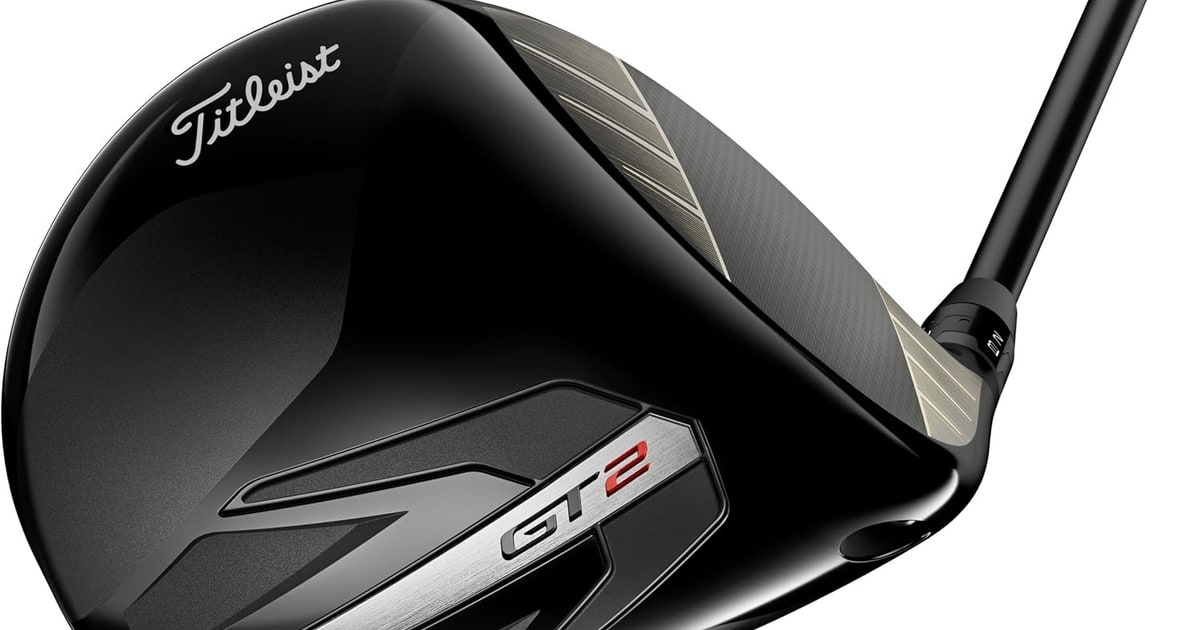
Titleist shifted mass to the back of the GT2 head for stability, then pushed weight low and forward to hold down spin. You get a classic profile at address, a titanium Speed Ring bracing the face, and an interchangeable back weight your fitter can dial in.
$551.47fromAmazonPrices as of Oct 25, 6:48 AM PT · Details
Set the GT2 behind a ball and it looks the way a driver ought to look. The crown is compact, the contours are clean, and no busy graphic pulls your eye off the ball. Golfers who've never warmed to oversized modern heads tend to relax over this one. Confidence at address isn't a spec, but it shows up in your swing.
Titleist says the GT2's forged, high-strength face expands the sweet spot by roughly 20% over the previous TSR2. Take the exact figure with a grain of salt, since it's the company's own number. The direction is right, though. A variable-thickness face plus a stabilized perimeter is a well-proven way to hold ball speed on strikes that aren't centered.
GolfWRX member surveys put the GT2 among the two most-purchased premium drivers by low-handicap forum members, alongside the Qi35. That's a crowd with access to everything and no real brand loyalty. When better players keep landing on the same head, it usually means the ball flight is predictable and the misses are boring, which is about the highest compliment a driver gets.
The interchangeable back weight is aimed at your fitter more than at you. Swapping it changes headweight and swingweight, which is how a fitter matches a head to a shaft rather than the other way around. If you buy blind online, you leave that on the table. This is the pick that loses the most by being bought that way.
Flaws but not dealbreakers
The GT2 asks more of you than the Ping or the Qi35 do. It's forgiving for a tour-shaped head, not forgiving in absolute terms, and a big slice will still find the trees. If your misses are wild rather than merely off-center, look elsewhere.
This listing is a 9-degree head with a stiff shaft, which is a demanding combination. It suits a fast, aggressive swing and almost nobody else. Buy it only if you already know those numbers fit you.
Budget pick
Most of the speed of the big brands, for a lot less
Wilson Dynapower Men's Carbon Driver - Right
Wilson's carbon crown and sole panels push the CG low and forward, which holds spin down and keeps ball flight neutral, and a 6-way adjustable sleeve gives you room to tweak launch. MyGolfSpy's testing put it within a few mph of ball speed of drivers that cost twice as much.
$399fromAmazonPrices as of Oct 25, 6:48 AM PT · Details
The gap between budget drivers and flagships has narrowed to the point where most golfers can't feel it. MyGolfSpy's testing found the Dynapower Carbon within roughly three to four mph of ball speed compared with drivers costing twice as much. Three mph is a handful of yards. Next to where your ball actually starts on a given swing, that's noise.
Wilson ran its face design through thousands of thickness permutations to find the right pattern section by section, the same kind of simulation work the big brands advertise. You're not getting a stripped-down head with a badge on it. The carbon panels do real work here, moving mass that a titanium crown would otherwise waste up top.
If you're coming off a driver that's several generations old, this is the upgrade that makes sense. Put what you save toward a fitting or a better shaft and you'll gain more than the flagship head would have given you on its own. That's the honest math, and it's why this pick keeps earning its place.
Flaws but not dealbreakers
Sound and feel are where Wilson still gives something up. Impact is firmer and clickier than the Titleist, and there's less feedback telling you where on the face you caught it. Nothing's wrong with it. It's just plainer.
Aftermarket shaft options are thinner than they are for the big brands, and fewer fitting studios stock Wilson heads. If you want to try three shafts in this head before committing, you may have to hunt. The 10.5-degree stiff build listed here is the safest bet.
Also great
The most stable head here, if you miss all over the face
Ping Golf Club G440 MAX 9* Driver
Ping built the G440 Max around forgiveness above everything else, and the company measured it as the highest-MOI head in its internal testing of current drivers. If your misses spray across the face rather than clustering, this is the driver that keeps them in play.
Check priceatAmazonPrices as of Oct 25, 6:48 AM PT · Details
Moment of inertia is a dull number with a simple meaning: how much the head resists twisting when you miss the middle. Miss half an inch toward the toe with a low-MOI head and the face opens, so the ball starts right and spins right. A high-MOI head twists less. The ball still misses, but it misses smaller.
Ping reports the G440 Max as the highest measured MOI in its internal testing, built around a facewrap design that extends the face into the crown and sole to keep the perimeter stable. Owners of past Ping G-series heads describe the same thing in plainer terms. Their bad drives stay findable, and that's most of what they wanted.
This is the driver for the golfer whose scorecard gets ruined by two holes, not by a lack of distance. Ping heads have never been the longest on a pure strike, and this one isn't either. What it does is shrink the penalty for everything else, which for a mid-to-high handicap is worth more strokes than a few extra yards ever will be.
It also sits comfortably behind the ball if you like a larger, rounder profile. This listing is a 9-degree head with a stiff graphite shaft, which is a firmer build than the forgiveness story might suggest. Check that it matches your swing speed before you commit, because a stiff shaft in a smooth swing gives back what the head is trying to give you.
Flaws but not dealbreakers
You give up workability. The G440 Max wants to go straight, and if you like shaping a drive around a dogleg, it fights you. Better players often find it too stable to bend.
The listing itself is thin. Its bullets say little more than the model name, and the title carries a condition grade instead of a full spec, so you're buying with less information than the other picks give you. Confirm the sleeve setting and the shaft details with the seller before you order.
Who this is for
This guide is for golfers buying a driver they'll play for the next several seasons, whether you're a mid-handicap player tired of losing balls right or a better player chasing a specific ball flight. We stuck to full-size adjustable drivers sold as complete clubs with a shaft. Heads sold on their own, fairway woods, hybrids and junior builds are outside what we looked at.
You probably shouldn't buy right now if your current driver is only a generation or two old and still fits you. The performance gap is small, and your money goes further on a fitting or a lesson. You also shouldn't buy off the rack if you don't know your swing speed. Every pick here comes in a fixed loft-and-flex build, and the wrong flex undoes most of what the head is doing for you.
How we picked
Forgiveness: we leaned on published MOI figures and panel forgiveness scores, because most golfers lose more to mishits than they gain from good swings. Ball speed: we compared published ball-speed results from independent reviewers and manufacturer face-technology claims, treating anything within a few mph as a tie. Adjustability: we wanted a loft sleeve and, ideally, moveable weights, so one head can serve more than one swing. Sound and feel: we tracked recurring owner comments, since a driver you don't like hearing is a driver you'll swing tentatively. Fitting support: we favored heads with real shaft options and a fitting network you can actually reach.
Other golf drivers worth considering
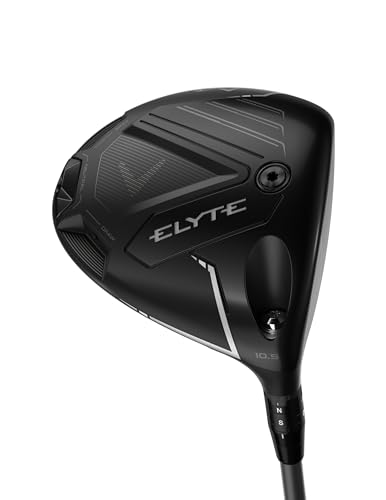
If you want a blacked-out head with an AI-shaped face: The Callaway Golf Elyte Night Edition Driver — Callaway shaped the Elyte face using more than four million simulated swings, and Golf Digest's Hot List panel rated it among the top drivers for forgiveness. The Night Edition is that same head in a full blackout finish, which some golfers love and others find hard to align at address. This particular build is a 9-degree head with a 60-gram stiff shaft, so it's aimed squarely at faster swingers. The listing tells you almost nothing beyond that, which is the catch.
If you want to tune the head yourself: The PXG 0311 Black Ops Mens Golf Driver — PXG's 0311 Black Ops combines a high-strength titanium body with a carbon crown and sole, plus interchangeable weights that let you shift spin, bias and MOI after you buy. A non-uniform bulge and roll design is meant to straighten out toe and heel strikes. It's a premium head with a premium ask, and PXG's fitting network is smaller than Titleist's or Ping's. But if you enjoy tinkering between rounds, few drivers give you more to work with.
The competition
These are the drivers our research surfaced, not a survey of everything on the shelf. New models arrive every season and plenty of good heads never reached this shortlist. Here's the one remaining driver we looked at closely and where it landed.
The Cobra Golf Darkspeed Adapt X Driver — Cobra's Darkspeed Adapt X lost on information rather than performance. Its curved PWR-Bridge weight sits the CG lower and more forward, which Cobra says cuts spin by up to 300 rpm for faster swingers, and the aero shaping is among the most aggressive here. The problem is what you can't see. This listing doesn't state a loft or a flex, so you don't know what's arriving until it does. If you already know Cobra suits your swing and you can confirm the spec with the seller, it belongs on your list.
Fitting and setup notes
Two things matter more than which head you pick. First, get fitted if you can. A fitter reads your launch angle and spin on a monitor, then matches shaft weight, flex and loft to what your swing actually does, and that usually buys more consistent distance than a new model does on its own. Second, learn the adjustments you paid for. The Qi35 has a four-degree loft sleeve and two moveable weights, the Wilson has a six-way sleeve, and most golfers never move either off the factory setting. Beyond that, wipe the face after wet rounds, listen for a rattle in the head after a season of cart rides, and re-torque the sleeve screw whenever you change a setting.
Questions we get
What's the best golf driver for most people?
We think it's the TaylorMade Qi35. It combines a high-inertia head shape with a carbon crown and two moveable weights, so it stays stable on mishits and can be tuned toward a draw or lower spin. The Titleist GT2 is the better choice if you want a more traditional shape and you're working with a fitter.
What's the best driver for a high handicapper?
The Ping G440 Max. Ping reports it as the highest-MOI head in its internal testing, which means the face twists less when you catch one off the toe or heel. Your bad drives stay in play more often. That's worth more strokes than the extra yard or two another head might give you.
Should I get fitted or just buy off the rack?
Get fitted if you have the option. A fitting matches loft, shaft weight and flex to your actual swing, and that usually produces more consistent distance than upgrading to a newer head does. If you're buying online, at least know your swing speed and pick a flex to match. A stiff shaft in a slow swing costs you real yards.
Is a carbon crown better than titanium?
It's not better by itself, but it lets engineers move weight where it helps. MyGolfSpy's comparisons show carbon crowns run roughly eight to ten grams lighter than comparable titanium crowns, and that saved mass gets repositioned low and back to raise MOI. The trade-off is sound, since carbon heads tend to be louder and sharper at impact.
What's the difference between a low-spin and a high-spin driver?
Spin keeps the ball in the air. Too little and your drives fall out of the sky, too much and they balloon and lose roll. Low-spin heads push weight low and forward, like the Cobra's PWR-Bridge weight or the Wilson's carbon panels, and they suit faster swings that already create plenty of spin. Slower swingers usually want more spin and more loft, not less.
How often should you replace your driver?
Every five years or so is plenty for most golfers, and even that's generous. Face technology sits against a legal limit, so gains from one generation to the next are small. Replace yours when your swing has changed enough that the loft or flex no longer fits, or when the head starts sounding rattly.
Why you should trust us
For this guide:
- We read published robot testing summaries and panel results from MyGolfSpy, Golf Digest's Hot List and GolfWRX member surveys.
- We compared manufacturer spec sheets and engineering claims from TaylorMade, Titleist, Ping, Callaway, Cobra, Wilson and PXG against what each Amazon listing actually states.
- We read the recurring themes in owner feedback for these heads, particularly complaints about impact sound and about how little spec detail some listings provide.
- We read owner reviews on every listing, weighted toward the critical ones, because that is where the recurring failures show up.
- We have a systematic way of automatically fetching the latest prices, so the numbers on this page stay current.
- This is a research-focused guide, so the team may not own every product listed — though we often do own the top winners, which gives us extra context for the recommendations.
- We don't accept free products, and the retailer commission never changes which product we recommend.
Sources
Most Wanted Drivers Test 2026 - MyGolfSpy, MyGolfSpy
Golf Digest Hot List 2026: Drivers, Golf Digest
Best Drivers of 2026, Tested by Golf.com Editors, Golf.com
TaylorMade Qi35 Driver Specs and Technology, TaylorMade
Callaway Elyte Driver Family Overview, Callaway Golf
Titleist GT Driver Technology Report, Titleist
Ping G440 Driver Launch and MOI Data, Ping
Cobra Darkspeed Driver Lineup, Cobra Golf
GolfWRX Member's Choice: 2026 Driver Rankings, GolfWRX
Mizuno ST-Max 230 Driver Review, Mizuno
Wilson Dynapower Carbon Driver Specs, Wilson Golf
Robot Test: Ball Speed and Spin Comparison Across 2026 Drivers, MyGolfSpy
Amazon product listings and owner reviews for all 7 products
Manufacturer specification pages for each product
Some passages in this guide may be paraphrased with AI help.
Product prices and availability are accurate as of the date/time indicated and are subject to change. Any price and availability information displayed on Amazon.com at the time of purchase will apply to the purchase of this product.
More like this.
Continue exploring health reviews and recommendations.

The Best Impact Drivers
An impact driver is what turns a long afternoon of deck screws into a short one. It drives fasteners in quick rotational bursts, so the bit stays seated…

The Best Polarized Sunglasses for Driving and Fishing
Glare is the thing you stop noticing until it's gone. On the highway it's the sheet of white light that comes off wet asphalt after a rain, or off the…

The Best Golf Push Carts
Walking a golf course means a few miles on foot with a heavy bag hanging off one shoulder. A push cart takes that weight off you, and most golfers notice…

The Best Golf Clubs for Beginners
Your first set of golf clubs has one job: get the ball in the air. That sounds simple. It isn't, and it's why beginner clubs look different from the ones…

The Best Golf Putters
You use your putter more than any other club in the bag. On a typical round you'll pull it out on all 18 greens, often two or three times each, and every…

The Best Golf Practice Nets
A practice net does one useful thing: it lets you hit real golf balls without leaving your driveway. That's a bigger deal than it sounds. Twenty swings…