The Best Polarized Sunglasses for Driving and Fishing
Glare is the thing you stop noticing until it's gone. On the highway it's the sheet of white light that comes off wet asphalt after a rain, or off the hood of the truck ahead of you at four in the afternoon. On the water it's worse: the surface turns into a mirror and you can't see a foot down. Polarized lenses cut the reflected light that bounces off flat surfaces, so you see the road, the rocks, the fish. Studies cited by All About Vision suggest polarized lenses can reduce visual fatigue by as much as 80% during long stretches outdoors.
Here's the honest part. No single pair does everything well. A copper lens that makes a trout pop against a gravel bottom will throw off color balance when you're reading a traffic light. A dark gray lens that's perfect for a July commute leaves you squinting at dawn. Polarization also wipes out LCD screens at certain angles, so your dash display or your fish finder can go blank when you tilt your head. And glass lenses, which are the sharpest, weigh 20 to 25% more than polycarbonate. You're choosing which compromise you can live with.
We looked at what the specs claim, what published reviews found and what owners say after a few seasons of use. The picks below cover the angler who needs contrast, the commuter who wants true color, and the person who'd rather buy one pair and be done. We think that the Costa Del Mar Fantail Pro is the best polarized sunglasses for most people, and that the Oakley Holbrook is the one to buy if you spend more time behind the wheel than on the water.
Everything we recommend
Glass clarity and full coverage, for water and road alike
Lighter, easier to wear, and better tuned to the road
Real polarization and a grippy fit, for a fraction of the outlay

The most contrast you can get for reading water

Impact-rated and sealed, for boat spray and open-face helmets
At a glance
| Product | Lens Material (Glass/Poly) | Lens Tint/Base Color | Price | |
|---|---|---|---|---|
| Costa Del Mar Sunglasses for Men-Fantail PROTop pick | 580G | Blue Mirror | $309 |
| Smith 20444800363UI Guide's Choice XL Matte BlackUpgrade pick | Glass | Green Mirror | $296.99 |
 | Maui Jim Men's & Women's Hookipa PolarizedAlso consider | — | Neutral Grey | $229 |
| Oakley Mens OO9102 Holbrook Polarized Square SunglassesRunner-up | Plutonite | Prizm Sapphire | $237 |
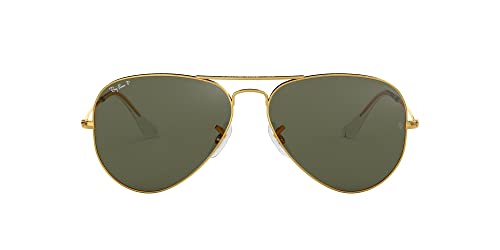 | Ray-Ban Unisex RB3025 Classic Polarized Aviator SunglassesAlso consider | Crystal | Green Polarized | $244 |
| Wiley X WX Gravity SunglassesAlso great | — | — | $100.50 |
| Tifosi Optics Swank SunglassesBudget pick | Polycarbonate | Smoke | $25 |
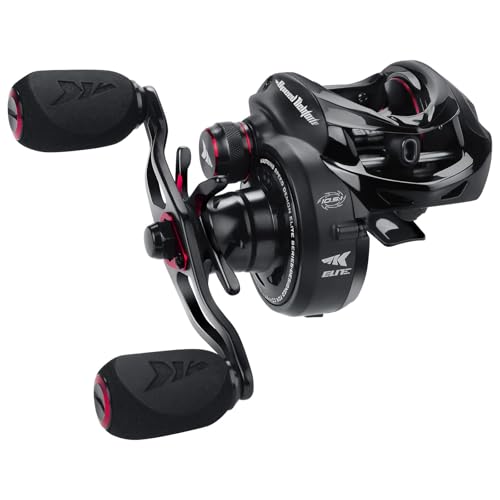 | KastKing Speed Demon Elite Baitcasting Fishing ReelAlso in lineup | — | — | $119.99 |
How we picked
Polarization efficiency. We looked for manufacturers that state a specific glare-blocking figure rather than just calling a lens polarized. Costa's 580G and Maui Jim's PolarizedPlus2 both publish a 99.9% rating, and Oakley states 99% for its HD Polarized lenses.
UV protection. The American Academy of Ophthalmology recommends blocking 99 to 100% of UVA and UVB, which is what UV400 means. Every pair here meets that bar; we dropped anything that only claimed to be tinted.
Lens material. Glass gives you sharper optics and better scratch resistance but weighs 20 to 25% more than polycarbonate. We included both, and we say plainly which trade you're making with each pick.
Frame coverage. Wraparound shapes block the light that sneaks in at your temples, which matters most on the water. We weighted coverage heavily for the fishing picks and less for the driving-focused ones.
Owner-reported durability. We read through owner feedback looking for repeated themes — hinges failing, coatings clouding, frames cracking — rather than one-off complaints. Patterns that showed up across many buyers made it into the flaws.
Top pick
Glass clarity and full coverage, for water and road alike
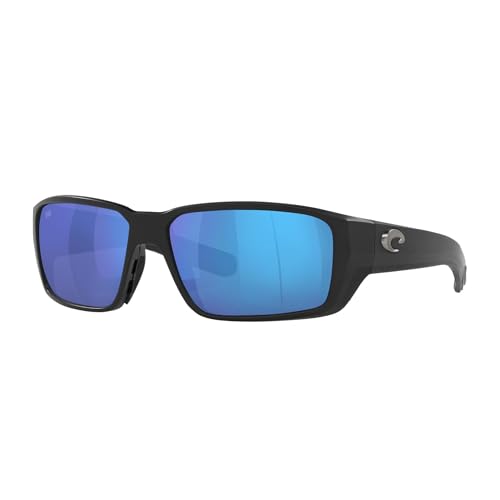
Costa Del Mar Sunglasses for Men-Fantail PRO
The Fantail Pro pairs Costa's 580G glass lenses with a wraparound frame that blocks light sneaking in from the sides. It's the rare pair that works for sight fishing a shallow flat in the morning and a two-hour drive home in the afternoon.
$309fromAmazonGlass is the reason to buy these. Costa's 580G lenses are ground glass, not molded plastic, and the difference shows up as edge-to-edge sharpness that polycarbonate can't quite match. Costa rates the lens at 99.9% glare elimination and says it filters high-energy blue light up to 400nm. In practice that means more contrast between a fish and the bottom it's sitting on. Owners who fish clear rivers keep coming back to that point.
The wraparound shape matters more than people expect. Light on the water doesn't arrive from one direction — it bounces off the surface at wide angles and finds its way past flat lenses at your temples. Field & Stream named this frame its Best Overall fishing sunglass, and OutdoorGearLab rates it 9.1 out of 10 across a field of 31 pairs. Coverage is a big part of why.
Costa sells the Fantail Pro in several lens colors, and that flexibility is worth planning around. Copper and amber sharpen bottom contrast in freshwater and low light. Green mirror suits inshore saltwater. Blue mirror handles bright offshore glare. Gray is the safest all-around choice if you also want these for driving, because it preserves color the way your eye expects.
Costa says the lenses are 20% thinner and 22% lighter than average glass, and the frame carries an oleophobic coating that shrugs off water, sweat and sunscreen. That last bit sounds like marketing until you've tried to wipe a salt-sprayed lens with a damp shirt. These clean up with a quick pass. A hard case and cloth come in the box.
Flaws but not dealbreakers
Glass is still glass. Even at Costa's reduced thickness, these sit heavier on your face than the polycarbonate pairs here, and you'll feel it near the end of a long day. If your priority is a pair you forget you're wearing, look at the Oakley or the Tifosi.
Fit runs on the narrower side of average. Several owners with wider faces report pressure at the temples after a couple of hours, and one described a headache from the squeeze. Frame durability has also drawn complaints — a small number of owners report the frame cracking near the lens after months of use, and getting warranty help through Costa's phone system frustrated at least one of them.
These are the most expensive pair in this guide, and the gap isn't small. If you fish twice a summer, the optics are more lens than you need.
Runner-up
Lighter, easier to wear, and better tuned to the road
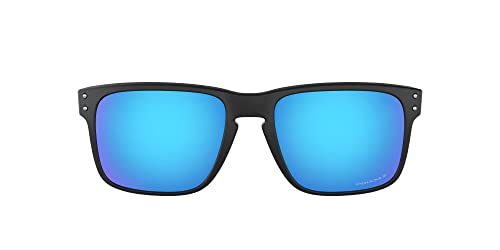
Oakley Mens OO9102 Holbrook Polarized Square Sunglasses
The Holbrook is Oakley's everyday square frame with Prizm polarized lenses and an O-Matter body that weighs almost nothing. It's the pair to grab if most of your glare problem happens through a windshield rather than over a gunwale.
$237fromAmazonWeight is the headline. At roughly an ounce, the Holbrook is light enough that you'll forget it's on, which is exactly what you want on a six-hour drive. Oakley's O-Matter frame flexes instead of pinching, and the Three-Point Fit design touches you only at the nose bridge and behind the ears. Owners who wear these daily consistently mention the absence of the sore spot behind the ear that other frames leave.
Prizm is tuned for contrast, not just darkness. Oakley builds these lenses to lift specific wavelengths so that changes in road surface, shadow and paint stand out. Combined with polarization that blocks 99% of glare, that helps you read wet asphalt and pick up a pothole in dappled shade. Research indexed by the NCBI found polarized lenses improve contrast sensitivity by 15 to 20% over plain tints for drivers on wet roads.
The Plutonite lens blocks 100% of UVA, UVB, UVC and blue light to 400nm, which clears the American Academy of Ophthalmology's bar comfortably. Light transmission sits at 12%, so these are genuinely dark — great at noon in July, less useful at dusk. The square frame is a medium fit, 132mm hinge to hinge, and reads as normal sunglasses rather than sport gear.
You can fish in these and plenty of people do. The frame doesn't wrap as far as the Costa or the Wiley X, so light slips in at the sides when you're on open water, and the Sapphire mirror is a bright-condition lens rather than a bottom-reading one. As a one-pair-for-everything choice that leans toward driving, it's hard to beat.
Flaws but not dealbreakers
The Sapphire Iridium finish is a style choice as much as a functional one, and a few owners note it produces more surface glare than Oakley's other mirror options. If that bothers you, a different lens color in the same frame solves it.
The flatter frame means peripheral light gets past. On a boat with sun low over the water, you'll notice it. That's the trade for a pair that doesn't look like safety glasses at a restaurant.
Budget pick
Real polarization and a grippy fit, for a fraction of the outlay
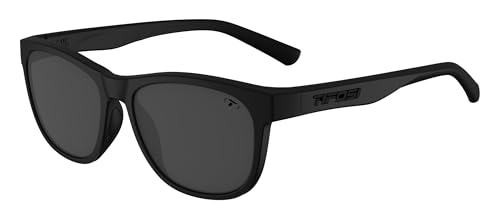
Tifosi Optics Swank Sunglasses
The Tifosi Swank gives you shatterproof polycarbonate lenses, full UVA and UVB protection and hydrophilic nose pads in a 23-gram frame. It's the pair to buy when you want genuine glare control without worrying about losing them overboard.
$25fromAmazonCheap sunglasses usually fail at the fit, not the lens. The Swank doesn't. Tifosi puts hydrophilic rubber on the nose pads, which grip harder as they get wet, so sweat and spray work in your favor instead of against you. Owners who play golf in heat and ride motorcycles both report these stay put. The integrated hinge also doesn't catch hair when you push them up.
At 23 grams these are the lightest pair in the guide by a wide margin — less than half the weight of the Costa. The THRIVE frame is a plant-based material made from castor bean oil, and it's flexible enough to survive being sat on. Owners describe wearing them for hours without pressure points, including under a full-face motorcycle helmet.
The smoke lens is a neutral gray, which is the right default for driving because it dims everything evenly instead of shifting colors. It's also the most versatile fishing tint if you're only buying one. What you don't get is the contrast enhancement of a copper or amber lens, so sight fishing a shallow flat is harder than it would be through the Costa or the Smith.
Tifosi calls the lenses scratch resistant, not scratch proof, and the distinction is real. Polycarbonate scuffs more easily than glass. At this price, though, replacing a beat-up pair every couple of seasons still costs less than one lens on a premium frame.
Flaws but not dealbreakers
The smoke tint is dark. One owner found them too dark for mountain biking under tree cover, where you need to pick out roots and rocks in shadow. The same applies to dawn and dusk fishing — these are a bright-light lens.
The frame is a small-to-medium fit, so anyone with a wide face should size up to a different Tifosi model. And while the build is good for the money, the hinges and coatings won't outlast the glass-lens options here.
Upgrade pick
The most contrast you can get for reading water
Smith 20444800363UI Guide's Choice XL Matte Black
Smith's Guide's Choice XL pairs ChromaPop polarized glass with a large wraparound frame built specifically for anglers. If your fishing depends on spotting a shape against a bottom, this is the lens that makes it easiest.
$296.99fromAmazonChromaPop exists to solve one problem: color confusion. Smith filters two specific wavelengths where your eye struggles to tell colors apart, and the result is separation between things that would otherwise blur together — a tan fish over tan gravel, a shadow that's actually a rock. OutdoorGearLab rates the Guide's Choice XL 9.3 out of 10, the highest score in its comparison of 31 pairs of fishing sunglasses.
The lenses are Techlite polarized glass, so you get glass sharpness and scratch resistance rather than a coated plastic. Smith adds an anti-reflective coating that cuts the back-glare bouncing off the inside surface of the lens toward your eye. That's the light source people blame on the sun when it's actually coming from behind them.
This is a big frame. The XL designation means extra coverage, and the wraparound shape plus the size seals off most of the peripheral light that gets past a flat pair. The green mirror finish is tuned for inshore saltwater — bright, open, reflective water where you're looking for movement rather than detail on the bottom.
Spring hinges let the temples flex outward and snap back, so the frame adjusts to your head instead of clamping it. On a large frame that matters, because the alternative is a fixed width that either pinches or slides.
Flaws but not dealbreakers
These are unambiguously fishing sunglasses. The size and the mirror finish look like gear, not eyewear, and you probably won't reach for them on a coffee run.
Glass in a large frame adds up. Smith lists the shipped weight at 0.4 pounds, and while much of that is packaging, this is the heaviest pair here on your face. On a long drive you'll feel the nose bridge.
The green mirror lens is specialized. It's excellent on inshore saltwater and merely fine everywhere else, so this is a second pair rather than a do-everything pair.
Also great
Impact-rated and sealed, for boat spray and open-face helmets
Wiley X WX Gravity Sunglasses
The Wiley X Gravity carries an ANSI Z87.1 impact rating and a removable foam gasket that seals the gap between frame and face. It's the pick for anyone doing 40 miles an hour with the wind in their eyes.
$100.50fromAmazonAlmost no consumer sunglasses are actually safety-rated. The Gravity is. ANSI Z87.1 is the standard used for industrial eyewear, meaning the lens is built to survive a high-velocity impact rather than just a drop on pavement. If you run a fast boat, ride a motorcycle, shoot or run equipment that throws debris, that certification is the whole reason to buy these.
The removable gasket is the other reason. It closes the gap around the frame, which blocks wind, dust and spray from getting to your eyes at speed. Owners who mow commercially and ride with half helmets both single this out — grass clippings and highway grit stop at the foam. Pop the gasket out and you've got a normal wraparound pair for driving.
One size covers most medium-to-large faces: 63mm lens, 17mm bridge, 119mm temple. The wraparound geometry gives you the same peripheral coverage as the Costa and the Smith, which is genuinely useful on open water where light arrives from every angle. The frame also accepts prescription lenses from third-party labs, which is rare at this level.
Lens changes are possible but fiddly. Owners who bought clear lenses for night riding report it takes patience, especially in the dark or with cold hands. Worth knowing before you plan on swapping them roadside.
Flaws but not dealbreakers
The optics aren't in the same league as the glass lenses here. These are polycarbonate built for protection first, and you give up some of the edge sharpness that makes the Costa and Smith worth their price.
They look like safety glasses, because they are. The gasket especially reads as tactical. If you want one pair that works at a dinner table, this isn't it.
One size means one size. If you have a narrow face, these will sit too wide.
Who this is for
Buy now if you're squinting through your commute, or if you fish and you're still guessing at what's under the surface. Polarization isn't a marginal upgrade over a dark tint — it removes a category of light that tinting only dims. Anglers who sight fish get the biggest jump, because seeing into the water is the whole game. Drivers get a real safety benefit on wet roads and low sun. If you already own a pair you like and it's genuinely polarized, though, a new one won't change your life.
This guide covers polarized sunglasses for two specific uses: driving and fishing. That means we're weighting glare control, lens tint and coverage above fashion. We're not covering prescription frames, kids' sizing, ski goggles or clip-ons. And if you spend most of your outdoor time under tree cover — trail running, mountain biking, hunting in timber — a dark polarized lens can work against you by hiding roots and rocks in shadow. A lighter, non-polarized lens is often the better tool there.
How we picked
Polarization: we favored brands that publish a specific glare-blocking figure over ones that just print the word on the temple. UV protection: every pick blocks the full 400nm range, matching what the American Academy of Ophthalmology recommends. Lens material: glass for sharpness and scratch resistance, polycarbonate for weight and impact — we picked both and told you the trade. Lens color: copper and amber for freshwater contrast, green mirror for inshore, gray for driving and general use. Coverage: wraparound frames matter on water where light bounces in at wide angles. Impact rating: ANSI Z87.1 is the standard worth having if you're moving fast or near debris. Durability: we read owner feedback for repeated failures rather than isolated bad luck.
Other polarized sunglasses for driving and fishing worth considering
If you want premium optics in an everyday shape: The Maui Jim Men's & Women's Hookipa Polarized ($229) — The Maui Jim Ho'okipa is a rectangle rather than a wraparound, built on a light injected-nylon frame that owners describe wearing all day without noticing. PolarizedPlus2 eliminates 99.9% of glare and blocks all UV, with an anti-reflective coating on the inside surface to kill back-glare. The neutral grey lens gives the highest light reduction Maui Jim offers, which makes it a strong driving lens and a good bright-day fishing lens. Field & Stream named it Best Value among fishing sunglasses. What you give up is coverage — the flatter shape lets side light in on open water. Owners also report the lenses smudge more readily than they'd like, and the price sits near the Costa's.
If you want the best pure driving lens: The Ray-Ban Unisex RB3025 Classic Polarized Aviator Sunglasses ($244) — The Ray-Ban Aviator Classic is Wirecutter's top overall sunglasses pick, chosen after testing 179 pairs over more than a decade, specifically for the optical quality of its G-15 glass lenses. Glass means sharpness that holds to the edge, and the green G-15 tint is unusually good at preserving true color — a traffic light still looks like a traffic light. The metal frame is light and the shape has been in production since 1937 for a reason. But the aviator profile is the opposite of a wraparound, so light pours in from the sides and above, which is a real problem on the water. Buy these for the highway, not the flats.
The competition
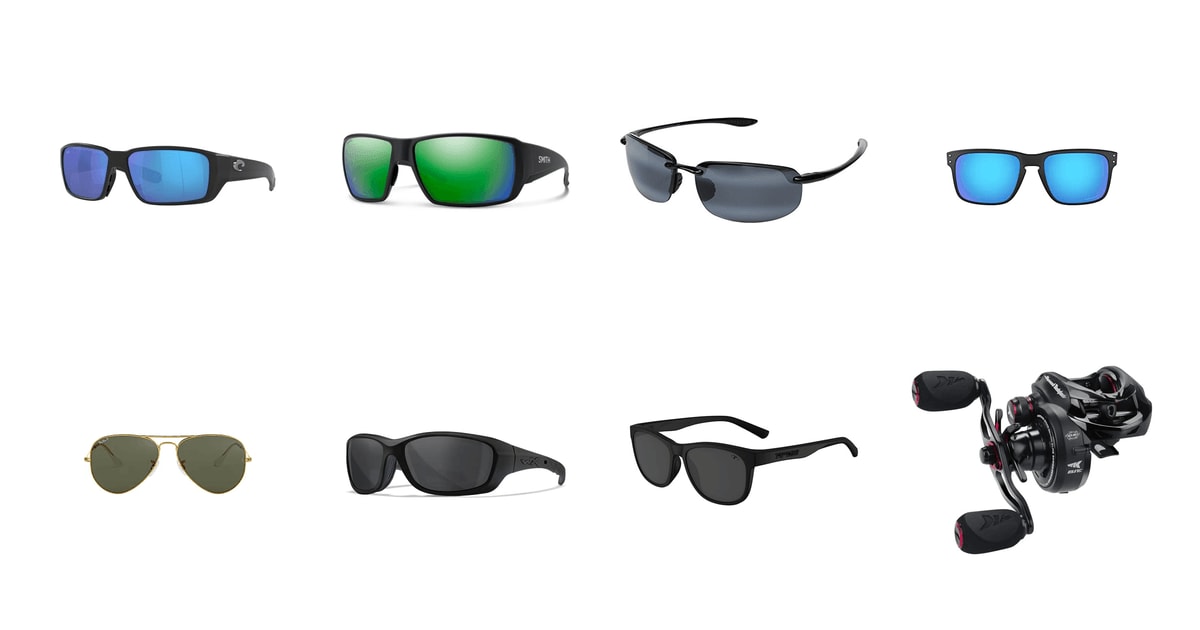
This is what our research surfaced, not a survey of everything sold. The polarized sunglasses market is enormous, and plenty of good pairs from Smith, Costa, Oakley and others didn't make it into this comparison simply because they weren't among the models the research covered. What follows is the one remaining listing from our lineup.
The KastKing Speed Demon Elite Baitcasting Fishing Reel ($119.99) — The KastKing Speed Demon Elite is a high-speed baitcasting reel, not eyewear. It shares a brand and a fishing context with the sunglasses here, which is how it landed in the search, but there's no version of this guide where a 10.5:1 gear ratio reel competes with a lens. We've left it out of the comparison for that reason.
Care and fit
Rinse salt off before you wipe. Dragging a cloth across dried salt or beach sand is how lens coatings get scratched, and no coating survives that indefinitely — run the lenses under fresh water first, then dry with the microfiber cloth that came in the box, not your shirt. Skip glass cleaner and paper towels, which strip anti-reflective layers. Store them in the hard case rather than the cupholder or the dash, since heat warps frames and loose change scratches lenses. For fit, the numbers printed inside the temple arm of your current pair tell you what works: lens width, bridge width, temple length, in that order. Match those and you'll avoid the pinching that owners of narrower frames run into after a couple of hours.
Questions we get
Are polarized lenses actually better for driving than a regular dark tint?
Yes, and the difference shows up most on wet roads. A tint dims everything equally; polarization specifically cancels the light reflecting off flat horizontal surfaces, which is exactly the glare that blinds you off a wet highway or another car's hood. Research indexed by the NCBI found polarized lenses improve contrast sensitivity by 15 to 20% over standard tints for drivers in those conditions. Gray lenses are the safest tint for driving because they don't shift how colors look.
What lens color should I get for fishing?
It depends on the water. Copper and amber sharpen bottom contrast, which makes them the choice for freshwater sight fishing and low light. Green mirror suits inshore saltwater, and blue mirror handles bright offshore conditions. If you're buying one pair for fishing and driving both, gray is the compromise that works everywhere without excelling anywhere.
Will polarized sunglasses black out my dashboard or fish finder?
Sometimes, yes. LCD screens emit polarized light of their own, so depending on the angle between your lenses and the display, the screen can dim or go dark. Tilting your head usually brings it back. It's a known quirk of the technology, not a defect, and it affects every polarized lens regardless of price.
Glass or polycarbonate — which should I buy?
Glass gives you sharper optics edge to edge and resists scratches far better, but it weighs 20 to 25% more. Polycarbonate is lighter and much more impact resistant, which is why safety-rated lenses use it. For fishing, where you're straining to read detail through the surface, glass is worth the weight. For driving and general wear, polycarbonate is usually the more comfortable choice.
What does ANSI Z87.1 certification mean?
It's the American National Standards Institute's impact standard for protective eyewear — the same benchmark industrial safety glasses have to meet. A certified lens is built to survive a high-velocity strike rather than just a fall onto concrete. Very few consumer sunglasses carry it, which is why it's the defining feature of the Wiley X Gravity. If you ride a motorcycle, run a fast boat or work around flying debris, it's the spec that matters most.
Are premium sunglasses worth several times the price of a budget pair?
For fishing, often yes — the optical quality of ground glass and a properly tuned contrast lens genuinely changes what you can see under the surface. For driving, the gap narrows a lot, because you're mainly asking the lens to cut glare and keep colors honest. A well-made budget pair with UV400 and real polarization does that. Buy premium if you spend serious time on the water; otherwise the money is better spent on a pair you won't panic about losing.
Why you should trust us
For this guide:
- We compared manufacturer lens specifications across all eight listings, including stated polarization efficiency, UV blocking range and lens material.
- We read published reviews from OutdoorGearLab, Field & Stream and Wirecutter, along with technical documentation from Costa Del Mar, Maui Jim and Revo.
- We reviewed owner feedback for each product, looking for repeated themes around fit, durability and lens performance rather than isolated complaints.
- We read owner reviews on every listing, weighted toward the critical ones, because that is where the recurring failures show up.
- We have a systematic way of automatically fetching the latest prices, so the numbers on this page stay current.
- This is a research-focused guide, so the team may not own every product listed — though we often do own the top winners, which gives us extra context for the recommendations.
- We don't accept free products, and the retailer commission never changes which product we recommend.
Sources
Best Fishing Sunglasses of 2025 — OutdoorGearLab (31 pairs tested; Smith Guide's Choice XL 9.3/10, Costa Fantail Pro 9.1/10), OutdoorGearLab
Best Sunglasses of 2025 — Wirecutter (Ray-Ban Aviator Classic top pick after testing 179 pairs over 10+ years), Wirecutter / The New York Times
Costa Del Mar 580G Lens Technology — independently verified 99.9% glare polarization efficiency with HEV blue-light filtering to 400nm, Costa Del Mar
Polarized Lenses and Driving — American Academy of Ophthalmology (polarized lenses improve driver reaction time; caution re: LCD dashboard screens), American Academy of Ophthalmology
Polarized vs Non-Polarized Sunglasses — All About Vision (studies show polarized lenses reduce visual fatigue by up to 80% in prolonged outdoor activities), All About Vision
Fishing Sunglasses: A Complete Guide — Tifosi Optics (lens color guide by water type and light condition), Tifosi Optics
Amazon product listings and owner reviews for all 8 products
Manufacturer specification pages for each product
Some passages in this guide may be paraphrased with AI help. Prices are refreshed automatically.
More like this.
Continue exploring lifestyle reviews and recommendations.

The Best Impact Drivers
An impact driver is what turns a long afternoon of deck screws into a short one. It drives fasteners in quick rotational bursts, so the bit stays seated…

The Best Golf Drivers
Your driver is the club you hit when the tee shot matters most, and it's the one that decides whether the next shot comes from short grass or from…

The Best Cordless Ice Fishing Augers
Drilling a hole through 20 inches of ice used to mean yanking a starter cord in the dark with cold hands, then breathing two-stroke exhaust for the rest…

The Best Breathable Fly Fishing Waders
Waders are the difference between fishing the good water and standing on the bank wishing you could. Breathable ones fixed the old problem: a shell that…

The Best Surf Fishing Rods
Surf fishing asks a lot of a rod. You're standing in moving water, throwing a weighted rig as far as you can, then holding that rod for hours. Length does…

The Best Ice Fishing Tip-Ups and Hard-Water Gear
Tip-up fishing is a waiting game you play with your feet up. You set a baited line under the ice, walk away, and watch for a flag. When one pops across…