The Best Home Security Systems
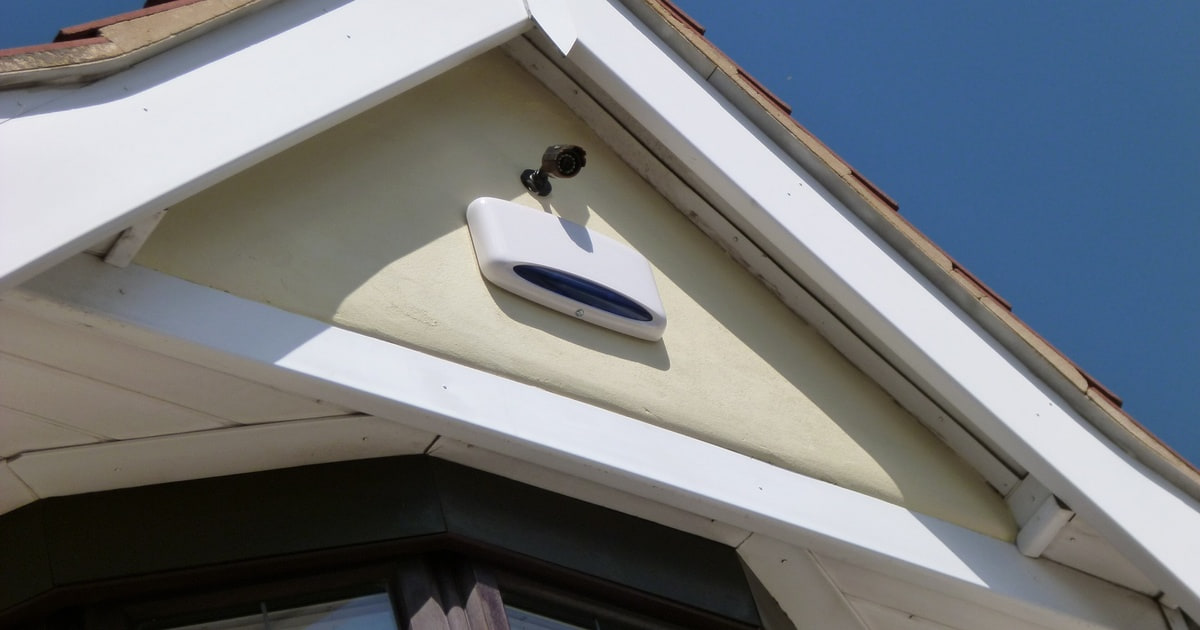
A home security system spends almost all of its life doing nothing at all. That's the point. What you actually notice day to day is smaller stuff: whether the app opens fast enough to disarm from the driveway, whether the keypad chirps when your kid gets home from school, whether the motion sensor ignores the dog trotting through the hall at 2 a.m. The systems worth buying are the ones that stay quiet, stay online, and get out of your way until the one night they matter.
None of these systems stops a break-in by itself. A sensor tells you and a monitoring center that a door opened; somebody still has to drive over. Research from UNC Charlotte's Department of Criminal Justice & Criminology found that about 60% of convicted burglars abandoned or redirected a break-in once they spotted a system, which is real deterrence but not a guarantee. And every one of these leans on a subscription for the parts most people actually want: professional dispatch, cloud video, cellular backup. Buy the hardware expecting a monthly bill.
Where the choice gets interesting is what you already own and how much you want to fuss. If your house is full of Echo speakers, one system slots right in. If you're an iPhone household that wants everything in the Home app, a different one does. Renters get their own answer, since anything needing a drill is out from the start. We think that the SimpliSafe 8 Piece Wireless Home Security System is the best home security system for most people, and that the Ring Alarm Pro is the one to buy if your home already runs on Alexa and your Wi-Fi could use the help.
Everything we recommend

Fast monitoring, no contract, and a setup you can finish in an hour

It doubles as your Wi-Fi router, if you're already in Alexa

Peel-and-stick sensors and a fast response, with less to fuss over
The pick for HomeKit homes and anyone with Z-Wave gear
At a glance
| Product | Pieces | Monitoring | Price | |
|---|---|---|---|---|
| SimpliSafe 8 Piece Wireless Home Security SystemTop pick | 8 Piece | 1 Mo Free | $209On sale |
| Ring Alarm ProRunner-up | 14-Piece | 30-Day Free | $379.99 |
| Abode 4 Piece Wireless Smart Security SystemAlso great | 4 Piece | Optional | $219 |
 | eufy Security HomeBase 3Also consider | — | No Monthly Fees | $139.99On sale |
| Cove 6-Piece DIY Home Security SystemBudget pick | 6-Piece | 3-Mo Included | $79.99 |
How we picked
Monitoring terms. We favored systems that offer professional monitoring month to month, with no multi-year contract and no penalty for cancelling. Published reviews and company terms had to confirm the hardware still works if you stop paying.
Alarm response speed. We looked for independently reported response times from outlets like SafeHome.org and Tom's Guide, since the industry average sits around 45 seconds. Anything meaningfully slower than that didn't make the cut.
Backup when lines are cut. Cellular backup and an internal battery were required, not optional. FBI crime reporting indicates that cutting phone and internet service is among the first moves in roughly 38% of forced-entry residential burglaries.
Installation without a technician. We prioritized kits that spec sheets and owner feedback agree can be set up in an hour or two with no wiring, no drilling, and no appointment window.
Smart home fit. We compared documented compatibility with Alexa, Google Home, HomeKit, Z-Wave, and Zigbee, because the system you'll actually keep armed is the one that works with the gear you already own.
Top pickOn sale
Fast monitoring, no contract, and a setup you can finish in an hour
SimpliSafe 8 Piece Wireless Home Security System
SimpliSafe's eight-piece kit covers an apartment or a small house with entry sensors, a motion sensor, a keypad, and a base station with a siren. Monitoring is optional and month to month, so you can switch professional dispatch on for a trip and off when you're home.
$209fromAmazonList priceNothing else here is this easy to live with. The base station plugs into an outlet, the sensors stick to door frames, and the app walks you through the rest. Wirecutter puts a starter kit's setup at 30 to 45 minutes, against the two-to-four-hour appointment window a professionally installed system asks of you. Owners who describe themselves as hopeless with electronics say they had the whole thing running before dinner.
Response time is the part you can't see until it matters. SafeHome.org's independent testing clocked SimpliSafe's monitoring center at under 30 seconds from alarm to call, versus roughly 45 seconds for the industry at large. That gap sounds trivial written down. At 3 a.m., with someone working on your back door, fifteen seconds is a long time to stand there.
The sensor mix in this kit is sensible rather than generous. You get entry sensors for the doors and windows you actually worry about, plus one motion sensor that covers a room out to about 35 feet across a 90-degree view and tolerates pets under 60 pounds. If you've got a big shepherd, aim that sensor carefully or lean on entry sensors instead.
The no-contract part isn't a marketing footnote. You can run this system with no subscription at all and treat it as a very loud local alarm, or pay monthly for dispatch and remote control. Consumer Reports' reliability survey also ranked SimpliSafe among the lowest for false alarms, which matters more than it sounds. A system that cries wolf gets disarmed one Tuesday and never armed again.
Flaws but not dealbreakers
Without a subscription, the system gets noticeably dumber. Remote arming, phone alerts, and cellular backup all live behind the monthly plan, so the self-monitoring path mostly amounts to a siren that wakes your neighbors. Budget for the service, or go in knowing the limit.
The hardware is plain and plastic. The keypad and sensors won't win any design awards, and owners occasionally report an adhesive pad letting go on rough or freshly painted trim. Clean the spot first and press hard.
Runner-up
It doubles as your Wi-Fi router, if you're already in Alexa
Ring Alarm Pro
This 14-piece kit is a full alarm built around a base station that's also an eero Wi-Fi 6 router. You get two keypads, eight contact sensors, two motion detectors, and a range extender — enough to cover a three-bedroom house without buying anything extra.
$379.99fromAmazonThe built-in router is the reason to choose this one. The base station is an eero Wi-Fi 6 mesh unit pushing up to 900 Mbps across about 1,500 square feet, so your alarm and your network share a single box. PCMag calls the dual-purpose design unmatched among competitors. That's one fewer plug, one fewer thing to reboot, and an alarm that sits inside your network instead of hanging off it.
Eight contact sensors is a lot of doors and windows. If you've been putting off the basement slider and the door from the garage, this kit gets you there in one purchase. Two keypads help too — nobody wants to walk to the front hall to disarm after coming in the side door with groceries.
Alexa integration is the tightest here. Arming by voice, a bedtime routine that locks everything up, Echo speakers acting as extra chimes: it all works if you already live in that ecosystem. The flip side is that you're committing to Amazon. There's no HomeKit, and third-party device support is thin next to what Abode allows.
Consumer Reports' reliability survey put Ring Alarm alongside SimpliSafe at the low end for false alarms, and most owners describe setup as plug-and-play. A steady minority, though, report app hiccups and the occasional sensor that drops off and needs re-pairing. Nothing catastrophic. Just check the app after any big change to your network.
Flaws but not dealbreakers
Tying the alarm to your router cuts both ways. If the base station dies, you lose your internet and your security system in the same moment, and replacing it means rebuilding your network. If you already run a mesh setup you like, you probably don't want to rip it out for this.
Nearly everything that makes this system worth owning — remote arming, cellular backup, professional monitoring — sits behind a Ring subscription. And a small but persistent thread of owner feedback describes sensors or the base going unresponsive until someone power-cycles it.
Budget pick
Peel-and-stick sensors and a fast response, with less to fuss over
Cove 6-Piece DIY Home Security System
Cove's six-piece kit is the least fussy way to get a monitored alarm into a rental. Everything mounts with adhesive, three months of professional monitoring comes in the box, and you choose an indoor camera, an outdoor camera, or a video doorbell to go with it.
$79.99fromAmazonIf you can't drill, this is the one. Every piece sticks on, the hub plugs into an outlet, and the app talks you through placement step by step. There's no technician, no appointment window, and nothing to patch when your lease ends. Owners describe the guided setup as genuinely hard to get wrong, which is not something you can say about most security gear.
Speed is the surprise here. Tom's Guide's testing clocked Cove's entry sensor at about 27 seconds from trigger to response call, quicker than SimpliSafe's already-fast number. A small company working with one monitoring partner shouldn't beat the big names at this. It does, and response time is the single number most worth caring about.
Three months of monitoring in the box changes how you shop. You get to live with professional dispatch through a whole season before deciding whether it's worth paying for, instead of guessing from a spec page. If you decide it isn't, the hardware keeps working as a local alarm you control from the app.
The camera choice is a smart touch for a small place. One indoor camera covers a studio; a doorbell makes more sense for a townhouse where packages walk off. You pick the one spot that actually worries you rather than paying for a bundle of angles you'll never look at.
Flaws but not dealbreakers
Cove is the smallest brand here, and the ecosystem shows it. Third-party smart home support is limited, the accessory catalog is shorter than SimpliSafe's or Ring's, and there's far less independent long-term feedback to lean on. If you like knowing thousands of other people have already shaken the bugs out, that's a real consideration.
Adhesive mounting is convenient right up until it isn't. Textured walls, fresh paint, and hot garages all work against stick-on sensors, and a sensor that falls off is a sensor that isn't watching anything.
Also great
The pick for HomeKit homes and anyone with Z-Wave gear
Abode 4 Piece Wireless Smart Security System
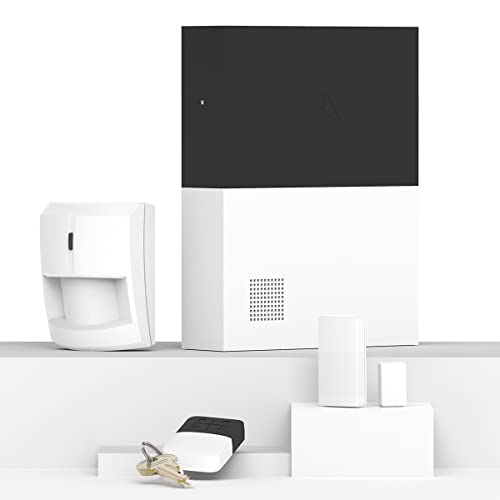
Abode's four-piece kit is a security system and a smart home hub at once. It's the rare alarm certified to work with Apple HomeKit, and it speaks Z-Wave and Zigbee, so it can run your locks and lights alongside its own sensors.
$219fromAmazonNo other mainstream security system is this open. The Verge notes that Abode works with HomeKit, Alexa, Google Home, IFTTT, Z-Wave, and Zigbee — a longer compatibility list than any other major DIY brand. If you've already collected smart locks, bulbs, and sensors from four different companies, this is the hub that talks to all of them instead of asking you to start over.
HomeKit certification is the headline for iPhone households. You can arm, disarm, and check status from the iOS Home app, and fold the alarm into scenes with the rest of your Apple gear. Ring can't do that. Neither can SimpliSafe. If your family already lives in the Home app, that's the entire argument, and it's a good one.
The hub has a 93 dB siren and a backup battery, and monitoring is optional and month to month with on-demand professional dispatch when you want it. Four pieces is a starter set, though: one entry sensor, one motion sensor, a key fob, and the hub. Plan on buying more sensors before this covers a real house.
Flaws but not dealbreakers
Abode runs a smaller support operation than the big brands, and its reliability record is rockier. Owner feedback includes systems arming themselves without input, sensors that pair inconsistently, and cameras that cause more frustration than they solve. Most owners are happy. The unhappy ones tend to be unhappy about fundamentals.
Video is the weak link. If cameras are central to your plan, you'll probably be happier pairing Abode's alarm with cameras from somebody else — which is easier here than with any other system, given all that compatibility.
Who this is for
This guide is for people buying a self-installed alarm system for a house, a condo, or an apartment — the kind that ships in a box and goes up over a weekend morning. It's a good fit if you want professional dispatch without signing a multi-year agreement, if you're renting and can't put holes in anything, or if you want a loud local alarm and no monthly bill at all. It's also for anyone replacing a system they inherited with the house and never trusted.
You should skip all of this if you want somebody else to handle everything. Full-service brands send a technician, mount the panel, tune the sensors, and hand you a working system — and that's genuinely worth it for people who don't want to think about placement or pairing. Those companies mostly sell through sales calls and custom quotes rather than a box you add to a cart, so they're outside what we cover here. We also don't cover standalone cameras and doorbells, wired panels that need an electrician, or commercial systems.
How we picked
Monitoring terms: professional dispatch had to be available month to month, with no long contract and no dead hardware if you cancel. Response speed: we leaned on independently reported alarm-to-call times, since the industry average is around 45 seconds and the good systems beat it by a third. Backup: cellular and battery backup were non-negotiable, because cutting the internet is a standard opening move in a forced entry. Installation: the kit had to go up in an hour or two with no wiring and no drilling, per spec sheets and consistent owner feedback. Smart home fit: we compared documented support for Alexa, Google Home, HomeKit, Z-Wave, and Zigbee, since a system that fights your existing gear is a system you'll stop arming.
Other home security systems worth considering
If you want to skip video subscriptions entirely: The eufy Security HomeBase 3 ($139.99) — The eufy HomeBase 3 is the hub for a eufy camera setup, and its whole reason to exist is local storage. It ships with 16 GB built in and accepts an external drive up to 16 TB, which TechHive notes is enough for months of footage with no cloud plan at all. It handles up to 16 cameras and 34 sensors, runs face recognition on the device itself to cut down on pointless alerts, and has a 100 dB siren. What it doesn't have is a monitoring center. This is self-monitoring, so nobody calls the police but you — and if someone walks off with the hub, your footage leaves with it. Owners also flag that the box runs warm, so pick a cool-running drive and give it air.
The competition
This is what our research surfaced among systems you can actually buy in a box, not a survey of everything sold. The big full-service brands mostly move through sales calls, custom quotes, and installer appointments, which makes them hard to line up against these on equal terms. If you want a technician to handle placement and don't mind a contract conversation, they're worth a phone call. For everyone else, the systems above cover the same ground with a lot less friction.
Installation and placement notes
Most of these kits go up in an hour or two, and none of them need a drill. What people get wrong is placement, not wiring. Put entry sensors on the doors and windows a person could realistically reach — the ground floor, the slider, the door from the garage — and don't bother with the second-story bathroom. Corner-mount motion sensors so they look across a room instead of down a hallway, and keep them clear of heat vents and sunny windows, which are the usual culprits behind nuisance alerts. Wipe the surface with rubbing alcohol before pressing an adhesive pad down, and give it a full minute of pressure. A sensor that quietly falls behind the couch is one you won't notice for weeks. Then test every sensor with the system armed before you trust it.
Questions we get
What's the best home security system with no monthly fee?
For video with no recurring cost, the eufy HomeBase 3 is the clearest answer — footage stays on the hub or an attached drive, and there's no cloud plan to renew. For an alarm, SimpliSafe runs unsubscribed as a local siren, though you give up remote arming, phone alerts, and cellular backup. The honest trade is that no-fee means self-monitoring, so nobody calls the police unless you do.
Is SimpliSafe or Ring Alarm Pro better for a first-time buyer?
Start with SimpliSafe unless you're already deep in Amazon's ecosystem. It's simpler to set up, its monitoring is month to month, and Consumer Reports' reliability survey puts it at the low end for false alarms. Choose Ring Alarm Pro if you own Echo speakers and also need a new router, since the base station is an eero Wi-Fi 6 unit and replaces one more box on your shelf.
What works for renters who can't drill holes?
Cove is built for exactly this — every sensor mounts with adhesive and the hub just plugs in, so nothing needs patching when you move. SimpliSafe works the same way and has a much bigger accessory catalog if you expand later. Clean each mounting spot with rubbing alcohol first, and avoid textured walls, which are where stick-on sensors usually fail.
Do home security systems actually deter burglars?
The evidence says yes, within limits. Research from UNC Charlotte's Department of Criminal Justice & Criminology found that roughly 60% of convicted burglars abandoned a break-in or chose a different house after spotting a system. Analysis of FBI crime reporting suggests homes without systems are far likelier to be burglarized. Visible signs, yard stakes, and a keypad in view of the door do part of that work on their own.
What happens during a power or internet outage?
Every system here has a battery in the hub and, with an active monitoring plan, a cellular radio that carries alarm signals when the internet is down. That matters more than it sounds: FBI reporting indicates cutting phone and internet lines is among the first steps in roughly 38% of forced-entry burglaries. Confirm cellular backup is included in whichever plan you pick, since it's usually tied to the subscription rather than the hardware.
Which of these works with Apple HomeKit?
Abode is the one. It's certified to work with Apple HomeKit, so you can arm, disarm, and check status from the iOS Home app and pull the alarm into scenes with your other Apple gear. Neither SimpliSafe nor Ring supports HomeKit. Abode also handles Z-Wave and Zigbee, which makes it the best fit if your smart home came together one brand at a time.
Why you should trust us
For this guide:
- We read published reviews and independently reported alarm-response testing from outlets including SafeHome.org, Tom's Guide, PCMag, TechHive, and The Verge, along with Consumer Reports' reliability survey.
- We compared manufacturer specifications across every system here for sensor range, siren volume, storage capacity, cellular backup, and documented smart home compatibility.
- We read through owner feedback looking for complaints that repeat — adhesive pads letting go, apps going unresponsive, sensors dropping offline — rather than isolated one-off problems.
- We read owner reviews on every listing, weighted toward the critical ones, because that is where the recurring failures show up.
- We have a systematic way of automatically fetching the latest prices, so the numbers on this page stay current.
- This is a research-focused guide, so the team may not own every product listed — though we often do own the top winners, which gives us extra context for the recommendations.
- We don't accept free products, and the retailer commission never changes which product we recommend.
Sources
Best Home Security Systems of 2026 — Wirecutter / NYT, Wirecutter
Best Home Security Systems — Forbes Home, Forbes Home
Home Security System Reviews & Ratings — Consumer Reports, Consumer Reports
Best Home Security Systems 2026 — Tom's Guide, Tom's Guide
Home Security Statistics & Burglary Data — FBI Crime Data Explorer, FBI Uniform Crime Reports
SimpliSafe Review 2026 — SafeHome.org, SafeHome.org
Ring Alarm Pro Review — PCMag, PCMag
Vivint Smart Home Security Review — CNET, CNET
Abode Smart Security Kit Review — The Verge, The Verge
Eufy Security HomeBase 3 Review — TechHive, TechHive
Home Security Industry Market Report 2025–2026 — Parks Associates, Parks Associates Research
Burglar Deterrence & Home Security Effectiveness — University of North Carolina Charlotte Criminal Justice Study, UNC Charlotte Department of Criminal Justice
Amazon product listings and owner reviews for all 5 products
Manufacturer specification pages for each product
Some passages in this guide may be paraphrased with AI help. Prices are refreshed automatically.
More like this.
Continue exploring home reviews and recommendations.

The Best DIY Smart Home Security Systems
A home security system earns its keep on the days nothing happens. You leave for a long weekend, glance at your phone in an airport line, and see every…

The Best Car Alarm and Security Systems
Your car spends most of its life parked and unattended. On a street, in a work lot, in a driveway you can't see from the kitchen sink. A security system's…

The Best Security Floodlights
A good security floodlight does two jobs at once. It makes your driveway usable when you're carrying groceries in at night, and it makes your house a less…

The Best Outdoor Smart Home Security Cameras
An outdoor camera earns its keep in small moments. A package shows up while you're at work. Something knocks over the recycling bin at 2 a.m. A contractor…

The Best Mailbox Security Lock Boxes
A mailbox used to be a tin flag holder. Now it's where your checkbook, your tax forms and half your online orders sit unattended for hours. Mail theft…

The Best Indoor Security Cameras
An indoor camera earns its keep in small moments. You're at work and the dog has gone quiet. A package gets dropped inside the door and you want to know…