The Best Magnesium Glycinate Supplements for Sleep
Magnesium is one of the few supplements with a real, if modest, case behind it for sleep. Roughly half of American adults fall short of the recommended intake from food alone. And glycinate is the form most people should reach for, because it absorbs well and doesn't send you running to the bathroom the way cheaper magnesium oxide or citrate can. The catch is the label. The big number on the front is usually the whole compound, not the mineral. What you actually want is elemental magnesium, and you'll find it in the Supplement Facts panel.
None of these is a sleeping pill, and none will fix real insomnia. The research points to gradual, moderate improvements — falling asleep a bit faster, waking less, feeling steadier at bedtime — over weeks, not on the first night. Dosing is also less standardized than you'd hope. Two products can both say glycinate on the front and deliver wildly different amounts of actual mineral. Supplements aren't vetted for effectiveness before they're sold either, so a third-party seal ends up doing a lot of quiet work.
So we treated this as a labeling and verification problem as much as a sleep one. We compared elemental magnesium per serving, the exact chelate each brand uses, allergen and filler disclosures, how many nights a bottle really covers, and whether an outside lab has checked the claims. We think that the Nature Made Magnesium Glycinate 200 mg is the best magnesium glycinate supplement for most people, and that the Thorne Magnesium Bisglycinate is the one to buy if you're drug-tested for sport or you want to fine-tune your dose.
Everything we recommend

Verified dosing in an easy capsule, minus sport certification

A sport-certified powder you can dial in dose by dose

The longest-lasting bottle here, with no third-party seal
Hypoallergenic and filler-free, if additives are your problem
At a glance
| Product | Mg Per Serving | Servings | Price | |
|---|---|---|---|---|
| THORNE - Magnesium Bisglycinate - Powdered MagnesiumRunner-up | — | 60 | $52 |
| Pure Encapsulations MagnesiumAlso great | — | 90 | $27 |
| Doctor's Best High Absorption Magnesium Glycinate LysinateBudget pick | 200mg | 240 | $23.99 |
 | NOW Foods SupplementsAlso consider | 100mg | 180 | $19.59On sale |
| Nature Made Magnesium Glycinate 200 mg perTop pick | 200mg | 180 | $31.99 |
 | Life Extension Magnesium GlycinateAlso in lineup | 105mg | 90 | $18 |
 | Klean ATHLETE Klean MagnesiumAlso consider | — | 90 | $26.50 |
 | Designs for Health Magnesium Glycinate Powder -Also in lineup | 300mg | 30 | $47.49 |
How we picked
Elemental magnesium per serving. We compared the elemental magnesium in each Supplement Facts panel instead of the compound weight on the front of the bottle. Products that get you into the 200 to 400 mg daily range without a fistful of pills scored highest.
Chelation form. We favored bisglycinate and other true chelates, since spec sheets and published reviews consistently describe them absorbing better and irritating the gut less than oxide or citrate.
Third-party verification. We checked every product for NSF Certified for Sport or USP Verified status. Independent lab testing has repeatedly found magnesium supplements delivering less than their labels claim, so an outside auditor carries real weight.
Fillers and allergens. We read the additive and allergen disclosures on each listing. Owner feedback in this category is often about a reaction to a binder or coating rather than to the magnesium itself.
Servings per bottle. We counted how many nights each container covers at a real sleep dose. Magnesium takes weeks to evaluate, so a bottle that runs dry in a month works against you.
Top pick
Verified dosing in an easy capsule, minus sport certification
Nature Made Magnesium Glycinate 200 mg per
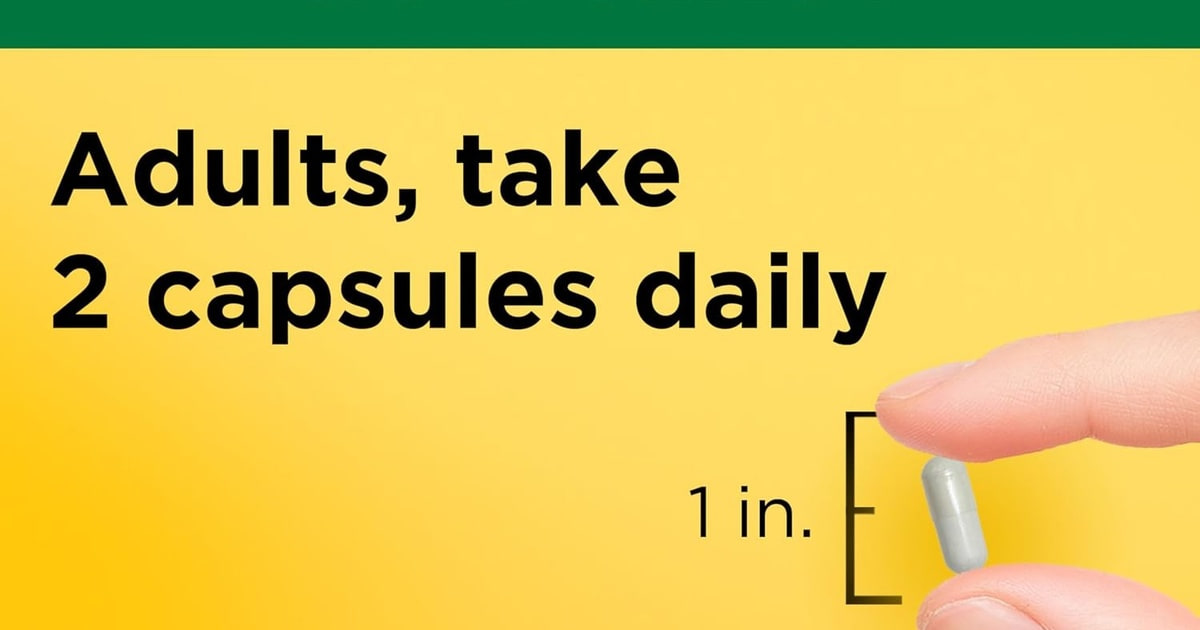
Nature Made's bisglycinate capsules give you 200 mg of elemental magnesium in a two-capsule serving, and the USP Verified seal means an outside lab has confirmed that's really what's inside. One 180-count bottle covers about three months, which is roughly how long you need to judge whether it's helping.
$31.99fromAmazonThe USP Verified seal is the whole reason this is our top pick. Supplement labels are self-reported, and independent lab testing has turned up magnesium products delivering well under what they claim. USP verification means an outside organization has checked that the capsule contains the stated ingredients in the stated amounts, made under sound manufacturing practices. You're not taking anyone's word for the 200 mg. That's a rare thing in this aisle.
Two capsules get you 200 mg of elemental magnesium, right at the bottom of the range used in sleep research. That's the number that matters, not the compound weight printed on the front of a bottle. A product advertising 400 mg of magnesium glycinate might contain only a fraction of that as actual mineral. Here the front label and the Supplement Facts panel agree, and a verifier has signed off on both.
It's bisglycinate, the form where magnesium is bound to two glycine molecules. That chelate holds together better through your gut than plain glycinate, so more mineral gets absorbed and less sits around irritating your digestive tract. You get more glycine along with it, which is mildly calming on its own. Nature Made also skips added color and artificial flavors, and the capsules are gluten-free.
A 180-count bottle is a 90-day supply, and consistency is what actually moves the needle. Magnesium doesn't work like a sedative. The trials that found real sleep improvements ran for weeks, so you need a supply that outlasts your enthusiasm. Nature Made is also stocked in ordinary drugstores, so a refill doesn't depend on a shipment arriving. Small thing, but it's the difference between a habit and a half-used bottle.
Flaws but not dealbreakers
There's no NSF Certified for Sport seal, so competitive athletes should look elsewhere. USP verification confirms label accuracy, but it isn't the banned-substance screening most sport governing bodies expect. If you're subject to testing, that gap matters, and the Thorne and Klean Athlete products are built for exactly that. For everyone else it's irrelevant.
The label tells you to take both capsules with a meal, which is awkward for bedtime dosing. Most sleep guidance suggests taking magnesium 60 to 90 minutes before bed, and by then dinner may be long over. Taking it with food is about comfort rather than absorption, so a small snack usually solves it. The capsules are also on the larger side if you dislike swallowing pills.
Runner-up
A sport-certified powder you can dial in dose by dose
THORNE - Magnesium Bisglycinate - Powdered Magnesium
Thorne's magnesium bisglycinate is an unflavored powder you stir into water, so you can start small and work up in increments no capsule allows. It's NSF Certified for Sport, meaning batches are screened against label claims and for banned substances.
$52fromAmazonNSF Certified for Sport is the strictest seal you'll find on a supplement shelf. Batches are tested for compliance with label claims and screened for close to 300 substances banned by major athletic organizations. If you're a college or professional athlete, that certification isn't a nicety — it's usually a requirement. It's also a strong purity signal for anyone who simply doesn't want surprises in a product they take every night.
The powder lets you find your own dose instead of accepting someone else's. A serving gives you 200 mg of elemental magnesium, but you can start at half that and step up as you tolerate it. That's genuinely useful, because the line between too little magnesium and too much is usually loose stools. Capsules lock you into fixed jumps. A spoon doesn't.
It's bisglycinate, and Thorne keeps the formula bare. No gluten, dairy or soy, and nothing added for color or flavor. Magnesium is a cofactor in more than 600 enzymatic reactions, covering muscle relaxation and cellular energy production, and the glycine half of the chelate is calming in its own right. Thorne is also the brand a lot of practitioners and pro sports teams default to, which counts for something when you can't inspect a factory yourself.
You can take it any time of day, not just at bedtime. Plenty of people split a serving between afternoon and evening, and the powder makes that trivial. Because there's no flavoring or sweetener, you can stir it into water or tea without it tasting like dessert. If you already have a wind-down drink, this disappears into it.
Flaws but not dealbreakers
It's the most expensive option here per serving, and a container holds only 60. That's two months at one serving a night, less if you take more. The chelate and the certification are real, but the elemental dose is the same 200 mg you'd get from tablets that last four times as long. If cost is your constraint, Doctor's Best gets you to the same place.
Powder is a hassle if you travel. You need a glass, water and something to stir with, which is fine at home and annoying in a hotel room or on a plane. Capsules go in a pill case and don't ask anything of you. If your routine moves around a lot, that convenience gap will eventually cost you doses.
Budget pick
The longest-lasting bottle here, with no third-party seal
Doctor's Best High Absorption Magnesium Glycinate Lysinate
Doctor's Best packs 240 chelated tablets into one bottle at 200 mg of elemental magnesium per serving — the same dose as our top pick, at a fraction of the running cost. The lysinate glycinate chelate is easy on the stomach and can be taken at any hour.
$23.99fromAmazonYou get the same 200 mg elemental dose as our top pick in a bottle that lasts far longer. 240 tablets is a serious supply, and supply is how you actually finish the multi-week stretch that sleep research is built on. Nothing about the dose or the chelate here is a downgrade from the pricier options. What you give up is a certification seal, not milligrams.
The chelate is lysinate glycinate, which binds magnesium to two amino acids instead of one. Doctor's Best claims up to six times better absorption than non-chelated magnesium oxide. That's the brand's own figure, but the general point holds: oxide absorbs poorly, chelates don't. The formula is 100% chelated with no buffering fillers, so you're not swallowing magnesium that passes straight through.
It's meant to be taken any time of day, with or without food. That flexibility helps if your evenings are unpredictable. Chelated magnesium is markedly gentler on digestion than oxide or citrate, so you're less likely to trade better sleep for a midnight bathroom trip. The formula is vegan, non-GMO, gluten-free and soy-free, which covers most common restrictions without a hypoallergenic premium.
The formula is deliberately plain, and that's a feature. No proprietary blend, no added botanicals, no sleep-stack marketing — just chelated magnesium in a tablet. If you want to run a clean experiment on whether magnesium helps your sleep, a single-ingredient product is the only way to do it. Throw in melatonin, theanine and herbs and you'll never know what worked.
Flaws but not dealbreakers
They're tablets, not capsules, and some people find them harder to get down. Tablets are denser and less slippery than a veggie capsule. Two per serving is manageable for most, but if you already struggle with pills, the capsule options here are friendlier.
There's no NSF or USP seal, so you're trusting the manufacturer. Doctor's Best has a long track record, and a missing seal isn't evidence of a bad product. But independent testing has repeatedly caught magnesium supplements falling short of their labels. If that possibility nags at you, pay for verification. If it doesn't, this is the practical everyday choice.
Also great
Hypoallergenic and filler-free, if additives are your problem
Pure Encapsulations Magnesium
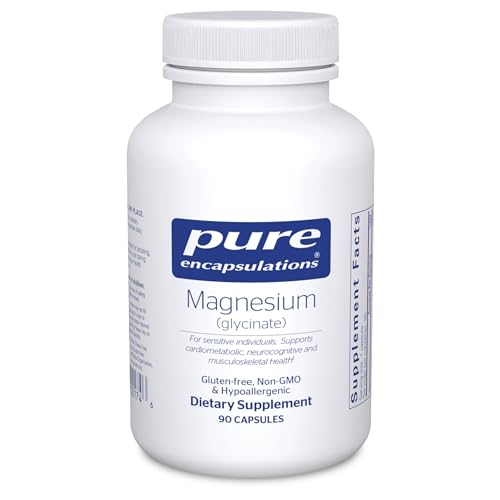
Pure Encapsulations builds its formulas around what's left out: no common allergens, no unnecessary binders, fillers or preservatives, no GMOs. If you've reacted to supplements before and couldn't tell which ingredient did it, this is the low-risk way to reintroduce magnesium.
$27fromAmazonThe whole appeal is a very short ingredient list. For people managing IBS, Crohn's or a stack of food sensitivities, the magnesium is rarely the culprit — the coatings, colorants and flow agents are. Pure Encapsulations leaves those out and says so plainly, which is why it's a fixture in practitioner offices. The transparency is as much the product as the mineral is.
Glycinate is already the gentlest common form, and this is a careful version of it. Chelated magnesium causes far fewer digestive complaints than oxide or citrate at the same elemental dose, because it gets absorbed instead of sitting in your gut pulling in water. If citrate has sent you to the bathroom before, that's the mechanism, and this formula sidesteps it.
Capsules give you more control here than you'd expect. You can take one or two depending on how the night before went, and capsules tend to break down more predictably than compressed tablets — a small edge if your digestion is touchy. The company also tests for potency and purity and says it sources from vetted suppliers, which is the assurance you're buying in place of a seal.
Flaws but not dealbreakers
A 90-count bottle doesn't last long at a higher dose. Take two capsules a night and you're through it in about six weeks, faster if you're chasing the upper end of the sleep range. Reordering often is part of the deal.
There's no NSF or USP verification, which is an odd gap for a purity-first brand. You're relying on the company's own testing and its standing among clinicians rather than an outside auditor. Given the reputation, that's probably fine. But if independent confirmation is the thing you want, it isn't on this bottle.
Who this is for
This guide is for adults who fall asleep slowly, wake up during the night, or feel wired at bedtime and want to try the one mineral with a plausible mechanism behind those complaints. It's also for anyone who's been told their diet runs short on magnesium, which describes roughly half of American adults. Glycinate is the form to pick when your priority is sleep and stomach comfort rather than a laxative effect.
It isn't for everyone. If you have kidney disease, talk to a doctor before supplementing at all, because impaired kidneys can't clear excess magnesium. And if your sleep problem involves loud snoring, gasping or crushing daytime sleepiness, that's a sleep apnea evaluation, not a supplement. We've limited this guide to single-ingredient magnesium glycinate and bisglycinate products, so combination sleep blends with melatonin or herbs, and other magnesium forms like oxide, citrate and threonate, are out of scope.
How we picked
Elemental magnesium: we compared the figure in the Supplement Facts panel, not the compound weight on the front, and looked for products that reach the 200 to 400 mg daily range without a handful of pills. Chelation form: bisglycinate and other true chelates absorb better and upset stomachs less than oxide or citrate, so that's what we wanted. Third-party verification: an NSF Certified for Sport or USP Verified seal means an outside lab checked the label, which matters in a category where independent testing has caught shortfalls. Fillers and allergens: we read every additive and allergen disclosure, because that's where sensitive users get burned. Servings per bottle: magnesium takes weeks to judge, so we counted how many nights each container actually covers.
Other magnesium glycinate supplements for sleep worth considering
If you want to start low and work your way up: The NOW Foods Supplements ($19.59) — NOW Foods puts 100 mg of elemental magnesium in each tablet, the finest adjustment you'll get without measuring powder. That's the right approach if you've never supplemented magnesium and want to find where your stomach draws the line. The fundamentals are sound: GMP quality assured manufacturing and in-house labs that are ISO/IEC accredited for stability and potency testing. The trade-off is pill count. Getting to 300 or 400 mg means three or four tablets a night, and there's no NSF or USP seal on the bottle.
If you compete in a drug-tested sport: The Klean ATHLETE Klean Magnesium ($26.50) — Klean Athlete is built for one situation and handles it well. Every product is NSF Certified for Sport, so batches are screened for substances banned by athletic organizations, and the vegetarian capsules skip wheat, gluten and artificial colors, flavors and sweeteners. The marketing is athletic — ATP production, muscle contraction and relaxation, recovery between sessions — but those are the same systems that shape how you sleep after a hard workout. It isn't a main pick because the elemental magnesium per capsule isn't stated prominently on the listing, so you'll want to read the Supplement Facts panel before planning a dose. Thorne gives you the same certification with a clearer number.
The competition
This is what our research surfaced, not a census of everything on the market. Both products below are legitimate supplements from serious brands. They lost to the picks on dose clarity or on how far a container goes, and each still makes sense for a particular buyer.
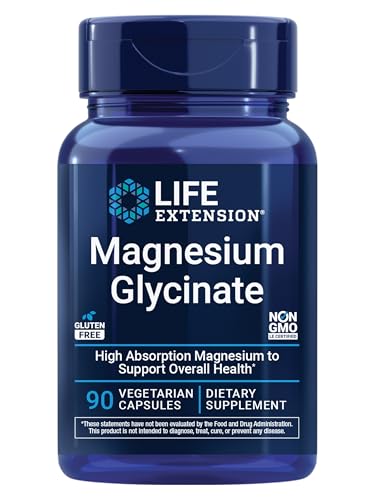
The Life Extension Magnesium Glycinate ($18) — Life Extension delivers 105 mg of elemental magnesium per serving, and for a sleep-focused buyer that's the sticking point. Reaching the 200 to 400 mg range used in sleep research means stacking servings, and a 90-capsule bottle empties fast when you do. The brand does plenty we like: gluten-free, non-GMO, vegetarian, formulas built around published research, and a Certificate of Analysis available for each product, which is more batch transparency than most brands offer without a seal. If you want a modest daily top-up rather than a therapeutic sleep dose, or you specifically want a COA you can request, it's a reasonable buy.
The Designs for Health Magnesium Glycinate Powder - ($47.49) — Designs for Health sells a flavored powder with the highest single-serving dose here, 300 mg per teaspoon of a patented bisglycinate chelate, sweetened with stevia so there's no sugar rush before bed. It's a practitioner brand, and the chelate is formulated specifically to avoid the digestive upset magnesium is known for. Two things keep it out of the picks. The product title says bisglycinate while a listing bullet describes 300 mg of magnesium citrate per teaspoon, and those are different compounds with different effects on your gut, so check the current label before you buy. And at 30 servings, a container goes quickly. If you're working with a clinician on magnesium repletion and want a high dose without pills, it's still worth a look.
Dosing and timing
Start with the Supplement Facts panel, not the front label. You're looking for elemental magnesium, and 200 to 400 mg a day is the range used in sleep research. Take it 60 to 90 minutes before bed, and give it several weeks — the trials that found real improvements ran a month or two, not a night. If 200 mg does nothing after two weeks, step up by 100 mg rather than doubling. Loose stools are the signal you've gone too far, so drop back a step. The NIH sets a tolerable upper limit of 350 mg of supplemental magnesium a day for adults. Anyone with kidney disease should talk to a doctor first, since impaired kidneys can't clear the excess.
Questions we get
How much magnesium glycinate should I take before bed?
The range documented in sleep research is 200 to 400 mg of elemental magnesium a day. Start at 200 mg taken 60 to 90 minutes before bed, then add 100 mg after a couple of weeks if nothing has changed. Use the elemental figure from the Supplement Facts panel, not the compound weight on the front — a capsule labeled 400 mg of magnesium glycinate may contain far less actual mineral.
What's the difference between magnesium glycinate and bisglycinate?
They're closely related. Glycinate means magnesium bound to glycine; bisglycinate means it's bound to two glycine molecules. The bisglycinate chelate holds together better in the digestive tract, so more mineral gets absorbed and you get more glycine, which is mildly calming on its own. Thorne, Nature Made and Designs for Health all use the bisglycinate form.
Is magnesium glycinate safe to take every night?
For most adults, yes. The NIH tolerable upper intake level for supplemental magnesium is 350 mg a day, and glycinate doesn't cause dependence or rebound insomnia the way prescription sleep aids can. The exception is chronic kidney disease — impaired kidneys can't excrete excess magnesium, which risks dangerously high blood levels. Check with a physician if that applies to you.
How long before it starts helping my sleep?
Clinical trials generally show measurable improvement after four to eight weeks of consistent use. Some people notice they're falling asleep faster within one to three weeks. Taking it at the same time every night matters more than the exact hour. If nothing has changed after eight weeks at the top of the range, see a doctor about other causes.
Why glycinate instead of citrate or oxide?
Magnesium oxide is cheap and common but absorbs poorly, so most of it never reaches your tissues. Citrate absorbs reasonably well but has a strong osmotic laxative effect at sleep-relevant doses, which can wake you up rather than settle you down. Glycinate absorbs well and stays gentle, and the glycine that comes with it supports relaxation on its own. Citrate makes more sense only if constipation relief is also a goal.
Can I take magnesium glycinate with melatonin?
Yes, and the two work through different pathways, so they don't compete. Magnesium acts on GABA and NMDA receptor activity while melatonin signals your circadian clock. A common approach is 200 mg of elemental magnesium plus a low melatonin dose about an hour before bed. Start with the smallest melatonin dose you can find — larger amounts aren't more effective and often leave you groggy in the morning.
Why you should trust us
For this guide:
- We read the Supplement Facts and label claims for all eight products, comparing elemental magnesium per serving rather than the compound weight printed on the front.
- We checked which products carry independent verification, either NSF Certified for Sport or USP Verified, and which rely on the manufacturer's own testing.
- We drew on published sleep research and recurring themes in owner feedback about stomach tolerance, pill size and how long a bottle really lasts.
- We read owner reviews on every listing, weighted toward the critical ones, because that is where the recurring failures show up.
- We have a systematic way of automatically fetching the latest prices, so the numbers on this page stay current.
- This is a research-focused guide, so the team may not own every product listed — though we often do own the top winners, which gives us extra context for the recommendations.
- We don't accept free products, and the retailer commission never changes which product we recommend.
Sources
Magnesium — Health Professional Fact Sheet, NIH Office of Dietary Supplements
The Effect of Magnesium Supplementation on Primary Insomnia in Elderly: A Double-Blind Placebo-Controlled Clinical Trial, Journal of Research in Medical Sciences — Abbasi et al. (2012)
Magnesium Research Summary and Evidence Grade, Examine.com
Magnesium and Sleep — Sleep Foundation Overview, Sleep Foundation
Magnesium Supplements Review — Testing & Quality Assessment, ConsumerLab
Amazon product listings and owner reviews for all 8 products
Manufacturer specification pages for each product
Some passages in this guide may be paraphrased with AI help. Prices are refreshed automatically.
More like this.
Continue exploring health reviews and recommendations.

The Best Pre-Workout Supplements
Pre-workout is mostly caffeine, and that's fine. What separates a good tub from a bad one is whether the rest of the label does anything. The ingredients…

The Best Probiotic Supplements
Most people buy a probiotic hoping for something simple: less bloating after dinner, a more predictable morning, a gut that bounces back faster after…

The Best Fish Oil Supplements
Fish oil is one of those supplements people buy once, take for a week, and then forget in a cabinet. Usually it's the burps. A fishy aftertaste that shows…

The Best Calming Treats and Supplements for Anxious Pets
Anxiety in pets rarely looks dramatic. It's the dog who paces by the door for three hours after you leave, or the cat who licks a bald patch into her…

The Best Sleep Aids and Gadgets
Sleep problems rarely have one cause. Sometimes the room's too bright, sometimes a neighbor's TV bleeds through the wall, and sometimes your brain just…

The Best Sleep Tracker Rings
A sleep ring earns its place by being something you forget you're wearing. That's the whole pitch. A watch on your wrist gets in the way when you roll…