The Best Pre-Workout Supplements
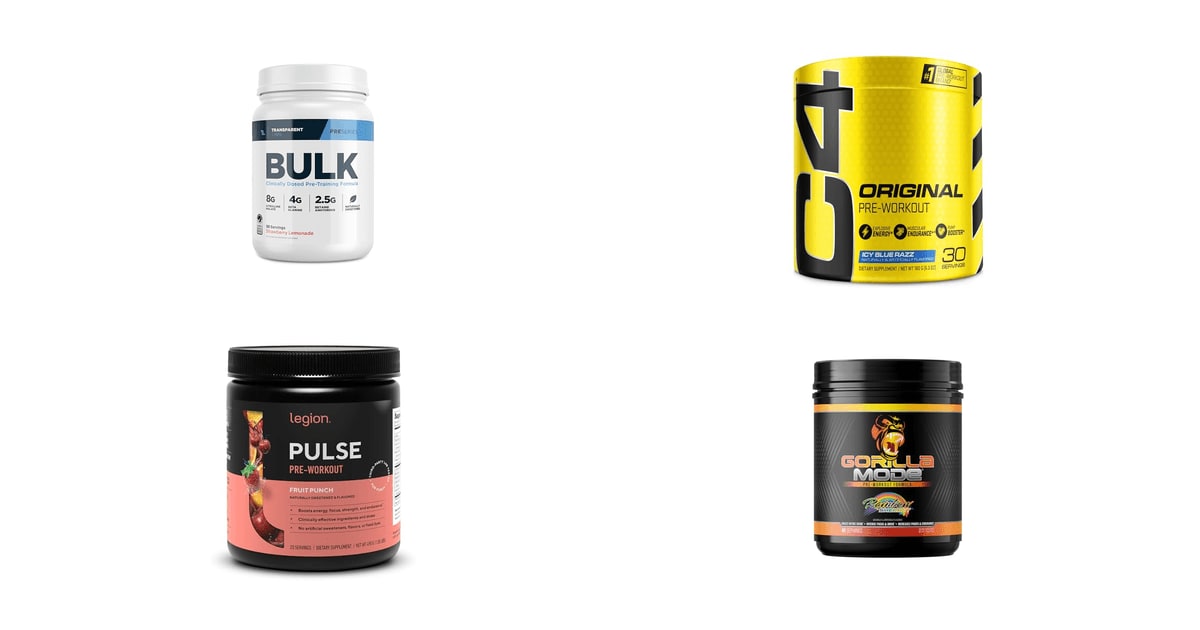
Pre-workout is mostly caffeine, and that's fine. What separates a good tub from a bad one is whether the rest of the label does anything. The ingredients with real evidence behind them — citrulline for blood flow, beta-alanine for muscular endurance, creatine for strength — only work at doses most brands don't bother hitting. So you end up paying for a scoop of flavored caffeine with a few token milligrams sprinkled on top. Knowing which products actually dose their ingredients is the whole game here.
Here's the honest part: no pre-workout will make you stronger on its own. It won't fix bad sleep, and it won't burn fat. What it does is help you show up and push a little harder on days you'd rather not. And the category has a real tolerance problem — take a high-caffeine formula every day and within a few weeks it stops feeling like anything. Supplements also aren't reviewed by the FDA before they hit shelves, so label accuracy varies more than it should.
We looked at what's actually in each scoop, whether the brand discloses doses, whether an independent lab checks the finished product, and what people say after a full tub. We think that the Transparent Labs BULK is the best pre-workout supplement for most people, and that the Cellucor C4 Original is the one to buy if you're new to caffeine or just don't want to spend much.
Everything we recommend

Real doses, a readable label, and no hiding behind blends

A gentle dose and a flavor you'll finish, for much less money
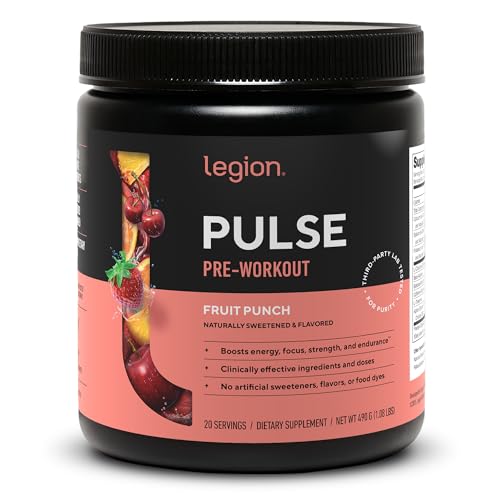
Clinical doses with nothing artificial, if you can take the caffeine

The maximum-dose option, when normal tubs stop doing anything

Certified, moderate, and easy to live with day to day
At a glance
| Product | Caffeine | Servings | Price | |
|---|---|---|---|---|
| Transparent Labs Bulk Pre Workout Powder -Top pick | — | 30 Servings | $49.99 |
| Cellucor C4 Original Pre Workout Powder IcyBudget pick | 150mg | 30 Servings | $29.99 |
| LEGION Pulse Pre Workout Supplement - AllAlso great | — | 20 Servings | $44.99On sale |
| Gorilla Mode Pre Workout - Massive PumpsUpgrade pick | 400mg | — | $59.99 |
| Optimum Nutrition Gold Standard Pre-WorkoutRunner-up | 175mg | 30 Servings | $25.14On sale |
How we picked
Label transparency. We favored products that list every ingredient with its exact dose. Proprietary blends that report only a total weight made it impossible to verify whether anything reached a useful amount, and we treated that as a serious mark against a formula.
Clinical dosing. We checked each label against the published thresholds — roughly 6–8 g citrulline malate or 3–6 g pure L-citrulline, 3.2 g beta-alanine per day, 3–5 g creatine. Ingredients present below those levels count as marketing, not performance.
Caffeine and tolerance. We looked for a spread of caffeine doses rather than picking one number, since the useful range scales with bodyweight and habit. We wanted at least one option under 200 mg for people starting out.
Third-party testing. NSF Certified for Sport and Informed Sport both require testing of finished product batches, not just an approved formula. We treated either one as close to mandatory for anyone subject to drug testing and as a useful accuracy signal for everyone else.
Mixing and flavor. Owner feedback made clear that grit, clumping and harsh aftertaste are the main reasons a tub goes unfinished. We weighted repeated complaints about texture heavily, since a supplement you skip does nothing.
Top pick
Real doses, a readable label, and no hiding behind blends
Transparent Labs Bulk Pre Workout Powder -
BULK lists every ingredient and its exact amount, and the important ones land at doses the research actually supports. It's naturally sweetened, batch-tested for banned substances, and strong enough that beginners should probably start with half a scoop.
$49.99fromAmazonMost pre-workouts hide behind proprietary blends, and BULK simply doesn't. You get a full list of ingredients with a number next to each one. That sounds like a small thing. It isn't. A blend labeled "5,000 mg Performance Matrix" can be four grams of cheap filler and a pinch of everything else, and you'd never know. Here you can check the math yourself before you buy.
The citrulline malate is the ingredient that earns the pick. BULK uses 8 g at the 2:1 ratio — the same form and roughly the same amount used in the studies on blood flow and delayed fatigue. Plenty of brands list citrulline and then dose it at a gram, which does nothing except let them print the word on the tub. Owners consistently describe strong, sustained pumps, which tracks with what's on the label.
Beta-alanine sits at 4 g, above the 3.2 g daily threshold that research points to for meaningful carnosine buffering. That matters if your training involves sets that burn — higher-rep work, conditioning, anything past about 60 seconds of effort. It also means you'll feel the tingle. Some people love it. Some people find it deeply annoying the first week.
Then there's the certification. BULK carries Informed Sport, which means individual production batches get screened against the banned-substance list rather than one formula getting approved once and never checked again. If you compete under any kind of drug testing, that's the difference between a defensible choice and a gamble. If you don't compete, it's still a decent proxy for whether the label is honest.
Flaws but not dealbreakers
The caffeine dose is 300 mg, and that's a lot if you're not used to it. For a smaller person or anyone who doesn't drink coffee, a full scoop can mean a racing heart and a jittery hour. Start with half. You can always add more next week.
It's one of the more expensive tubs here, and there's no getting around that — clinical doses of citrulline and beta-alanine cost real money in raw materials. The flavor lineup is also narrow compared with the big retail brands, and the stevia sweetening leaves a slightly different aftertaste than the candy-sweet artificial stuff. Several owners note it mixes frothy and needs a minute to settle before you drink it.
Budget pick
A gentle dose and a flavor you'll finish, for much less money
Cellucor C4 Original Pre Workout Powder Icy
C4 Original gives you 150 mg of caffeine, mixes into something that genuinely tastes good, and costs a fraction of what the clinically dosed tubs run. The performance ingredients are underdosed, but for a first pre-workout that's not the point.
$29.99fromAmazonIf you've never taken a pre-workout, this is where to start. The 150 mg of caffeine sits right at the bottom of the range that does anything useful — enough to feel more awake and more willing to train, not enough to leave you wired and anxious. Owners who describe themselves as nervous first-timers overwhelmingly report no jitters and no hard crash. That's the experience you want on day one.
Availability is an underrated feature. C4 is on the shelf at Target, Walmart, GNC, Costco and every pharmacy with a supplement aisle. You'll never be stuck waiting on a shipment or paying for two-day delivery because you ran out mid-week. The formula has also been in continuous production for well over a decade, which means an enormous number of people have taken it without incident.
The flavors are the other reason it keeps selling. Fifteen-plus years of reformulating has produced something that tastes like candy rather than like medicine, and the practical value of that is real — a tub you enjoy drinking is a tub you finish. A tub you dread becomes the one at the back of the cabinet. Consistency beats optimization for most people most of the time.
Flaws but not dealbreakers
Look past the caffeine and the label thins out fast. Beta-alanine comes in at 1.6 g, half the amount research supports, which still produces the skin tingle that makes it feel like it's working while doing little for actual endurance. The nitric oxide support is about 1 g of arginine nitrate — nowhere near the citrulline doses in our other picks, and arginine has weaker oral absorption anyway.
There's a proprietary Explosive Energy Blend, so the stimulant components beyond caffeine aren't individually disclosed. It's also not certified by NSF or Informed Sport, which rules it out for drug-tested athletes. And it's sweetened and colored artificially, if that matters to you.
A recurring complaint is grit. Several owners note it doesn't fully dissolve and leaves chalky sediment at the bottom of the shaker. Stirring partway through helps, but it's a known quirk.
Also greatOn sale
Clinical doses with nothing artificial, if you can take the caffeine
LEGION Pulse Pre Workout Supplement - All
Pulse hits the same citrulline and beta-alanine doses as our top pick with no artificial sweeteners, dyes or flavors anywhere. It carries independent third-party testing, and at 350 mg of caffeine it's aimed squarely at people with an established tolerance.
$44.99fromAmazonList priceClean-label products usually ask you to give something up. Pulse mostly doesn't. You get 8 g of citrulline malate at the 2:1 ratio and 3.6 g of beta-alanine — both above the thresholds the research supports — with every dose printed on the label and nothing hidden in a blend. The sweetening is entirely natural. If you've been avoiding pre-workout because you didn't want the dyes and sucralose, this is the one that solves that without dropping to token doses.
The third-party testing here is the strongest argument for it. Pulse is verified by an independent ISO 17025 accredited lab for purity and potency, with certification that the finished product contains no contaminants or banned substances. For anyone competing under WADA, USADA or NCAA rules, independently verified batches are close to non-negotiable — the risk of an undisclosed stimulant ending your season is small but permanent.
It's also creatine-free, which sounds like a downside and often isn't. Creatine works through daily saturation, not workout-day timing, so getting it in your pre-workout is neither necessary nor efficient. If you already take creatine separately — which is the sensible way to do it — Pulse doesn't double you up or charge you twice for it.
Flaws but not dealbreakers
At 350 mg, this is one of the two highest-caffeine products here. If you're new to stimulants or you're on the smaller side, that's genuinely too much, and a few owners describe an uncomfortably intense response the first time. Half a scoop is the reasonable entry point.
The natural sweeteners come with a trade-off you'll notice. Stevia leaves a slightly bitter finish that some people never warm to, and the flavor range is smaller than what the big retail brands offer. Owner sentiment is also more mixed than the other picks here — price complaints come up often, and so do occasional frustrations with the brand's customer service.
Upgrade pick
The maximum-dose option, when normal tubs stop doing anything
Gorilla Mode Pre Workout - Massive Pumps
Gorilla Mode packs 10 g of pure L-citrulline, 5 g of creatine, glycerol for hydration and a genuine nootropic stack into one scoop. It's built for lifters with real caffeine tolerance and isn't remotely appropriate as a first pre-workout.
$59.99fromAmazonSome people take a standard scoop and feel nothing at all. That's not imagination — daily caffeine builds tolerance through receptor changes, and after a few years the 150 mg tubs really do stop registering. Gorilla Mode is built for that person. The active ingredient total runs past 33 g per full serving, which is roughly triple what a typical retail pre-workout puts in a scoop.
The citrulline dose is the headline, and the form matters as much as the number. This is 10 g of pure L-citrulline, not citrulline malate. That distinction is worth understanding: 8 g of 2:1 citrulline malate contains only about 5.3 g of actual citrulline, with the rest being malic acid. So the gap between this and our top pick is wider than the label numbers suggest. Add 4 g of glycerol, which pulls water into muscle cells through a completely separate mechanism, and the pump effect stacks.
The focus ingredients are the other differentiator. There's 5 g of L-tyrosine, a precursor to dopamine and norepinephrine, plus 800 mg of Alpha-GPC and 200 mcg of huperzine A for acetylcholine support. These are dosed at or above the levels that show up in the research, which is unusual — most brands include 50 mg of tyrosine so they can list it. Owners who pay attention to ingredient panels consistently single this stack out.
Creatine at 5 g is a real inclusion too, not a rounding error. That's a full daily saturation dose, so if you're not already supplementing creatine separately, this covers it. Just remember that creatine needs consistency on rest days as well, so a pre-workout can't be your only source.
Flaws but not dealbreakers
The huperzine A needs managing. It has a half-life around 24 hours, so daily use causes it to accumulate rather than clear, and that's not something you want indefinitely. Most experienced users cycle five days on and two off, or take a couple of weeks off every other month.
Caffeine runs to 400 mg at a full dose, which is at or above the ceiling most health guidance suggests for a day from all sources. It isn't certified by NSF or Informed Sport, so drug-tested athletes should look elsewhere. And it isn't appropriate if you take MAO inhibitors or certain antidepressants — worth a conversation with your doctor first.
Mixing is the most common complaint by a wide margin. Cramming 33 g of powder into a shaker produces a thick, chalky drink that several owners describe as gritty and hard to finish. More water helps. So does splitting the scoop.
Runner-upOn sale
Certified, moderate, and easy to live with day to day
Optimum Nutrition Gold Standard Pre-Workout
Gold Standard is NSF Certified for Sport, runs a moderate 175 mg of caffeine, and dissolves better than almost anything else here. The formula is conservative — no citrulline, light on the performance side — but it's the one we'd hand a beginner or a tested athlete.
$25.14fromAmazonList priceNSF Certified for Sport is the most demanding third-party certification available to a US supplement brand. It screens for more than 270 substances banned by the major sports bodies, audits the manufacturing facility, and verifies label claims against the finished product. If you compete under NCAA, USADA, WADA or a pro league policy, that certification is documentation you can point to. And the certification is only on the tub because someone kept paying to renew it.
The 175 mg of caffeine is the other reason this is easy to recommend broadly. It's enough to feel, and not enough to wreck your evening or spike your heart rate. Owner feedback is remarkably consistent on this — steady energy, no jitters, no crash comes up again and again. That's the profile you want when you're still learning how you respond to stimulants.
Mixability sounds like a trivial spec until you've choked down a gritty scoop. Gold Standard dissolves almost completely; owners describe a powdered-sugar texture that disappears in a shaker cup with minimal effort. Optimum Nutrition has also been making supplements for decades under one of the more reliable reputations for label accuracy in a category that badly needs them.
It includes 3 g of creatine monohydrate and vitamin D. The creatine is at the low end of the 3–5 g research range, so treat it as a contribution rather than your full daily dose. The vitamin D is a small bonus for immune and hormonal support, especially if you train indoors year-round.
Flaws but not dealbreakers
There's no citrulline and no beta-alanine, and those are the two ingredients doing most of the performance work in our other picks. So you get energy and focus, but very little pump or endurance buffering. Experienced lifters will notice the gap immediately — a few owners describe the effect as mild and a little underwhelming.
It uses artificial flavoring and coloring, so if you came here for a clean label this isn't it. And relative to what's in the scoop, it isn't especially cheap; you're partly paying for the certification and the brand, which is a reasonable trade only if you actually need them.
Who this is for
This guide is for anyone who trains regularly and wants help pushing through the sessions they'd otherwise phone in. That covers a lot of people: someone lifting three mornings a week before work, a competitive powerlifter chasing a number, a runner who needs to get out the door. If you're new to stimulants, start at the low end and give yourself a few weeks before deciding you need more. If you already drink several coffees a day, the low-caffeine options here will probably feel like nothing, and that's information rather than a defect.
Skip pre-workout entirely if you have a diagnosed heart condition, high blood pressure, an arrhythmia or an anxiety disorder, or if you're pregnant or breastfeeding — talk to a doctor first. We only cover caffeinated powders here, so stimulant-free formulas for evening training, ready-to-drink cans and standalone creatine are out of scope. And none of this replaces sleep, food or a training program that makes sense. Pre-workout is a small edge on top of those, not a substitute for any of them.
How we picked
We started from what's actually in the scoop and worked outward. Transparency: every ingredient and its exact dose printed on the label, with proprietary blends counted against a product rather than overlooked. Dosing: the performance ingredients measured against published thresholds — 6–8 g citrulline malate or 3–6 g pure L-citrulline, 3.2 g of beta-alanine, 3–5 g of creatine — because anything below those is a label decoration. Caffeine: a spread from beginner-friendly to high-tolerance, since the useful dose scales with your bodyweight and your coffee habit. Certification: NSF Certified for Sport or Informed Sport, both of which test finished batches rather than approving a formula once. Texture and taste: heavy weight on repeated owner complaints about grit and clumping, because a tub you avoid drinking is money you've already wasted.
The competition
This lineup reflects what our research surfaced across the major pre-workout brands, not an exhaustive survey of a category that adds new tubs every month. Every product here earned a recommendation for a specific kind of buyer, which is why none of them ended up in a losers' pile. Below is the short version of who each one is genuinely for, so you can match yourself to a tub without rereading the whole guide.
How to take it
Take your scoop 20 to 30 minutes before you train. Caffeine peaks in your blood around 45 to 60 minutes, but you'll feel it inside 20, and citrulline peaks a bit later — a proper warm-up covers the gap nicely. If pre-workout on an empty stomach makes you queasy, push it to 45 minutes out and have a small carb snack with it. The rule that matters most is the bedtime one: caffeine's half-life runs about five to six hours, so a 6 p.m. scoop is still working on you at midnight even if you don't feel wired. Give yourself six hours of clearance. And take at least one or two caffeine-free training days a week — it keeps the stuff working.
Questions we get
How much caffeine should a pre-workout have?
The research points to roughly 3–6 mg per kilogram of bodyweight, which for a 150-pound person works out to about 200–410 mg. In practice, start at 100–175 mg if you're new to it, sit around 200–300 mg once you've got some tolerance, and only go past 300 mg if high doses genuinely don't faze you. More isn't better here — matching your own tolerance is what matters.
Is it safe to take pre-workout every day?
Mostly yes, with caveats. High-caffeine formulas taken daily build tolerance fast, so within a few weeks you'll feel less from the same scoop. Gorilla Mode specifically shouldn't be taken every day because huperzine A has a roughly 24-hour half-life and accumulates — five days on, two off is the common approach. If you notice persistent racing heart, anxiety or wrecked sleep, cut the dose or take a few weeks off.
What's best if I'm sensitive to caffeine?
C4 Original at 150 mg or Gold Standard at 175 mg are the two gentlest options here, and Gold Standard adds NSF certification if you want extra assurance about what's in the tub. If you've reacted badly to caffeine before, start with half a scoop of either and see how you feel. A stimulant-free pump formula may be the better answer if even that's too much.
Will a pre-workout help me lose fat?
Not directly. No pre-workout burns fat in any meaningful clinical sense — caffeine has a mild thermogenic effect, but it's small. The real mechanism is indirect: if it helps you train harder and longer, you burn more total calories. Any of these work for that, though BULK and Pulse suit body-composition goals well since they're near-zero calorie with no added sugar.
Can women take the same pre-workouts as men?
Yes. Caffeine, citrulline, beta-alanine and creatine all work through mechanisms that aren't sex-specific. The one practical difference is bodyweight — since the caffeine range is per kilogram, a 130-pound person hits the effective ceiling at a lower absolute dose than a 200-pound one. Products marketed as women's pre-workout are typically just lower-caffeine versions with different flavors.
Why does pre-workout make my skin tingle?
That's paresthesia from beta-alanine, and it's harmless. It's also a bit of a trap: the tingle happens well below the 3.2 g daily dose that actually improves endurance, so a product can make you feel something while doing very little. If it bothers you, it usually fades with consistent use, and splitting your scoop into two smaller doses helps.
Why you should trust us
For this guide:
- We compared the published ingredient panels and manufacturer specifications for every product here against the dosing thresholds reported in exercise-science literature.
- We read published reviews and independent lab and certification records, including NSF Certified for Sport and Informed Sport listings, to check which claims are verified by someone other than the brand.
- We read through owner feedback for each product, looking for repeated themes around mixing, texture, jitters and crash rather than isolated opinions.
- We read owner reviews on every listing, weighted toward the critical ones, because that is where the recurring failures show up.
- We have a systematic way of automatically fetching the latest prices, so the numbers on this page stay current.
- This is a research-focused guide, so the team may not own every product listed — though we often do own the top winners, which gives us extra context for the recommendations.
- We don't accept free products, and the retailer commission never changes which product we recommend.
Sources
Beta-Alanine Supplement Overview — Examine.com, Examine.com
Caffeine Supplement Overview — Examine.com, Examine.com
Citrulline Supplement Overview — Examine.com, Examine.com
Creatine Supplement Overview — Examine.com, Examine.com
ISSN Position Stand: Caffeine and Exercise Performance, Journal of the International Society of Sports Nutrition
NSF Certified for Sport — Product Database, NSF International
Informed Sport — Certified Products Database, Informed Sport
Pre-Workout Supplement Reviews and Testing, ConsumerLab.com
Amazon product listings and owner reviews for all 5 products
Manufacturer specification pages for each product
Some passages in this guide may be paraphrased with AI help. Prices are refreshed automatically.
More like this.
Continue exploring health reviews and recommendations.

The Best Fish Oil Supplements
Fish oil is one of those supplements people buy once, take for a week, and then forget in a cabinet. Usually it's the burps. A fishy aftertaste that shows…

The Best Probiotic Supplements
Most people buy a probiotic hoping for something simple: less bloating after dinner, a more predictable morning, a gut that bounces back faster after…

The Best Magnesium Glycinate Supplements for Sleep
Magnesium is one of the few supplements with a real, if modest, case behind it for sleep. Roughly half of American adults fall short of the recommended…

The Best Gym Bags And Workout Backpacks
Your gym bag has one job: get your stuff from the door to the locker and back without turning into a science experiment. That means room for shoes that…

The Best Workout Gloves and Lifting Grips
Your hands are the weak link in most lifts long before your back or legs are. Skin tears at the base of the fingers, calluses catch on knurling, and a bar…

The Best Kettlebells for Home Workouts
Most home gym gear ends up as a coat rack. A kettlebell doesn't. One bell sits in a corner, takes up less room than a laundry basket, and covers swings,…