The Best Workout Gloves and Lifting Grips
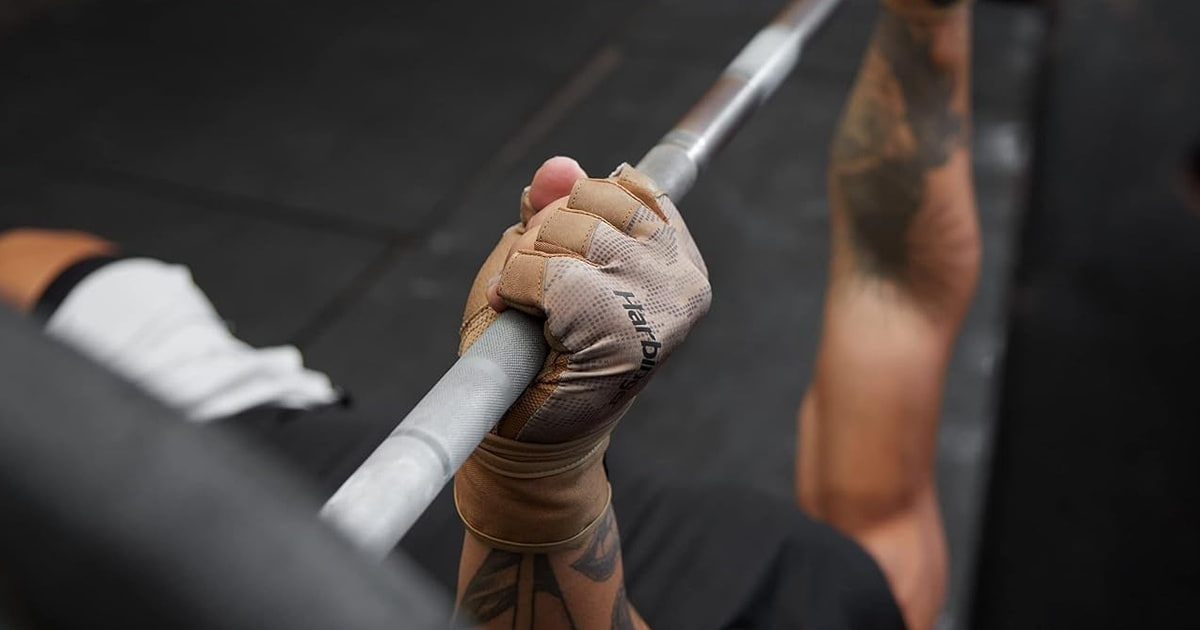
Your hands are the weak link in most lifts long before your back or legs are. Skin tears at the base of the fingers, calluses catch on knurling, and a bar rolling into your palm on a heavy row hurts in a way that ruins the set. A good glove or grip spreads that pressure out and adds a little wrist support. It won't make you stronger. It just keeps the boring, painful stuff from cutting your session short.
Here's the honest catch: nothing in this category is free. Anything you put between your hand and the bar makes the bar effectively thicker, which makes it harder to hold, and leaning on gloves for every set does slow your raw grip development. Gloves that fit even slightly loose bunch under the bar and feel worse than bare hands. And every one of these gets soaked in sweat, so odor is a matter of when, not if. Plan on washing them.
So think about what you actually do. If you're a general lifter moving between squats, presses and rows, you want a full glove with a real wrist wrap. If you live on the pull-up bar, you want gymnastics grips instead. We think that the Harbinger Pro Wristwrap Gloves 2.0 are the best workout gloves for most people, and that the RDX Weight Lifting Gloves are the ones to buy if you want maximum wrist support under heavy pressing.
Everything we recommend

Padded leather and real wrist support, for most kinds of lifting

More wrist support than most gloves, if you don't mind bulk

Thick padding and good airflow, for light to moderate training

Straps and grip pads in one, with a fast, safe release

The grip to wear for pull-ups and high-rep gymnastics work
Prices as of Oct 22, 7:36 AM PT · Details
At a glance
| Product | Wrist Support | Palm Protection | Price | |
|---|---|---|---|---|
| Harbinger Pro Wristwrap Gloves 2.0 for WeightliftingTop pick | Wrist Wraps | Leather Palm | $31.41 |
| Bear KompleX - Cross Training GripsAlso great | Wrist Wraps | Carbon Fiber | $49.98 |
| Versa Gripps ClassicUpgrade pick | Quick Release | Textured Grip | $49.99 |
 | Gymreapers Weight Lifting GripsAlso consider | Neoprene Padded | Rubber Grips | $39.99 |
 | Trideer Workout Gloves for MenAlso consider | Wrist Wrap Support | Full Palm Protection | $16.99 |
| HOZMOZ Ventilated Weight Lifting GlovesBudget pick | — | 6mm Padding | $7.99On sale |
 | WOD Nation Gymnastic Bar Hand Protectors -Also in lineup | Nylon Wrist Straps | Leather | $12.99 |
| RDX Weight Lifting Gloves Gym WorkoutRunner-up | 50CM Wrist Support | — | $24.99On sale |
 | Bionic Men's Beastmode Full Finger Fitness GlovesAlso consider | — | Leather Palm | $44.99 |
 | Mechanix Wear: M-Pact Covert Tactical Gloves withAlso in lineup | TPR Wrist Closure | D3O Palm Padding | $28.99On sale |
Prices as of Oct 22, 7:36 AM PT · Details
How we picked
Palm protection. We looked for genuine leather, tough synthetic leather or a padded pad of at least a few millimeters, since that's what actually stops calluses from tearing under a knurled bar. Thin single-layer synthetics got downgraded.
Wrist support. We compared strap length and how the wrap attaches, because a short tab adds snugness while a long strap adds real joint stability. Gloves with straps that owners report loosening mid-set didn't make the picks.
Grip on the bar. Specs and published reviews told us which surfaces hold without chalk — silicone strips, rubberized neoprene, carbon fiber — and which need chalk to work. We also weighed how much thickness each design adds to the bar.
Fit and sizing. Owner feedback about sizing running small or large mattered a lot here, since a glove that's half a size off bunches under the bar. Brands with clear, hand-specific size charts scored better.
Durability and washing. We read owner reports on stitching, peeling silicone and worn-through palms after months of use, and we checked whether each pair can go in a machine or needs hand washing.
Top pick
Padded leather and real wrist support, for most kinds of lifting
Harbinger Pro Wristwrap Gloves 2.0 for Weightlifting
A padded genuine leather palm with an integrated wrist wrap, built for someone who does a bit of everything in one session. It's the pair you leave in your gym bag and stop thinking about, and owners routinely get years out of them.
$31.41fromAmazonPrices as of Oct 22, 7:36 AM PT · Details
The wrist wrap is the main reason to buy these. The strap is built into the glove rather than tacked on, so it cinches your wrist down for bench, overhead press and heavy rows. Budget gloves tend to include a token strap that loosens by your third set. This one stays put. If your wrists ache under a loaded barbell, that's the difference you'll feel first.
The padded leather palm handles knurling better than foam. Leather spreads bar pressure across your whole hand instead of letting it dig into the base of your fingers, which is exactly where calluses tear. The perforated two-piece palm lets some air through, so your hands don't turn swampy halfway through a long session. Expect a few workouts of break-in before the leather softens and molds to your hand.
One pair covers your whole session. Squats, bench, rows, curls, cable work — you're not swapping gear between movements. The wider finger holes and the four-way stretch fabric on the back mean you can still open your hand to grab a dumbbell or check your phone. Grips and gymnastics gear are far more specialized. These are the generalist, and for most people that's the right call.
Harbinger has been making gym gear for decades, and the design reflects it. There's no gimmick here, just a well-made glove that does the obvious things well. Owners who've bought multiple pairs over the years often report wearing a set out over several years before the stitching finally goes, which is a long life for something that gets soaked in sweat three or four times a week.
Flaws but not dealbreakers
They run small. Plenty of owners find their usual glove size feels tight and end up reordering a size up. Measure the circumference of your palm at its widest point, thumb excluded, and check it against Harbinger's own chart rather than a generic one. If you're between sizes with a full glove, go up.
Some longtime owners think the build has slipped. People who wore earlier Harbinger pairs for years report that the stretch fabric and stitching on the current version haven't held up the same way. Most feedback is still positive, so this isn't a reason to avoid them. But if you're replacing a decade-old pair, temper your expectations a little.
They're bulky for fast bar work. Any full glove adds thickness between your hand and the bar, which makes touch-and-go deadlifts and high-rep pull-ups harder, not easier. For that kind of training you want a low-profile grip pad or gymnastics grips instead.
Runner-upOn sale
More wrist support than most gloves, if you don't mind bulk
RDX Weight Lifting Gloves Gym Workout
A Maya Hide leather glove with a 50cm wrist strap, roughly twice the wrap of a normal gym glove. If your wrists are the thing that fails on heavy pressing, this gets you close to dedicated wrap territory without the extra gear.
$24.99fromAmazonTypical pricePrices as of Oct 22, 7:36 AM PT · Details
The 50cm strap is the whole point. Most gym gloves give you a short tab that adds a bit of snugness and not much else. This one wraps your wrist several times, so you can dial in how tight it sits and get genuine joint stabilization. If you press heavy and your wrists bend back under the bar, this is the glove in the lineup that addresses it most directly.
The palm is layered rather than one slab of foam. Silicone, foam and EVA padding sit in segments across the palm, so you get cushioning where the bar sits and grip texture where you need friction. That mix works well on heavy dumbbell work, where a smooth palm tends to slip once your hands get damp.
Maya Hide leather holds up to abrasion. It's a synthetic, but a tough one, and it resists the scuffing that eats through basic PU palms after a few months of rack and bench contact. There's also a secondary hook-and-loop closure at the inner wrist, so the fit doesn't drift as the main strap loosens over a long set.
Small touches make it easier to live with. Pull tabs on two fingers of each glove get them off without a fight when your hands are sweaty, and there's a cotton towel panel for wiping your face between sets. Elasticated fabric across the back keeps your hand from feeling shrink-wrapped when you make a fist.
Flaws but not dealbreakers
Wrapping 50cm of strap takes time. Every set where you want them off and back on costs you a few seconds per hand. That's fine for a powerlifting session with long rests. It's genuinely annoying in a circuit or anything where you're moving quickly between stations.
They're heavy and bulky. This is the thickest, most padded traditional glove here, and it feels like it during high-rep accessory work. For fast barbell cycling or anything gymnastic, it's the wrong tool.
Budget pickOn sale
Thick padding and good airflow, for light to moderate training
HOZMOZ Ventilated Weight Lifting Gloves
A ventilated microfiber glove with a 6mm pad running from palm to fingertips. If you're a few months into training and don't want to spend much, this covers callus prevention and basic grip without asking for a real commitment.
$7.99fromAmazonTypical pricePrices as of Oct 22, 7:36 AM PT · Details
The padding is thicker than the price suggests. A single 6mm cushioning pad runs from your palm all the way to your fingertips, so there's no thin seam right where a dumbbell handle sits. For machine work, moderate barbell sets and floor exercises, that's plenty. You'll stop noticing the bar digging in, which is the main thing you're buying.
Ventilation is the smart part of the design. Breathable mesh and an open back keep air moving over your hand, and the moisture-wicking inner layer helps too. Sweat trapped in a synthetic glove is what turns it rank within a month, so airflow matters more than it sounds like it should on a cheap pair.
Anti-slip silicone covers the full palm. You get grip across the whole contact area rather than a few strips that peel off. That helps on kettlebells and dumbbells, where a slick palm is the difference between a controlled rep and a scary one.
The details are more thoughtful than most budget gloves. There's a V-shaped cut where the thumb meets the index finger, which is the spot that usually tears first on cheap gloves. Quick-release fingertip tabs get them off easily, and a small towel panel handles sweat. Hook-and-loop closures let you tune the fit as the material breaks in.
Flaws but not dealbreakers
The materials won't last like leather. Microfiber is abrasion-resistant for what it is, but under heavy barbell loads several times a week it'll wear through faster than the leather palms on our top pick. If you're training hard and often, treat these as a stopgap.
Sizing runs small, and the pad is thick. Order up if you're between sizes. And that 6mm pad, generous as it is, puts more material between your hand and the bar than a serious lifter usually wants on heavy pulls.
Upgrade pick
Straps and grip pads in one, with a fast, safe release
Versa Gripps Classic
A self-supporting grip that goes around your wrist but never loops under the bar, so you can drop the weight instantly. If grip fatigue is what ends your back sets before your back does, this is the fix.
$49.99fromAmazonPrices as of Oct 22, 7:36 AM PT · Details
You can let go whenever you want. Traditional lifting straps loop under the bar, which is exactly what makes them scary — if a heavy row goes wrong, you're tied to it. These wrap your wrist and pin the bar against a textured pad instead. Release is instant. That safety margin is the single best argument for spending more here.
Your grip stops being the limit on pulling work. Rows, lat pulldowns, shrugs and rack pulls all end early when your forearms give out first. Take grip fatigue out of the equation and you can actually work the muscle you're targeting to the point you intended. Lifters who switch usually notice it on their second or third pulling session.
They replace two things you'd otherwise carry. You don't need gloves for palm protection and straps for pulling — the padded lining and textured grip material handle both jobs. That's one item in the bag, and one decision fewer at the rack.
Fit is by wrist measurement, not hand size. Four sizes are available, spanning roughly five inches of wrist circumference up past eight. Measure your wrist and match the chart. Getting this right matters more than usual, because the whole design depends on the cuff staying anchored while you pull.
Flaws but not dealbreakers
There's a real learning curve. The first few sessions feel awkward while you work out how to seat the pad against the bar and how much tension to keep in your hand. Give it a week before you decide. Some people never quite click with them.
They're the most expensive thing here, and overkill for most people. If you're doing moderate loads and mostly want your hands to stop hurting, a padded glove does that for a fraction of the outlay. These earn their keep only if heavy pulling is a regular part of your week.
Also great
The grip to wear for pull-ups and high-rep gymnastics work
Bear KompleX - Cross Training Grips
Lightweight carbon fiber grips built for the pull-up bar, rings and rig. They stay sticky when your palms are wet, which is when leather grips and bare hands start sliding and skin starts tearing.
$49.98fromAmazonPrices as of Oct 22, 7:36 AM PT · Details
Carbon fiber grips when your hands are soaked. Leather needs chalk to work well and gets slick without it. The carbon fiber texture here generates friction on its own, so you stay locked on the bar deep into a set when sweat has already beaten everyone else's grip. If your gym doesn't allow chalk, that alone makes the case.
They protect the exact skin that rips. Blisters and tears on gymnastics movements almost always start at the base of the fingers, where the bar rolls as you kip. A grip sits between that skin and the knurling and takes the friction instead. Come back tomorrow with intact hands rather than taped ones.
They're light enough to forget you're wearing them. These weigh almost nothing, so they don't slow down transitions between toes-to-bar, pull-ups and the barbell. Quadruple stitching and adjustable wrist wraps keep them from shifting or bunching mid-set, which is the failure mode that makes cheap grips useless.
Two-hole and three-hole versions suit different hands. Three-hole spreads the load across more fingers and feels more secure to most people; two-hole leaves more finger free and feels less restrictive. Neither is wrong. Size off the chart, because a grip that's too long folds over at the bar.
Flaws but not dealbreakers
The surface is rough until it breaks in. New carbon fiber grips can feel abrasive against your palm for the first few sessions. That fades, but the early workouts aren't especially comfortable.
They only do one job. These are bar-and-ring gear. For dumbbell pressing, machine work or anything where you need to open your hand and grab something quickly, you'll want a glove instead. Most people who buy these end up owning gloves too.
Who this is for
Buy a glove or grip if your hands are what stops your sets. That's most beginners, whose palms haven't built calluses yet, and plenty of experienced lifters who'd rather not tear skin on a Tuesday. It's also for anyone whose wrists complain under a loaded barbell, since a wrap-style glove costs less and takes up less room than dedicated wraps. If you do high-rep pull-ups or ring work, get gymnastics grips instead of gloves — different problem, different tool.
Skip all of it if you're chasing raw grip strength, or if you compete in something where grip is part of the sport. Plenty of strong people train bare-handed on purpose and use chalk when they need friction. A reasonable middle path is gloves for high-volume accessory work and bare hands for your heaviest pulls. This guide covers gloves, palm grips and gymnastics grips; it doesn't cover chalk, wrist wraps sold on their own, or lifting straps that loop under the bar.
How we picked
We built the shortlist around five things. Palm protection: genuine or tough synthetic leather, or a pad thick enough to keep knurling from digging into the base of your fingers. Wrist support: how long the strap is and whether it's integrated into the glove or just tacked on, since that's the difference between snug and stable. Grip: whether the surface holds when your palms are wet, and how much thickness it adds to the bar, because a fatter bar is a harder bar to hold. Fit: clear brand-specific size charts and owner reports about sizing running small, since a loose glove bunches and feels worse than nothing. Durability and washing: stitching, peeling silicone, worn palms, and whether you can throw them in the machine or have to hand wash and condition them.
Other workout gloves and lifting grips worth considering
If you want a low-profile grip pad for deadlifts: The Gymreapers Weight Lifting Grips — The Gymreapers Weight Lifting Grips protect only the strip of palm the bar actually sits on, so they don't fatten the bar the way a full glove does. Rubberized neoprene holds well without much chalk, the padded wrist wraps add support, and you can pull them off quickly between working sets. They're a better deadlift and row tool than any glove here. But you get less coverage for pressing and dumbbell work, they're no use on the pull-up bar, and neoprene picks up odor if you train in them daily.
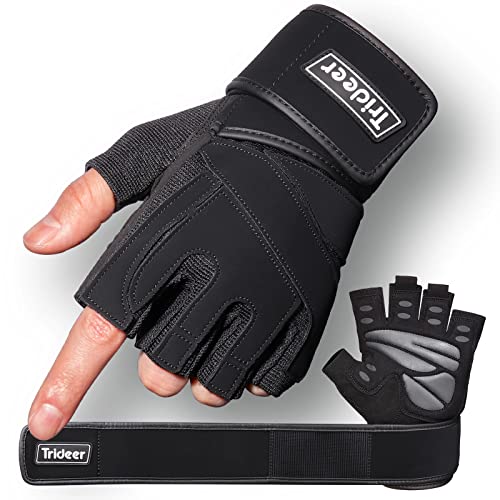
If you want a first pair of gloves with a long wrist wrap: The Trideer Workout Gloves for Men — The Trideer Workout Gloves pack a thick palm pad, hexagonal silicone grip dots and an 18-inch wrist brace into an inexpensive package, and the size range goes small enough to fit narrow hands properly — the brand notes that size S suits most women. A fingertip pull tab makes them easy to peel off. The trade-offs are what you'd expect at this level: the silicone can start lifting after months of heavy use, and the padding can bottom out under a really loaded barbell. As a starter glove, it's hard to argue with.
If your hands hurt when you lift: The Bionic Men's Beastmode Full Finger Fitness Gloves — The Bionic Men's Beastmode gloves use a patented relief-pad system that evens out the surface of your palm, spreading pressure away from the spots that flare up. Pre-rotated fingers follow your hand's natural curl, so making a fist around a bar takes less effort. Full-finger coverage means no knuckle abrasion, the fingertips work on a touchscreen, and there's a terrycloth thumb for sweat. They cost a lot, sizing runs slightly small for wide hands, and full fingers cut down how much you feel the bar. For arthritis or chronic hand pain, that's a fair trade.
The competition
These are the other options our research turned up, not a survey of everything for sale. Each one lost to a pick for a specific reason, and in a couple of cases the reason is narrow enough that you might still want it.
The WOD Nation Gymnastic Bar Hand Protectors - — The WOD Nation Gymnastic Bar Hand Protectors are leather gymnastics grips with reinforced nylon wrist straps and triple stitching, aimed at pull-up bars, rings and kettlebell work. They're a common first pair at CrossFit gyms and they cost far less than our carbon fiber pick. The catch is that leather needs chalk to grip properly and gets slick without it, and under real volume it wears faster than carbon fiber. If your gym allows chalk and you're still building up your gymnastics work, they're a sensible place to start.
The Mechanix Wear: M-Pact Covert Tactical Gloves with — The Mechanix Wear M-Pact Covert gloves are work gloves, not gym gloves, and that's both the appeal and the problem. D3O palm padding and thermoplastic rubber knuckle protection soak up impact and vibration in a way no lifting glove attempts, the fingertips work on a touchscreen, and they're machine washable. But there's no wrist wrap, the full-finger construction is heavy for barbell work, and the padding is built for dropped tools rather than knurling. Strongman athletes flipping tires, pushing sleds and handling odd objects are the people who should look at these.
Sizing and care
Sizing does more for comfort than any feature on the box. Measure your palm circumference at its widest point, thumb excluded, and check it against that brand's own chart — they don't agree with each other. If you're between sizes, size up for full-finger gloves and size down for grip pads, which need to sit flat and tight. A glove that's even half a size big will bunch under the bar and feel worse than bare hands. For washing, synthetics like the HOZMOZ, Trideer and Mechanix pairs can go through a machine on warm and air dry; never put any of them in a dryer. Leather palms want a hand wash and the occasional conditioning, and everything should be aired out rather than left balled up in your gym bag.
Questions we get
Are workout gloves actually worth it?
For most people, yes. If you're new to lifting, prone to tearing calluses, or your wrists feel unstable under a loaded bar, gloves solve real problems cheaply. Plenty of experienced powerlifters and CrossFit athletes train bare-handed on purpose, so it's not a universal recommendation — it depends on whether your hands are what's holding you back.
Do gloves weaken your grip over time?
Relying on them for every single lift can limit how much your grip develops, since you're taking load off the muscles that would otherwise adapt. The practical compromise is wearing gloves for high-volume accessory work and going bare-handed for your heaviest pulls. That way you get the skin protection where you need it and still train your grip.
What's the difference between gloves, grips and straps?
Gloves cover your whole hand for broad palm and finger protection. Grip pads like the Gymreapers protect just the strip of palm the bar sits on, without adding much thickness. Lifting straps loop around the bar and your wrist and take over the job of holding on entirely — the most supportive option, but the one that does least for your own grip, and the slowest to bail out of.
What works best for smaller hands?
The Trideer gloves go down to sizes made for narrow hands, and the brand notes that size S fits most women. Bear KompleX grips also size down, which matters on the pull-up bar where an oversized grip folds over. Versa Gripps sizes by wrist circumference rather than hand size and starts at a five-inch wrist, so measure there instead.
Should I wear gloves for heavy deadlifts?
Most coaches suggest grip pads over gloves here. A full glove adds material between your hand and the bar, which effectively makes the bar thicker and harder to hold — the opposite of what you want at heavy weight. The Gymreapers grips are built for exactly this, and Versa Gripps go further if grip fatigue is ending your sets early.
Leather or synthetic?
Genuine leather and tough synthetics like RDX's Maya Hide both beat basic PU for durability and friction, especially with chalk. Leather needs a short break-in and hand washing, but it molds to your hand and lasts. Synthetics like neoprene and microfiber need no break-in and usually go in the washing machine, which is worth a lot if you train daily.
Why you should trust us
For this guide:
- We read the full specification sheets and listing details for every glove and grip here, comparing palm materials, padding thickness, strap length and closure systems side by side.
- We went through published reviews and owner feedback themes for each product, paying particular attention to recurring complaints about sizing, peeling silicone and stitching failures.
- We did not test any of these ourselves, so every claim above traces back to manufacturer specifications, published reviews or patterns in what owners report.
- We read owner reviews on every listing, weighted toward the critical ones, because that is where the recurring failures show up.
- We have a systematic way of automatically fetching the latest prices, so the numbers on this page stay current.
- This is a research-focused guide, so the team may not own every product listed — though we often do own the top winners, which gives us extra context for the recommendations.
- We don't accept free products, and the retailer commission never changes which product we recommend.
Sources
Best Workout Gloves of 2026, BarBend
Best Gym Gloves Tested and Reviewed, Garage Gym Reviews
The Best Workout Gloves for Lifting, Men's Health
Best Workout Gloves for Women, Women's Health
Best Workout Gloves 2026, Verywell Fit
Best Weightlifting Gloves, Healthline
Lifting Straps vs. Gloves: Which Should You Use?, BarBend
Should You Wear Gym Gloves? Pros, Cons, and Alternatives, Healthline
Amazon product listings and owner reviews for all 10 products
Manufacturer specification pages for each product
Some passages in this guide may be paraphrased with AI help.
Product prices and availability are accurate as of the date/time indicated and are subject to change. Any price and availability information displayed on Amazon.com at the time of purchase will apply to the purchase of this product.
More like this.
Continue exploring health reviews and recommendations.

The Best Hand Grip Strengtheners for Therapy
Hand strength shows up in the small stuff. Opening a jar, turning a key, holding a coffee cup without thinking about it. When an injury, surgery, or…

The Best Boxing Gloves and Punching Bags for Home Training
Hitting a bag at home is one of the few workouts that doubles as stress relief. You don't need a gym membership or a training partner. But the gear…

The Best Pre-Workout Supplements
Pre-workout is mostly caffeine, and that's fine. What separates a good tub from a bad one is whether the rest of the label does anything. The ingredients…

The Best Kettlebells for Home Workouts
Most home gym gear ends up as a coat rack. A kettlebell doesn't. One bell sits in a corner, takes up less room than a laundry basket, and covers swings,…

The Best Gym Bags And Workout Backpacks
A gym bag spends its life getting abused. You stuff damp clothes into it, drop it on a locker room floor, sling it over one shoulder on a crowded train,…

The Best Compression Clothing for Workout Recovery
Compression gear is one of the few pieces of workout equipment you wear when you're not working out. The idea is simple: snug fabric squeezes your legs,…