The Best Meal Prep Containers
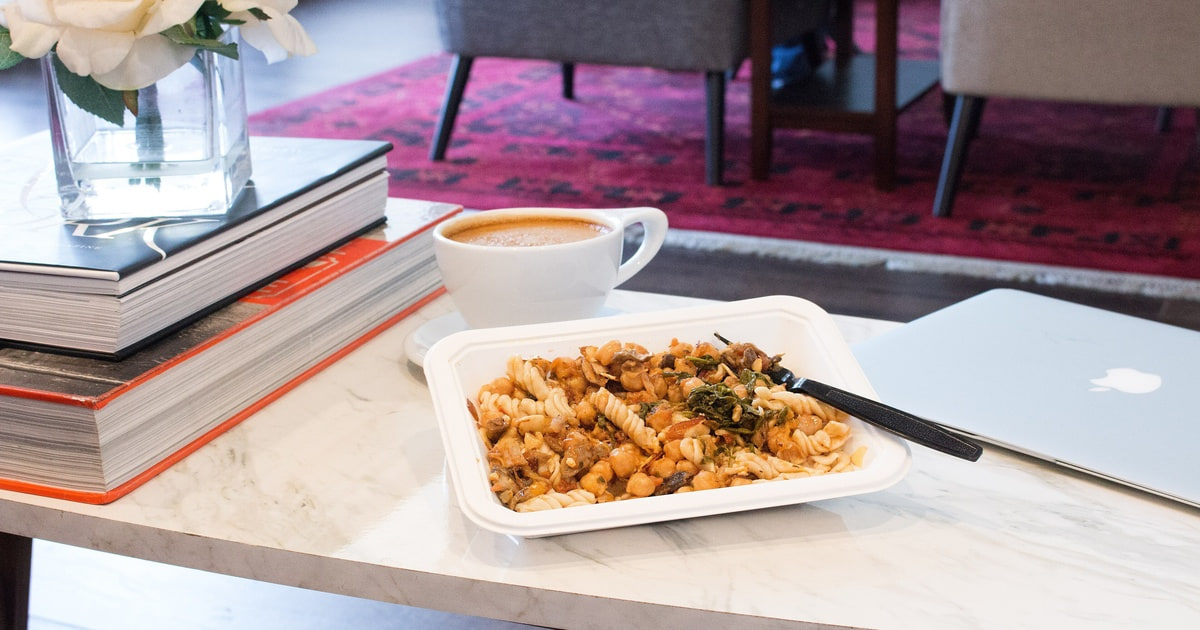
Meal prep containers get judged on Sunday afternoon and again on Wednesday morning. On Sunday they need to hold five portions of chicken and rice without hogging half the fridge. On Wednesday they need to survive a commute in a tote bag without leaking vinaigrette onto your laptop. That second job is where most sets fail. A container that seals well when it's new, stays clear after tomato sauce, and reheats without you transferring food to a plate will quietly save you a few minutes every single day.
Here's the honest part: no container does everything. Glass reheats cleanly and won't stain, but it weighs two to three times more than plastic of the same volume, and you'll feel that when you're carrying two meals plus a laptop. Plastic is light and won't shatter, but it can't go in the oven and the good stuff costs more than the cheap stuff for a reason. And every set on this page uses plastic or silicone somewhere in the lid, which means the lid will wear out before the container does. Plan on replacing lids.
Compartments are the other trade-off. Bento-style boxes keep dressing off your greens and make portioning easy, but they hold less total food and stack worse than plain rectangles. Most people end up with a mix. We think that the Pyrex Simply Store 12-Pack is the best meal prep container set for most people, and that the Rubbermaid Brilliance 44-Piece Set is the one to buy if you carry your lunch every day and want something light that won't leak.
Everything we recommend

Enough sizes to cover a week, and the glass outlasts you

Light, genuinely leak-proof, and it stays clear

Borosilicate glass and snap-lock lids for less per container

The best lids here, on borosilicate that goes freezer to oven

Three sealed compartments in glass, sized for a lunch bag
At a glance
| Product | Material | Capacity per Container | Price | |
|---|---|---|---|---|
| Pyrex Simply StoreTop pick | Glass | — | $47.29 |
| PrepNaturals 5 Pack 30oz Glass Meal PrepBudget pick | Borosilicate Glass | 30oz | $26.99On sale |
| Rubbermaid Brilliance BPA Free 44-Piece Food StorageRunner-up | Clear Tritan Plastic | — | $79.99On sale |
| OXO Good Grips Smart Seal Glass FoodUpgrade pick | Borosilicate Glass | 8 Cup / 7 Cup | $34.83 |
 | Orivastine 4 Pack Bento Lunch Box SetAlso in lineup | Wheat Straw | — | $9.99 |
| Bentgo Glass Lunch BoxAlso great | Glass | 5-Cup | $19.99 |
 | WeeSprout Glass Baby Food Storage Jars w/LidsAlso consider | Glass | 4 oz | $26.98 |
 | Caraway 13-Piece Glass Food Storage Container SetAlso consider | Glass | — | $225 |
How we picked
Leak-proof sealing. We prioritized lids with four locking tabs and a silicone gasket, since America's Test Kitchen found near-zero leakage from four-tab designs at a 45-degree tilt versus significant leakage from two-tab lids. Snap-on lids without tabs had to earn their spot on other strengths.
Material safety. Every pick uses glass or BPA-free plastic with non-toxic lids. Consumer Reports confirmed no BPA leaching from Tritan after repeated microwave cycles, and the FDA's microwave-safe designation means a container was actually tested for that use rather than just assumed safe.
Heat and cold range. We looked for microwave, freezer, and dishwasher compatibility at minimum, and favored borosilicate glass where freezer-to-oven cooking matters, since it tolerates roughly a 300-degree differential without cracking. Lid ratings almost always stop well below the body's rating.
Lid longevity. Containers outlast lids, so we weighted published durability findings heavily — Wirecutter's 200-plus dishwasher cycles on Rubbermaid Brilliance, and The Spruce Eats finding Pyrex lids warping around eighteen months where OXO's held. Replacement availability was a tiebreaker.
Sizes and stacking. EatingWell dietitians recommend at least 2-cup and 4-cup sizes to cover a five-day routine, so we favored sets that hit that range. Uniform pieces stack more efficiently in a crowded fridge than mixed-size collections.
Top pick
Enough sizes to cover a week, and the glass outlasts you
Pyrex Simply Store
Twelve pieces across four sizes, from 1-cup snack rounds up to 4-cup entrée bowls. The tempered glass goes freezer to microwave to dishwasher, shrugs off tomato stains, and the lids are cheap and easy to replace when they eventually give out.
$47.29fromAmazonThis set covers a real week of prep without making you buy twice. You get three 4-cup rounds for full dinners, three 3-cup rectangles for lunches, three 2-cup rounds for sides, and three 1-cup rounds for snacks or dressing. EatingWell dietitians point to 2-cup and 4-cup as the minimum lineup for a five-day routine, and this set clears that with room left over. Nothing sits unused in the back of the cabinet.
Tempered glass doesn't absorb anything. Curry, chili, marinara — the stuff that turns cheap plastic permanently orange just rinses off here. Owners who've switched away from plastic entirely tend to land on Pyrex and stay, and the long-running reason is boring but real: the glass part basically doesn't wear out. You reheat in the same dish you stored in, which is one less bowl to wash.
The lids are BPA-free plastic, freezer-safe, microwave-safe, and top-rack dishwasher safe. They snap on snugly and keep food fresh for days. They're also the weak link, and Pyrex knows it — replacements are widely sold, which matters more than it sounds. The Spruce Eats found Pyrex Simply Store lids warping after about a year and a half of daily dishwasher cycles, so budget for that.
Stacking is where the round-plus-rectangle mix costs you a little. Same-size pieces nest beautifully; mixed sizes don't tessellate as neatly as a set of uniform rectangles would. In a packed fridge you'll spend a few seconds playing Tetris. In exchange you get sizes that actually match what you're storing, instead of putting a cup of soup in a four-cup box.
Flaws but not dealbreakers
The lids seal, but they don't lock. There are no clamping tabs and no silicone gasket, so this isn't the set for soup in a backpack or salad with dressing already poured on. Keep it upright, or keep it in the fridge. Some owners describe the seal as merely fine rather than great, and that's a fair read.
It's heavy. Twelve pieces of tempered glass adds up to over twelve pounds in the box, and a filled 4-cup round is not a pleasant thing to carry on a bike. If your prep lives in the fridge and gets reheated at home, that's irrelevant. If you commute with two meals, look at the plastic pick instead.
Tempered glass is not borosilicate. It handles the oven and the freezer, but it doesn't love going straight from one to the other, so let frozen food sit out before it hits heat.
Runner-upOn sale
Light, genuinely leak-proof, and it stays clear
Rubbermaid Brilliance BPA Free 44-Piece Food Storage
A 44-piece Tritan plastic set with four locking tabs and a silicone gasket on every lid, plus a vent you flip open to microwave without unlidding. It's the set to carry, and it resists the stains that ruin ordinary plastic.
$79.99fromAmazonList priceIf you carry lunch, buy this one. The lids clamp shut with four tabs onto a silicone seal, and America's Test Kitchen found four-tab designs leaked essentially not at all when tilted to 45 degrees, while two-tab lids leaked badly. Chili, dressing, soup — put it in a bag and forget about it. That confidence is the whole reason to own plastic instead of glass.
Tritan is the reason this doesn't look grim after a month. Serious Eats found no visible staining after twenty rounds of tomato sauce, where standard polypropylene stained within three. Consumer Reports also confirmed no BPA leaching from Tritan containers after repeated microwave cycles, which answers the question most people are actually asking when they hesitate about plastic.
The vent in each lid flips open so you can microwave with the lid on. It sounds minor. It isn't — it means no plastic wrap, no splattered microwave ceiling, and no juggling a hot lid. Wirecutter's long-term durability testing had Brilliance holding its leak-proof seal past 200 dishwasher cycles, so the gasket isn't a one-season part.
Forty-four pieces is a lot of containers across a lot of sizes, and the pieces nest when empty and stack squarely when full. For a household prepping several people's lunches at once, that's a fridge shelf that stays organized instead of a pile.
Flaws but not dealbreakers
No oven. The glass picks let you bake and reheat in the same dish; this set stops at the microwave. Owners bring this up more than any other complaint, and it's the honest ceiling on plastic.
The locking tabs need a deliberate press, and the gasket has to be seated right. If you snap the lid on casually the seal isn't guaranteed, and the gasket groove is one more thing to scrub when it collects dressing.
Budget pickOn sale
Borosilicate glass and snap-lock lids for less per container
PrepNaturals 5 Pack 30oz Glass Meal Prep
Five 30-ounce single-compartment borosilicate containers with four-tab snap lids and a silicone gasket. Roughly one full entrée each, freezer to oven to dishwasher, at a lower cost per container than the premium glass sets.
$26.99fromAmazonList priceThirty ounces is close to the sweet spot for a prepped dinner — protein, a starch, and vegetables without cramming. The bodies are borosilicate, which handles temperature swings far better than ordinary soda-lime glass. Manufacturer specifications put borosilicate's tolerance around a 300-degree differential, so a straight freezer-to-oven move is a legitimate use rather than a gamble.
The lids lock, and that's what separates this from most budget glass. Four snap tabs press onto a silicone gasket, so a soup or a dressed salad rides to work without redecorating your bag. That's the same basic mechanism as the pricier sets. You're mostly giving up size variety, not sealing hardware.
Owner feedback on these skews toward the unglamorous kind of praise — years of weekly use, oven and dishwasher and microwave, no breakage. Glass either survives your kitchen or it doesn't, and this one has a long track record of surviving. Uniform sizing also means they stack cleanly, which a mixed set can't match.
Five containers covers a work week for one person, which is exactly the point. If you're prepping for two, buy two sets and you still land below the premium glass options while getting matching, stackable pieces.
Flaws but not dealbreakers
One size only. There's no small container for dressing, nuts, or a snack, so you'll pair these with something else or use 30 ounces for a cup of hummus. Owners also note the round-cornered lids can be fussy to snap down evenly on the first try.
They nest tightly enough that separating clean, dry containers takes a real tug. Minor, but you'll notice it every time you unload the dishwasher.
Upgrade pick
The best lids here, on borosilicate that goes freezer to oven
OXO Good Grips Smart Seal Glass Food
Two large borosilicate containers — an 8-cup rectangle and a 7-cup round — with OXO's four-tab Smart Seal lids and removable silicone gaskets. Built for freezer-to-oven cooking without thawing, and the lids swap between same-size pieces.
$34.83fromAmazonThe lid is what you're paying for. Four locking tabs close onto a removable silicone seal, and the Good Housekeeping Institute rated OXO Good Grips highest for seal integrity across pressure and drop testing. The Spruce Eats also found OXO lids intact over the same eighteen-month daily-dishwasher stretch that warped a competing set. Lids are the part that dies first, so a lid that doesn't is worth real money.
Because the gasket lifts out, you can actually clean it. Anyone who's peeled a stiff seal out of a lid groove after a week of chili knows why that matters. It also means a gasket that eventually stiffens is a small fix instead of a dead container.
These are big — 8 cups and 7 cups. That's a batch of soup, a casserole, or two days of a hearty grain bowl in one dish. The borosilicate is rated to go from freezer to oven without a full thaw, so a Sunday batch of chili can go straight from the freezer to a hot oven on a Thursday you didn't plan for.
Lids are interchangeable between same-size OXO glass and plastic containers, which quietly solves the most annoying problem in any storage cabinet. One lid style, not six.
Flaws but not dealbreakers
It's two containers. This isn't a set that covers a week of lunches by itself — it's the large-format complement to a stack of entrée boxes. Buying enough OXO to prep five days gets expensive fast.
Big glass is heavy glass. An 8-cup rectangle full of soup is a two-hand carry, and it eats a lot of fridge shelf. There's also very little owner feedback on this particular configuration yet, so we're leaning on OXO's broader track record and the spec sheet more than we'd like.
Also great
Three sealed compartments in glass, sized for a lunch bag
Bentgo Glass Lunch Box
A 5-cup borosilicate bento with three compartments and a locking lid that seals between sections, not just around the rim. It fits a normal lunch bag and goes in the oven, microwave, freezer, and dishwasher.
$19.99fromAmazonSealing between compartments is the rare part. Plenty of divided containers keep food separated until you tilt them; this one clamps down with a gasket that isolates each section. Dressing stays off the greens. Sauce stays off the crackers. If you've been packing three little containers to get that, this replaces all three.
Glass bentos are genuinely uncommon — most divided boxes are plastic — so if you want compartments and you want to reheat without transferring food, your options are thin. This one goes in the oven and the microwave, and the whole thing is dishwasher safe.
At 5 cups across three sections, portions land where a calorie-counted meal wants them: a main section for a rice bowl or a sandwich, two smaller ones for fruit, vegetables, or a dip. For anyone tracking macros, the dividers do the measuring work that you'd otherwise do with a scale.
Bentgo backs it with a two-year manufacturer's warranty, which is longer than most of the category offers and useful insurance on a single container you'll use constantly.
Flaws but not dealbreakers
The lid takes patience. It has to line up with the dividers before the clips will close, and owners with hand or wrist trouble report real frustration with it. If dexterity is a concern, this isn't the one.
It's one container, so a full week means buying several, and glass plus dividers means it's heavier than a plastic bento of the same volume. Several owners hand-wash the lid even though it's dishwasher rated, to protect the gasket.
Bentgo backs this one with a two-year manufacturer's warranty.
Who this is for
Buy a set now if you're batch-cooking on Sundays, packing lunches for work or school, or trying to stop buying takeout five days a week. The people who get the most out of these are the ones prepping several days at once: fitness folks tracking macros, parents assembling school lunches, anyone counting calories who wants portions decided in advance instead of at 7 p.m. If you already own a mismatched drawer of containers that seal fine and don't stain, you don't need to replace them — buy a few pieces in the sizes you're missing instead of a whole new set.
This guide covers reusable containers meant for storing and transporting full meals: glass and plastic sets, and divided bento boxes. It doesn't cover vacuum-seal systems, insulated thermoses for hot soup, silicone bags, or disposable containers. If your main need is keeping soup hot for six hours with no microwave available, a vacuum flask beats everything here. And if you never carry food anywhere, skip the locking-tab premium entirely — a plain snap-lid glass set will serve you fine.
How we picked
We weighed each set against the things that determine whether it's still in rotation a year from now. Sealing: four locking tabs and a silicone gasket, because published testing shows two-tab designs leak badly when tilted. Material safety: glass or BPA-free plastic throughout, with lids that carry a real microwave-safe designation rather than an assumption. Heat range: microwave, freezer, and dishwasher at minimum, with borosilicate preferred where freezer-to-oven use is the point. Lid longevity: durability findings from published long-term reviews, plus whether you can buy replacement lids when the originals warp. Sizes and stacking: a lineup that at least spans 2-cup snacks to 4-cup entrées, with uniform pieces favored for how they fit a crowded fridge shelf.
Other meal prep containers worth considering
If you want storage that looks good on the counter: The Caraway 13-Piece Glass Food Storage Container Set ($225) — Caraway's 13-piece set is the one people buy partly because it's pretty, and that's a legitimate reason. You get a 10-cup, two 6.6-cup, and two 4.4-cup containers plus three organizers that keep the pieces tidy in a cabinet or drawer. The glass is free of PTFE, PFOA, PFAS, and BPA, and it's oven-safe to 450°F. Bon Appétit editors found the ceramic-coated lids showed no chipping after a year of regular use and top-rack washing. What you give up is real, though: the lids can't go in the microwave, the oven, or the dishwasher, so every reheat means uncovering first and every wash means doing lids by hand. It's also the most expensive set here by a wide margin.
If you're prepping baby food or portioning sauces: The WeeSprout Glass Baby Food Storage Jars w/Lids ($26.98) — WeeSprout's 4-ounce glass jars come twelve to a set and solve a problem the big containers can't. Purees, breast milk, dressings, overnight oats, dipping sauce for a lunch box — anything where 4 ounces is the whole portion. The glass is thick, the lids are BPA-free, and they're microwave, freezer, and dishwasher safe. Owners routinely keep using them long after the baby-food stage, as spice and condiment storage. They won't hold a meal, so treat these as a complement to an entrée set rather than a replacement for one. Lids are the fragile part here too, and a few owners have had them arrive cracked.
The competition
This is what our research surfaced, not a census of the category. New sets appear constantly, and plenty of decent containers never make it onto a published testing roundup. Here's the one that came up and didn't earn a pick.
The Orivastine 4 Pack Bento Lunch Box Set ($9.99) — The Orivastine 4-pack is a stackable three-compartment bento made from polypropylene blended with wheat straw fiber, and it's microwave- and dishwasher-safe. For dry-ish packed lunches — a sandwich, some fruit, a granola bar — several owners find it does exactly what they need, and four boxes at once is convenient for a household packing multiple lunches. But it isn't reliably leak-proof, which is the one thing a divided box most needs to be, and owner feedback splits sharply between people who like it and people who found it flimsy or larger than expected. If you want compartments and you'll only ever pack dry food, it's cheap enough to try. For anything with sauce, the Bentgo glass bento is the safer call.
Care and maintenance
Your lids will die long before your containers do, so treat them gently. Wash lids on the top rack or by hand, and pull out any removable silicone gasket to wash separately — that groove traps dressing and turns into a smell you can't place. If a container already smells like last week's curry, fill it with warm water and a spoonful of baking soda overnight, or leave it in direct sun for a few hours. For plastic, rub a little oil on the surface before you add tomato sauce and staining drops sharply. Let hot food cool before you lid it, or condensation turns your rice soggy. And with glass, avoid sudden temperature swings unless the container is specifically rated for it — cold glass hitting a hot oven is how glass breaks.
Questions we get
Are glass or plastic containers better for microwaving?
Glass is the safer default. It doesn't absorb odors or stain, and there's no question of anything leaching into your food. Good plastic is fine too — Consumer Reports confirmed no BPA leaching from Tritan containers after repeated microwave cycles. The bigger practical difference is that glass can also go in the oven, and plastic can't.
What's the difference between borosilicate and soda-lime glass?
Borosilicate handles sudden temperature changes far better. Manufacturer specifications put its tolerance at roughly a 300-degree differential, which is what makes a direct freezer-to-oven move reasonable. Ordinary soda-lime glass can crack under that same swing. If you plan to freeze meals and bake them without thawing, look specifically for borosilicate.
Can I put a container straight from the freezer into the oven?
Only with borosilicate glass that's rated for it, and only with the lid off. The OXO Smart Seal containers and the PrepNaturals set are both designed for this. Tempered glass like Pyrex Simply Store handles the oven and the freezer separately, but you should let frozen food sit out before heating. No plastic lid belongs in an oven.
What's the best container for a salad with dressing?
You want four locking tabs and a silicone gasket. America's Test Kitchen found that style leaked essentially not at all at a 45-degree tilt, while two-tab lids leaked badly. The Rubbermaid Brilliance set and the Bentgo glass bento both use that mechanism, and the Bentgo also seals between compartments so you can keep the dressing separate until you eat.
How many containers do I need to prep five days at once?
For one person, five entrée-size containers plus a few small ones covers it. EatingWell dietitians suggest a lineup with both 2-cup and 4-cup sizes so you can handle snacks and full meals. The Pyrex 12-pack does that in a single box. If you're prepping for a family of four, plan on doubling up rather than stretching one set.
How do I stop containers from smelling like old food?
Most of the smell lives in the lid, not the container. Pull out the silicone gasket if yours has one and wash it separately, since that groove holds residue. A baking soda soak overnight clears stubborn odors, and a few hours in direct sunlight works surprisingly well. Glass resists this problem almost entirely, which is a real argument for it over plastic.
Why you should trust us
For this guide:
- We compared manufacturer specifications for every set here — glass type, temperature ratings, lid materials, and the sizes in each box.
- We read published findings from Wirecutter, America's Test Kitchen, Good Housekeeping Institute, The Spruce Eats, Serious Eats, Consumer Reports, and Bon Appétit on sealing, staining, and lid durability.
- We read through owner feedback for each product to find the complaints that repeat, especially around lids warping, seals failing, and containers stacking poorly.
- We read owner reviews on every listing, weighted toward the critical ones, because that is where the recurring failures show up.
- We have a systematic way of automatically fetching the latest prices, so the numbers on this page stay current.
- This is a research-focused guide, so the team may not own every product listed — though we often do own the top winners, which gives us extra context for the recommendations.
- We don't accept free products, and the retailer commission never changes which product we recommend.
Sources
The Best Meal Prep Containers — Wirecutter, NYT, Wirecutter
Best Meal Prep Containers of 2026 — Good Housekeeping, Good Housekeeping
Best Food Storage Containers — Serious Eats, Serious Eats
Glass vs. Plastic Food Containers: Safety and Durability — Consumer Reports, Consumer Reports
Meal Prep Container Buying Guide — America's Test Kitchen, America's Test Kitchen
Borosilicate vs. Soda-Lime Glass for Food Storage — Food52, Food52
Best Meal Prep Containers 2026 — EatingWell, EatingWell
Meal Prep Statistics and Trends 2025 — International Food Information Council, International Food Information Council (IFIC)
Plastic Leaching and Microwave Safety — FDA Food Safety, U.S. Food & Drug Administration (FDA)
Best Glass Food Storage Containers — The Spruce Eats, The Spruce Eats
2025 Meal Prep Market Report — Statista, Statista
Caraway Home Glass Storage Review — Bon Appétit, Bon Appétit
Amazon product listings and owner reviews for all 8 products
Manufacturer specification pages for each product
Some passages in this guide may be paraphrased with AI help. Prices are refreshed automatically.
More like this.
Continue exploring appliances reviews and recommendations.

The Best Meal Prep Containers
You spend a Sunday afternoon cooking, and then a set of plastic boxes decides whether that work survives until Thursday. Good containers seal tight enough…

The Best Kitchen Storage Containers
Kitchen storage is one of those things you don't think about until it fails. A bag of flour spills across a shelf. Last night's chili leaks into a tote…

The Best Hurricane Prep Gear
The power goes out first. Then your phone dies, the fridge warms up, and the tap water may or may not be safe to drink. A hurricane kit isn't about…

The Best Airtight Pantry Storage Containers
A bag of flour rolled shut with a chip clip isn't sealed. Air gets in, and so does everything else. Cereal goes soft, brown sugar turns into a brick, and…

The Best Under-Bed Storage Containers
The space under your bed is the biggest empty room in your apartment, and it costs nothing to use. A few flat boxes there can absorb the winter coats, the…

The Best Portable Induction Cooktops
An induction burner heats the pan, not the air around it. Put a magnetic pot on the glass, and the water starts moving almost immediately. That matters…