The Best Metal Detectors for Finding Gold
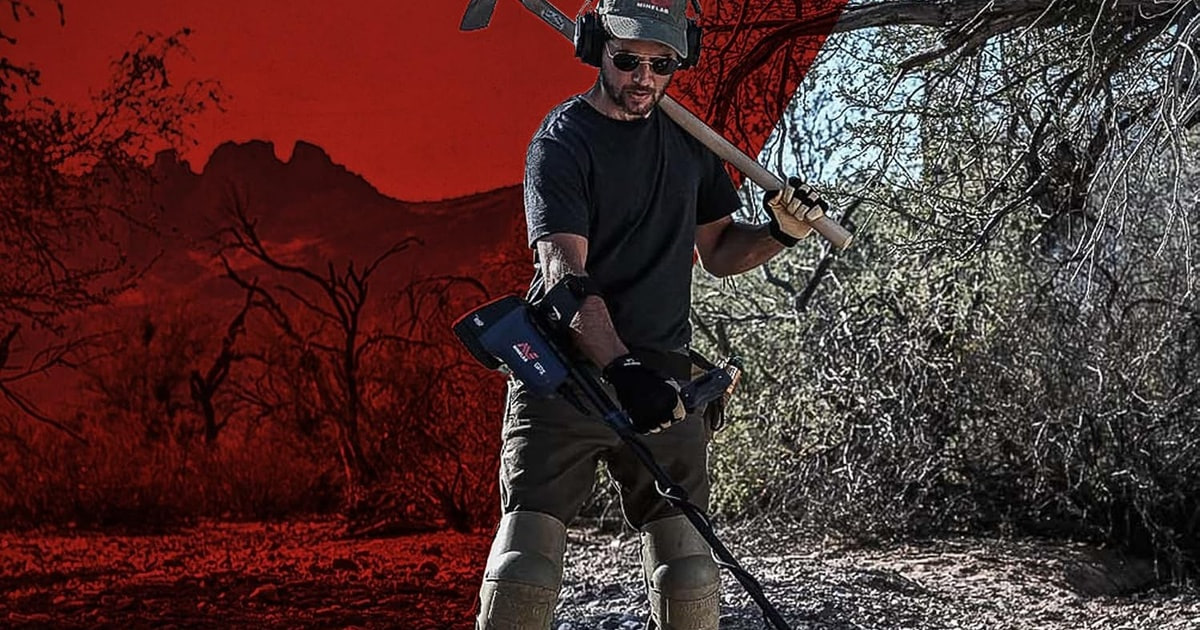
Gold hides in ground that fights you. The dirt in most active goldfields is loaded with iron, and that iron talks back to a detector all day long — chirps, warbles, phantom hits over nothing. So the machine that wins isn't the one with the flashiest screen. It's the one that stays quiet over bad ground and still squeaks when a rice-grain nugget sits three inches down. Frequency, ground balancing and coil design matter far more here than they do for a coin detector.
Here's the honest part: none of these will hand you gold. A detector that ignores mineralization usually can't tell you what it found, so you'll dig trash. A detector that discriminates well usually gives up depth. And every one of them demands that you learn ground balancing, which is the single skill that separates people who find nuggets from people who find frustration. Expect a slow first season. The roughly 250,000 Americans who prospect public land each year mostly dig bullets and boot tacks.
We looked at what published reviews, manufacturer specifications and owner feedback say about each machine, then sorted them by who they actually serve. We think that the Minelab GPX 6000 is the best metal detector for finding gold for most people, and that the Minelab Gold Monster 1000 is the one to buy if you're new to prospecting and don't want to learn tuning before you learn anything else.
Everything we recommend

Serious pulse-induction reach without the shoulder ache
The deepest reach available, if you can carry it
Automatic tuning that lets a beginner start finding things

Submersible to ten feet, and tunable enough to grow into

A light, honest starter that finds real gold
At a glance
| Product | Frequency | Weight | Price | |
|---|---|---|---|---|
| Minelab GPZ 7000 Gold Nugget Metal DetectorUpgrade pick | — | 4.19 lbs | $9,499 |
| 2 Coil PKG Minelab GPX 6000 AllTop pick | — | 4.6 lbs | $6,999 |
 | Minelab SDC 2300 All Terrain Gold DetectorAlso consider | — | 5.1 lbs | $3,699 |
| Minelab Gold Monster 1000 Universal Metal DetectorAlso great | 45 kHz | 7.19 lbs | $1,109 |
| Garrett AT Gold Metal DetectorRunner-up | 18 kHz | 0.88 lbs | $639.99 |
 | Nokta Makro Gold Kruzer 15.5" x 14"Also in lineup | — | — | $212.99 |
 | XP ORX Wireless Metal Detector with Back-litAlso consider | 3.7-27.7 kHz | 4 lbs | $549 |
| Fisher Labs Gold Bug Metal DetectorBudget pick | — | 2.5 lbs | $308.99 |
How we picked
Frequency and sensitivity. We treated roughly 15 kHz as the working floor for a VLF gold detector, based on published specifications and prospecting guidance. Anything below that gets left out of small-gold work.
Ground handling. We read specification sheets and published reviews for how each machine deals with iron-rich soil, since mineralization is what actually limits gold detecting. Pulse induction and ZVT machines scored highest here.
Coil type and options. We favored DD coils, which produce a narrow blade-shaped field with far fewer false signals in mineralized ground. Detectors that ship with more than one coil got credit for it.
Weight and ergonomics. We compared published weights, because fatigue ends more hunts than technology does. A 36% difference between two flagship machines is the kind of gap that changes how much ground you cover.
Water resistance. We checked factory submersion ratings, separating machines with waterproof coils only from those rated for full submersion. Placer gold sits in creeks, so this decides where you can hunt.
Top pick
Serious pulse-induction reach without the shoulder ache
2 Coil PKG Minelab GPX 6000 All
The GPX 6000 pairs GeoSense-PI ground handling with a carbon-fiber build that comes in at 4.6 pounds. It ships with both an 11-inch monoloop coil for general hunting and a 14-inch Double-D for salty or badly mineralized dirt, and its auto ground balance adjusts as you walk.
$6,999fromAmazonWeight is the spec that decides whether you keep swinging. At 2.1 kg the GPX 6000 is about 36% lighter than Minelab's own GPZ 7000, which sits at 3.27 kg. That sounds like a small number until hour four in an Arizona wash. You cover more ground, you swing lower, and you stop cutting sessions short because your arm quit before the daylight did.
Pulse induction is the reason this thing works where cheaper detectors don't. Iron-rich laterite and hot rocks — the normal soil across the American Southwest and the Australian goldfields — generate constant false signals in a VLF detector. PI machines are effectively immune to that. You get a machine that stays quiet where a 45 kHz VLF would be screaming at you.
Small gold isn't a weakness here either, which used to be the trade-off with PI. Independent field reports documented in the Geotech1 forums describe the GPX 6000 hitting a 0.03-gram nugget at roughly three inches in mineralized test soil. That's a target where essentially no VLF detector makes a sound. If you're working a patch that's been hunted before, that sensitivity is the whole point.
The two-coil package is genuinely useful rather than a marketing bundle. The 11-inch mono balances coverage with pinpointing for everyday hunting. The 14-inch Double-D produces a narrow, blade-shaped field instead of a cone, which means far fewer false signals in trashy or salty ground. Most serious prospectors upgrade coils before they upgrade detectors, so having both from the start saves you a purchase.
Setup is close to nothing. Auto ground balance runs continuously as soil conditions change under the coil, so you're not stopping to re-tune every time you cross from clay into gravel. Owners consistently describe it as the machine they reach for over more complicated units.
Flaws but not dealbreakers
It's expensive — near the top of what anyone spends on a hobby detector, and a big step up from the mid-range VLF machines here. If you're not sure you'll still be prospecting next season, start lower.
Pulse induction can't discriminate. The GPX 6000 tells you something metal is down there; it won't tell you whether it's a nugget or a .22 casing. In an old mining district littered with a century of trash, that means a lot of holes for every good target.
It's a specialist. This is a gold machine, not a do-everything detector for parks, beaches and relic hunting. Buy it because you're going after nuggets.
Minelab includes a three-year warranty with the GPX 6000.
Upgrade pick
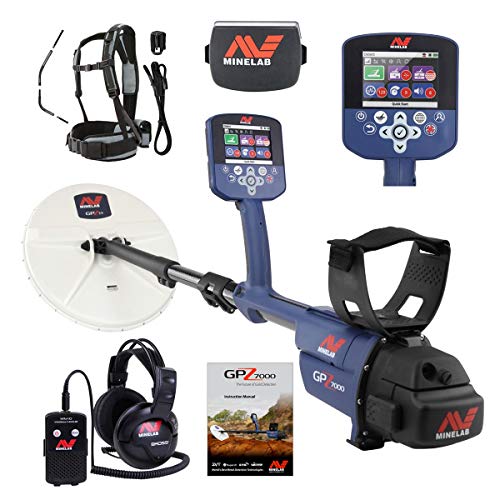
The deepest reach available, if you can carry it
Minelab GPZ 7000 Gold Nugget Metal Detector
The GPZ 7000 uses Minelab's Zero Voltage Transmission technology, which the company says reaches up to 40% deeper on gold than conventional pulse induction. It's the flagship, with a full-color display and a 14-by-13-inch Super-D coil, and it weighs and costs accordingly.
$9,499fromAmazonZVT is the only technology here that isn't PI or VLF. Minelab states its zero-voltage waveform cuts ground signal interference and reaches up to 40% deeper on gold targets than conventional pulse induction. Depth is what runs out first on hunted ground. If you're working a patch that a dozen people have already scrubbed with PI machines, that extra reach is the only thing that finds what's left.
You also get target information that PI machines don't provide, which softens the usual pulse-induction penalty of digging everything. It's not coin-detector discrimination and you shouldn't expect that. But on ground where a GPX would give you a signal and nothing more, the GPZ gives you something to reason about before you start moving rock.
The 14-by-13-inch Super-D coil is waterproof to three feet, so you can work wet gullies and shallow creek edges without worrying about the coil. The control box isn't submersible, though, and neither are the supplied headphones. Think damp, not diving.
Owner feedback on this machine is thin — it's a low-volume flagship, not a mass-market unit — but it skews strongly positive among the people who buy it. The people spending this much are usually prospecting with intent rather than curiosity, which is worth keeping in mind when you weigh it against the GPX 6000.
Flaws but not dealbreakers
At 3.27 kg it's a heavy machine, and you feel every gram of it over a long day. That's the trade-off the GPX 6000 exists to solve, and for most people the lighter machine will find more gold simply because they'll swing it longer.
It's the most expensive unit here by a wide margin. For a weekend hobbyist, that money is better spent on a mid-range detector plus a lot of gas and time in good country. Buy this if detecting is a serious pursuit or a livelihood.
Also great
Automatic tuning that lets a beginner start finding things
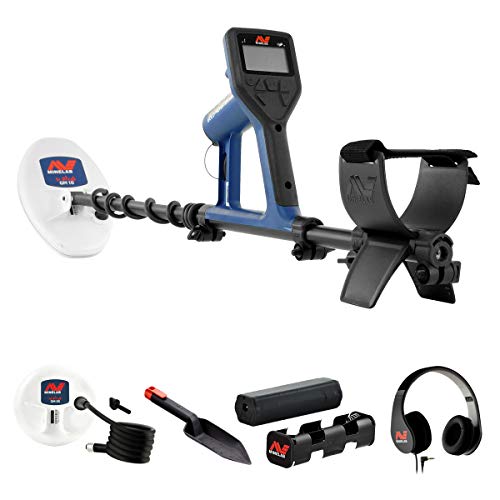
Minelab Gold Monster 1000 Universal Metal Detector
The Gold Monster 1000 runs at 45 kHz with a 24-bit signal processor, and it handles ground balance and sensitivity automatically. The kit includes a 10-by-6-inch DD coil, a 5-inch DD coil, a lithium-ion pack and AA batteries, so you can hunt small gold and big ground out of the box.
$1,109fromAmazonGround balancing is the skill that stops most beginners, and this machine removes the decision. Auto ground balance and auto sensitivity mean you turn it on and swing. Minelab positions it as the accessible entry into real gold detecting, and that's fair — you can learn what gold sounds like before you learn what tuning does. Nothing else in this range takes that burden off you as completely.
45 kHz is high enough to hear gold that lower-frequency machines walk right past. Frequency above roughly 15 kHz is the working minimum for small gold with a VLF detector, and this one nearly triples it. Paired with the 24-bit processor, it picks up a wide range of nugget sizes without generating the noise that usually comes with cranking sensitivity.
Two coils cover two jobs. The 5-inch DD is a micro-nugget and tight-spot tool, good for working between rocks and around old workings. The 10-by-6 gives you coverage for open ground. Both are waterproof and both are DD, which keeps false signals down in mineralized dirt.
It also discriminates ferrous from non-ferrous better than most single-frequency machines, and handles salty, conductive soil better than the very high frequency detectors do. That's a real advantage if your ground is a mix of trash and mineralization rather than clean desert gravel.
Flaws but not dealbreakers
The word "beginner" in the marketing oversells it. Owner feedback includes clear frustration from people who expected a gold-only machine and instead got a lot of iron signals that still require interpretation. Automatic tuning removes the tuning step, not the learning curve.
It's still VLF. In the heavily mineralized ground where most active goldfields sit, it will chatter where the PI machines here stay quiet. Depth is also modest next to the GPX 6000.
Owner ratings on this one are more mixed than the others here, with a visible minority of unhappy buyers. Most of that traces back to expectations rather than build quality, but go in clear-eyed.
Minelab covers the control box and coils for two years.
Runner-up
Submersible to ten feet, and tunable enough to grow into
Garrett AT Gold Metal Detector
The AT Gold runs at 18 kHz and is waterproof to 10 feet, which makes it the practical choice for creek beds and shallow rivers. It offers true all-metal mode, both manual and automatic ground balance, and an Iron Audio feature that flags ferrous targets by sound.
$639.99fromAmazonIf your gold is in water, this is the machine on this list built for it. Garrett rates it submersible to 10 feet, which covers wading a creek, working a riverbed, or dropping the coil into a plunge pool without a second thought. Placer gold concentrates in exactly those places. Most detectors at this level give you a waterproof coil and a control box you have to keep dry.
The Ground Balance Window is the feature that earns its keep. You get manual and automatic balancing plus a window that lets you set a range rather than a single point, which helps when soil changes constantly across a wash. It's more work than the Gold Monster's fully automatic approach, and it also gives you more control once you know what you're doing.
At 18 kHz it clears the roughly 15 kHz threshold for small gold, and true all-metal mode gives you the maximum depth the platform has. Iron Audio then lets you hear iron for what it is, so you're not digging every nail in an old camp. That combination makes it more versatile than the pure nugget shooters — it's genuinely usable for coins and relics too.
Owner feedback is large in volume and consistent in one particular note: this is not a plug-and-play machine. Several experienced owners say plainly that a first-time detectorist should expect a learning period. That's a fair description of a detector with real manual controls.
Flaws but not dealbreakers
18 kHz is the lowest frequency among the dedicated gold machines here. On sub-gram flakes it will miss targets that a 45 kHz or 61 kHz detector picks up.
The learning curve is real. If you want to turn a detector on and hunt, the Gold Monster 1000 will be less frustrating for the first month.
In heavily mineralized ground it's still a VLF, with all the chatter that implies. The ground balance window helps; it doesn't make it a PI machine.
Budget pick
A light, honest starter that finds real gold
Fisher Labs Gold Bug Metal Detector
The Fisher Gold Bug weighs 2.5 pounds and runs at a frequency well suited to small gold, with all-metal and discriminate modes, computerized ground grab, and a 0–99 target ID readout. It's the least complicated way into gold detecting that still works in gold country.
$308.99fromAmazonIt's light — 2.5 pounds, the lightest machine here — and that matters more than beginners expect. A detector you can swing for six hours finds more than a better detector you put down at noon. The balance is good enough that your wrist isn't doing all the work, which is where fatigue usually starts.
Ground grab plus a phase readout means you can actually see what the dirt is doing. Continuous ground phase gives you a live sense of mineralization instead of a mystery, and computerized ground grab sets balance for you when you don't want to think about it. That combination teaches you the skill that every other machine on this list also demands.
The two modes cover the two ways people hunt. All-metal gives you full depth and sensitivity for nugget shooting. Discriminate filters iron so you spend less of the day digging nails. Add the 0–99 target ID, depth readout and no-motion pinpoint, and you have a machine that gives you information rather than just noise.
Owner feedback is unusually consistent for a budget detector, and the pattern is worth reading: people say it finds sub-gram gold and fine chain in dry riverbeds and California mineralized soil, and they say the iron discrimination is better than expected. They also say it hears everything on a beach. That's the right expectation to have.
Flaws but not dealbreakers
It's a VLF at the low end of the price range here, so heavily mineralized ground will make it chatter. In the worst laterite, a PI machine is the only real answer.
Depth is limited compared with the Minelab pulse-induction units. On deeper nuggets it simply won't reach.
A recurring theme in owner feedback is packaging and missing armrest straps rather than the detector itself. Check the box on arrival.
Who this is for
Buy one of these if you're heading to gold-bearing public land and you want a machine built for nuggets rather than coins. The Gold Prospectors Association of America puts roughly 250,000 Americans on public land with detectors each year, mostly on BLM ground in Arizona, Nevada and California, and the machines here are aimed squarely at that hunt. If you mostly want to detect parks, beaches and old homesteads for coins and relics, a general-purpose detector will serve you better and cost less. Check land rules before you dig — access and claim status vary by parcel.
This guide covers handheld gold prospecting detectors. It doesn't cover panning gear, sluices, drywashers, pinpointers or the shovels and picks you'll also need, and it doesn't cover the underwater and beach machines built for saltwater hunting. If your ground is famously mineralized — Australian laterite, Arizona hot-rock country — skip the VLF machines and go straight to pulse induction, even if that means saving longer.
How we picked
We built the shortlist around the specifications and published reviews that actually predict whether you'll find gold. Frequency: we set roughly 15 kHz as the minimum for a VLF machine, since small gold goes silent below that. Ground handling: we weighted pulse induction and ZVT heavily, because iron-rich soil is the normal condition in active goldfields and it's what wrecks VLF performance. Coils: we preferred DD coils and gave credit to kits that include more than one, since most prospectors upgrade coils before detectors. Weight: we compared published figures directly, because the machine you can swing all day beats the machine you set down at lunch. Water: we separated full-submersion ratings from waterproof-coil-only designs, since placer gold sits in creek beds. Tuning: we noted which machines automate ground balance and which demand you learn it.
Other metal detectors for finding gold worth considering
If you hunt brutally mineralized ground and travel to get there: The Minelab SDC 2300 All Terrain Gold Detector ($3,699) — The SDC 2300 is a pulse-induction machine in a folding, military-grade package that collapses to roughly 21 inches — small enough for a backpack or carry-on. It's fully submersible to 10 feet, so creeks and shorelines are fair game. Owners in hot-rock country describe it as the machine that finally stopped the constant false signals. What you give up is coverage and comfort: it's heavier than the GPX 6000, the stock coil is small at 8 inches, and like every PI unit it can't discriminate. Choose it over our top pick when portability and extreme ground rejection matter more than sensitivity to the smallest gold.
If you hike to your ground and count every ounce: The XP ORX Wireless Metal Detector with Back-lit ($549) — The XP ORX is fully wireless — control box and headphones both — and weighs under a kilogram, which is less than half what most machines here weigh. It runs 35 frequencies from 3.7 to 27.7 kHz with the included 11-inch X35 coil, and it has two dedicated gold programs plus a fine gold mode. Add the optional HF ellipse coil and you can select frequencies up to 81 kHz, among the highest available anywhere. The catch: it's a coin-and-relic platform with gold modes bolted on, not a purpose-built nugget shooter, and reaching the highest frequencies means buying another coil. For high-country prospecting where every pound is carried in, that trade often makes sense.
The competition
This is what our research surfaced in the gold detecting category, not a census of everything sold. Detectors here lost to a pick for a specific reason, and a couple of them are still the right answer for a narrow set of prospectors.
The Nokta Makro Gold Kruzer 15.5" x 14" ($212.99) — The Gold Kruzer platform runs at 61 kHz, one of the highest published operating frequencies of any commercial VLF detector, and that frequency makes it unusually sensitive to sub-gram pieces and fine flakes that lower-frequency machines skip entirely. This particular listing, though, is the 15.5-by-14-inch DD search coil rather than the detector itself — a large coil meant for covering open ground with an existing Kruzer. If you already own the machine and you're working wide, low-trash areas, it's a sensible add. If you're shopping for a detector, this isn't one.
Setup and field practice
Ground balancing is the skill that decides everything else. Whether your machine does it automatically or you set it by hand, an improperly balanced detector will both miss gold and scream at empty dirt — so rebalance whenever the soil changes underfoot, not just once at the truck. Swing low and slow, keeping the coil an inch or two off the ground and overlapping each pass; gold signals are faint and a fast sweep skips them. Rinse coils and shafts after wet work, and dry the connectors before storage. Carry a pinpointer and a decent pick, because finding the signal and recovering the target are two different jobs. And dig everything at first. Learning what iron, lead and gold each sound like in your ground takes a season, and there's no shortcut around it.
Questions we get
What frequency does a metal detector need to be to find gold?
For a VLF detector, roughly 15 kHz is the practical minimum for small gold. Above that, higher frequencies get more sensitive to fine pieces — the Gold Monster runs 45 kHz and the Gold Kruzer platform reaches 61 kHz. Pulse induction machines work differently and aren't rated by a single frequency, so the number doesn't apply to them.
Is pulse induction or VLF better for gold prospecting?
It depends on your dirt. Pulse induction is effectively immune to the iron-rich mineralization that dominates most active goldfields, and it goes deeper, but it can't tell a nugget from a bullet. VLF gives you discrimination and target ID and costs far less, but it chatters badly in hot ground. If your ground is heavily mineralized, PI wins; if it's mild and trashy, VLF is easier to live with.
Can a complete beginner actually find gold with a metal detector?
Yes, but plan on a slow start. The machine is the easy part — finding gold-bearing ground and learning what a faint target sounds like takes real time in the field. A detector with automatic ground balance, like the Gold Monster 1000, removes the hardest tuning step so you can focus on that. Expect to dig a lot of trash first.
Can metal detectors find gold flakes, or only nuggets?
High-frequency VLF machines can hear surprisingly small gold. Owner feedback on the Fisher Gold Bug describes finding sub-gram pieces and fine chain, and field reports on the GPX 6000 describe a 0.03-gram nugget detected at about three inches in mineralized soil. True flour gold is generally past what any detector hears — that's panning and sluicing territory.
What's the best waterproof detector for creeks and rivers?
The Garrett AT Gold is the accessible answer, rated submersible to 10 feet with an 18 kHz frequency suited to small gold. The Minelab SDC 2300 is also fully submersible to 10 feet and adds pulse-induction ground rejection, which matters if the creek bed is mineralized. The GPZ 7000's coil is waterproof to three feet, but its control box isn't submersible.
How does ground balancing work, and why does it matter?
Ground balancing tells the detector to ignore the mineral signal coming from the soil so it can hear metal instead. Set it wrong and you get constant false signals, reduced depth, or both — you'll walk over gold and never know. Some machines balance automatically and continuously; others need you to do it by hand. It's the single most important skill in gold detecting.
Why you should trust us
For this guide:
- We read manufacturer specification sheets from Minelab, Garrett, Fisher, Nokta Makro and XP for frequency, weight, coil type and submersion ratings.
- We reviewed published field reports and prospecting forum discussion, including Geotech1 threads on pulse induction performance in mineralized soil.
- We compared owner feedback themes across each listing, looking for recurring notes about learning curve, false signals and build quality rather than individual opinions.
- We read owner reviews on every listing, weighted toward the critical ones, because that is where the recurring failures show up.
- We have a systematic way of automatically fetching the latest prices, so the numbers on this page stay current.
- This is a research-focused guide, so the team may not own every product listed — though we often do own the top winners, which gives us extra context for the recommendations.
- We don't accept free products, and the retailer commission never changes which product we recommend.
Sources
Minelab Gold Monster 1000 Product Page — 45 kHz frequency and fully automatic operation specs, Minelab
Garrett AT Gold Official Specifications — 18 kHz frequency, 10-foot submersion rating, Garrett
Nokta Makro Gold Kruzer Specifications — 61 kHz frequency, 5-meter waterproof rating, Nokta Makro
XP ORX Metal Detector — selectable frequency range including HF coil modes up to 81 kHz, XP Metal Detectors
Fisher Gold Bug Pro Specifications — 19 kHz, 1.13 kg weight, iron disc and ground phase readout, Fisher Research Labs
VLF vs. Pulse Induction: Ground Mineralization and Gold Detection — technical community analysis, Geotech1 Metal Detecting Forums
How to Choose a Gold Metal Detector — frequency, ground balance, and coil selection guide, Treasure Talk by Minelab
Gold Prospecting on Public Lands — BLM rules, permitted areas, and detector regulations, Gold Prospectors Association of America (GPAA)
ICMJ Prospecting & Mining Journal — Metal Detector Buyer's Guide with independent field testing notes, ICMJ's Prospecting & Mining Journal
Amazon product listings and owner reviews for all 8 products
Manufacturer specification pages for each product
Some passages in this guide may be paraphrased with AI help. Prices are refreshed automatically.
More like this.
Continue exploring lifestyle reviews and recommendations.

The Best Metal Detector Pinpointers for Gold Prospecting
A pinpointer is the small probe you pull out after your main detector says there's something down there. Without one, you widen the hole, sift the pile,…

The Best Metal Lathes for Hobbyist Machinists
A metal lathe is the machine that lets you make a part instead of ordering one. You chuck up a piece of steel or brass, and a few minutes later it's a…

The Best Marine GPS Fish Finders
A fish finder earns its keep on the slow days. When nothing's biting, the screen tells you whether you're sitting over flat mud or a submerged brush pile…

The Best Stud Finders and Wall Scanners
Hanging anything heavy starts with the same question: where's the wood? Drywall on its own won't hold a TV mount, a floating shelf, or a loaded bookcase.…

The Best Portable Kayak Fish Finders
A fish finder changes how you fish from a kayak. You stop guessing at depth and start reading the bottom - the drop-off, the weed edge, the brush pile…

The Best Smart Smoke Detectors
A smoke alarm sits quietly for years, then gets about ninety seconds that matter. Smart models don't sense fire any better than good ordinary ones. What…