The Best Mini Trampolines and Rebounders
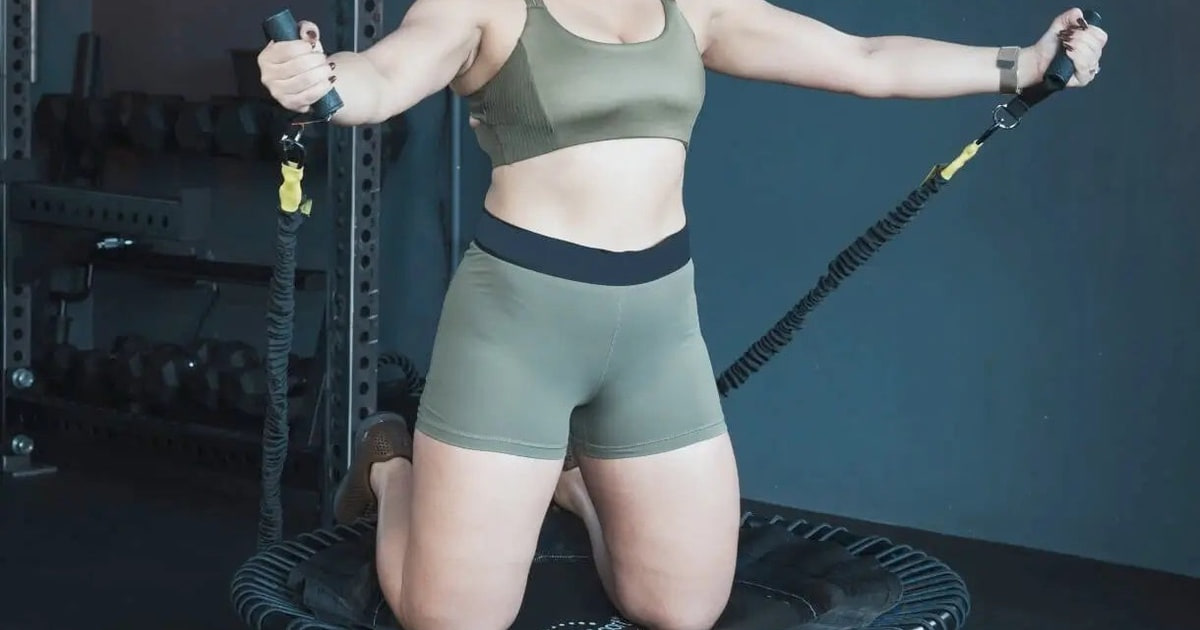
A mini trampoline is the rare piece of cardio gear that doesn't punish you for using it. You can bounce for ten minutes in socks while a podcast plays, and your knees barely notice. ACE-commissioned research at the University of Wisconsin–La Crosse looked at mini-trampoline workouts and found they land in the moderate-to-vigorous range, so this isn't just gentle movement. But the bounce feel varies enormously between models. Some rebounders catch you like a hammock; others feel like a stiff drum with steel springs you can hear through the floor downstairs.
No rebounder is silent. Even the quiet bungee models thump a little, and if you live above a light sleeper, that rhythm travels. Assembly is a wrestling match on nearly every folding model, because the mat has to be stretched over the frame under tension. Storage is also less tidy than the marketing photos suggest — a folded 40-inch frame is still a 40-inch object. And the big claims about detox and lymphatic drainage rest on thin evidence, so buy one for low-impact cardio and balance work, not for a cleanse.
Mostly you're choosing between suspension type and footprint. Bungee cords stretch longer and stay quieter; steel springs are less expensive, firmer and louder. A 40-inch deck gives you room to do more than bounce in place, but it eats more of your living room. Weight capacity matters more than people expect, since it's rated for the force of a landing rather than your standing weight. We think that the JumpSport Model 250 is the best mini trampoline for most people, and that the bellicon Mini Trampoline is the one to buy if you want the softest, quietest bounce and plan to keep it for years.
Everything we recommend

A soft, quiet bounce in a smaller jumping area

Basic bands and a small deck, but it folds and it's light

The softest, quietest bounce, if you can pay for it

A handlebar and a big bungee deck, with fiddly assembly
At a glance
| Product | Jump surface | Weight capacity | Price | |
|---|---|---|---|---|
| bellicon Mini Trampoline 39''Upgrade pick | 39 in. frame | 330 lbs | $779 |
| FitinOne 40" Fitness Mini Trampoline with AdjustableAlso great | 40 in. frame | 330 lbs | $55.99On sale |
| JumpSport 39” Essential Fitness Trampoline for AdultsTop pick | 36 in. mat | 250 lbs | $188.99On sale |
 | Marcy 40 Inch Foldable Square Rebounder TrampolineAlso in lineup | 27 x 27 in. mat | 250 lbs | $94.99On sale |
 | Sunny Health & Fitness 40" Mini FitnessAlso consider | 40 in. square | 285 lbs | $219.99 |
| Stamina Folding Trampoline with Smart Workout AppBudget pick | 36 in. frame | 250 lbs | $49.99 |
How we picked
Bounce and suspension. We treated suspension type as the single biggest factor in how a rebounder feels, and we favored bungee cords and elastic bands over bare steel springs. Published reviews and owner feedback both point the same way: deeper stretch means a softer landing and less noise.
Jump surface size. We pulled frame diameters and actual jumping surfaces from spec pages, because the two numbers often differ by several inches. Anything with a usable mat around 36 inches or more made the cut; smaller decks only work for bouncing in place.
Weight capacity. We recorded manufacturer-stated capacities and treated 250 pounds as the floor for adult workouts. Ratings cover the force of a landing, not standing weight, so we gave credit to the 285- and 330-pound models for leaving headroom.
Noise and storage. For apartment dwellers we looked for rubber-tipped legs, band or cord suspension, and recurring mentions of quiet operation in owner feedback. We also noted which frames fold and how slim they get, since a rebounder you can't store is one you stop using.
Parts and warranty. We checked whether cords, bands and mats can be replaced and what warranty terms each listing states. A rebounder with orderable spare parts outlasts one you throw away when a single band goes slack.
Top pickOn sale
A soft, quiet bounce in a smaller jumping area
JumpSport 39” Essential Fitness Trampoline for Adults
The JumpSport Model 250 uses elastic cords instead of steel springs, so the bounce is soft and the noise stays low enough for an apartment. Its 36 inches of jumping space is tighter than the 40-inch square decks here, but the arched legs don't tip and owners who bounce daily report it holds up.
$188.99fromAmazonList priceThe cord suspension is what you're paying for. JumpSport's 2-knot EnduroLast cords stretch deeper than steel springs, so your landing slows down instead of stopping short. That's the difference between a jolt at the bottom of each bounce and a soft catch. Owners who moved over from spring rebounders describe the change as dramatic, and several mention that the springs on their old models were the part that eventually broke.
The legs deserve a mention, because wobble is what makes beginners nervous. Instead of straight posts, the Model 250 sits on patented arched legs that splay outward, and the frame is 16-gauge steel. Step onto the edge of the mat and it stays put. If you've ever felt a flimsy rebounder lift on one side mid-bounce, you'll notice the difference in the first minute.
It's a 39-inch frame, but only 36 inches of that is mat. For bouncing in place, light jogging and arm work, that's plenty of room. For lunges, lateral hops or anything where you travel across the deck, the 40-inch square models give you more surface. Taller people with long strides are usually the ones who wish they'd sized up.
Replaceable parts are the real long-term argument. Cords and mats can be ordered and swapped, so one worn component doesn't turn the whole thing into trash. One owner reported a plastic cord anchor failing just shy of the one-year mark — annoying, but fixable on this design and terminal on most budget rebounders. Capacity is 250 pounds, which covers most people but isn't the highest number here.
Flaws but not dealbreakers
That 250-pound rating is the lowest common denominator in this guide, and what counts is the force of your landing, not your weight standing still. If you're anywhere near the number, or you want to hold dumbbells while you bounce, the 330-pound models are the safer bet. It also doesn't fold. It stores upright on its side, which is slim, but you can't slide it under a bed.
Assembly means stretching the mat over the frame, and that takes real force. It arrives mostly put together with the legs left to you, so it's on the easier end of the spectrum — but it isn't a one-minute job. The cords sit under a padded petal mat at the perimeter rather than a full frame pad, so keep bare toes toward the middle of the deck.
Budget pick
Basic bands and a small deck, but it folds and it's light
Stamina Folding Trampoline with Smart Workout App
Stamina's 36-inch folding trampoline runs on 30 tension bands and weighs just 14 pounds, the lightest frame in this guide. The legs come off and the frame folds, so it really does disappear into a closet — but the deck is small and the bounce is firmer than any bungee model here.
$49.99fromAmazonThis is the rebounder you buy when you're not sure you'll stick with it. At 14 pounds it's light enough to carry one-handed, and the folding frame and detachable legs collapse into something you can stand behind a door. If bouncing turns out not to be your thing, you haven't given up much space or much money. That matters more than people admit when they're shopping for a first piece of home cardio gear.
The bounce is firm, and that's the honest trade. Thirty tension bands under a 36-inch mat give you a shorter, springier rebound than the deep stretch of a bungee deck. For walking in place, light jogging and balance work, it's fine. If your knees are already cranky, or you want to bounce for half an hour at a stretch, the softer suspension on our top pick is worth the step up.
You also get an LCD monitor that counts jumps and time and estimates calories, plus free access to Stamina's muuv coaching app. Treat the calorie figure as a rough motivator, not data. The monitor sounds like a throwaway extra, and then it turns out to be the reason you bounce three days a week instead of one. For a first rebounder, a nudge to keep going is worth something.
Flaws but not dealbreakers
The 250-pound limit and the band-based suspension put a ceiling on this one. Bands stretch out and lose their snap, and replacements aren't as easy to source as they are from the specialist brands. Expect the bounce to feel looser after heavy use, and expect to replace the whole trampoline rather than a part.
The 36-inch frame is the smallest here, and at under 9 inches tall it sits low to the floor. That makes it easy to step onto, but it also means the mat has less room to travel before you bottom out. Heavier jumpers will feel that floor sooner than they'd like.
Upgrade pick
The softest, quietest bounce, if you can pay for it
bellicon Mini Trampoline 39''
The bellicon swaps steel springs for patented bungee suspension, and the result is a bounce quiet enough to hold a conversation over. It's a 39-inch frame rated to 330 pounds with legs that fold flat, and it's the most expensive rebounder in this guide by a wide margin.
$779fromAmazonIf joint comfort is the whole reason you're shopping, this is the one. The bungee suspension stretches far deeper than a steel spring, which spreads the deceleration of each landing over a longer distance. In practice that means less shock through your ankles, knees and lower back. People easing back after an injury, with a doctor's go-ahead, and older adults who want cardio that doesn't hurt the next morning are the clearest fit.
Noise is the other reason people spend here. Steel springs ping and squeak; bungee cords don't. If your rebounder lives in a second-floor apartment or next to a room where someone naps, that difference decides whether you actually use it. The legs fold, too, so a 39-inch circle leans flat against a wall instead of taking up floor space all week.
Capacity is 330 pounds, matching the highest rating here, and bellicon sells this line on durability rather than gadgets. The company has been refining the suspension for more than 20 years, and its standing in published fitness coverage rests on frames and cords that keep their feel over the long haul. You also get a month of access to bellicon's library of guided workouts, which helps if you don't know what to do beyond bouncing in place.
Buy it for the bounce, though, and not for the listing. This particular Amazon listing is too new to have meaningful owner feedback attached, so our confidence here comes from the published specs and the brand's long-standing reputation — not from a deep pile of buyer reports. If that makes you uneasy, our top pick has a much longer track record with home users.
Flaws but not dealbreakers
Price is the obvious objection. The bellicon costs several times what the budget models in this guide do, and for an occasional ten-minute bounce that's hard to justify. The less expensive bungee decks from FitinOne and Sunny get you a good way toward the same quiet, soft rebound for a fraction of the outlay.
There's no handlebar on this configuration, so if balance is your main worry, look at our Also great pick instead. The listing also doesn't state a warranty term, so confirm the coverage before you order. And the round 39-inch deck gives up a little usable surface at the corners compared with the square 40-inch frames, which matters if you do lateral work.
Also greatOn sale
A handlebar and a big bungee deck, with fiddly assembly
FitinOne 40" Fitness Mini Trampoline with Adjustable
The FitinOne pairs a 40-inch bungee deck with an adjustable handlebar, so you have something to hold while you find your balance. It's rated to 330 pounds on 32 thick bands, folds to a quarter of its size, and costs far less than the specialist brands.
$55.99fromAmazonList priceThe handlebar is the point. If balance is the thing keeping you off a trampoline — after an injury, or simply because you're in your seventies and don't trust a bouncing surface — a bar you can grip changes the math entirely. It adjusts for height, and owner feedback includes people in that age range using it for leg strength and steadiness without feeling precarious. You can take the bar off later, once you stop reaching for it.
The deck is the other draw. Forty inches with 32 wide bungee bands gives you room to move — side-to-side hops, twists, light jogging — and the bands are thick enough that the bounce stays smooth rather than snappy. Owners mention how quiet it is more than any other trait, and several note that it stays steady under heavier jumpers. Six rubber-tipped legs keep the thumping off your floorboards.
Holding a bar does cost you something. Plenty of rebounding workouts use your arms — presses, reaches, light weights — and that's awkward with one hand on a handlebar. Most people lean on it hard for the first few weeks and then mostly ignore it. If you already know your balance is fine, a bar-free deck like our top pick gives you more freedom for the same bouncing.
Flaws but not dealbreakers
Assembly is where this one earns its complaints. Unfolding the frame from its shipping position takes real muscle, the legs aren't interchangeable so you have to work out which goes where, and several owners hit misaligned mounting holes on the handlebar pole. Budget an hour and, ideally, a second pair of hands.
FitinOne says outright that there's no flat pad over the frame, so the bands and frame edge are exposed at the perimeter. That's manageable if you bounce toward the center, but it's less forgiving than a padded deck when a foot lands wide. The handlebar is also the weakest part of the build — it's there for steadying yourself, not for hanging off.
FitinOne lists a one-year warranty on this trampoline.
Who this is for
Buy a mini trampoline if you want cardio you'll actually do on a weekday evening, at home, without lacing up shoes or worrying about your knees. It suits beginners, apartment dwellers who can't run outside half the year, older adults working on balance, and anyone cleared by a doctor to ease back into movement after an injury. If you'll use it for ten minutes most days, even a budget model earns its keep.
Skip it if you need a serious cardio ceiling — a rebounder won't replace a bike or a rowing machine for high-end conditioning. Skip it too if you're shopping for lymphatic drainage or detox, because the evidence there is weak and you'd be paying for a promise. This guide covers adult fitness rebounders in the roughly 36- to 40-inch range, not backyard trampolines, kids' play trampolines or trampolines with full safety enclosures. If you're pregnant or managing pelvic floor issues, talk to a clinician before you start bouncing.
How we picked
We built the shortlist from manufacturer spec pages, published reviews and recurring themes in owner feedback, then ranked on five things. Bounce and suspension: bungee cords and elastic bands beat bare steel springs for softness and quiet, so they got the benefit of the doubt. Jump surface size: we went by the stated usable mat rather than the frame diameter, and looked for about 36 inches or more. Weight capacity: 250 stated pounds was the floor, with credit for the 285- and 330-pound models, since the rating covers landing force rather than standing weight. Noise and storage: rubber-tipped legs, quiet suspension and a frame that folds flat enough to hide. Parts and warranty: replaceable cords and mats, plus whatever coverage the listing actually states.
Other mini trampolines and rebounders worth considering
If you want a square 40-inch bungee deck without a handlebar: The Sunny Health & Fitness 40" Mini Fitness ($219.99) — Sunny's 40-inch rebounder runs on 32 elastic bands with a side mat covering them, and the square shape wrings more usable jumping surface out of the same footprint than a round frame does. It's rated to 285 pounds, which splits the difference between our budget pick and the 330-pound models, and the steel frame is sturdy. The catch is weight: at over 26 pounds it's the heaviest frame here, so it's less of a carry-it-to-the-living-room machine. Owner feedback is also noticeably more mixed than for our top pick, which is why it isn't one.
The competition
This is what our research surfaced, not a census of everything on the market. We stuck to models with clearly stated suspension types, jumping surfaces and weight capacities we could pull from spec pages, plus the brands that come up again and again in published reviews of home rebounders. A few well-regarded specialist models didn't have listings we could confirm, so they aren't discussed here.
The Marcy 40 Inch Foldable Square Rebounder Trampoline ($94.99) — The Marcy TPL-42SQ is a 40-inch square spring rebounder that folds to about 5 inches thick, the slimmest storage profile in this group by a long way. The problem is the geometry: all that frame leaves a 27-by-27-inch jumping surface, smaller than the round mat on our top pick, because springs and perimeter padding eat the edges. High-tension steel springs also mean a firmer, louder bounce, and the rating stops at 250 pounds. It's new enough on Amazon that there's no owner feedback to lean on yet. If fold-flat storage is genuinely non-negotiable and spring feel doesn't bother you, it's worth a look — otherwise our budget pick folds nearly as small with a gentler landing.
Setup and upkeep
Clear a real circle before your first bounce: leave about two feet around the frame and more ceiling than you'd guess, since you gain close to a foot of height at the top of a jump. If you're worried about the room below you, put the rebounder on a thin mat or a low-pile rug — rubber-tipped legs help, but the thump still travels through a floor. Bounce barefoot or in flat shoes rather than running shoes with thick heels, which make the surface feel wobbly. Start at five to ten minutes and build from there, because the small muscles stabilizing your ankles will complain first. Every couple of months, look over the cords, bands or springs and replace worn ones in sets rather than one at a time, so the tension stays even.
Questions we get
Are mini trampolines actually good for fitness?
Yes, for cardio, balance and leg endurance. ACE-commissioned research at the University of Wisconsin–La Crosse examined mini-trampoline workouts and reported them as moderate-to-vigorous exercise, which puts them in the same conversation as brisk walking or light jogging. What they won't do is build much upper-body strength, so pair bouncing with something else if that's your goal.
Is rebounding easier on your joints than running?
The mat absorbs much of the force that pavement sends straight back up your legs, which is why rebounders get recommended for sore knees. A Journal of Applied Physiology study linked to NASA-funded research found that oxygen uptake per unit of body acceleration was higher on a trampoline than during running — the origin of the idea that rebounding gives you more work for less mechanical stress. If you have arthritis or an existing knee problem, check with your doctor first and start with small bounces where your feet stay on the mat.
How long should a beginner bounce each day?
Five to ten minutes is a sensible start, even if it feels too easy. Your ankles and calves adapt slower than your lungs do, and the usual beginner mistake is 30 minutes on day one followed by three sore days off. Add a couple of minutes a week, and work up to 20 or 30 minutes if you want it to be your main cardio.
Bungee or spring: which should I buy?
Bungee cords stretch deeper, so the bounce is softer and much quieter — better for apartments, older joints and long sessions. Steel springs are less expensive and firmer, with a shorter, snappier rebound and a distinct ping you'll hear through a floor. If your budget stretches to a bungee deck, get one; if it doesn't, a band-based model like our budget pick is a reasonable middle ground.
How much weight can a mini trampoline hold?
The models here state 250, 285 and 330 pounds. Those numbers come from the manufacturers, and they account for the force of a landing rather than your weight standing still, so leave yourself margin instead of buying right at the limit. If you're close to a model's rating, or you plan to bounce holding dumbbells, step up to a 330-pound frame.
Does rebounding really help the lymphatic system?
This is the most oversold claim in the category. Movement of any kind helps lymph circulate, and bouncing is movement, but the specific promises about detoxing or flushing your lymphatic system aren't well supported by research. Buy a rebounder because low-impact cardio is easy to stick with, and treat the detox marketing as marketing.
Why you should trust us
For this guide:
- We read the manufacturer spec pages and Amazon listings for every model here, comparing stated frame sizes, usable jumping surfaces, suspension types, weight capacities and warranty terms side by side.
- We sorted owner feedback for recurring themes — assembly difficulty, noise, band and cord longevity, stability for heavier jumpers — rather than counting opinions.
- We also reviewed published research on rebounding, including ACE-commissioned work on mini-trampoline exercise intensity, to separate what's supported from what's marketing.
- We read owner reviews on every listing, weighted toward the critical ones, because that is where the recurring failures show up.
- We have a systematic way of automatically fetching the latest prices, so the numbers on this page stay current.
- This is a research-focused guide, so the team may not own every product listed — though we often do own the top winners, which gives us extra context for the recommendations.
- We don't accept free products, and the retailer commission never changes which product we recommend.
Sources
Body acceleration distribution and O2 uptake in humans during running and jumping (NASA-linked study, J Appl Physiol, 1980), Journal of Applied Physiology / PubMed
ACE-sponsored research on mini-trampoline workouts (University of Wisconsin-La Crosse), American Council on Exercise
Trampoline and rebounder product reviews, Wirecutter / Consumer Reports / Verywell Fit (confirm which have current rebounder guides)
Manufacturer spec pages, Bellicon, Cellerciser, Needak, JumpSport (fill in official product URLs)
Amazon product listings and owner reviews for all 6 products
Manufacturer specification pages for each product
Some passages in this guide may be paraphrased with AI help. Prices are refreshed automatically.
More like this.
Continue exploring health reviews and recommendations.

The Best Soccer Rebounders for Backyard Training
A rebounder turns a lonely backyard into a practice partner. Your kid kicks, the ball comes back, and the touch-after-touch repetition that builds a first…

The Best Mini Skincare Fridges
A skincare fridge is a small box that keeps your serums, eye creams and sheet masks cold. That's it. But the appeal is real: a chilled eye cream feels…

The Best Dorm Room Mini Fridges
A mini fridge is the one appliance in a dorm room that runs all day, every day, right next to where you sleep. That changes what matters. Capacity gets…

The Best Mini Projectors
A mini projector's job is simple. It turns a blank wall into a hundred-inch screen, then disappears into a drawer. That's a good trade if you rent, if…

The Best Fitness Trackers and Activity Bands
A fitness tracker earns its keep in the small moments. You glance down and see you've been sitting for three hours. You wake up and find out why you feel…

The Best Heating Pads for Back Pain
A heating pad is the rare pain remedy that asks almost nothing of you. You plug it in, you lie down, and 20 minutes later the knot between your shoulder…