The Best Mosquito Repellents for Outdoors

Mosquitoes decide how long you stay outside. A bite or two on the ankles during dinner on the deck, and everyone drifts indoors an hour early. The right repellent doesn't just cut down on itching — it buys you the evening back. What matters is the active ingredient, how long it holds up on skin, and whether the stuff wrecks your sunglasses or your watch band. Public health agencies point to four proven ingredients: DEET, picaridin, oil of lemon eucalyptus, and IR3535. Everything else is a coin flip.
Here's the honest part. No repellent works forever, and the hour counts on the label come from controlled conditions, not a July afternoon in your yard. Sweat, swimming, and toweling off all shorten the window, sometimes dramatically. Area devices like Thermacell repellers protect a fixed circle of air and nothing beyond it, and a steady breeze thins that circle fast. Plant-based balms smell nice but tap out in about two hours. You'll almost certainly want two products, not one.
So think in layers: something on your skin for when you move, and maybe something on the table for when you sit. We think that the Sawyer Products SP5432 Picaridin spray is the best mosquito repellent for most people, and that the OFF! Deep Woods Dry VIII is the one to buy if you want the most thoroughly studied active ingredient in a formula that doesn't feel sticky.
Everything we recommend

All-day protection that doesn't smell or wreck your gear

The most studied ingredient, without the classic greasy feel

Spray-free protection for a patio, if the air is calm

Maximum-duration DEET for genuinely rough conditions

The same picaridin, in a bottle that covers you faster
At a glance
| Product | Active Ingredient | Protection Time | Price | |
|---|---|---|---|---|
| Sawyer Products SP5432 Picaridin Insect Repellent SprayTop pick | 20% Picaridin | Up to 12 hrs | $14.84 |
| OFF! Deep Woods Dry Bug Spray InsectRunner-up | 25% DEET | Long lasting | $20.10 |
| Thermacell E55 E-Series Rechargeable Mosquito Repeller withAlso great | Heat-activated | 5.5 hrs/charge | $35.99 |
| Repel 100 Insect RepellentUpgrade pick | 98.11% DEET | Up to 10 hrs | $7.48 |
 | Murphy's Naturals Mosquito Repellent Balm StickAlso in lineup | Plant-based | Up to 2 hrs | $16.99On sale |
| Natrapel 12-Hour Insect RepellentBudget pick | 20% Picaridin | 12+ hrs | $14.42On sale |
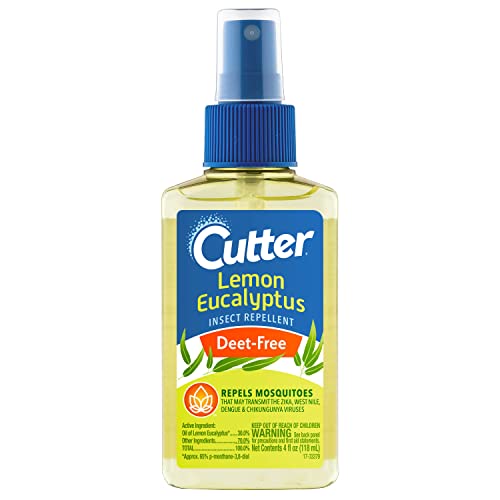 | Cutter Lemon Eucalyptus Insect Repellent 4 OuncesAlso consider | Oil of Lemon Eucalyptus | Up to 6 hrs | $4.47 |
 | Thermacell Mosquito Repellent Radius ZoneAlso consider | Heat-activated | 6.5 hrs/charge | $39.99 |
How we picked
Proven active ingredient. We limited the picks to products built on the four ingredients public health agencies actually recommend — DEET, picaridin, oil of lemon eucalyptus, and IR3535. Anything relying on unregistered essential oils could still appear in the guide, but not as a top recommendation.
Protection duration. We compared the hour ratings on manufacturer labels against published efficacy research and owner accounts of real-world reapplication. Anything under two hours we treated as a niche product, not a primary defense.
Gear safety. We read spec sheets and owner reports for damage to plastics, optics, and synthetic fabric. Products that explicitly state gear safety got preference for everyday use, since ruined sunglasses are a common complaint.
Skin feel and scent. Published reviews and owner feedback converge on one theme: people don't reapply repellent that feels greasy or smells harsh. We weighted odorless, fast-drying formulas heavily because compliance is what actually prevents bites.
Family and age fit. We checked each label and the relevant pediatric guidance for age restrictions, since a repellent that's off-limits for a three-year-old isn't a whole-family answer. Products with fewer restrictions ranked higher for household use.
Top pick
All-day protection that doesn't smell or wreck your gear
Sawyer Products SP5432 Picaridin Insect Repellent Spray
Sawyer's 20% picaridin spray is the repellent that works for the widest range of people and situations. It's odorless, dries fast, won't melt your watch band, and the label rates it for up to 12 hours against mosquitoes and ticks.
$14.84fromAmazonPicaridin at 20% is the concentration public health agencies point to, and Sawyer hits it. The CDC lists picaridin among its four recommended active ingredients, and 20% is the level rated for up to 12 hours against mosquitoes and ticks. It also covers flies, gnats, and chiggers for up to 8 hours. You're not trading effectiveness for a gentler formula here. That's the whole reason picaridin has taken over as the default recommendation from dermatologists and outdoor gear reviewers.
It won't destroy the things you're wearing. DEET eats soft plastics. Spray it near your sunglasses and the coating clouds; get it on a synthetic watch band and it goes tacky. Picaridin doesn't do any of that. Sawyer explicitly says you can spray it on clothing, pack buckles, fishing line, and firearm finishes. If you've ever ruined a pair of glasses in the field, you'll appreciate this more than any hour count.
It's odorless and dries in about a minute. This sounds minor until you have to reapply on a kid, or share a tent with someone who just doused themselves. There's no fragrance and no oily film — the skin feel is closer to nothing than to bug spray. Owners consistently mention that this is what finally got their families to actually use repellent instead of arguing about it.
The two-pack fits the way people actually carry repellent. Two 3-ounce bottles means one lives in the car and one lives in the daypack. Small bottles clear airline liquid rules, too. For day hikes, soccer sidelines, and backyard evenings, that's a more useful configuration than a single big can you'll leave at home.
Flaws but not dealbreakers
The pump gives you less control than an aerosol. Getting even coverage around your ears, neck, and hairline takes more fiddling with a pump than with a pressurized can. Most people end up spraying into a palm and wiping it on for the face and neck, which works fine but is a step you don't want in a swarm.
Three ounces goes fast on a long trip. A week of backcountry camping with full-body application will drain both bottles. Plan on more than you think, and don't count on the 12-hour figure if you're sweating hard or swimming — reapply after either, regardless of what the label promises.
Sawyer doesn't state a warranty term for this spray.
Runner-up
The most studied ingredient, without the classic greasy feel
OFF! Deep Woods Dry Bug Spray Insect
OFF! Deep Woods Dry VIII pairs 25% DEET with a powder-dry finish, so you get the ingredient with the longest research record without the coated-skin sensation older DEET sprays leave behind. The aerosol covers arms and legs quickly.
$20.10fromAmazonDEET has the deepest track record of any repellent ingredient, and 25% is the sweet spot. A widely cited New England Journal of Medicine study found roughly 24% DEET gave complete protection for about five hours per application. Going higher mainly extends duration, not strength. At 25%, you get around 8 hours against mosquitoes and ticks — plenty for a full day of hiking, hunting, or yard work.
The dry finish is a real improvement, not marketing. Older DEET sprays left skin feeling coated and shiny. This one goes on powder-dry and doesn't stain clothes. If DEET's texture is the reason you stopped using it, this formula is worth another try. It's the difference between something you'll actually reapply and something you'll leave in the garage.
Aerosol coverage is fast and even. You can do both legs in a few seconds without missing patches, which matters when you're getting swarmed at the trailhead. The three-can pack means one in the truck, one in the garage, one in the camp bin — and per ounce, it's among the more economical ways to buy repellent here.
Tick protection makes it a strong choice for wooded country. If you hike in the Northeast or Upper Midwest, ticks are the bigger long-term worry. This holds up against them for the same 8-hour window, so a single morning application covers a full day on the trail.
Flaws but not dealbreakers
DEET will damage your gear, and this concentration is no exception. Repeated contact degrades soft plastics, synthetic watch bands, and optical coatings. Spray it away from your sunglasses, your phone case, and your rain shell, and wash your hands before handling anything with a lens.
It still smells like DEET. The dry finish fixes the feel, not the scent. There's a distinct chemical odor that some people find genuinely unpleasant in a tent or a car. If that's you, the picaridin sprays here are the better answer.
It's the wrong product for the youngest kids. Pediatric guidance advises against DEET for infants under two months, and calls for care with older children — never on hands or near the mouth. For families with babies, pick a picaridin spray or an area device instead.
Also great
Spray-free protection for a patio, if the air is calm
Thermacell E55 E-Series Rechargeable Mosquito Repeller with
The Thermacell E55 puts a scent-free 20-foot bubble of repellent around your seating area, so nobody has to spray anything on their skin. It runs about 5.5 hours per USB-C charge and reaches full protection in roughly 15 minutes.
$35.99fromAmazonNobody has to put anything on their skin. This is the whole point. You set it on the table, press one button, and 15 minutes later your patio is covered out to about 20 feet. For a dinner party, that means no passing a bottle around and no explaining application instructions to guests. For families with toddlers, it means protection without a wrestling match.
Scent-free and flameless beats a citronella candle on every count. No smoke drifting into your food, no open flame near kids, and a coverage area many times what a candle manages. The device runs off heat-activated repellent cartridges, so there's nothing burning and nothing to smell.
USB-C charging removes the fuel hassle. Older Thermacell units ran on butane canisters you had to buy, store, and swap. This one charges from the same cable as your phone. A 12-hour repellent refill comes in the box, so it works the night you unpack it.
It shines exactly where sprays are least convenient. Poolside, on a deck, at a picnic table, at base camp — anywhere people sit still, get wet, or eat with their hands. Sprays and swimming don't mix; this doesn't care.
Flaws but not dealbreakers
Wind is the deal-breaker. A steady breeze past roughly 10 mph scatters the repellent vapor before it can build up, and the protection zone collapses. On an exposed deck or an open shoreline, you may get very little. Sheltered spots are where this works.
Step outside the circle and you're unprotected. Walk to the grill, the garden, or the far end of the yard and you're on your own. Pair it with a topical spray if anyone's going to be moving around.
The battery may not cover a full evening, and cartridges are a running cost. About 5.5 hours per charge means a party starting in the late afternoon can outlast it. Refill cartridges are consumable, so the real cost of a season is higher than the box price suggests.
The E55 comes with a two-year warranty that extends to three years with registration.
Upgrade pick
Maximum-duration DEET for genuinely rough conditions
Repel 100 Insect Repellent
Repel 100 is 98.11% DEET, formulated for severe insect pressure and rated for up to 10 hours per application. It's overkill for a backyard, and exactly right for swampy backcountry or travel to a dengue region.
$7.48fromAmazonWhen reapplying isn't practical, duration is what you're buying. At 98.11% DEET, the label claims up to 10 hours. Higher concentrations don't repel harder — they just last longer before the protection fades. On a long portage, a dawn-to-dusk work shift, or a day of travel in an unfamiliar place, that single application is the point.
It's built for the conditions where lighter formulas give up. Think black-fly season in the north woods, coastal marsh after a flood, or a jungle trek. The label also covers ticks, gnats, biting flies, chiggers, and fleas, which is the full cast of characters in those environments.
Disease risk is the real argument for it. Health agencies recommend EPA-registered repellents for anyone traveling to areas with active mosquito-borne transmission, and this formula names Zika, West Nile, dengue, and chikungunya. If you're heading somewhere with an outbreak, the extra margin is worth the trade-offs.
The pump bottle is small and travel-friendly. Four ounces in a compact bottle slips into a pack lid or a carry-on toiletry kit. For a formula this concentrated, a little goes a long way, so one bottle covers a lot of trip.
Flaws but not dealbreakers
It will ruin plastics, and fast. At this concentration, contact with sunglasses, watch faces, synthetic fabric, phone screens, or a rifle finish causes damage that's quick and permanent. Apply it away from your gear and wash your hands before you touch anything you care about.
It feels and smells like heavy-duty DEET. There's an oily skin feel and a strong chemical odor. Wash it off with soap and water as soon as you're back indoors — this isn't something to sleep in.
It's the wrong product for casual use and for young children. Suburban yards and easy day hikes don't need 98% DEET. Pediatric guidance rules it out for children under two, and most families are better served by picaridin at any age.
Budget pickOn sale
The same picaridin, in a bottle that covers you faster
Natrapel 12-Hour Insect Repellent
Natrapel's 6-ounce eco-spray uses the same CDC-recommended 20% picaridin as our top pick, but the continuous spray covers arms, legs, and back in one pass. It's gear-safe, propellant-free, and rated for 12-plus hours.
$14.42fromAmazonList priceIt's the same active ingredient at the same concentration as our top pick. Twenty percent picaridin, rated for 12-plus hours, safe on jackets, fishing line, and plastics. If you've already decided picaridin is the right ingredient — and for most people it is — this is a second route to it with a different bottle.
The continuous spray covers big areas faster than a pump. One pass down each leg, one across the back, and you're done. If you've ever tried to spray your own shoulder blades with a pump bottle, the difference is obvious. This is the better format when you're covering a lot of skin or several people in a hurry.
It's a strong pick for sensitive skin. Picaridin is the ingredient dermatologists most often suggest when DEET causes irritation. It's odorless, non-greasy, and doesn't carry the photosensitivity concerns some formulas do. For anyone who's reacted badly to bug spray before, this is the sensible place to start.
One bigger bottle beats several small ones for home use. Six ounces in a single can is the one you keep by the back door all season. It's a better shape for a garage shelf than a handful of travel bottles, and there's no aerosol propellant involved.
Flaws but not dealbreakers
The nozzle can clog if it sits unused. Leave it on a shelf through the off-season and the eco-spray head may sputter or block on first use. Give it a test spray before you pack it for a trip rather than discovering the problem at the campsite.
The bottle is too big for a carry-on. Six ounces exceeds airline liquid limits, so this stays home or goes in checked luggage. For travel, the small two-pack picaridin bottles are the practical choice.
Who this is for
This guide is for anyone who spends real time outside and would like to stop scratching — backyard hosts, weekend hikers, campers, gardeners, and parents at evening soccer games. It covers topical sprays and balms plus scent-free area repellers. If you need coverage while you're moving, a topical spray is the answer; if you sit in one spot on a sheltered patio, an area device does the job without anyone touching a bottle. Most households end up with one of each.
It's not for a few situations. We don't cover permethrin clothing treatments, yard-wide fogging services, mosquito netting, or ultrasonic gadgets — the last of which has no credible evidence behind it. If you're pregnant, traveling somewhere with active mosquito-borne disease, or shopping for an infant, follow your doctor's guidance over anything here. And if you were hoping for a plant-based spray that lasts all day, we don't have one for you. That product doesn't exist yet.
How we picked
Active ingredient: We only recommend products built on DEET, picaridin, oil of lemon eucalyptus, or IR3535, the four ingredients with real public health backing. Duration: We compared label hour ratings against published efficacy research and owner accounts, treating anything under two hours as a niche tool rather than a primary defense. Gear safety: Spec sheets and owner reports told us which formulas melt sunglasses and watch bands, and gear-safe products won for everyday use. Skin feel and scent: People simply don't reapply repellent that feels greasy or reeks, so odorless, fast-drying formulas got extra weight. Family fit: We checked each label's age restrictions against pediatric guidance, since a spray your toddler can't use isn't a household answer.
Other mosquito repellents for outdoors worth considering
If you want a plant-derived ingredient with actual scientific backing: The Cutter Lemon Eucalyptus Insect Repellent 4 Ounces ($4.47) — Cutter Lemon Eucalyptus uses oil of lemon eucalyptus, the one plant-derived active ingredient that health agencies actually recommend. It's rated for up to 6 hours — shorter than picaridin, but long enough for a morning in the garden, a nature trail, or an outdoor birthday party. Note the crucial distinction: OLE is a refined, registered active ingredient, not the same thing as lemon eucalyptus essential oil from a wellness aisle, which does nothing for you. The eucalyptus scent is strong and people either like it or don't. One firm limit: it isn't approved for children under three, so it can't be the family bottle if you have a toddler.
If you want an area repeller you can actually carry: The Thermacell Mosquito Repellent Radius Zone ($39.99) — The Thermacell Radius Zone Gen 2.0 does the same scent-free, flameless job as the E55 in a package small enough for a pack lid, and its battery runs about an hour longer per charge. The catch is coverage: a 10-foot zone is a quarter of the E55's area. Around a picnic table with four people, that's plenty. Spread across a patio with furniture at both ends, it isn't. Pick this one if you're carrying it to a campsite; pick the E55 if it's living on your deck. Both share the same weakness in wind, and both need refill cartridges over a season.
The competition
Here's what our research turned up beyond the picks. This isn't every repellent sold — the category is enormous, and a good chunk of it is unregistered essential oil sprays and ultrasonic gadgets we'd steer you away from regardless. These are the remaining products from the lineup we looked at, and why they didn't make the main recommendations.
The Murphy's Naturals Mosquito Repellent Balm Stick ($16.99) — Murphy's Naturals Mosquito Repellent Balm Stick is the most carefully made plant-based option we found, and it's still limited by chemistry. The rosemary, peppermint, lemongrass, and citronella blend is rated for about 2 hours against mosquitoes and just 1 hour against ticks — better than most natural competitors, but a fraction of what picaridin gives you. The solid balm format is genuinely handy: it clears airline liquid rules, fits a pocket, and it's dermatologist-tested for sensitive skin. Buy it if you want something plant-based for a short evening walk and you accept reapplying often. Don't rely on it in tick country or anywhere mosquito-borne illness is a concern, because essential-oil formulas aren't EPA-registered for that job.
How to apply it
Order matters more than people expect. Put sunscreen on first, wait about five minutes, then apply repellent over it — health agencies advise against combination SPF-and-repellent products because sunscreen needs reapplying far more often than repellent does, and the schedules don't line up. Apply only to exposed skin, never under clothing, and skip cuts or irritated patches. For your face and neck, spray into your palm and wipe it on rather than misting toward your eyes. Reapply after swimming, heavy sweating, or toweling off, no matter what the bottle promises — those hour ratings come from controlled conditions, not a humid August evening. When you come inside, wash it off with soap and water, and wash treated clothing before wearing it again.
Questions we get
Is DEET safe for children?
Pediatric guidance says DEET is generally fine for children over two months old when you follow the label, with concentrations up to about 30% considered appropriate. Many pediatricians still prefer picaridin for kids because it's gentler on skin and won't wreck their gear. Never put it on a child's hands, near their eyes, or around their mouth. Skip it entirely for infants under two months.
How long does picaridin repellent actually last?
At 20%, the concentration in both Sawyer's spray and Natrapel's eco-spray, the label rating is up to 12 hours against mosquitoes and ticks, and around 8 hours against flies, gnats, and chiggers. Lower concentrations of 7 to 10% typically run 4 to 8 hours. Treat those numbers as ceilings from controlled conditions. If you're swimming or sweating hard, expect closer to 6 to 8 hours and reapply.
Do Thermacell devices really work?
Yes, in calm or lightly breezy conditions. Both units here use heat-activated repellent to create a zone of protected air, and they're EPA reviewed for safety and effectiveness. Wind is the limitation — a steady breeze above roughly 10 mph disperses the vapor before it reaches useful concentration. They're best on sheltered patios, screened areas, and calm campsites, and they do nothing for you once you walk out of the zone.
What's the actual difference between DEET and picaridin?
Both are recommended by health agencies and both work well against mosquitoes and ticks. The differences are practical: DEET dissolves soft plastics, watch bands, and some synthetics, while picaridin doesn't. DEET has a chemical odor; 20% picaridin is odorless. DEET has the longer research history, but picaridin has stronger support for sensitive skin and children. For most people, 20% picaridin is the better everyday choice, with very high DEET reserved for maximum single-application duration.
Does citronella repel mosquitoes?
Barely. Applied topically, citronella tends to give under 20 minutes of protection, and candles or torches do very little beyond a foot or two. It isn't among the active ingredients health agencies recommend for protection against disease-carrying mosquitoes. Treat it as ambiance, not defense — it's no substitute for an EPA-registered repellent.
What's safest during pregnancy?
Both DEET and picaridin are considered safe during pregnancy when used according to label directions, and both major health bodies say protection beats going without, since mosquito-borne illnesses carry documented risks to fetal development. Many OB-GYNs lean toward picaridin for its gentler skin profile. Talk to your doctor before using anything in the first trimester, and don't apply repellent to broken or irritated skin.
Why you should trust us
For this guide:
- We read the EPA and CDC guidance on the four recommended active ingredients and compared it against each product's registered concentration and label claims.
- We reviewed published efficacy research and independent consumer testing coverage on DEET and picaridin duration, along with manufacturer specifications for every product in this lineup.
- We looked at recurring themes in owner feedback — clogged nozzles, gear damage, wind sensitivity, and how quickly small bottles run out — to identify the flaws that show up in ordinary use.
- We read owner reviews on every listing, weighted toward the critical ones, because that is where the recurring failures show up.
- We have a systematic way of automatically fetching the latest prices, so the numbers on this page stay current.
- This is a research-focused guide, so the team may not own every product listed — though we often do own the top winners, which gives us extra context for the recommendations.
- We don't accept free products, and the retailer commission never changes which product we recommend.
Sources
Insect Repellent Use & Safety – CDC, Centers for Disease Control and Prevention
EPA-Registered Insect Repellents Finder, U.S. Environmental Protection Agency
Best Mosquito Repellents – Wirecutter, Wirecutter / New York Times
Insect Repellent Ratings & Reviews – Consumer Reports, Consumer Reports
Comparative Efficacy of Insect Repellents Against Mosquito Bites – NEJM, New England Journal of Medicine
Amazon product listings and owner reviews for all 8 products
Manufacturer specification pages for each product
Some passages in this guide may be paraphrased with AI help. Prices are refreshed automatically.
More like this.
Continue exploring lifestyle reviews and recommendations.

The Best Bug Repellents
A good bug repellent is the difference between sitting outside until the fireflies come out and going inside at seven. It's also, in tick country, a…

The Best Mosquito Traps and Backyard Bug Zappers
Mosquitoes ruin summer evenings in a very specific way. You're fine for ten minutes, and then you're slapping your ankles and going inside. The devices…

The Best Mosquito Misting Systems
A backyard you can't sit in after sundown isn't really a backyard. Mosquitoes make that call for you, and they make it from the damp, shady edges of your…

The Best Snake Repellents for Your Yard
If you've ever found a snake coiled under the deck stairs, you know the feeling. Most yard snakes are harmless, but in copperhead, rattlesnake and…

The Best Deer Repellents for Gardens
Deer don't browse politely. They work through a hosta bed overnight, snap the tops off daylilies, and strip a young arborvitae to the height they can…

The Best Mosquito Net Gazebos for Patios
A patio you can't sit on after sundown isn't much of a patio. Mosquitoes show up right when the evening gets good - dinner outside, a drink, the kids…