The Best Mosquito Traps and Backyard Bug Zappers
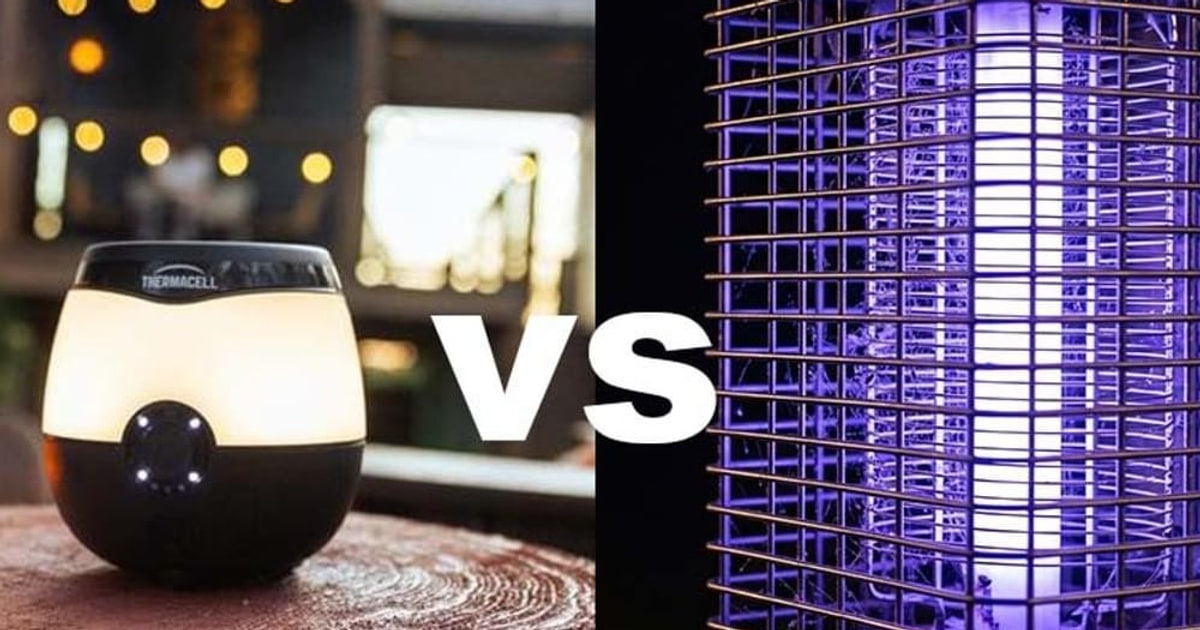
Mosquitoes aren't a problem you solve in an afternoon. A biting female lives a few weeks, lays hundreds of eggs in a bottle cap's worth of water, and never travels far from where she hatched. That's why the devices that actually help are the ones that run every night for the whole season, pulling females out of the breeding cycle before they lay. A trap you switch on the morning of a barbecue won't do much. One you plug in when the weather warms and leave alone can thin out a yard noticeably by midsummer.
Here's the honest part: nothing in this category clears a yard. Even the research-grade traps catch a fraction of what's out there, and your neighbor's clogged gutter will keep restocking the supply. Traditional UV zappers are worse than disappointing — they mostly kill moths, beetles and other harmless insects while the mosquitoes ignore them. And every device here works better alongside the boring free step: dump the standing water. Buckets, tarps, plant saucers, the kid's abandoned wading pool.
We also want to be clear about what we did here. We read published entomology research, manufacturer specifications and the themes running through owner feedback — we didn't set any of these up in a yard. With that said, we think that the DynaTrap DT2030SR is the best mosquito trap for most people, and that the Biogents Mosquitaire is the one to buy if your problem is specifically Asian tiger mosquitoes biting your ankles during the day.
Everything we recommend

Quiet, low-fuss, and no propane tank to refill

The most credible science, if you'll do the setup work

Silent indoor backup, not a yard solution

Protects where you sit, instead of thinning the yard
At a glance
| Product | Capture method | Coverage | Price | |
|---|---|---|---|---|
| Katchy Midnight - Indoor Insect Trap withBudget pick | — | — | $44.99 |
 | Flowtron Bug ZapperAlso in lineup | 40W UV + 5600V grid | 1 acre | $87.99 |
| Dynatrap DT2030SR Fly Traps Outdoor - MosquitoTop pick | — | Up to 1 acre | $99 |
| Thermacell E-ZoneGuard Patio Rechargeable Mosquito RepellerAlso great | — | 20 ft zone | $54.99 |
| Biogents Mosquitaire Outdoor Mosquito Trap for BitingUpgrade pick | — | — | $199 |
 | Mosquito Magnet Patriot Plus Propane Mosquito TrapAlso consider | Propane CO2 + vacuum | Up to 1 acre | $411.99 |
How we picked
Targets biting females. We gave weight to the capture mechanism rather than the marketing. Traps using CO2, heat or human-scent lures target the biting females that actually matter; light-only designs mostly pull in insects that never bite you.
Published research. We leaned on entomology literature, including the University of Delaware zapper study, to judge how well each category performs against mosquitoes specifically. Devices whose approach has been evaluated by mosquito-control researchers ranked above those with only manufacturer claims.
Running costs. We read the spec sheets for what each unit needs after purchase: propane tanks, lure cartridges, catch bags, glue boards, bulbs. A trap with a low purchase price and three consumables isn't the cheap option.
Non-target impact. We looked at what else each device kills. Grid zappers and fan traps both catch moths, beetles and pollinators, and we flagged that where it's significant — a lure-based trap that ignores UV light is the gentler choice for a garden.
Owner reliability themes. We read through owner feedback looking for repeated patterns rather than individual complaints. Recurring reports of units failing mid-season, or of poor results against specific mosquito species, changed where products landed.
Top pick
Quiet, low-fuss, and no propane tank to refill
Dynatrap DT2030SR Fly Traps Outdoor - Mosquito
The DT2030SR pulls insects into a basket with a UV-LED light and a fan, so there's no zapping crack and no grid to scrub. It covers about an acre, empties with a button, and runs on a standard outlet all season.
$99fromAmazonFor most yards, this is the right amount of machine. You plug it in, hang or stand it 20 to 40 feet from where you sit, and leave it running. No propane tank to swap every three weeks, no refill subscription, no grid to clean. The LED bulb is rated to last so long that most owners never replace it. If you want mosquito control you can set up once in spring and mostly forget about, this is it.
The fan is the part that matters more than the light. Insects drawn in by the UV-LED get sucked into a mesh basket and die of dehydration, which means they end up in a container you empty instead of sprayed across your deck. Owners describe the fan as quiet enough to sit next to — one of the real advantages over a zapper, which announces every kill with a pop.
Emptying it is a push-button job. The basket releases from the bottom, you dump it, and you're done. A spring-loaded door at the top keeps the catch from crawling back out if the power cuts. Several owners mention that seeing the basket fill is what convinced them the thing works at all, which is a small psychological win that propane traps with sealed nets don't give you.
Expect weeks, not nights. Owners who report real improvement are the ones who ran it from spring through summer and swapped the attractant periodically. The ones who report nothing usually tried it for a week or moved it around looking for a sweet spot. Mosquito trapping is a population game: you're removing females before they lay, and that math takes a month or more to show up on your ankles.
Flaws but not dealbreakers
It catches everything, not just mosquitoes. Moths, beetles, gnats and the occasional wasp all end up in the basket, and if you garden for pollinators that's a real cost. A fan trap is gentler than a zapper's grid, but a moth that spent the night in a mesh basket is still a dead moth. Placing it away from flower beds helps some.
The light-and-fan design is weaker against Asian tiger mosquitoes, which hunt by day and respond more to CO2 and body scent than to UV. Owners in regions where tiger mosquitoes dominate report much poorer results than owners dealing with evening-active species. Gnats are another gap — small ones reportedly squeeze back out through the mesh.
Coverage claims deserve skepticism. An acre is the manufacturer's figure under good conditions, and a yard with fences, shrubs and a wind pattern isn't good conditions. Treat it as the device that protects the area you actually use, and consider a second unit if your lot is large and open.
Upgrade pick
The most credible science, if you'll do the setup work
Biogents Mosquitaire Outdoor Mosquito Trap for Biting
The BG-Mosquitaire uses a scent lure and a fan instead of light, and it's aimed squarely at the day-biting Asian tiger and yellow fever mosquitoes. Biogents traps are used by mosquito-control agencies, which is a track record light-based traps can't claim.
$199fromAmazonThis is the trap with actual institutional use behind it. Biogents sells to mosquito-control districts, public health bodies and the German and French militaries, and its designs show up in vector-control work. That's not a marketing badge — it means the capture approach has been evaluated by people whose job is counting mosquitoes, not selling devices. If you want the option that research organizations reach for, this is the one on this list.
It ignores UV light entirely, which is the point. Tiger mosquitoes don't care about a glowing bulb; they hunt by scent, warmth and CO2. The Mosquitaire uses a lure that mimics human skin odor and a fan that pulls mosquitoes down into a catch bag. If your bites happen in daylight, around your ankles, from a small striped mosquito, this targets the right insect in the right way.
You can upgrade it. Adding a CO2 emitter set makes it dramatically more attractive and widens the species it catches, because carbon dioxide is the signal nearly every biting mosquito homes in on. That's an ongoing cost and more hardware, but it's a path the light traps don't offer. The separate BG-Sweetscent attractant is another lever if catch rates disappoint.
Placement is less flexible than it looks. Biogents is specific: humid, shaded, outdoors, near power. Owners who report good catches tend to be the ones who followed that and left it in one spot for weeks. Owners who report failure often had it in sun, in the open, or running for only a couple of weeks. The trap is picky, and the instructions aren't suggestions.
Flaws but not dealbreakers
It's the most demanding option here and the results are genuinely mixed. Some owners describe bags filled with mosquitoes over a few weeks; others ran it for two weeks and counted fewer than ten. A trap that catches mosquitoes and a trap that keeps you from getting bitten aren't the same thing, and several owners who confirm the first still question the second.
The running costs add up. Catch bags, lure cartridges and — if you want the full effect — a CO2 emitter set and its refills are all consumables. The base trap is already the most expensive non-propane unit here, and the upgrade path makes it pricier still.
It needs a cord. There's a 10-meter extension in the box, which helps, but you're tethered to an outlet and you're running a fan outdoors in the weather all season.
Budget pick
Silent indoor backup, not a yard solution
Katchy Midnight - Indoor Insect Trap with
The Katchy Midnight uses UV light, a fan and a sticky glue board, with no grid and no noise. It's genuinely useful for mosquitoes that follow you inside, and for the gnats around your houseplants, but it won't touch a backyard population.
$44.99fromAmazonStart with what this isn't: it's not outdoor mosquito control. Katchy says indoor use only, and the trap's small fan and little UV lamp are meant for a room, not a lawn. We include it because the mosquito that bites you at 2 a.m. is usually already in your bedroom, and no acre-rated trap in the yard is going to help with that one.
For indoor flying pests, it's the quietest thing you can buy. There's no snap, no splatter, no chemical. The light draws insects in, the fan pulls them down, and a sticky board holds them. You peel off the used board and stick on a new one. Owners with houseplants and fruit bowls are the happiest group — gnats and fruit flies are what it catches best, by a wide margin.
It handles its own schedule. The light comes on when the room goes dark and shuts off in daylight, which is when most indoor biters are active anyway. There's a manual mode if you want it running at a specific time. It looks like a small speaker, so you can leave it on a kitchen counter without it being an eyesore.
Mosquito results indoors are a coin flip, and owner feedback splits hard. Some report a real end to bedroom bites; others report ankles still getting chewed after weeks. Mosquitoes respond to your breath and skin far more than to a UV lamp, so you're asking the trap to out-compete you. Close the bedroom door and put it in the room you're not sleeping in, and your odds improve.
Flaws but not dealbreakers
It's a supplement, not a solution. Katchy says it doesn't replace pest control, and that's accurate. Against mosquitoes specifically, the honest expectation is that it reduces some of what's already inside — not that it clears a room, and definitely not a patio.
Build quality draws complaints. The charging cable in particular comes up in owner feedback as flimsy, with some units failing within a few months. For a device in this price tier that's a fair gripe.
Glue boards are a recurring cost, and a full one is unpleasant to look at. You also lose anything useful that wanders in — it's indiscriminate, just quietly so.
Also great
Protects where you sit, instead of thinning the yard
Thermacell E-ZoneGuard Patio Rechargeable Mosquito Repeller
The Thermacell E-ZoneGuard isn't a trap at all — it heats a repellent cartridge to push mosquitoes out of a roughly 20-foot zone. It runs about nine hours on its rechargeable battery and needs no cord, which makes it the one device here that works on a patio with no outlet.
$54.99fromAmazonThis solves the problem you actually have tonight. A trap lowers mosquito numbers across weeks; a repeller makes the next three hours on your deck bearable. Those are different jobs. Push the button, wait about 15 minutes, and you've got a protection zone around the table where people are sitting. No spray on your skin, no dead bugs to sweep up.
The no-cord part matters more than it sounds. Everything else on this list needs an outlet or a propane tank, which rules out a lot of balconies, campsites and far corners of a yard. This runs on a rechargeable lithium-ion battery for up to nine hours — enough for a long evening — and it's small enough to carry to a picnic table.
It's EPA-registered and independently reviewed for safety, and Thermacell points specifically to mosquitoes that can carry West Nile, dengue, Zika, chikungunya and EEE. If you're in a region where mosquito-borne disease is a live concern and you spend evenings outside, protecting the people in the chairs is a reasonable first priority.
We'd pair it with a trap rather than choose between them. Run the DynaTrap all season to chip away at the population, and switch this on for the hours you're outdoors. Owner feedback on the Thermacell line generally supports the zone working as described, with the usual caveat: wind blows the protective cloud away, and an open windy deck is its worst case.
Flaws but not dealbreakers
It kills nothing and reduces nothing. Step outside the zone and you're back to being bitten, and the mosquito population in your yard is exactly what it was. If you want fewer mosquitoes rather than a protected bubble, this is the wrong tool.
Twenty feet is the claim under favorable conditions. A breeze, an open layout, or a group spread across a big patio all shrink the real zone. Several owners find they need the unit closer than they expected, or a second one.
Cartridges are a consumable, and you'll keep buying them. The battery also needs charging between sessions, which is one more thing to remember before guests arrive.
Who this is for
Buy one of these if you own or rent a yard, deck or patio you want to use after dinner, and you're ready to run a device for a full season rather than a weekend. The traps here make the most sense if you set them up when the weather first warms and leave them in one place — that's how you catch females before they lay. If you're mostly dealing with mosquitoes that slip indoors, you want the small indoor trap, not an acre-rated one. And if your problem is a single evening — a party, a camping trip — a repeller will serve you better than any trap.
Skip all of it if you haven't dealt with standing water yet. Clearing gutters, flipping buckets, emptying plant saucers and changing birdbath water costs nothing and removes the breeding sites these devices can only partly compensate for. Also skip it if you expect a mosquito-free yard: nothing here delivers that, and a trap in your yard can't do anything about the ones hatching two doors down. This guide covers plug-in and propane traps, UV zappers and one patio repeller. It doesn't cover yard sprays, misting systems, mosquito dunks for standing water, professional treatment services or bracelets and ultrasonic gadgets.
How we picked
We built this guide from published entomology research, manufacturer specifications and the patterns in owner feedback, weighing a handful of things. Targets biting females: we favored CO2, heat and scent lures over UV light alone, because the biting female is the only mosquito that matters to you. Published research: the University of Delaware zapper study and the use of certain traps in vector-control work carried more weight than any marketing claim. Running costs: we counted every consumable — propane, lures, catch bags, glue boards, bulbs — not just the purchase price. Non-target impact: we flagged devices that kill moths, beetles and pollinators in volume, which includes every zapper and, to a lesser degree, every fan trap. Owner reliability themes: repeated reports of mid-season failures or species-specific flops moved products down the list.
Other mosquito traps and backyard bug zappers worth considering
If you want the propane approach for a yard up to an acre: The Mosquito Magnet Patriot Plus Propane Mosquito Trap ($411.99) — The Patriot Plus is the real CO2 trap in this lineup. It burns propane to produce carbon dioxide, heat and moisture, mimicking a warm body, then vacuums mosquitoes into a net — which is the mechanism that works best on biting females, including tiger mosquitoes that ignore UV traps. A tank runs about 21 days, the cord reaches 50 feet, and the manufacturer says you should see population drops in 7 to 10 days of continuous running. Owners who got it working describe genuinely full catch nets. The catch is reliability: this unit draws a heavy share of complaints about failing to restart after a tank change, fault codes and repair trips, and that pattern is consistent enough that we can't make it a pick. You also give up simplicity — tanks to haul, nets to replace, and a season's propane to budget for. Worth considering if propane-trap performance is what you're after and you can stomach the service risk.
The competition
This is what our research turned up for this category, not a map of everything sold. A few devices here are included specifically to explain a popular approach we think you should skip.
The Flowtron Bug Zapper ($87.99) — The Flowtron BK-40D is the classic backyard zapper: a 40-watt UV bulb, a 5,600-volt grid with a non-clog Teflon coating, an acre of claimed coverage and an octenol attractant cartridge in the box. It's well made and maintenance-light, and the octenol lure does make it more interesting to mosquitoes than a bare bulb would be. But the category itself is the problem. In a University of Delaware study of residential bug zappers, only 31 of 13,789 insects killed were biting insects — about 0.22% — and most of those weren't mosquitoes. The rest were moths, beetles and other harmless or beneficial insects. So you're running a device that kills thousands of things you had no quarrel with, plus the occasional mosquito, and announcing each one with a pop. If you want a zapper anyway — some people like the lantern look and the bug-free glow near a shed — this is a reasonable one. We'd rather you bought a fan trap.
Placement and seasonal setup
Where you put a trap matters as much as which one you buy. Set it upwind of your seating area and 20 to 40 feet away, so it's pulling mosquitoes toward itself and past you, not past you and toward itself. Shade and humidity help — a shaded spot near shrubs or a damp fence line is better than the middle of a sunny lawn. Then leave it there. Moving a trap around every few days resets the clock on the only thing it's good at, which is steadily removing females before they lay. Start it when nights first get warm, not in July when you're already miserable, and run it continuously through the season. Swap lures and attractant cartridges on schedule, empty the basket or net before it packs solid, and keep the fan intake clear of leaves and spider webs.
Questions we get
Do bug zappers actually kill mosquitoes?
Barely. In a University of Delaware study of residential zappers, just 31 of 13,789 insects killed were biting insects — roughly 0.22% — and most of those weren't mosquitoes. The overwhelming majority of the catch was moths, beetles and other harmless or beneficial insects. If mosquitoes are your problem, a UV grid is the wrong tool.
What's the best mosquito trap for a quarter-acre yard?
The DynaTrap DT2030SR is the sensible default. It's rated for about an acre, so a quarter-acre gives you margin for fences and shrubs eating into real coverage, and it runs on a normal outlet with no tank to refill. If your biters are small striped mosquitoes active in daylight, go with the Biogents Mosquitaire instead — UV light does little against that species.
Are mosquito traps worth the money?
It depends on your expectations. If you want fewer mosquitoes in your yard over a season and you'll run a trap continuously from spring, yes — owners who do that often report a real difference by midsummer. If you want a mosquito-free patio by this weekend, no trap will do that. And none of them substitute for emptying the standing water that's producing the mosquitoes.
Do mosquito traps attract more mosquitoes to my yard?
A trap does pull mosquitoes toward it, which is the point, but the draw range is modest compared with the distance most mosquitoes travel in their lives. The practical risk isn't importing mosquitoes from the neighborhood — it's placing the trap next to your chairs, so the ones heading for it pass you first. Put it 20 to 40 feet upwind of where you sit.
How long does it take a mosquito trap to work?
Plan on weeks. Propane traps like the Patriot Plus are advertised to show population drops in 7 to 10 days of continuous running, and the fan and lure traps generally need a few weeks of uninterrupted operation before the effect is obvious. You're breaking a breeding cycle, not clearing the air. Set it up early in the season and leave it alone.
Are bug zappers bad for pollinators and beneficial insects?
Yes, and it's the strongest argument against them. The Delaware study found that nearly everything a residential zapper kills is a non-biting insect — moths, beetles, parasitic wasps and other species that either pollinate or eat pests. Fan traps are better but not innocent, since they also catch moths and beetles. A scent-lure trap that skips UV light entirely is the gentlest choice for a garden.
What should I use on a patio with no outlet?
The Thermacell E-ZoneGuard. It's a rechargeable repeller rather than a trap, so it runs off a battery for up to nine hours and creates a protection zone of about 20 feet around wherever you set it down. It won't reduce the mosquito population at all, but for a balcony or a far corner of the yard with no power, it's the only workable option here.
Why you should trust us
For this guide:
- We read the published entomology literature on residential insect electrocutors, including the Frick and Tallamy study in Entomological News documenting what bug zappers actually kill.
- We compared manufacturer specifications across every unit here — capture method, coverage claims, power source, consumables and maintenance schedule.
- We reviewed recurring themes in owner feedback, paying particular attention to reports of mid-season failures and of poor results against day-biting tiger mosquitoes.
- We read owner reviews on every listing, weighted toward the critical ones, because that is where the recurring failures show up.
- We have a systematic way of automatically fetching the latest prices, so the numbers on this page stay current.
- This is a research-focused guide, so the team may not own every product listed — though we often do own the top winners, which gives us extra context for the recommendations.
- We don't accept free products, and the retailer commission never changes which product we recommend.
Sources
Frick & Tallamy (1996), Density and Diversity of Nontarget Insects Killed by Suburban Electrocuting Devices, Entomological News 107:77-82, Entomological News / University of Delaware
Mosquito Control, U.S. EPA, U.S. EPA
Mosquito Control at Home, CDC, CDC
Mosquito Traps, Consumer Reports, Consumer Reports
Best Mosquito Repellents and Traps, Wirecutter, Wirecutter
Amazon product listings and owner reviews for all 6 products
Manufacturer specification pages for each product
Some passages in this guide may be paraphrased with AI help. Prices are refreshed automatically.
More like this.
Continue exploring lifestyle reviews and recommendations.

The Best Crab Pots and Lobster Traps
Crabbing is mostly waiting, and the gear you drop over the side decides whether that wait pays off. A good trap sits flat on the bottom, holds its shape…

The Best Bug Out Bags
A bug out bag is the thing you hope stays in the closet. But when a hurricane knocks out power for a week, or a wildfire gives you twenty minutes to…

The Best Bug Repellents
A good bug repellent is the difference between sitting outside until the fireflies come out and going inside at seven. It's also, in tick country, a…

The Best Mosquito Repellents for Outdoors
Mosquitoes decide how long you stay outside. A bite or two on the ankles during dinner on the deck, and everyone drifts indoors an hour early. The right…

The Best Mosquito Misting Systems
A backyard you can't sit in after sundown isn't really a backyard. Mosquitoes make that call for you, and they make it from the damp, shady edges of your…

The Best Mosquito Net Gazebos for Patios
A patio you can't sit on after sundown isn't much of a patio. Mosquitoes show up right when the evening gets good - dinner outside, a drink, the kids…