The Best Bug Repellents
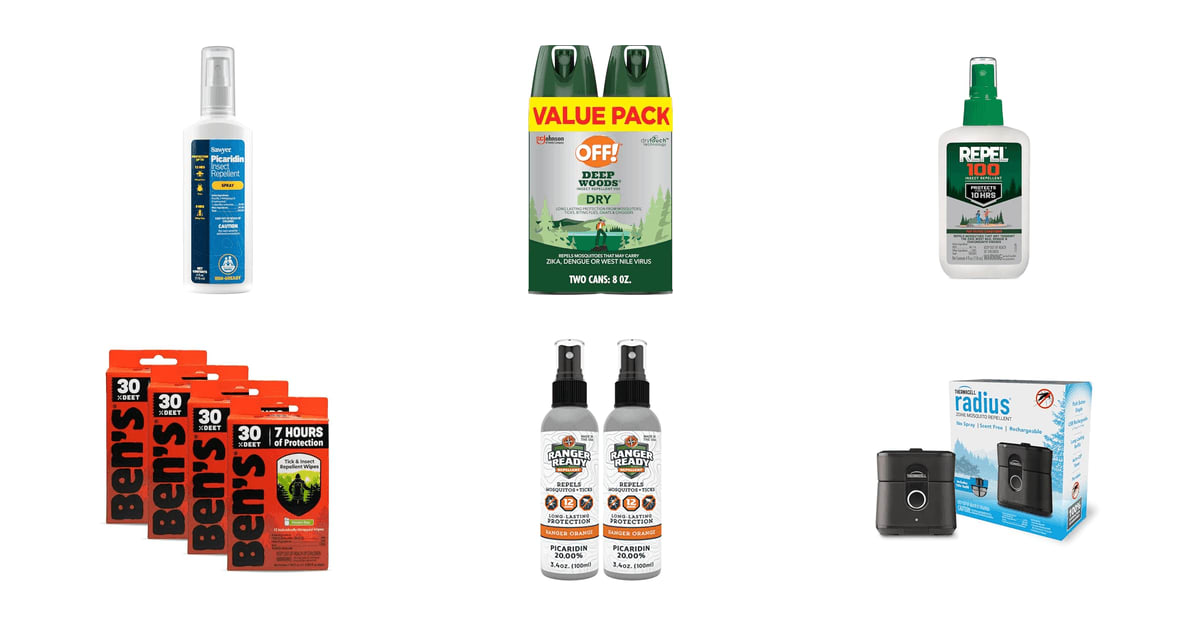
A good bug repellent is the difference between sitting outside until the fireflies come out and going inside at seven. It's also, in tick country, a genuine health decision. The CDC recommends four active ingredients — DEET, picaridin, IR3535, and oil of lemon eucalyptus — and every one of them has peer-reviewed evidence behind it. Everything else on the shelf is mostly marketing. The good news is that the proven stuff is cheap, widely available, and doesn't require much thought once you know what to look for.
Here's the honest part: nothing here is a force field. Repellents work by making you hard to find, not by killing anything, so mosquitoes will still buzz around you and sometimes land on a spot you missed. Miss your ankles and you'll get bitten on your ankles. Every formula also wears off — sweat, swimming, and towel-drying all shorten the window, and the durations printed on the bottle assume ideal conditions and a thorough application. Reapplication is the price of admission.
Your real choice is between two ingredients. Picaridin won't melt your rain jacket or your watch strap; DEET will, but it's the ingredient with the longest track record in the nastiest conditions. We think that the Sawyer Products Premium Insect Repellent with 20% Picaridin is the best bug repellent for most people, and that OFF! Deep Woods is the one to buy if you want the classic DEET formula for heavy mosquito pressure.
Everything we recommend

Long protection that won't wreck your gear or your skin

The classic DEET aerosol, if you don't mind the smell

Precise, spill-proof DEET that flies in a carry-on

Nothing on your skin, as long as you stay put

The only plant-based option with real evidence behind it
At a glance
| Product | Active Ingredient | Protection Time | Price | |
|---|---|---|---|---|
| Sawyer Products SP544 Premium Insect Repellent withTop pick | 20% Picaridin | 12 Hrs | $10.99 |
| OFF! Deep Woods Dry Insect & MosquitoRunner-up | 25% DEET | — | $12.98 |
 | Repel 100 Mosquito & Insect Repellent 4Also consider | 98% DEET | 10 Hrs | $7.48 |
| Ben's Tick & Insect Repellent WipesAlso great | 30% DEET | 7 Hrs | $31.96 |
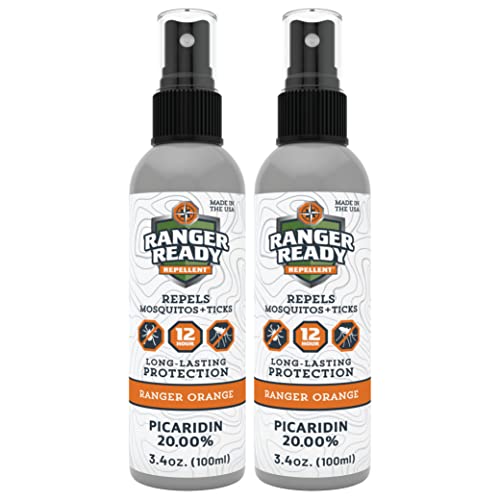 | Ranger Ready Picaridin 20% Tick & InsectAlso consider | 20% Picaridin | 12 Hrs | $25.99 |
| Thermacell E-ZoneGuard Radius Rechargeable Mosquito Repeller 5.5-HrUpgrade pick | — | 5.5 Hr Battery | $39.99 |
| Repel Plant-Based Lemon Eucalyptus Mosquito & InsectBudget pick | Oil of Lemon Eucalyptus | 6 Hrs | $18.99 |
How we picked
CDC-backed actives. We limited the field to products built on the four active ingredients the CDC recommends: DEET, picaridin, IR3535, and oil of lemon eucalyptus. The EPA registers over 100 repellent products, but fewer than 15% use an ingredient with that backing.
Protection duration. We compared label durations against published efficacy research rather than taking marketing claims at face value. A repellent needed to hold up for at least several hours on one application to be worth recommending.
Gear compatibility. DEET degrades nylon, rayon, spandex, and acetate, so we weighed fabric safety heavily for anything aimed at hikers and travelers. Picaridin and OLE formulas got credit here that DEET formulas couldn't earn.
Who can use it. We checked age limits and pregnancy guidance from the American Academy of Pediatrics and product labeling. OLE is off-limits under age three; DEET up to 30% is considered safe for children over two months when an adult applies it.
Application format. We looked at pumps, aerosols, wipes, and device-based systems, since format determines whether a repellent gets used. Travel restrictions and overspray risk factored into how we ranked them.
Top pick
Long protection that won't wreck your gear or your skin
Sawyer Products SP544 Premium Insect Repellent with
Sawyer's 20% picaridin spray protects for up to 12 hours against mosquitoes and ticks, and it's safe on nylon, spandex, plastics, and finished surfaces. It's fragrance-free and dries fast, which is why it's the bottle most people should keep by the door.
$10.99fromAmazonPicaridin does the same job as DEET without the collateral damage. Consumer Reports found that 20% picaridin and 25–30% DEET performed nearly identically against Aedes aegypti mosquitoes for up to eight hours. But DEET degrades nylon, rayon, spandex, and acetate. That's your rain shell, your pack straps, your watch band. REI's own guidance steers hikers toward picaridin for exactly this reason, and Sawyer's label leans into it — safe on fishing line, sunglasses, and gun finishes.
The listed protection window is up to 12 hours against mosquitoes and ticks, and up to 8 hours against flies, gnats, and chiggers. That's a full day of yard work or a long hike on one application. Owners who spend hours outdoors in mosquito-heavy places — Houston at dusk, the Caribbean during no-see-um season — consistently report it holding up through the evening without a touch-up.
It's fragrance-free, which sounds like a small thing until you've spent an afternoon smelling like a chemistry set. Picaridin is also more effective against biting flies than DEET, per Sawyer's labeling. If gnats and black flies are your particular tormentors, that matters more than the mosquito numbers everyone quotes.
The pump spray gives you control that aerosols don't. You can hit the back of your neck without dosing your face, and you can put it directly on your ankles and sock line, where ticks actually go. The 4-ounce bottle fits a pack pocket, and Sawyer recommends pairing it with permethrin-treated clothing — which is the setup the CDC endorses for high-risk Lyme areas.
Flaws but not dealbreakers
It doesn't dry as fast as the label suggests on humid days. A meaningful number of owners describe a sticky or tacky feel that lingers, especially if you've applied heavily. It's not greasy exactly, but it's not invisible either, and a few people find the texture worse than the bites.
Picaridin's track record is shorter than DEET's simply because it's newer to the U.S. market. The evidence is solid, but if you're heading somewhere with serious mosquito-borne disease risk, a high-concentration DEET formula is the more conservative call.
Runner-up
The classic DEET aerosol, if you don't mind the smell
OFF! Deep Woods Dry Insect & Mosquito
OFF! Deep Woods pairs 25% DEET with a dry-powder finish that doesn't leave you slick. It's the formula most people grew up with, it's easy to apply fast over large areas, and it handles mosquitoes, ticks, gnats, and biting flies.
$12.98fromAmazonTwenty-five percent DEET sits right in the sweet spot the research supports. A New England Journal of Medicine study found 23.8% DEET gave complete protection for over five hours — far past every botanical alternative tested, which averaged under 20 minutes. Going higher doesn't repel better; it just lasts longer. For an evening on the porch or a day hike, this concentration is plenty.
The aerosol is the real argument for it. You can coat both arms and legs in about fifteen seconds, which matters when you're standing in a cloud of mosquitoes at a trailhead. The dry formulation is the other draw — it goes on powder-dry instead of oily, so your hands don't feel coated afterward.
This is the repellent to buy if you want the fewest surprises. It's been on shelves for decades, it's sold by the pallet every summer, and owners who've used the same can year after year keep coming back. Sometimes the boring answer is the right one. The two-pack also means one can lives in the car and one in the garage.
It covers the full pest list you actually care about: mosquitoes that may carry Zika, dengue, and West Nile, plus ticks, biting flies, gnats, and chiggers. If you want one can that handles everything in the backyard and the woods, this is it.
Flaws but not dealbreakers
The smell is strong. Owners describe holding their breath during application, and the aerosol makes it easy to overspray into your own face. Use it outdoors, and don't spray near an open car door.
It's DEET, so keep it off synthetic gear. Owners also report white marks on dark clothing — they wash out, but you'll notice them at dinner. And aerosols aren't allowed in carry-on luggage, so this isn't your travel option.
Also great
Precise, spill-proof DEET that flies in a carry-on
Ben's Tick & Insect Repellent Wipes
Ben's individually wrapped wipes carry a 30% DEET formula that's water-based and alcohol-free. One wipe covers most people's arms and legs, and since there's no liquid bottle, they go through airport security without a second look.
$31.96fromAmazonWipes solve the two problems sprays create: overspray and packing. You rub the repellent exactly where you want it, which means you can do your face and neck carefully instead of misting them. And because each wipe is individually sealed, there's nothing to leak in your bag. Owners keep single packets in a pocket for dog walks and toss a handful in a daypack.
Thirty percent DEET is the concentration the CDC points to for tick protection, and Ben's rates it for up to seven hours. That's a solid day hike. It's also the ceiling the American Academy of Pediatrics considers safe for children over two months when an adult applies it — which the wipe format makes easier to do carefully.
The formula is water-based with no alcohol, so it doesn't sting on sun-warmed skin the way some sprays do. Owners in hot places — south Texas, Houston in July — favor it specifically because coverage is easy to get right on exposed skin without the sticky film.
TSA-friendly packaging is a bigger deal than it sounds. If you're flying to a tropical destination, aerosols are out and liquids are limited. A four-pack of wipe packets solves that with no thought at all.
Flaws but not dealbreakers
You'll go through them. One wipe covers arms and legs for an average-size adult, so a longer trip means carrying a lot of packets. Per application, it's a more expensive way to buy DEET than a pump bottle.
It's still 30% DEET, so all the fabric warnings apply — keep it off your rain jacket, your pack, and your watch. Some owners also recommend washing it off when you come inside, which is good practice with any DEET product.
Upgrade pick
Nothing on your skin, as long as you stay put
Thermacell E-ZoneGuard Radius Rechargeable Mosquito Repeller 5.5-Hr
The Thermacell Radius creates a mosquito-free zone around you without spraying anything on your body. It runs on a rechargeable battery, emits no smoke or citronella smell, and works best on a still evening at a campsite or on a deck.
$39.99fromAmazonThe appeal is simple: no repellent on your skin at all. You press one button, wait about fifteen minutes, and a heat-activated allethrin cartridge builds a protection zone around you. There's no fuel to swap, no smoke, no citronella. If you've got sensitive skin, or you just hate the feel of bug spray, this is the way around it.
Independent testing has shown Thermacell's zone systems cutting mosquito landings by up to 98% within about a 15-foot radius in low wind, and the device is EPA-reviewed for safety and effectiveness. Owners describe the same pattern from the other direction: sit inside the zone and you're fine, walk thirty or forty feet away and the mosquitoes find you again.
For a deck, a campsite, a fishing chair, or a kid's soccer game where you're on a folding chair for two hours, that's exactly the right shape of protection. Several owners describe reclaiming a backyard they'd essentially given up on during mosquito season without spraying the whole yard with pesticide.
The rechargeable battery runs up to about 6.5 hours per charge, which covers a normal evening outside, and it charges over USB. Thermacell backs it with a two-year warranty that extends to three years with registration.
Flaws but not dealbreakers
Wind ruins it. The zone depends on still air, and owners repeatedly note that the effective radius shrinks well below the advertised figure on a breezy night. It's also useless while hiking, since you have to stay inside the bubble.
It only targets mosquitoes. It does nothing for ticks, which is the pest that actually poses a serious disease risk in much of the country. Treat it as a comfort device, not a substitute for repellent in tick country.
Battery complaints show up more often here than with any other product in this guide, particularly around charge retention after a device sits unused through the off-season. Cartridges are also an ongoing cost.
The Radius comes with a two-year warranty that extends to three years with registration.
Budget pick
The only plant-based option with real evidence behind it
Repel Plant-Based Lemon Eucalyptus Mosquito & Insect
Repel's lemon eucalyptus spray uses oil of lemon eucalyptus, the one botanical active ingredient the CDC actually recommends. It protects for up to six hours against mosquitoes and smells like citrus instead of chemicals, which makes it easy to reapply.
$18.99fromAmazonOil of lemon eucalyptus is the only plant-derived ingredient with CDC backing, and this is the straightforward way to buy it. Be careful about the distinction: OLE (refined to PMD) is EPA-registered and studied. Essential lemon eucalyptus oil, sold in the same aisle, is unregulated and not the same thing. This product uses the real one.
Six hours of listed protection is genuinely useful for a barbecue, a garden session, or an evening walk. It's not a full-day ingredient — head-to-head research puts OLE around 120 minutes of complete protection versus 300-plus for DEET — so plan on reapplying. For short outdoor stretches, the gap doesn't matter much.
The scent is the underrated feature. It smells like citrus rather than solvent, and owners who've bounced off DEET's smell describe this as the first repellent they'll actually use. A repellent you're willing to reapply beats one you leave in the drawer.
It's DEET-free, and the four-pack means you can leave a bottle in the car, the garden shed, and the diaper bag. It goes on as a fine mist and doesn't leave the sticky film some picaridin sprays do.
Flaws but not dealbreakers
OLE isn't approved for children under three, which rules it out for the youngest kids — ironically, the group many parents buy plant-based repellents for. For toddlers, picaridin or a properly applied low-concentration DEET is the better call.
Protection is shorter and less consistent than DEET or picaridin. It's a fine choice for a couple of hours in the yard. It's the wrong choice for a full day in tick country or a trip somewhere with real mosquito-borne disease risk.
Who this is for
This guide is for anyone who spends time outdoors where mosquitoes and ticks live — which is most of the country, most of the summer. If you hike in the Northeast or Upper Midwest, tick protection isn't optional; the CDC counts over 40,000 reported Lyme cases a year in the U.S. If you're traveling somewhere with mosquito-borne disease risk, a proven active ingredient is worth more than a pleasant scent. And if you just want to eat dinner on the patio, the bar is lower but the answer is the same.
We're covering repellents you apply to skin, plus one device-based system for stationary use. We're not covering yard sprays, foggers, bug zappers, or citronella candles. We're also not covering permethrin clothing treatments, though we'd point you toward one: permethrin goes on fabric, not skin, holds up through dozens of washes, and the CDC recommends pairing it with a skin repellent in high-risk Lyme areas. If you're deep in tick country, that combination beats any single product here.
How we picked
We started from what the evidence supports and worked down. Active ingredient: only DEET, picaridin, IR3535, and oil of lemon eucalyptus made the cut, since those are the four the CDC recommends and the only ones with peer-reviewed efficacy behind them. Duration: we checked label claims against published research, because higher DEET concentration extends protection time rather than improving it. Gear safety: DEET eats synthetics, so picaridin and OLE options earned credit with hikers and travelers in mind. Safety profile: age limits and pregnancy guidance shaped which products we'd recommend to families. Format: pumps, aerosols, wipes, and zone devices each solve a different problem, and we picked one of each where it made sense.
Other bug repellents worth considering
If you want picaridin that smells like something you'd choose: The Ranger Ready Picaridin 20% Tick & Insect ($25.99) — Ranger Ready uses the same 20% picaridin as our top pick, with the same 12-hour mosquito and tick claim and 8 hours against gnats, flies, chiggers, and no-see-ums. The difference is the experience — it's scented with bergamot and orange instead of being fragrance-free, it sprays as a fine 360-degree mist, and owners consistently describe it as lighter on the skin than Sawyer's. It's cleared for kids over one and for use during pregnancy. The trade-offs are price and the bottle: it costs more per ounce than Sawyer, and the trigger handle draws complaints for being awkward to hold and lock. If you'd rather smell like citrus than nothing, it's a fair upgrade.
If you're headed somewhere genuinely brutal: The Repel 100 Mosquito & Insect Repellent 4 ($7.48) — Repel 100 is 98% DEET — about as concentrated as you can buy — rated for up to 10 hours. It's the bottle to pack for an Alaskan summer, a Louisiana swamp, or jungle travel where the mosquito pressure is relentless and reapplying isn't practical. Remember that the extra concentration buys duration, not stopping power: 30% DEET repels just as well, it just wears off sooner. The downsides are real. It's oily, owners say it smells like gasoline, and at that strength it will damage synthetic fabrics and finishes on contact. Keep it away from your gear and off your face, and treat it as a specialty tool rather than your everyday spray.
The competition
This is what our research surfaced in this category, not a survey of everything sold. There are over 100 EPA-registered repellents on the U.S. market, and plenty of good ones aren't here. The product below came up in our search but isn't a repellent.
How to apply it and make it last
Apply repellent to exposed skin only, and put it on after sunscreen — not before. Spray your hands and rub it onto your face rather than misting it, and skip the area around your eyes and mouth entirely. Pay attention to your ankles, sock line, and waistband, since that's where ticks climb aboard. Don't apply under clothing. For kids, an adult should always do the applying; children shouldn't handle repellent themselves. Sweat, swimming, and towel-drying all shorten protection well below the label claim, so reapply after any of them. Wash it off with soap and water when you come inside. And if you're using DEET, keep the bottle away from your rain shell, pack straps, watch band, and sunglasses — it degrades nylon, spandex, rayon, and acetate on contact.
Questions we get
Is picaridin actually as effective as DEET?
For mosquitoes and ticks, yes. Consumer Reports found 20% picaridin and 25–30% DEET performing nearly identically against Aedes aegypti mosquitoes for up to eight hours. Picaridin is also rated as more effective than DEET against biting flies. The practical difference is that picaridin won't damage synthetic fabrics and doesn't have DEET's odor.
What DEET percentage do I need for ticks?
Thirty percent is the concentration usually cited for tick protection, and it's also the ceiling the American Academy of Pediatrics considers safe for children over two months. Going above 30% doesn't repel ticks better — it only extends how long one application lasts. If you're hiking in Lyme country, pairing a 30% DEET or 20% picaridin skin repellent with permethrin-treated clothing is the approach the CDC recommends.
Are natural bug repellents as good as DEET?
Almost none of them are. In a New England Journal of Medicine study, botanical alternatives averaged under 20 minutes of complete protection while a 23.8% DEET formula lasted over five hours. The one real exception is oil of lemon eucalyptus, which the CDC recommends and which delivers roughly two hours of protection. Just don't confuse OLE with unrefined essential lemon eucalyptus oil, which isn't regulated or proven.
What's safe to use during pregnancy and on young kids?
Picaridin and DEET are both considered appropriate during pregnancy when used as directed, and DEET up to 30% is considered safe for children over two months old. Oil of lemon eucalyptus is the exception — it shouldn't be used on children under three. Whatever you choose, an adult should apply it; kids shouldn't spray themselves.
Will bug spray ruin my backpack or rain jacket?
DEET will. It degrades nylon, rayon, spandex, and acetate, which covers most technical outdoor fabrics, plus plastics and some finishes. Picaridin and oil of lemon eucalyptus are both safe on gear, which is why outdoor retailers tend to steer hikers toward them. If you use DEET, apply it to skin only and keep the bottle away from your gear.
Is a Thermacell worth buying for camping and the backyard?
It is if you're sitting still. Zone systems have been shown to cut mosquito landings by up to 98% within about a 15-foot radius in low wind, which is ideal for a deck, campsite, or fishing chair. But wind shrinks the zone considerably, it does nothing once you start walking, and it doesn't touch ticks. Think of it as an add-on to skin repellent, not a replacement.
Why you should trust us
For this guide:
- We read CDC and EPA guidance on registered active ingredients, along with published efficacy research from the New England Journal of Medicine, Consumer Reports, and OutdoorGearLab.
- We compared manufacturer specifications for concentration, protection duration, and fabric compatibility across every product in this guide.
- We reviewed owner feedback themes to understand how these formulas behave in practice — texture, scent, reapplication habits, and where the claims fall short.
- We read owner reviews on every listing, weighted toward the critical ones, because that is where the recurring failures show up.
- We have a systematic way of automatically fetching the latest prices, so the numbers on this page stay current.
- This is a research-focused guide, so the team may not own every product listed — though we often do own the top winners, which gives us extra context for the recommendations.
- We don't accept free products, and the retailer commission never changes which product we recommend.
Sources
Insect Repellent Use and Safety — CDC, Centers for Disease Control and Prevention (CDC)
Find the Repellent that is Right for You — EPA, U.S. Environmental Protection Agency (EPA)
Best Insect Repellents — Wirecutter / New York Times, Wirecutter
Best Bug Repellents of 2025 — Consumer Reports, Consumer Reports
Insect Repellents — American Academy of Pediatrics, American Academy of Pediatrics (AAP)
Comparing Insect Repellents: DEET vs. Picaridin vs. IR3535 — Outdoor Gear Lab, OutdoorGearLab
The New England Journal of Medicine: Comparative Efficacy of Insect Repellents against Mosquito Bites, New England Journal of Medicine
Tick Repellents and Prevention — Lyme Disease Association, Lyme Disease Association
Best Insect Repellents Reviewed — REI Co-op Expert Advice, REI Co-op
Bug Repellent Reviews and Ratings — Good Housekeeping, Good Housekeeping
Insect Repellents Review — Backpacker Magazine, Backpacker Magazine
Picaridin vs. DEET: Which Works Better? — Healthline, Healthline (medically reviewed)
Amazon product listings and owner reviews for all 7 products
Manufacturer specification pages for each product
Some passages in this guide may be paraphrased with AI help. Prices are refreshed automatically.
More like this.
Continue exploring lifestyle reviews and recommendations.

The Best Mosquito Traps and Backyard Bug Zappers
Mosquitoes aren't a problem you solve in an afternoon. A biting female lives a few weeks, lays hundreds of eggs in a bottle cap's worth of water, and…

The Best Bug Out Bags
A bug out bag is the thing you hope stays in the closet. But when a hurricane knocks out power for a week, or a wildfire gives you twenty minutes to…

The Best Deer Repellents for Gardens
Deer don't browse politely. They work through a hosta bed overnight, snap the tops off daylilies, and strip a young arborvitae to the height they can…

The Best Snake Repellents for Your Yard
If you've ever found a snake coiled under the deck stairs, you know the feeling. Most yard snakes are harmless, but in copperhead, rattlesnake and…

The Best Mosquito Repellents for Outdoors
Mosquitoes decide how long you stay outside. A bite or two on the ankles during dinner on the deck, and everyone drifts indoors an hour early. The right…

The Best Metal Detector Pinpointers for Gold Prospecting
A pinpointer is the small probe you pull out after your main detector says there's something down there. Without one, you widen the hole, sift the pile,…