The Best Mouth Tape for Sleep
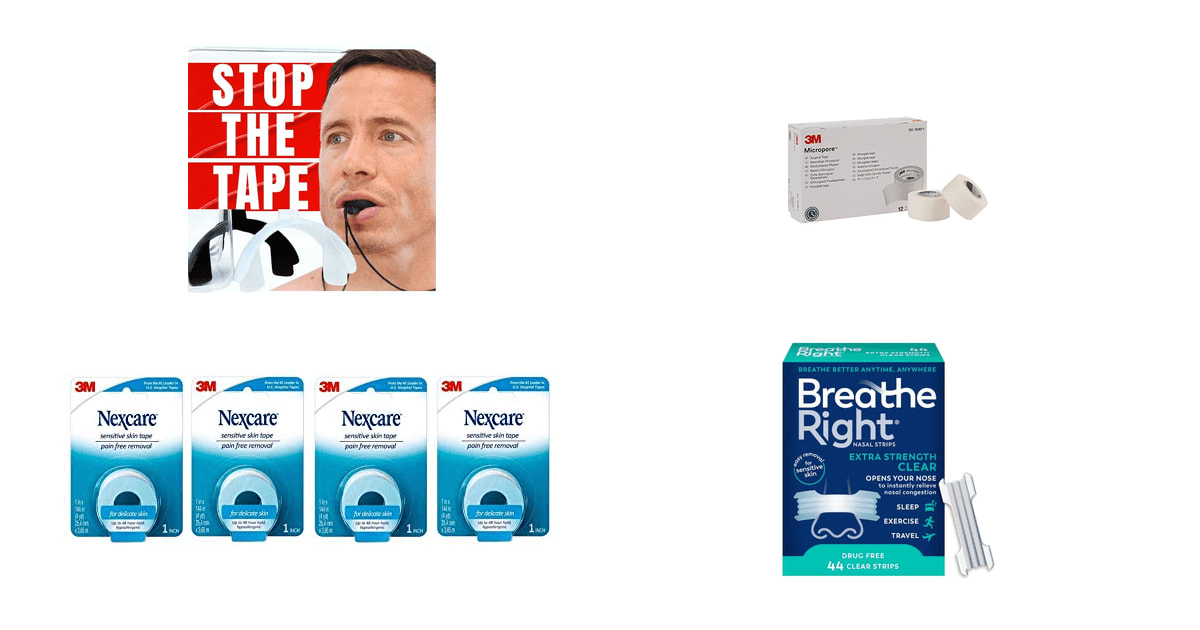
Most of us never think about which hole we breathe through at night. But if you wake up with a mouth like sandpaper, a sore throat, or a partner who's been elbowing you since midnight, you're probably breathing through your mouth for hours at a stretch. Mouth tape is a small piece of adhesive that holds your lips gently closed so your nose does the work instead. Your sinuses make nitric oxide, and that only reaches your lungs when air comes in through your nose.
Here's the honest part. Tape doesn't treat sleep apnea, and it does nothing for a blocked nose. The American Sleep Apnea Association estimates about 22 million Americans have obstructive sleep apnea, and that up to 80% of moderate-to-severe cases go undiagnosed. If that might be you, talk to a physician before you tape anything shut. Sleep doctors quoted by WebMD also rule it out for people with a deviated septum or nasal polyps. Expect two to four weeks of adjustment before you can judge whether any of this helps.
So start cheap and simple. The purpose-built strips get the marketing, but the tape sleep coaches hand people first is plain hypoallergenic paper tape from the pharmacy. It runs a small fraction of the per-night cost of a specialty strip, and it tells you within a few weeks whether nasal breathing does anything for you. We think that the 3M Micropore Paper Tape is the best mouth tape for most people, and that the 3M Nexcare Sensitive Skin Tape is the one to buy if paper adhesive leaves your lips red and sore.
Everything we recommend

Gentle paper tape you cut to fit, and the easiest way to start

Silicone adhesive for lips that react to paper tape

Not tape at all, but the fix if your nose is the problem
At a glance
| Product | Pack Size | Skin Type | Price | |
|---|---|---|---|---|
 | Better Than Mouth Tape for Sleeping MEWAlso in lineup | One Size | — | $19.99 |
| 3M Micropore Paper Tape - WhiteTop pick | Box of 12 | Hypoallergenic | $9.74On sale |
| 3M Nexcare Sensitive Skin Tape 1inx4ydsRunner-up | Pack of 4 | Sensitive Skin | $22.02 |
| Breathe Right Nasal StripsAlso great | 44 Count | Hypoallergenic | $16.97On sale |
How we picked
Hold through the night. The strip has to stay sealed for seven or eight hours, including the stretch after you roll onto your side. We weighed adhesive type from manufacturer specifications against owner reports of tape ending up on the pillow.
Skin and removal. We favored hypoallergenic, latex-free adhesives that come away without residue. Published reviews and owner feedback both rank sticky residue and morning lip soreness as the top complaints across budget tapes.
An easy way out. Anything covering your mouth needs to come off fast in the dark. We preferred options you can apply as a partial seal, or that use a soft enough adhesive to pull away in one motion.
Beard and stubble. Paper adhesives grab facial hair, which makes removal miserable and breaks the seal early. We noted which adhesives survive a couple of days of growth.
Cost per night. With a two-to-four-week adaptation period ahead of you, the entry option should be one you won't resent giving up. Pharmacy medical tape runs roughly ten to fifteen times less per night than premium sleep strips.
Top pickOn sale
Gentle paper tape you cut to fit, and the easiest way to start
3M Micropore Paper Tape - White
3M's Micropore is hypoallergenic paper tape made for holding wound dressings on fragile skin, and it's the tape most sleep coaches point beginners toward. You cut each strip yourself, it peels off clean in the morning, and one box lasts months of nightly use.
$9.74fromAmazonList priceThis is the tape to try before you spend real money on the category. A roll is built for holding dressings on damaged skin, so the adhesive is tuned to grip for days and then let go without taking the top layer with it. Owners who use it for mouth taping describe the same thing: it peels clean, no residue. Per night, it runs a small fraction of what a shaped sleep strip costs.
Because you tear it off a roll, you decide how much of your mouth it covers. A short horizontal strip across the middle of your lips is plenty for most people, and it leaves the corners open — which matters in week one, when the sensation is the hard part. If you want a firmer seal later, add a second strip vertically.
It's breathable paper rather than plastic film, so it doesn't trap sweat along your lip line in a warm bedroom. It also sticks to slightly damp skin, which is where a lot of tapes fail. Brush your teeth, wipe your lips, and you'll still get a seal a minute later. The box holds twelve rolls, which is a long stretch of nightly strips.
Treat your first month as an experiment, not a purchase. Most people need two to four weeks before dry mouth, snoring complaints and morning grogginess start to shift. Paper tape is the least painful way to run that trial. If nasal breathing clearly helps you, you'll know, and you can decide then whether a vented, pre-shaped strip is worth the step up. If it doesn't, you've lost almost nothing.
Flaws but not dealbreakers
The paper backing is stiffer than a purpose-built strip, and owners with dry or chapped lips report it can sting on the way off. A thin swipe of balm around the edge of where the tape sits — not under it — takes the edge off. If your skin still reacts, that's your cue to switch to the silicone-adhesive Nexcare.
It's poor on stubble. Paper adhesive grabs hair, so removal is unpleasant and the seal breaks the moment you roll over. There's also no vent, no rounded shape and no tab to grab, so you're cutting a rectangle and lining it up by feel in the dark.
Runner-up
Silicone adhesive for lips that react to paper tape
3M Nexcare Sensitive Skin Tape 1inx4yds
Nexcare Sensitive Skin Tape uses a soft silicone adhesive instead of the acrylic on standard paper tape, so it lifts away without pulling skin or hair. It's the one to buy if Micropore leaves you red, sore or peeling in the morning.
$22.02fromAmazonSilicone adhesive works differently from the acrylic on most medical tape. It grips by conforming to your skin rather than bonding to it, so it comes away without the sharp peel. Owners with reactive skin, and people who tape daily for work, single it out as the tape that doesn't leave a mark. On lips, that difference shows up most in the first minute after you wake up.
If you have stubble, this is the one to reach for. Silicone doesn't grab hair the way paper adhesive does, so taking it off isn't a small waxing session. It's not magic — a full beard defeats anything that relies on skin contact — but a day or two of growth won't wreck the seal or make removal a chore.
It's also more forgiving if you reposition. Paper tape is basically single-use once it's off, while a silicone strip can be lifted and re-set a couple of times before it stops sticking. That's genuinely useful on night three, when you're still working out where the strip should sit.
You give up some holding power for that gentleness. If you thrash, or you're used to waking with tape half off, the paper tape holds more stubbornly. For most people the seal is enough, and the comfort is the better trade.
Flaws but not dealbreakers
It costs more per night than plain paper tape and comes in shorter rolls, so you'll reorder sooner. The hold is the softest of the tapes here, too. If you sleep with a slack jaw, expect to find the occasional strip on your pillow at 3 a.m.
Packaging is a recurring complaint in owner feedback, with rolls turning up loose or out of their sealed boxes. That matters if you need them clinically; for bedside use it's cosmetic, but it's worth checking what arrives.
Also greatOn sale
Not tape at all, but the fix if your nose is the problem
Breathe Right Nasal Strips
Breathe Right Extra Strength strips aren't mouth tape. They're a sprung band that pulls your nostrils open from the outside. If congestion is what forces your mouth open at night, taping without one of these is the wrong order of operations.
$16.97fromAmazonList priceMouth tape only works if your nose is already clear. That's the most important sentence in this guide. Sealing your lips while your nasal passages are blocked doesn't retrain anything; it just makes the night harder, and sleep physicians warn against it outright. A nasal dilator is the low-risk way to check that air can actually get through before you commit to tape.
These are the extra-strength version, with bands the brand describes as 50% stronger than its original strips, and Breathe Right cites up to a 31% increase in nasal airflow. Owners dealing with allergies and seasonal congestion are the most enthusiastic group in the feedback, and that tracks with what the strips physically do.
Plenty of people run them alongside tape, and that's how we'd suggest starting: strip on the nose, tape on the lips, same night. If the tape alone turns out to be enough after a few weeks, drop the strips. If you can't stand adhesive anywhere near your lips, the strips on their own still cut snoring that's driven by congestion.
They also mark the limit of what any of this can do. A deviated septum, polyps or a rough allergy season are structural or medical problems, and a dilator only helps at the margins. If a strip makes no difference at all, that's a reason to see an ENT, not to tape harder.
Flaws but not dealbreakers
The adhesive is the weak spot. Owners report residue left across the bridge of the nose, irritation on sensitive skin, and strips letting go partway through the night if you sweat or moisturize beforehand. Clean, dry skin helps more than you'd expect.
They're single-use, so the running cost adds up in a way a tape roll doesn't. And they do nothing about the cause of your congestion — you're propping the door open, not fixing the hinge.
Who this is for
Try tape if you wake with a dry mouth, a sore throat or breath you can taste, if your partner says you snore with your mouth hanging open, or if you're a CPAP user losing pressure to mask leak. It's also a fair thing to try if allergies push you into mouth breathing every spring. Athletes and sleep-trackers use it to nudge overnight breathing patterns, and the nasal-breathing literature broadly supports the idea — though what you'll actually feel is subtler than the marketing suggests.
Skip it, for now, if you have diagnosed or suspected obstructive sleep apnea and haven't spoken to a physician, if you can't breathe through your nose lying down, if you drink or take a sedative before bed, or if you're shopping for a child. This guide covers adhesive tapes and the nasal aids that make them workable. It doesn't cover CPAP, dentist-fitted oral appliances or surgery, and nothing here replaces any of them.
How we picked
Hold: the strip has to stay sealed through seven or eight hours, including the part of the night when you roll onto your side. Skin: we favored hypoallergenic, latex-free adhesives that come off clean, because residue and morning lip soreness are the complaints that dominate owner feedback on budget tapes. Escape: anything over your mouth needs an easy way off in the dark, whether that's a partial seal, a vent or a soft adhesive. Facial hair: paper adhesives grab stubble, so we noted which options survive a couple of days of growth. Cost per night: with a two-to-four-week adaptation period ahead of you, the starter option should be one you won't resent abandoning.
The competition
This is what our research surfaced, not a map of everything on the market. The category is crowded with near-identical rebranded strips, and a search for mouth tape turns up a lot of things that aren't tape at all.
The Better Than Mouth Tape for Sleeping MEW ($19.99) — The MEW X AIR kit drops adhesive entirely in favor of a reusable silicone mouthpiece that sits inside your lips and blocks mouth breathing mechanically, plus a separate daytime trainer. The premise makes sense if tape irritates your skin, and some owners — CPAP users among them — credit it with finally keeping their mouth shut at night. But the feedback splits hard. Jaw soreness, heavy saliva, and sore teeth and gums after a few weeks of nightly use all come up repeatedly, and the marketing copy runs well ahead of the evidence behind it. If you genuinely can't tolerate adhesive on your face, it's worth a look, as long as you stop the moment your jaw or gums object.
Taping safely
Clear your nose first, with a saline rinse, a decongestant if you need one, or a nasal strip. Then start small: a short strip across the middle of your lips, corners left open, for at least the first week. You want an obvious way out if you wake up panicking at 2 a.m. Never tape a child, and never tape after alcohol or a sedative, when your arousal response is dulled and vomiting becomes a real risk. If anyone has suggested you might have sleep apnea, get evaluated before you start. And if you're finding the tape on your pillow most mornings, treat that as information — your body is asking for more air, not less.
Questions we get
Is mouth taping safe if I have sleep apnea?
Not on your own, no. Tape doesn't treat apnea, and sealing your lips can mask symptoms that need a diagnosis. A randomized controlled trial published in Sleep and Breathing did find reduced AHI and snoring in people with mild OSA, but that was supervised use in a study setting. Get evaluated by a sleep physician first, and use tape only if they sign off.
What happens if I can't breathe through my nose while wearing tape?
You wake up and pull it off. Your body's arousal response to rising carbon dioxide is far stronger than a piece of paper tape, which is exactly why we suggest a partial strip rather than a full seal at the start. The real danger isn't suffocation, it's fragmented sleep from fighting a blocked nose all night. If your nose isn't clear, don't tape.
Is it safe to use regular 3M Micropore medical tape as mouth tape?
It's the standard starter recommendation from sleep coaches, and it's what we picked first. Micropore is hypoallergenic, latex-free and designed for skin contact, so the material itself isn't the concern. Cut a short strip rather than covering your whole mouth, and stop if your lips get raw.
What's the best mouth tape for a beard or stubble?
The Nexcare Sensitive Skin Tape, because silicone adhesive doesn't grip hair the way paper adhesive does. A day or two of stubble won't ruin the seal or make removal painful. A full beard is a different story — no adhesive tape holds reliably on hair, and you'd be better off with a nasal dilator alone.
How long before mouth taping improves my sleep?
Give it two to four weeks. Most people report the first changes in dry mouth and morning throat soreness, with snoring feedback from a partner following later. The first few nights are usually the worst, since the sensation itself keeps you alert. If nothing has shifted after a month of consistent nights, it probably isn't your issue.
Can children use mouth tape for sleep?
Don't tape a child. Habitual mouth breathing in kids is worth taking seriously — ENT and orthodontic literature links it to narrowed dental arches, malocclusion and reduced lung function — but the fix is a pediatrician or ENT, not adhesive. Enlarged tonsils and adenoids are a common and treatable cause.
Why you should trust us
For this guide:
- We read the published research on nasal breathing and mouth taping, including a randomized controlled trial in Sleep and Breathing, the nitric oxide literature indexed by the National Library of Medicine, and ENT and orthodontic work on childhood mouth breathing.
- We compared manufacturer specifications and adhesive chemistry across pharmacy medical tapes, purpose-built sleep strips and nasal dilators.
- We read owner feedback across these listings for recurring themes around overnight hold, adhesive residue, morning lip soreness and facial-hair compatibility.
- We read owner reviews on every listing, weighted toward the critical ones, because that is where the recurring failures show up.
- We have a systematic way of automatically fetching the latest prices, so the numbers on this page stay current.
- This is a research-focused guide, so the team may not own every product listed — though we often do own the top winners, which gives us extra context for the recommendations.
- We don't accept free products, and the retailer commission never changes which product we recommend.
Sources
Mouth Breathing During Sleep – Sleep Foundation, Sleep Foundation
Is Mouth Taping Safe? What the Research Says – Healthline, Healthline
Effect of Mouth Taping on Snoring and Obstructive Sleep Apnea – Sleep and Breathing (2022), PubMed / Sleep and Breathing Journal
Breath: The New Science of a Lost Art – James Nestor (2020), James Nestor / Riverhead Books
The Oxygen Advantage – Patrick McKeown, Oxygen Advantage / Patrick McKeown
Nasal Nitric Oxide, Vasodilation, and Respiratory Physiology – NCBI Review, National Library of Medicine / NCBI
Sleep Apnea Statistics and Facts – American Sleep Apnea Association, American Sleep Apnea Association (ASAA)
Mouth Taping for Sleep: What the Experts Say – WebMD, WebMD
Mouth Breathing and Craniofacial Development – Annals of Otology, Rhinology & Laryngology, PubMed / Annals of Otology, Rhinology & Laryngology
Somnifix Clinical Evidence and Pilot Study Data, Somnifix
Best Mouth Tape – Wirecutter / New York Times, Wirecutter
Amazon product listings and owner reviews for all 4 products
Manufacturer specification pages for each product
Some passages in this guide may be paraphrased with AI help. Prices are refreshed automatically.
More like this.
Continue exploring health reviews and recommendations.

The Best Magnesium Glycinate Supplements for Sleep
Magnesium is one of the few supplements with a real, if modest, case behind it for sleep. Roughly half of American adults fall short of the recommended…

The Best Fitness Trackers for Sleep Tracking
You spend about a third of your life asleep, and until recently you had almost no way to know what happened during those hours. A sleep tracker changes…

The Best Sleep Masks for Total Darkness
A sleep mask is the simplest way to fix a bedroom you can't fix any other way. Streetlights bleed through blinds. A partner's phone lights up at 2 a.m.…

The Best CBD Alternatives for Stress and Sleep
Most people come to this shelf with one specific problem. You can't fall asleep, or you sleep fine until three in the morning. Or you're wound tight all…

The Best Sleep Aids and Gadgets
Sleep problems rarely have one cause. Sometimes the room's too bright, sometimes a neighbor's TV bleeds through the wall, and sometimes your brain just…

The Best Sleep Masks
A sleep mask is one of the simplest ways to fix a bedroom you can't fix. Maybe your curtains leave a bright seam at the edges. Maybe a neighbor's…